Introduction
Independence Day offers schools an opportunity to introduce children to India’s history, symbols, geography and cultural identity in ways that are appropriate to their age and stage of development. For young learners, these concepts become more meaningful when they can explore them through concrete materials, creative activities, stories, music and movement.
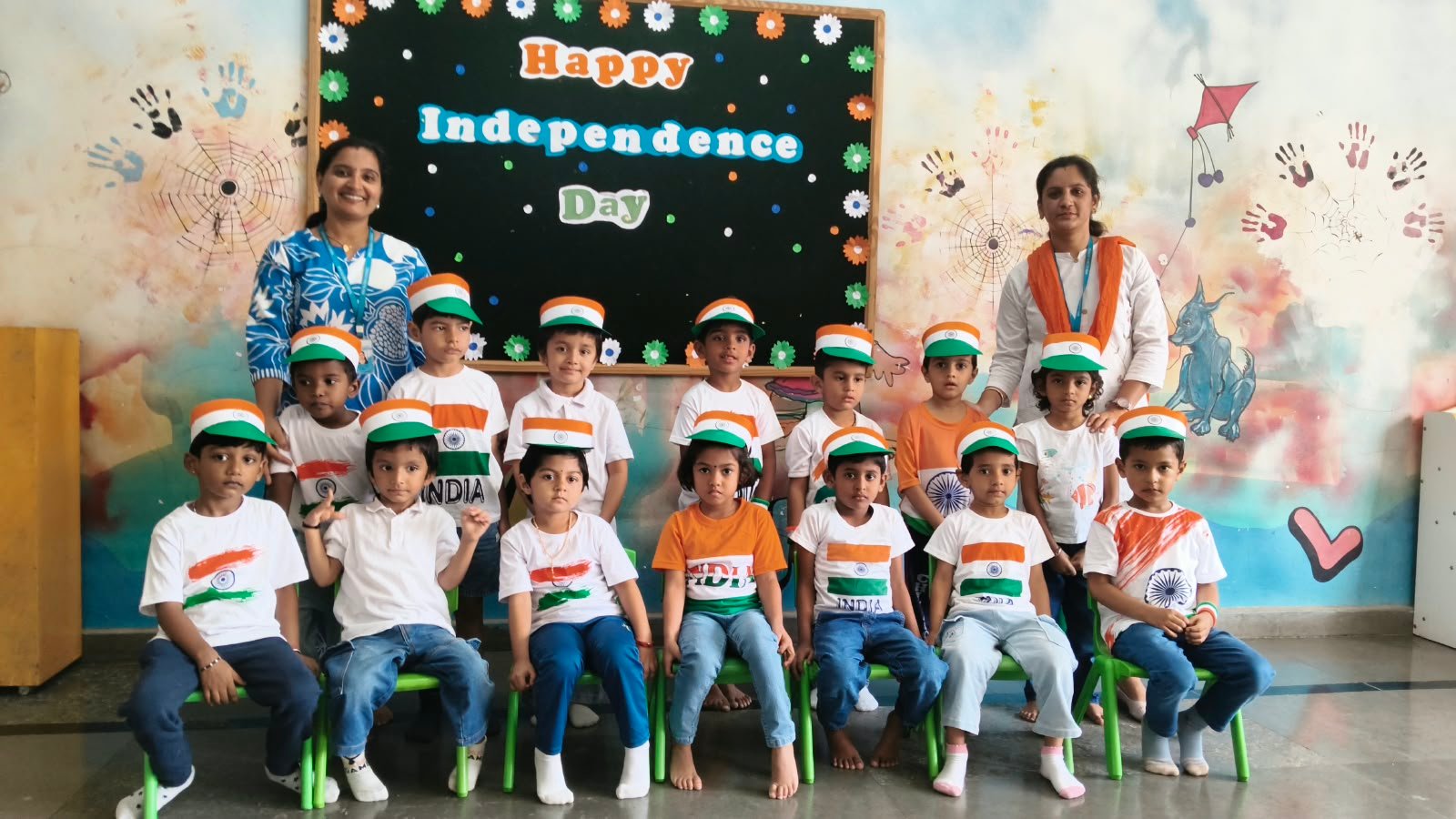
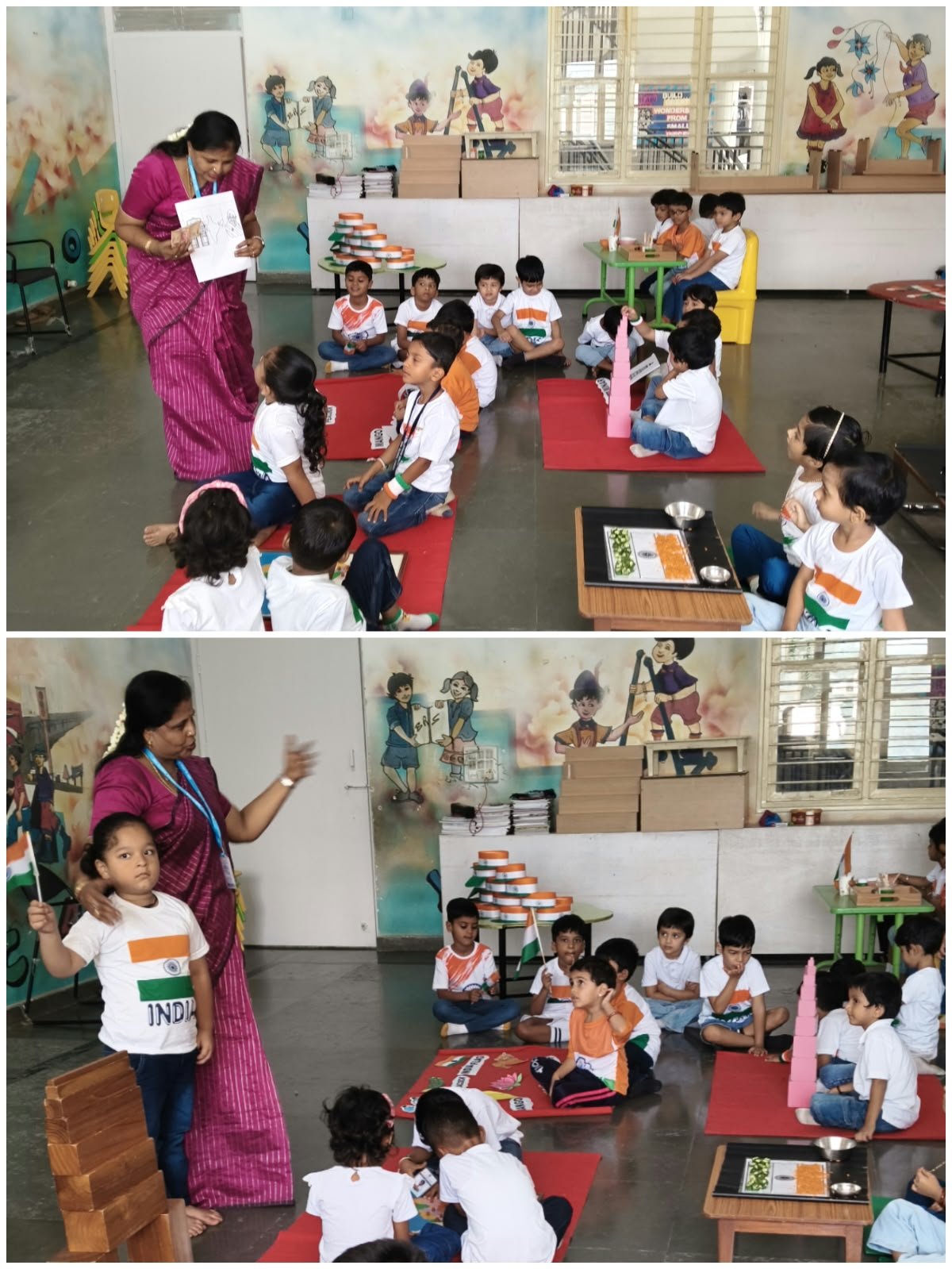
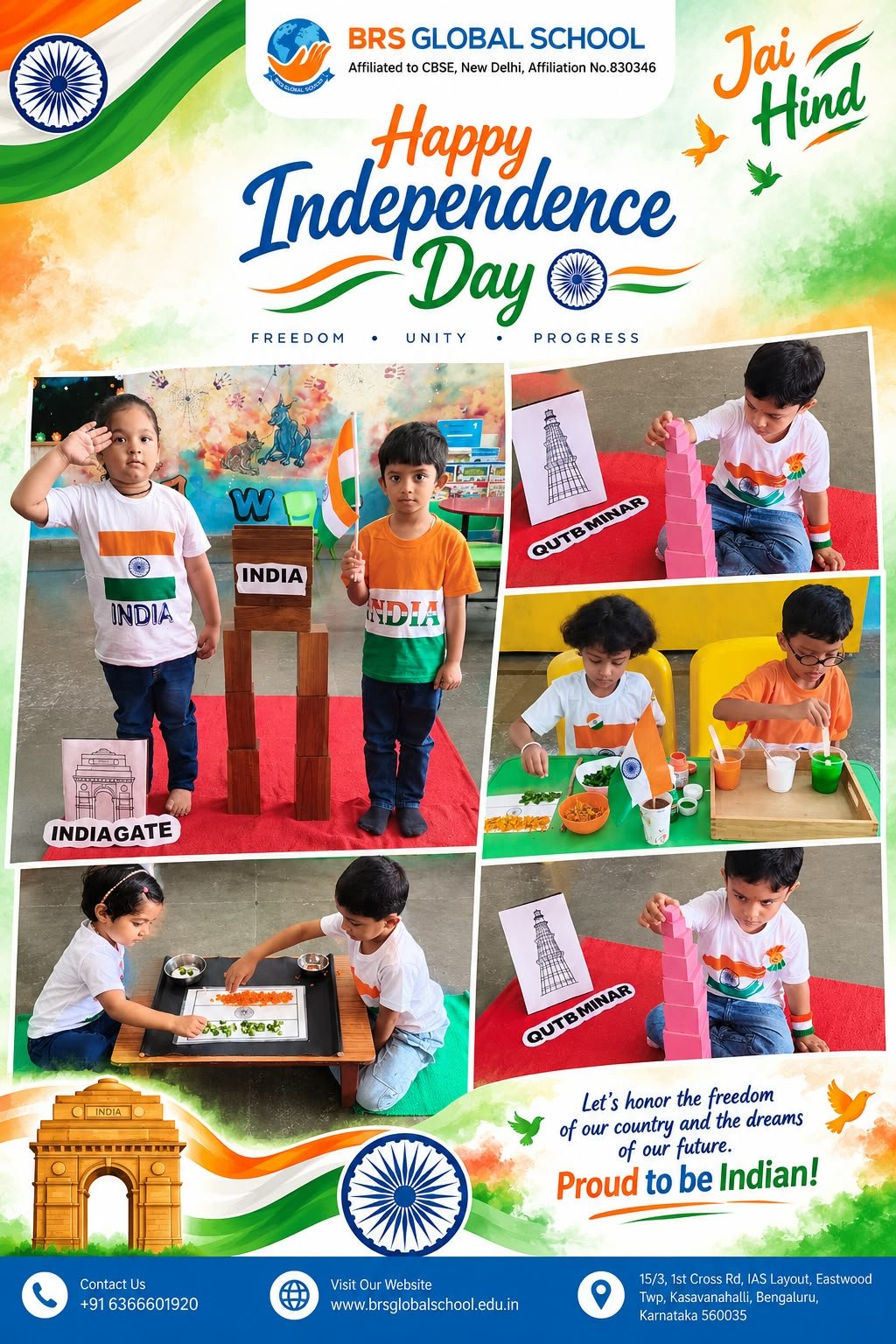
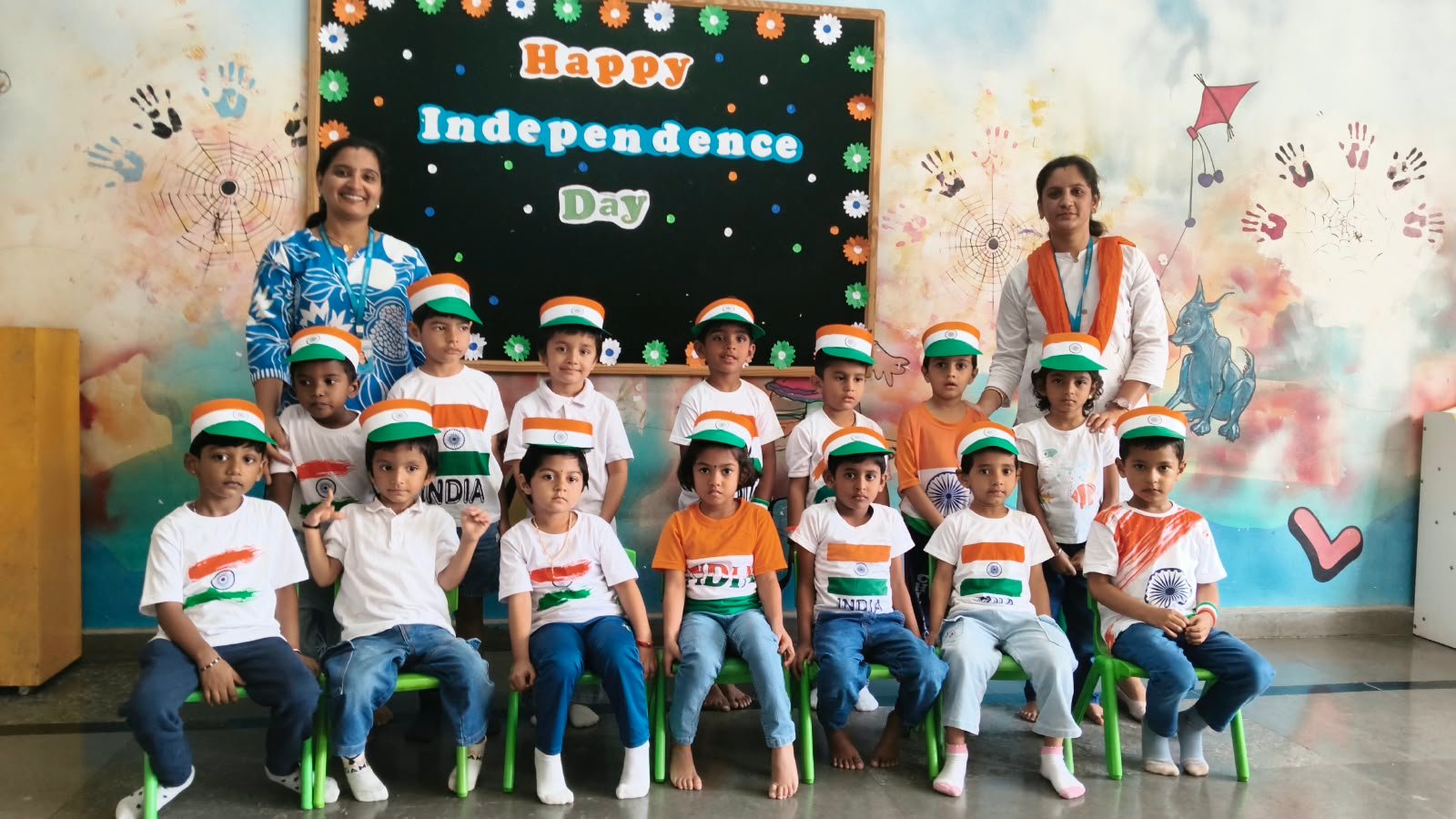
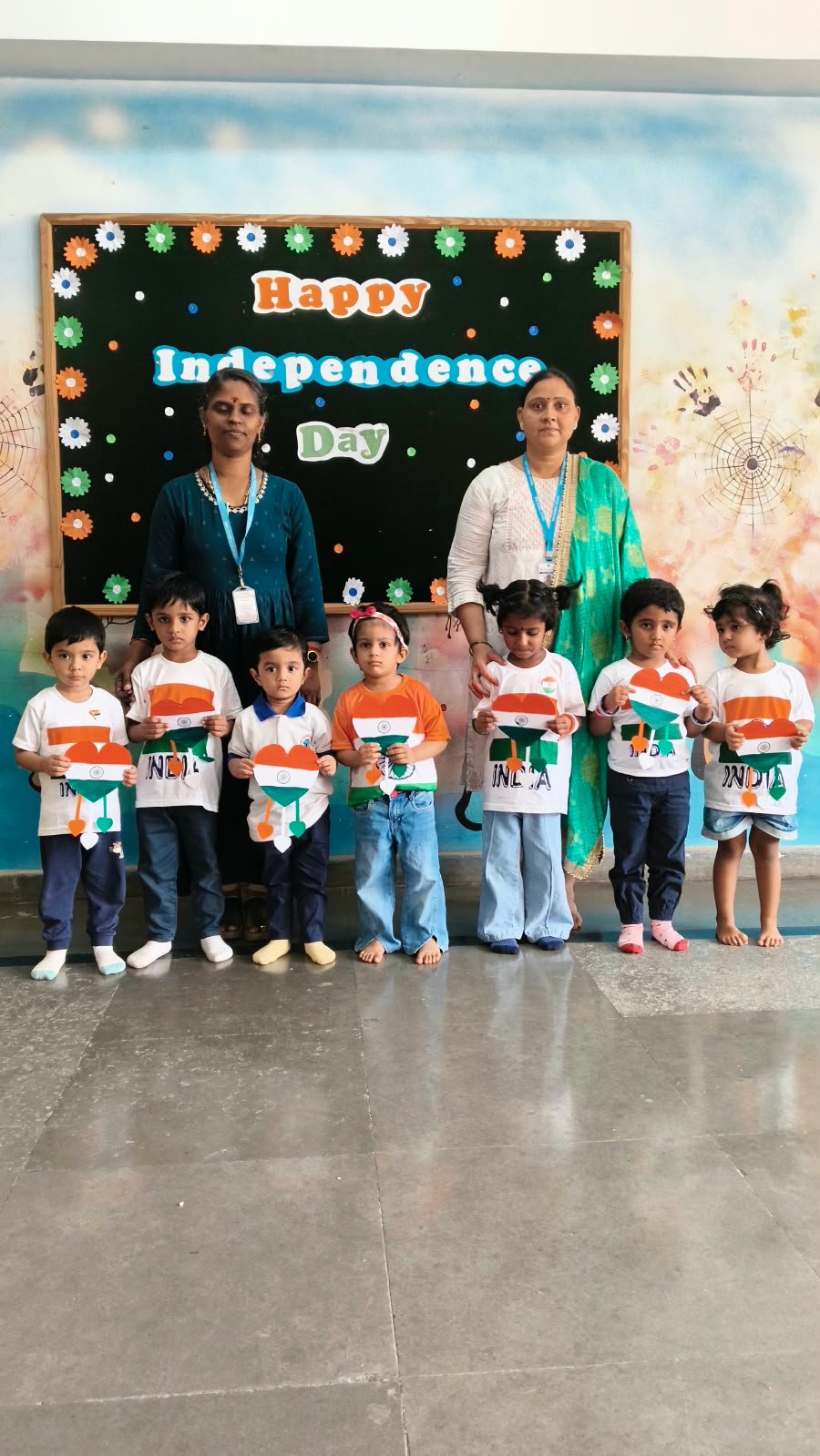
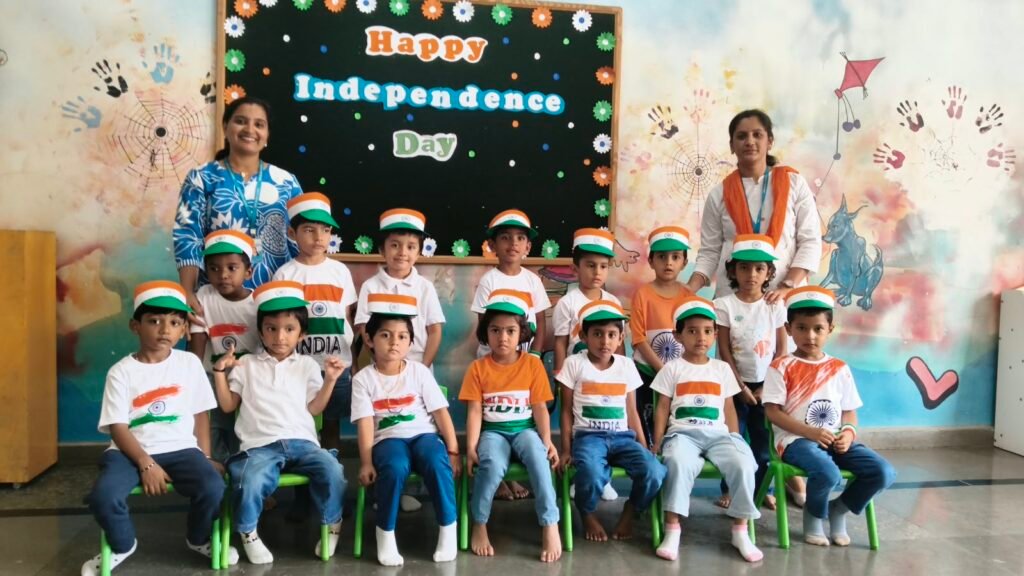
On 14 August 2026, children at BRS Global School | Best CBSE School in Sarjapur Road, Kasavanahalli, Bengaluru, celebrated Independence Day with enthusiasm and patriotic spirit through a range of Montessori-based activities.
Instead of limiting the celebration to a formal programme, the Montessori team created several hands-on learning experiences. Children explored an India Map Puzzle, created models of famous landmarks such as Qutub Minar and India Gate, matched national symbols with their names, experimented with vegetable printing to create Indian flags, and participated in colouring, painting, patriotic songs and dance.
The celebration also included an age-appropriate explanation of freedom fighters and important national symbols by the coordinator.
For parents researching schools in Sarjapur Road, CBSE schools in Sarjapur Road, or schools that value experiential learning during the early years, the event offers an example of how a national occasion can become an opportunity for meaningful classroom-connected learning.
Event Overview: How Was Independence Day Celebrated?
The Independence Day programme was designed around the idea of learning by doing.
Rather than treating Independence Day simply as a ceremonial occasion, the Montessori team used the theme to introduce children to several interconnected concepts:
| Learning Area | Independence Day Activity |
|---|---|
| Indian geography | India Map Puzzle |
| Indian heritage | Qutub Minar and India Gate models |
| National identity | National symbols matching |
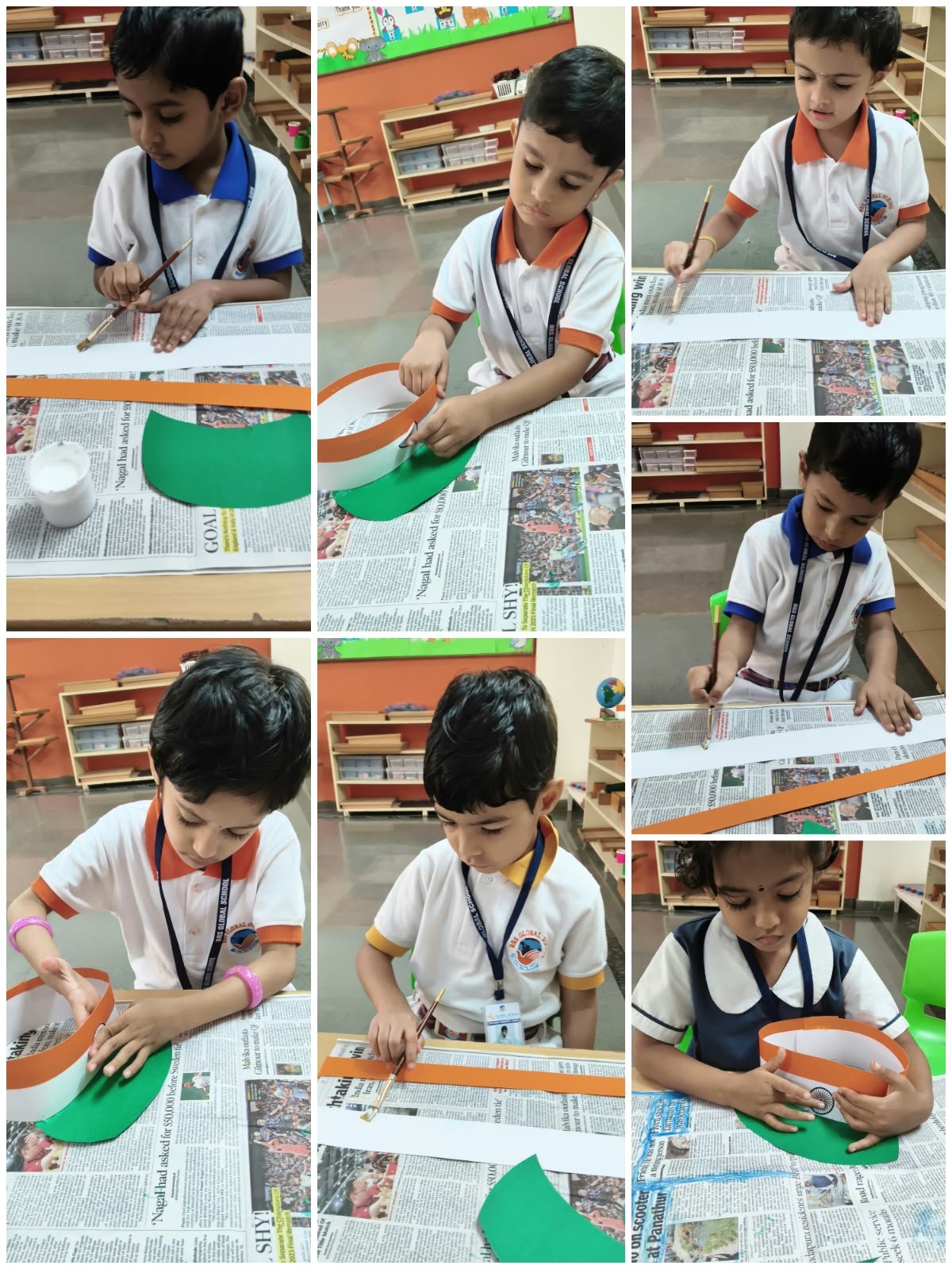
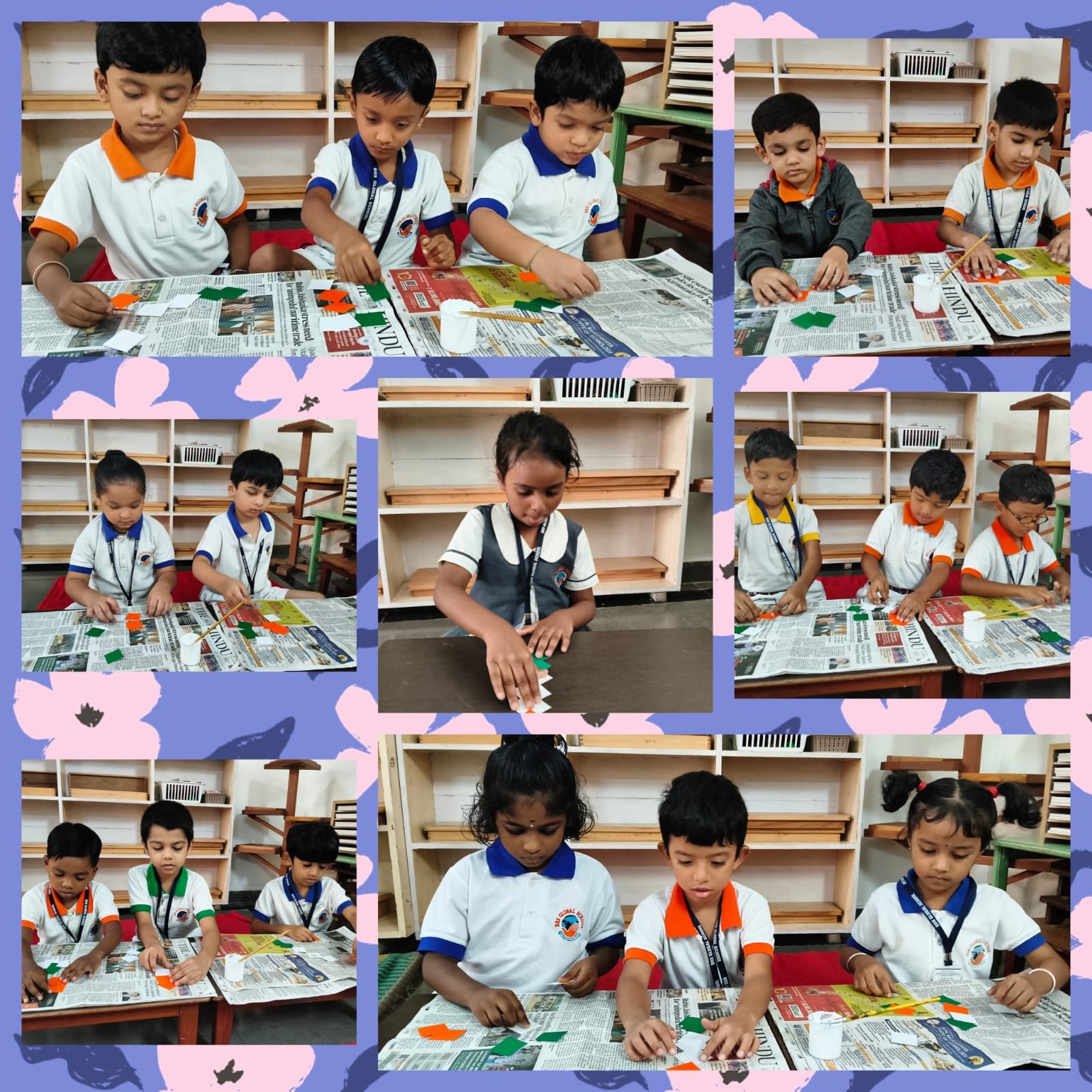
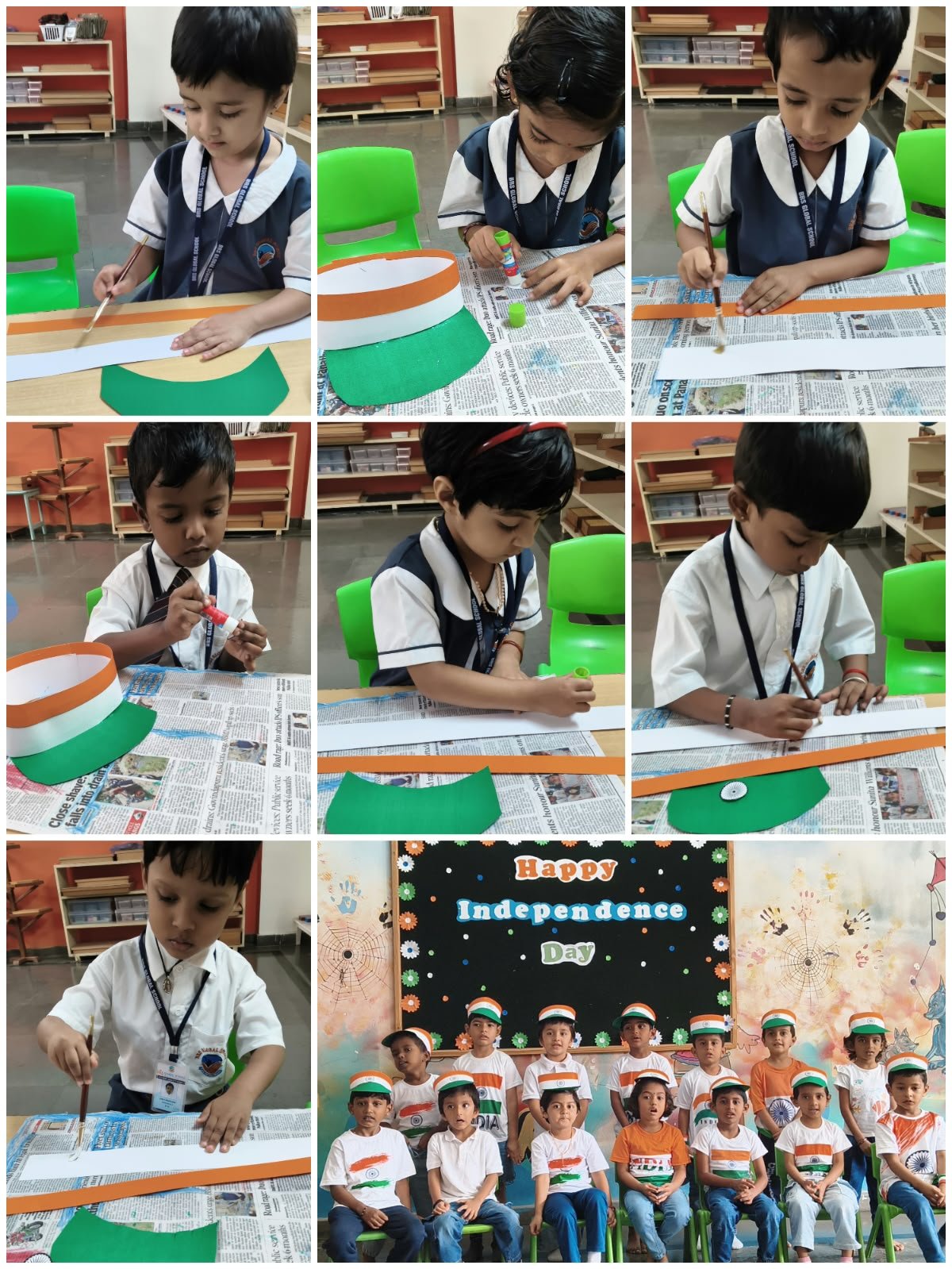
| Art and creativity | Colouring and painting |
| Fine-motor development | Carrot and ladyfinger printing |
| Language and awareness | Discussion about freedom fighters and symbols |
| Music and movement | Patriotic songs and dance |
| Family engagement | Take-home Independence Day activity |
This combination allowed the children to encounter the theme through different modes of learning.
What Happened During the Independence Day Celebration?
How did Montessori materials introduce children to India’s heritage?
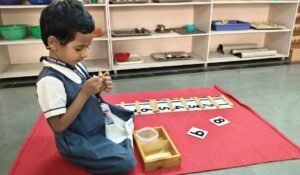
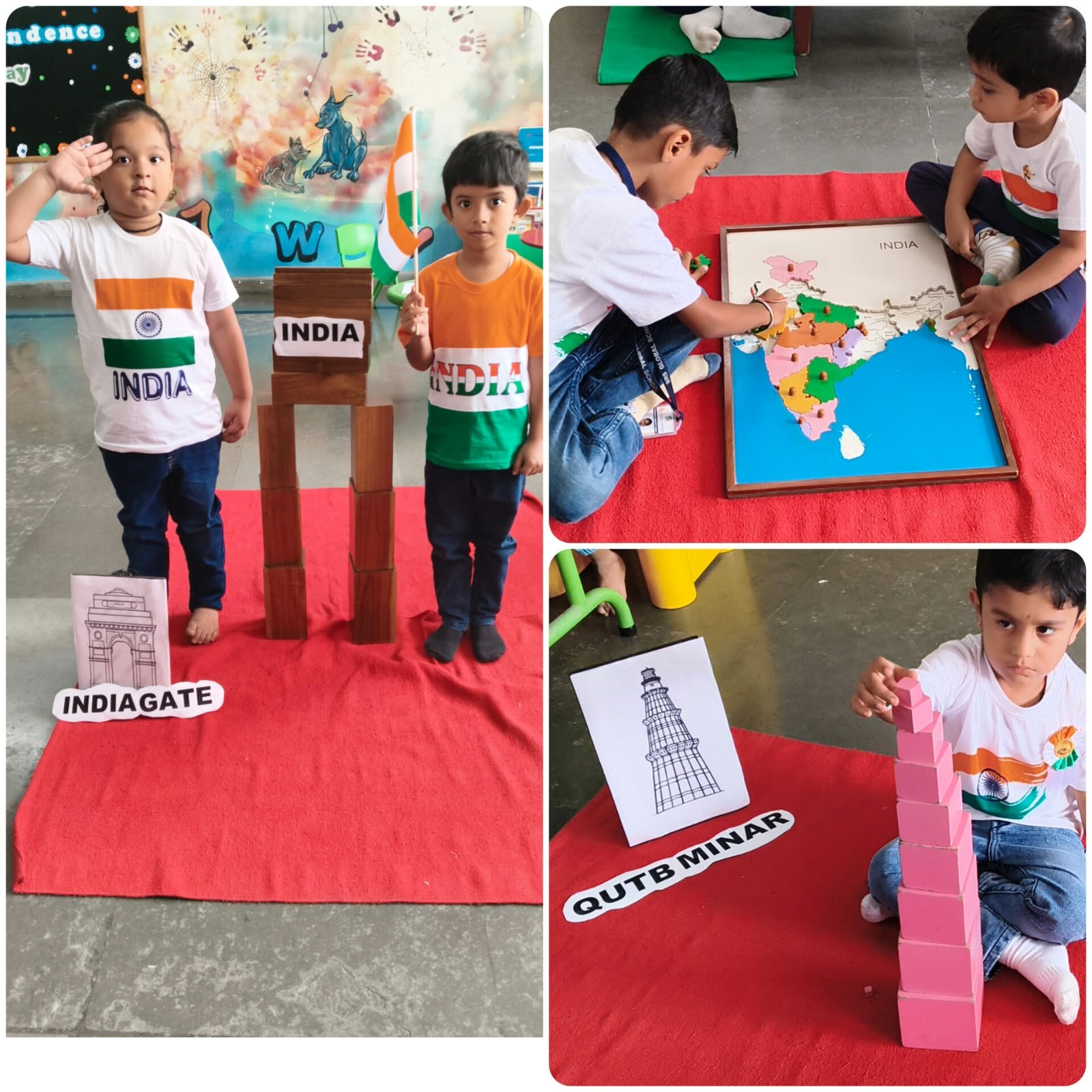
One of the most engaging parts of the celebration was the use of Montessori materials to help children explore Indian landmarks and geography.
The children created models of Qutub Minar and India Gate, giving them an opportunity to represent well-known landmarks through a concrete, hands-on activity.
For young learners, building and manipulating models can make otherwise abstract ideas more tangible. Instead of simply hearing the names of landmarks, children were able to engage with representations of them through their own activity.
This also connected national heritage with creativity and fine-motor practice.
How did the India Map Puzzle support geographical learning?
The children explored an India Map Puzzle as part of the Independence Day activities.
A map puzzle provides a visual and tactile way for young children to begin recognising the shape and geographical identity of a country. At the Montessori level, such an activity can introduce geographical concepts gradually through observation, manipulation and repetition.
The activity therefore connected the Independence Day theme with an early understanding of geography.
Parent takeaway: The India Map Puzzle helped children explore the shape and identity of India through a concrete Montessori-based learning material.
How did children learn about India’s national symbols?
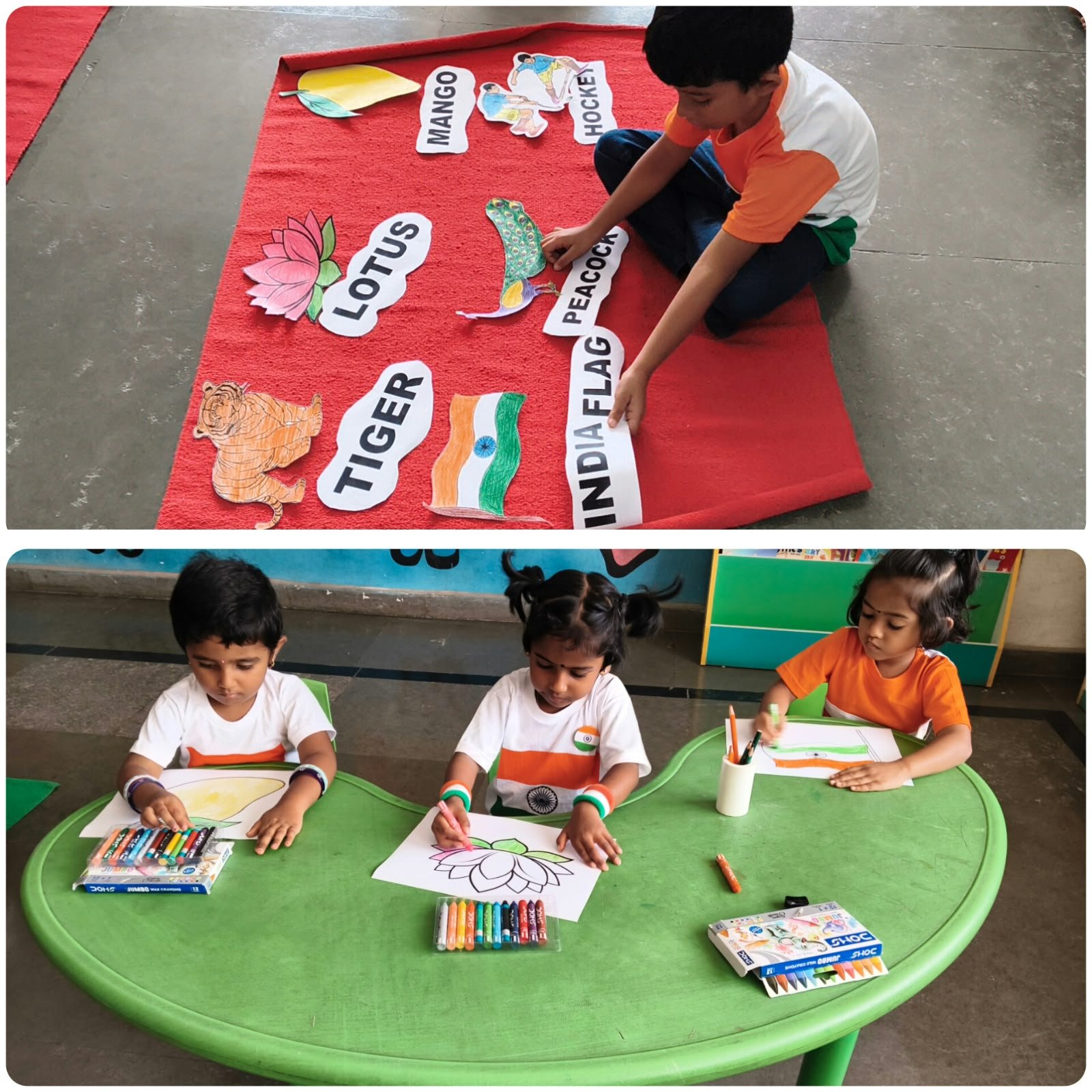
The children also participated in a matching activity in which they matched the names with corresponding national symbols of India.
Matching activities encourage children to observe details, identify relationships and associate words with visual representations. In this case, the activity also introduced national identity through a developmentally appropriate classroom exercise.
The coordinator further explained important national symbols and introduced children to great freedom fighters, helping them understand why Independence Day is observed.
The discussion was kept meaningful and age-appropriate, allowing young children to encounter these ideas without turning the celebration into an overly complex history lesson.
How did art and vegetable printing become part of the celebration?
Creativity was an important part of the programme.
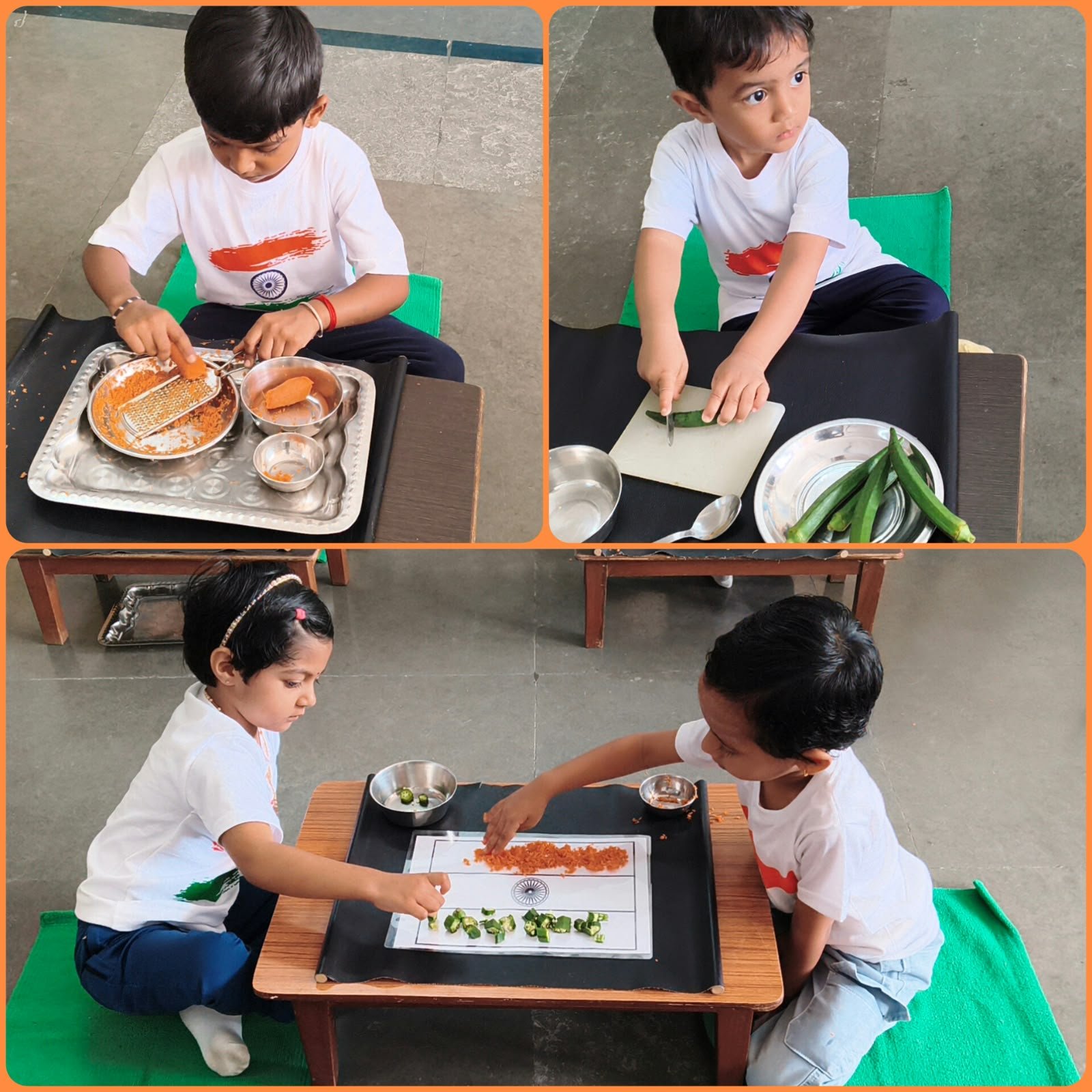
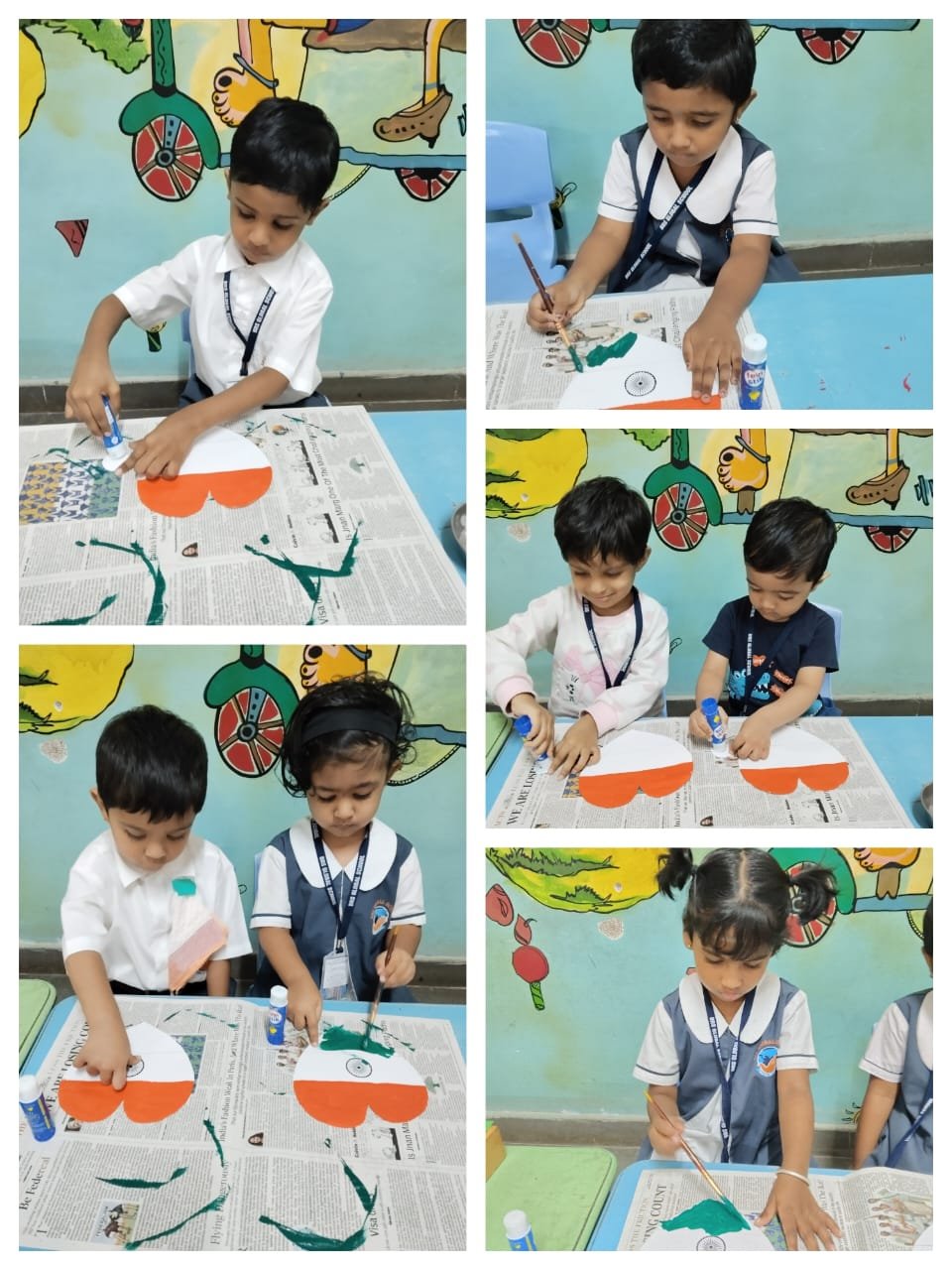
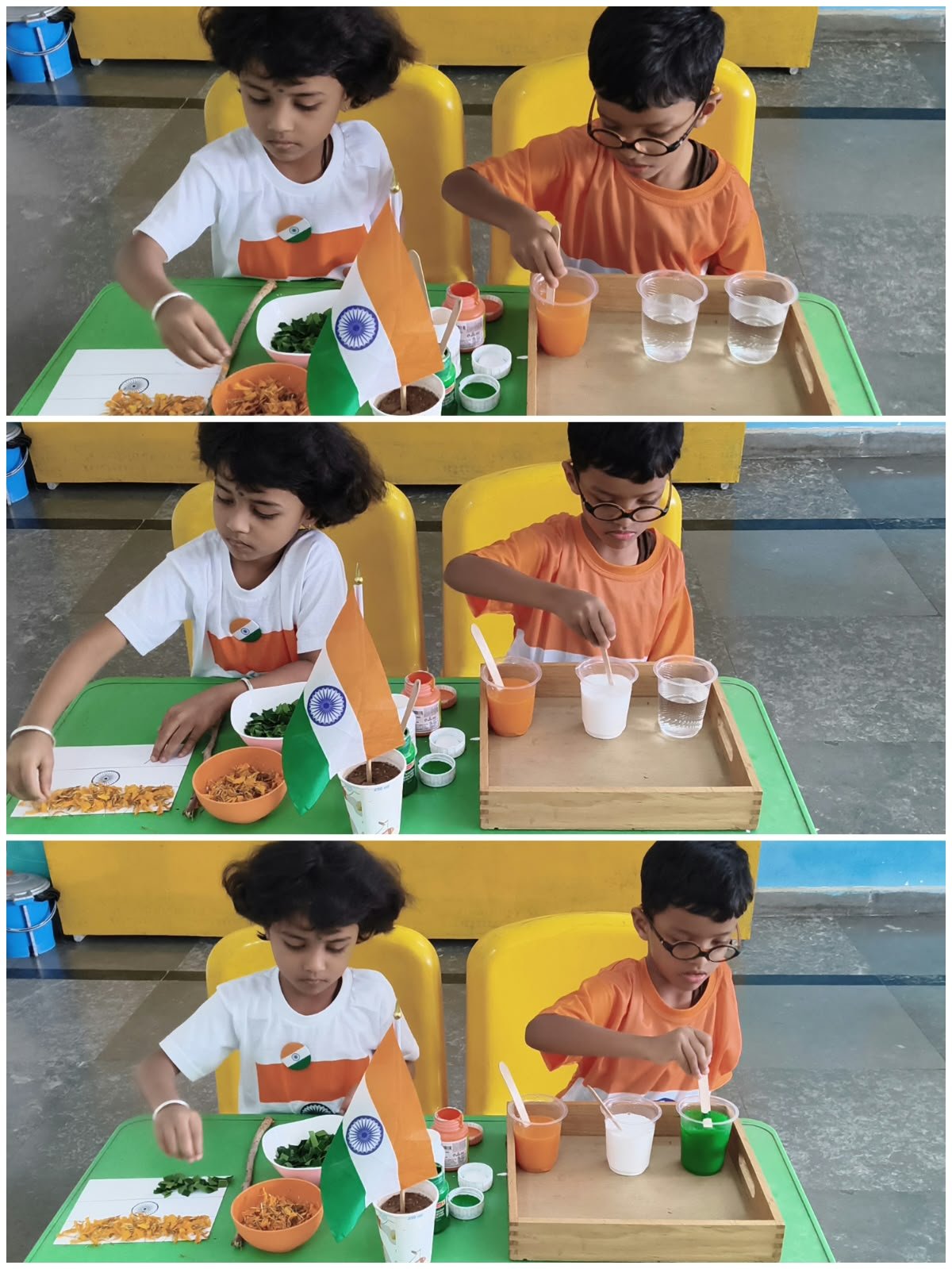
Children participated in colouring and painting activities based on the Independence Day theme. They also used carrot and ladyfinger (okra) printing to create Indian flags.
This activity brought together several learning elements at once. Children experimented with natural materials, created patterns and shapes, worked with colour and produced a representation of the Indian flag.
Such activities can also support hand control and coordination while giving children an enjoyable way to express themselves.
How did music and movement add to the celebration?
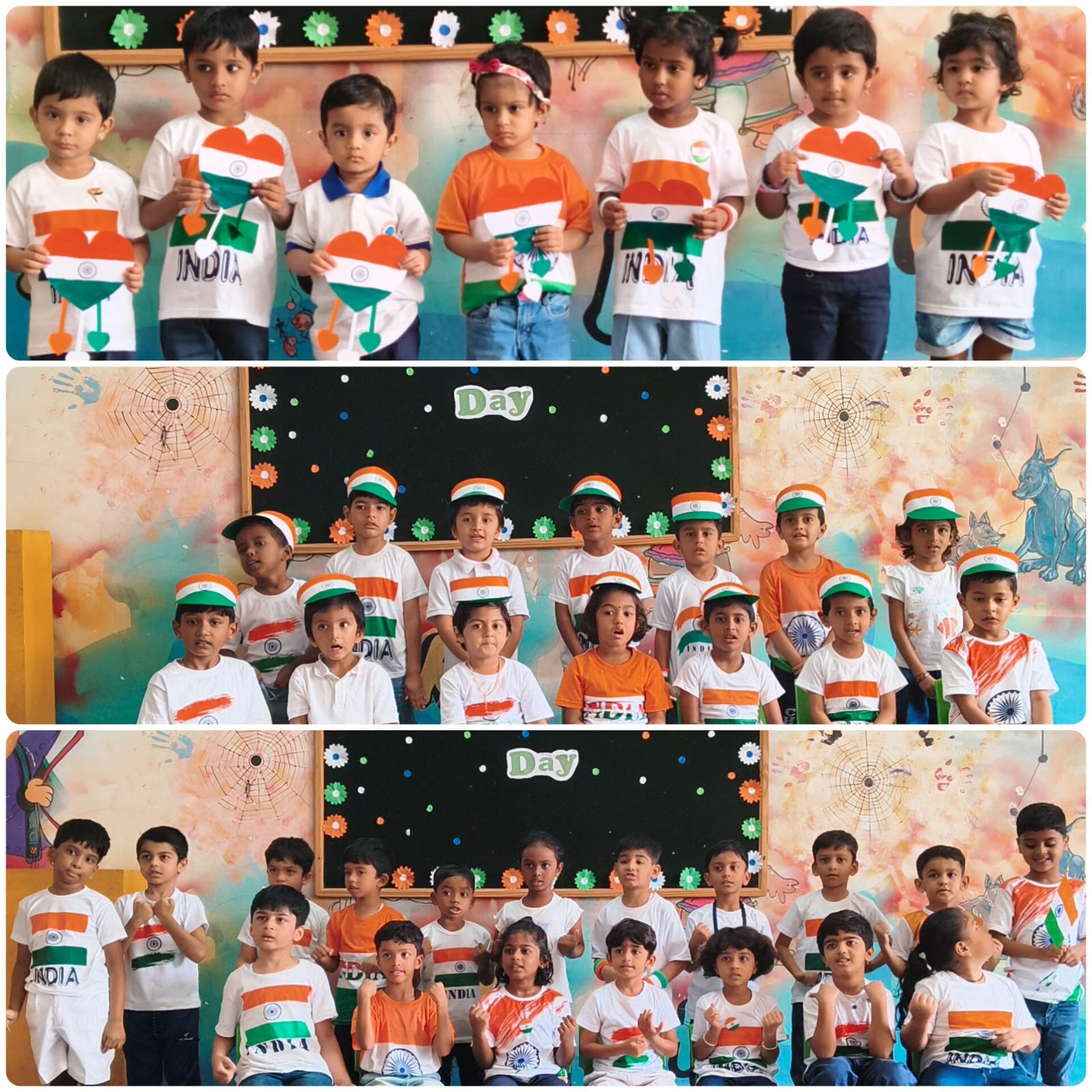
The Independence Day celebration continued with children singing patriotic songs and dancing.
Music and movement provide young children with opportunities to listen, follow rhythm, coordinate actions and participate collectively. In a group setting, these activities can also encourage confidence and joyful participation.
The combination of art, movement, music, geography and cultural awareness ensured that the celebration engaged children through multiple forms of expression.
How did the school extend the learning beyond the classroom?
A take-home activity was sent with the children so that the Independence Day theme could continue at home.
This provided an opportunity for families to become part of the learning experience and discuss India, its national symbols, landmarks or the meaning of Independence Day together.
For parents, such extensions can make school learning more visible and create natural opportunities for conversations between children and family members.
What Did Students Learn from the Independence Day Activities?
The celebration supported several early learning outcomes.
Awareness of Indian heritage
Through Qutub Minar and India Gate models, children were introduced to important landmarks associated with India’s heritage.
Early geographical understanding
The India Map Puzzle gave children a concrete introduction to the shape and geographical identity of India.
Recognition of national symbols
The matching activity helped children associate names with important national symbols.
Historical and civic awareness
The coordinator’s explanation about freedom fighters and national symbols introduced children to the meaning behind Independence Day in an age-appropriate way.
Fine-motor development
Colouring, painting, model-making and vegetable printing required children to use their hands with control and coordination.
Creativity and self-expression
Art, printing, dance and music allowed children to express themselves through different creative forms.
Listening and participation
Following explanations, participating in matching activities and joining songs and dance encouraged attentive listening and active participation.
Cultural awareness
The celebration introduced children to ideas of national identity and India’s heritage through experiences they could understand and enjoy.
How Does the Celebration Align With Experiential and Montessori Learning?
The event reflects an important principle of early childhood education: young children benefit from opportunities to interact directly with materials and experiences.
The Montessori approach is particularly associated with purposeful, hands-on interaction with carefully designed learning materials. During this Independence Day celebration, children were not simply told about India; they interacted with maps, models, matching materials and art activities.
This is also consistent with CBSE’s wider emphasis on active and experiential learning. CBSE describes experiential learning as an approach in which interaction between the learner and environment contributes to learning, and its competency-based learning guidance identifies experiential and active learning as important pedagogies.
CBSE also identifies scope within school education for physical, intellectual and social development and encourages student-centred approaches and innovative teaching-learning practices.
For young learners, therefore, an Independence Day activity can become more than a themed celebration when it gives children opportunities to observe, touch, match, construct, create, sing and participate.
Why Does This Matter for Student Development?
A child’s early learning environment should provide opportunities to develop more than factual knowledge.
Activities such as map puzzles and matching exercises encourage observation and recognition. Art and printing encourage creativity and hand-eye coordination. Model-making gives children opportunities to work with materials and represent ideas. Songs and dance support rhythm, listening and expression.
The Independence Day celebration brought these different experiences together around a familiar national theme.
The value lies not in expecting young children to memorise large amounts of historical information, but in helping them form their first meaningful associations with India, its landmarks, national symbols, freedom fighters and Independence Day.
This approach also gives children a chance to learn through different senses and modes of participation.
Why Should Parents Value Hands-On Learning Experiences?
Parents searching for good schools in Bangalore, schools in Sarjapur Road or CBSE schools in Bangalore often consider curriculum, academics, infrastructure and school facilities. For early learners, however, the daily learning experience is equally important.
A child’s understanding develops gradually through repeated opportunities to explore and make connections.
An India Map Puzzle can introduce geography. A landmark model can make heritage tangible. A national-symbol matching activity can connect vocabulary with visual recognition. Vegetable printing can turn the Indian flag into an artistic exploration.
These activities do not replace formal academic learning. Instead, they create experiences through which young children can develop foundational abilities while engaging with meaningful themes.
CBSE’s official materials similarly recognise the role of experiential and active learning in developing competencies, creativity and effective learning skills.
Local Context: Learning and Community in Sarjapur Road
The Independence Day celebration took place at the BRS Global School Sarjapur Road campus in Kasavanahalli, Bengaluru.
The campus serves families living across the wider Sarjapur Road and southeastern Bengaluru corridor. This includes communities around Bellandur, Sarjapur Road, Hosa Road, Koramangala, HSR layout, Dommasandra, Kodathi, Gunjur, Varthur, Kaikondrahalli, Kasavanahalli, Carmelaram, Harlur, Rayasandra, Naganathapura, Doddakannelli, Kudlu Gate, A Krishnappa Nagar, Halnayakanahalli, Radha Reddy Layout, Chikkanayakanahalli, Huskur, KPC Layout, CSB Layout, Owners Court, Doddanagamangala, Doctors Layout, Shiva Reddy Layout, Meenakshi Layout, Chikbellandur, Sompura Gate, Muthannalur Cross, Gunjur to Dommasandra Road, Mullur, Amrita Engineering College Road Kasavanahalli, Amrita Nagar, Serenity Layout, Spring Fields, Iblur, Marathahalli, Shobha Apartments, Choodasandra, Junnasandra, Rayasandra.
For working families living in apartment communities and residential neighbourhoods along Sarjapur Road, school location can be an important practical consideration alongside curriculum and educational approach.
The Sarjapur Road campus is therefore particularly relevant to parents exploring schools near Sarjapur Road, schools in Bellandur, CBSE schools in Bellandur, and schools serving the Kasavanahalli area.
The wider BRS Global School network also includes a separate Attibele branch. The Attibele campus should not be confused with the Sarjapur Road campus covered in this event report. Families specifically exploring schools in Attibele, Chandapura or Anekal can consider the Attibele branch as a separate BRS Global School location.
Common Parent Questions About Independence Day Learning
How does this activity support CBSE learning?
The activity supports the broader principles of active and experiential learning by allowing children to learn through maps, models, matching, art, music and movement. CBSE identifies experiential and active learning as important approaches for competency development.
How does Independence Day improve children’s understanding of India?
Children encountered India through several connected concepts: landmarks, maps, national symbols, freedom fighters, the national flag and patriotic songs. Presenting these concepts through hands-on activities makes the theme more concrete and accessible to young learners.
What skills were developed during the celebration?
Children had opportunities to practise observation, matching, visual recognition, fine-motor coordination, creativity, listening, geographical awareness, movement and expressive participation.
Why are Montessori materials useful for this type of activity?
Montessori materials give young children opportunities to interact directly with concepts through purposeful hands-on activity. During this programme, materials were used to explore geography and landmarks while keeping the Independence Day theme concrete and engaging.
How does this activity contribute to holistic development?
The programme combined cognitive learning with creativity, movement, communication, fine-motor activity and cultural awareness. This provides a broader developmental experience rather than focusing on a single academic skill.
Which students benefit most from activities like these?
Young learners who are developing foundational skills in observation, coordination, language, creativity and social participation can benefit from hands-on activities that allow them to explore concepts actively.
Why should parents value patriotic learning at an early age?
Age-appropriate patriotic learning can help children develop an early awareness of their country, its symbols, heritage and history. The emphasis should remain on meaningful understanding rather than rote memorisation.
Key Highlights of Independence Day Celebration 2026
• Date: 14 August 2026
• Campus: BRS Global School Sarjapur Road, Kasavanahalli, Bengaluru
• Learning approach: Montessori-based, hands-on activities
• Heritage learning: Qutub Minar and India Gate models
• Geography activity: India Map Puzzle
• National awareness: Matching national symbols with names
• Creative activities: Independence Day colouring and painting
• Flag-making activity: Carrot and ladyfinger printing
• Awareness session: Freedom fighters and national symbols
• Music and movement: Patriotic songs and dance
• Family connection: Take-home Independence Day activity
• Developmental focus: Creativity, coordination, awareness, participation and cultural learning
Frequently Asked Questions (FAQs)
How did BRS Global School celebrate Independence Day 2026?
BRS Global School Sarjapur Road celebrated Independence Day through Montessori-based activities including landmark model-making, an India Map Puzzle, national-symbol matching, colouring, painting, vegetable printing, patriotic songs and dance.
What Montessori activities were conducted for Independence Day?
Children used Montessori materials to create models of Qutub Minar and India Gate and explored an India Map Puzzle. They also participated in matching, art and vegetable-printing activities connected to the national celebration.
What did children learn about India during the celebration?
Children were introduced to India’s landmarks, geographical shape, national symbols, freedom fighters and the significance of Independence Day through age-appropriate explanations and hands-on activities.
How did children make the Indian flag?
Children used carrot and ladyfinger (okra) printing as a creative technique to make Indian flags, combining artistic exploration with awareness of the national flag.
How does Independence Day activity support holistic development?
The programme combined geography, cultural awareness, art, fine-motor practice, music, movement and participation, giving children opportunities to develop multiple skills through a common theme.
Is this activity relevant to families looking for CBSE schools in Sarjapur Road?
Yes. The event demonstrates how the Sarjapur Road campus incorporates hands-on and theme-based learning experiences for young children alongside the broader school curriculum.
Where is the BRS Global School Sarjapur Road campus located?
The Sarjapur Road campus is located in Kasavanahalli, Bengaluru, serving families from Sarjapur Road and surrounding communities including Bellandur, Harlur, HSR Layout, Carmelaram, Kaikondrahalli, Gunjur and nearby areas.
Conclusion: Learning About India Through Curiosity, Creativity and Participation
The Independence Day celebration at BRS Global School Sarjapur Road demonstrated how a national occasion can become a meaningful learning experience for young children.
Through landmark models, an India Map Puzzle, national-symbol matching, art, vegetable printing, patriotic songs and dance, children explored India through multiple forms of participation. The coordinator’s discussion about freedom fighters and national symbols added context to the activities, while the take-home activity extended the experience beyond the classroom.
For young learners, these moments can help establish early connections between learning and lived experience. They also create opportunities for children to develop creativity, coordination, observation, communication and cultural awareness in an enjoyable setting.
For parents considering schools in Sarjapur Road, the celebration offers a glimpse into how hands-on experiences can complement academic learning during the formative years.
Parents looking for a CBSE school in Sarjapur Road with a focus on meaningful learning experiences can explore the BRS Global School, Sarjapur Road campus in Kasavanahalli and learn more about its academic approach, Montessori programme and student opportunities.