
Introduction: Learning Beyond the Classroom
Children often understand concepts more meaningfully when they can see, observe and experience them in real-life settings. Outdoor learning provides opportunities to connect classroom discussions with the world around them, encouraging curiosity and active participation.
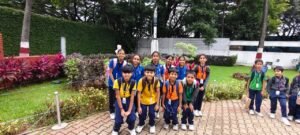
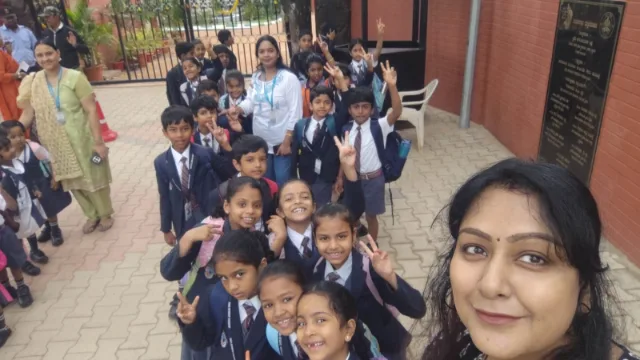
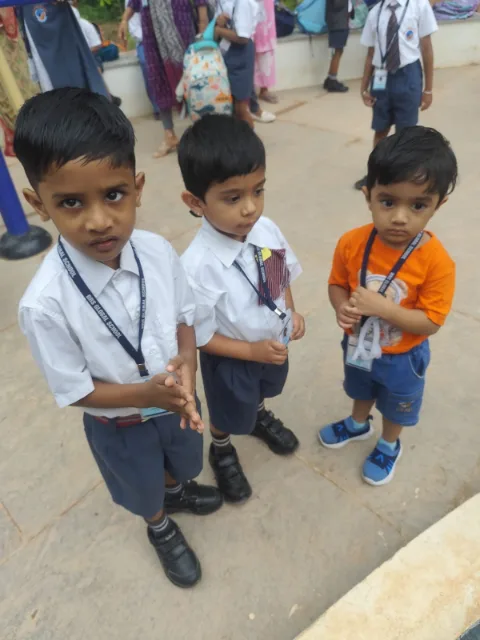
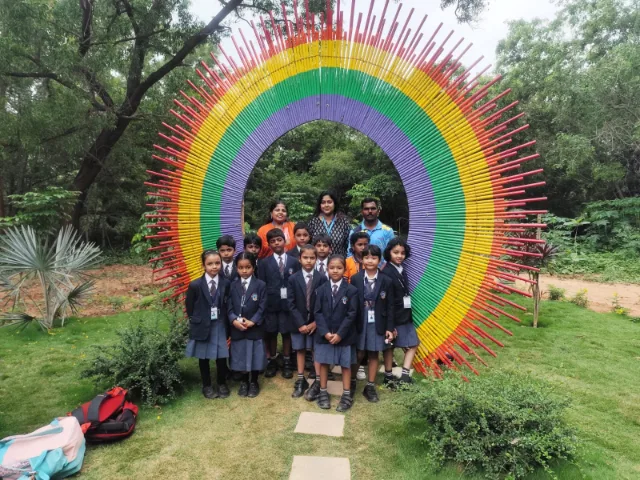
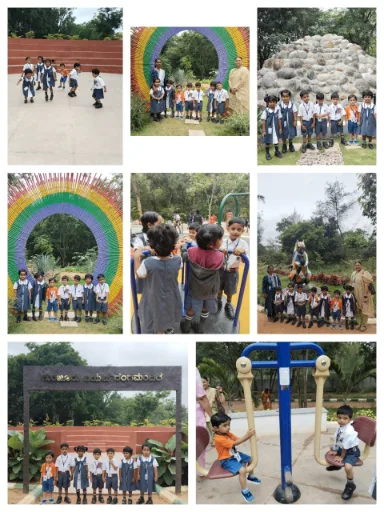
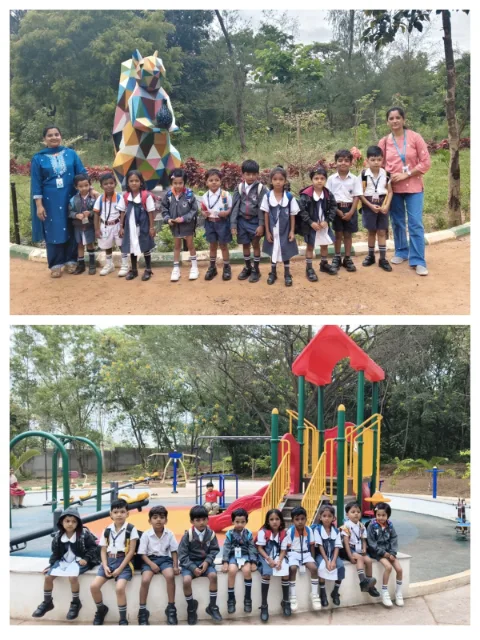
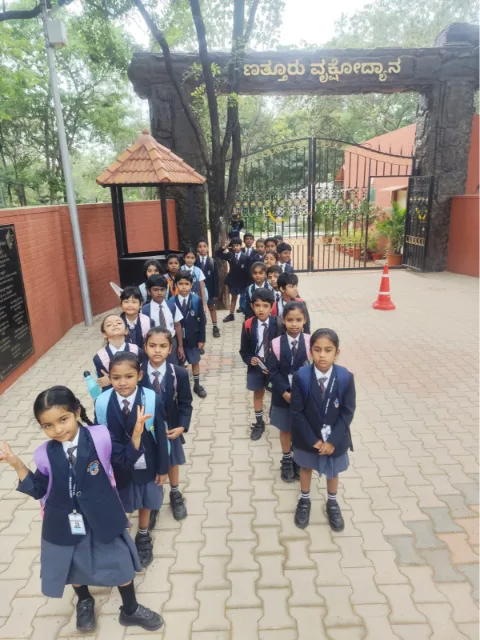
On 22 October 2026, BRS Global School | Best CBSE School in Sarjapur Road, organised an educational field trip to Panathur Tree Park, Bengaluru, for students from Montessori to Grade 2. The visit combined nature exploration, guided observation, outdoor play and environmental awareness in an engaging learning experience.
For young children, a tree is more than a picture in a textbook. They can observe its trunk, leaves, branches and surroundings, compare different plants and begin asking questions about how trees grow and why they matter.
The visit reflected the importance of experiential learning during the early years of education. It gave children an opportunity to explore their surroundings, interact with classmates and discover how everyday experiences can support their learning.
Event Overview
Event : Educational Field Trip to Panathur Tree Park
Date : 22 October 2026
Venue : Panathur Tree Park, Bengaluru
Organised by : BRS Global School, Sarjapur Road
Participants : Montessori to Grade 2
Learning themes : Nature exploration, tree identification, environmental awareness, physical activity and social development
What Happened During the Panathur Tree Park Field Trip?
Exploring a Green Space in Bengaluru
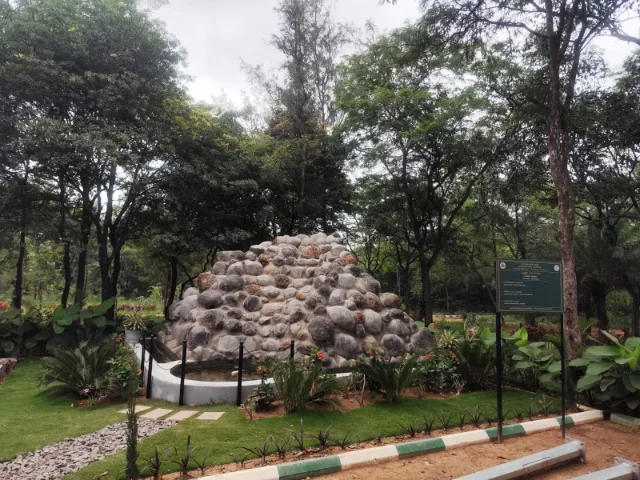
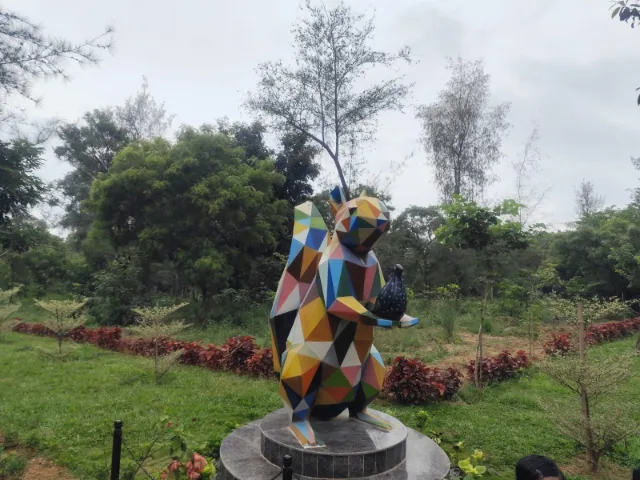
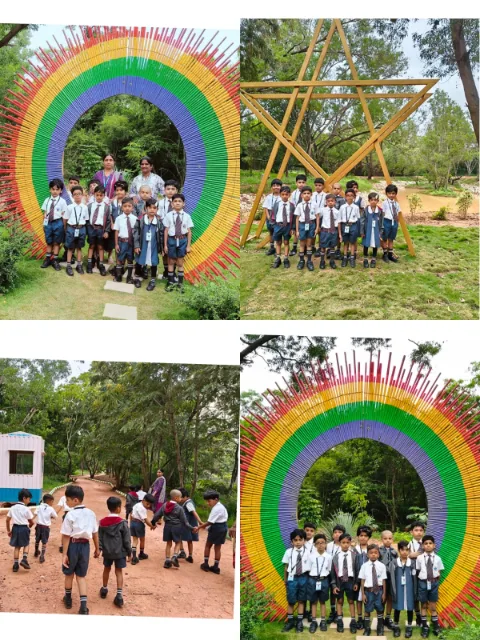
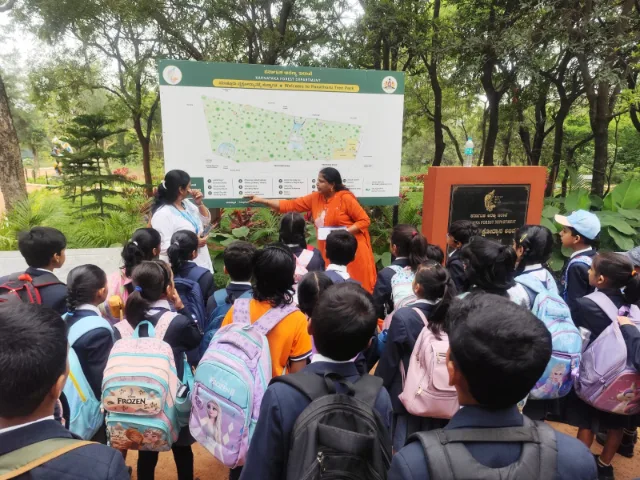
Students explored the park’s trees, landscaped gardens, plants and open spaces. Teachers guided them in observing their surroundings and understanding the value of green spaces within an urban environment.
The experience introduced children to the idea that urban forests and tree parks help preserve vegetation and provide habitats for living organisms. It also encouraged them to notice the relationship between trees, plants, wildlife and the environment.
Through guided discussions, children were encouraged to observe carefully, ask questions and appreciate the natural world.
Enjoying the Amphitheatre and Sharing Snack Time
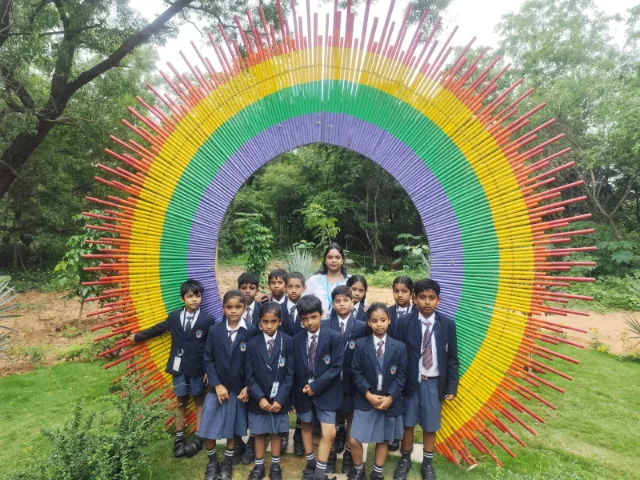
The children also visited the amphitheatre, where they enjoyed the surroundings and captured their happy moments through photographs. They shared snacks together in the park, making the visit even more enjoyable. These simple experiences encouraged friendship, social interaction and a sense of togetherness among the young learners.
Discovering Different Tree Species
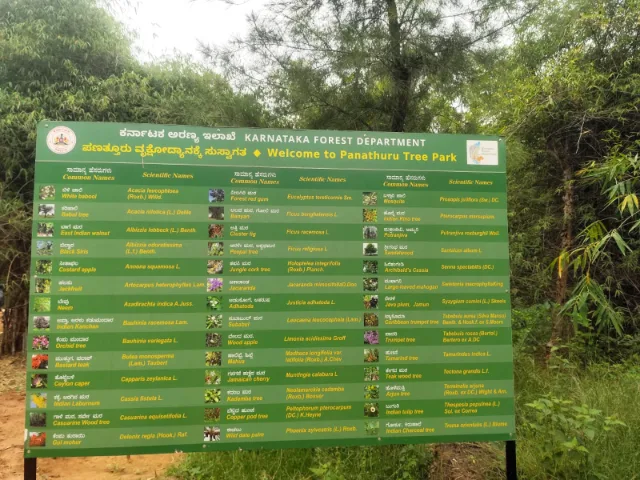
One of the educational highlights was the opportunity to learn about different trees through the park’s information boards.
Students encountered tree names including:
Neem: A familiar Indian tree known for its traditional uses and contribution to the environment.
Indian Kino: An example of a native tree that helps children explore the diversity of plant life.
Amaltas: A flowering tree recognised for its golden-yellow flowers.
Emblica (Amla): A tree associated with the familiar Indian gooseberry fruit.
Tree identification boards helped connect names and information with real plants. Children could observe the trees and notice differences in their appearance, leaves, flowers and overall forms.
This type of outdoor observation can make early science and vocabulary learning more concrete. Rather than simply memorising names, children get an opportunity to connect words with what they see around them.
Reading and Observing Information Boards
The field trip also offered opportunities to practise observation and early reading skills.
Information boards displayed tree names and details, allowing children to connect written information with the plants in the park. With teacher guidance, these observations can encourage vocabulary development, recognition of familiar words and curiosity about scientific names.
For younger learners, such experiences help demonstrate that reading is useful beyond the classroom. Signs, labels and information boards can all become opportunities to explore language in a meaningful setting.
Understanding Environmental Responsibility
The visit encouraged children to think about how their actions affect the environment.
Students learnt the importance of keeping public spaces clean, using dustbins, caring for plants and avoiding damage to flowers or branches. They were also guided to follow park rules, stay with their group and respect other visitors.
The park’s guidelines provided a practical context for discussing responsible behaviour. Children learnt that protecting nature involves small but meaningful actions, such as not littering and leaving plants undamaged.
These lessons can help establish positive environmental habits from an early age.
Observing Wildlife Safely
A tree park provides a shared habitat for plants, birds and other living things. During the visit, students were introduced to the importance of respecting wildlife and following safety guidance.
They learnt that unfamiliar animals should not be approached or touched and that any wildlife sighting should be reported to an adult. Staying on designated paths and listening to teachers were also important safety practices.
These lessons help young children understand that exploring nature also means respecting the space and safety of other living things.
Learning Through Play and Movement
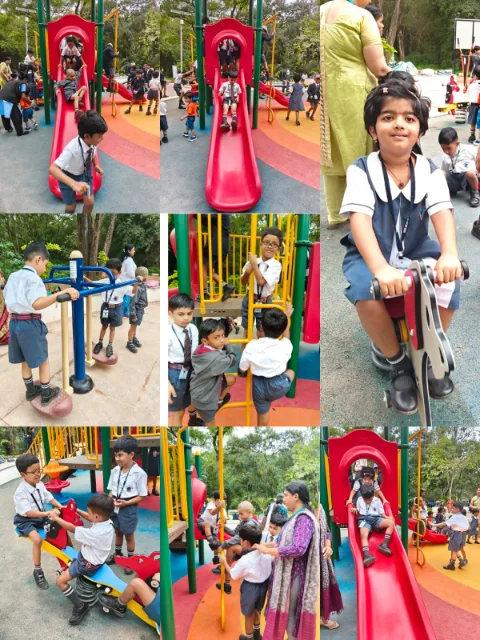
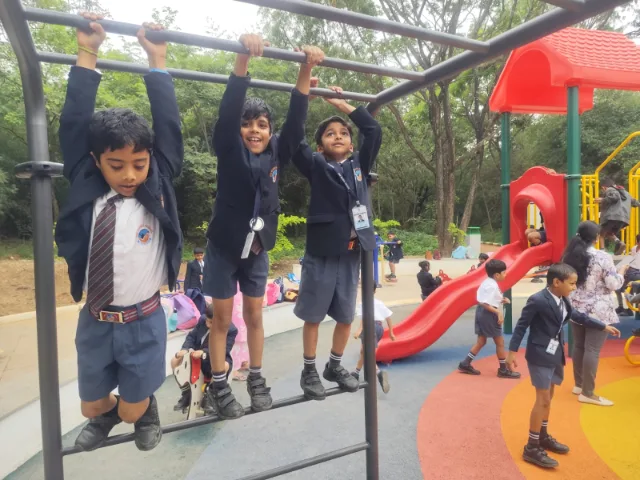
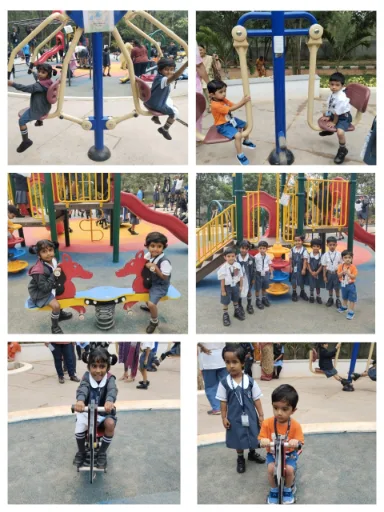
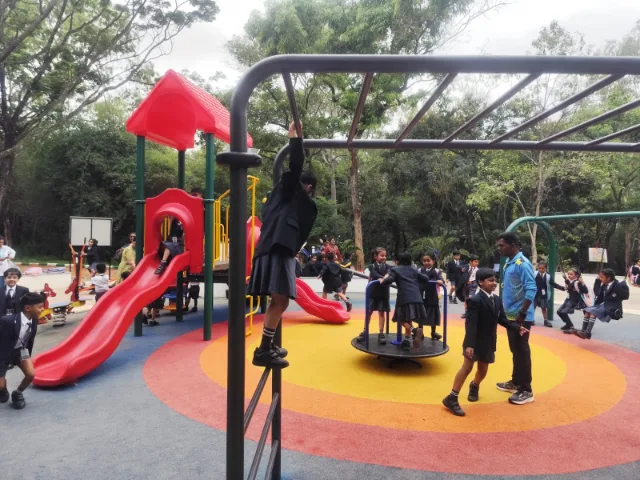
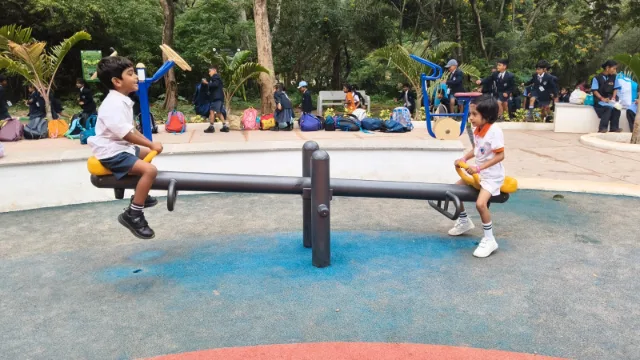
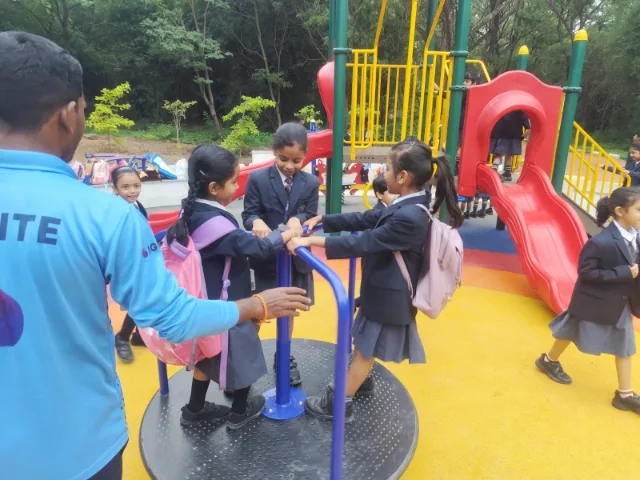
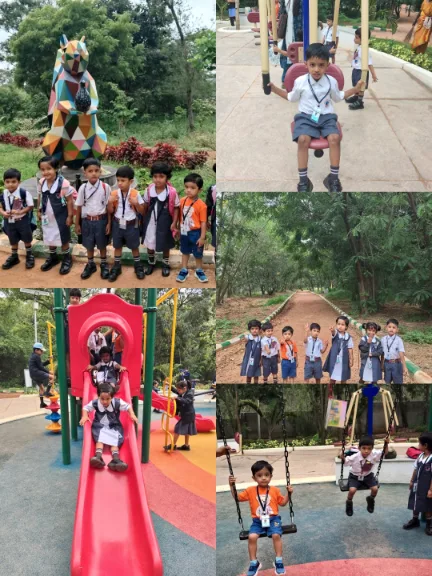
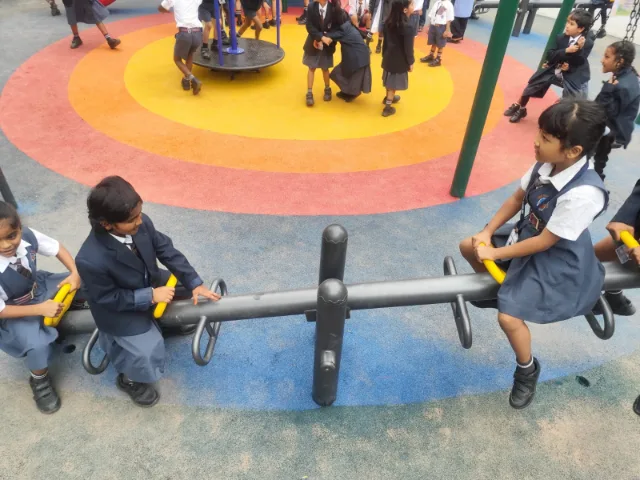
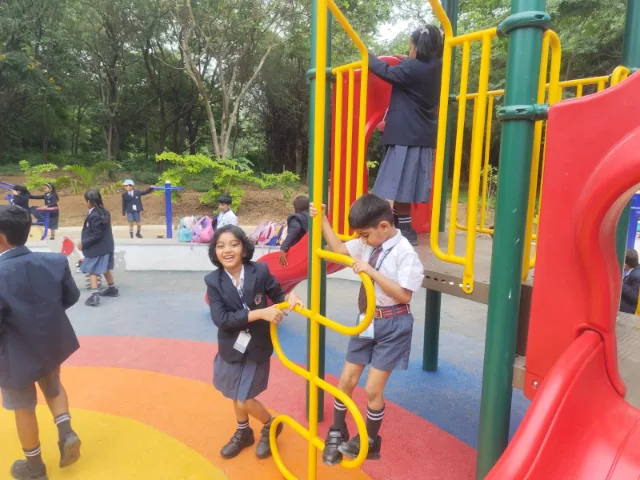
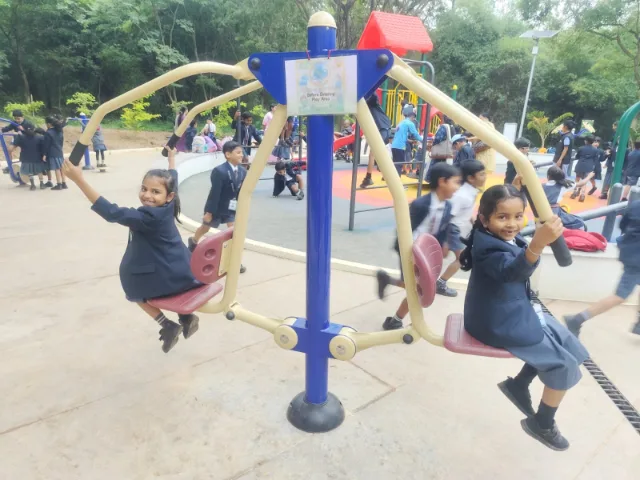
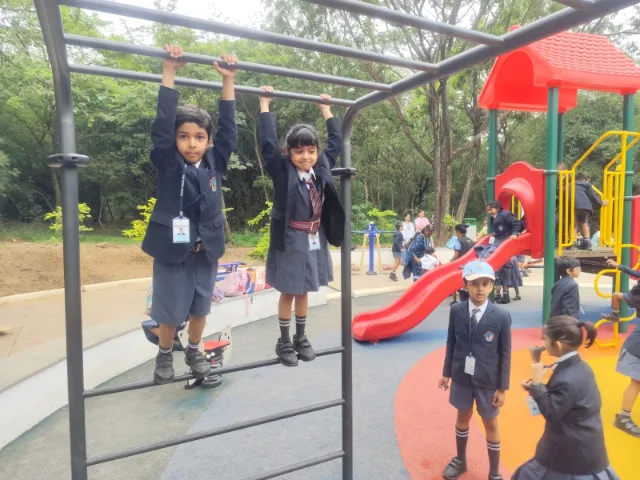
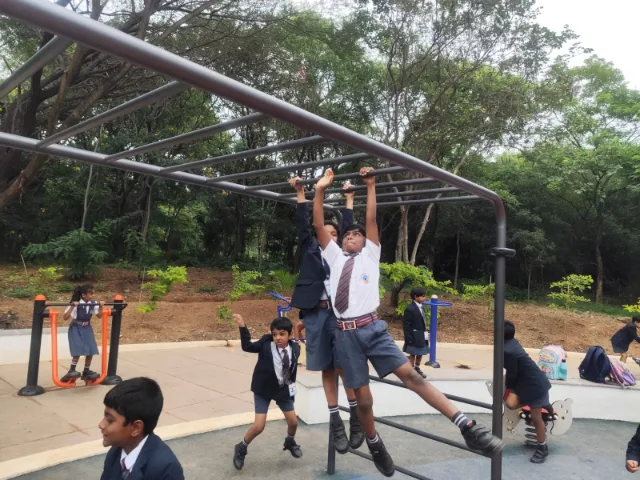
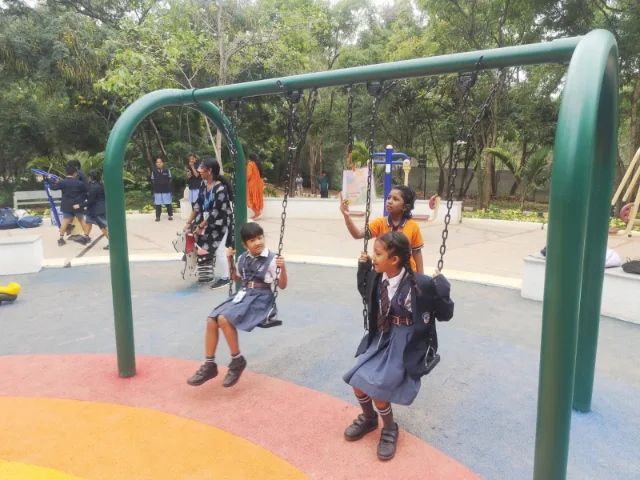
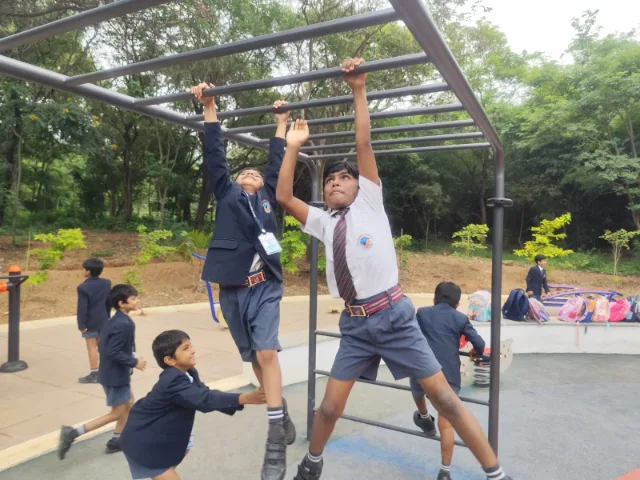
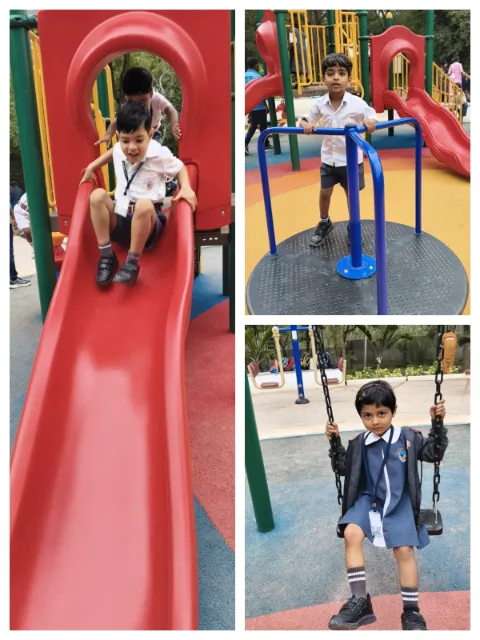
Outdoor play was another memorable part of the visit. Students enjoyed the park’s play facilities, including swings, climbing equipment and balancing activities.
These activities gave children opportunities to practise movement, balance, coordination and body awareness. Trying different equipment can also encourage perseverance as children learn to approach new physical challenges with confidence.
Playing alongside classmates encouraged turn-taking, patience, cooperation and consideration for others. In this way, recreational activities supported both physical and social development.
Building Friendships Through Shared Experiences
Exploring a new place together created opportunities for conversation, shared discovery and friendship.
Children experienced the park as a group, observed the same surroundings and participated in shared activities. These experiences encouraged communication, cooperation and a sense of belonging.
For younger students, learning alongside peers can be an important part of developing social confidence. Guided outdoor experiences also allow teachers to encourage respectful behaviour and positive interactions in settings beyond the classroom.
What Did Students Learn from the Field Trip?
The educational value of the visit extended beyond nature observation. It brought together environmental awareness, language, physical activity and social learning.
Environmental Awareness
Students learnt why trees and plants need care and protection. Observing green spaces helped them begin to understand the importance of vegetation and the need to keep public environments clean.
Observation and Curiosity
Identifying different trees encouraged children to notice details, compare features and ask questions. These habits are important foundations for exploration and scientific thinking.
Language and Communication
Tree names, information boards and guided conversations provided opportunities to develop vocabulary, describe observations and express ideas.
Physical Development
Swinging, climbing and balancing activities offered opportunities to practise coordination, balance, strength and body awareness.
Social and Emotional Development
Playing together helped children practise sharing, waiting for their turn, following instructions and cooperating with classmates.
Confidence and Independence
Exploring an unfamiliar environment with teacher guidance gave children opportunities to try new activities, make observations and participate in group experiences.
How Does Outdoor Learning Support CBSE Education?
Outdoor learning can complement classroom teaching by giving students opportunities to connect concepts with real-world observations.
For young learners, a visit to a tree park can provide meaningful contexts for several areas of learning:
| Learning area | Connection to the field trip |
|---|---|
| Environmental awareness | Understanding the importance of trees, plants and clean surroundings |
| Early science | Observing plant features and noticing similarities and differences |
| Language development | Learning tree names, reading signs and describing observations |
| Mathematics readiness | Comparing sizes, shapes, patterns and quantities during guided activities |
| Physical development | Practising balance, coordination and movement through play |
| Social development | Sharing equipment, cooperating and following group instructions |
These connections illustrate how experiential activities can complement age-appropriate classroom learning. The field trip provided opportunities for observation and discovery without limiting learning to textbooks or worksheets.
Why Are Educational Field Trips Important for Young Children?
Educational field trips provide children with experiences that are difficult to recreate fully within a classroom.
They make learning tangible. Children can observe real plants, notice differences between trees and explore their surroundings directly.
They encourage questions. New environments often prompt children to ask why things look different, how plants grow and what living things need to survive.
They support holistic development. Outdoor experiences can combine physical movement, communication, social interaction and environmental learning.
They encourage responsible behaviour. Following park rules and respecting shared spaces helps children practise responsibility in everyday situations.
They make learning memorable. Shared experiences, visual observations and hands-on exploration can give children meaningful reference points when related topics are discussed again in class.
For parents exploring schools in Sarjapur Road, it can be useful to understand how a school creates opportunities for children to apply what they learn through practical experiences. Field trips are one way to bring learning into everyday settings.
Why Is This Relevant for Families Around Sarjapur Road?
At BRS Global School, Sarjapur Road, the Panathur Tree Park visit offered young learners an opportunity to explore, observe and learn together outside the classroom.
The experience brought together environmental awareness, guided discovery, physical activity and social interaction. Children were encouraged to notice their surroundings, learn about different trees, follow safety instructions and participate in outdoor play.
Such experiences complement classroom learning by giving children opportunities to connect ideas with the world around them.
The visit also highlighted the importance of helping young learners develop curiosity, respect for nature, confidence and consideration for others alongside their academic progress.
Why Is This Relevant for Families Around Sarjapur Road?
Families in Bengaluru’s growing residential communities often look for educational experiences that support children’s development beyond academic instruction.
For parents living around Sarjapur Road, Kasavanahalli, Bellandur, Harlur, Carmelaram and nearby neighbourhoods, outdoor learning activities can be a useful consideration when exploring schools.
BRS Global School‘s Sarjapur Road campus organises learning experiences that provide opportunities for students to explore topics in real-life settings. The Panathur Tree Park visit is an example of how an educational outing can combine environmental awareness, observation, movement and social learning for younger students.
Parents can explore the school’s Sarjapur Road campus information to learn more about its educational environment and programmes.
Families looking for schools in Bellandur or schools near Sarjapur Road may also find it useful to consider how prospective schools balance classroom learning with age-appropriate practical experiences.
Common Parent Questions
What makes an educational field trip different from a regular school day?
An educational field trip gives children opportunities to observe real environments, interact with new surroundings and connect classroom concepts with practical experiences. Teacher-guided exploration helps keep the visit purposeful while allowing children to learn through observation, discussion and activity.
Can nature visits support early science learning?
Yes. Nature visits can encourage children to observe plants, compare features, identify patterns and ask questions about living things. These experiences can support early scientific curiosity and provide practical examples for classroom discussions.
Why are outdoor play activities important for Montessori and primary students?
Outdoor play provides opportunities to develop balance, coordination, physical confidence, cooperation and turn-taking. It also allows children to practise social skills in a shared environment.
How can parents encourage environmental awareness at home?
Parents can involve children in watering plants, separating waste, avoiding littering, caring for gardens and observing trees during walks. Simple, consistent actions help children understand that caring for the environment is part of everyday life.
Key Highlights of the Panathur Tree Park Visit
• An educational field trip for Montessori to Grade 2 students.
• Exploration of green spaces and landscaped gardens.
• Observation of Neem, Indian Kino, Amaltas and Emblica (Amla).
• Learning through tree-identification and information boards.
• Discussions about environmental care and responsible behaviour.
• Guidance on wildlife safety and park rules.
• Outdoor play through swings, climbing and balancing activities.
• Opportunities to practise communication, teamwork and turn-taking.
• A practical connection between classroom learning and real-world observation.
Frequently Asked Questions (FAQs)
Where did the BRS Global School field trip take place?
The field trip took place at Panathur Tree Park in Bengaluru on 22 October 2026.
Which classes participated in the Panathur Tree Park visit?
Students from Montessori to Grade 2 at BRS Global School, Sarjapur Road, participated in the visit.
Which trees did students learn about?
The presentation featured Neem, Indian Kino, Amaltas and Emblica, commonly known as Amla.
What environmental lessons did students learn?
Students learnt about caring for trees and plants, keeping public spaces clean, respecting wildlife and following park rules.
How did the visit support physical development?
Children used swings, climbing equipment and balancing facilities, providing opportunities to practise coordination, balance and confidence.
How does experiential learning benefit young students?
Experiential learning helps children connect ideas with real experiences through observation, exploration and practical activities. It can encourage curiosity, communication and a deeper appreciation of the world around them.
Which campus organised the field trip?
The visit was organised by BRS Global School, Sarjapur Road, Bengaluru. The school also has a separate Attibele campus.
Conclusion: Encouraging Curiosity Beyond the Classroom
The Panathur Tree Park field trip gave Montessori to Grade 2 students of BRS Global School, Sarjapur Road, an opportunity to discover nature, explore different trees, enjoy outdoor play and practise responsible behaviour.
The experience demonstrated how educational outings can complement classroom learning while encouraging curiosity, environmental awareness, physical development and positive social interactions.
For parents, these experiences offer a useful reminder that children’s learning takes place in many settings, including parks, gardens and shared community spaces.
Explore the learning environment at BRS Global School, Sarjapur Road to learn more about the school’s approach to education and student development.
Explore our Campus:
Attibele Branch:
https://share.google/iFhJaeGo8wkgOZ1Y5
Sarjapur Road Branch: