Introduction: Learning Begins with Curiosity
A child’s learning journey does not begin and end with a textbook. It also develops through questions, observations, conversations and opportunities to explore the world.
When students are encouraged to investigate a topic, create something of their own and explain what they have discovered, learning becomes an active experience. A simple classroom theme can introduce children to new ideas, encourage them to make connections and help them understand how different subjects relate to everyday life.
At BRS Global School | Best CBSE School in Sarjapur Road, Kasavanahalli, Bengaluru, creative and interdisciplinary activities provide students with opportunities to approach learning in different ways.
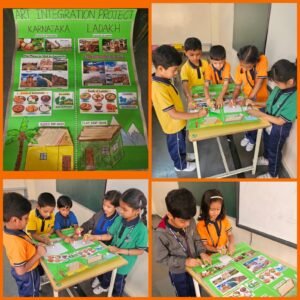
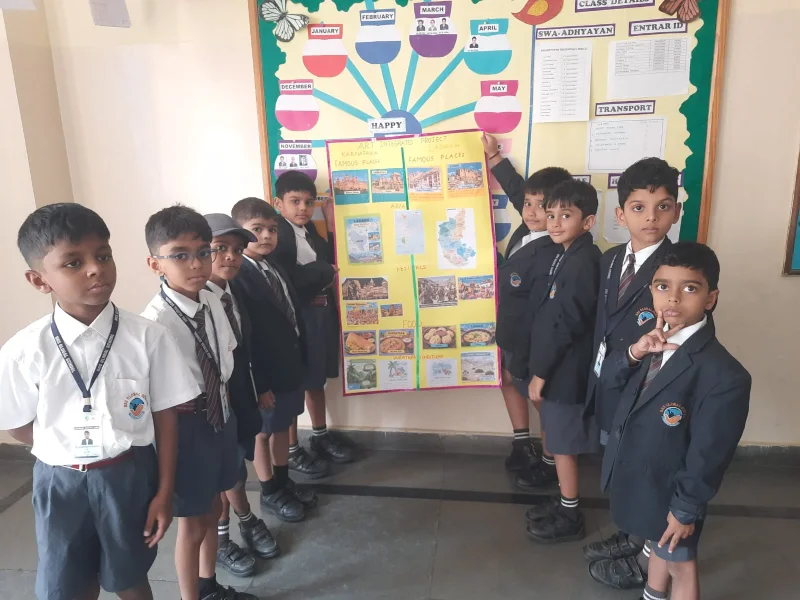
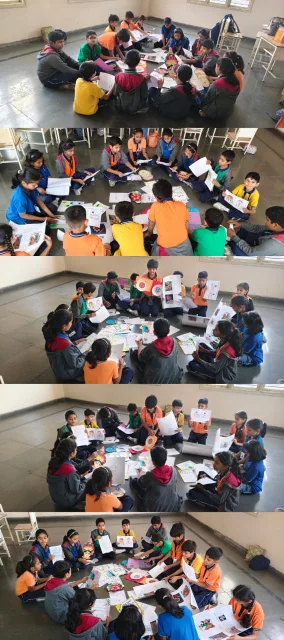
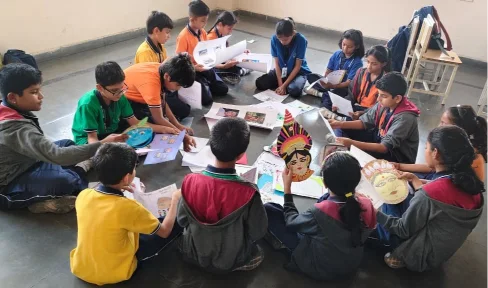
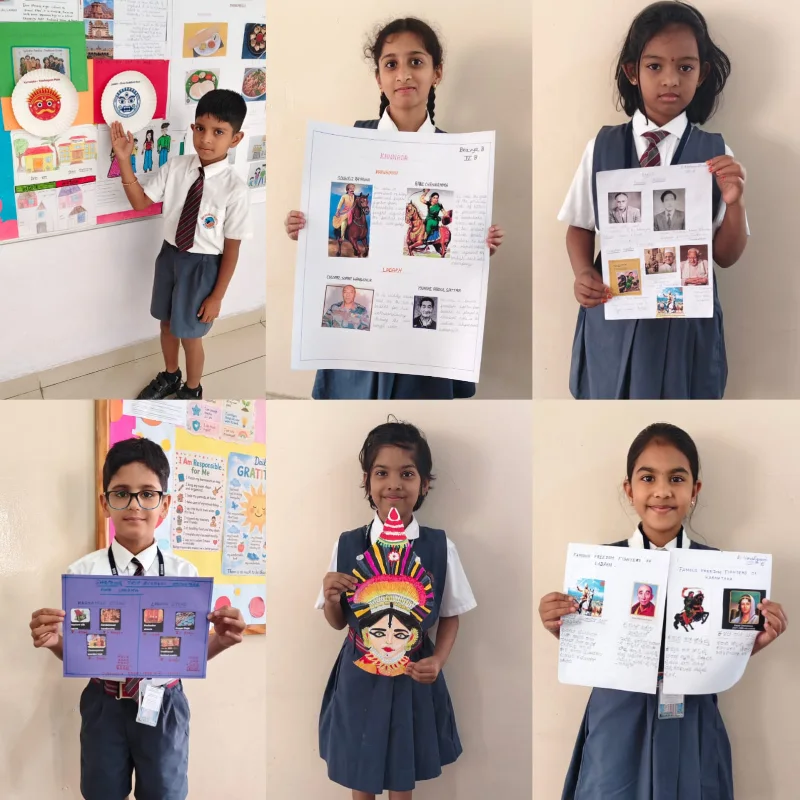
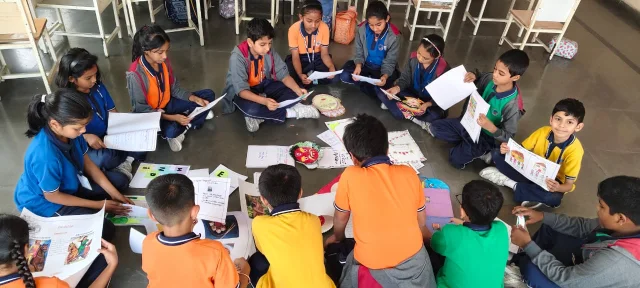
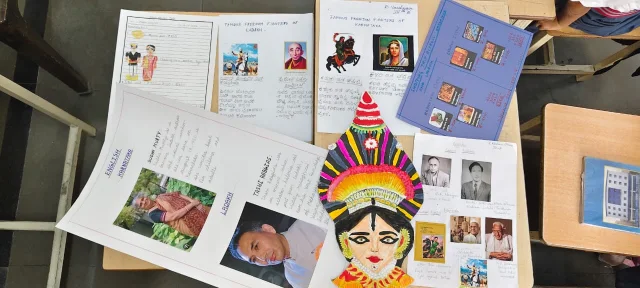
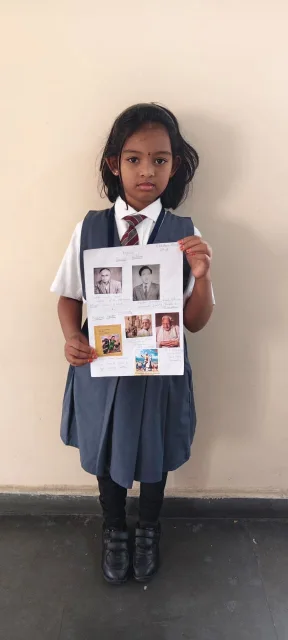
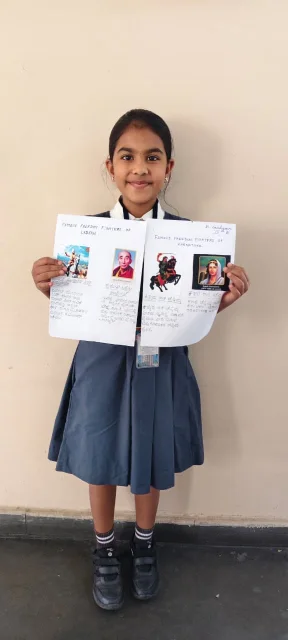
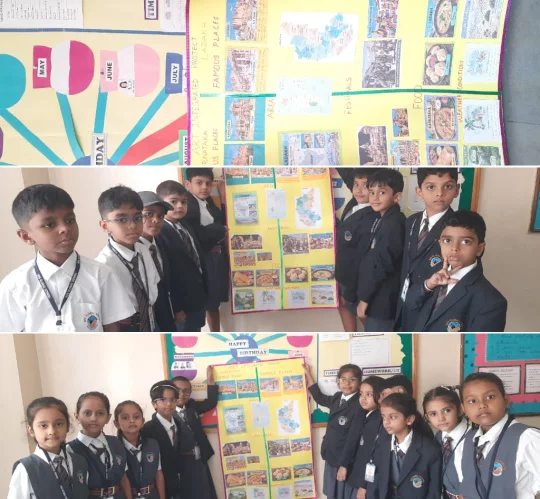
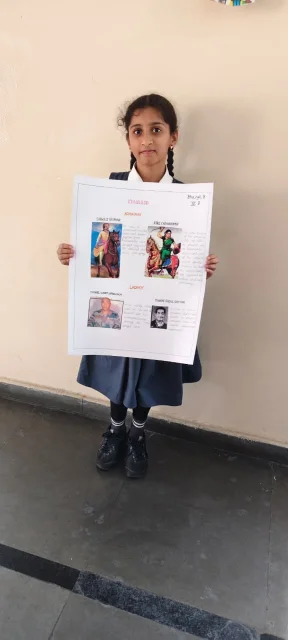
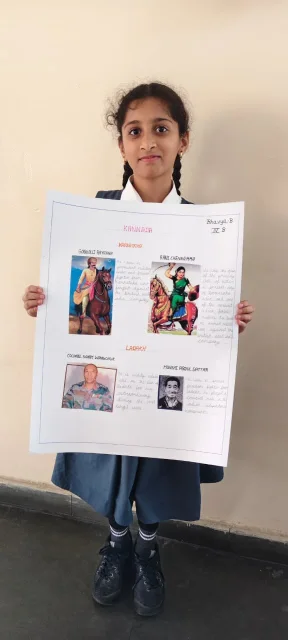
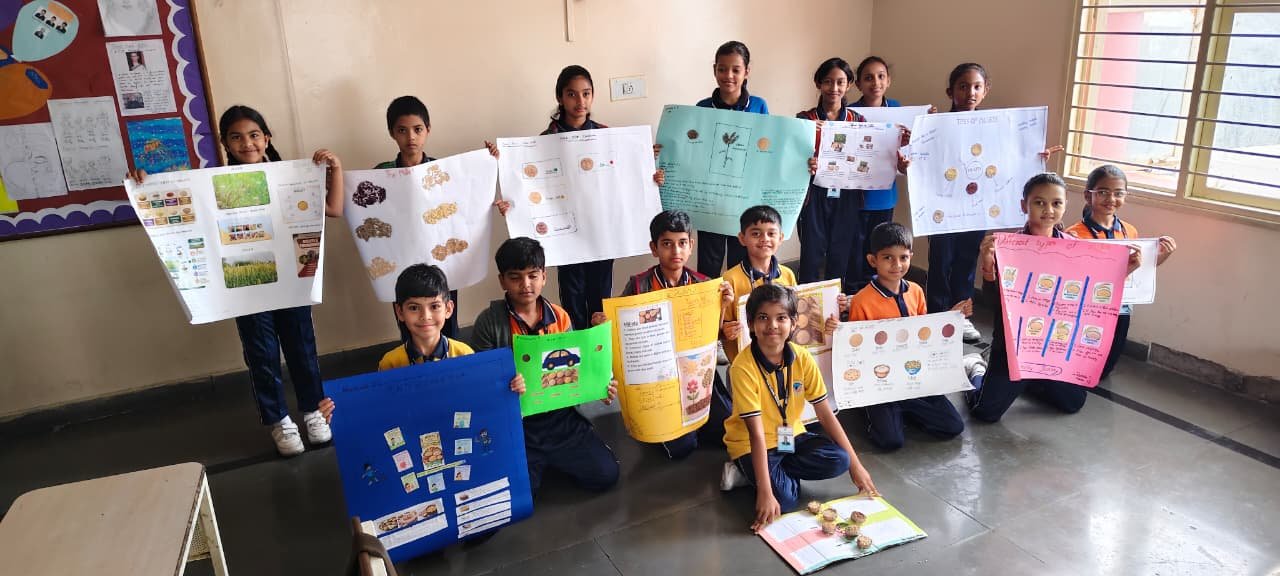
A project exploring Karnataka and Ladakh offered primary students an opportunity to connect classroom concepts with the culture, geography and everyday practices of two Indian regions. Instead of limiting their learning to written information, students used creative and practical methods to explore the theme.
This experience reflects an important aspect of primary education: helping children become curious learners who observe, question, create and communicate.
Why Should Children Learn Beyond Textbooks?
Textbooks provide essential information, but children also need opportunities to understand how that information relates to the world around them.
Consider a topic such as traditional houses. Reading about different types of houses introduces the basic information. Looking at pictures, comparing their structures and creating drawings can help children understand the relationship between the environment and the way people live.
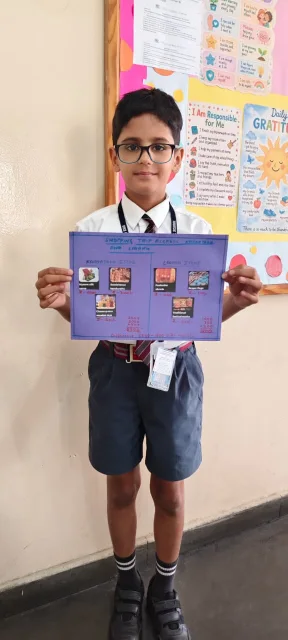
Similarly, learning about regional food becomes more interesting when students explore ingredients, preparation sequences and local traditions.
Creative learning activities can help children:
• Connect academic ideas with everyday experiences.
• Explore topics through different perspectives.
• Express their understanding through words and artwork.
• Develop the habit of observing and asking questions.
• Organise information and communicate what they discover.
• Understand that one topic can involve several areas of learning.
The purpose is not to replace textbook learning. It is to provide additional experiences that help students understand and apply what they learn.
One Theme, Many Ways to Discover
An interdisciplinary project gives children the opportunity to approach a single theme through different subjects.
For example, when students explore two Indian regions, they can discover much more than their geographical locations.
Language encourages expression. Students can describe places, write about their observations, learn regional greetings and explore literature. These activities give them opportunities to communicate information in their own words.
Environmental Studies encourages observation. Children can explore landscapes, weather, houses, food habits and animal habitats. They begin to notice how natural surroundings influence people’s everyday lives.
Creative activities encourage visual thinking. Drawings, patterns, designs and handmade projects allow students to represent ideas in ways beyond written answers.
Practical exercises connect learning with everyday situations. Measurements, calculations, sequencing and pattern-based activities help children recognise the usefulness of academic concepts in familiar contexts.
At BRS Global School, the Karnataka and Ladakh project brought together English, Hindi, Kannada, Mathematics and Environmental Studies. The activities demonstrated how different subjects can contribute to a shared learning experience.
From Observation to Creation: The Value of Hands-On Activities
Children often remember an experience more clearly when they have actively participated in it.
Creative tasks provide opportunities to transform information into something they can see, organise or explain.
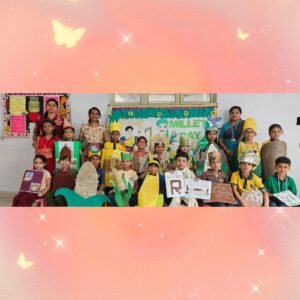
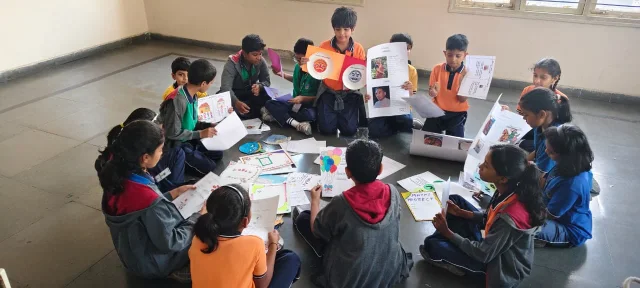
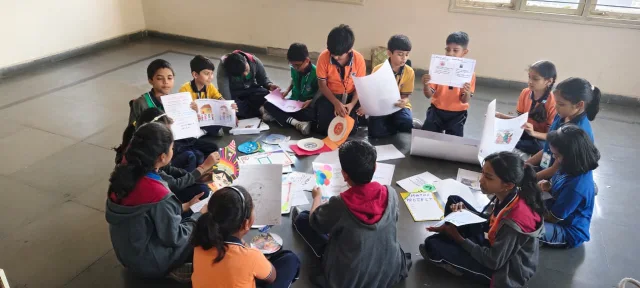
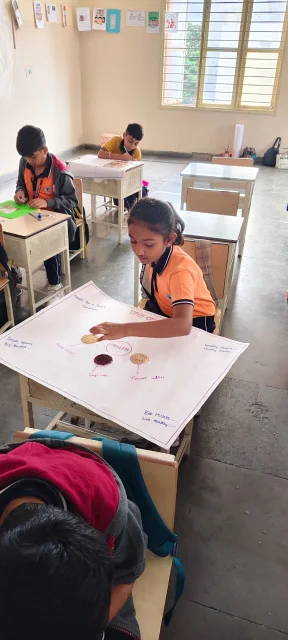
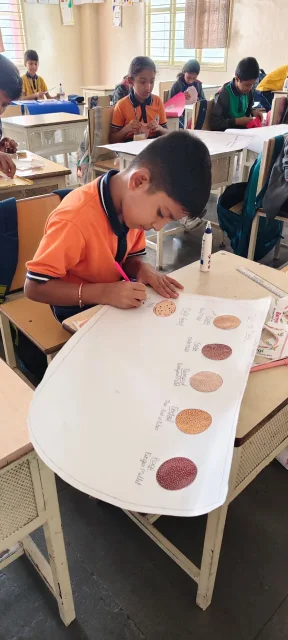
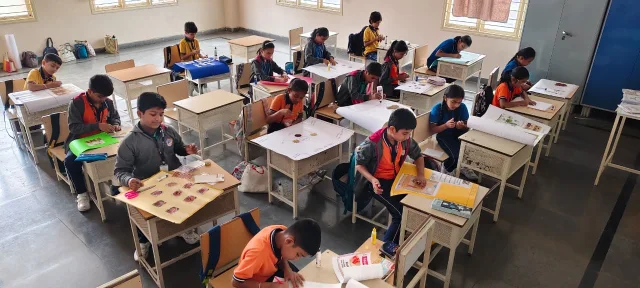
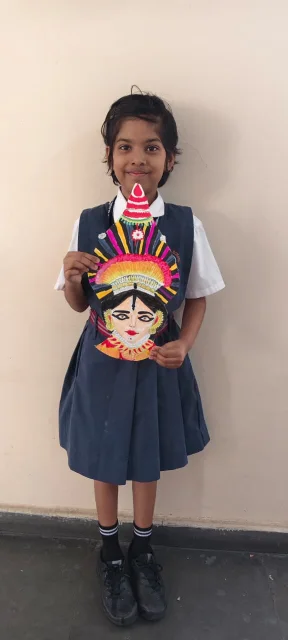
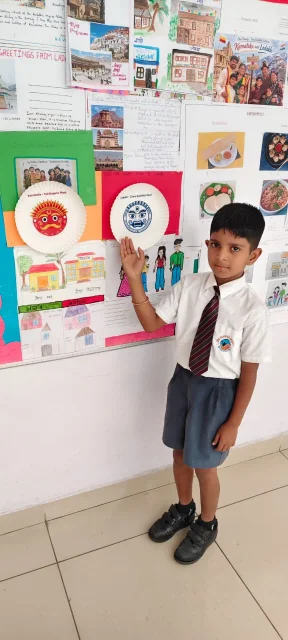
During the Karnataka–Ladakh project, students explored ideas through visual representation, postcard writing, traditional pattern designs and festival masks. They also learnt about regional food, games and cultural practices.
These activities offered different ways to engage with the same theme.
A drawing can help a child represent an observation. A postcard can turn information into a written message. A design activity can encourage attention to patterns and details. A flowchart can help organise a sequence of steps.
Each task provides a different opportunity to think and communicate.
The value of such activities lies not only in the completed work but also in the thinking and exploration involved in creating it.
Developing Skills Through Everyday Classroom Experiences
Creative projects can support several aspects of a child’s development.
Curiosity and independent exploration
When students encounter unfamiliar places, traditions or ideas, they have opportunities to ask questions and find information. This encourages them to take an active interest in learning.
Communication
Describing a place, writing a postcard, discussing an observation or presenting a project gives children opportunities to express their thoughts clearly.
Creativity
Artistic tasks encourage children to experiment with patterns, shapes, colours and visual representations. They can communicate their understanding in different ways.
Observation and comparison
Exploring two regions helps students notice similarities and differences. They can compare landscapes, houses, clothing, food and cultural practices.
Practical thinking
Activities involving measurements, calculations, patterns and sequences help children connect academic concepts with practical situations.
Cultural understanding
Learning about different communities introduces children to a wider range of traditions and lifestyles. It encourages respect and appreciation for diversity.
These skills develop through a range of learning experiences over time. A single project provides an opportunity to practise and strengthen them.
Learning About India's Diversity at an Early Age
India’s cultural diversity offers many opportunities for meaningful classroom exploration.
Children can discover how languages, food, clothing, festivals, architecture and recreational activities vary across regions. Such learning helps them understand that differences are an important part of the country’s shared identity.
Exploring Karnataka and Ladakh provided students with examples of two regions with distinct geographical and cultural characteristics.
The project introduced children to regional greetings such as Namaskara and Joolay, traditional games such as Kambala and Lagori, and activities connected with ice hockey and archery. Students also explored traditional clothing, houses, food and festivals.
These discoveries encouraged children to look beyond their immediate surroundings and appreciate the many ways people live and celebrate their traditions.
The broader message is simple: understanding different cultures helps children develop an appreciation of the country they belong to.
The Role of Schools in Encouraging Meaningful Learning
A supportive learning environment gives children opportunities to participate, explore and express their ideas.
For primary school students, this can include creative assignments, interdisciplinary projects, classroom discussions, practical exercises and activities connected with their surroundings.
At BRS Global School, Sarjapur Road Branch, Kasavanahalli, Bengaluru, the Karnataka–Ladakh project offered students an opportunity to connect different subject areas through a common theme.
Such experiences complement regular academic learning by giving students different ways to understand and communicate information.
For parents comparing CBSE schools in Sarjapur Road, it is worth looking at how a school balances academic instruction with opportunities for creativity, exploration and practical understanding.
What Can Parents Look for When Choosing a Primary School?
When evaluating a school, parents often consider academic programmes, teaching methods, facilities and the overall learning environment.
It is also useful to understand how children are encouraged to participate in learning beyond written assignments.
Here are some aspects parents may wish to explore:
• Does the school provide opportunities for creative expression?
• Are students encouraged to ask questions and share ideas?
• Do classroom activities connect different subjects?
• Are children given opportunities to explore topics through practical work?
• Does the learning environment encourage curiosity and independent thinking?
• Are cultural, artistic and co-curricular experiences included in school life?
These questions can help parents understand how a school approaches the overall learning experience.
Learning Opportunities at BRS Global School, Sarjapur Road
Located in Kasavanahalli, off Sarjapur Road, BRS Global School serves families from several neighbourhoods across Bengaluru’s Sarjapur Road–Bellandur corridor.
Families from areas such as Bellandur, Haralur, Hosa Road, HSR Layout, Carmelaram, Doddakannelli, Gunjur, Varthur, Kodathi and nearby communities can enquire about the school’s academic programmes and campus facilities.
The Karnataka–Ladakh project is one example of how primary students at the Sarjapur Road campus explored a theme through different subjects and creative activities.
Parents looking for schools in Sarjapur Road can visit the campus to understand the learning environment and discuss the academic programmes with the admissions team.
Campus: BRS Global School, #15/3, Kasavanahalli Off Sarjapur Road, Carmelaram Post, Bengaluru – 560035.
Google Business Profile: https://share.google/2oEno2EtFtY7eyP2B
Frequently Asked Questions (FAQs)
What is creative project-based learning?
Creative project-based learning gives students opportunities to explore a topic through activities such as research, writing, drawing, designing and practical exercises. It encourages active participation and helps children connect different concepts.
Why are interdisciplinary activities useful for primary students?
Interdisciplinary activities connect different subjects through a shared theme. They help students understand how ideas from language, mathematics, environmental studies and creative work can relate to one another.
How do creative activities support communication skills?
Activities such as writing, describing, discussing and presenting projects give children opportunities to organise their thoughts and express information clearly.
How can cultural projects benefit young learners?
Cultural projects introduce children to different languages, traditions, food, clothing, festivals and lifestyles. They help students appreciate India’s diversity and develop respect for different communities.
What is the importance of hands-on learning in primary education?
Hands-on learning gives children opportunities to participate actively. Through practical tasks and creative expression, they can explore concepts, make observations and apply what they learn.
Where is BRS Global School located?
BRS Global School‘s Sarjapur Road campus is located in Kasavanahalli, Bengaluru, Karnataka. Parents can contact the admissions team for campus visits and programme details.
Conclusion: Encouraging Children to Explore, Create and Understand
Meaningful education gives children more than information. It gives them opportunities to explore ideas, make connections and express their understanding.
Creative and interdisciplinary projects can make this possible by bringing together academic concepts and practical experiences. Whether students are exploring different cultures, creating designs, writing about places or working with patterns and measurements, each activity offers another way to engage with learning.
At BRS Global School, Sarjapur Road, such experiences complement classroom education and encourage students to approach the world with curiosity and an open mind.
Explore our Campus:
Attibele Branch:
https://share.google/iFhJaeGo8wkgOZ1Y5
Sarjapur Road Branch: