Introduction
Learning becomes more meaningful when students can connect classroom concepts with the world around them. Educational visits provide opportunities to observe, investigate and discover ideas beyond textbooks, helping children develop a broader understanding of the subjects they study.
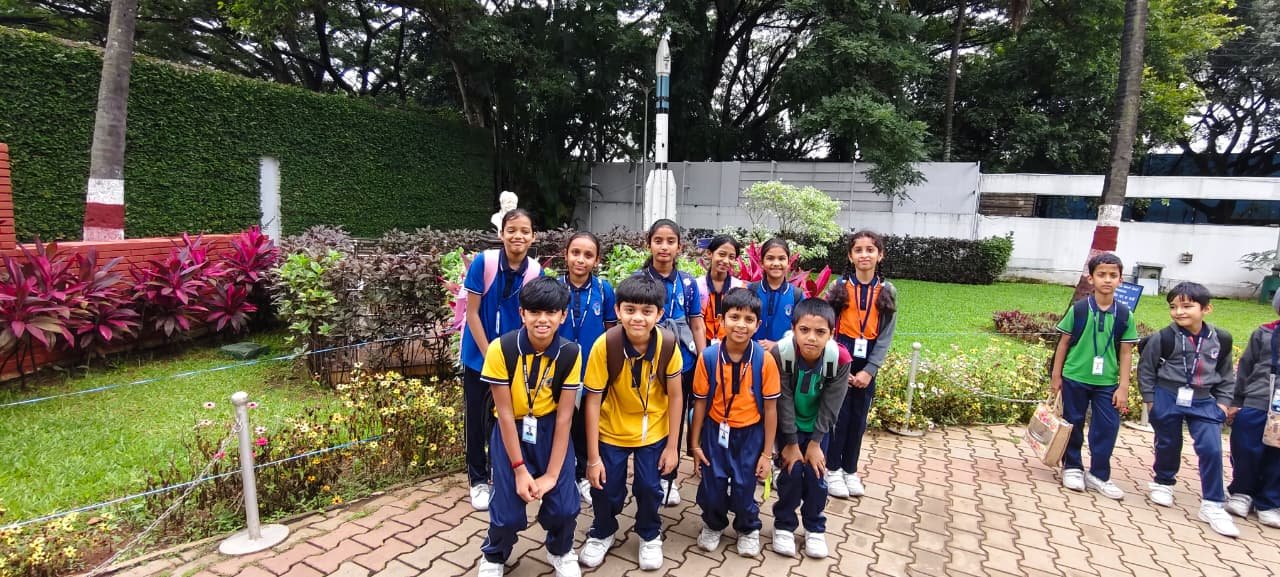
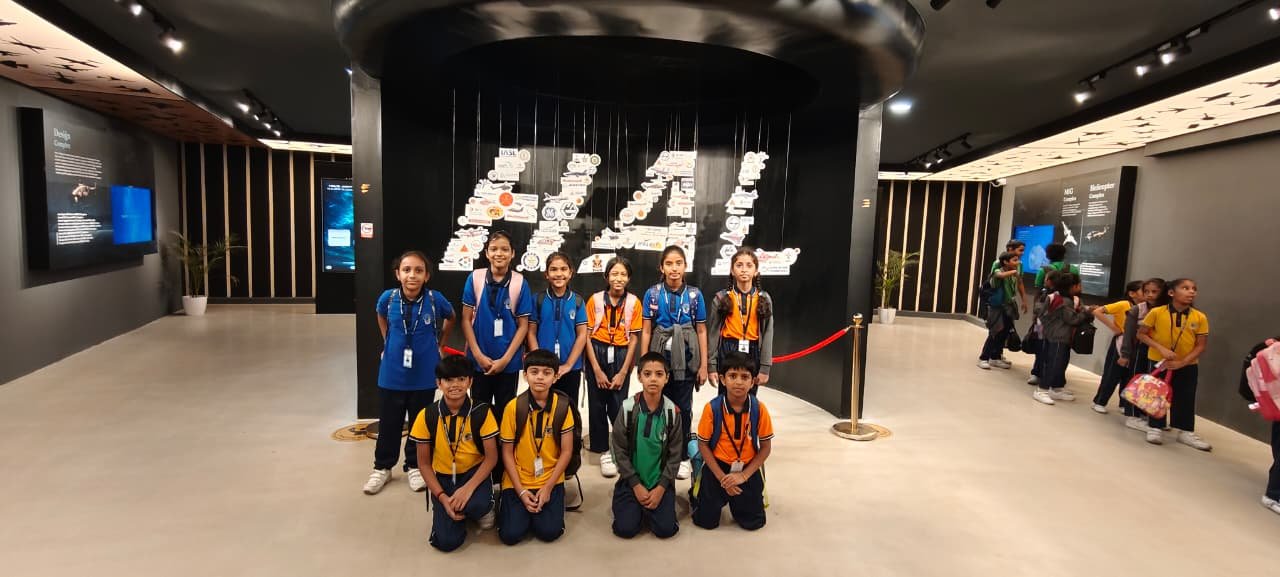
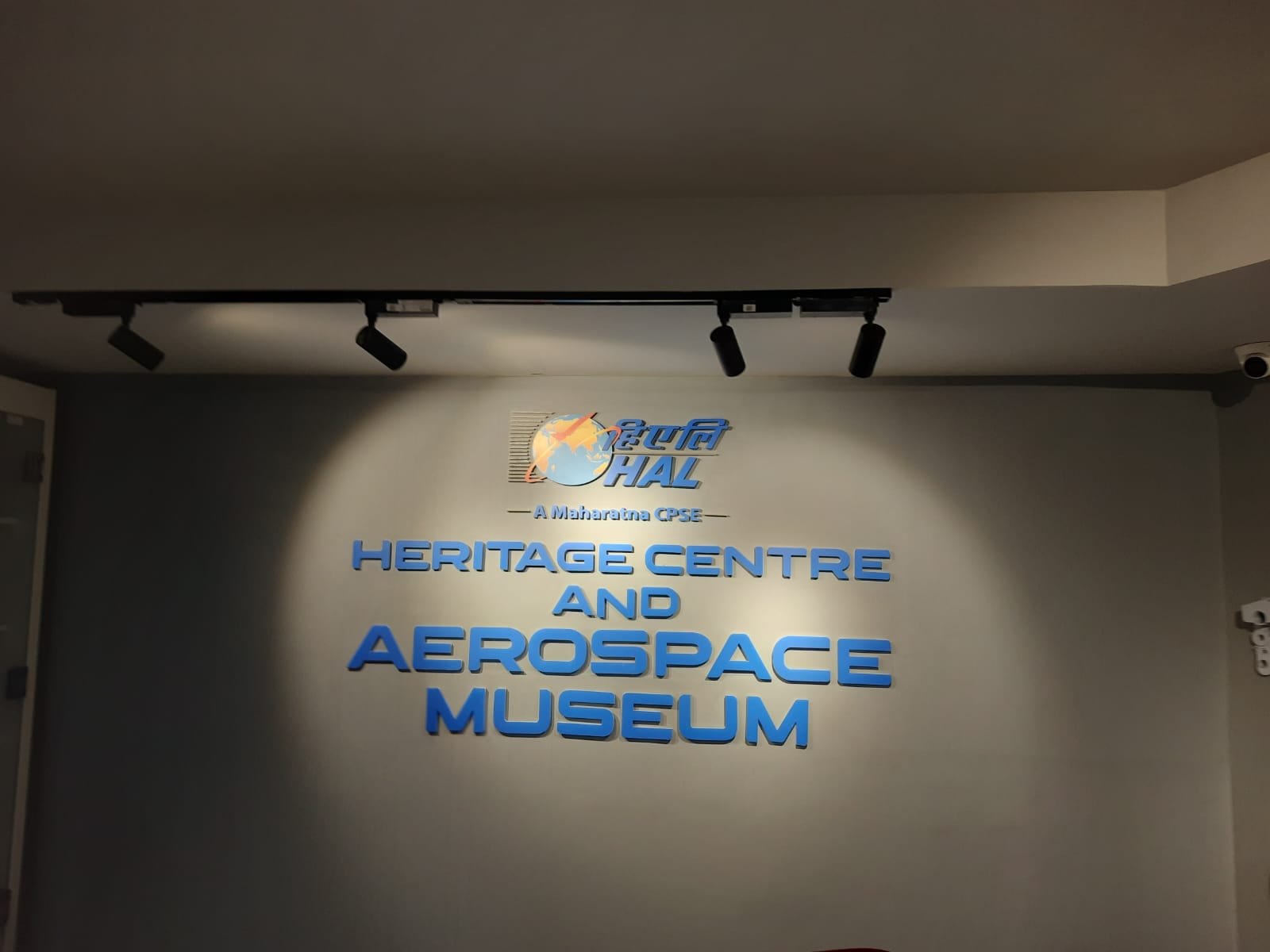
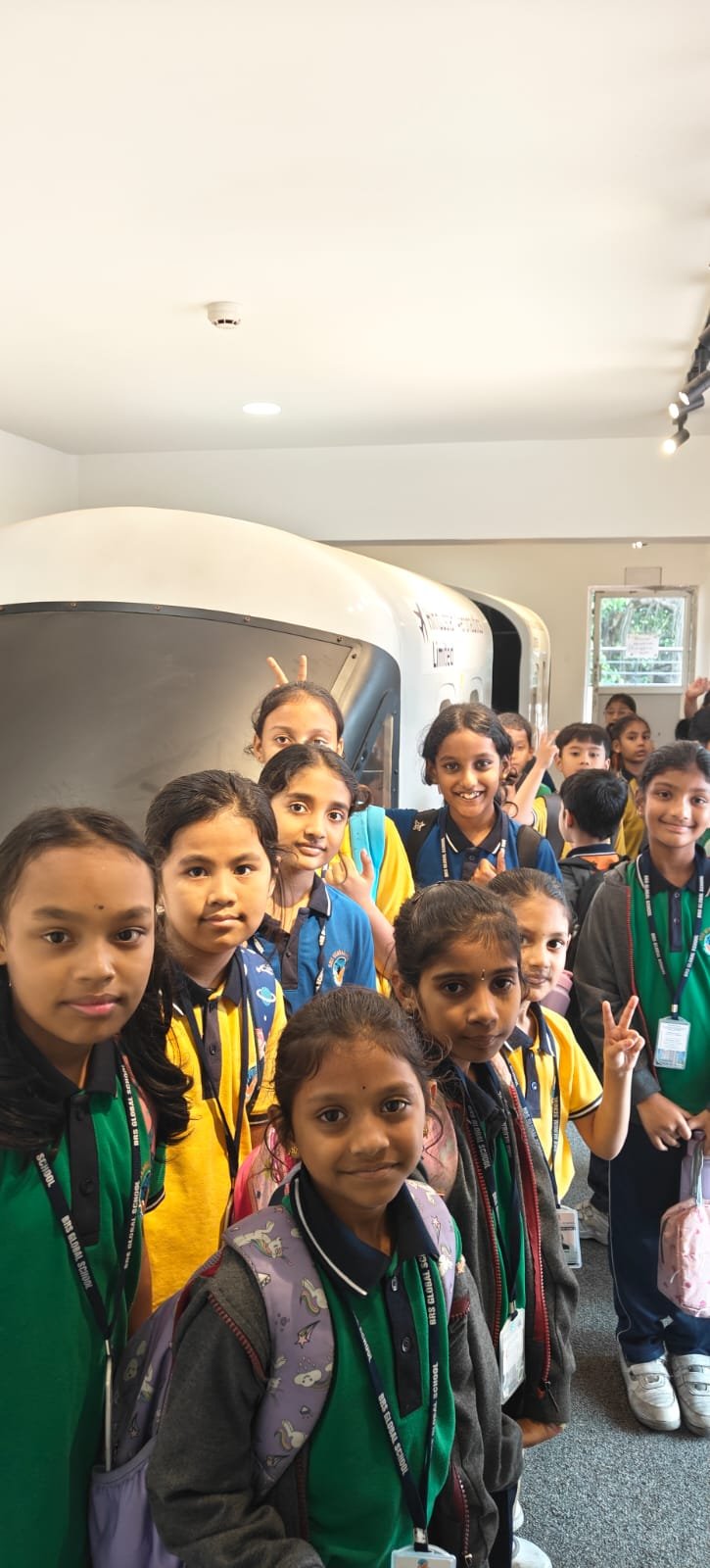
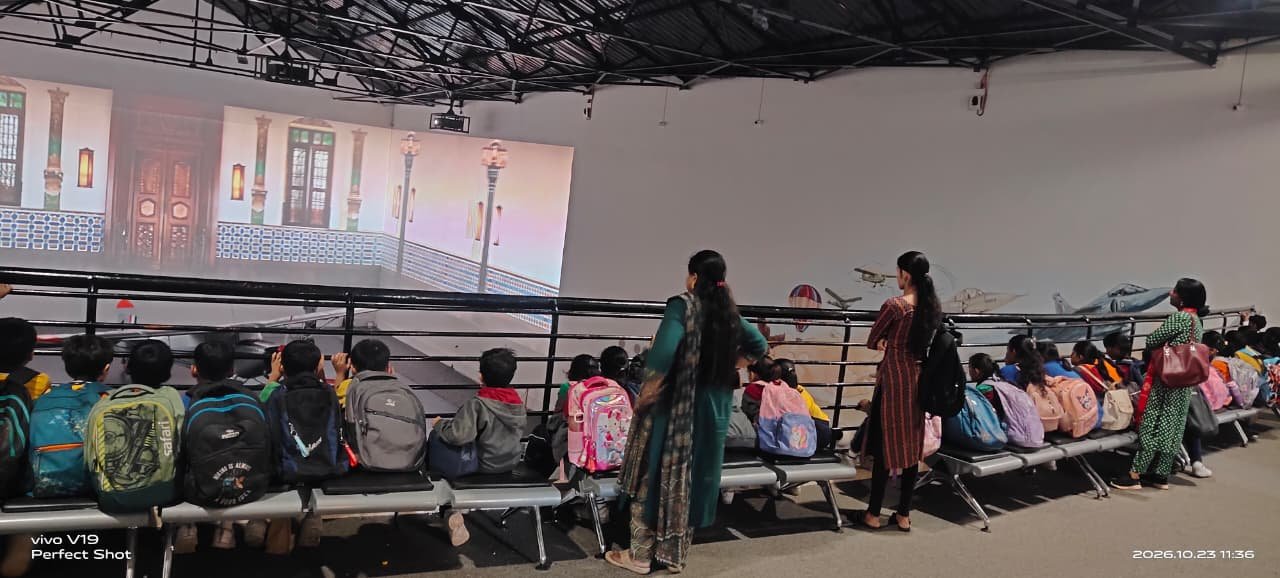
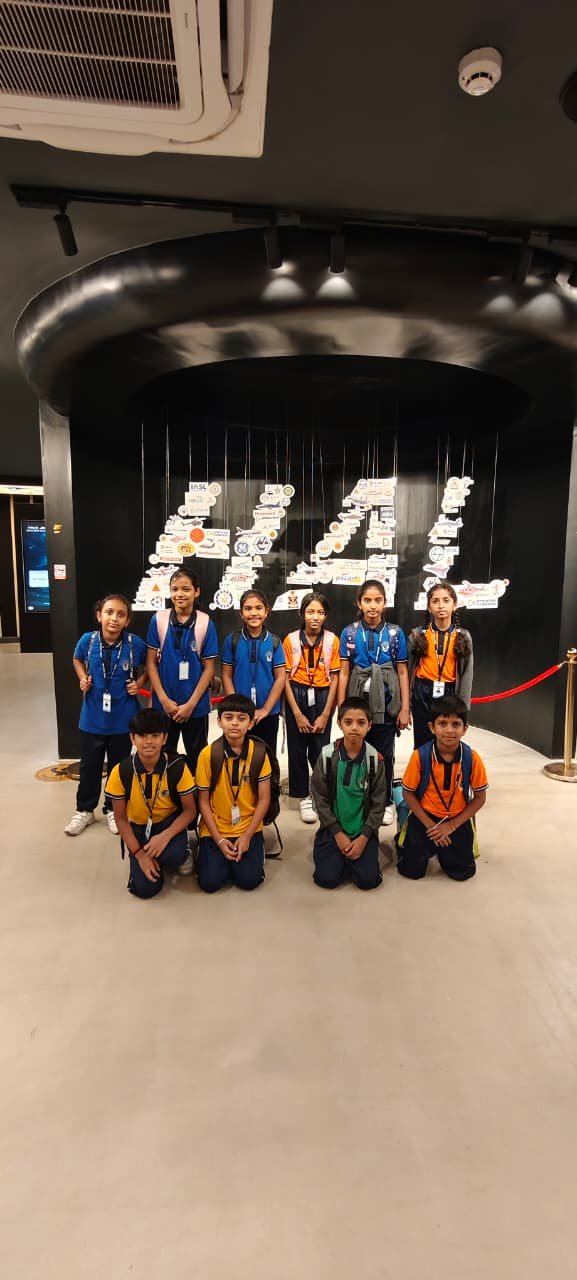
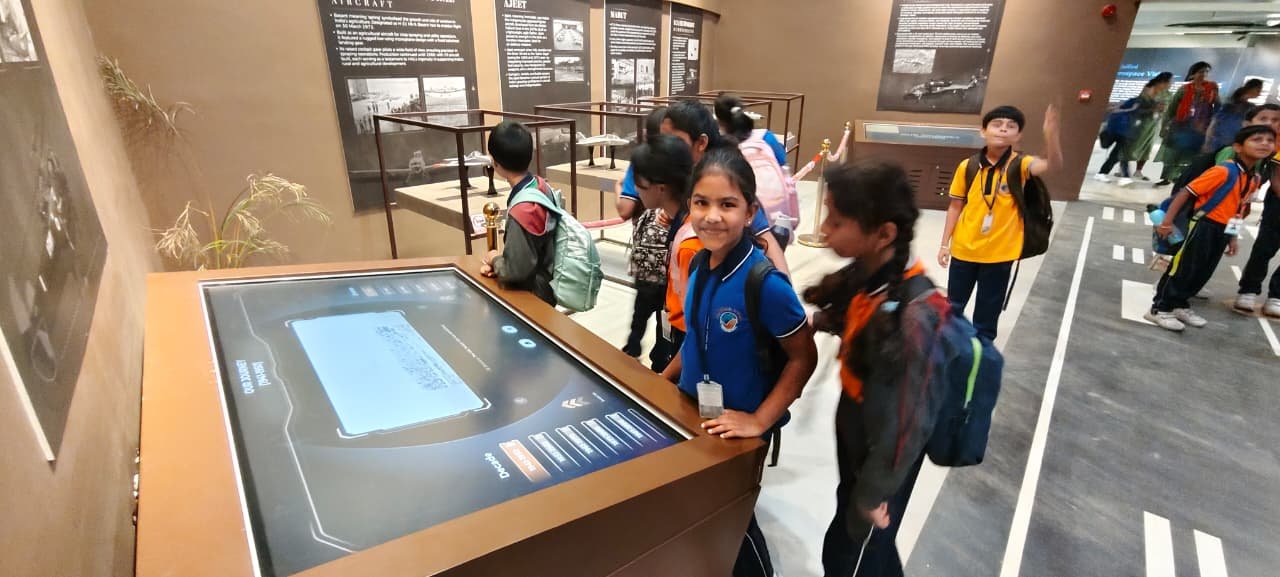
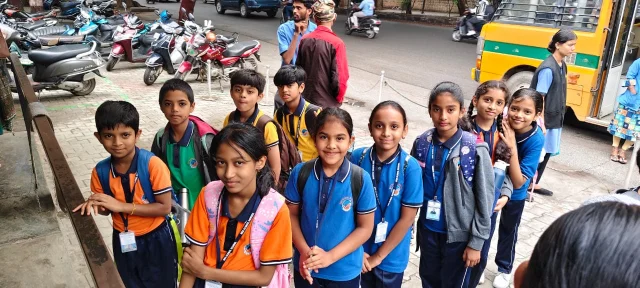
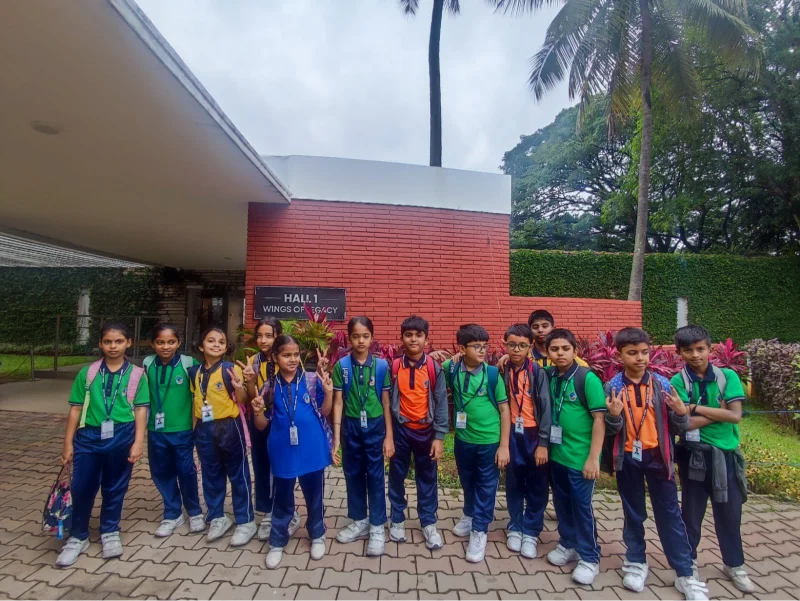
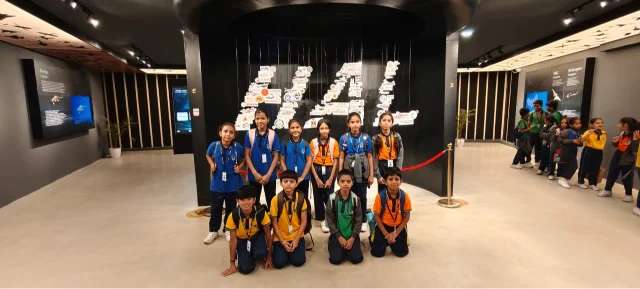
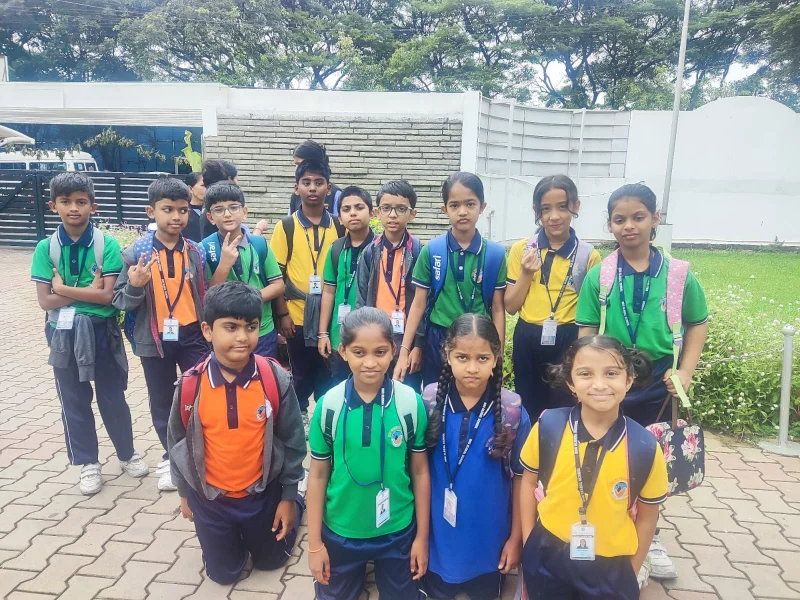
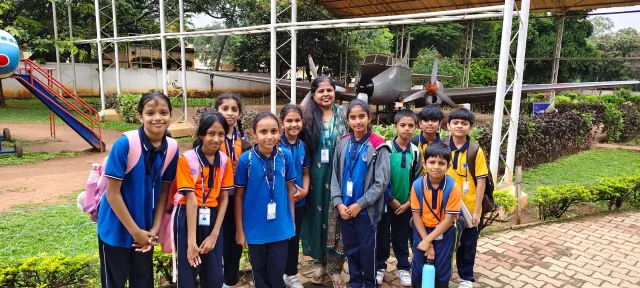
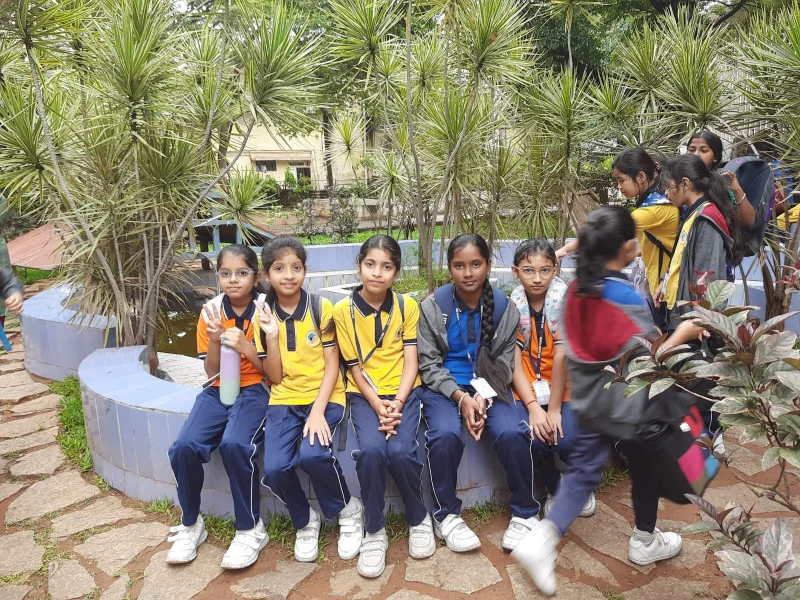
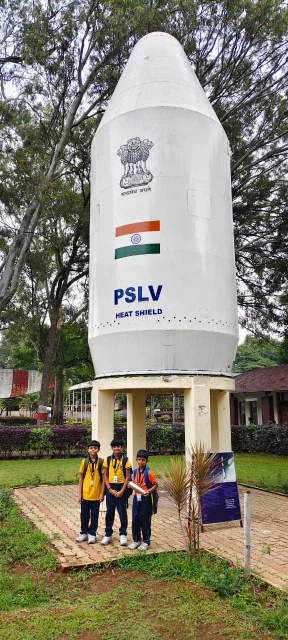
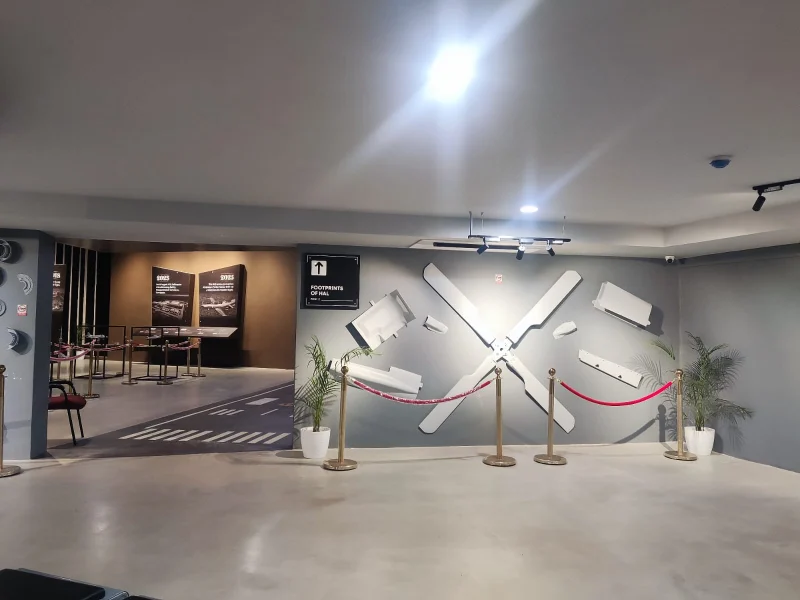
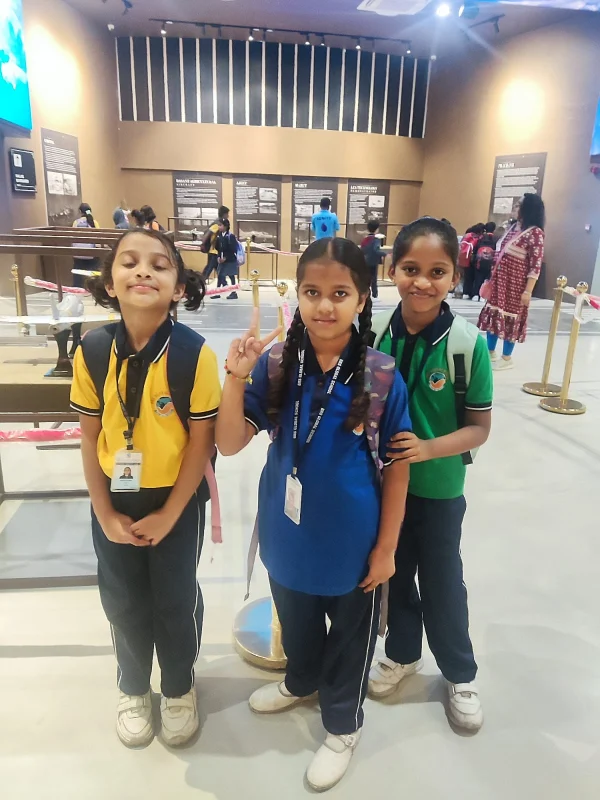
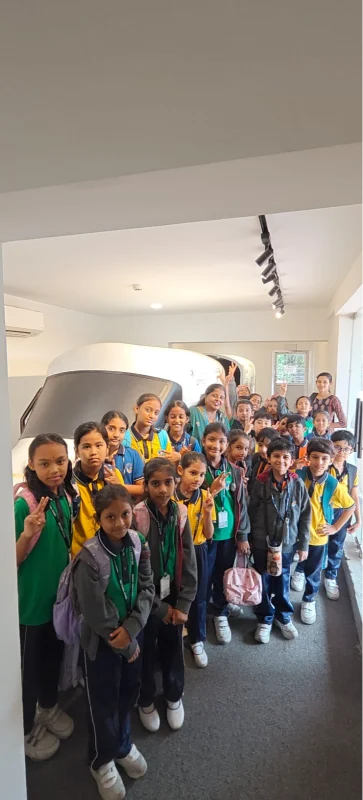
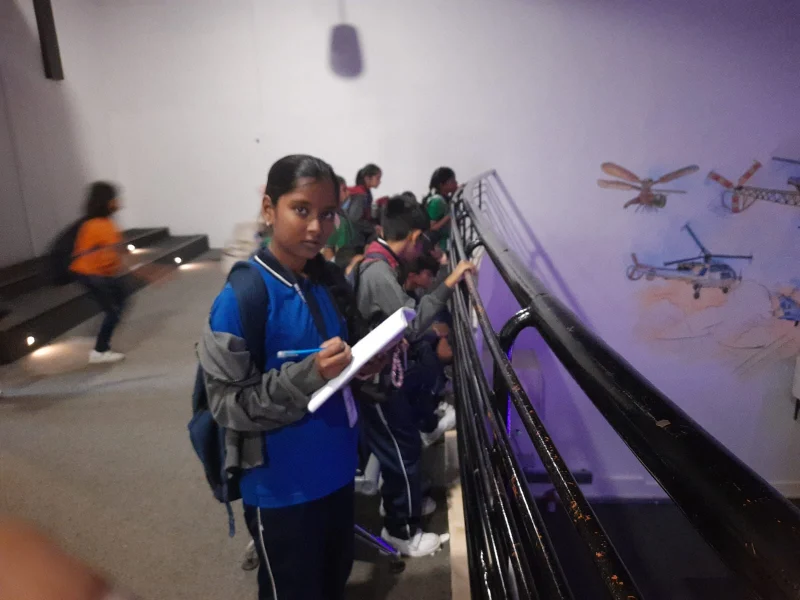
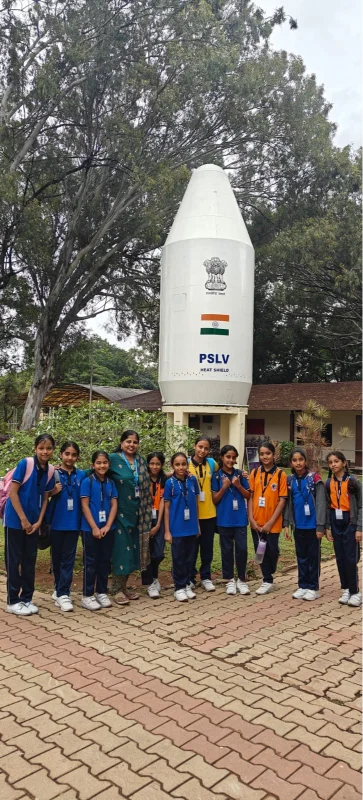
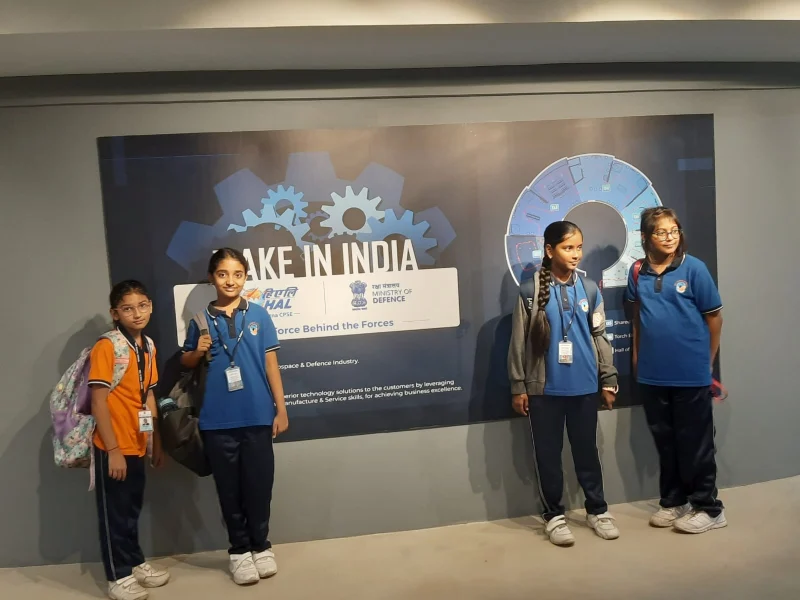
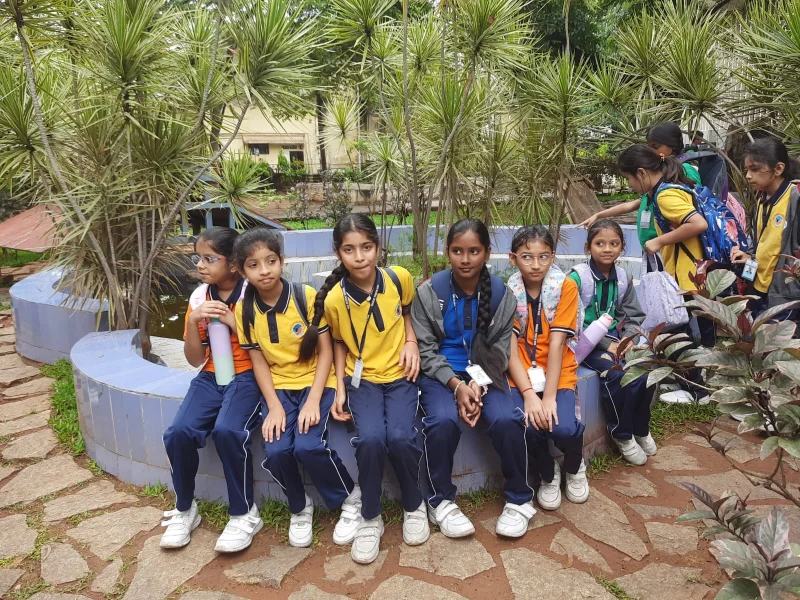
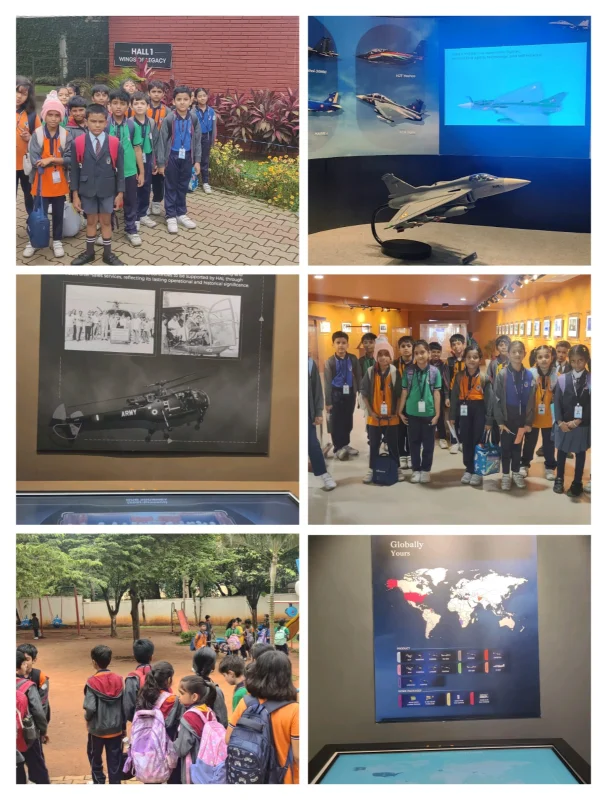
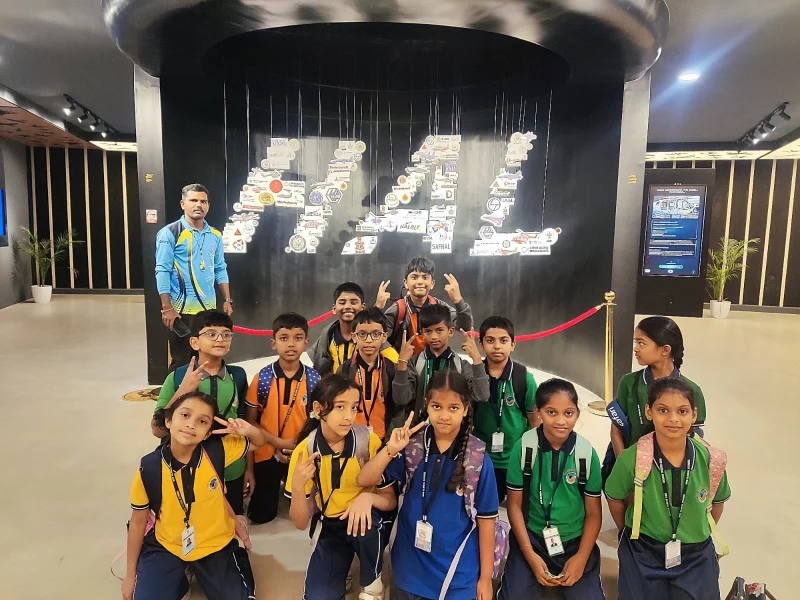
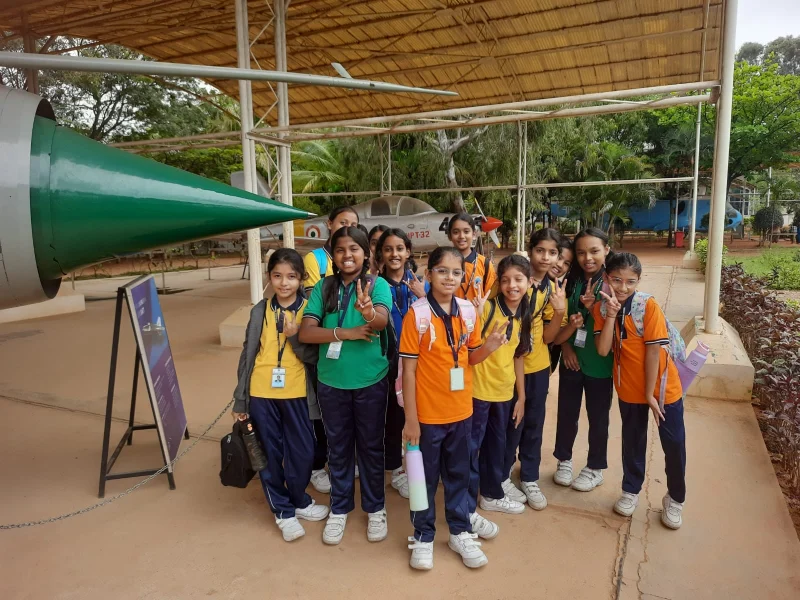
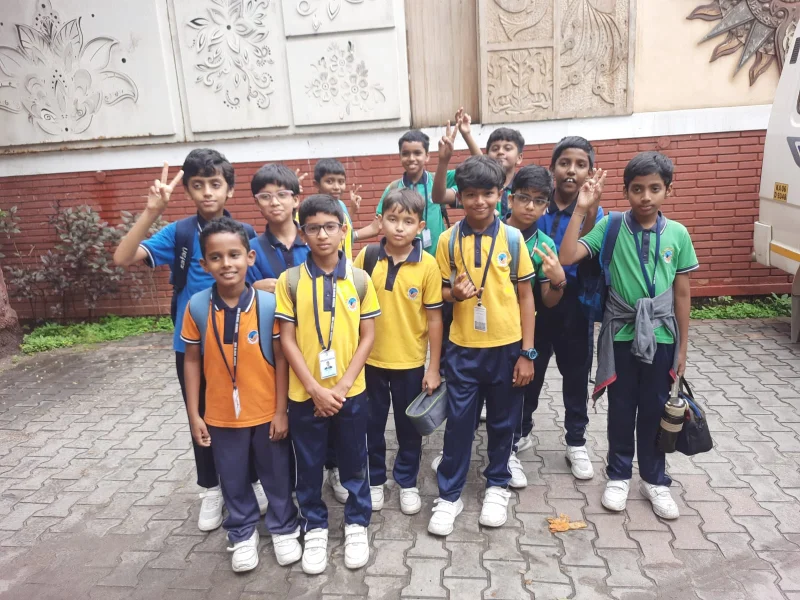
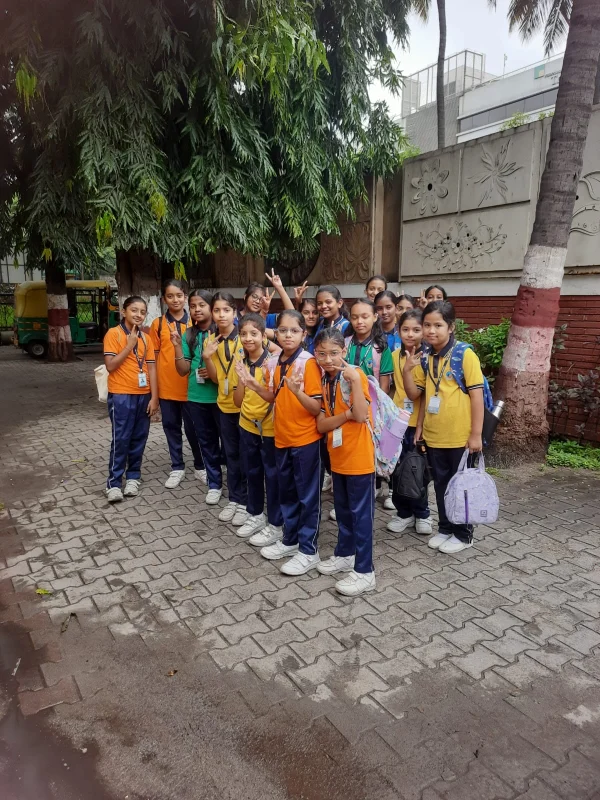
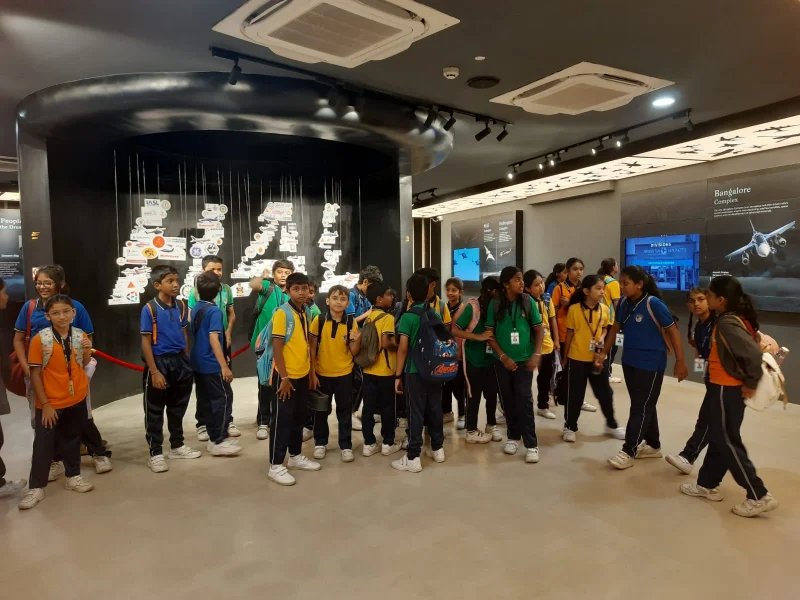
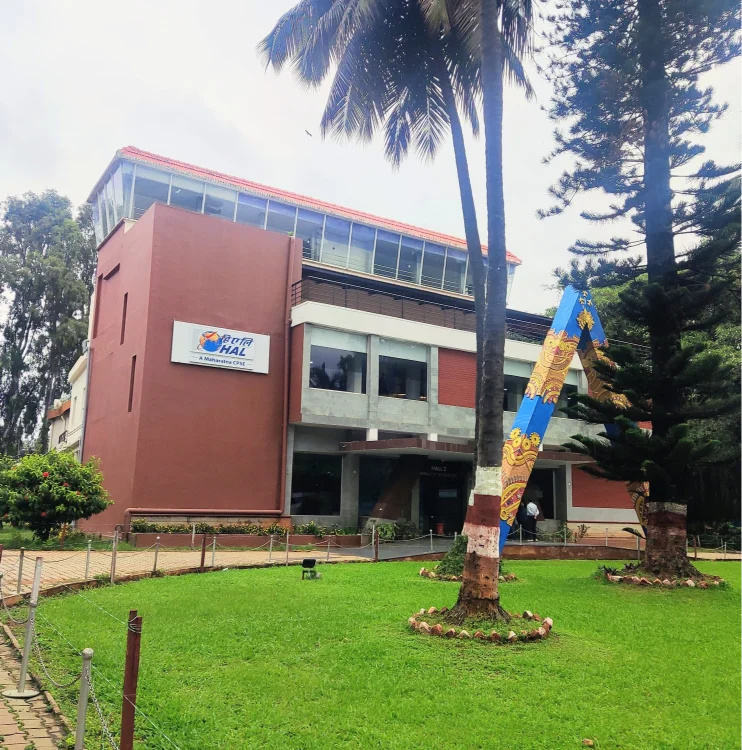
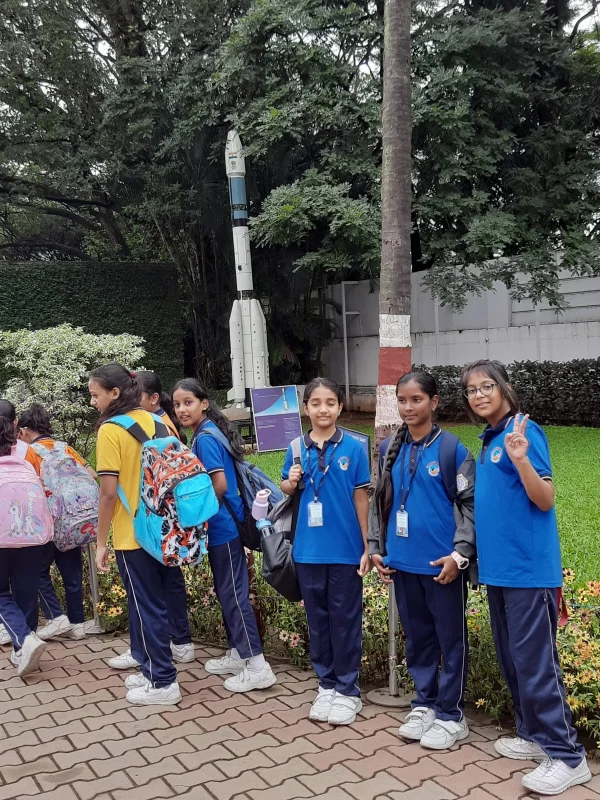
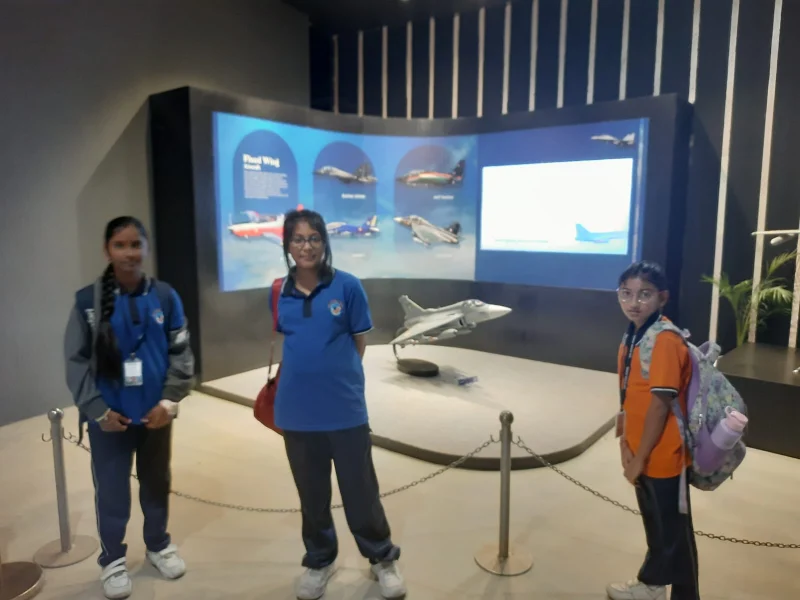
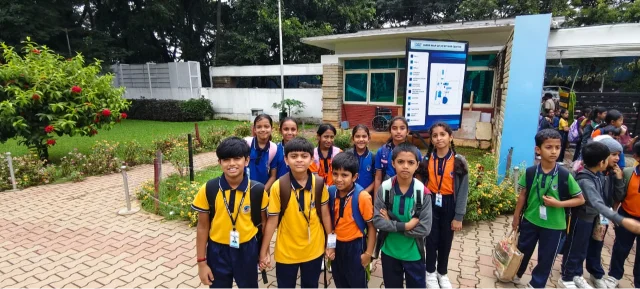
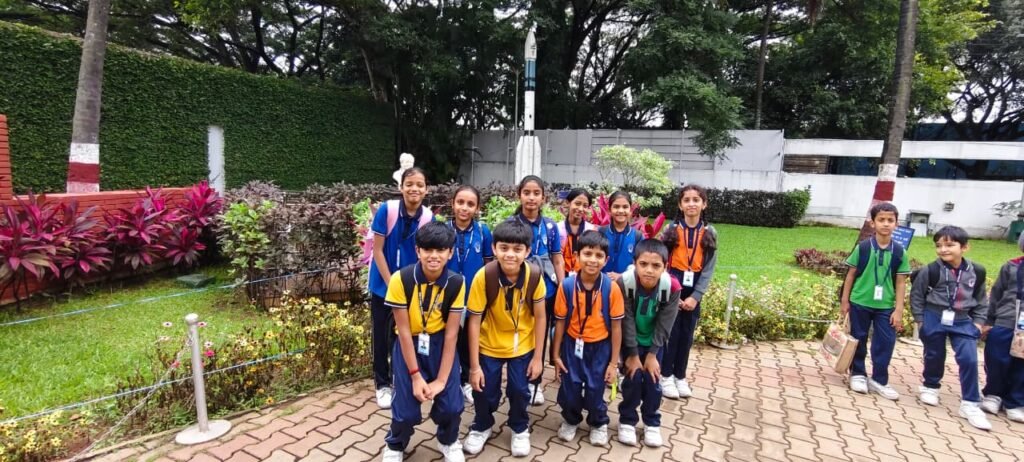
On Friday, 23 October 2026, students of Grades 3, 4 and 5 from BRS Global School, Sarjapur Road, Bengaluru, visited the HAL Heritage Centre and Aerospace Museum. The excursion introduced young learners to the fascinating world of aviation and aerospace technology through exhibits showcasing aircraft, helicopters, engines and the history of Indian aviation.
For children growing up in a technology-driven city such as Bengaluru, experiences like these provide a valuable opportunity to explore how science and engineering contribute to everyday life and major technological achievements.
The visit reflected the importance of experiential learning in school education: allowing students to observe real-world applications, develop questions and build connections between what they learn in class and what they discover outside it.
Event Overview
Event : Educational Visit to HAL Heritage Centre and Aerospace Museum
Date : Friday, 23 October 2026
Participating classes : Grades 3, 4 and 5
Location : HAL Heritage Centre and Aerospace Museum, Bengaluru
Organised by : BRS Global School | Best CBSE School in Sarjapur Road
Learning focus : Aviation, aircraft, aerospace technology, scientific observation and experiential learning
The excursion was designed to broaden students’ understanding of aviation and introduce them to the technological innovations that have shaped the Indian aerospace industry.
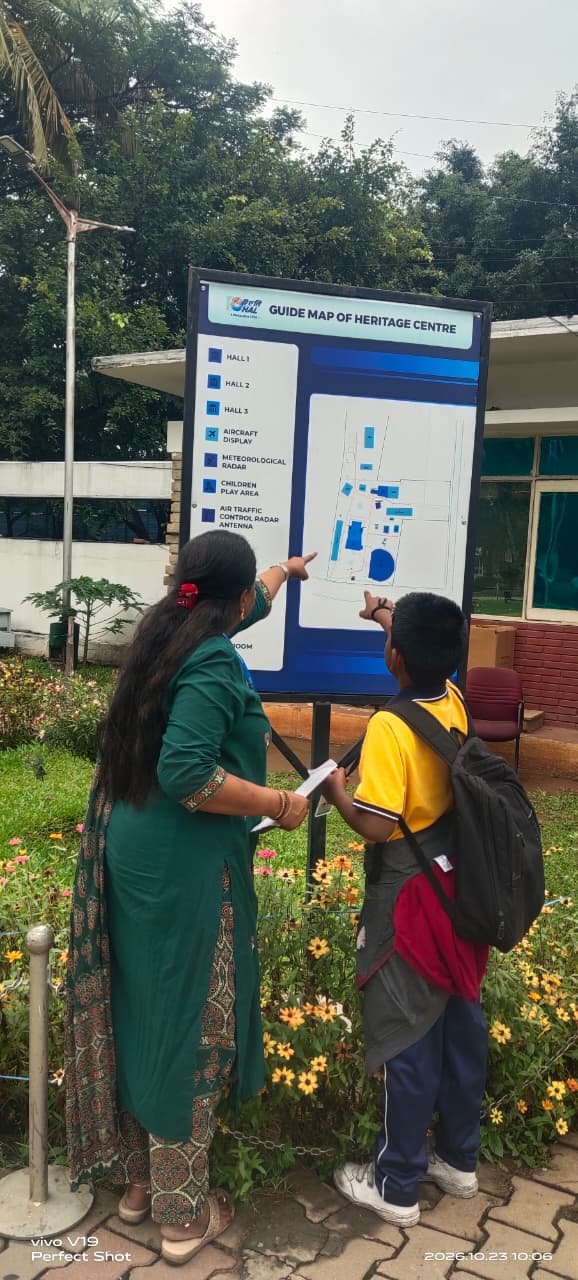
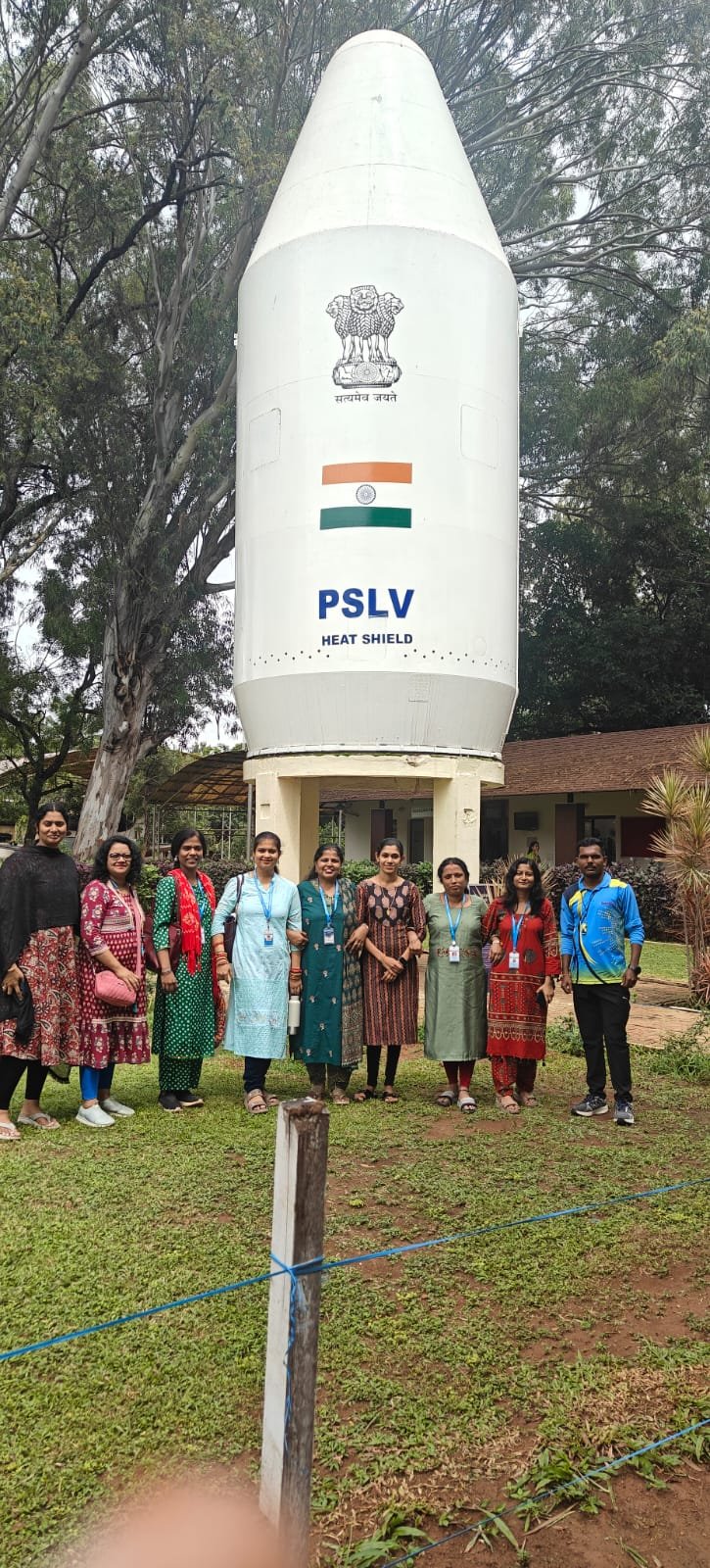
Throughout the visit, teachers accompanied the students, guiding their exploration and supporting safe, disciplined and active participation.
What Happened During the HAL Aerospace Museum Visit?
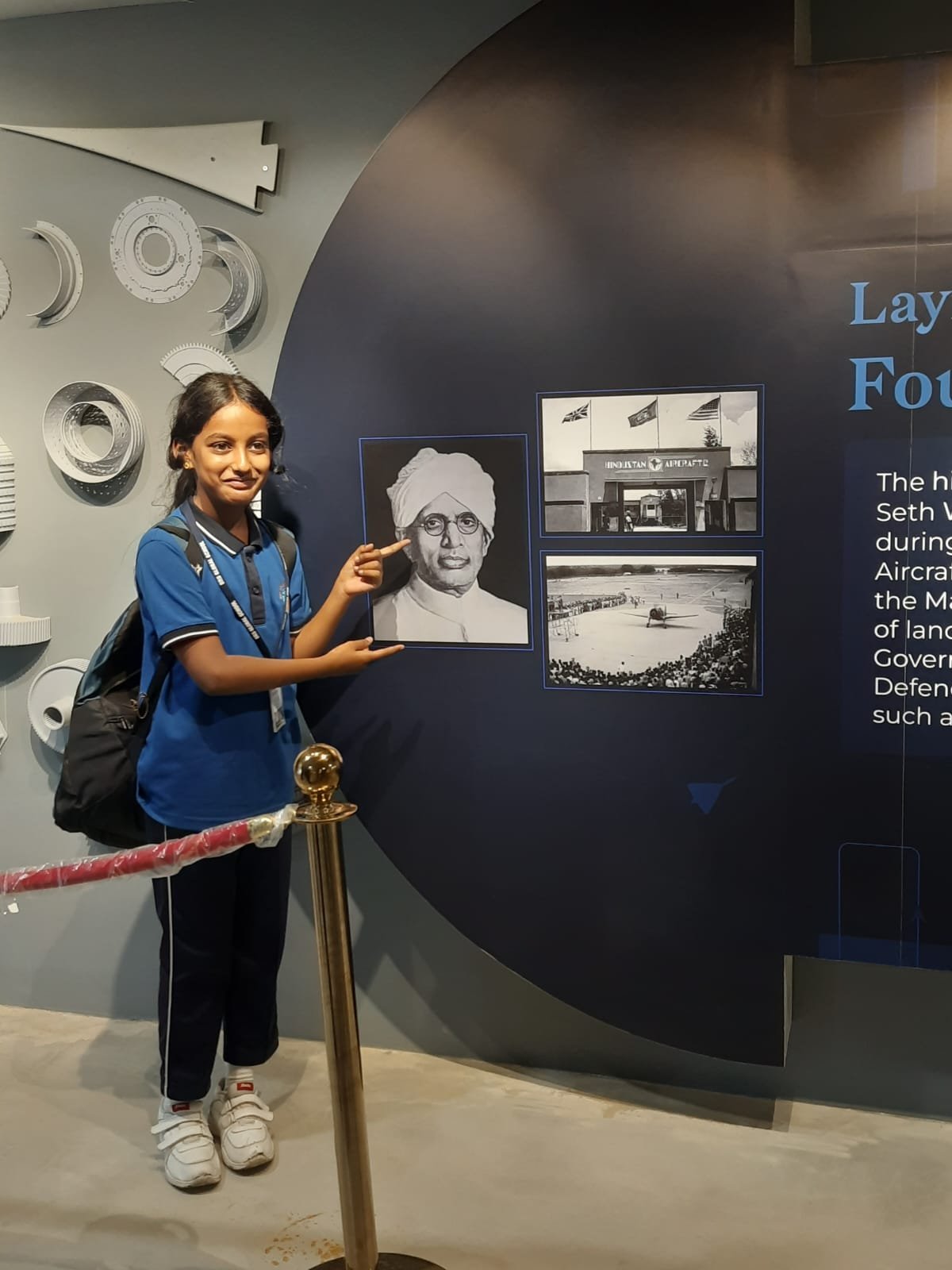
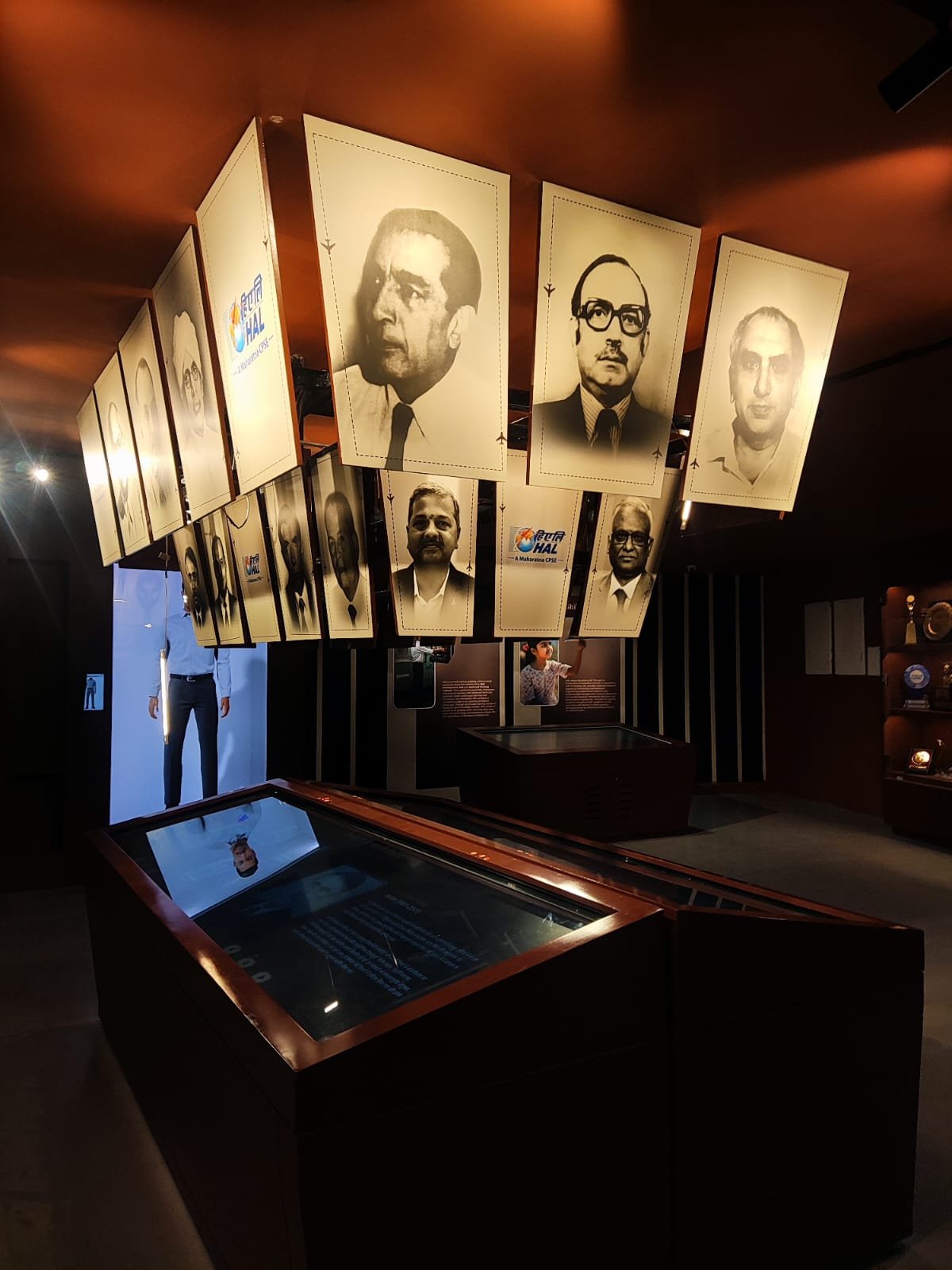
Exploring the history of Indian aviation
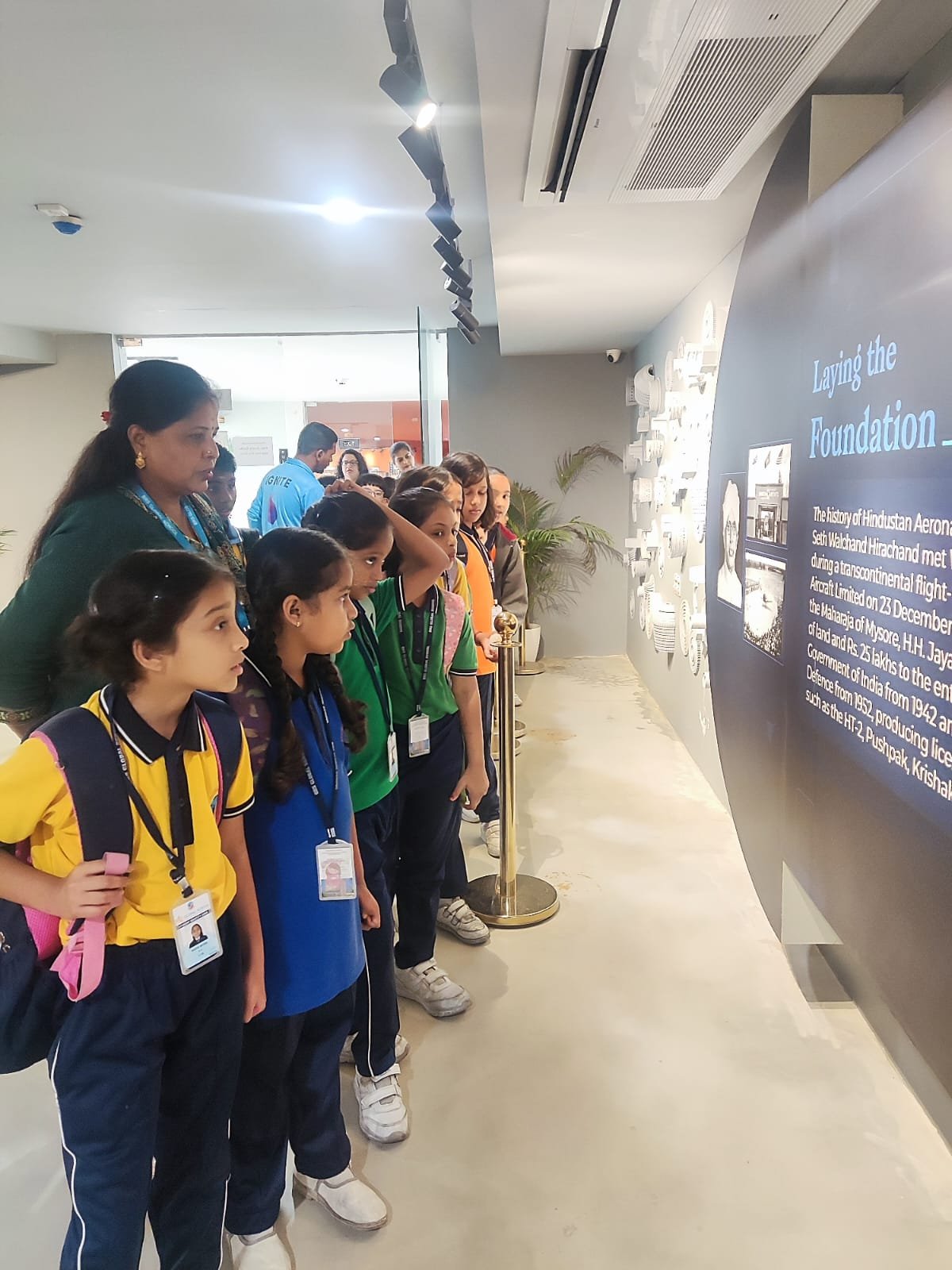
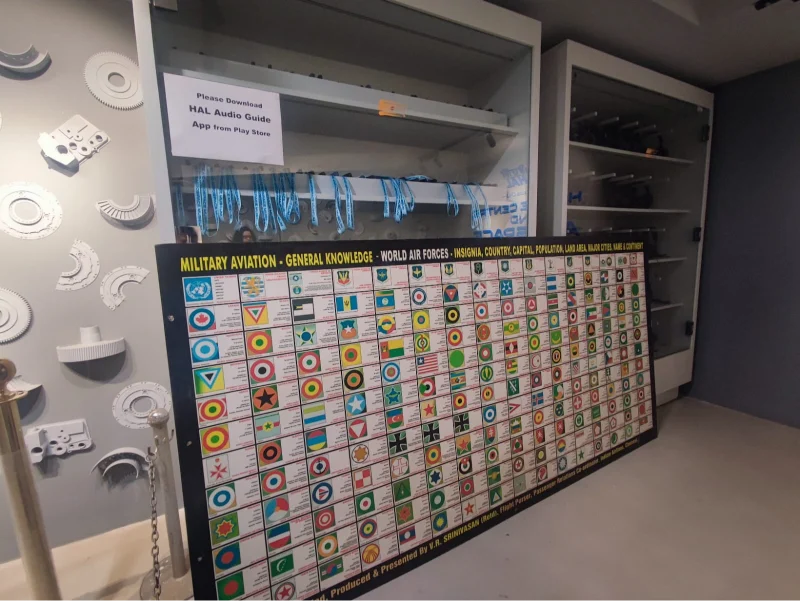
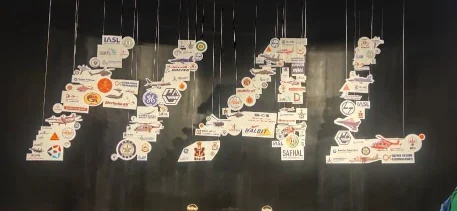
The students explored exhibits presenting the history and development of aviation in India. These displays offered a glimpse into how aircraft technology has evolved and how scientific innovation has contributed to the growth of the aviation sector.
Seeing aviation-related exhibits in a museum setting gave students a context for understanding how technological achievements develop over time. It also encouraged them to consider the people, ideas and engineering advances behind the aircraft they encounter in everyday life.
Discovering aircraft and helicopter technology
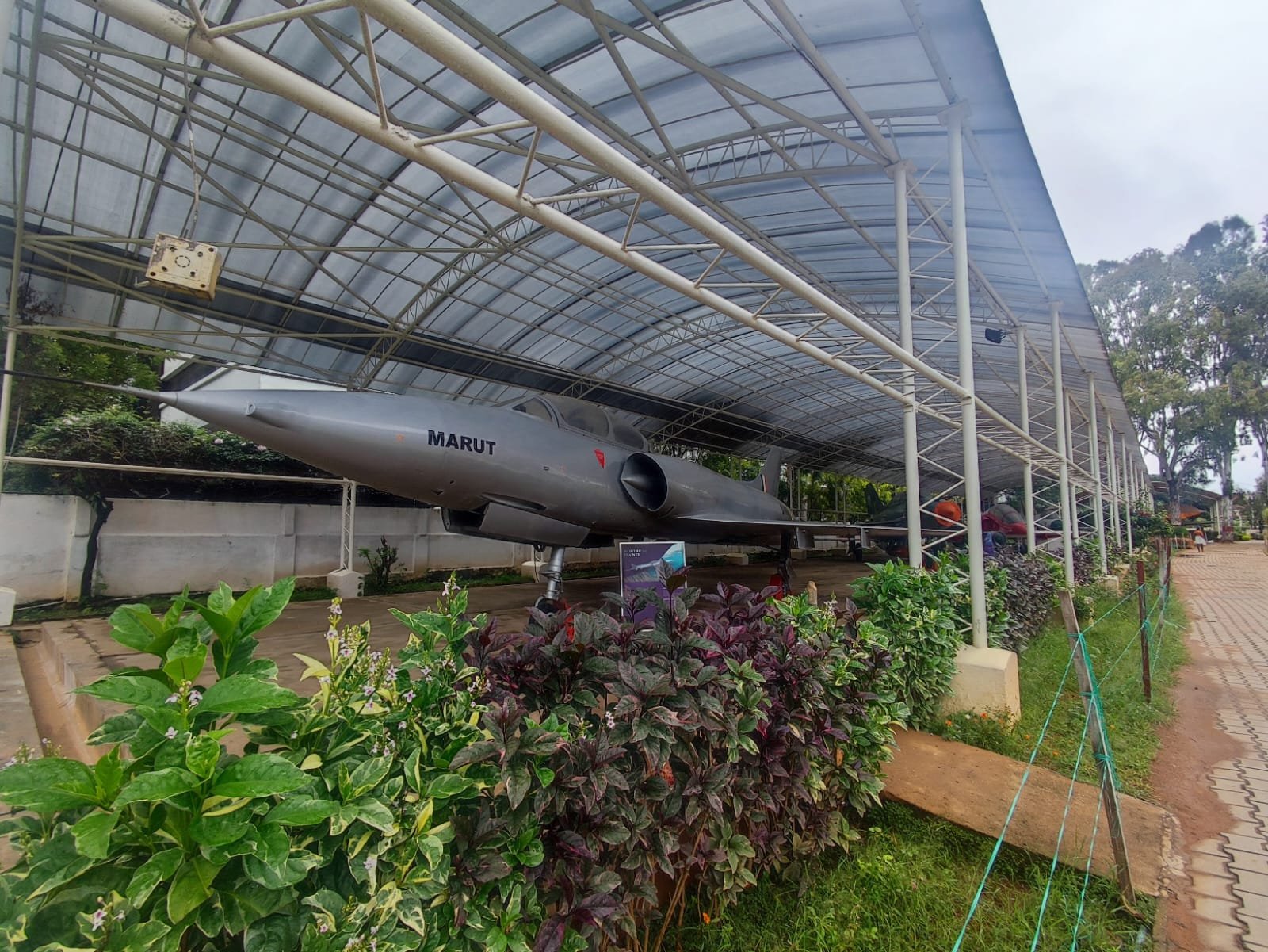
One of the highlights of the visit was observing aircraft and helicopters on display. Students were particularly enthusiastic about examining their designs, understanding their functions and discovering how different aircraft serve different purposes.
These observations encouraged children to look beyond the appearance of an aircraft and think about its structure and practical use. Teachers helped guide the experience, supporting students as they explored the exhibits and developed a deeper interest in aviation.
Learning about aircraft engines and aerospace engineering
The museum’s displays of aircraft engines and aerospace technology introduced students to the engineering systems that help aircraft operate.
Although advanced aerospace engineering involves complex scientific principles, early exposure to these concepts can encourage children to ask questions about motion, forces, design and technology. Such questions can later connect with formal classroom learning in science and mathematics.
The exhibits also helped students appreciate the role of engineering in transforming scientific ideas into practical technologies.
Understanding the basic principles of flight
The visit encouraged students to explore the basic principles associated with flight. By observing different aircraft and their designs, they could begin to think about why aircraft have wings, how their structures differ and how engineering influences their functions.
These observations provide useful starting points for classroom discussions about air, motion, forces and the relationship between design and performance.
The objective was not simply to see aircraft but to encourage students to think about how they work and why their designs matter.
Connecting observation with scientific curiosity
As students moved through the museum, they had opportunities to observe, compare and reflect on the displays. Their enthusiasm for the exhibits demonstrated how real-world environments can encourage curiosity and make unfamiliar subjects more approachable.
Teachers accompanied the students throughout the visit, helping maintain discipline, safety and engagement. This guided approach allowed the excursion to remain both educational and enjoyable.
The experience concluded with students gaining new knowledge, memorable experiences and renewed enthusiasm for learning about aviation and aerospace science.
Student Learning Outcomes and Benefits
The educational visit supported several important areas of student development.
Scientific curiosity and inquiry
Exposure to aircraft and aerospace exhibits can encourage children to ask questions about how things work. This curiosity is an important starting point for scientific inquiry, investigation and independent learning.
Observation and analytical thinking
Examining aircraft models, engines and helicopters encourages students to notice differences in shape, structure and function. Comparing these features helps develop careful observation and early analytical thinking.
Awareness of science and technology careers
The visit introduced students to the wider world of aviation and aerospace engineering. Such exposure can help children become familiar with scientific and technical fields and discover new areas of interest as they progress through school.
Connecting theory with real-world applications
Students often encounter scientific ideas through classroom explanations, diagrams and textbooks. A museum visit provides visual and physical context, helping them understand how scientific knowledge is applied in real situations.
Communication and guided learning
Exploring exhibits with classmates and teachers creates opportunities for discussion, questions and shared discovery. These interactions support the development of communication skills and collaborative learning habits.
Appreciation of technological innovation
Learning about the history of Indian aviation and observing aerospace technology helps students appreciate the research, engineering and innovation involved in technological progress.
Educational Philosophy and Institutional Value Alignment
At BRS Global School, Sarjapur Road, educational experiences beyond the classroom form a valuable complement to formal teaching and learning.
A school learning environment can support children’s development not only through academic lessons but also through opportunities to explore ideas, observe real-world examples and engage with unfamiliar subjects.
The HAL Aerospace Museum visit illustrated three important educational principles.
Experiential learning
Experiential learning gives students opportunities to build understanding through observation and direct engagement with their surroundings. Museum exhibits make scientific and technological concepts more tangible than descriptions alone.
Learning through exploration
Exploration encourages students to develop questions, examine evidence and discover connections between different ideas. A visit to an aerospace museum provides a meaningful setting for this process.
Connecting subjects across the curriculum
Aviation brings together several areas of knowledge. Science helps explain flight-related concepts, mathematics supports measurement and calculation, and engineering applies scientific principles to design and practical problem-solving.
By introducing these connections at an early stage, educational visits can help students see learning as an interconnected process rather than a collection of separate subjects.
Why Does This Visit Matter for Student Development?
An educational excursion is valuable when it creates opportunities for students to observe, question and reflect on what they encounter.
For students in Grades 3, 4 and 5, the HAL Aerospace Museum visit provided an age-appropriate introduction to aviation and aerospace technology. It helped make scientific ideas more accessible through real-world exhibits and guided exploration.
The experience can contribute to holistic development in several ways:
Intellectual development: Encouraging curiosity, observation and logical thinking.
Academic development: Providing examples that can support classroom discussions in science and mathematics.
Personal development: Building familiarity with new learning environments and experiences.
Communication: Creating opportunities to share observations and discuss new discoveries.
Future awareness: Introducing students to engineering, aviation and technology as areas they may wish to explore further.
Parents often look for schools that provide a balanced educational experience. Alongside classroom instruction, carefully planned educational visits can enrich learning by helping children understand how academic concepts relate to the wider world.
Local Context: Experiential Learning at a School in Sarjapur Road, Bengaluru
Bengaluru is widely associated with technology, engineering, research and innovation. For children growing up in this environment, educational experiences that introduce science and technology can help connect their school learning with the city’s wider professional and technological landscape.
The HAL Aerospace Museum visit is an example of how an educational excursion can introduce students to technological developments through direct observation.
For families exploring schools in Sarjapur Road, educational opportunities beyond the classroom can be one factor to consider when evaluating a school’s approach to student development.
BRS Global School‘s Sarjapur Road Branch serves families in Kasavanahalli and nearby residential communities, including Bellandur, HSR Layout, Haralur Road, Harlur, Carmelaram, Doddakannelli, Gunjur, Varthur and Kaikondrahalli.
Parents looking into CBSE schools in Sarjapur Road can learn more about the school’s campus, academic environment and educational approach through the official school website.
Explore BRS Global School, Sarjapur Road Branch: https://share.google/2oEno2EtFtY7eyP2B
This is the Google Business Profile link for the Sarjapur Road campus. It should be used when referring to this branch, rather than the profile for the school’s separate Attibele branch.
Families can also explore the school’s official website for more information about its learning environment and admissions.
Common Parent Questions
How do educational visits support classroom learning?
Educational visits provide practical examples of ideas introduced in lessons. Observing aircraft, engines and aerospace displays can help students connect scientific concepts with real objects and technologies, making classroom discussions more meaningful.
How can a museum visit encourage scientific thinking?
A museum visit gives children opportunities to observe, compare and ask questions. These activities encourage them to think about how objects function, why designs differ and how scientific knowledge is applied in practical situations.
Why should parents value educational excursions?
Educational excursions expose children to new environments and experiences. They can strengthen curiosity, support subject understanding and introduce children to areas of knowledge they may wish to explore in greater depth.
Are educational visits useful for primary school students?
Yes. When planned around students’ ages and learning needs, educational visits can make abstract ideas easier to understand. For primary school students, guided exploration and visual examples can be especially useful for introducing unfamiliar topics.
How does the HAL Aerospace Museum visit relate to CBSE learning?
The visit complements school learning by giving students real-world examples of science, technology, observation and inquiry. It supports experiential approaches to learning, although the specific learning outcomes depend on the lessons, activities and follow-up discussions conducted by the school.
Key Highlights of the Event
• Educational excursion conducted on 23 October 2026.
• Students from Grades 3, 4 and 5 participated.
• Visit to the HAL Heritage Centre and Aerospace Museum in Bengaluru.
• Exploration of exhibits on Indian aviation history.
• Observation of aircraft, helicopters and aircraft engines.
• Introduction to aerospace engineering and basic principles of flight.
• Guided exploration supported by accompanying teachers.
• Opportunities to develop curiosity, observation and scientific thinking.
• Real-world connections between classroom learning and aviation technology.
Frequently Asked Questions (FAQs)
When did BRS Global School visit the HAL Aerospace Museum?
Students of Grades 3, 4 and 5 visited the HAL Heritage Centre and Aerospace Museum on Friday, 23 October 2026.
Where is the HAL Heritage Centre and Aerospace Museum located?
The HAL Heritage Centre and Aerospace Museum is in Bengaluru, Karnataka. It features exhibits related to aviation history and aerospace technology.
What did students see at the aerospace museum?
Students explored exhibits showcasing Indian aviation history, aircraft models, helicopters, aircraft engines and technological developments in aerospace engineering.
What was the main learning objective of the visit?
The main objective was to introduce students to aviation and aerospace technology, help them understand basic principles of flight and connect classroom learning with practical examples.
Which grades participated in the excursion?
Students from Grades 3, 4 and 5 participated in the educational visit.
How do educational excursions benefit primary school students?
Educational excursions offer opportunities for observation, exploration and discussion. They can strengthen scientific curiosity, make classroom concepts more relatable and introduce students to new subjects and experiences.
Where can parents learn more about BRS Global School’s Sarjapur Road campus?
Parents can visit the official Google Business Profile for the Sarjapur Road campus at https://share.google/2oEno2EtFtY7eyP2B or visit the school’s website at https://brsglobalschool.edu.in/sarjapur-road/.
Conclusion: Learning Beyond the Classroom
The educational visit to the HAL Heritage Centre and Aerospace Museum gave students of Grades 3, 4 and 5 an opportunity to discover the world of aviation through exhibits, aircraft designs, helicopters, engines and the history of Indian aerospace development.
By observing real-world examples of technology, students could begin to connect classroom learning with scientific and engineering applications. The excursion also encouraged curiosity, thoughtful observation and an appreciation of technological innovation.
Experiences like these can enrich a child’s education by extending learning beyond textbooks and introducing new possibilities for exploration and discovery.
Explore our Campus:
Attibele Branch:
https://share.google/iFhJaeGo8wkgOZ1Y5
Sarjapur Road Branch: