
Introduction
Robotics becomes meaningful for young learners when they can build, test and understand how technology responds to the world around them. As part of their regular Robotics classes, students at BRS Global School | Pre-school, Primary School & High School | Attibele explored practical applications of sensors, automation and robotics through age-appropriate projects.
From Smart Goggles designed around obstacle detection to a Home Automation model and a human-following CompanionBot, the projects gave students an opportunity to connect technology concepts with real-world applications.
For families looking at schools in Attibele and the wider Attibele–Sarjapur educational corridor, such experiential learning opportunities demonstrate how technology can be introduced through practical classroom experiences.
Event Overview
School : BRS Global School
Activity : Regular Robotics Classes
Focus Areas : Robotics, Sensors, Automation, Building and Problem-Solving
Projects : Smart Goggles, Home Automation and CompanionBot
Learning Approach : Hands-on, project-based learning
Student Groups : Grades 1–4
The projects were designed to introduce students to different ways in which robotics and sensors can be used to address practical situations.
What Happened During the Robotics Classes?
Grade 1 & 2: Building Smart Goggles
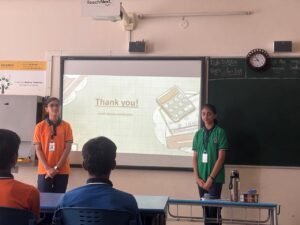
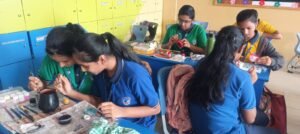
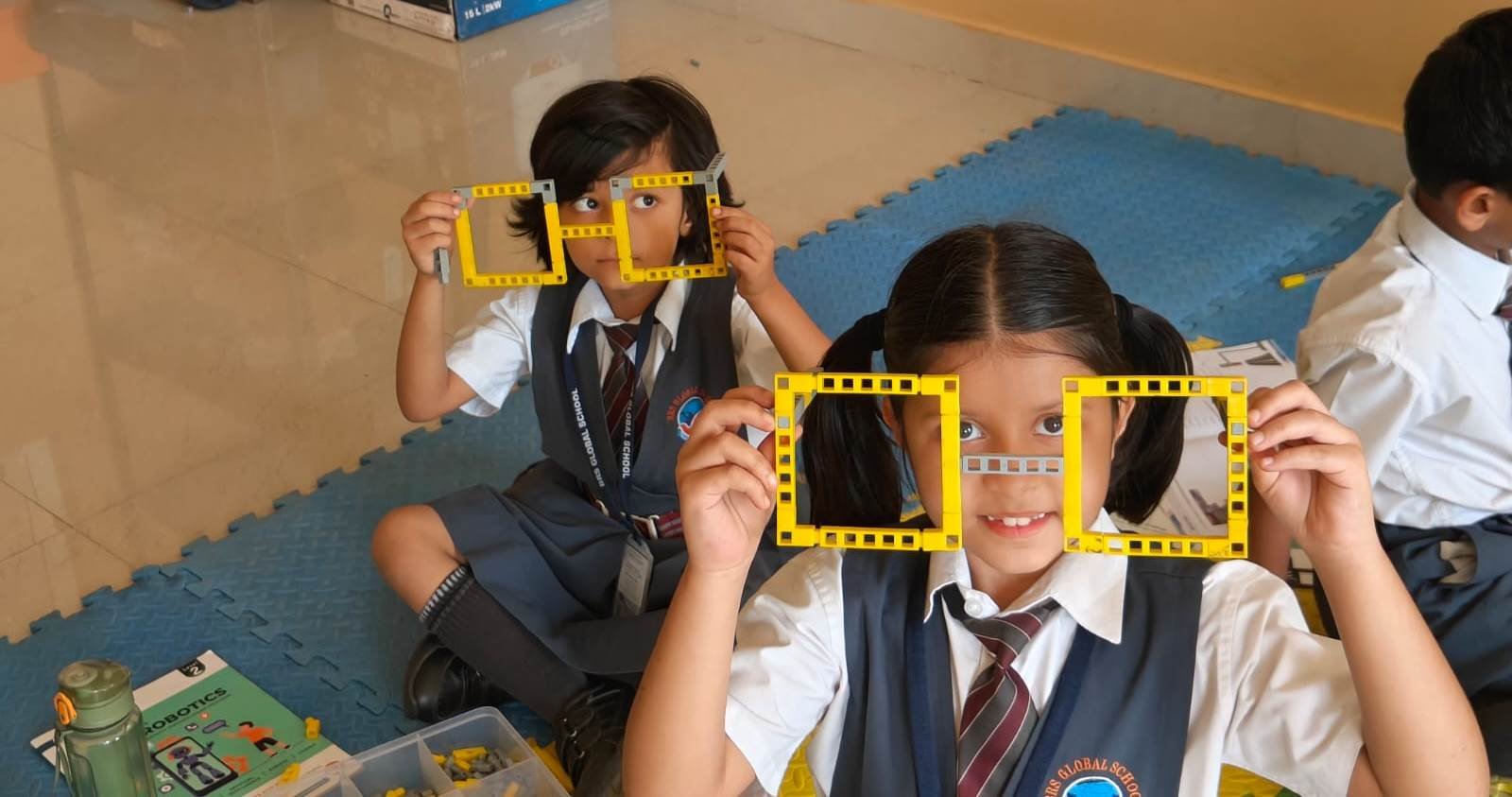
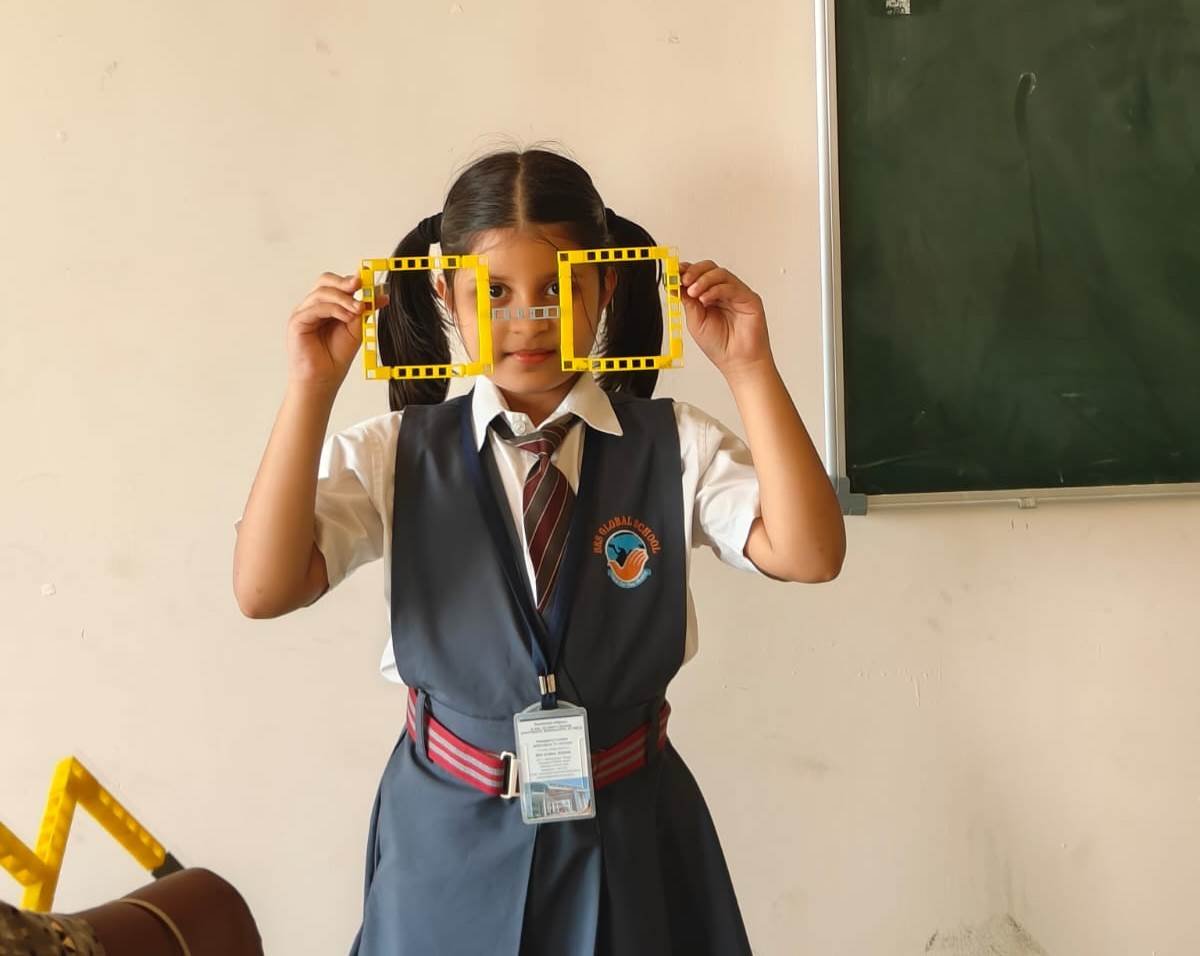
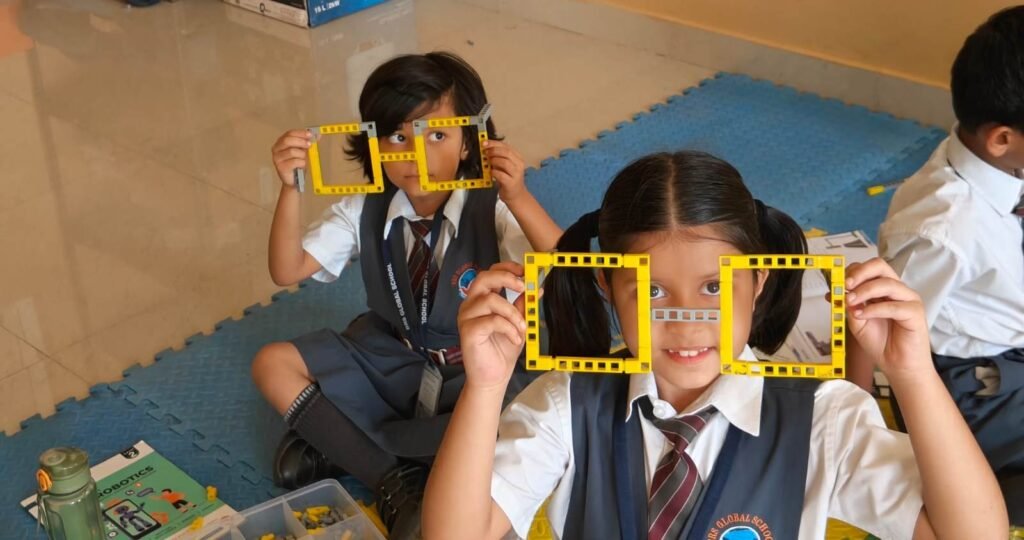
Grade 1 and 2 students explored the concept of Smart Goggles for visually impaired people using building blocks and sensors. The project demonstrated how sensors can detect obstacles, objects or possible dangers in the surrounding environment and provide an alert to the user.
For young learners, the project provided a simple way to understand an important robotics concept: technology can sense its surroundings and respond to what it detects.
Grade 3: Exploring Home Automation
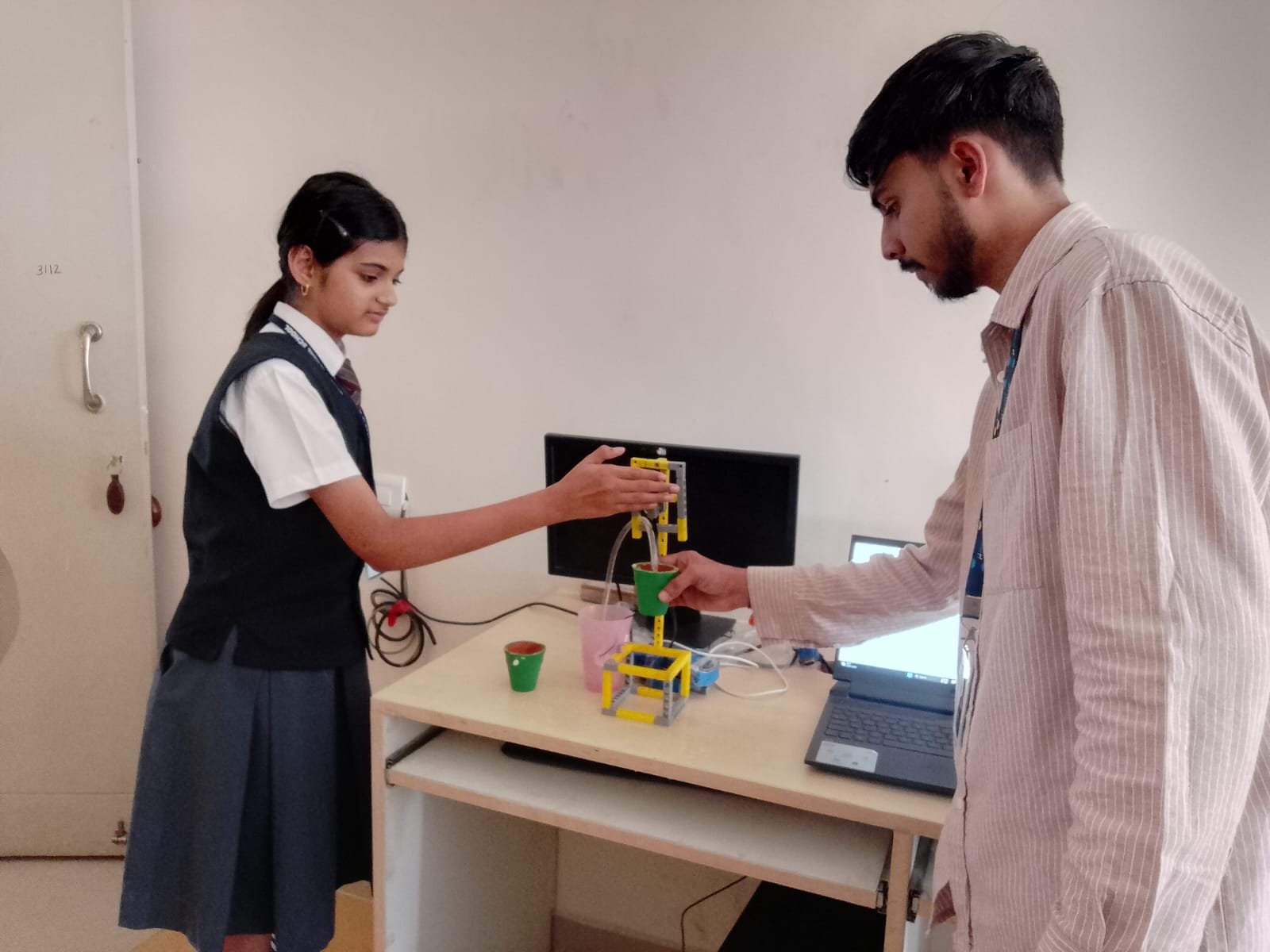
Grade 3 students worked on a Home Automation project. They explored how technology can automatically control different devices in a home and learned about the role of sensors and automation in creating smart and convenient living spaces.
The activity helped students connect robotics concepts with familiar situations in everyday life.
Grade 4: Creating CompanionBot
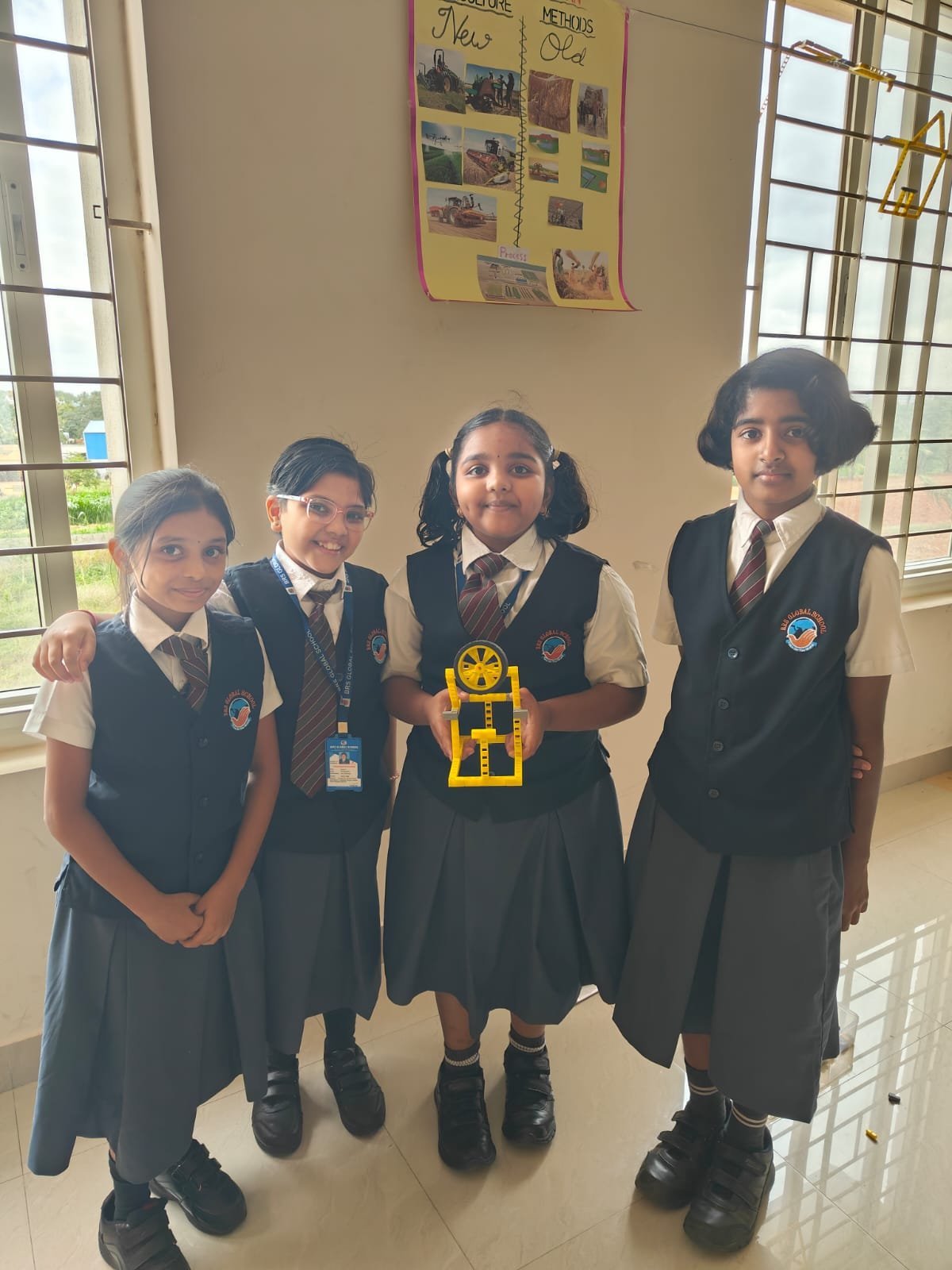
Grade 4 students developed CompanionBot, a robot designed to follow a human using sensors. The robot detects a person’s position or movement and moves behind them. Through the project, students learned how robots can sense and respond to movement in their environment.
This activity introduced students to the relationship between sensors, movement and robotic response in a practical and engaging manner.
Student Learning Outcomes & Benefits
What skills did students develop through robotics?
The projects provided students with practical exposure to:
• Building and model-making
• Understanding sensors
• Automation concepts
• Basic programming concepts
• Problem-solving
• Creativity
• Confidence
• Understanding how robots respond to their surroundings
The school report specifically highlights building, sensors, automation, programming concepts and problem-solving, along with creativity and confidence developed through learning by doing.
From an idea to a working model
A major value of project-based robotics is that students can see how an idea can be translated into a physical model. Whether detecting an obstacle, automating a home device or following a person’s movement, students experience the relationship between input, sensing and response.
Educational Philosophy / Institutional Value Alignment
The robotics activities reflect the school’s emphasis on experiential learning and future-ready skills. Instead of approaching technology only as a theoretical subject, students were given opportunities to work with physical models and understand how technological systems function.
This approach complements the broader positioning of BRS Global School | Pre-school, Primary School & High School | Attibele as a premium CBSE learning environment focused on experiential learning, confidence-building, leadership, sports, arts and life skills.
Why Does Robotics Matter for Student Development?
Robotics can support the development of young learners by encouraging them to observe, experiment, solve problems and learn from practical outcomes.
For primary students, activities such as these can also make technology concepts easier to understand because abstract ideas such as sensors and automation become visible through physical models.
Most importantly, the students are not simply observing a robot—they are learning by building and exploring how a robotic system works.
Local Context Relevance
Located on the Attibele–Sarjapur Road corridor, BRS Global School | Pre-school, Primary School & High School | Attibele is positioned to serve families from Attibele, Attibelle, Bidaraguppe, Anekal, Chandapura, Sarjapura, Dommasandra, Jigani, Electronic City, Bommasandra and nearby residential communities. The campus is also accessible from the Hosur Road corridor and surrounding industrial and residential areas.
For parents comparing CBSE schools in Attibele, schools in Chandapura, schools in Anekal or schools in Sarjapur Road, hands-on technology education can be an important part of evaluating a school’s broader learning environment.
Families interested in the Attibele campus can explore the school’s local profile here:
BRS Global School | Pre-school, Primary School & High School | Attibele – Google Business Profile
The Sarjapur Road campus is another branch of BRS Global School and serves families across areas such as Bellandur, HSR Layout, Harlur, Gunjur, Varthur, Kodathi, Kasavanahalli, Carmelaram and surrounding communities.
BRS Global School | Best CBSE School in Sarjapur Road – Google Business Profile
Common Parent Questions
How does robotics support CBSE learning?
Robotics provides opportunities for students to apply concepts through practical activities. Building models, working with sensors and exploring automation encourage observation, problem-solving and experiential learning.
Does robotics help develop creativity?
Yes. Students have to understand a concept and translate it into a working model, encouraging creativity, experimentation and confidence.
What did students learn about sensors?
Students explored how sensors can detect surroundings, obstacles or human movement and enable a robotic system to respond accordingly.
Is robotics suitable for primary school students?
Age-appropriate robotics projects can introduce primary students to technology through simple, hands-on activities. The projects undertaken by Grades 1–4 demonstrate how robotics concepts can be introduced progressively.
Why should parents value hands-on technology learning?
Hands-on activities allow students to move beyond memorising concepts and experience how ideas work in practical situations. This can encourage problem-solving, curiosity, creativity and confidence.
Key Highlights
• Regular Robotics classes provided students with practical learning experiences.
• Grade 1 and 2 students explored Smart Goggles using building blocks and sensors.
• Grade 3 students worked on Home Automation.
• Grade 4 students created CompanionBot, a human-following robot.
• Students explored sensors, automation and robotic responses.
• Activities encouraged building, problem-solving, creativity and confidence.
• Learning was based on doing and experimentation, rather than theory alone.
Frequently Asked Questions (FAQs)
What robotics projects did BRS Global School students complete?
Students completed Smart Goggles, Home Automation and CompanionBot projects during their regular Robotics classes.
What are Smart Goggles in this robotics activity?
Smart Goggles are a student-built project using building blocks and sensors to demonstrate how obstacles and possible dangers can be detected and communicated to a user.
What is CompanionBot?
CompanionBot is a robot designed to follow a human by detecting the person’s position or movement using sensors.
What is Home Automation?
Home Automation refers to using technology to automatically control different devices in a home. Grade 3 students explored this concept through their robotics project.
What skills do primary students gain from robotics?
Students can develop practical skills related to building, sensors, automation, problem-solving and programming concepts, along with creativity and confidence.
Are these robotics activities part of regular classes?
Yes. The projects were completed as part of the students’ regular Robotics classes at the Attibele campus.
Which areas can families consider when exploring the Attibele campus?
Families from Attibele, Bidaraguppe, Anekal, Chandapura, Sarjapura, Electronic City, Bommasandra, Dommasandra, Jigani and nearby communities can consider the Attibele campus based on their location and educational requirements.
Conclusion
Robotics becomes more meaningful when children can build something, test it and understand why it works. Through Smart Goggles, Home Automation and CompanionBot, students at BRS Global School | Pre-school, Primary School & High School | Attibele experienced how sensors, automation and robotics can be applied to real-world ideas.
For parents exploring CBSE schools in Attibele, schools in Anekal, schools in Chandapura or schools near Sarjapur Road, experiential technology learning can be an important part of a well-rounded school experience.
Explore the Attibele campus and discover how practical learning is integrated into students’ educational journey.
Explore our Campus:
Attibele Branch
https://share.google/iFhJaeGo8wkgOZ1Y5
Sarjapur Road Branch: