
Introduction
For young children, learning becomes meaningful when concepts are connected to things they can see and experience around them. A simple colour such as red can become an opportunity to observe, identify, speak, compare, participate and create.
At BRS Global School | Best CBSE School in Sarjapur Road, the Red Colour Day learning experience was planned as a one-week classroom activity to help children recognise the colour red through different forms of participation.
Instead of introducing colour recognition only as a classroom concept, teachers connected it with familiar objects such as apples, balloons, roses, tomatoes, postboxes and fire trucks. Children also explored red-coloured food, games, clothing, dance and songs.
This approach made the learning experience active and enjoyable while giving children multiple opportunities to revisit the same concept in different ways.
Event Overview
Topic: Colour – Red
Duration: One week
Methods of Learning: Five methods
Methodology: Teaching, poster-making, food exploration, games, outfits, dance and celebration
The Red Colour Day activity was designed around the idea that children can learn a concept more effectively when they encounter it through varied experiences.
The five major learning experiences included:
• Red Colour Discussion
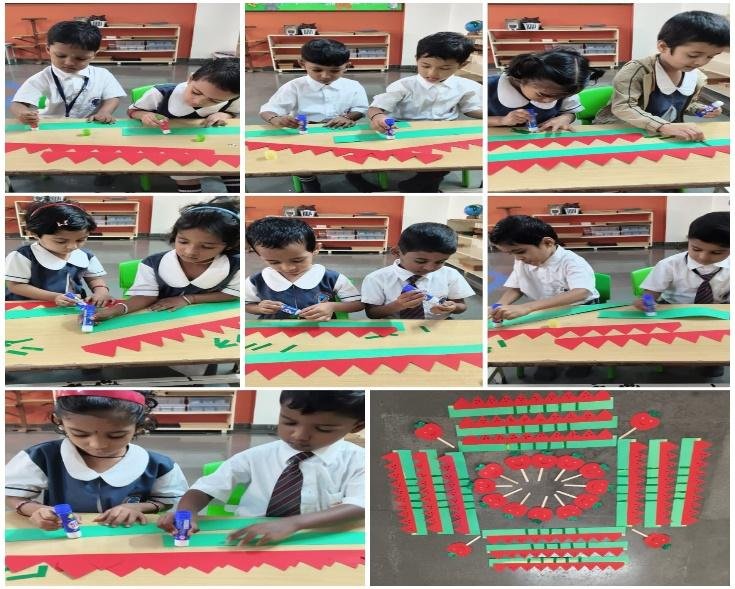
• Red Colour Poster
• Red Colour Food Exploration
• Red Colour Game
• Red Dress, Dance and Song
Together, these activities created opportunities for children to observe the colour, name objects, make connections, participate with peers and express themselves.
What Did Students Learn From the Healthy Food Activity?
Red Colour Discussion: Connecting the Concept with Everyday Life
The learning experience began with a classroom discussion about the colour red.
The teacher introduced the colour and encouraged children to think about red-coloured objects they encounter in their surroundings. This simple conversation gave children an opportunity to recognise the colour in familiar contexts rather than learning it as an isolated concept.
Discussing objects also encouraged children to listen, respond and communicate their observations.
For young learners, these conversations can help build vocabulary and confidence as they learn to identify an object and associate it with a particular colour.
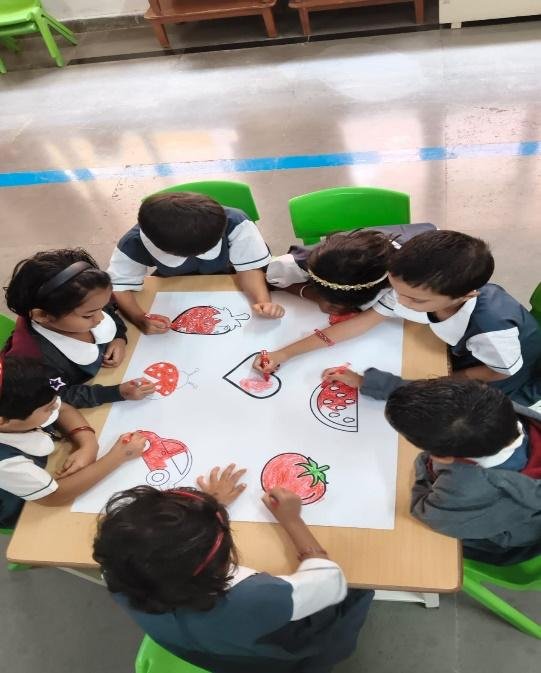
Red Colour Poster: Learning Through Observation
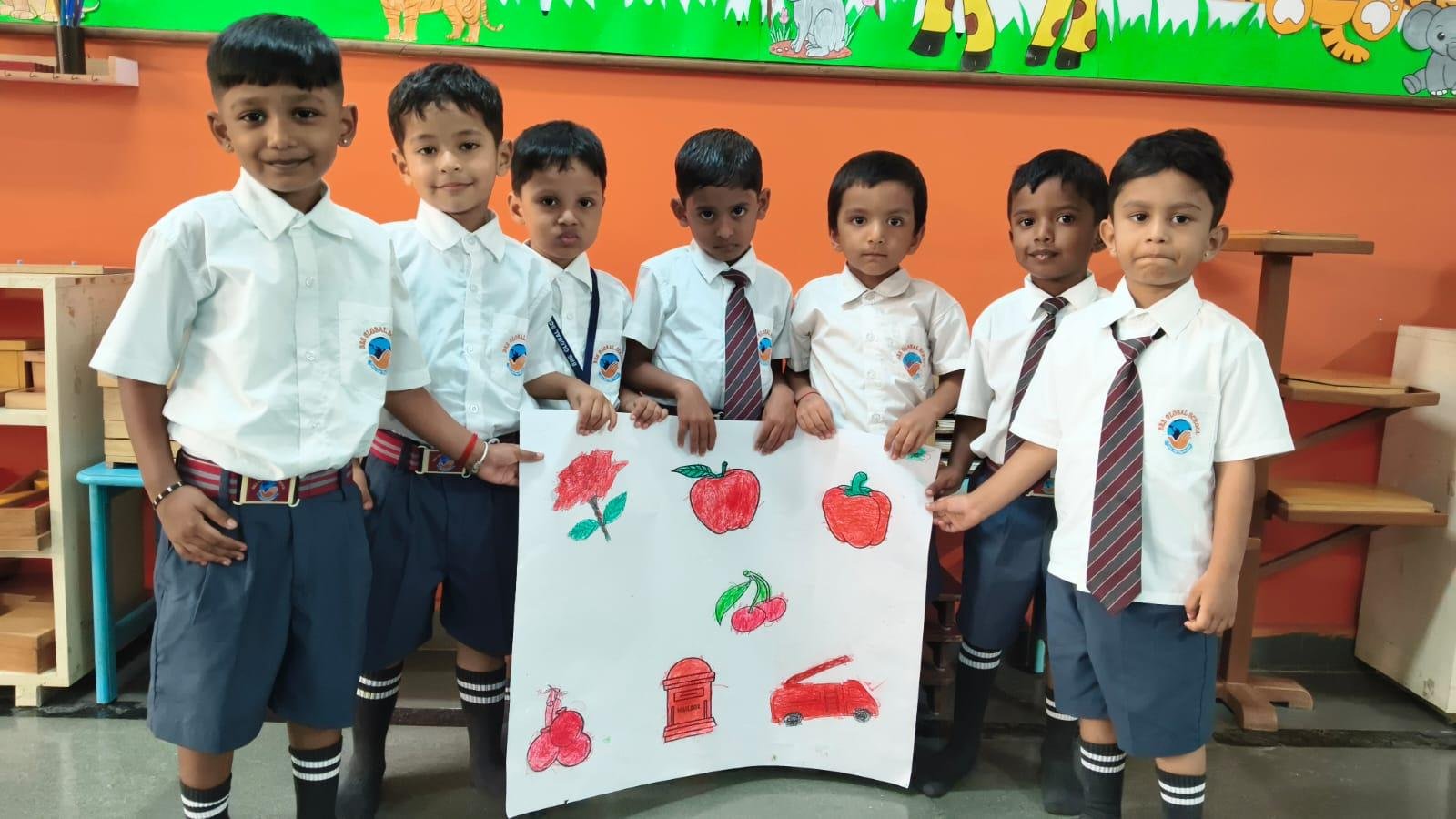
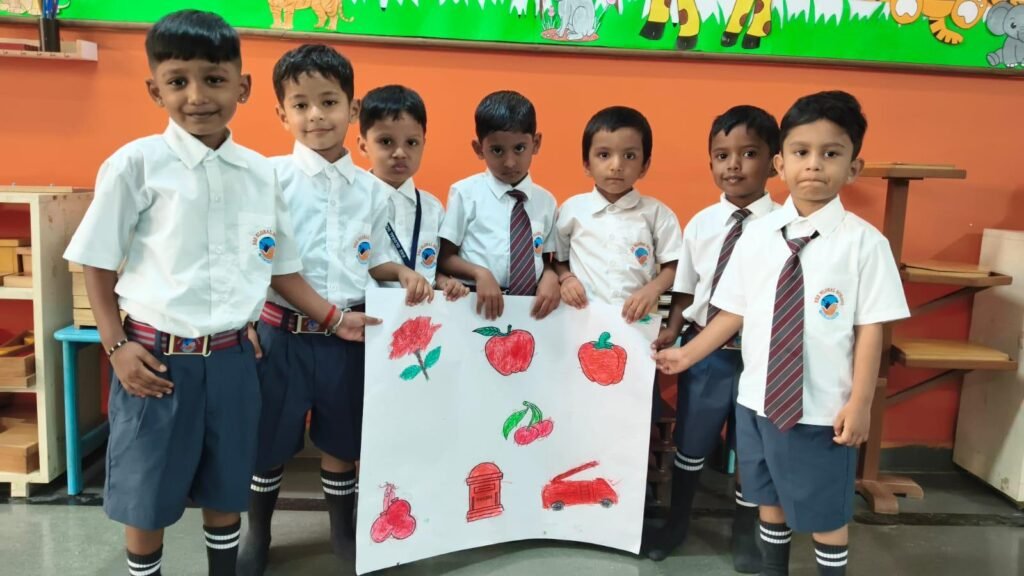
Children explored a poster featuring different red-coloured objects, including an apple, postbox, balloon, rose, tomato and fire truck.
The poster provided a visual reference through which children could observe, identify and name familiar objects.
Visual learning can be particularly engaging for young children because it allows them to connect words with recognisable images. As children pointed out different objects and identified their colour, the activity combined observation, vocabulary and colour recognition.
The activity also demonstrated how a simple classroom visual can encourage children to look carefully and communicate what they see.
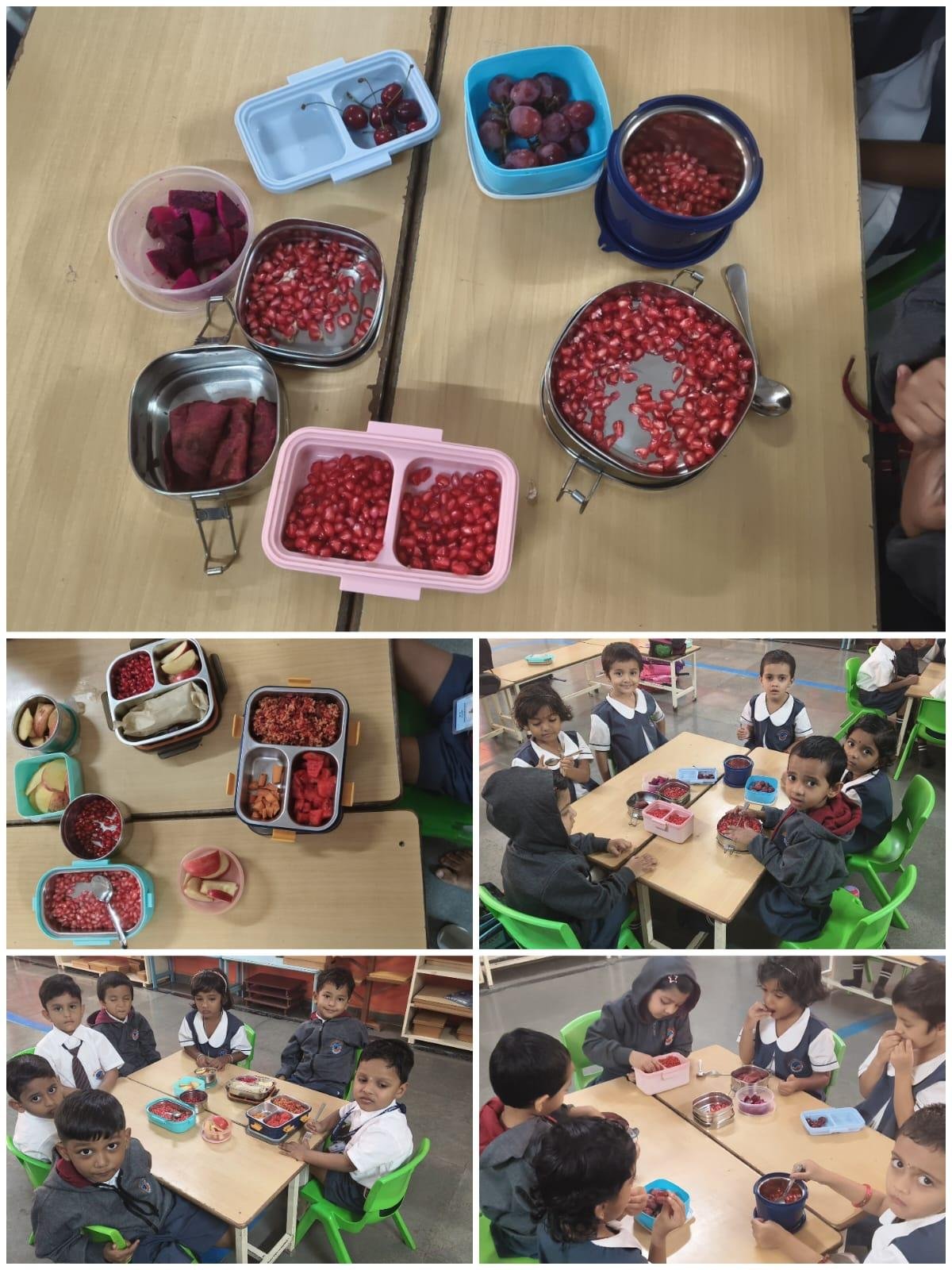
Red Colour Food: Bringing Learning to the Dining Experience
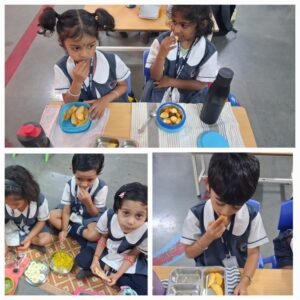
Children were invited to bring different red-coloured food items from home and share them with their friends.
This activity connected the classroom concept with something children experience in their daily lives—food.
By observing and identifying red-coloured fruits and food items, children were able to recognise that colours can be found across different categories of objects and experiences.
The sharing aspect also created a social dimension to the activity, giving children an opportunity to interact with classmates and talk about the items they had brought.
Red Colour Game: Learning Through Play
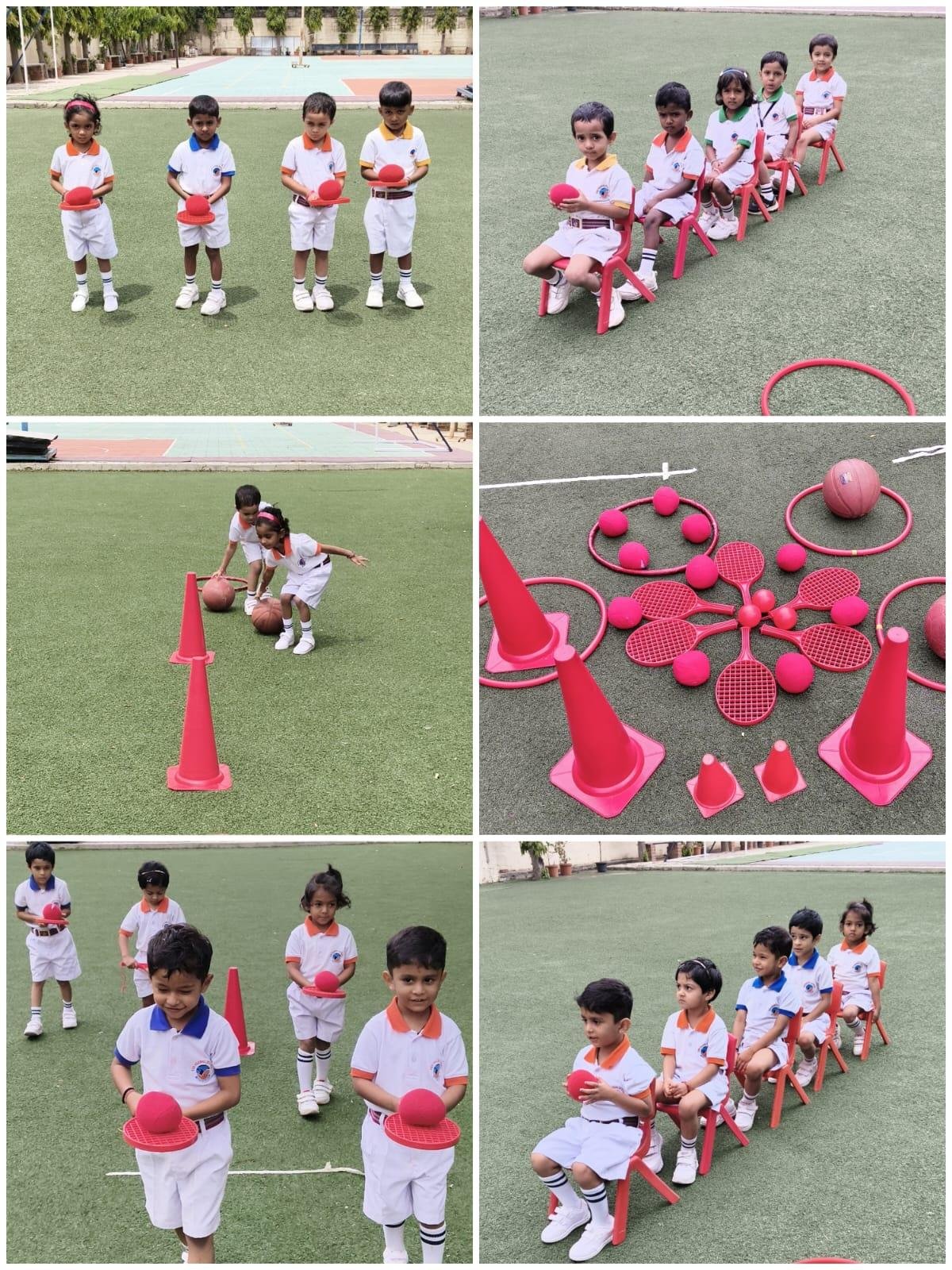
A game using red-coloured objects added movement and active participation to the learning experience.
Children participated by identifying, collecting and matching red-coloured things.
Games can transform recognition into an active task. Instead of simply looking at a colour, children were encouraged to notice it, make a decision and respond through action.
This activity also encouraged participation and interaction with peers while keeping the learning experience enjoyable.
Red Dress, Dance and Song: Expressing Learning Creatively
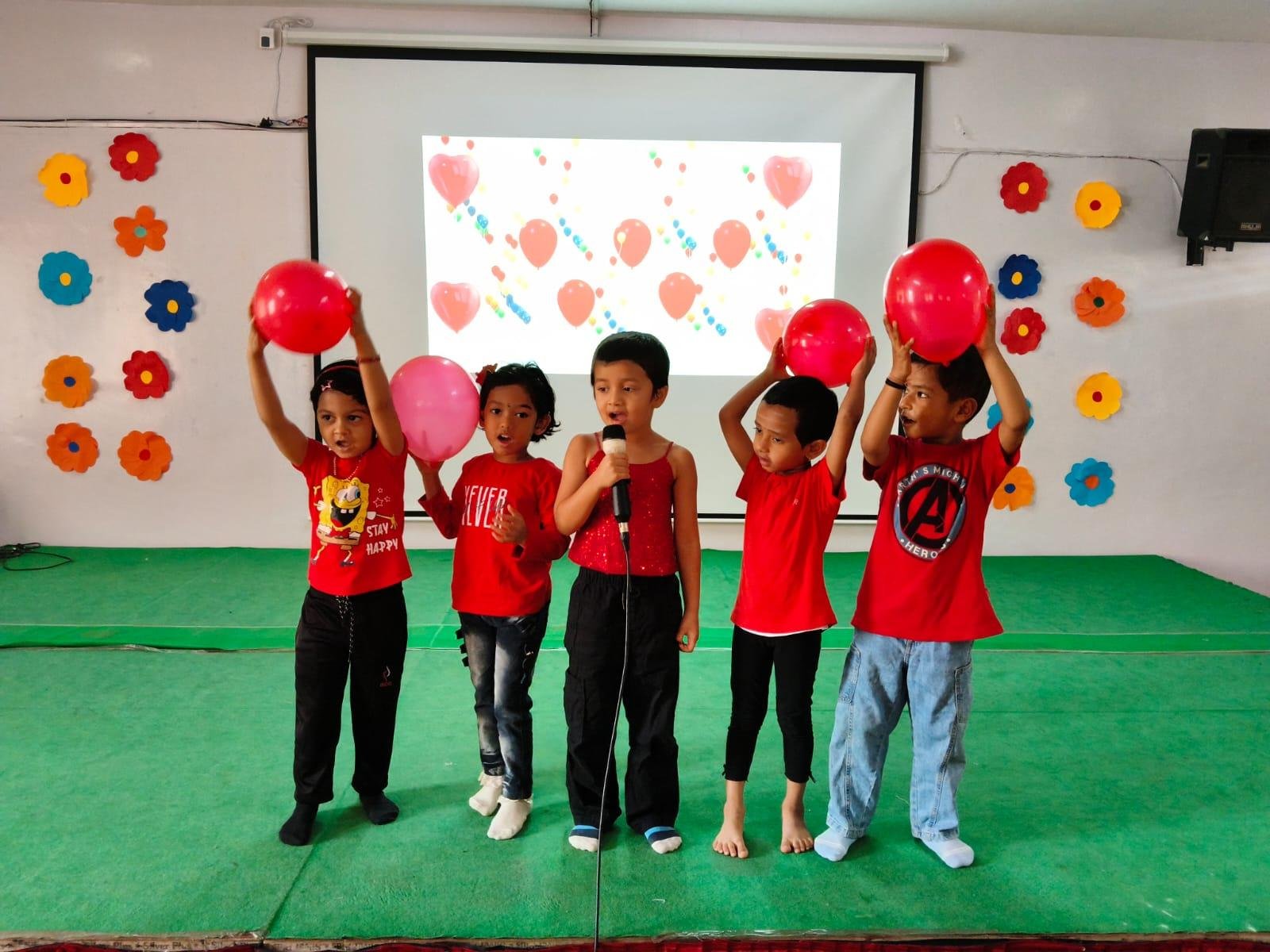
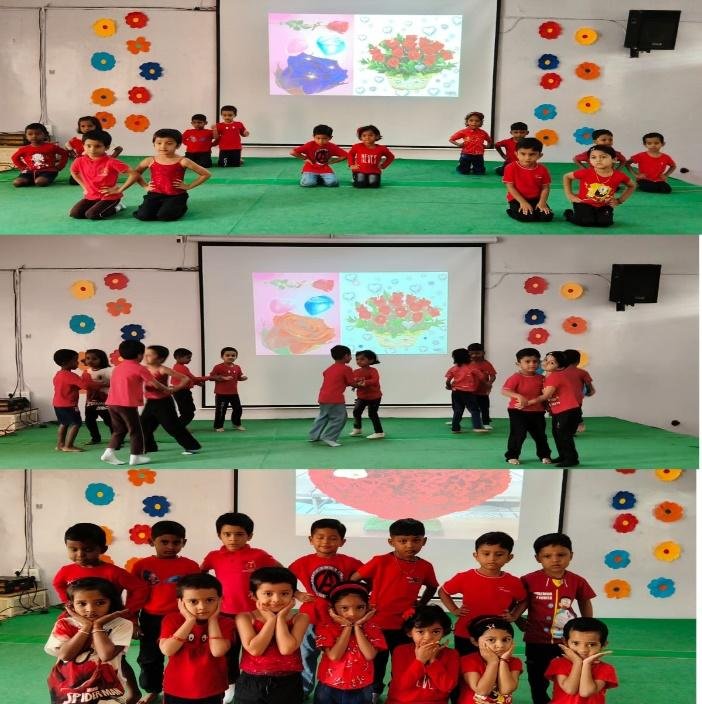
The celebration concluded with children wearing beautiful red-coloured outfits and participating enthusiastically in dance and song activities.
The red outfits reinforced the central concept visually, while dance and song brought movement, rhythm and creative expression into the experience.
For young children, such activities can create opportunities to participate confidently in a group setting and enjoy learning through multiple forms of expression.
The classroom became a lively environment where learning and celebration came together naturally.
Student Learning Outcomes & Benefits
The Red Colour Day experience extended beyond simple colour identification. By revisiting the same concept through different activities, children were given multiple opportunities to observe, recognise, communicate and participate.
Colour Recognition
Children practised identifying the colour red across objects, food items, clothing and classroom activities.
Observation Skills
The poster and object-based activities encouraged children to look carefully at visual details and identify common characteristics.
Vocabulary Development
Talking about apples, balloons, roses, tomatoes, postboxes, fire trucks and food items created opportunities for children to name and describe familiar objects.
Communication
Classroom discussions and sharing activities encouraged children to express what they noticed and participate in conversations.
Social Interaction
Sharing food experiences, playing games and participating in group activities created opportunities for children to interact with their peers.
Matching and Identification
The colour game encouraged children to recognise similarities and identify objects based on their colour.
Creative Expression
Dance, songs and themed clothing provided opportunities for children to participate creatively and express themselves.
Confidence and Participation
Group activities encouraged children to take part in classroom experiences in an enjoyable and supportive environment.
Educational Philosophy and Institutional Value Alignment
Meaningful early learning often begins with familiar experiences. A child who sees a red apple at home, a red balloon at a celebration or a red flower outdoors can gradually begin connecting the visual experience of the colour with its name.
The Red Colour Day activity followed this principle by introducing the colour through several contexts rather than limiting learning to one classroom explanation.
The experience included:
Concept → Observation → Identification → Participation → Expression
Children first encountered the concept of red, observed examples, identified objects and food, participated in games and finally expressed their enthusiasm through dance and song.
This progression helps demonstrate how classroom experiences can make early concepts more concrete and engaging.
At BRS Global School Sarjapur Road, such classroom activities complement the broader goal of making learning experiential, participatory and connected to children’s everyday world.
Why Does This Matter for Student Development?
A colour-learning activity may appear simple, but for young children it can involve several developmental processes at once.
When a child identifies a red object, the child is observing a visual characteristic. When the child names the object, language and vocabulary are involved. When the child matches or collects an object during a game, the child is responding to a simple classification task. When children participate together, social interaction becomes part of the experience.
This is why age-appropriate classroom activities can provide value beyond the immediate topic.
Who benefits from this type of activity?
Colour-based learning experiences are particularly suitable for young learners who are developing early observation, vocabulary, recognition, communication and participation skills.
Why should parents value experiential classroom activities?
Parents can see how a familiar concept is introduced through multiple experiences rather than through explanation alone. Such activities allow children to participate, observe and express their understanding in age-appropriate ways.
Local Context Relevance
BRS Global School | Best CBSE School in Sarjapur Road is located in an area serving families from Sarjapur Road, Bellandur, Kasavanahalli, HSR Layout, Harlur, Koramangala, Dommasandra, Gunjur, Varthur, Kaikondrahalli, Carmelaram and surrounding communities.
The Sarjapur Road area is also connected with major residential communities and technology corridors, making accessibility and a well-rounded school experience important considerations for many families.
Parents searching for schools in Sarjapur Road, CBSE schools in Sarjapur Road, schools in Bellandur, schools near Sarjapur Road or CBSE schools in Bellandur may consider not only academic programmes but also how a school creates meaningful learning experiences for children.
For families exploring the school, the Sarjapur Road campus can be found through its official Google Business Profile:
BRS Global School | Best CBSE School in Sarjapur Road – Google Business Profile
BRS Global School also has another branch in Attibele, serving families in and around Attibele, Chandapura and Anekal. The two locations should be considered separately when parents are evaluating the most convenient campus.
Common Parent Questions
How does Red Colour Day support early learning?
Red Colour Day supports early learning by helping children identify a colour through multiple familiar contexts, including objects, food, games, clothing, songs and visual materials.
Does the activity involve learning or only celebration?
It combines both. The celebration format creates an enjoyable environment, while the activities are designed around identification, observation, communication, matching and participation.
How does this activity improve children’s confidence?
Children receive opportunities to participate in discussions, identify objects, interact with classmates and take part in group activities such as games, dance and songs.
What skills were developed during the activity?
The experience supported colour recognition, observation, vocabulary, communication, identification, matching, social interaction, participation and creative expression.
How does this connect with CBSE-oriented learning?
The activity supports age-appropriate experiential learning by connecting a classroom concept with observation, real-world objects, participation and communication. It should be viewed as a classroom learning experience rather than as an isolated celebration.
Why are hands-on activities useful for young children?
Hands-on activities allow children to engage directly with a concept through seeing, identifying, discussing, moving and participating. This can make classroom learning more relatable and memorable.
Which children benefit most from colour-based activities?
Young learners who are developing basic recognition, vocabulary, observation and communication skills can particularly benefit from activities that introduce concepts through familiar and engaging experiences.
Key Highlights
• Topic: Colour – Red
• Duration: One week
• Learning approach: Five methods
• Red colour discussion: Identifying red objects in the surroundings
• Poster activity: Apple, postbox, balloon, rose, tomato and fire truck
• Food activity: Children explored red-coloured food items brought from home
• Game: Identifying, collecting and matching red-coloured objects
• Celebration: Red outfits, dance and songs
• Learning focus: Recognition, observation, vocabulary, communication, participation and creative expression
Frequently Asked Questions (FAQs)
What is Red Colour Day in school?
Red Colour Day is a classroom-based learning and celebration activity in which children explore the colour red through objects, food, games, clothing, songs and creative activities.
What did children do during Red Colour Day at BRS Global School?
Children discussed the colour red, identified red objects from a poster, explored red-coloured food items, participated in a colour-based game, wore red outfits and joined dance and song activities.
What objects did children identify during the Red Colour Day activity?
The poster included familiar red-coloured objects such as an apple, postbox, balloon, rose, tomato and fire truck.
What did children learn from the red-coloured food activity?
Children recognised red-coloured fruits and food items while connecting classroom learning with familiar experiences from home.
What skills can children develop through colour-based games?
Colour-based games can provide opportunities for recognition, observation, matching, decision-making, participation and interaction with peers.
Why are dance and songs included in classroom celebrations?
Dance and songs provide children with opportunities for movement, rhythm, creative expression and group participation while reinforcing the theme of the learning experience.
How does Red Colour Day make learning enjoyable?
It introduces the same concept through different experiences—discussion, visual learning, food, games, clothing, dance and songs—allowing children to learn while actively participating.
Conclusion: Learning Healthy Choices Through Experience
Red Colour Day at BRS Global School Sarjapur Road. demonstrates how a familiar concept can become a meaningful classroom learning experience when children are given opportunities to observe, identify, communicate, play and express themselves.
From recognising a red apple or rose to matching objects, exploring food, wearing red outfits and participating in dance and songs, children encountered the colour through several age-appropriate experiences.
For parents, activities such as these offer a glimpse into how everyday concepts can be transformed into engaging opportunities for early learning and development.
Explore our Campus:
Attibele Branch:
https://share.google/iFhJaeGo8wkgOZ1Y5
Sarjapur Road Branch: