
Introduction: Bringing Parents Closer to the Learning Experience
Early childhood is an important stage in a child’s development. During these formative years, children begin to develop independence, curiosity, concentration and the confidence to explore their surroundings. The learning environment and experiences provided during this period play an important role in shaping how children approach new tasks and challenges.
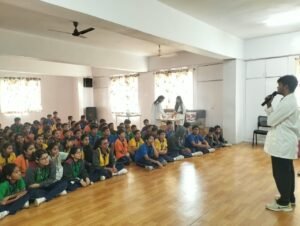
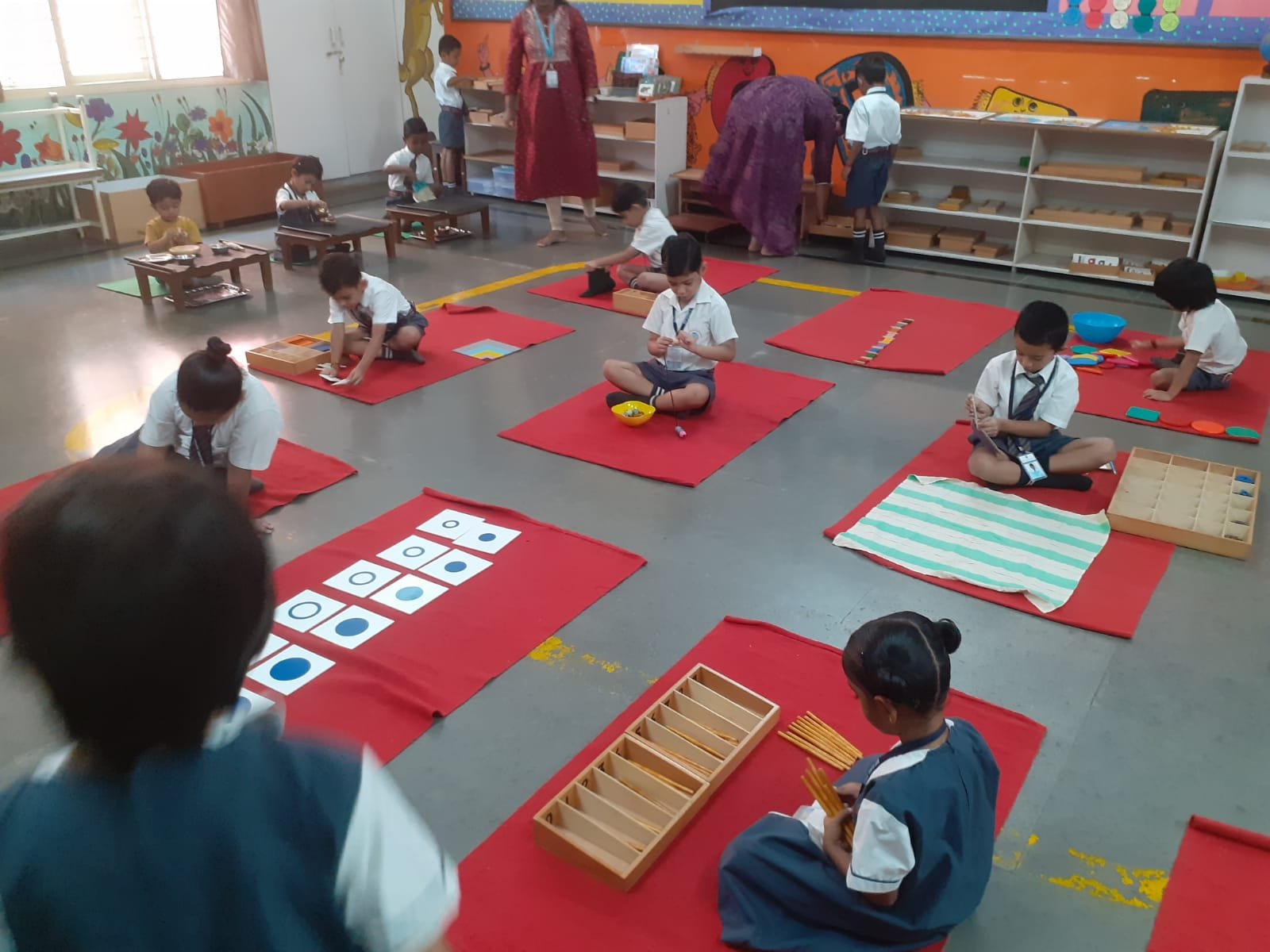
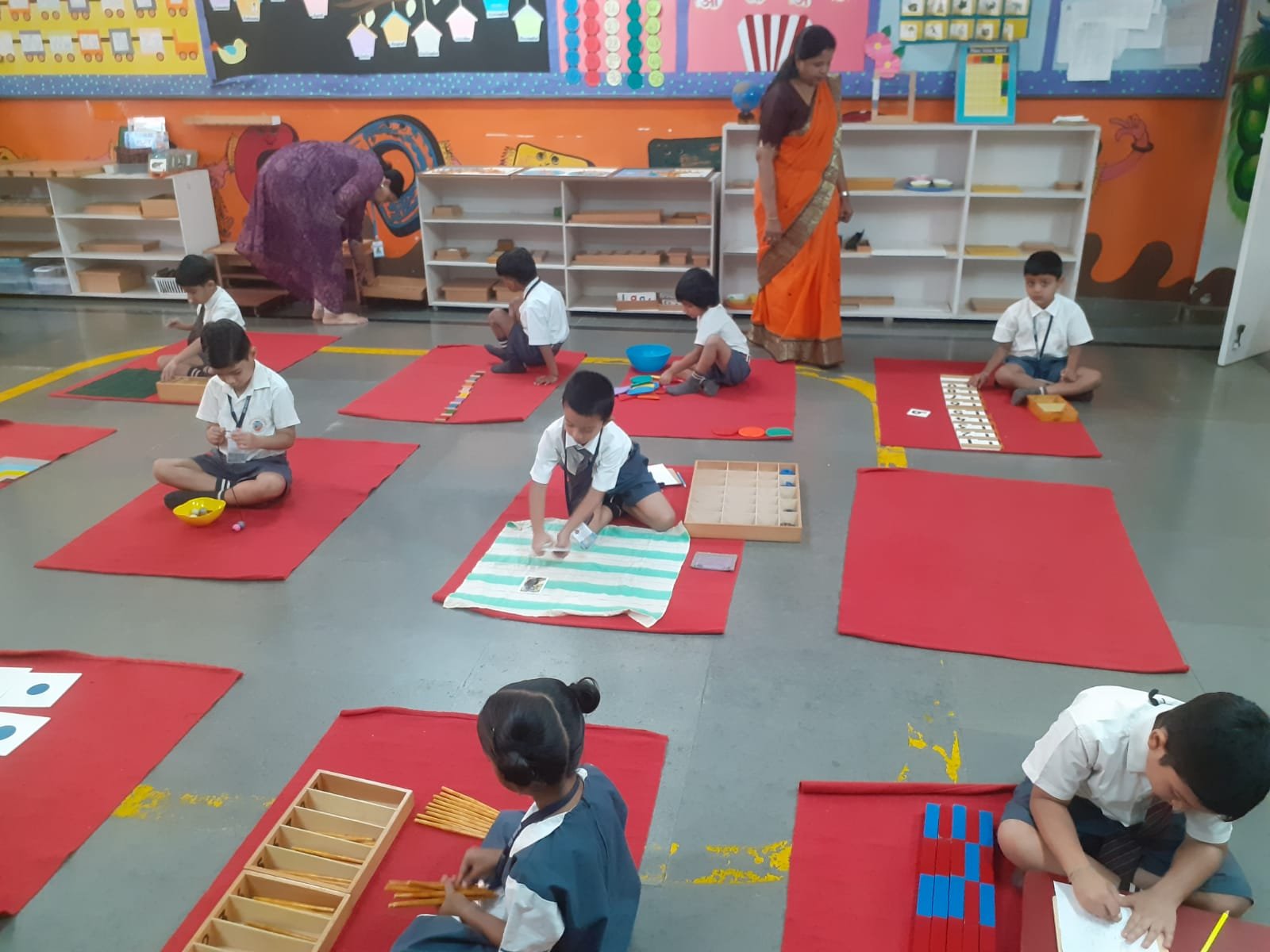
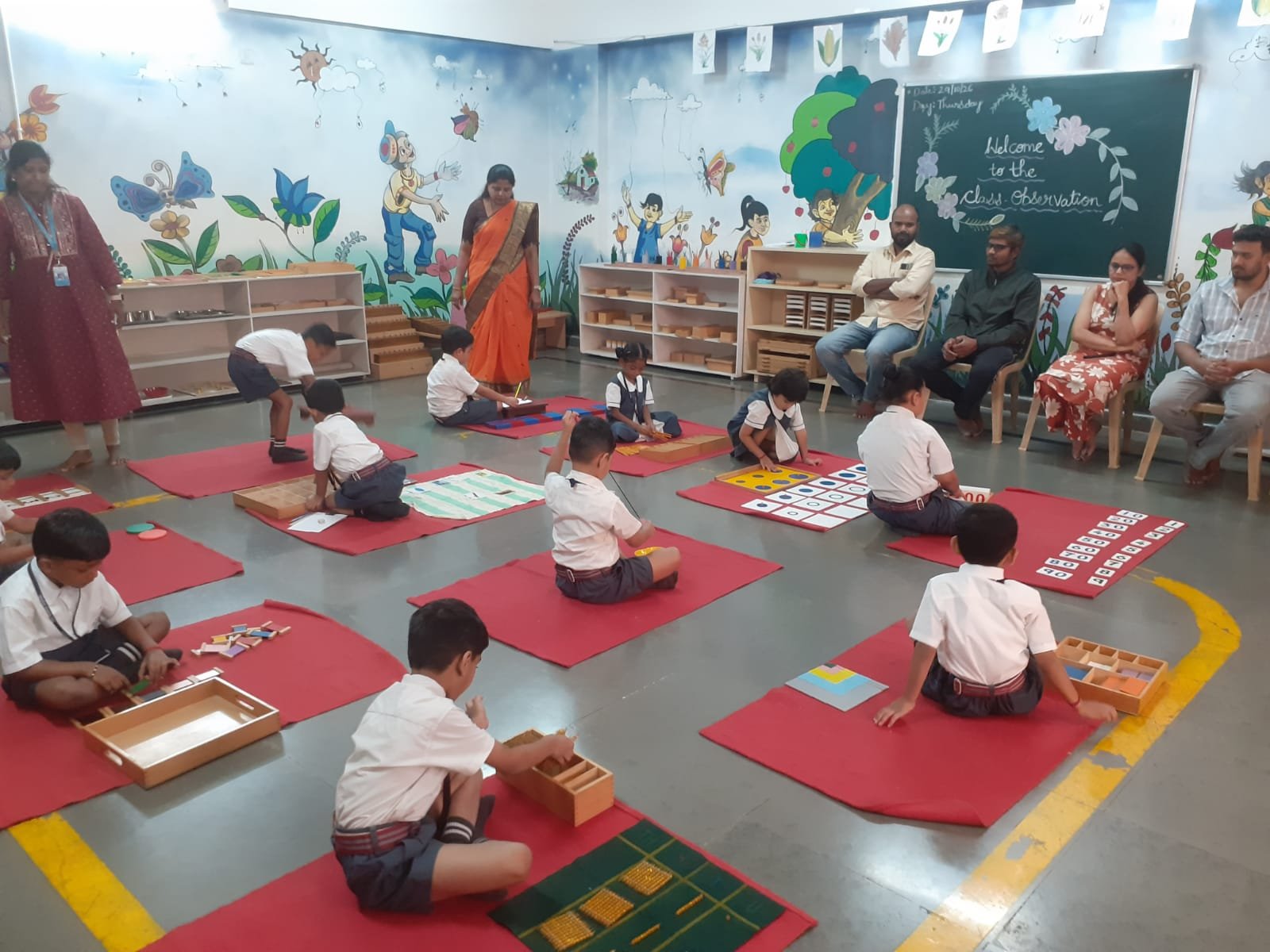
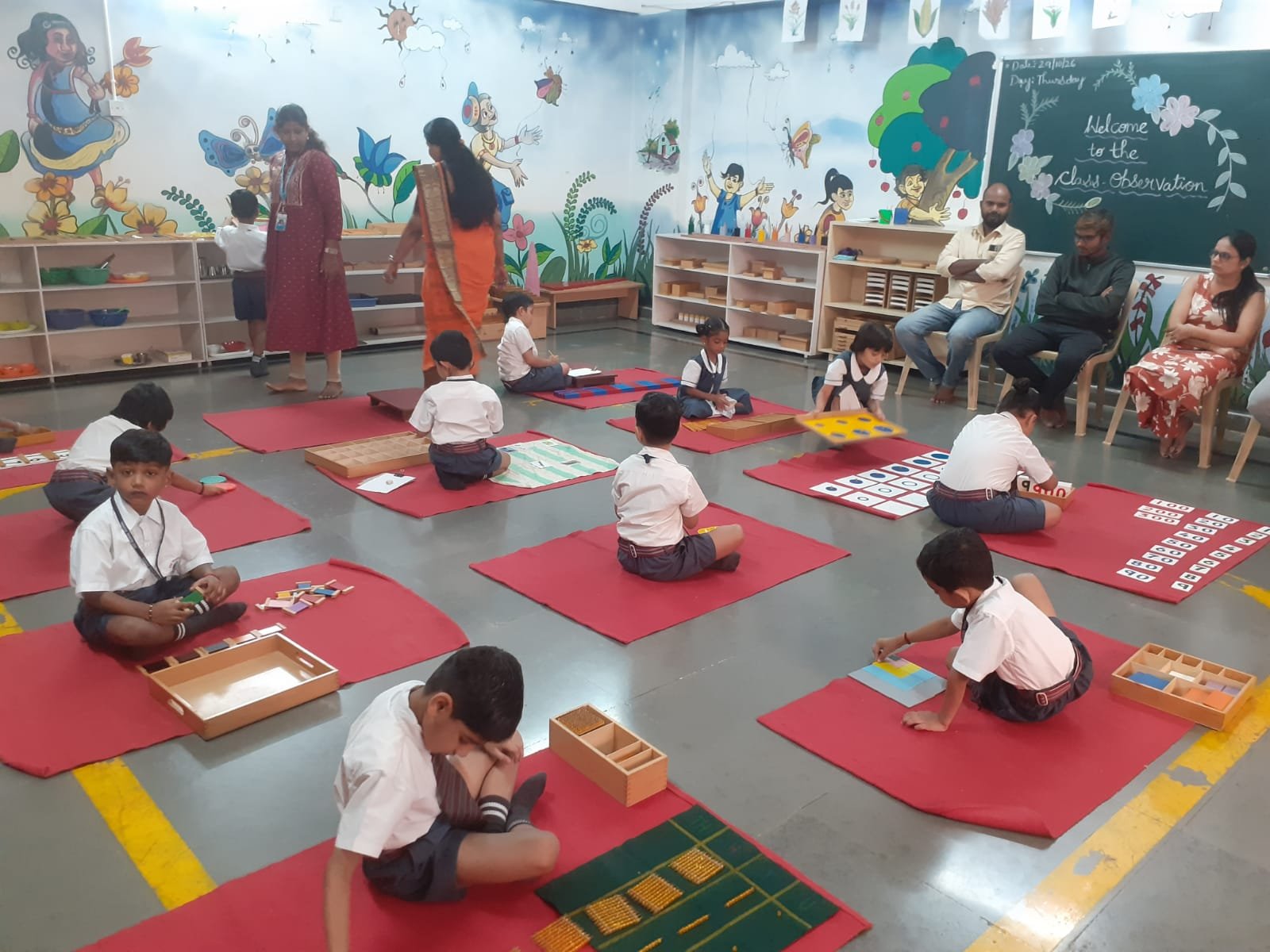
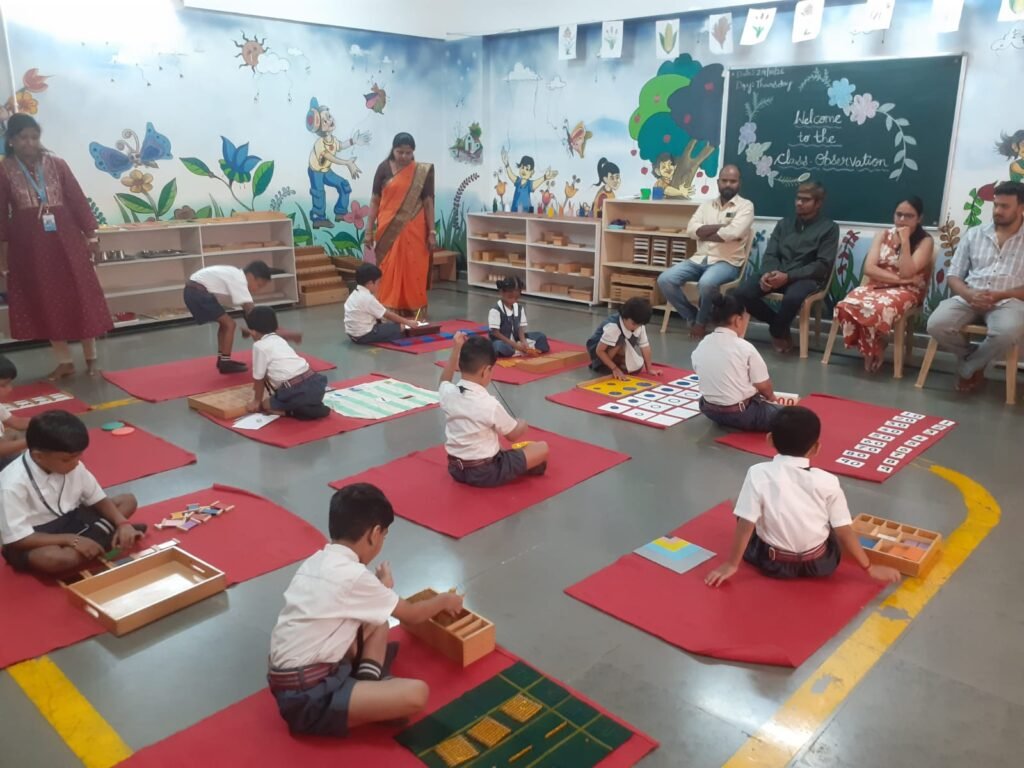
At BRS Global School | Best CBSE School in Sarjapur Road, Parents’ Observation Day was organised in the Montessori classroom to help parents understand their children’s everyday learning experiences. Rather than simply hearing about classroom activities, parents had the opportunity to observe how their children interacted with learning materials, selected tasks and worked through activities at their own pace.
The session offered a closer look at the Montessori approach, where hands-on experiences and a prepared learning environment encourage children to participate actively in their learning. Parents could see how activities are designed to help young learners practise essential skills while gradually becoming more independent.
For families exploring schools in Sarjapur Road, understanding the teaching approach is an important part of choosing an early learning environment. Parents’ Observation Day provided a practical opportunity to understand how classroom experiences contribute to children’s growth beyond the completion of individual tasks.
The session also reinforced an important principle of early education: children benefit when parents and teachers understand one another’s roles and work together to support each child’s development.
Event Overview
Event Name : Parents’ Observation Day
Institution : BRS Global School
Campus : Sarjapur Road, Kasavanahalli, Bengaluru
Learning Environment : Montessori classroom
Main Objective : To help parents observe and understand their children’s classroom learning experiences
Areas of Learning : Practical Life, Sensorial, Language and Arithmetic
Key Developmental Areas : Independence, concentration, coordination, self-discipline, confidence and problem-solving
Overall Outcome : Greater parental understanding of Montessori learning and stronger school–parent collaboration
What Happened During Parents’ Observation Day?
Exploring the Montessori Classroom
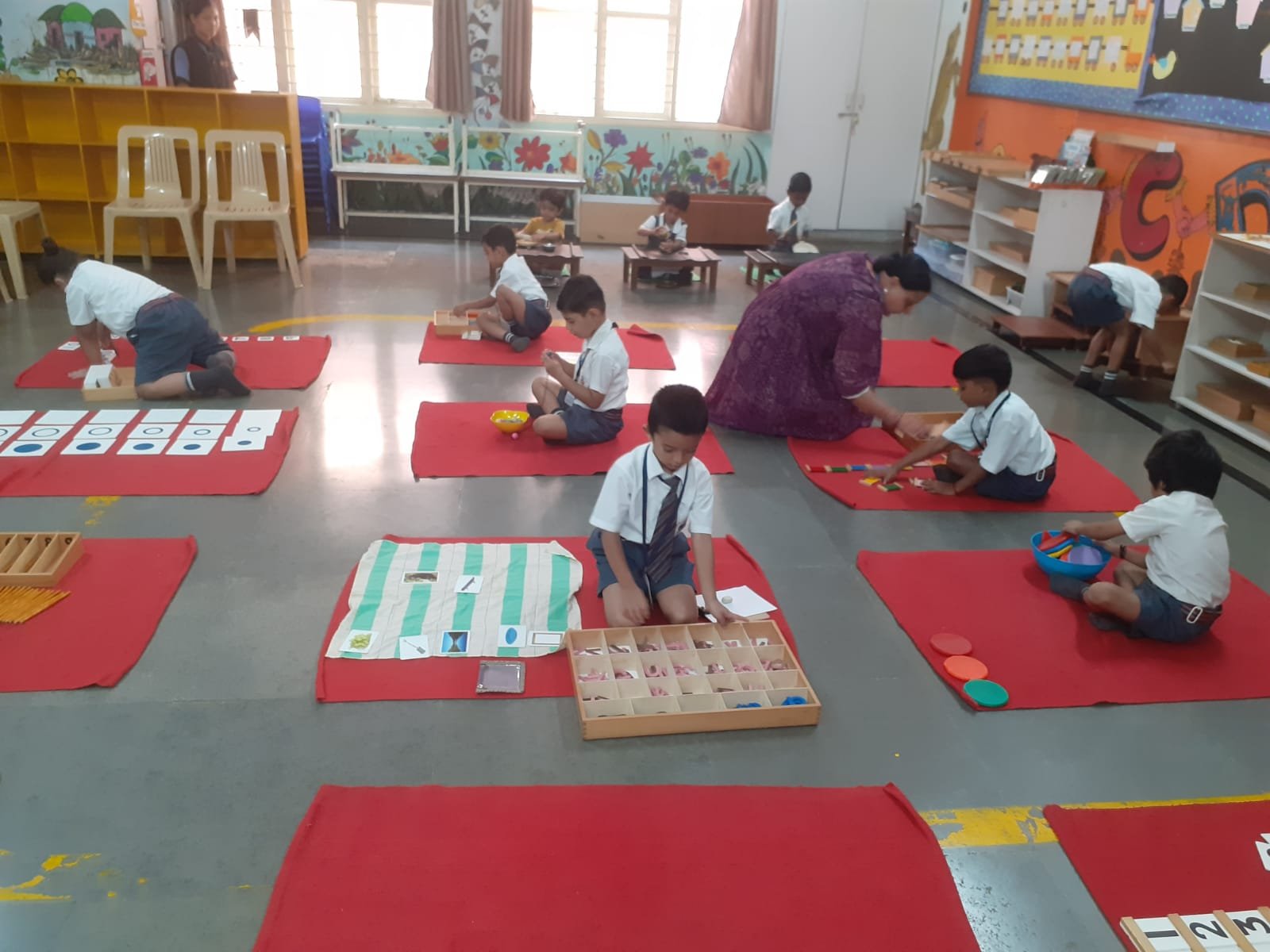
The observation session began with parents experiencing the Montessori classroom environment and seeing how children engage with their everyday learning activities.
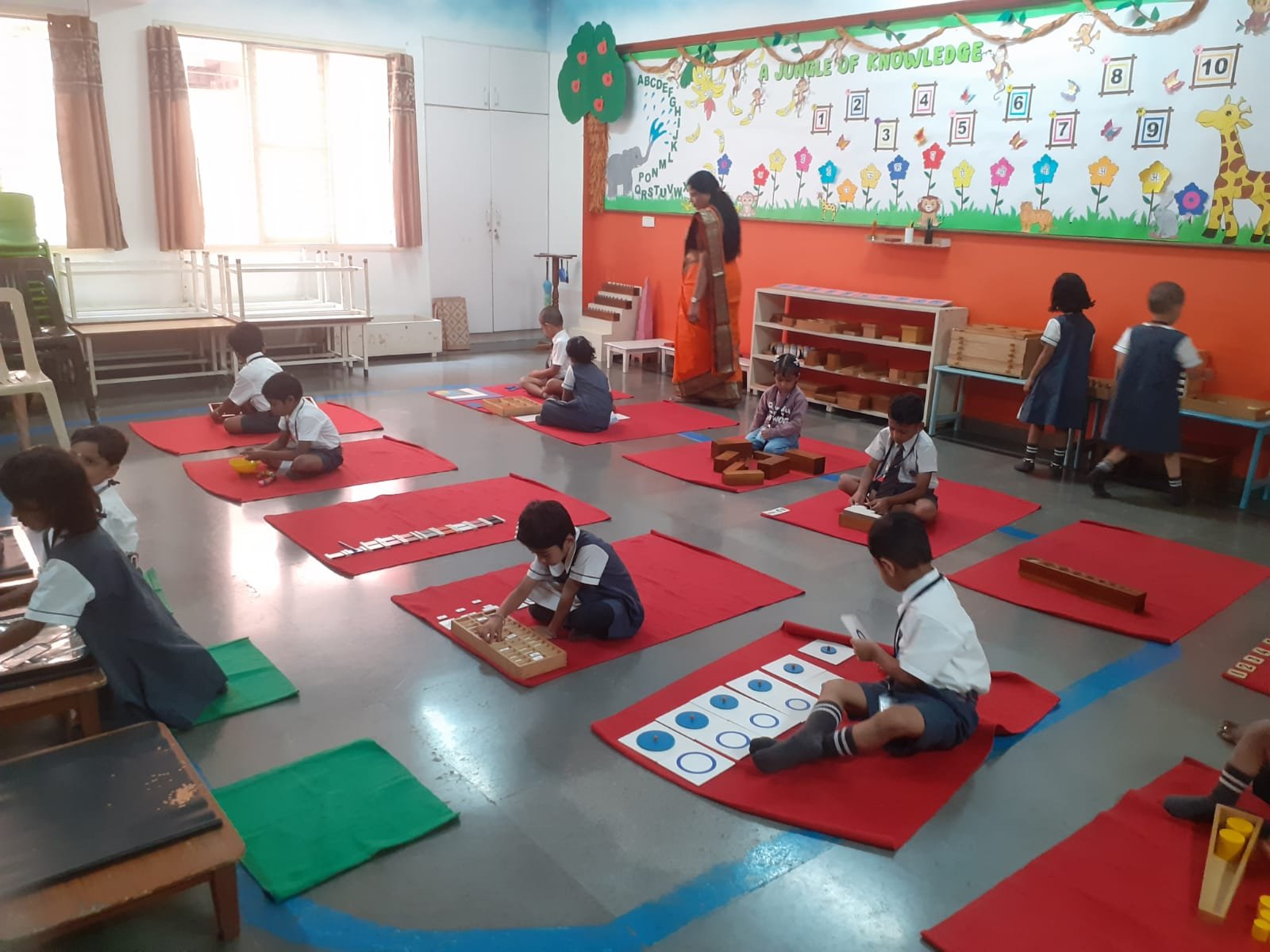
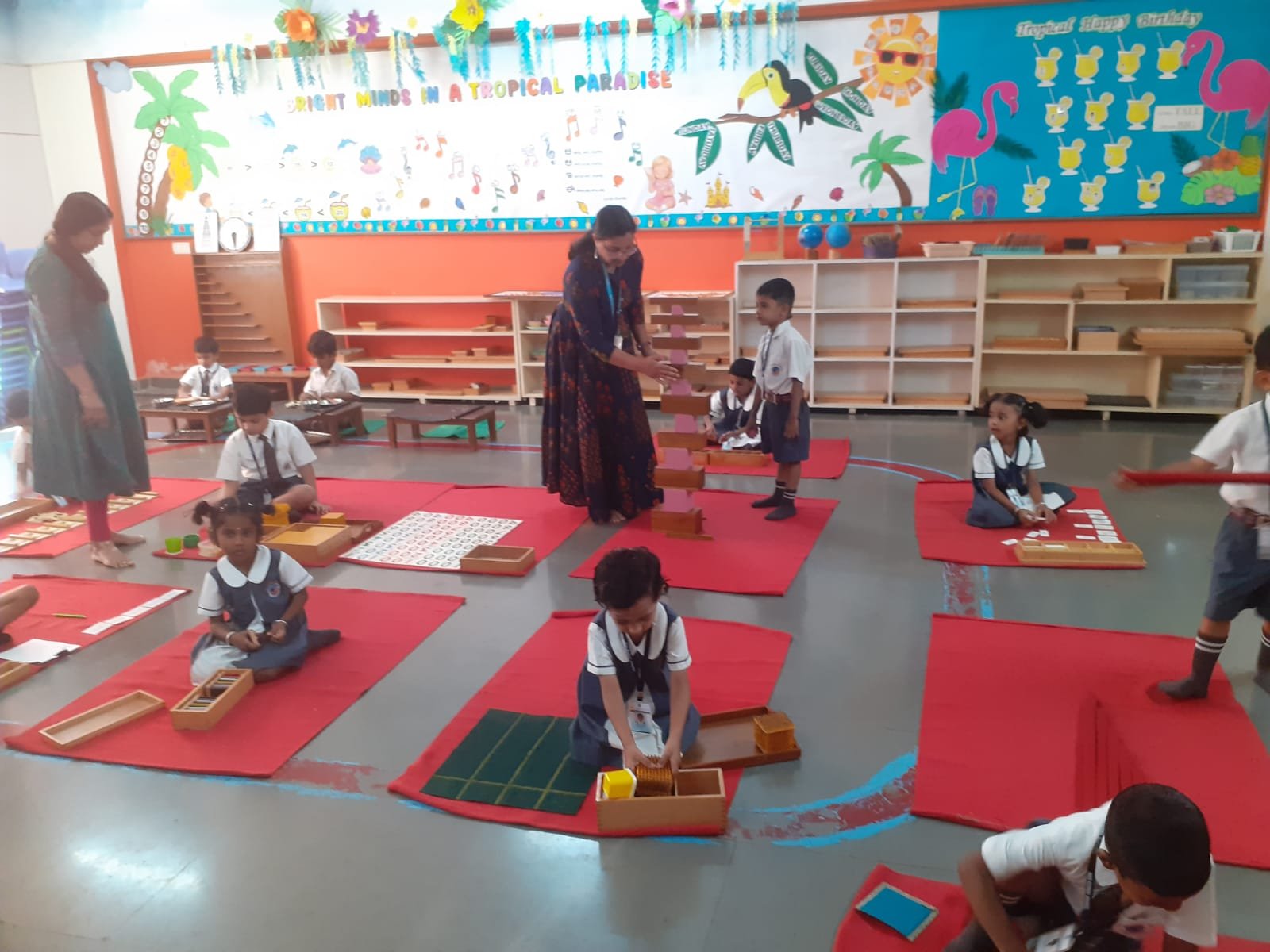
The prepared classroom provides children with access to materials that encourage exploration, purposeful activity and independent participation.
During the session, parents gained a clearer understanding of how the classroom environment supports children as they learn to make choices, follow activity steps and take responsibility for their work.
Observing the classroom directly helped parents connect the Montessori philosophy with the activities their children experience during the school day.
Practical Life Activities: Learning Through Everyday Tasks
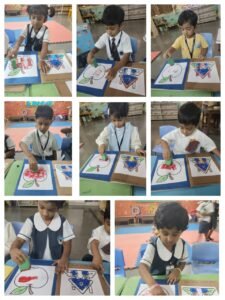
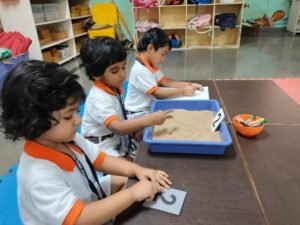
Practical Life activities help children practise purposeful movements and develop greater control over their actions. These activities encourage children to handle materials carefully, follow a sequence of steps and complete tasks with increasing independence.
During the observation, parents saw how children worked with Montessori materials and approached activities at their own pace. Such experiences can help children practise coordination, attention to detail and responsibility for their work.
The value of these activities lies not only in completing a task but also in the process. Repeating an activity, correcting a mistake and trying again can help children become more confident in their abilities.
Sensorial Activities: Exploring Through the Senses
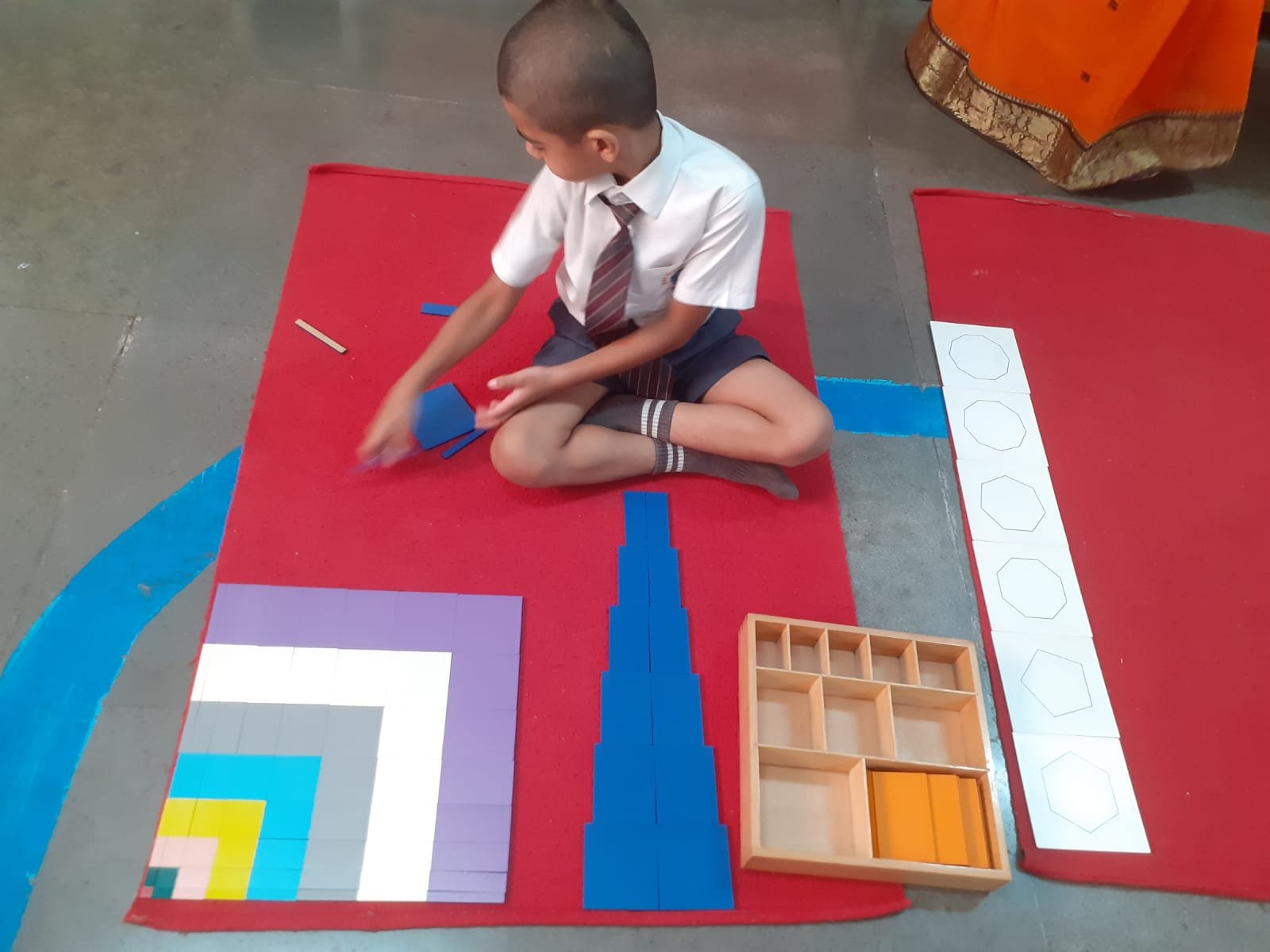
Sensorial materials provide opportunities for children to explore and distinguish sensory qualities such as size, shape, colour and texture, depending on the material used.
These experiences encourage observation, comparison and classification. As children work with the materials, they practise noticing differences, identifying patterns and organising information.
Parents’ Observation Day helped families understand how structured, hands-on activities can support early thinking skills while allowing children to explore their environment actively.
Language Activities: Building Early Communication Skills
Language activities form an important part of early learning. They provide opportunities for children to engage with sounds, symbols, words and other age-appropriate language materials.
By observing classroom activities, parents could better understand how children participate in learning experiences that support the development of early language skills. These experiences can contribute to communication, listening, vocabulary development and readiness for more advanced language learning.
The session also helped parents appreciate that language development involves active participation and practice, rather than simply memorising information.
Arithmetic Activities: Developing Early Mathematical Understanding
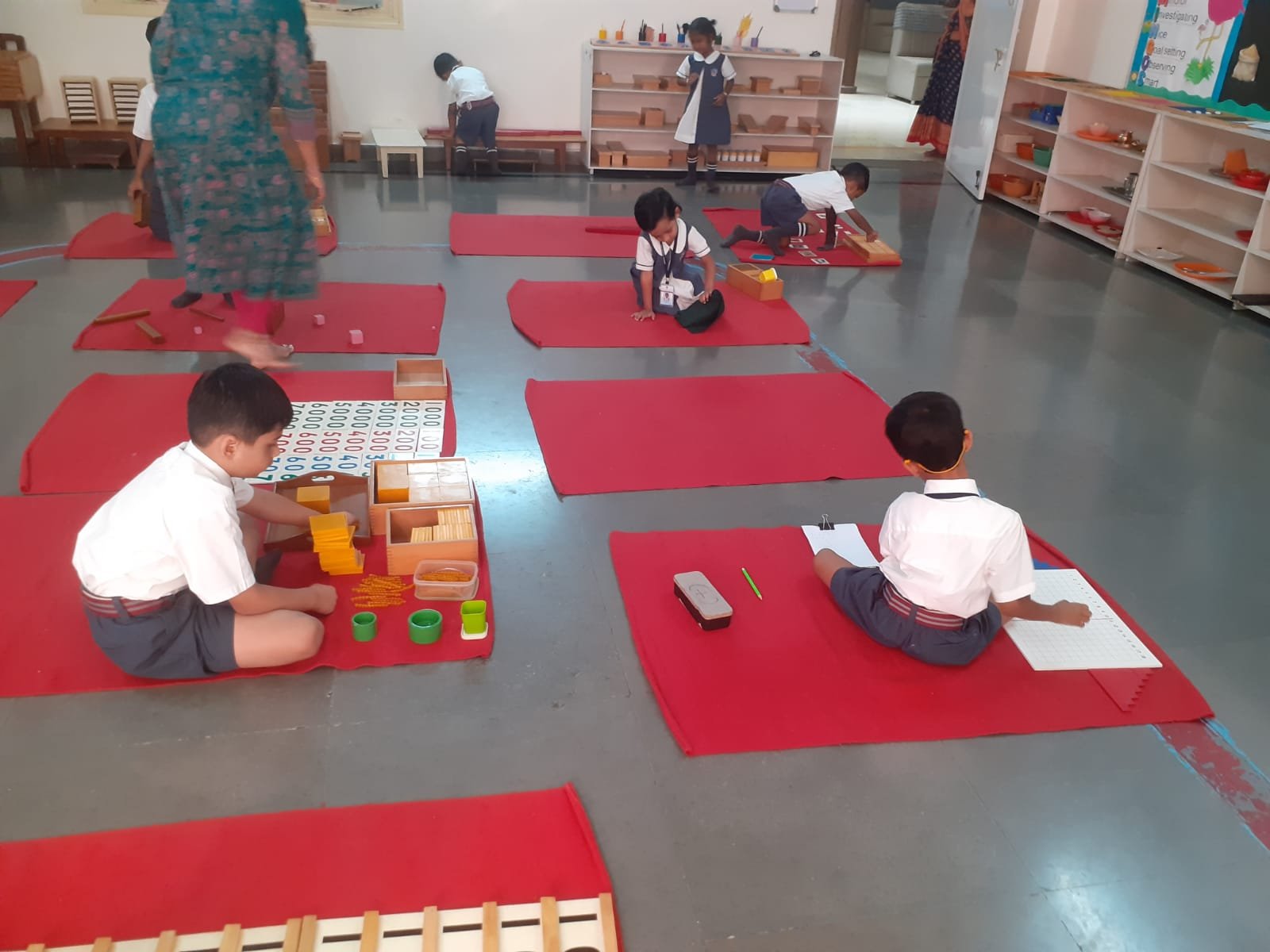
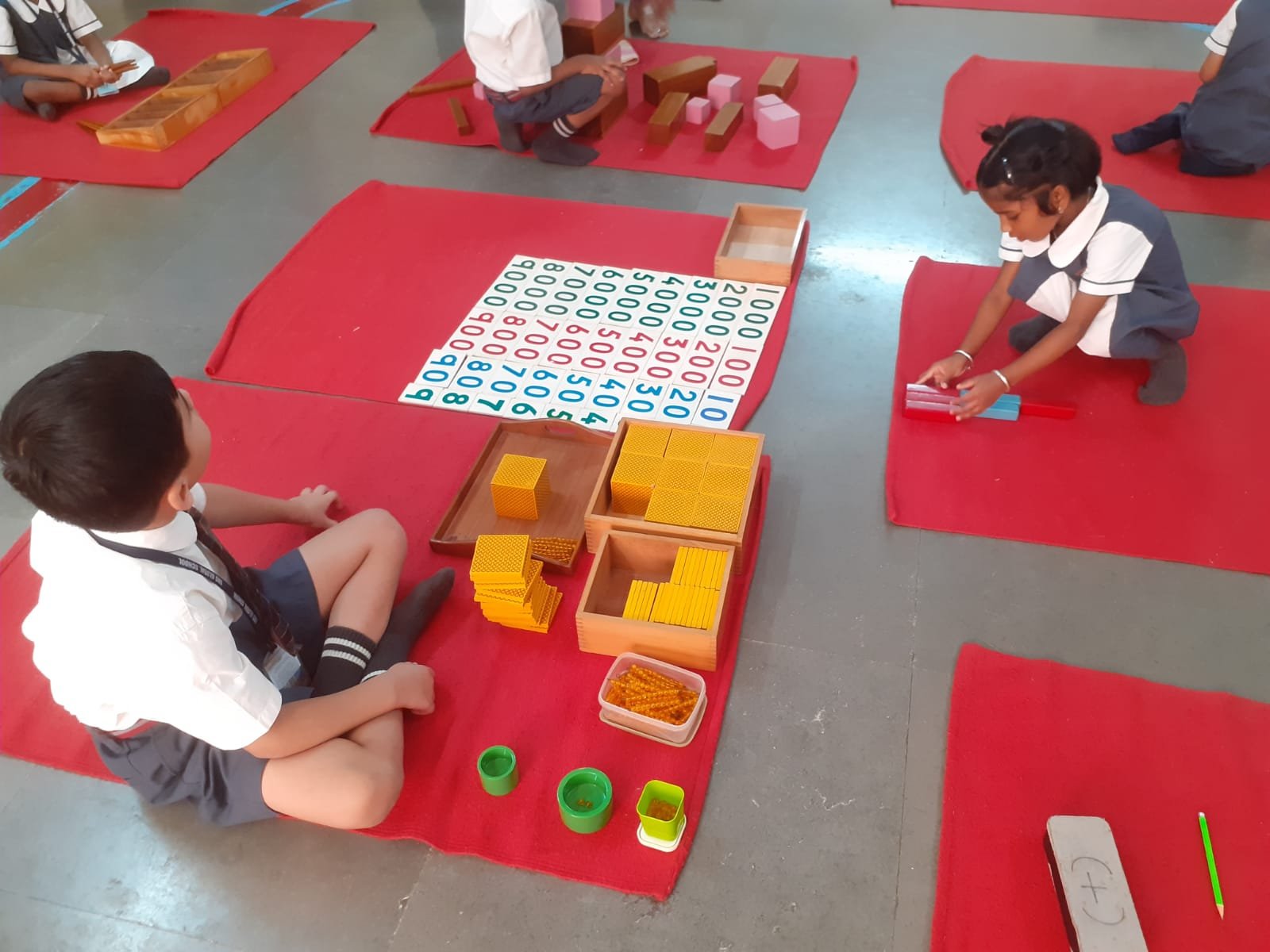
Montessori Arithmetic materials help children explore foundational mathematical concepts through concrete experiences. Depending on the activity, children may work with quantities, numbers, counting or relationships between mathematical ideas.
Working with physical materials gives young learners an opportunity to interact with concepts rather than relying entirely on abstract explanations. Through repeated practice, children can gradually build familiarity with early mathematical ideas.
Parents were able to observe how children engaged with learning materials and worked through activities independently, gaining insight into the role of hands-on experiences in early mathematics learning.
Independent Choices and Learning at an Individual Pace
One of the important aspects of the observation session was seeing children select activities, handle materials carefully and complete tasks at their own pace.
Children do not necessarily approach every activity in the same way or finish at the same time. Opportunities to explore, practise and repeat activities can help them develop persistence and a sense of responsibility.
Parents also gained a better understanding of the teacher’s role as a guide. Rather than directing every action, the teacher encourages children to explore, supports their progress and helps them build confidence through meaningful learning experiences.
Student Learning Outcomes and Benefits
Parents’ Observation Day highlighted several developmental benefits associated with Montessori classroom activities.
Independence and Responsibility
Children are encouraged to select activities, use materials appropriately and complete tasks with increasing independence. These experiences help them practise making choices and taking responsibility for their work.
Concentration and Attention
Working with learning materials gives children opportunities to focus on a task, follow steps and continue until they reach a natural stopping point. Repeated practice can support the gradual development of concentration.
Coordination and Control
Hands-on activities allow children to practise controlled movements while handling different materials. This supports coordination and helps them become more familiar with purposeful actions.
Self-Discipline
Following activity sequences, caring for materials and completing tasks encourage children to develop routines and responsible classroom habits.
Problem-Solving and Persistence
When children encounter a challenge, they may need to observe, try a different approach or repeat an activity. Such opportunities encourage them to explore possible solutions and persist with a task.
Confidence and Initiative
Completing an activity independently can give a child a sense of achievement. With continued opportunities to participate, children can become more comfortable making choices and attempting new tasks.
These outcomes develop over time through consistent learning experiences. Parents’ Observation Day helped families see how everyday classroom activities can contribute to a broader foundation for learning.
Educational Philosophy and Institutional Value Alignment
Understanding the Montessori Approach
Montessori education places importance on purposeful activity, hands-on learning, an organised environment and opportunities for children to develop independence. Learning materials are used to encourage exploration and provide children with concrete experiences.
A prepared learning environment supports children by making suitable materials accessible and allowing them to engage meaningfully with activities. The teacher observes, guides and supports children as they develop their abilities.
Parents’ Observation Day brought these principles into focus by allowing families to observe the Montessori classroom in practice.
The Importance of Learning Through Experience
Children benefit from opportunities to interact with materials, explore ideas and practise skills directly. Experiential learning allows them to participate actively rather than depending only on verbal explanations.
The observation session helped parents recognise the educational purpose behind classroom activities that might otherwise appear simple. Each activity offers an opportunity to practise specific skills and develop habits that can support future learning.
Supporting Holistic Development
Early education involves more than academic readiness. Children also need opportunities to develop coordination, confidence, concentration, independence and positive learning habits.
The Montessori activities observed during the session reflected this broader understanding of development. By engaging with different materials and completing tasks at their own pace, children had opportunities to practise a range of abilities within the classroom environment.
Why Does Parents’ Observation Day Matter for Child Development?
Parents’ Observation Day matters because it helps families understand how children learn, not just what they learn.
When parents observe classroom experiences directly, they can better recognise the value of independent activity, repetition, concentration and hands-on exploration. This understanding may also help them respond more constructively when children want to attempt tasks independently or need time to practise a new skill.
The session supports child development in three important ways.
First, it improves parental understanding. Parents gain insight into the purpose of classroom activities and the learning behaviours teachers encourage.
Second, it strengthens communication between families and teachers. A shared understanding of the learning approach makes it easier to discuss children’s progress and identify ways to support them.
Third, it encourages continuity between school and home. Parents who understand the importance of independence and purposeful practice can look for appropriate opportunities to encourage these habits in everyday family life.
The goal is not to reproduce a classroom at home. Instead, it is to create a supportive environment in which children are encouraged to explore, practise age-appropriate tasks and develop confidence at their own pace.
Local Context: Montessori Learning for Families in Sarjapur Road and Nearby Areas
Families searching for schools in Sarjapur Road often want to understand both the learning approach and the everyday educational experience offered to their children. For parents of young learners, seeing how a classroom functions can provide useful insight beyond a school brochure or admission discussion.
BRS Global School, Sarjapur Road branch, located in Kasavanahalli, Bengaluru, serves families considering school options around Sarjapur Road and nearby residential communities.
Relevant local areas include:
• Kasavanahalli and Kaikondrahalli
• Bellandur and HSR Layout
• Haralur and Hosa Road
• Carmelaram and Junnasandra
• Doddakannelli and Kodathi
• Gunjur and Varthur
• Dommasandra and Sarjapura
• Electronic City and nearby residential areas
The campus is also relevant to families assessing school options in the wider Sarjapur Road–Bellandur corridor, including households connected to nearby technology parks and business districts.
For working parents, a school visit can help clarify the educational approach, classroom environment and practical arrangements relevant to their child. Parents’ Observation Day is an example of how direct engagement with school life can help families develop a more informed understanding of early learning.
Families can view the school’s local Google Business Profile here:
BRS Global School – Sarjapur Road: https://share.google/2oEno2EtFtY7eyP2B
BRS Global School also has another branch in Attibele. Families looking specifically for the Sarjapur Road campus should use the Sarjapur Road branch listing to identify the correct location.
BRS Global School – Attibele branch: https://share.google/iFhJaeGo8wkgOZ1Y5
The Attibele link is provided for branch distinction and is not the primary location for this event page.
Common Parent Questions About Montessori Learning
How can parents understand what their children learn in a Montessori classroom?
Parents can learn about Montessori education by observing classroom activities, speaking with teachers and understanding the purpose of different learning materials. An observation session allows them to see how children select activities, practise skills and work towards completing tasks independently.
Why do Montessori children use learning materials instead of learning only through explanation?
Montessori materials provide concrete, hands-on experiences that help children explore concepts through direct interaction. They can make aspects of learning more accessible by allowing children to handle, compare, arrange and practise with materials.
Does independent learning mean children are left without teacher support?
No. Independent learning takes place within a prepared environment with appropriate guidance. The teacher observes children, introduces activities, supports their progress and provides help when needed while allowing them opportunities to work independently.
How can parents support Montessori learning at home?
Parents can encourage age-appropriate independence, allow children reasonable time to complete simple tasks and provide opportunities for exploration. A supportive approach focuses on practice, effort and confidence rather than rushing children to finish.
Why is parent–teacher cooperation important in early education?
Parent–teacher cooperation helps families and educators share a clearer understanding of a child’s experiences and developmental needs. Open communication can support consistency between the learning environment at school and the support children receive at home.
Key Highlights of Parents’ Observation Day
• Parents observed their children in the Montessori classroom.
• The session introduced the purpose of a prepared learning environment.
• Parents watched children work with Practical Life materials.
• Sensorial activities demonstrated opportunities for exploration and observation.
• Language and Arithmetic activities highlighted hands-on learning experiences.
• Children selected activities independently and worked at their own pace.
• Parents gained insight into the teacher’s role as a guide.
• The session highlighted independence, concentration, coordination and problem-solving.
• The observation strengthened the connection between parents and the school.
• The event encouraged cooperation in supporting children’s holistic development.
Frequently Asked Questions (FAQs)
What is the purpose of Parents’ Observation Day at BRS Global School?
The purpose is to give parents an opportunity to observe their children’s Montessori classroom experiences and understand how learning materials support early development.
Which Montessori learning areas were observed?
The event report identifies four areas: Practical Life, Sensorial, Language and Arithmetic.
What skills do children develop through Montessori activities?
These activities provide opportunities to practise independence, concentration, coordination, self-discipline, confidence and problem-solving. Development varies by child and grows through continued experience.
What is a prepared learning environment in Montessori education?
A prepared learning environment is an organised classroom arranged to give children access to suitable learning materials and opportunities for purposeful activity, exploration and independent participation.
How does the Montessori teacher support children?
The teacher guides children, encourages exploration and supports their learning while giving them opportunities to select activities and work at their own pace.
Why should parents participate in school observation sessions?
Observation sessions help parents understand classroom experiences directly, recognise the purpose of learning activities and build stronger communication with teachers.
Where is BRS Global School’s Sarjapur Road branch located?
BRS Global School’s Sarjapur Road branch is in Kasavanahalli, Bengaluru. Families can use the campus’s Google Business Profile to identify the relevant school listing and location information.
Conclusion: Building a Strong Partnership Between Home and School
Parents’ Observation Day offered families a meaningful opportunity to see Montessori learning in practice at BRS Global School, Sarjapur Road. By observing children working with Practical Life, Sensorial, Language and Arithmetic materials, parents gained a clearer understanding of how hands-on experiences encourage independent participation and the development of essential learning habits.
The session also highlighted the importance of a prepared learning environment and the teacher’s role in guiding children as they explore and practise new skills. Most importantly, it strengthened the connection between parents and the school, encouraging a shared commitment to each child’s holistic development.
For parents considering BRS Global School, Sarjapur Road branch, a campus visit is a useful next step towards understanding the learning environment and discussing their child’s educational needs with the school team.
Explore our Campus:
Attibele Branch:
https://share.google/iFhJaeGo8wkgOZ1Y5
Sarjapur Road Branch: