
Introduction
For young children, cultural celebrations can become meaningful learning experiences when traditions are introduced through sights, sounds, colours, movement and participation. Festivals provide an opportunity for children to encounter aspects of culture in an engaging environment rather than learning about them only through descriptions or pictures.
The Montessori Wing of BRS Global School | Best CBSE School in Sarjapur Road celebrated Onam on Thursday, 4 September 2025, creating a colourful and traditional atmosphere for the children. The celebration brought together ceremonial traditions, traditional attire, floral art and cultural performance.
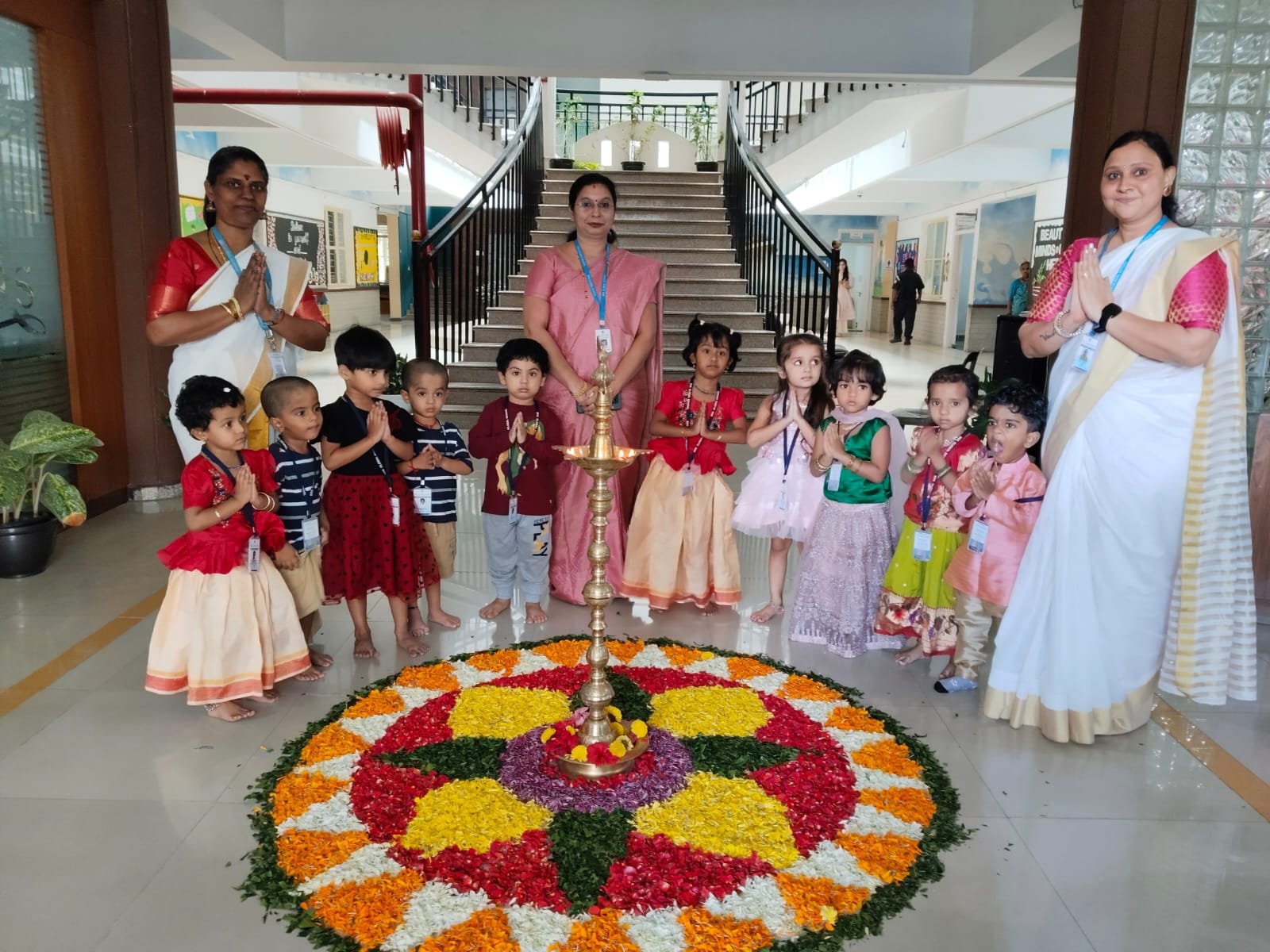
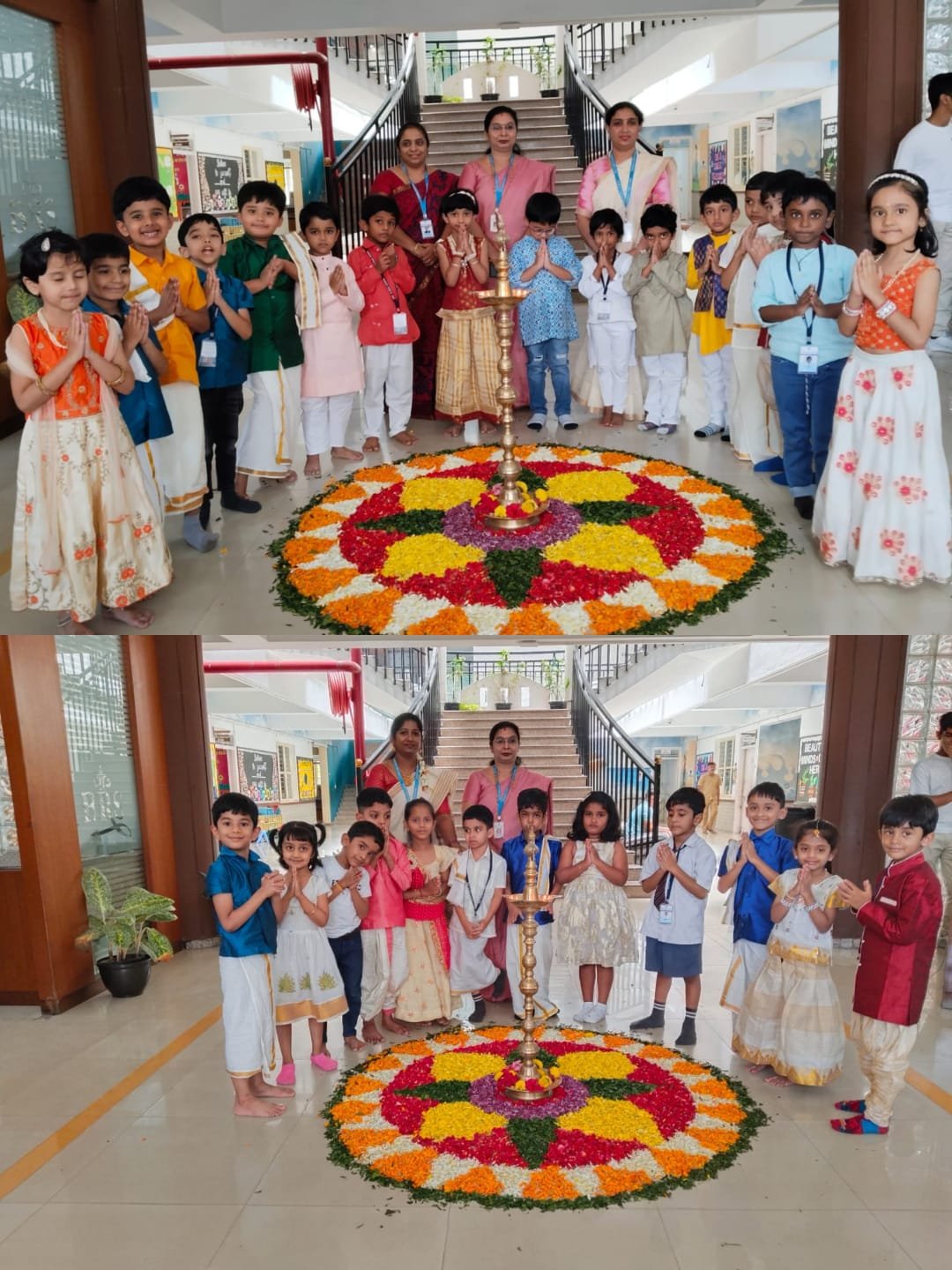
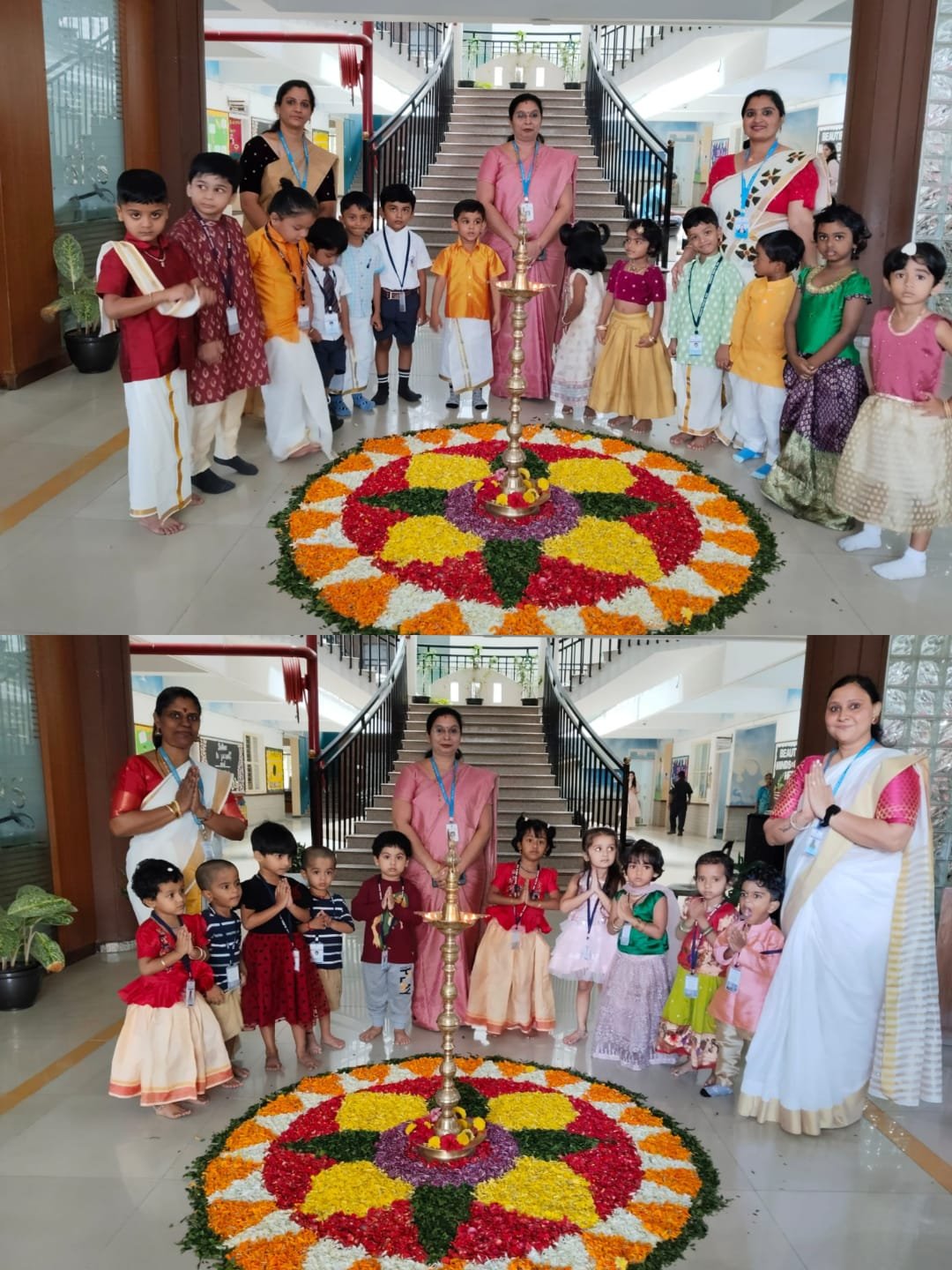
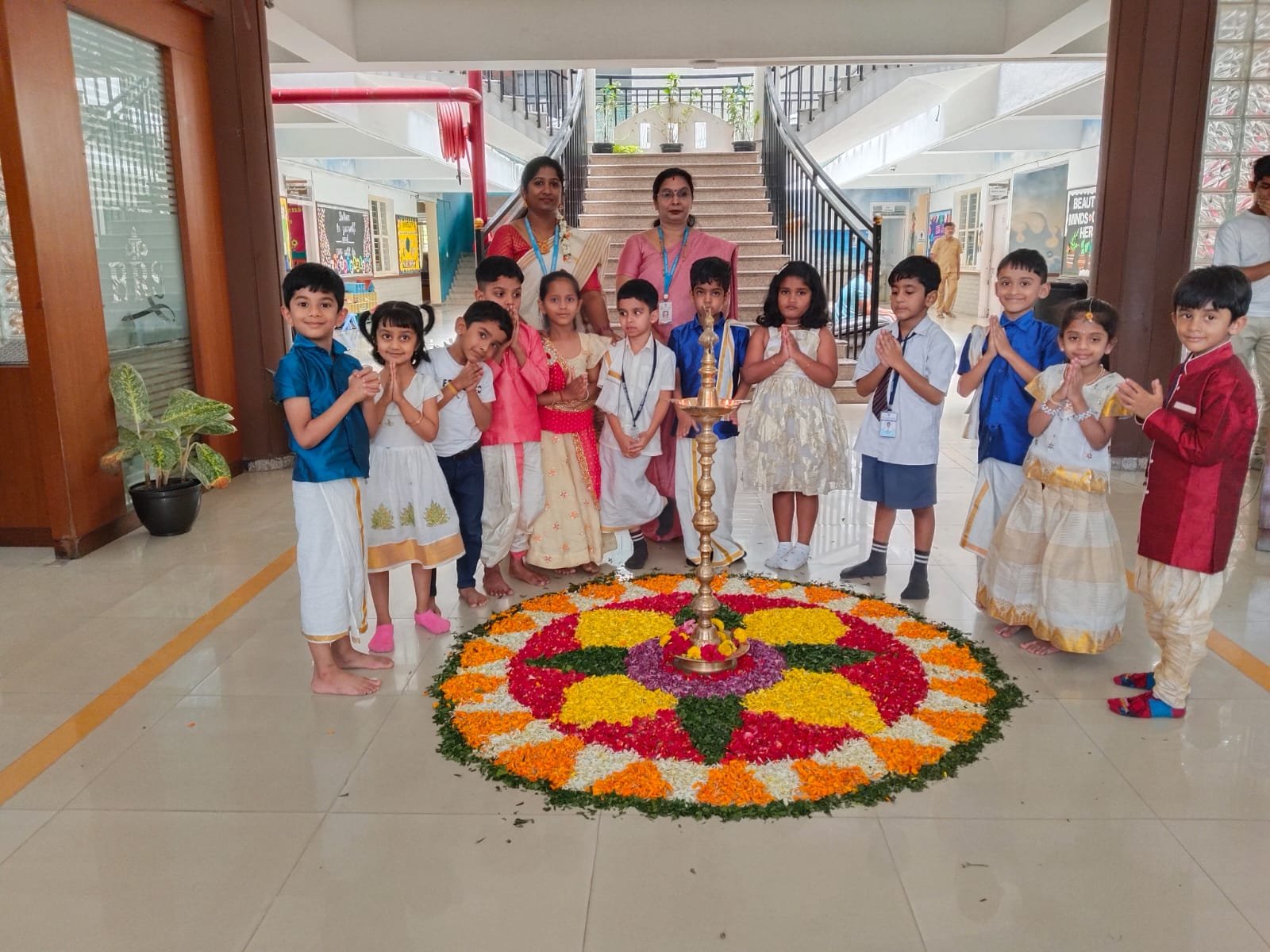
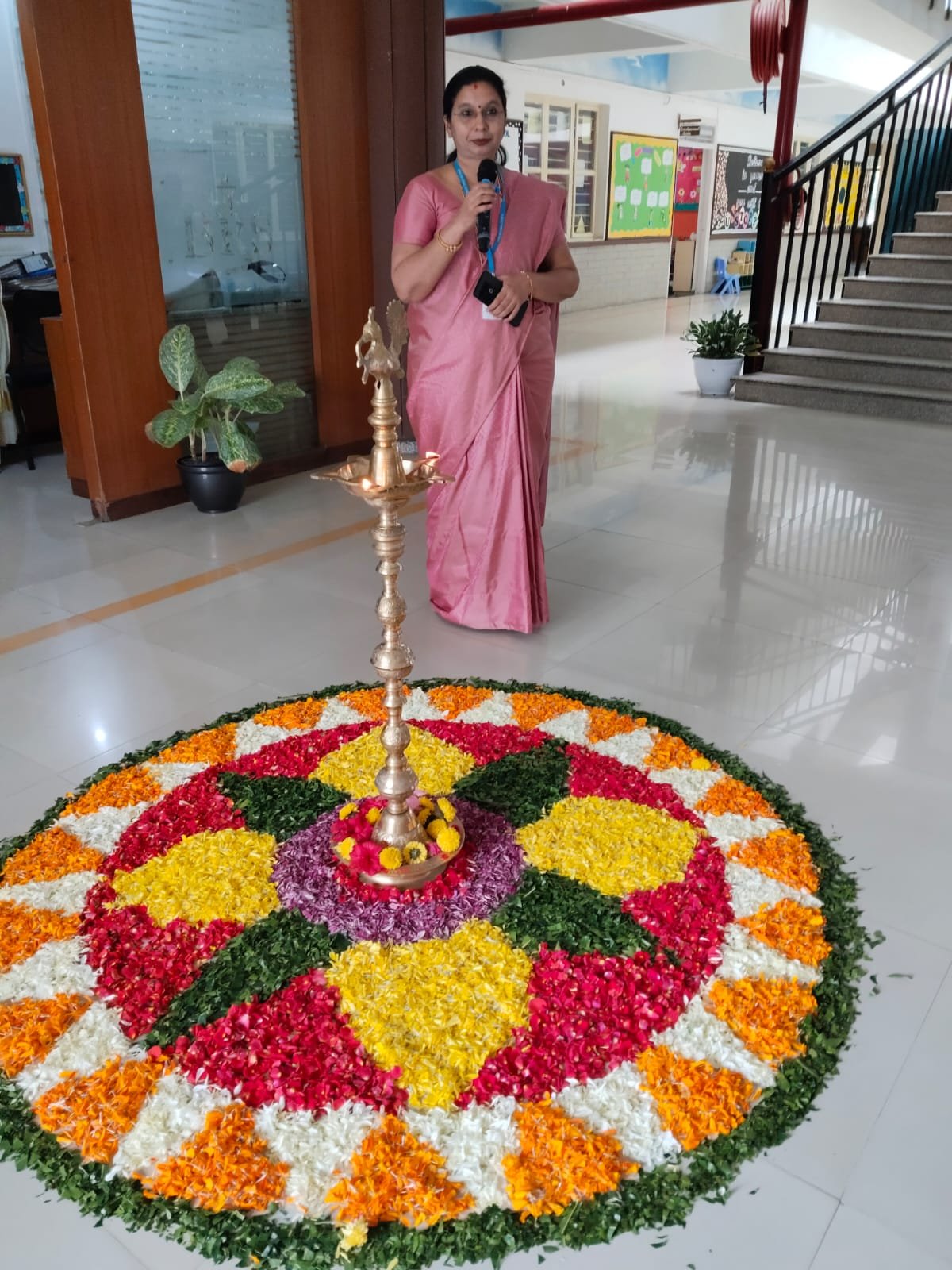
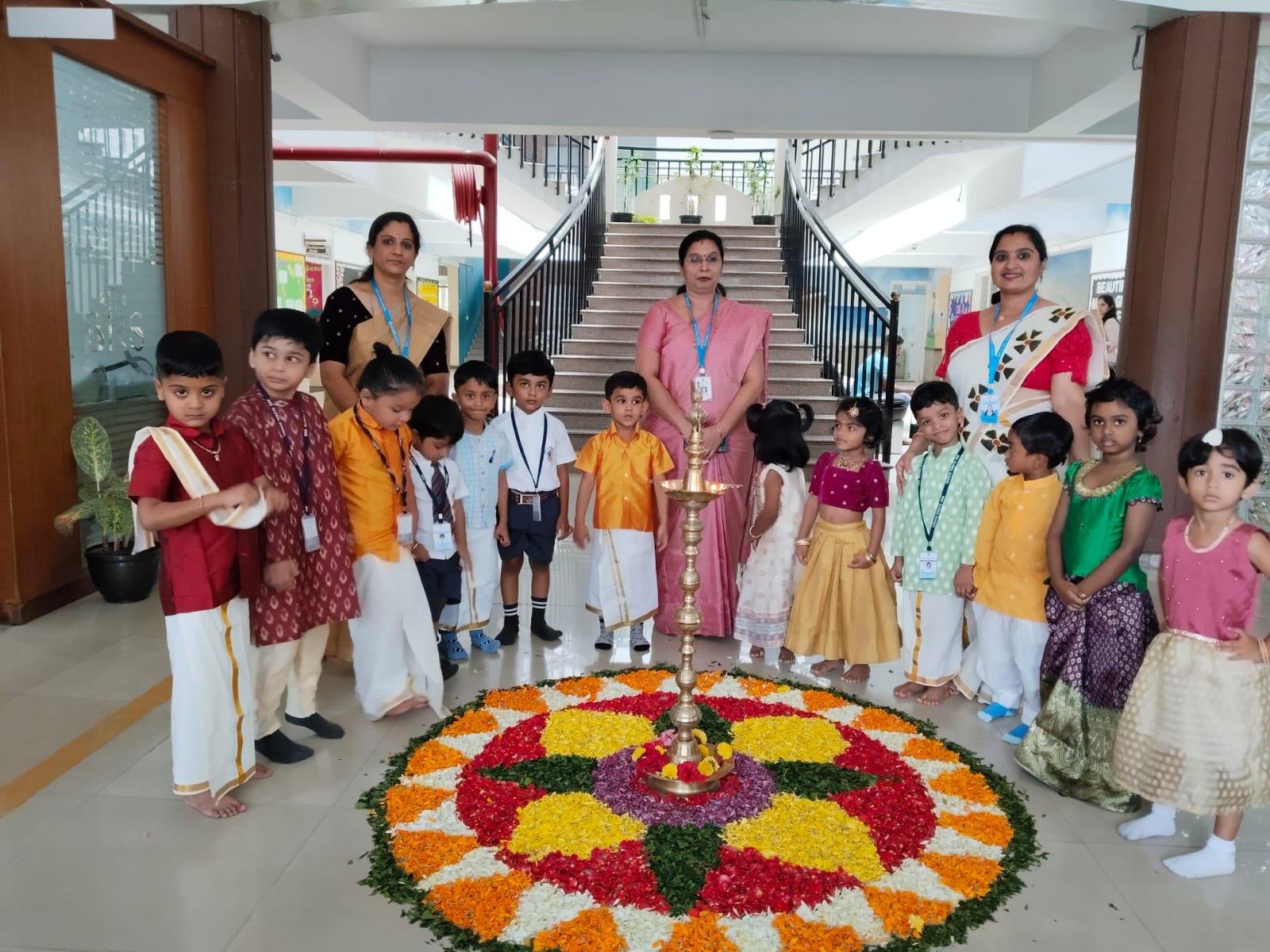
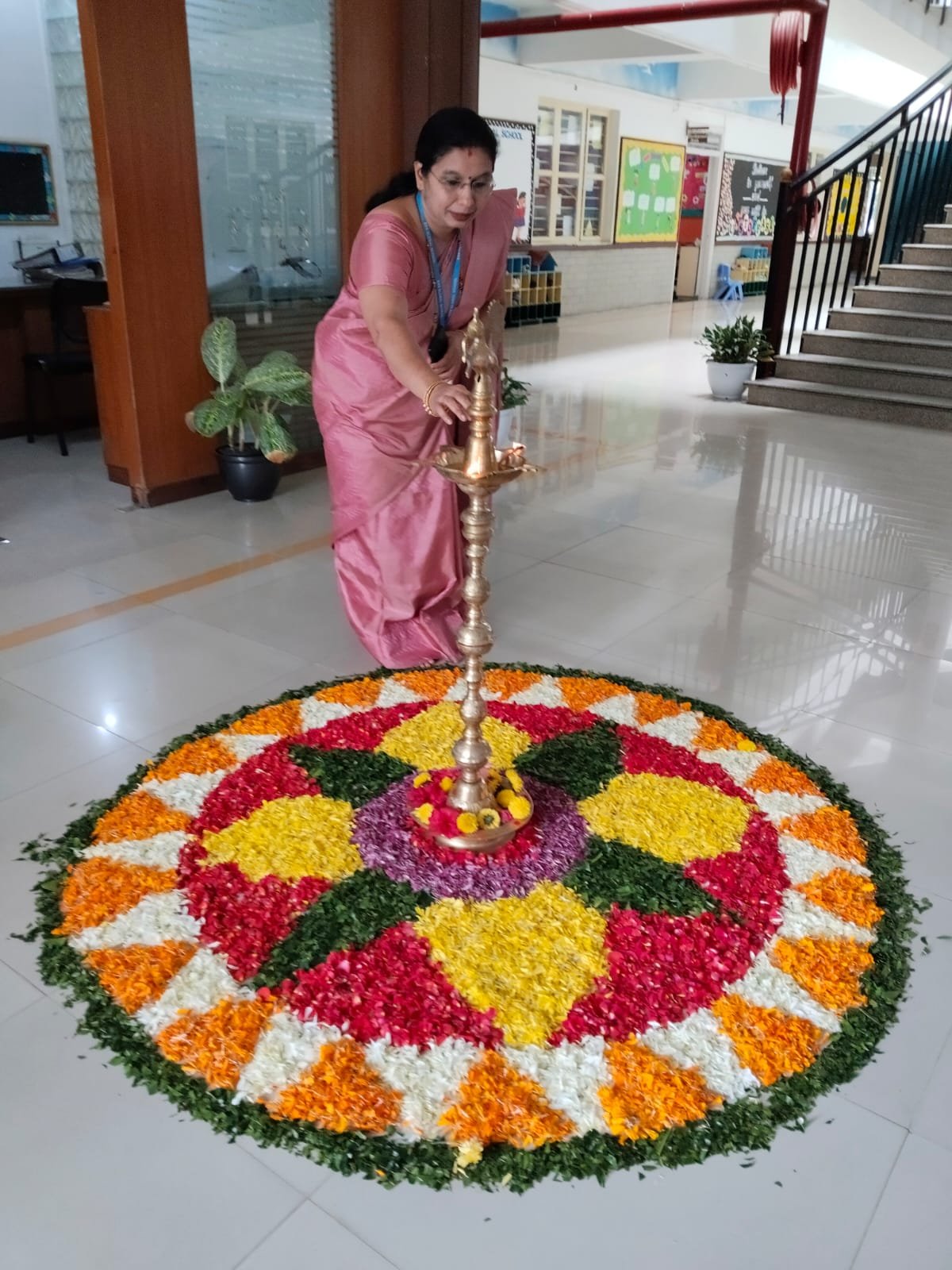
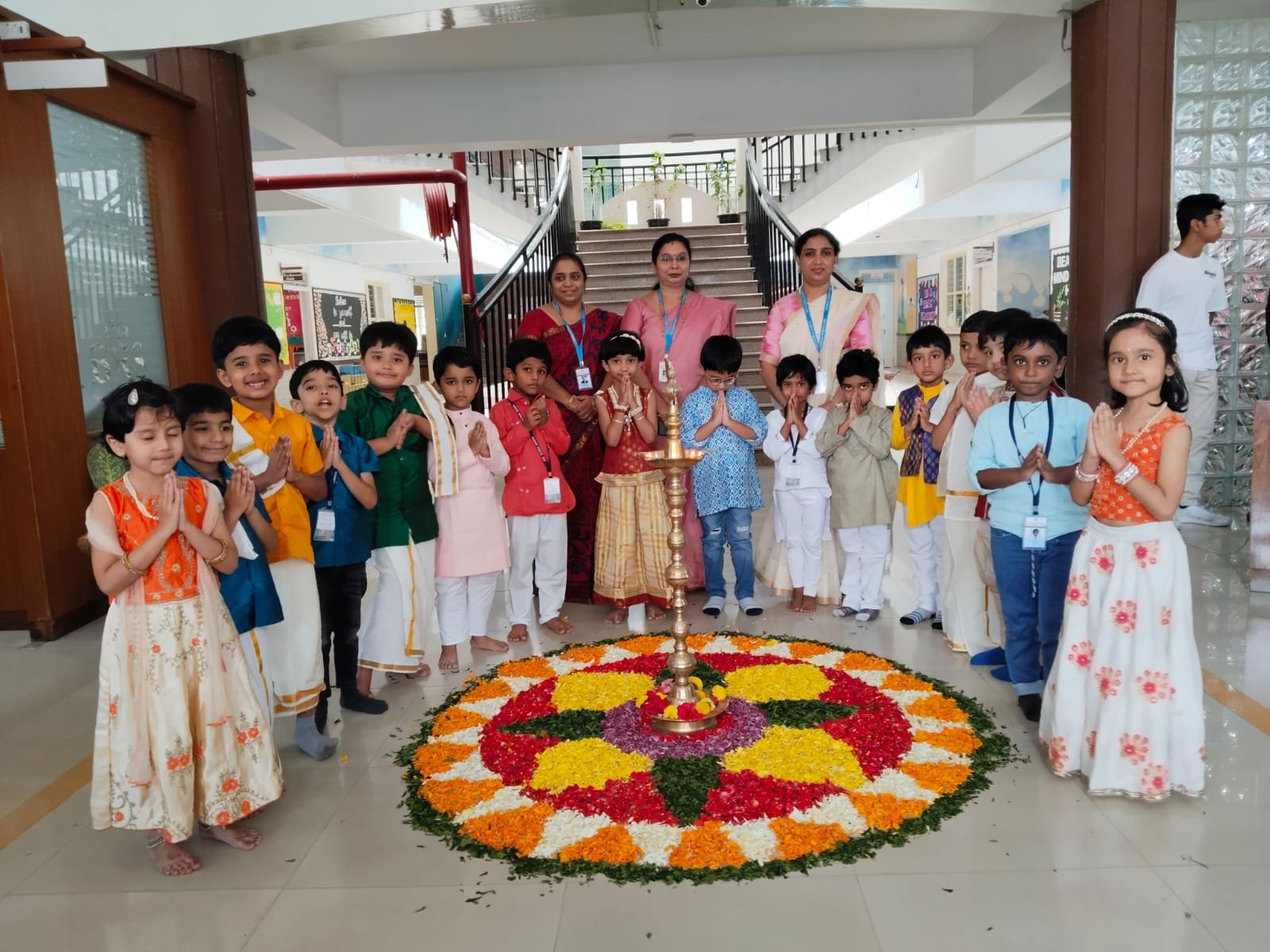
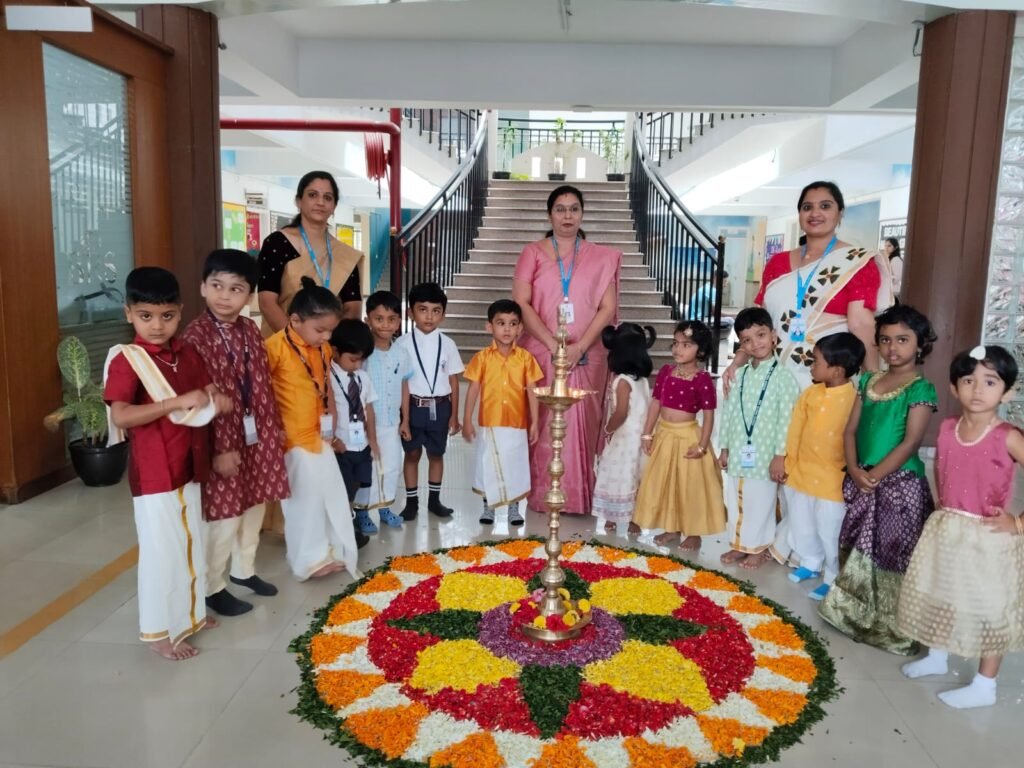
The programme began with the Principal lighting the ceremonial lamp, marking the commencement of the celebration. The children arrived dressed in traditional attire, adding colour and warmth to the occasion. A vibrant pookolam welcomed the festival spirit, while the teachers presented a graceful Thiruvathira performance.
For Montessori learners, an occasion such as Onam can provide an accessible introduction to cultural traditions through observation and shared experiences. The celebration also creates opportunities for children to recognise that festivals are an important part of the cultural life of communities and families.
For parents exploring schools in Sarjapur Road, cultural experiences such as these can be one part of a broader early-years learning environment that values curiosity, participation and respect for heritage.
Event Overview: What Happened on Founder’s Day 2026?
Event : Onam Celebration 2025
Date : 4 September 2025
Day : Thursday
Campus : BRS Global School Sarjapur Road
Wing : Montessori Wing
Festival : Onam
Key Elements : Lamp-lighting, traditional attire, pookolam and Thiruvathira
Participants Mentioned in Report : Montessori children, Principal and teachers
Organised by : Montessori Team
What was the purpose of the Onam celebration?
The celebration provided Montessori children with an opportunity to experience and observe traditional elements associated with Onam in a festive school environment.
The event brought cultural learning into the children’s everyday school experience through visual, artistic and performance-based elements. Traditional attire, pookolam and Thiruvathira offered children different ways to encounter the cultural expressions associated with the festival.
What Happened During the Onam Celebration?
How did the celebration begin?
The Onam programme began with the Principal lighting the ceremonial lamp.
Lamp-lighting is commonly used as a symbolic opening for many Indian cultural and educational occasions. In the context of the school celebration, it marked the beginning of the day’s programme and created a sense of occasion for the children and teachers.
For young learners, witnessing a familiar ceremonial practice in a school setting can become an opportunity to observe how traditions are carried forward through community celebrations.
How did the children participate in the Onam celebration?
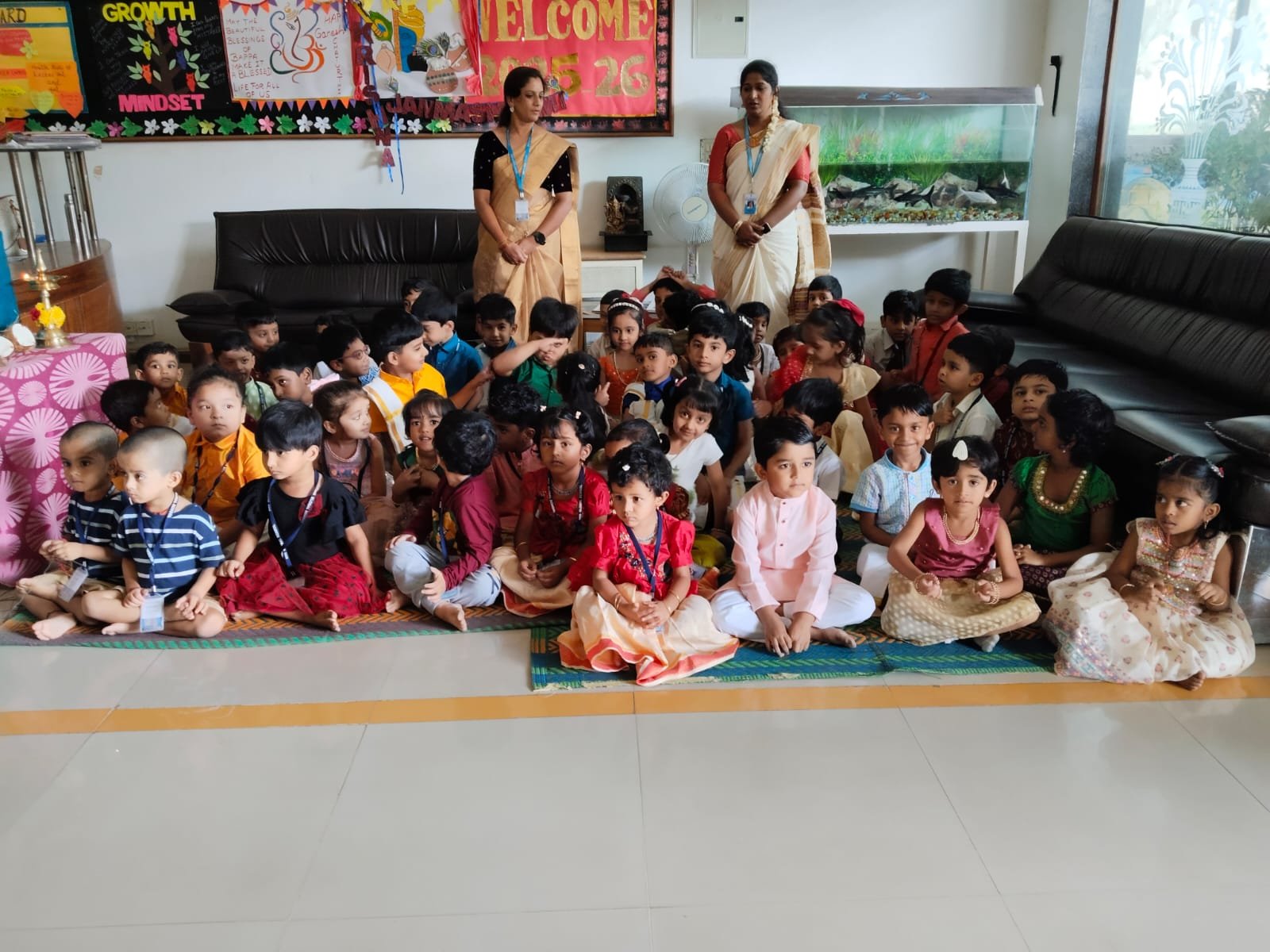
One of the most noticeable features of the celebration was the children’s traditional attire.
The children came dressed in traditional clothes, bringing colour and cultural character to the Montessori wing. For young learners, clothing can be a simple and engaging way of encountering cultural traditions because it provides a visible connection between the festival and everyday life.
The traditional attire also contributed to the festive atmosphere and made the celebration feel distinct from a regular school day.
Why is traditional attire meaningful for young children?
Traditional attire provides children with a simple visual introduction to cultural identity and festival traditions.
When children see themselves and their classmates participating in traditional clothing, cultural learning becomes an experience rather than an abstract concept. It also gives teachers opportunities to introduce age-appropriate conversations about celebrations, customs and different ways communities express their heritage.
What was the significance of the pookolam?
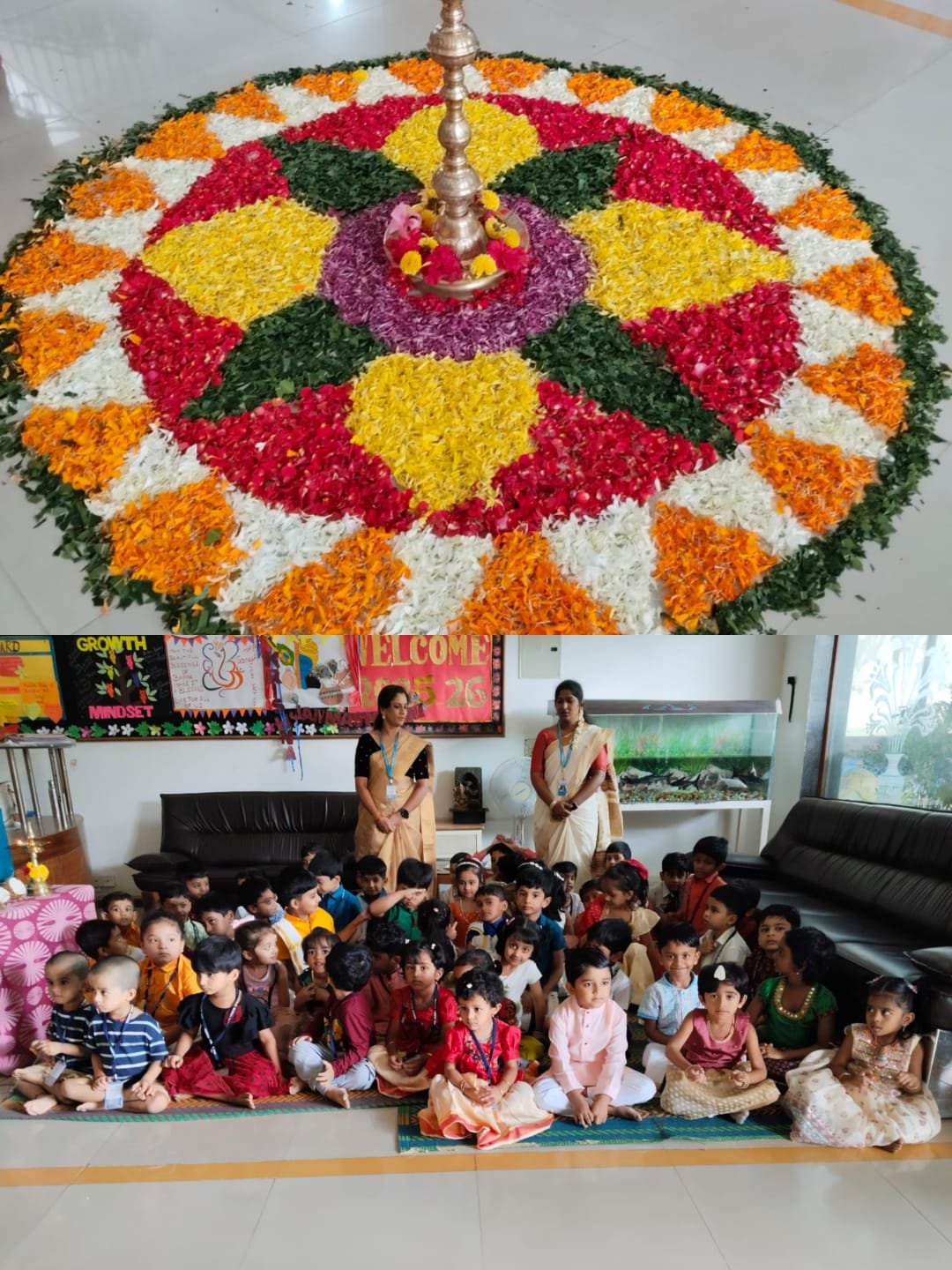
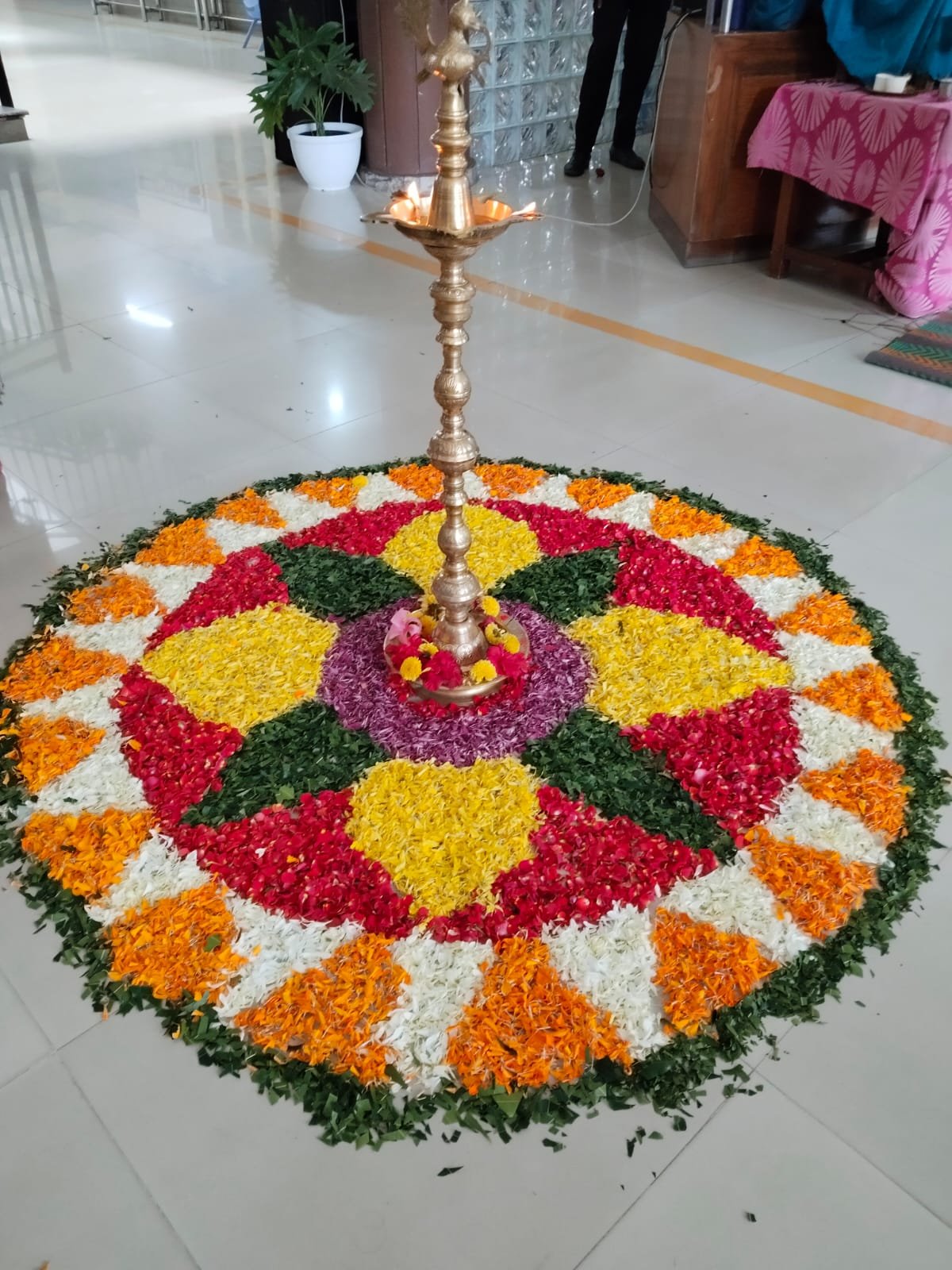
A vibrant pookolam was created as part of the Onam celebration.
Pookolam, a floral decorative design traditionally associated with Onam celebrations in Kerala, added colour and artistic expression to the school environment.
For Montessori learners, a floral arrangement can also become an opportunity to observe colours, shapes, patterns and arrangement. Even when children are simply experiencing the finished artwork, they are encountering an important cultural art form in a visual and accessible way.
How did the teachers contribute to the celebration?
The teachers performed a graceful Thiruvathira, adding a traditional performing-arts element to the programme.
For the children, watching the teachers perform offered an engaging introduction to a cultural dance tradition. The performance also demonstrated how cultural knowledge can be shared across generations through movement, music and collective participation.
The teachers’ involvement helped make the celebration more than a decorative occasion. It created a shared cultural experience between educators and children.
Student Learning Outcomes & Benefits
What did Montessori students learn from the Onam celebration?
The Onam celebration gave Montessori learners an age-appropriate opportunity to observe cultural traditions and develop awareness of India’s diverse heritage through a shared school experience.
The learning from a cultural celebration does not necessarily take the form of a formal lesson or written assessment. For young children, observation, participation and exposure can themselves become meaningful forms of learning.
Cultural awareness
Children were introduced to visible elements associated with Onam, including traditional attire, pookolam and Thiruvathira.
Appreciation of heritage
Experiencing a festival at school can help children recognise that cultural traditions are valued and shared across generations.
Observation skills
The colourful clothing, floral design and teacher performance provided children with opportunities to observe details such as colour, movement, patterns and presentation.
Language and communication
A celebration can encourage children to talk about what they saw, what they experienced and what they may recognise from their own homes or communities.
Social interaction
A shared celebration brings children together in a common environment and provides opportunities for positive interaction with classmates and teachers.
Sense of belonging
Participating in a school celebration can help children feel connected to their classroom and wider school community.
Respect for cultural diversity
Learning about festivals can encourage children to understand and appreciate cultural traditions that may be different from their own family experiences.
How Does the Celebration Align with Montessori Learning?
How can cultural celebrations support Montessori education?
Cultural celebrations can complement Montessori learning by allowing children to explore aspects of the world around them through direct observation, meaningful experiences and real cultural contexts.
Montessori education encourages children to understand their environment and develop awareness of the wider world. Cultural experiences can support this by introducing children to traditions, artistic expressions and social practices in an age-appropriate way.
The Onam celebration provided several sensory and observational experiences. Children could see traditional clothing, observe the colours and patterns of the pookolam and watch the movement involved in Thiruvathira.
These experiences can be particularly meaningful for young learners because they bring cultural concepts into a setting that children can see and experience directly.
The celebration also encouraged a sense of community. Teachers and children shared the same occasion, creating an environment where cultural learning was connected with relationships and participation.
Why Does Cultural Learning Matter for Student Development?
Why should young children learn about festivals and cultural traditions?
Cultural learning helps young children begin to understand the traditions, celebrations and social practices that shape communities and families.
At the Montessori stage, this learning does not need to be complex. Simple experiences can create meaningful first impressions.
Seeing a pookolam can introduce children to floral art. Watching Thiruvathira can introduce them to traditional performance. Seeing traditional attire can help them recognise how clothing can be part of cultural celebrations.
Such experiences can encourage children to ask questions and develop curiosity about the world around them.
How does this contribute to holistic development?
The celebration supported more than cultural awareness. It brought together:
• Observation
• Curiosity
• Cultural awareness
• Visual appreciation
• Social interaction
• Communication
• Participation
• Sense of belonging
• Respect for traditions
• Appreciation of artistic expression
For parents evaluating Montessori schools near Sarjapur Road, these experiences can offer insight into how early-years education can incorporate cultural awareness alongside classroom learning.
Local Context Relevance
Why is cultural learning relevant for families around Sarjapur Road?
BRS Global School | Best CBSE School in Sarjapur Road serves families living across a growing residential and professional community. Relevant nearby areas include Bellandur, Sarjapur Road, Hosa Road, Koramangala, HSR layout, Dommasandra, Kodathi, Gunjur, Varthur, Kaikondrahalli, Kasavanahalli, Carmelaram, Harlur, Rayasandra, Naganathapura, Doddakannelli, Kudlu Gate, A Krishnappa Nagar, Halnayakanahalli, Radha Reddy Layout, Chikkanayakanahalli, Huskur, KPC Layout, CSB Layout, Owners Court, Doddanagamangala, Doctors Layout, Shiva Reddy Layout, Meenakshi Layout, Chikbellandur, Sompura Gate, Muthannalur Cross, Gunjur to Dommasandra Road, Mullur, Amrita Engineering College Road Kasavanahalli, Amrita Nagar, Serenity Layout, Spring Fields, Iblur, Marathahalli, Shobha Apartments, Choodasandra, Junnasandra, Rayasandra and nearby neighbourhoods.
Many families in this part of Bengaluru come from different regions and cultural backgrounds. A school environment that gives children opportunities to experience different traditions can help create a broader understanding of India’s cultural diversity.
For parents searching for schools in Sarjapur Road, schools near Sarjapur Road, or schools in Bellandur, the educational environment includes more than academic instruction. Early-years experiences, cultural activities and opportunities for social development also contribute to the child’s school journey.
The Sarjapur Road campus is positioned within a well-connected part of Bengaluru, making it relevant to families living and working around the Sarjapur Road–Bellandur corridor and nearby residential communities.
Common Parent Questions About Independence Day Learning
How does an Onam celebration support early childhood learning?
An Onam celebration gives young children an opportunity to encounter cultural traditions through visual, artistic and performance-based experiences. Traditional attire, pookolam and Thiruvathira provide accessible ways for children to observe and appreciate cultural expressions.
What did Montessori students experience during the Onam celebration?
The children experienced a festive school environment featuring traditional attire, a vibrant pookolam, the Principal’s ceremonial lamp-lighting and a Thiruvathira performance by teachers.
Why is pookolam important in an Onam celebration?
Pookolam is a traditional floral decoration associated with Onam celebrations in Kerala. In a school setting, it gives children an opportunity to observe floral art, colours, patterns and a cultural tradition.
What is the educational value of Thiruvathira for children?
Watching Thiruvathira gives children an introduction to traditional performing arts through movement and cultural expression. It can encourage observation and appreciation of artistic and cultural traditions.
How can cultural celebrations support holistic development?4
Cultural celebrations can support children’s social, emotional and cultural development by encouraging participation, observation, communication, appreciation of traditions and a sense of belonging.
Why should parents value cultural activities at school?
Cultural activities give children opportunities to encounter traditions in meaningful settings. They can complement academic learning by helping children develop awareness of their community, heritage and the diverse cultural world around them.
Which students benefit from cultural celebrations?
Young children particularly benefit from age-appropriate cultural experiences because they are naturally curious about people, traditions, colours, clothing, music, movement and their surroundings.
Key Highlights of Founder’s Day Celebration 2026
• Event: Onam Celebration 2025
• Date: 4 September 2025
• Day: Thursday
• Campus: BRS Global School Sarjapur Road
• Wing: Montessori
• Principal inaugurated the programme with ceremonial lamp-lighting
• Children attended the celebration in traditional attire
• A vibrant pookolam added a traditional floral element
• Teachers performed a graceful Thiruvathira
• Children experienced cultural traditions through observation and participation
• The celebration encouraged cultural awareness and appreciation
• The event provided an opportunity for children to experience a festive school environment
• vThe programme was organised by the Montessori Team
Frequently Asked Questions (FAQs)
When was the Onam celebration held at BRS Global School Sarjapur Road?
The Montessori Wing of BRS Global School Sarjapur Road celebrated Onam on Thursday, 4 September 2025.
How did the school celebrate Onam?
The programme began with the Principal lighting the ceremonial lamp. Children attended in traditional attire, a vibrant pookolam was created and teachers performed a graceful Thiruvathira.
What is a pookolam?
A pookolam is a traditional floral decoration associated with Onam celebrations in Kerala. It uses flowers to create colourful decorative designs.
What is the significance of traditional attire during Onam?
Traditional attire adds a visible cultural element to the celebration and provides children with an accessible way to experience and appreciate festival traditions.
How did teachers participate in the celebration?
Teachers presented a graceful Thiruvathira performance, giving the children an opportunity to observe a traditional cultural art form.
How does Onam celebration benefit young children?
The celebration can help young children develop cultural awareness, observation skills, appreciation of traditions, social interaction and a sense of belonging through a shared school experience.
Which campus does this Onam celebration report refer to?
This event report specifically refers to the Montessori Wing of BRS Global School Sarjapur Road. BRS Global School also has an Attibele branch, but that is a separate campus and is not the campus referred to in this event report.
Conclusion: Celebrating Community, Creativity and Student Participation
The Onam Celebration 2025 at BRS Global School, Sarjapur Road Montessori Wing created a warm and colourful setting in which young learners could encounter cultural traditions through meaningful experiences.
The ceremonial lamp-lighting, traditional attire, vibrant pookolam and graceful Thiruvathira performance brought different elements of Onam into the school environment. For the children, the celebration was an opportunity to observe, experience and appreciate cultural expressions while spending a memorable day with their teachers and peers.
Cultural celebrations can play a valuable role in early childhood education by helping children develop awareness of traditions and communities while nurturing curiosity, appreciation and a sense of belonging.
For parents exploring schools in Sarjapur Road, schools near Sarjapur Road, schools in Bellandur and Montessori education in Bangalore, these experiences can offer an additional perspective on the learning environment provided to young children.
Parents interested in exploring the Montessori learning environment and admission opportunities at the Sarjapur Road campus can connect with BRS Global School for more information.
Separate BRS Global School branch: The school also has an Attibele branch, which should be treated separately from the Sarjapur Road campus in location-specific content.
Explore our Campus:
Attibele Branch
https://share.google/iFhJaeGo8wkgOZ1Y5
Sarjapur Road Branch: