Introduction
Creativity becomes even more meaningful when it inspires children to think about the world around them. At BRS Global School | Best CBSE School in Sarjapur Road, learning extends beyond textbooks to help students become thoughtful individuals who understand their role in building a better future.
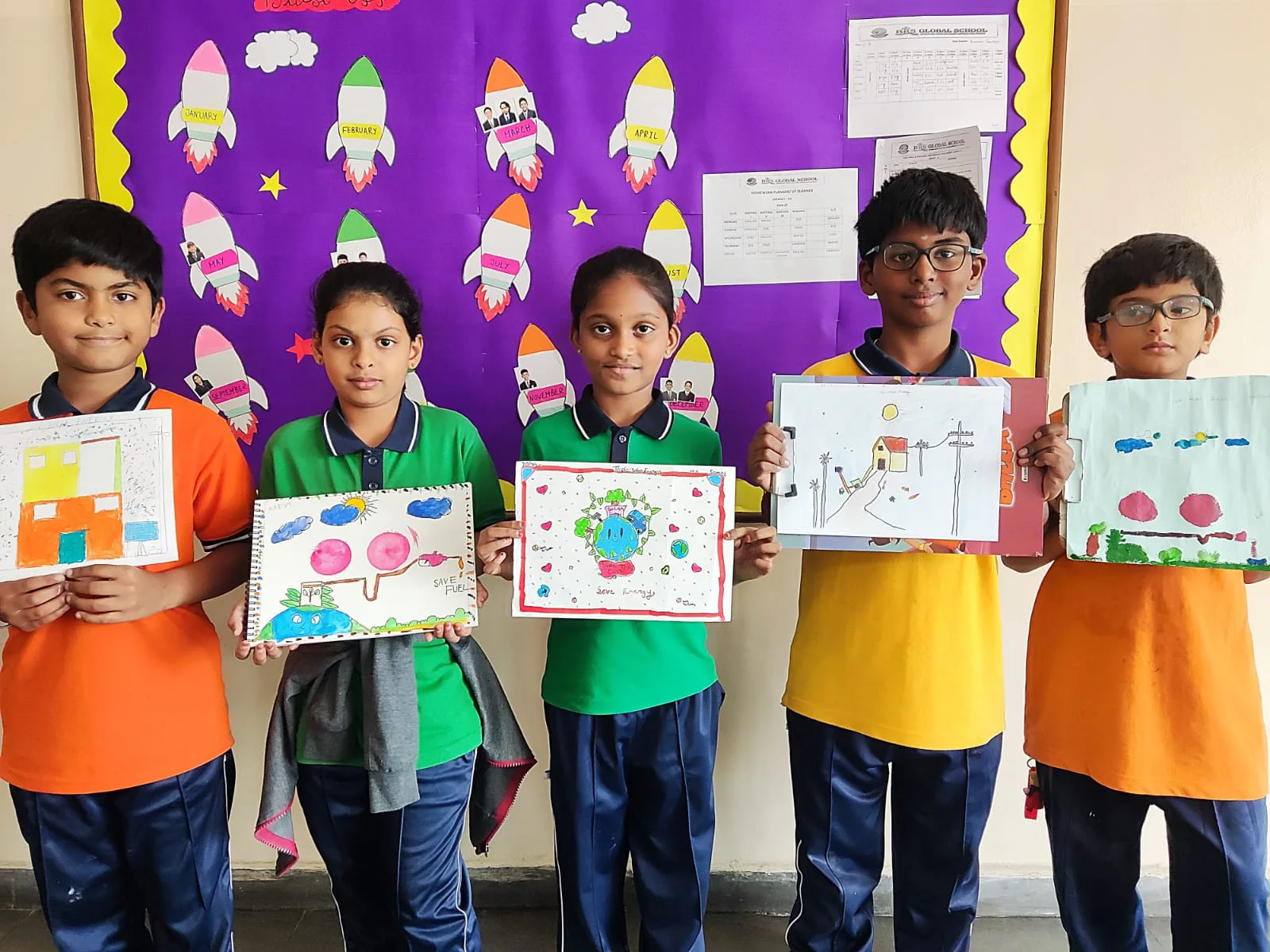
With this vision, the school organised an Environmental Drawing Competition for students of Grades 1 to 4 on 10th July. The event combined artistic expression with environmental education, giving young learners an opportunity to communicate important messages about sustainability through colours, imagination, and creativity.
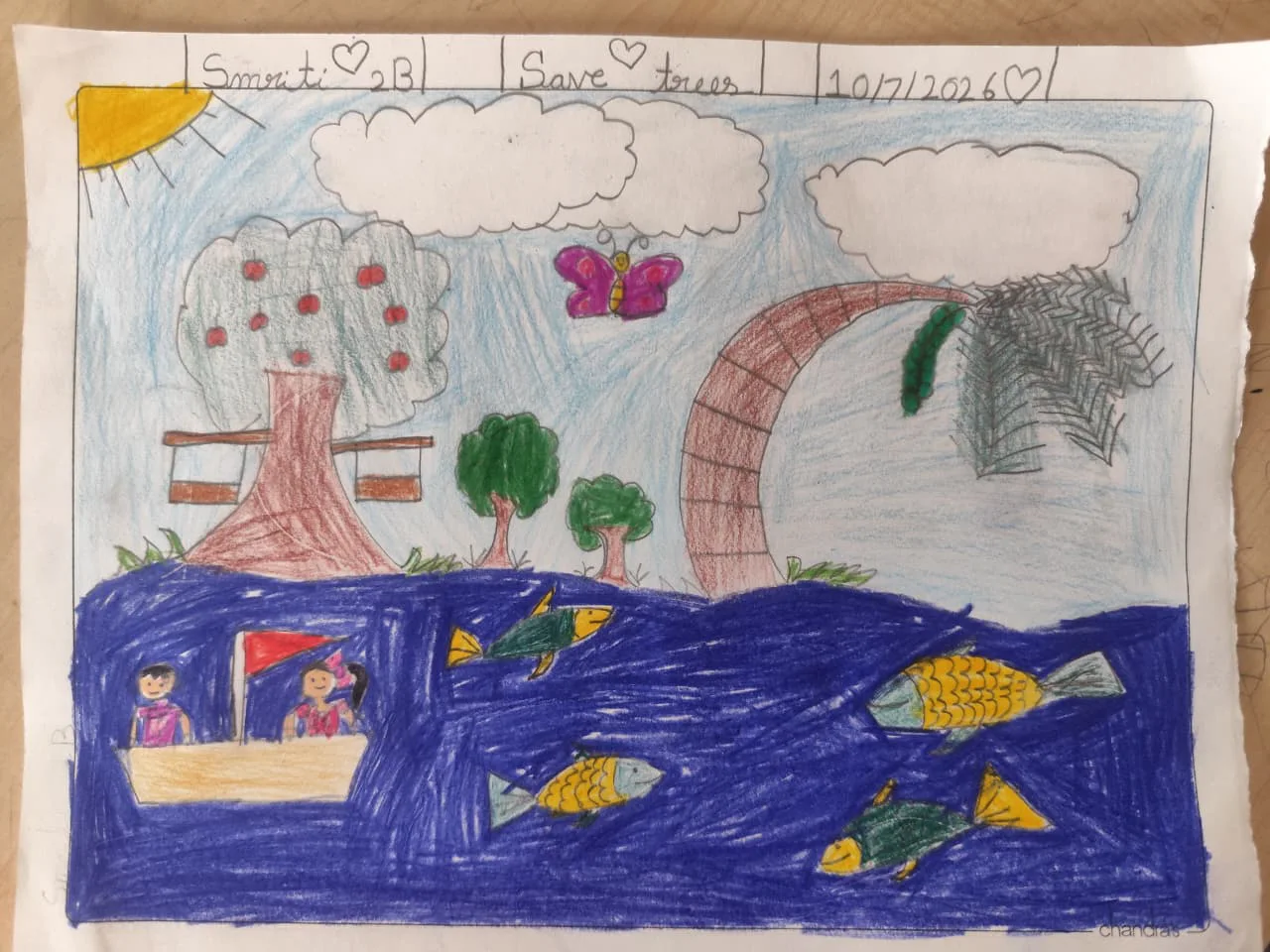
Instead of simply learning about environmental conservation in theory, students explored practical ideas such as saving energy, planting trees, reducing pollution, and using renewable resources through their artwork. Every drawing reflected a unique perspective while reinforcing the importance of protecting the planet for future generations.
For families searching for CBSE schools in Sarjapur Road that encourage creativity alongside academic excellence, activities like these demonstrate how experiential learning helps children become responsible and socially aware individuals from an early age.
Event Overview
Event: Drawing Competition
Date: 10th July
Participants: Students of Grades 1–4
Venue: BRS Global School – Sarjapur Road Campus
Theme: Environmental Conservation and Sustainability
Objective: To promote environmental awareness while encouraging students to express their ideas creatively through art.
Activity Type: Creative Arts and Environmental Education
Judging Criteria: Entries were evaluated based on relevance to the theme, creativity, colouring, neatness, and overall presentation.
What Happened During the Event?
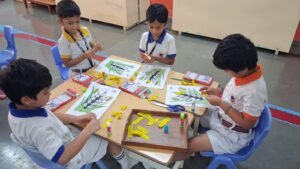
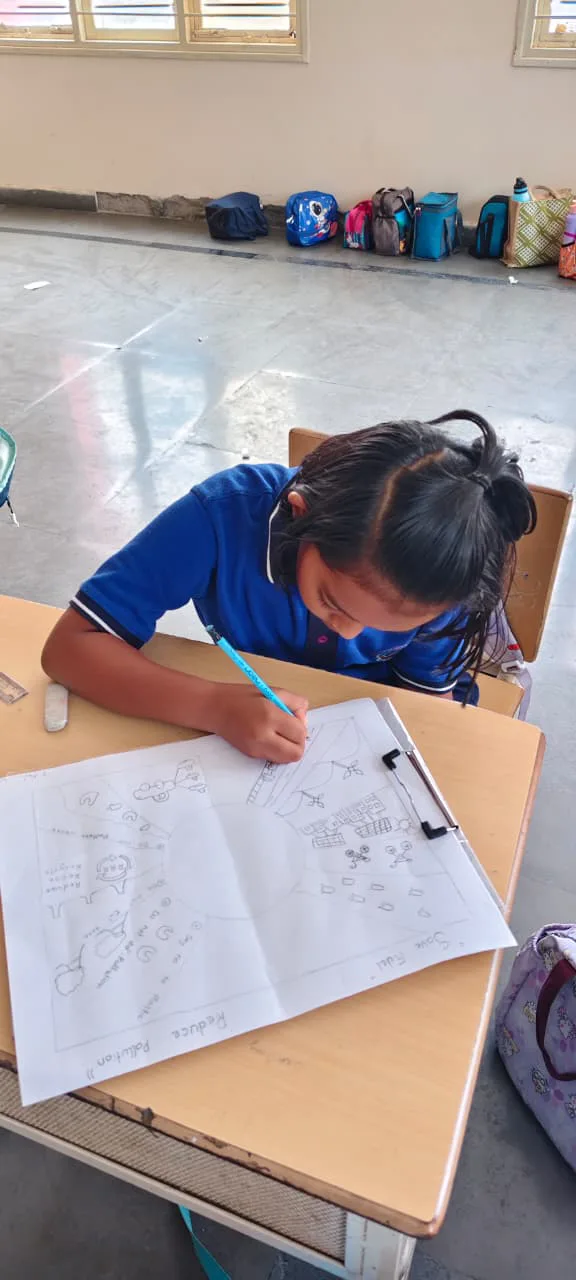
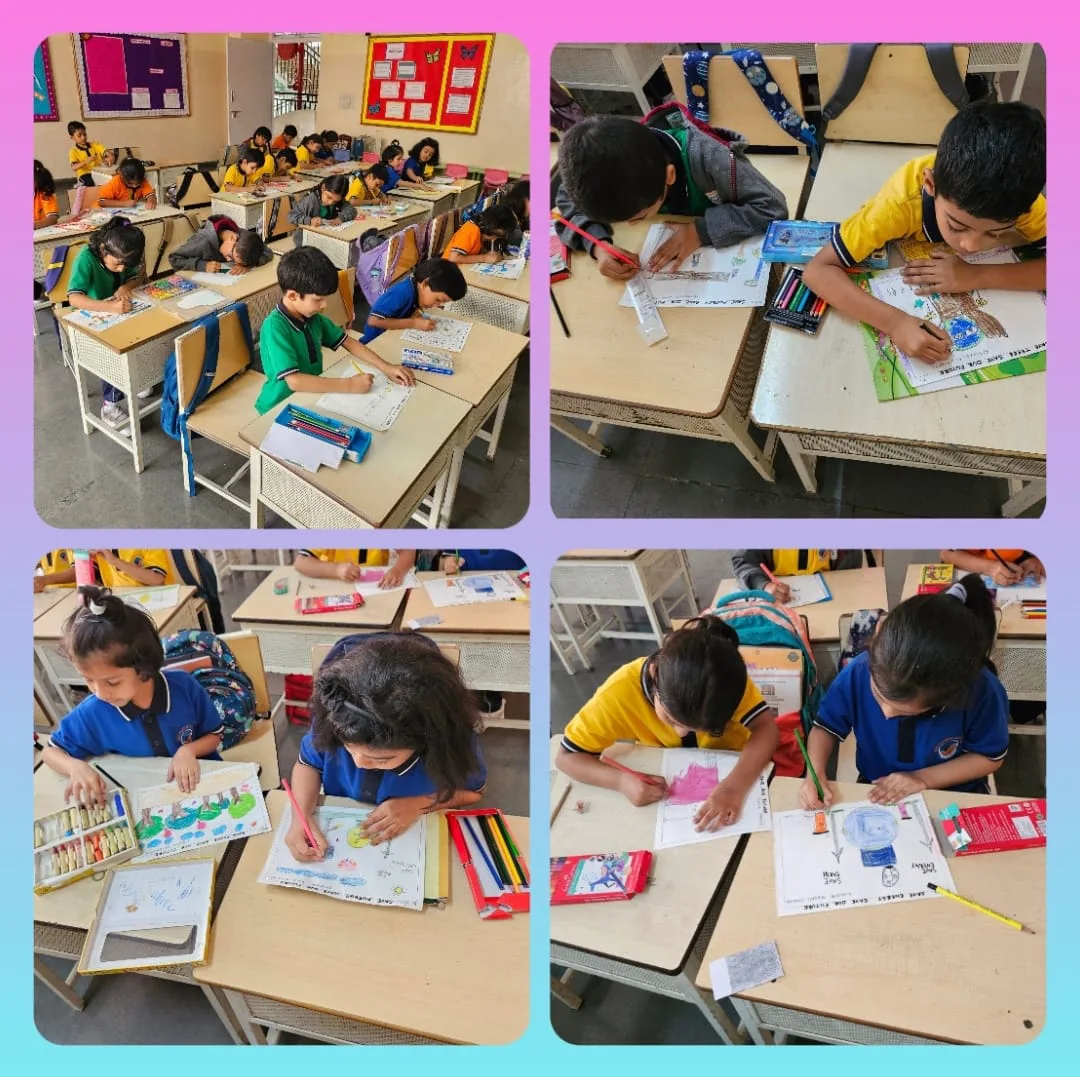
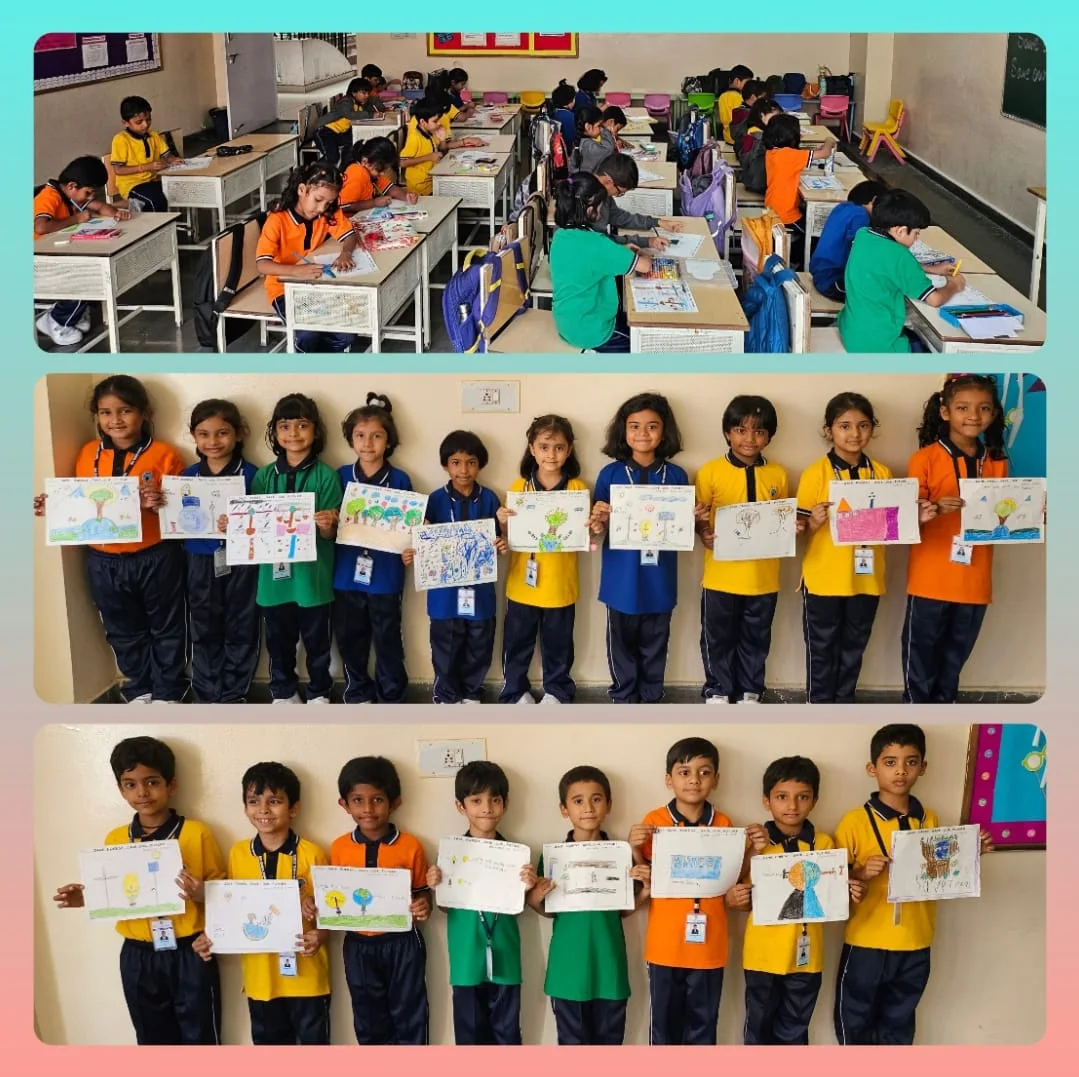
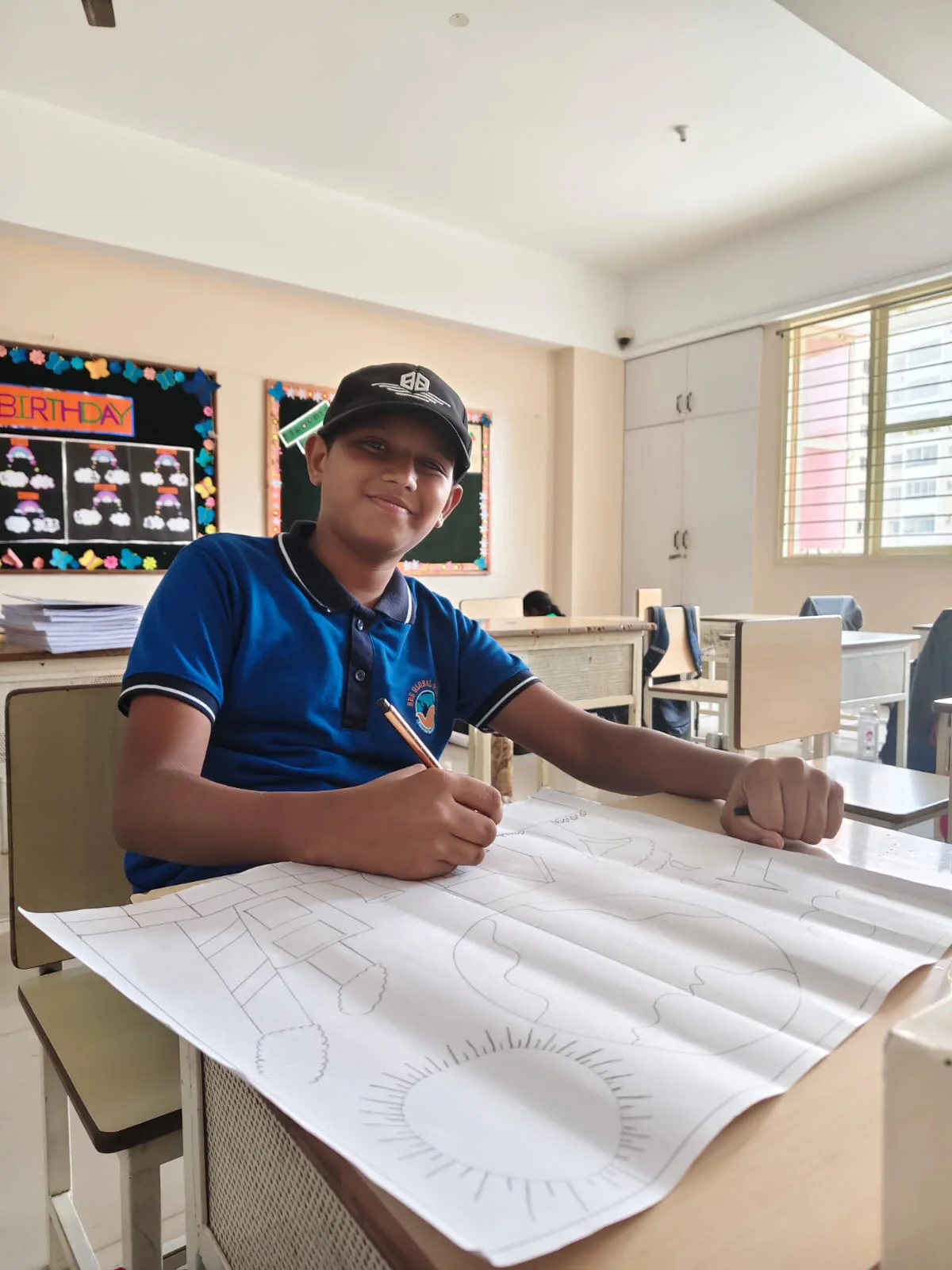
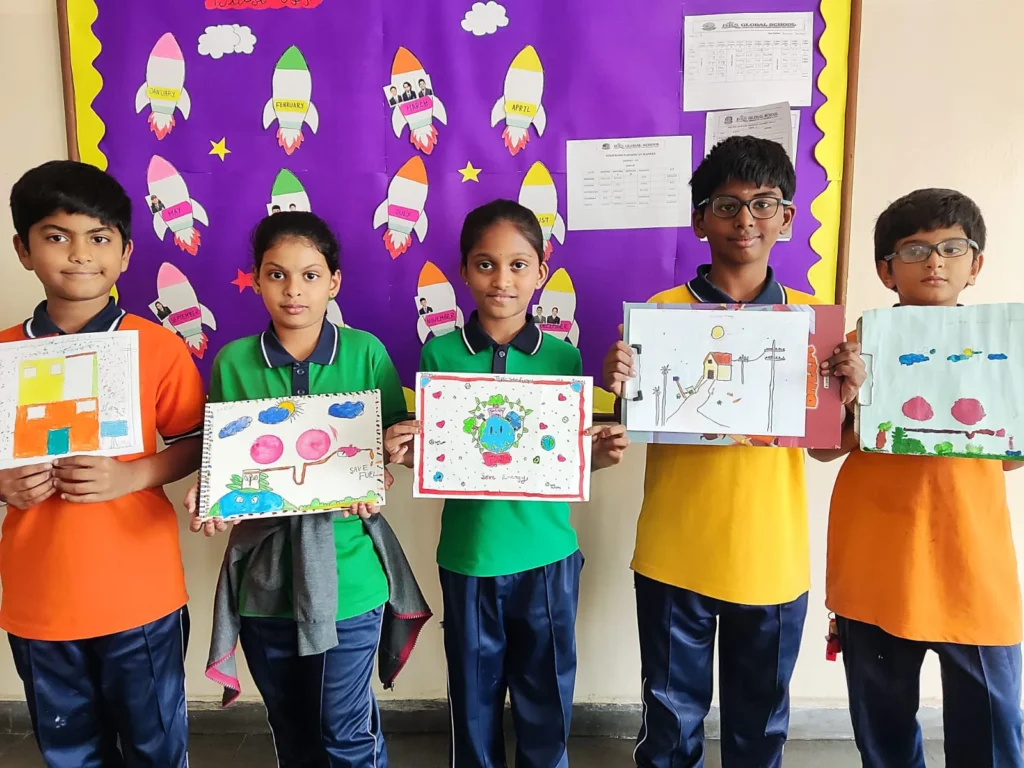
The Drawing Competition transformed classrooms into vibrant spaces filled with creativity, imagination, and meaningful conversations about protecting the environment. Students eagerly participated, expressing important environmental messages through colourful illustrations and innovative ideas.
To ensure that every child could relate to the activity according to their age and understanding, the competition featured different themes for different grade groups.
Grades 1 and 2
The younger students explored themes that encouraged simple yet powerful environmental habits.
They created drawings based on:
• Save Energy, Save Our Future
• Plant Trees, Save Energy
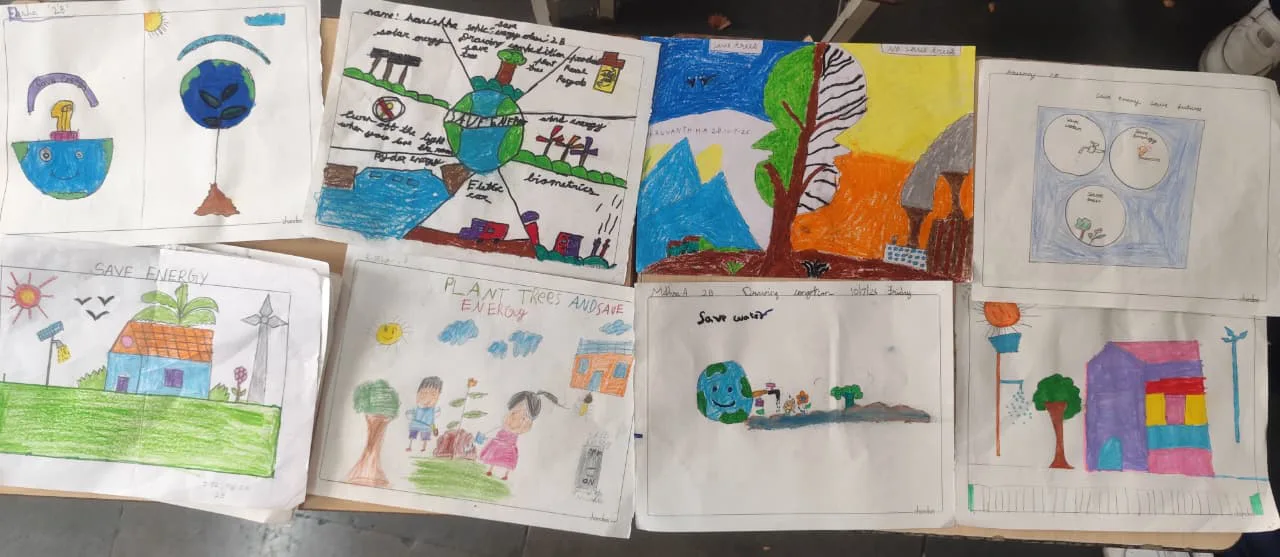
Using bright colours and imaginative illustrations, students depicted homes switching off unused lights, green landscapes filled with trees, children planting saplings, and communities working together to conserve natural resources.
Their artwork reflected an early understanding that small daily actions can make a significant difference to the environment.
Grades 3 and 4
Students in the higher primary grades explored broader environmental challenges and sustainable solutions through themes such as:
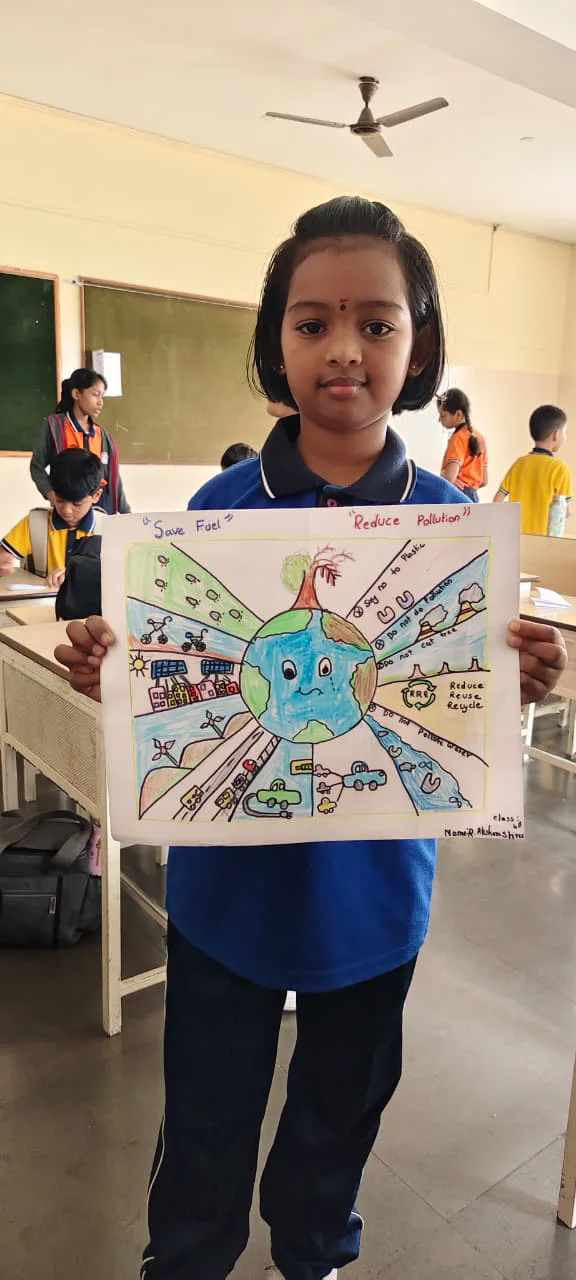
• Save Fuel, Reduce Pollution
• Use Solar Energy
Their drawings demonstrated growing awareness of renewable energy, cleaner transportation, reduced emissions, and responsible use of natural resources.
Many students creatively illustrated bicycles replacing fuel-powered vehicles, solar panels generating clean energy, and pollution-free environments that highlighted the importance of sustainable living.
These artworks showcased not only artistic ability but also thoughtful reflection on contemporary environmental concerns.
A Celebration of Creativity with Purpose
Throughout the competition, students approached the activity with remarkable enthusiasm and focus. Every artwork was unique, reflecting individual imagination while staying connected to the central message of environmental responsibility.
Teachers encouraged children to think independently and communicate their ideas visually rather than simply reproducing familiar images. This allowed students to explore original perspectives while building confidence in expressing their thoughts creatively.
The classrooms were filled with colourful illustrations that demonstrated how young learners can understand complex environmental concepts when presented through engaging, hands-on learning experiences.
Judging the Entries
The competition celebrated participation while also recognising creativity and thoughtful expression.
Each entry was evaluated based on:
• Relevance to the assigned theme
• Creativity and originality
• Colour combination
• Neatness
• Overall presentation
The judging process encouraged students to focus not only on artistic excellence but also on communicating meaningful environmental messages effectively.
The high level of participation and sincere effort shown by every student contributed to making the event both enjoyable and educational.
Student Learning Outcomes & Benefits
Learning Beyond Art
The Drawing Competition served as much more than a creative activity. It became an opportunity for students to connect environmental education with everyday life while strengthening several important developmental skills.
Through participation, students gained a deeper appreciation of how individual actions contribute to protecting the environment.
Environmental Awareness
The activity introduced students to practical sustainability concepts in an engaging and age-appropriate manner.
Children developed a better understanding of:
• Energy conservation
• Tree plantation
• Pollution reduction
• Renewable energy
• Responsible use of natural resources
• Sustainable living practices
These lessons encourage children to adopt environmentally responsible habits both at school and at home.
Creativity and Imagination
Drawing allows children to transform ideas into visual stories.
Students were encouraged to think independently, experiment with colours, and communicate environmental messages in original ways. Such opportunities nurture innovation, imagination, and creative confidence—essential skills for lifelong learning.
Communication Through Visual Expression
Not every child expresses ideas through words. Art provides another meaningful way for young learners to communicate thoughts, emotions, and observations.
By translating environmental concepts into drawings, students strengthened their ability to organise ideas visually while developing confidence in presenting meaningful messages creatively.
Fine Motor Development
Holding drawing tools, colouring carefully, maintaining neatness, and paying attention to detail support the development of fine motor coordination.
These foundational skills are especially valuable for primary school learners as they contribute to better handwriting, concentration, and overall classroom readiness.
Critical Thinking
Students were encouraged to think beyond the theme itself and consider practical environmental solutions.
Rather than simply drawing objects, many children illustrated actions that people can take to protect nature, demonstrating early problem-solving and analytical thinking.
Confidence and Independent Learning
Every completed artwork represented an individual interpretation of environmental responsibility.
Presenting original ideas in a supportive environment helped students build self-confidence while encouraging independent thinking and decision-making.
Educational Philosophy: How Does This Activity Align with the School's Learning Approach?
At BRS Global School | Best CBSE School in Sarjapur Road, education goes beyond academic achievement. Students are encouraged to develop creativity, curiosity, environmental responsibility, and the confidence to apply classroom learning in real-life situations.
The Drawing Competition reflected this philosophy by integrating art with environmental education. Rather than treating sustainability as a standalone topic, students explored important environmental issues through creative expression, making learning engaging, meaningful, and memorable.
Such activities align with the vision of the National Education Policy (NEP) 2020, which encourages experiential learning, creativity, critical thinking, and multidisciplinary education. They also complement the CBSE approach of promoting competency-based learning, where students understand concepts through observation, participation, and practical experiences.
By combining artistic expression with environmental awareness, the competition helped students connect knowledge with action—an important aspect of developing responsible global citizens.
Why Does This Event Matter for Student Development?
The Drawing Competition helped students develop creativity, environmental awareness, critical thinking, communication skills, and confidence while reinforcing responsible habits that contribute to holistic development.
Children learn most effectively when they are actively involved in the learning process. Activities like drawing competitions allow students to express ideas independently, solve problems creatively, and develop a deeper understanding of real-world issues.
This event supported several important areas of student development.
Building Environmental Responsibility
Understanding environmental conservation from an early age encourages children to become responsible citizens.
By illustrating themes such as energy conservation, tree plantation, pollution control, and renewable energy, students recognised that even small daily actions can contribute to protecting the planet.
This awareness often extends beyond the classroom, encouraging conversations and sustainable practices at home.
Encouraging Creative Confidence
Every child’s artwork reflected a unique perspective.
Instead of focusing only on artistic perfection, the competition encouraged originality, imagination, and self-expression. Students learned that their ideas have value and that creativity can be used to communicate meaningful messages.
Developing confidence in expressing ideas is an important life skill that supports future academic success.
Developing Observation and Thinking Skills
Creating drawings based on environmental themes required students to observe, analyse, and interpret real-life situations.
They considered questions such as:
• How can we save electricity?
• Why should we plant more trees?
• What causes pollution?
• How can renewable energy help protect nature?
This process strengthened analytical thinking while making learning relevant to everyday life.
Strengthening Emotional and Social Awareness
Art often encourages empathy and reflection.
As students thought about environmental challenges, they also considered how communities can work together to create a healthier future.
This promotes values such as responsibility, cooperation, and respect for nature—qualities that contribute to positive character development.
Supporting Holistic Development
Academic excellence is strengthened when students also develop creativity, communication, collaboration, and emotional intelligence.
Activities like this contribute to a balanced educational experience by nurturing multiple dimensions of child development rather than focusing only on examination performance.
How Does This Activity Support CBSE Learning?
The competition supports CBSE’s competency-based learning model by integrating creativity, environmental awareness, observation, communication, and critical thinking into an engaging experiential learning activity.
CBSE encourages schools to create opportunities where students can apply classroom concepts in practical situations.
The Drawing Competition complemented classroom learning by helping students:
• Understand environmental concepts through creative exploration.
• Strengthen observation and analytical thinking.
• Express ideas confidently using visual communication.
• Develop awareness of sustainable practices.
• Participate actively in experiential learning.
Such activities help children retain concepts more effectively because they experience learning rather than simply memorising information.
Why Should Parents Value Experiences Like These?
Creative environmental activities help children become thoughtful, confident, and socially responsible individuals while developing essential life skills that extend beyond academics.
Parents today seek schools that prepare children not only for examinations but also for life.
A drawing competition focused on environmental awareness may appear simple, yet it nurtures several long-term competencies that contribute to a child’s overall growth.
Children learn to:
• Think independently.
• Make meaningful connections between classroom lessons and daily life.
• Communicate ideas creatively.
• Build confidence through participation.
• Appreciate nature and sustainable living.
These experiences encourage lifelong values that support both personal development and academic learning.
Local Relevance: Learning That Connects with Families Around Sarjapur Road
Located in Kasavanahalli, BRS Global School | Best CBSE School in Sarjapur Road serves families from Bellandur, Sarjapur Road, Hosa Road, Koramangala, HSR layout, Dommasandra, Kodathi, Gunjur, Varthur, Kaikondrahalli, Kasavanahalli, Carmelaram, Harlur, Rayasandra, Naganathapura, Doddakannelli, Kudlu Gate, A Krishnappa Nagar, Halnayakanahalli, Radha Reddy Layout, Chikkanayakanahalli, Huskur, KPC Layout, CSB Layout, Owners Court, Doddanagamangala, Doctors Layout, Shiva Reddy Layout, Meenakshi Layout, Chikbellandur, Sompura Gate, Muthannalur Cross, Gunjur to Dommasandra Road, Mullur, Amrita Engineering College Road Kasavanahalli, Amrita Nagar, Serenity Layout, Spring Fields, Iblur, Marathahalli, Shobha Apartments, Choodasandra, Junnasandra, Rayasandra , and nearby communities.
The school’s location also offers convenient access for parents working in major technology and business hubs such as RMZ Ecoworld, Embassy TechVillage, RGA Tech Park, Prestige Tech Park, Wipro Campus, and the Electronic City IT Corridor.
For working professionals, meaningful school experiences extend beyond classroom teaching. Parents increasingly value educational environments where children develop creativity, responsibility, communication skills, and environmental awareness through hands-on activities.
The Drawing Competition reflects this approach by providing young learners with opportunities to explore real-world themes while strengthening essential life skills in an engaging and age-appropriate manner.
Parents looking for CBSE schools in Sarjapur Road, schools near Bellandur, or schools near Electronic City often seek institutions that balance academic excellence with experiential learning. Activities such as this demonstrate how creative education contributes to well-rounded student development.
For updates on school events, parent engagement programmes, and student achievements, families can also explore the BRS Global School | Sarjapur Road Campus Google Business Profile.
Sarjapur Road Campus GMB: https://share.google/2oEno2EtFtY7eyP2B
(The Attibele campus is another branch of BRS Global School and serves families from Attibele, Chandapura, Anekal, and nearby areas.)
Common Parent Questions
How does drawing help primary school students?
Drawing enhances creativity, observation, imagination, fine motor coordination, and communication skills. It also encourages children to organise ideas visually and express their thoughts with confidence.
Why are environmental themes introduced at an early age?
Early exposure helps children develop responsible habits before they become lifelong behaviours. Learning about sustainability through creative activities makes environmental concepts easier to understand and remember.
How do creative competitions improve confidence?
Participating in competitions encourages children to present their own ideas, complete independent work, and receive positive recognition for their efforts. This gradually builds confidence and self-esteem.
Does art contribute to academic learning?
Yes. Creative activities strengthen concentration, observation, problem-solving, communication, and critical thinking—skills that positively influence learning across all academic subjects.
Why are experiential activities important in CBSE schools?
Experiential learning allows students to understand concepts through participation rather than memorisation. This improves conceptual clarity, encourages curiosity, and supports competency-based education recommended by CBSE.
How do environmental activities influence children’s daily habits?
When children understand concepts such as saving electricity, planting trees, reducing waste, and conserving natural resources through meaningful activities, they are more likely to practise these habits both at school and at home.
Key Highlights
• Drawing Competition conducted on 10th July for students of Grades 1–4.
• Focused on promoting environmental conservation through creative expression.
• Themes included:
– Save Energy, Save Our Future
– Plant Trees, Save Energy
– Save Fuel, Reduce Pollution
– Use Solar Energy
• Students demonstrated creativity, imagination, and environmental awareness.
• Entries were judged on creativity, relevance, colouring, neatness, and presentation.
• Supported experiential learning aligned with CBSE and NEP 2020 principles.
• Encouraged responsible citizenship, sustainability, and artistic confidence.
• Helped develop creativity, observation, communication, and critical thinking skills.
• Reinforced holistic education through meaningful hands-on learning experiences.
Frequently Asked Questions (FAQs)
What was the purpose of the Drawing Competition at BRS Global School?
The Drawing Competition was organised to help students of Grades 1–4 develop environmental awareness while encouraging creativity and artistic expression. Through themes centred on sustainability, students learned how everyday actions such as saving energy, planting trees, reducing pollution, and using renewable resources contribute to protecting the environment.
How does this activity support CBSE learning?
The competition aligns with the CBSE approach to competency-based and experiential learning by allowing students to apply classroom concepts in a creative and practical way. It promotes observation, critical thinking, communication, creativity, and responsible citizenship while making learning engaging and meaningful.
What skills did students develop through the competition?
Students enhanced a wide range of skills, including:
• Creative thinking
• Imagination and artistic expression
• Fine motor coordination
• Observation skills
• Critical thinking
• Environmental awareness
• Visual communication
• Confidence and independent learning
These skills contribute to both academic and personal development.
Why is environmental education introduced in primary school?
Introducing environmental concepts at an early age helps children understand the importance of conserving natural resources and adopting sustainable habits. Creative activities make these concepts easier to understand and encourage students to practise environmentally responsible behaviours both at school and at home.
How are students’ drawings evaluated?
The artwork was assessed using clearly defined criteria to encourage both creativity and thoughtful expression. Entries were judged on:
• Relevance to the theme
• Creativity and originality
• Colouring
• Neatness
• Overall presentation
This ensured that students were recognised not only for artistic ability but also for effectively communicating environmental messages.
- Which students participated in the event?
The Drawing Competition was conducted for students from Grades 1 to 4 at the BRS Global School – Sarjapur Road Campus during regular school hours on 10th July.
Why should parents value activities like this?
Activities that combine creativity with real-world learning help children become confident, responsible, and thoughtful individuals. Such experiences encourage curiosity, improve communication skills, nurture creativity, and strengthen values that support lifelong learning and holistic development.
Conclusion
The Drawing Competition was a meaningful learning experience that successfully combined creativity with environmental education. Through colourful illustrations and imaginative ideas, students demonstrated that even young learners can understand important concepts such as energy conservation, tree plantation, pollution reduction, and sustainable living.
More than an art competition, the event encouraged students to observe the world around them, think critically, and express their ideas with confidence. By participating in activities that connect classroom learning with real-life challenges, children develop essential life skills alongside academic knowledge.
At BRS Global School | Best CBSE School in Sarjapur Road, experiential learning remains an integral part of the educational journey. Activities like the Drawing Competition help nurture environmentally conscious, creative, and responsible learners who are prepared to contribute positively to their communities.
If you are looking for a CBSE school in Sarjapur Road that combines academic excellence with creativity, experiential learning, and holistic development, explore how BRS Global School – Sarjapur Road Campus provides meaningful opportunities for every child to learn, grow, and thrive.
Visit our Sarjapur Road Campus Google Business Profile to learn more about our campus, student activities, and admissions:
https://share.google/2oEno2EtFtY7eyP2B
(BRS Global School also has an Attibele campus serving families from Attibele, Chandapura, and Anekal.)