
10 Ways to Make Learning Fun at Home
Introduction
The easiest way to make learning fun at home is to stop making it feel like school. Learning does not only happen at a desk; it happens in the kitchen, on a walk, during a board game, and in the middle of an ordinary conversation. Parents do not need to become teachers at home. What works is creating an environment where curiosity is welcomed, questions are celebrated, and everyday moments become natural learning.
At BRS Global School, we see this partnership between home and school as part of a child’s holistic education. Here are ten practical ways to make learning fun at home.
Key Takeaways
- • To make learning fun at home, turn everyday tasks, games and conversation into low-pressure learning rather than extra study.
- • Children learn more durably when they are intrinsically motivated and allowed to lead, not externally pushed.
- • The home environment, the space, the materials and the habits parents model, shapes a child’s relationship with learning.
- • Celebrating effort over results builds the confidence children need to take intellectual risks.
- • Small, consistent daily habits beat occasional intensive home-study sessions.
The 10 ways to make learning fun at home
- Turn everyday tasks into learning. Cooking teaches measurement and chemistry, grocery shopping covers budgeting and reading labels, gardening teaches biology and patience. None of it feels like studying, but all of it is.
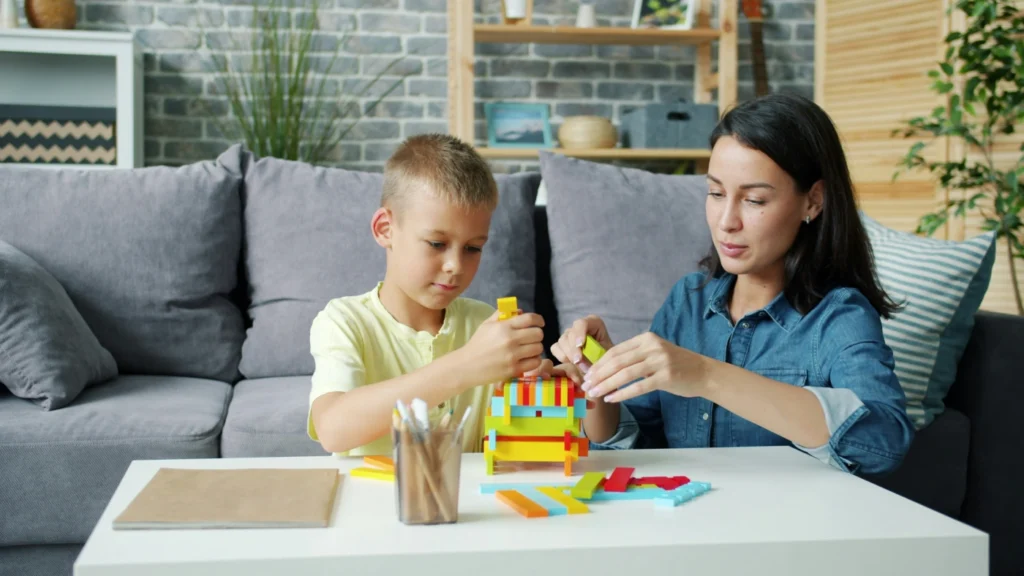
- Use games as the curriculum. Scrabble builds vocabulary, chess builds planning, Monopoly builds arithmetic and negotiation, jigsaws build spatial reasoning. This mirrors the activity-based learning used by the best CBSE schools in Bangalore in their primary sections.
- Let children ask the questions. Ask your child to teach you something from school. When they ask something you cannot answer, look it up together.
- Follow their curiosity: if it is volcanoes this week, spend the week on volcanoes.
- Read together, not just to them. Reading alongside your child, both reading in the same space, sends the message that reading is what people do, not just what children are made to do.
- Make screen time deliberate. Nature and history documentaries build vocabulary and curiosity when you watch together and talk afterwards.
- Parents near Chandapura and across south Bangalore often find that pairing curriculum topics with documentaries lifts classroom engagement.
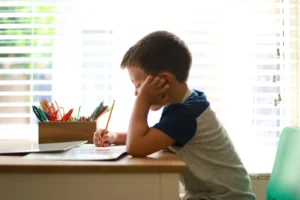
- Create a dedicated learning space. A consistent, well-lit corner with accessible materials signals “this is where we think and create”. It does not need to be a separate room.
- Connect learning to real trips. Museums, nature walks and even supermarkets are classrooms. This is why schools in the Attibele and Sarjapur Road area design field trips around curriculum units: real experiences anchor concepts in a way re-reading notes cannot.
- Celebrate effort, not just results. “You kept trying even when it was hard” builds more than “You are so smart”. Children who feel safe to be wrong learn faster.
- Offer open-ended creative projects. Build a contraption, write a comic, design a floor plan, test which material keeps water warmest. Open tasks develop the thinking that standardised tasks cannot.
- Make conversation the core tool. Dinner-table discussion builds vocabulary, reasoning and confidence. Ask open questions, debate gently, and react genuinely when your child says something interesting.
Passive vs active home learning
| Passive approach | Active alternative | Skill developed |
|---|---|---|
| Child watches TV alone | Watch a documentary together and discuss it | Vocabulary, comprehension, critical thinking |
| Parent answers every question | Look up the answer together | Research habits, curiosity |
| Worksheet for practice | A board game covering the same content | Engagement, strategic thinking |
| Correcting a wrong answer at once | Asking "Why do you think that?" first | Reasoning, confidence |
| Reading as a solitary task | Reading alongside the child | Reading as a valued habit |
Making learning fun for families in Bengaluru
Families get the most from home learning when school and home pull in the same direction. Across the schools in Bangalore that BRS Global School serves, from Sarjapur Road to Attibele, the principle is the same: keep it curious, keep it consistent, and let the child lead more often than you expect. If you would like to see how we build this partnership with parents, book a campus visit or contact us.
Frequently Asked Questions (FAQs)
How much time should parents spend on home learning each day?
Quality matters more than quantity. Even 20 to 30 minutes of engaged, purposeful activity produces meaningful benefits. Consistency beats intensity.
My child resists any learning at home. Where do I start?
Start with what they already enjoy. A child who loves football can learn physics through a ball’s path, maths through league tables and geography through where teams come from. Interest is the engine.
Does home learning need to match the school curriculum?
No. Broad curiosity, strong reading habits and a love of learning transfer across every subject, so children who read and think widely are well prepared for whatever the curriculum asks.
What if I do not feel qualified to teach certain subjects?
You do not need to be. Asking questions alongside your child and looking things up together is more valuable than subject expertise. The goal is engagement, not instruction.
How do I balance homework and fun learning?
Homework first, then open-ended activity. Most children shift more easily from structured to unstructured than the reverse. Keep the fun activity genuinely relaxed.
Conclusion
Making learning fun at home is less about activities and more about attitude. When parents treat everyday moments with curiosity, celebrate questions over answers, and make knowledge a shared family value, children grow up seeing learning as something they do naturally. To learn how BRS Global School partners with parents on this, enquire about admissions or contact us.