Introduction
Festivals can become meaningful learning experiences when children are given opportunities to understand their significance, express themselves creatively and participate with others. At the Sarjapur Road branch of BRS Global School Raksha Bandhan was celebrated on 1 September 2026 as a joyful classroom experience centred on relationships, caring and creativity.
The celebration introduced children to the significance of Raksha Bandhan and the values associated with the occasion. Instead of limiting the experience to an explanation of the festival, the children participated actively by tying Rakhis to one another and creating their own colourful Rakhis using craft materials.
For young learners, such experiences can connect cultural awareness with social and emotional learning. They provide opportunities to listen, communicate, create, cooperate and reflect on values such as kindness, friendship, respect and caring.
This approach is consistent with the broader direction of competency-based and experiential education. CBSE describes competency-based education as learner-centred and focused on meaningful learning experiences, real-world application and the development of knowledge and skills.
Event Overview
Event : Raksha Bandhan Celebration
Date : 1 September 2026
Campus : **BRS Global School
Location : Sarjapur Road, Bengaluru
Participants : Young learners
Learning Focus : Values, relationships, creativity and hands-on learning
Key Activities : Rakhi tying, teacher-led discussion and Rakhi-making
Core Values : Love, care, respect, sharing, friendship and cooperation
What Happened During the Event?
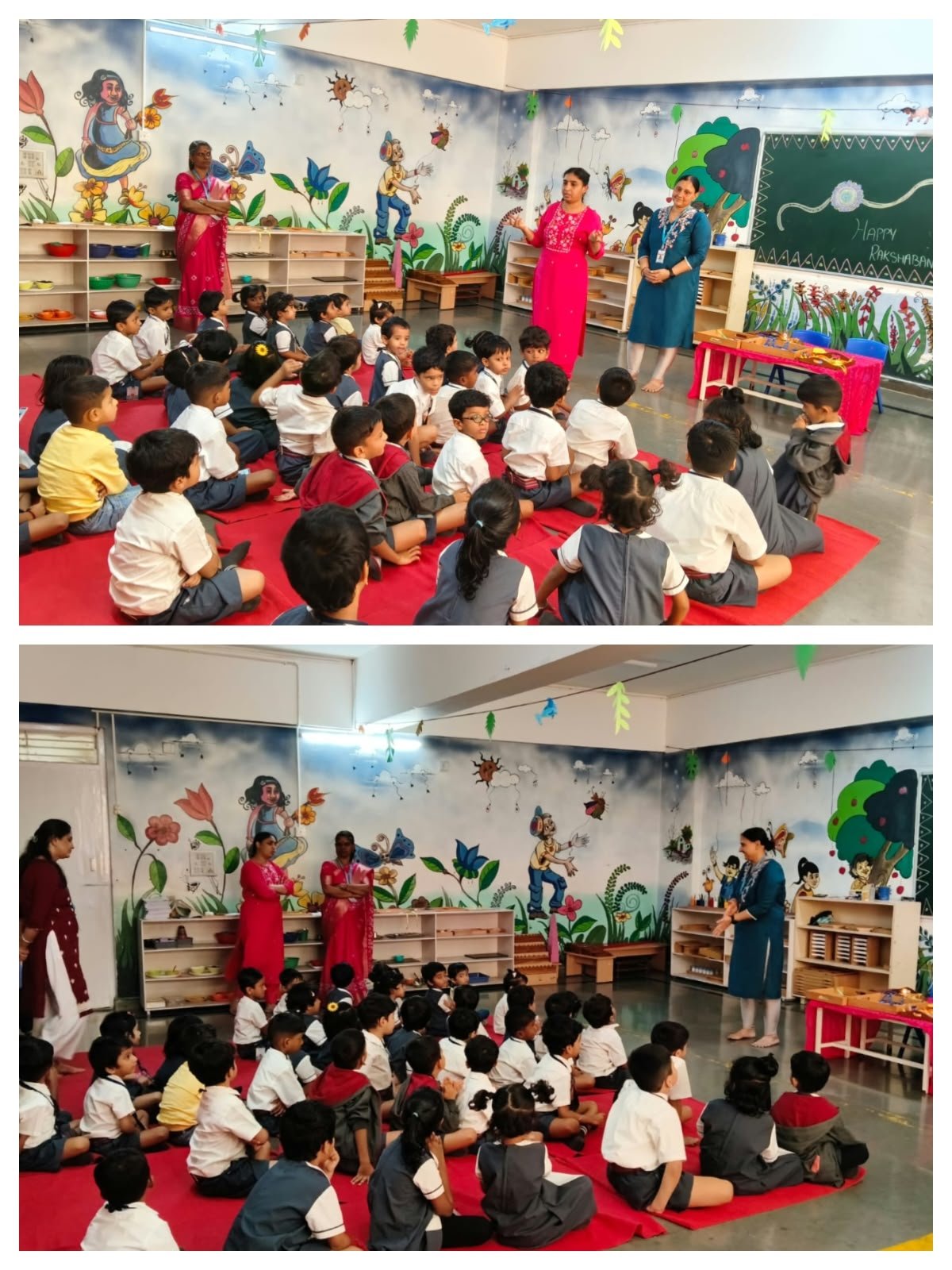
The Raksha Bandhan celebration began with a teacher-led conversation about the significance of the festival. Children were introduced to the idea of Raksha Bandhan as a celebration associated with the bond between siblings and the values of love, care, respect and protection.
The discussion provided an age-appropriate starting point for children to connect a cultural celebration with relationships in their own lives. Rather than treating the festival simply as a special occasion, the classroom conversation encouraged children to think about how people show care and affection towards one another.
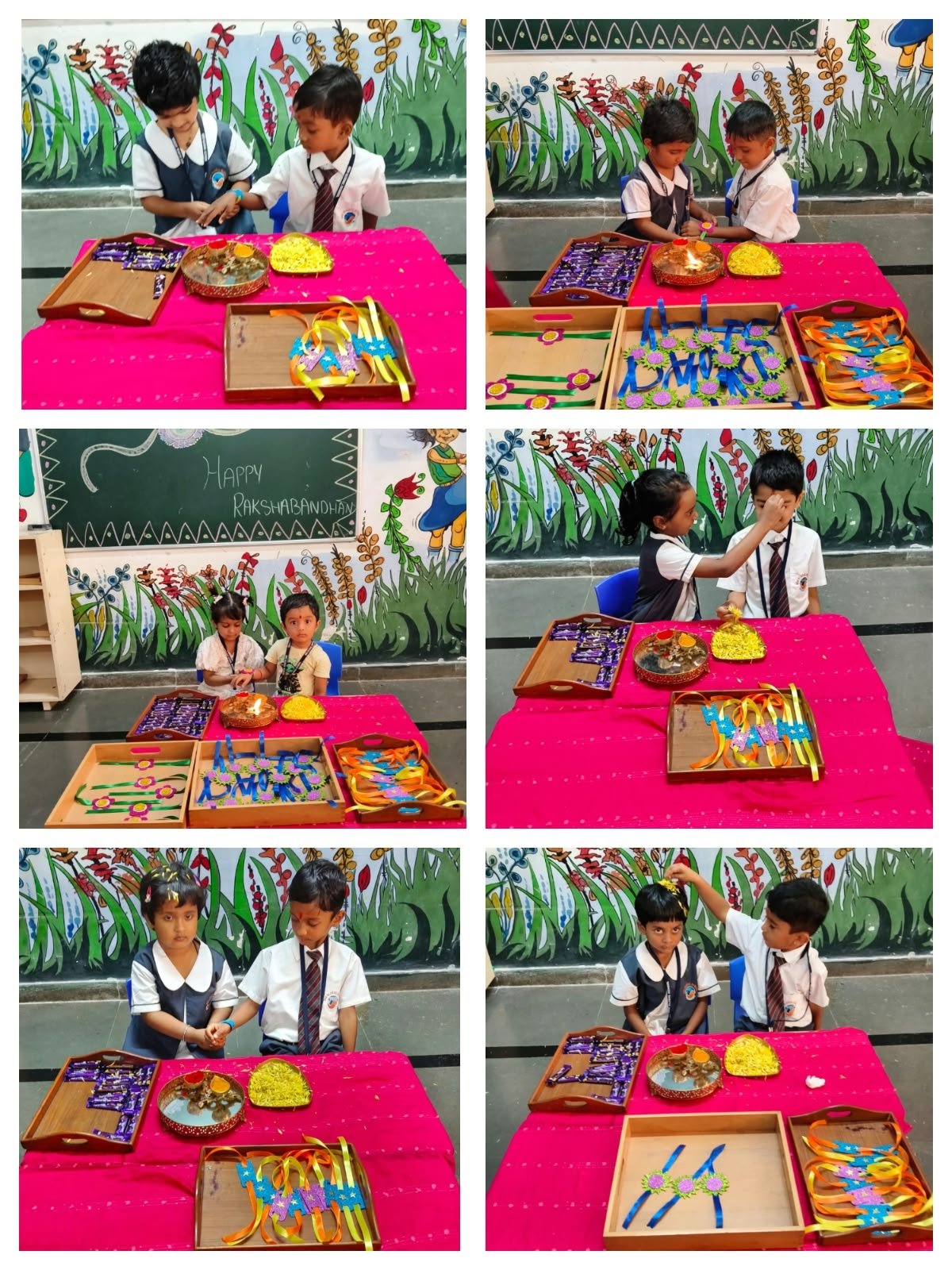
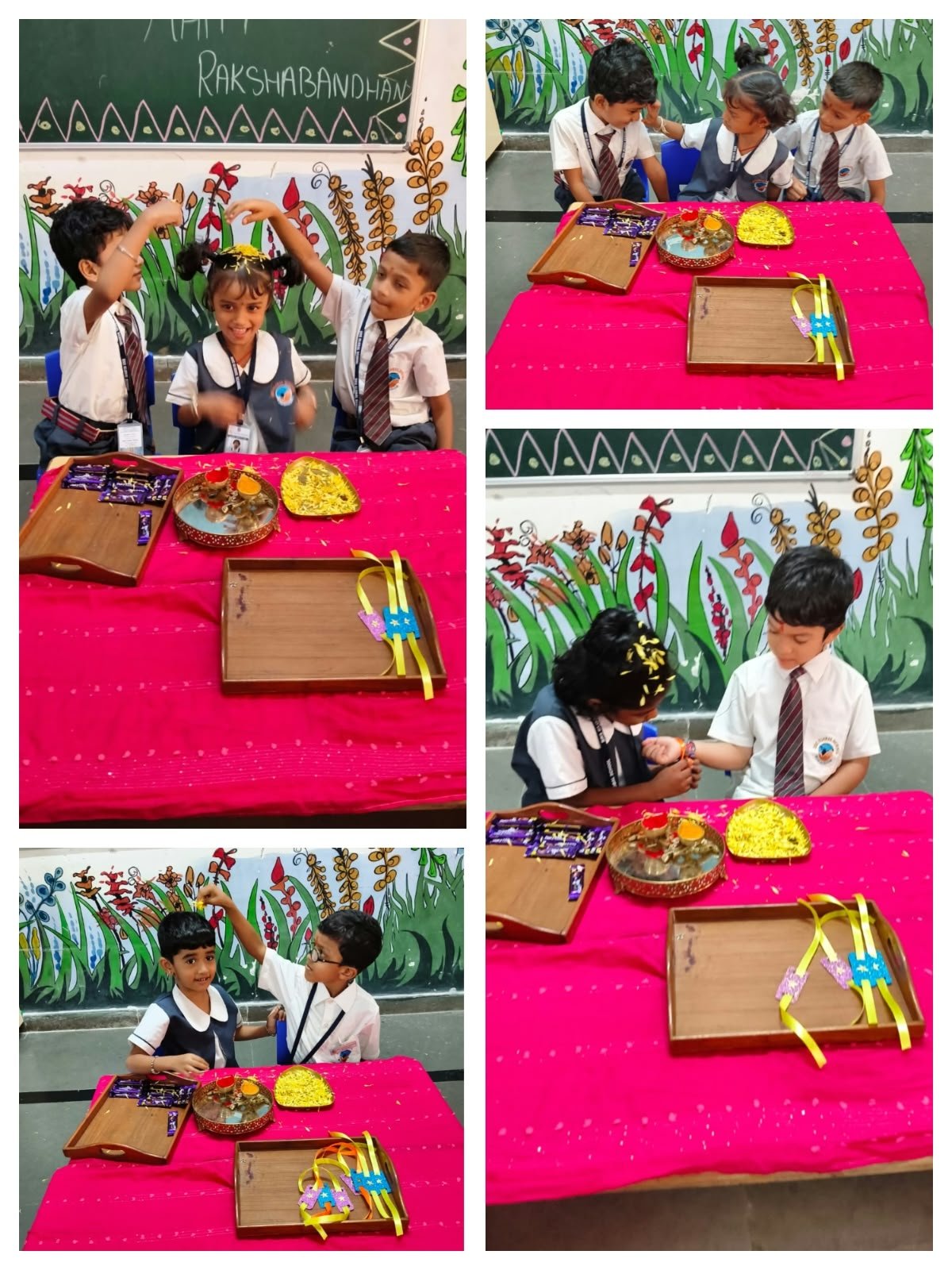
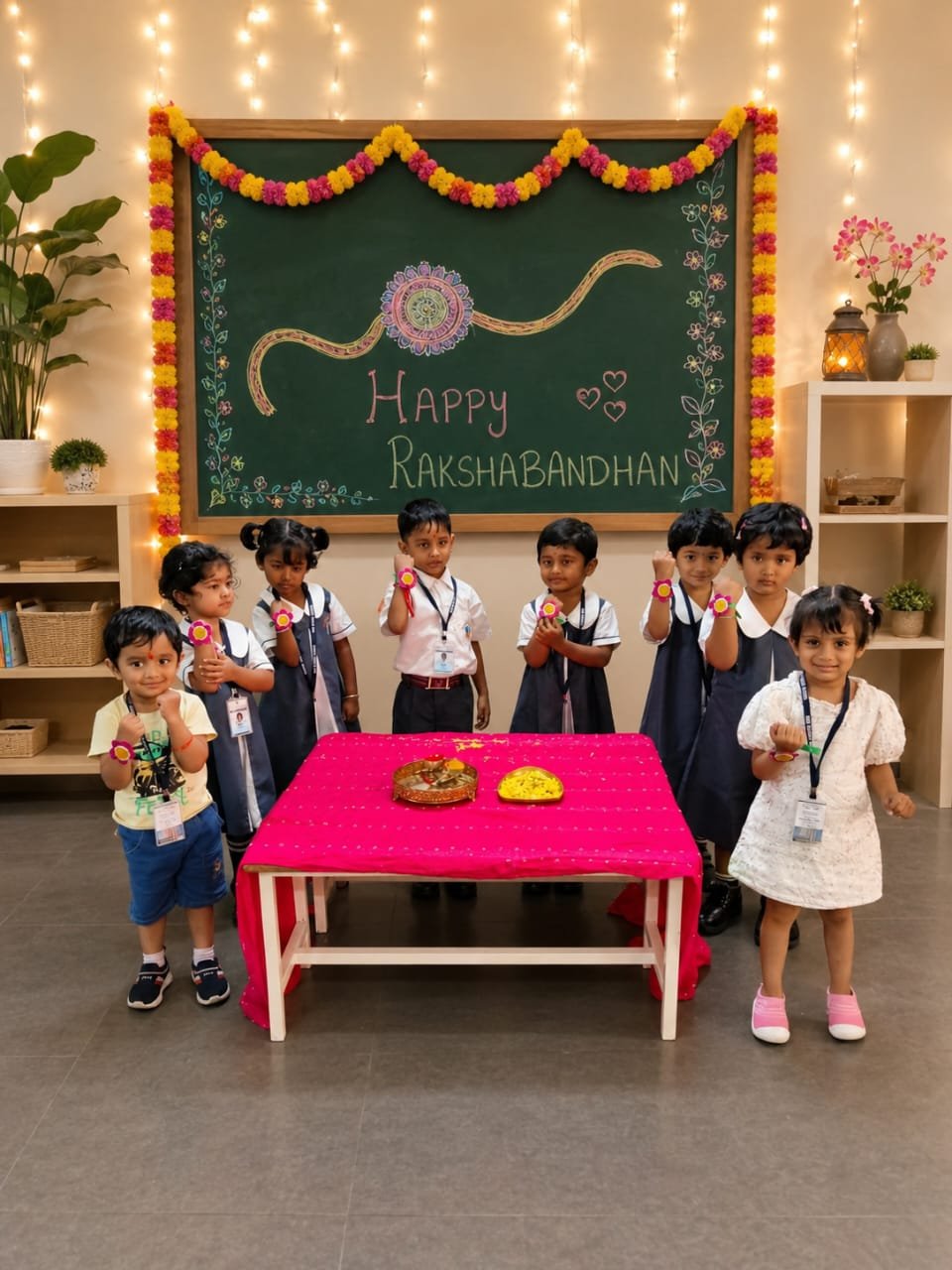
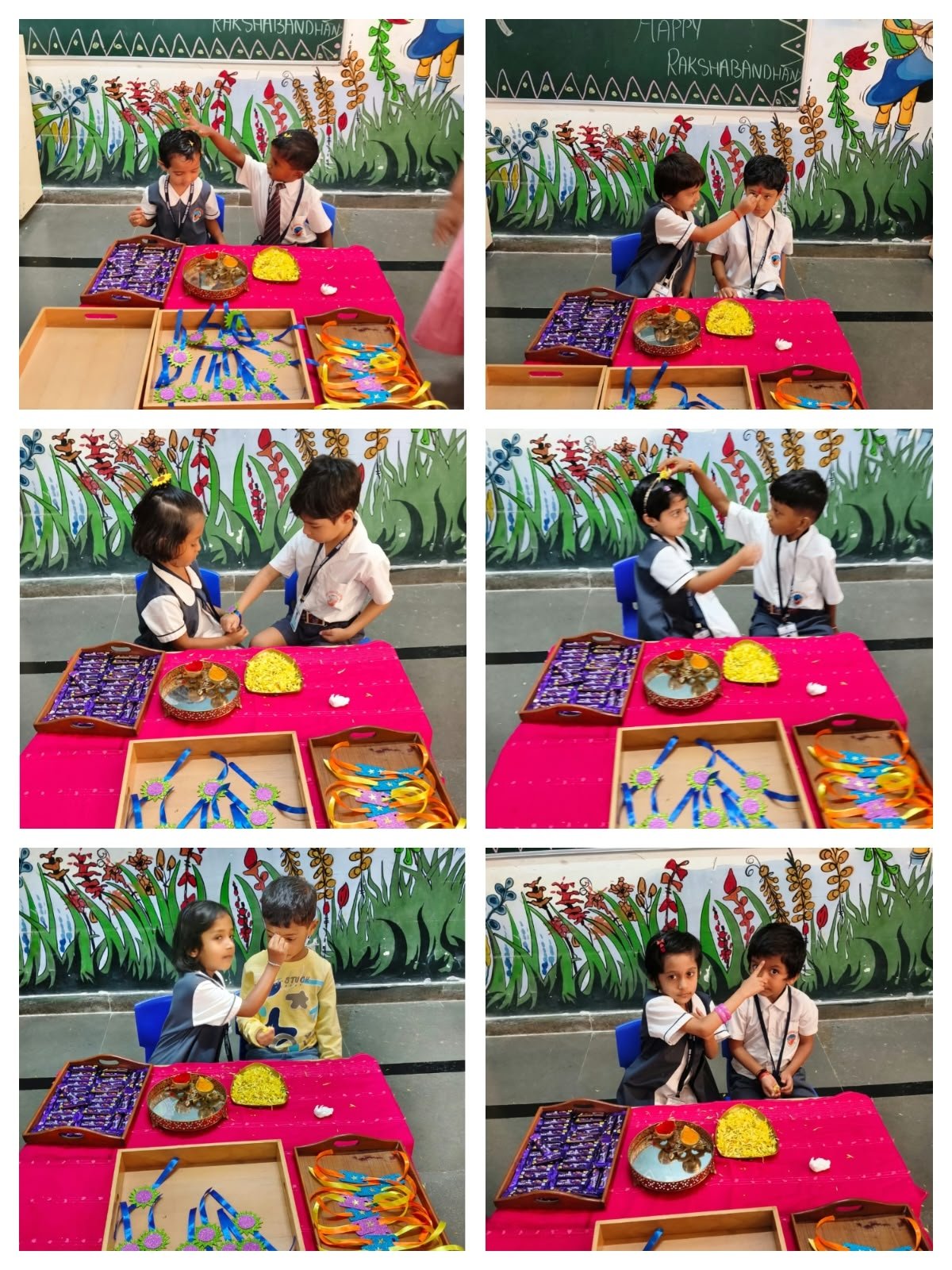
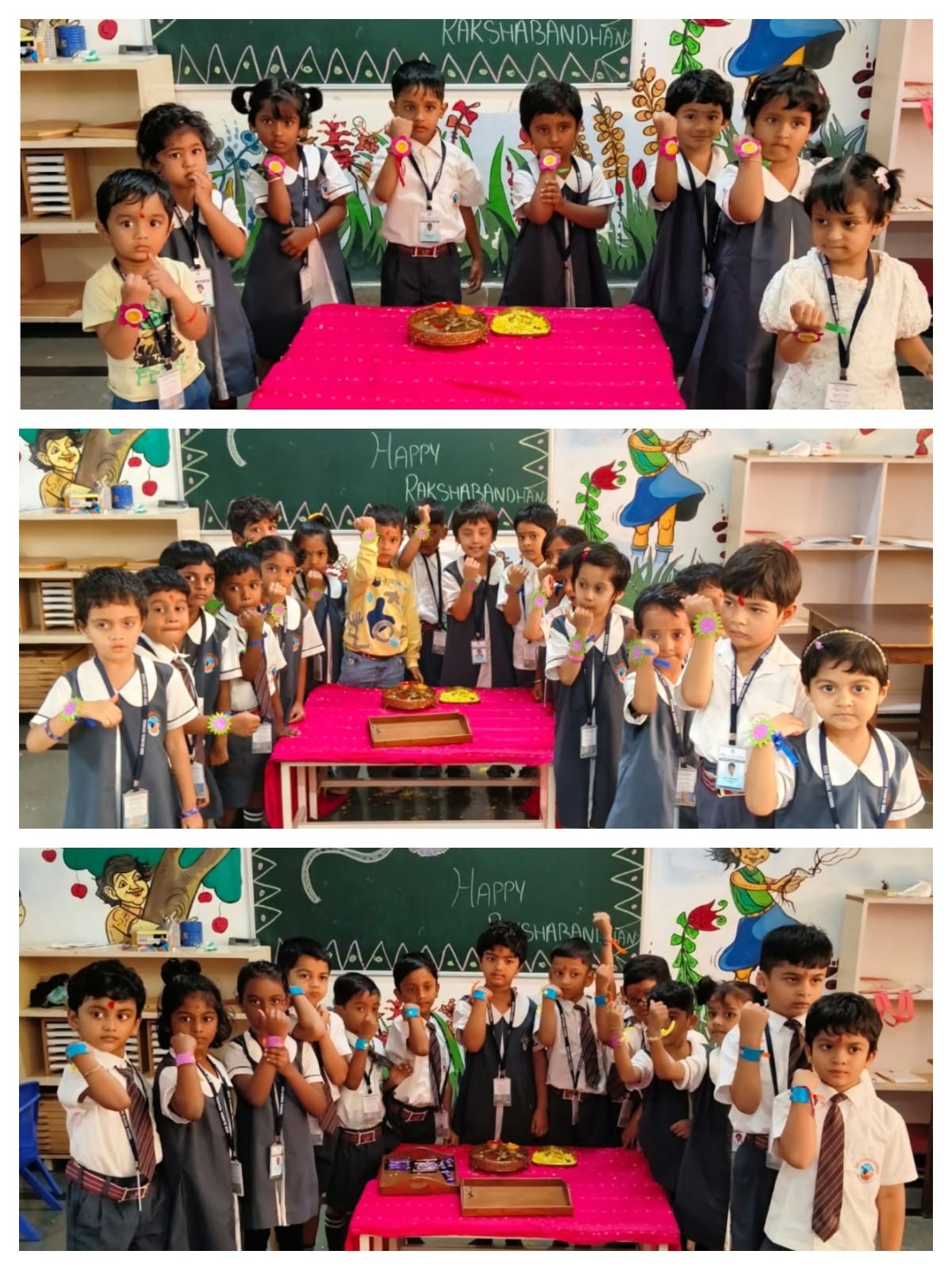
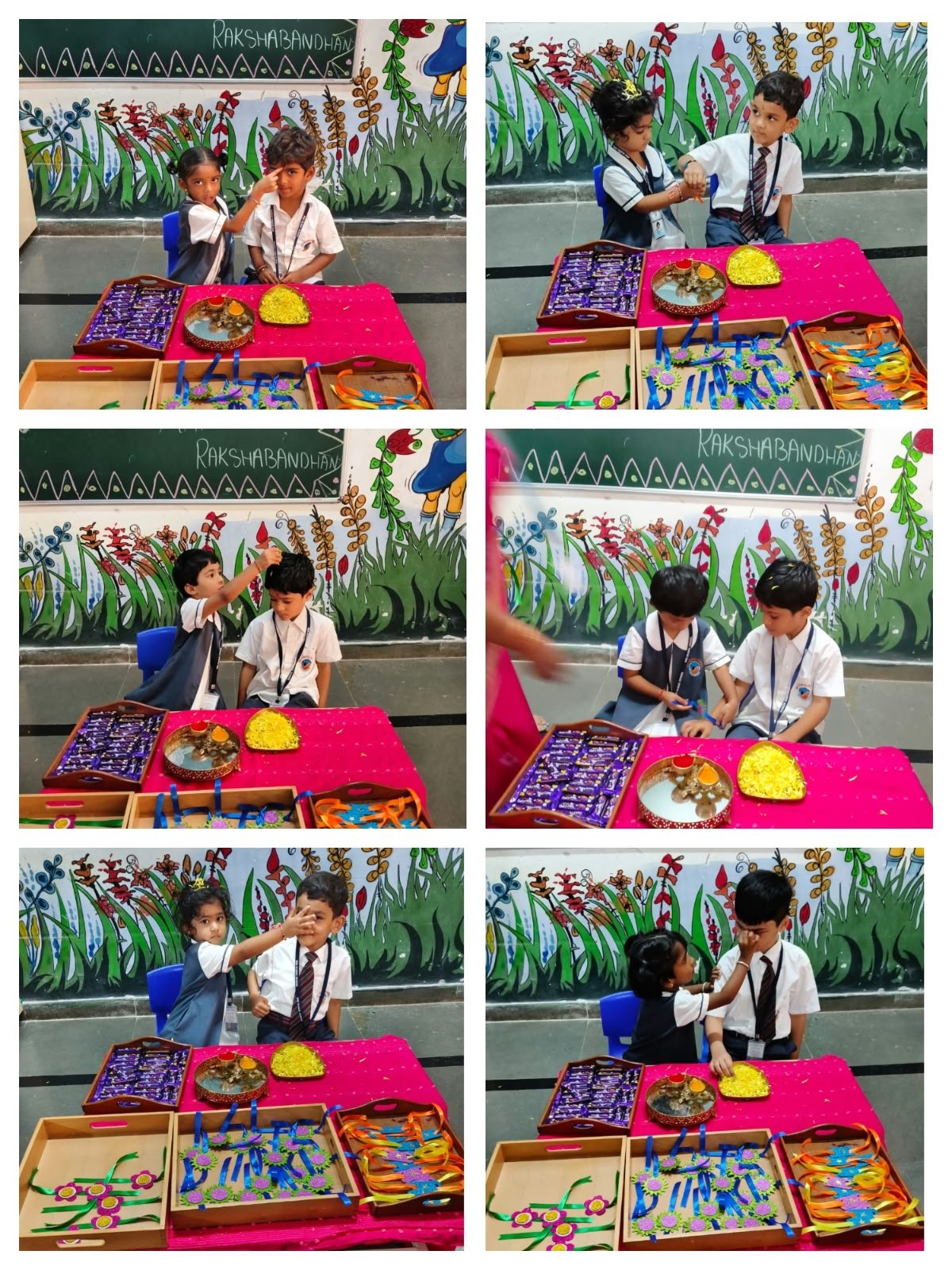
The children then participated enthusiastically in tying Rakhis to each other. This created an interactive atmosphere in which they could exchange smiles, warm wishes and positive gestures.
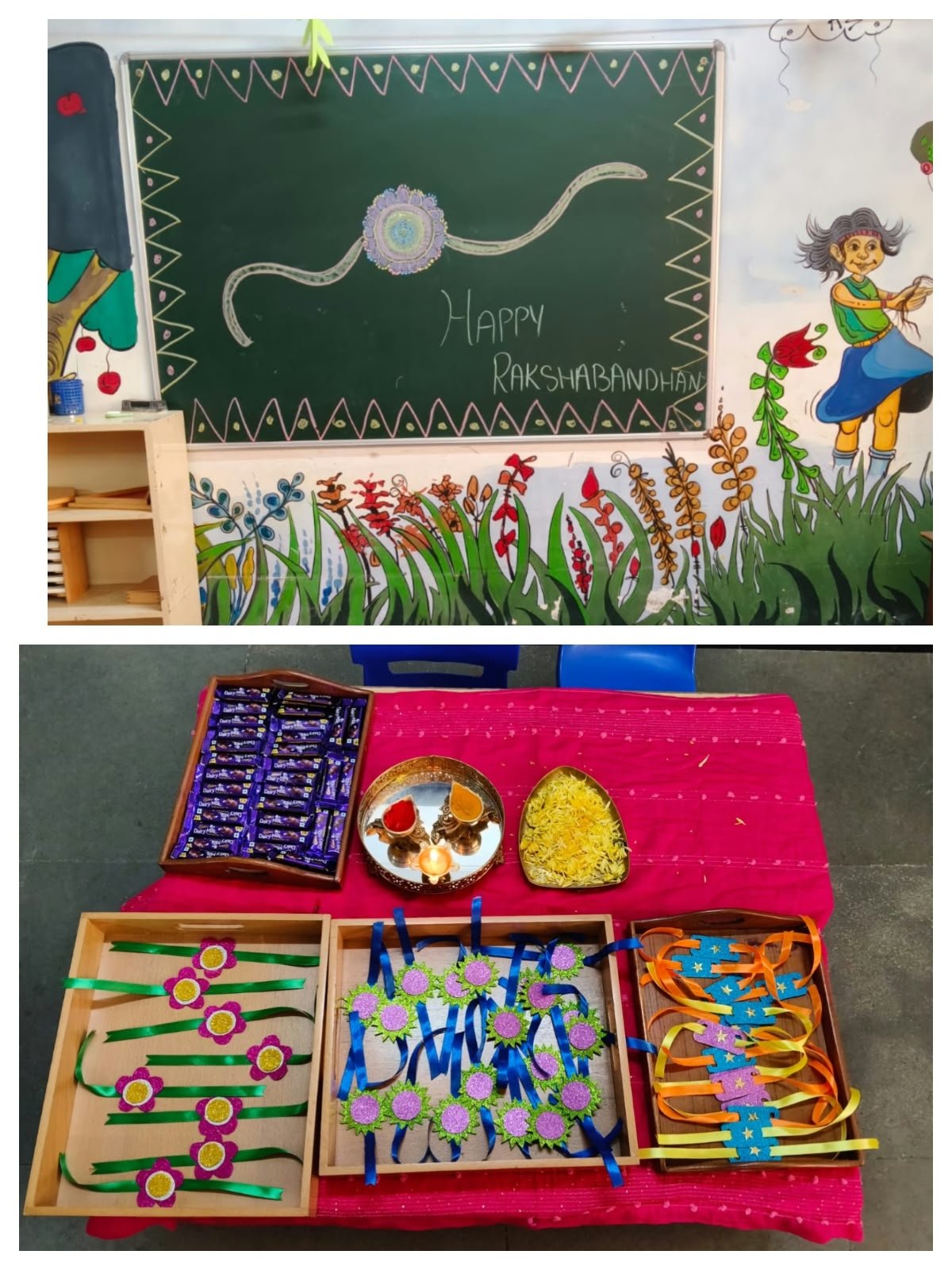
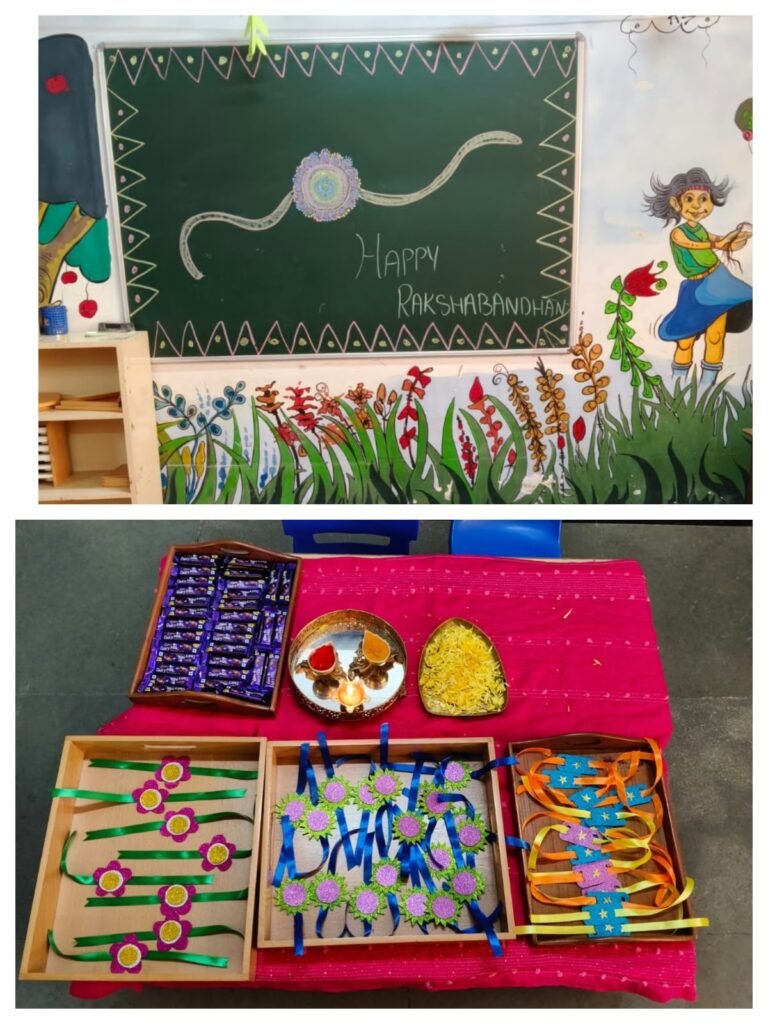
A creative classroom activity followed. The children made beautiful Rakhis using colourful craft materials, turning the celebration into a hands-on learning experience.
The Rakhi-making activity gave children an opportunity to select materials, explore colours and work with their hands while creating something connected to the day’s theme. The activity also added a personal element to the celebration because each child could participate in creating a Rakhi rather than simply observing one.
The combination of conversation, social participation and craft activity made the celebration both enjoyable and educational.
Student Learning Outcomes & Benefits
What did children learn from the Raksha Bandhan activity?
The central learning was not simply knowledge about a festival. Children were encouraged to understand and practise values such as caring, sharing, friendship, respect and affection while participating in an enjoyable classroom experience.
Understanding relationships and values
The teacher’s discussion helped children recognise the importance of caring relationships. Concepts such as love, respect and protection become more meaningful for young children when introduced through familiar cultural experiences.
Creativity through Rakhi-making
Creating Rakhis allowed children to explore colours, materials and designs. Open-ended craft experiences can provide children with opportunities to make choices and express their ideas visually.
Fine-motor development
Handling craft materials requires children to perform controlled hand and finger movements. Activities involving cutting, arranging, sticking, threading or decorating—depending on the materials provided—can support the development of fine-motor coordination.
Communication and social interaction
The celebration involved children interacting with their classmates, exchanging wishes and participating together. Such shared experiences create opportunities for listening, speaking, responding and communicating appropriately with peers.
Sharing and cooperation
A classroom celebration naturally creates situations where children share materials, space and attention. These simple interactions can help reinforce the importance of cooperation and consideration for others.
Emotional awareness
The theme of Raksha Bandhan provided an accessible way to discuss emotions and relationships. Children could connect the ideas of caring and affection with people who are important to them.
Cultural awareness
School celebrations can introduce children to Indian festivals and traditions in an age-appropriate manner. When cultural understanding is combined with discussion and participation, children experience the occasion as a learning opportunity rather than merely a ceremonial event.
Educational Philosophy / Institutional Value Alignment
The Raksha Bandhan celebration reflects an educational approach in which learning extends beyond textbooks and conventional classroom instruction.
CBSE‘s competency-based education framework emphasises learner-centred learning, meaningful experiences and the application of knowledge and skills. CBSE also highlights experiential and active learning as important approaches for developing competencies.
Similarly, the Ministry of Education’s material on experiential learning describes the approach as supporting holistic development across cognitive, affective and psychomotor domains, with opportunities for hands-on learning, communication, creativity and reflection.
The Rakhi-making activity naturally brought several of these elements together. Children experienced, created, interacted and communicated rather than simply receiving information.
The educational value therefore lies in the combination of:
• Cultural understanding
• Teacher-guided discussion
• Hands-on creative activity
• Peer interaction
• Value education
• Expression and communication
• Social-emotional learning
This is particularly relevant in the early years, when children benefit from learning experiences that connect concepts with actions and familiar situations.
Why Does This Matter for Student Development?
How can a simple festival celebration contribute to holistic development?
A thoughtfully designed festival activity can support multiple areas of development at the same time. A child may listen to an explanation, communicate with peers, handle craft materials, make creative choices and practise values such as sharing and caring within a single classroom experience.
Holistic development does not mean adding more academic content to every activity. It also involves creating opportunities for children to develop social, emotional, creative and practical capabilities alongside their academic foundations.
The CBSE curriculum recognises holistic development as encompassing physical, intellectual and social development and places importance on hands-on experiences rather than rote learning.
For parents, this means that a classroom activity such as Rakhi-making can have value beyond the finished craft. The process gives children opportunities to participate, make choices, interact and develop age-appropriate skills.
Local Context Relevance
The BRS Global School, Sarjapur Road campus is situated in a well-connected residential and educational corridor of Bengaluru. The surrounding communities include Sarjapur Road, Kasavanahalli, Bellandur, Harlur, HSR Layout, Kaikondrahalli, Carmelaram, Gunjur, Dommasandra, Varthur, Kodathi and Doddakannelli.
These neighbourhoods include many families seeking schools that combine academic learning with opportunities for creativity, communication and holistic development.
For parents exploring schools near Sarjapur Road, cultural celebrations and classroom activities can provide useful insight into how a school creates learning experiences beyond formal lessons. A school environment is shaped not only by its curriculum but also by how children are encouraged to participate, interact and develop values in everyday school life.
The Sarjapur Road campus is particularly relevant to families residing around Bellandur, Sarjapur Road, Hosa Road, Koramangala, HSR layout, Dommasandra, Kodathi, Gunjur, Varthur, Kaikondrahalli, Kasavanahalli, Carmelaram, Harlur, Rayasandra, Naganathapura, Doddakannelli, Kudlu Gate, A Krishnappa Nagar, Halnayakanahalli, Radha Reddy Layout, Chikkanayakanahalli, Huskur, KPC Layout, CSB Layout, Owners Court, Doddanagamangala, Doctors Layout, Shiva Reddy Layout, Meenakshi Layout, Chikbellandur, Sompura Gate, Muthannalur Cross, Gunjur to Dommasandra Road, Mullur, Amrita Engineering College Road Kasavanahalli, Amrita Nagar, Serenity Layout, Spring Fields, Iblur, Marathahalli, Shobha Apartments, Choodasandra, Junnasandra, Rayasandra and nearby communities.
BRS Global School, Sarjapur Road Campus
Important branch distinction: BRS Global School also has an Attibele branch, serving communities around Attibele and nearby areas. This Raksha Bandhan event page, however, is specifically focused on the Sarjapur Road campus.
Common Parent Questions
How does a Raksha Bandhan activity support CBSE learning?
The activity supports the broader principles of experiential and competency-based learning by allowing children to learn through participation, interaction and hands-on creation. CBSE emphasises meaningful learning experiences, active engagement and the development of competencies.
Does Rakhi-making have educational value?
Yes. When appropriately designed, Rakhi-making can provide opportunities for creative expression, fine-motor practice, following instructions, making choices and interacting with peers.
How can festival celebrations improve children’s confidence?
Participating in a group activity allows children to contribute, communicate and display their creations. Completing a craft and sharing it with others can also give children a sense of participation and accomplishment.
What social skills can children develop through such activities?
Children can practise sharing materials, cooperating with classmates, communicating, waiting for turns, appreciating others’ creations and expressing positive wishes.
Why should parents value experiential activities?
Experiential activities allow children to connect ideas with direct experiences. CBSE’s competency-based approach places emphasis on active, meaningful and real-world learning rather than relying exclusively on rote learning.
Which students benefit most from this type of activity?
Young learners particularly benefit from age-appropriate activities that combine conversation, creativity, movement, social interaction and hands-on exploration. Such experiences can address several developmental areas within one engaging activity.
Key Highlights
• Raksha Bandhan celebrated on 1 September 2026
• Teacher-led discussion on the significance of the festival
• Focus on love, care, respect and protection
• Students tied Rakhis to one another
• Children exchanged smiles and warm wishes
• Students created colourful Rakhis using craft materials
• Hands-on activity encouraged creativity
• Classroom interaction promoted sharing and cooperation
• Activity supported social-emotional and creative learning
• Cultural celebration was connected with meaningful classroom participation
Frequently Asked Questions (FAQs)
What is Raksha Bandhan and why is it celebrated in schools?
Raksha Bandhan is an Indian festival associated with the bond between siblings and the values of affection, care and respect. In schools, age-appropriate activities can help children understand these values while developing cultural awareness and social skills.
When was Raksha Bandhan celebrated at BRS Global School, Sarjapur Road?
The Raksha Bandhan celebration at the Sarjapur Road campus took place on 1 September 2026.
What activities were conducted during the celebration?
Children participated in a teacher-led discussion, tied Rakhis to one another, exchanged warm wishes and created colourful Rakhis using craft materials.
What did children learn from Rakhi-making?
The activity encouraged creative expression and hands-on participation while giving children opportunities to practise sharing, cooperation and careful handling of craft materials.
Is Raksha Bandhan only a cultural activity?
Not necessarily. When integrated thoughtfully into classroom learning, a cultural celebration can support value education, communication, creativity, social interaction and experiential learning.
How does experiential learning help young children?
Experiential learning allows children to learn through direct participation and meaningful experiences. CBSE identifies active and experiential learning as important approaches within competency-based education.
How does BRS Global School approach holistic learning?
At the Sarjapur Road campus, learning experiences can extend beyond conventional academic instruction through activities that encourage creativity, communication, participation, values and hands-on exploration.
Conclusion: Learning That Extends Beyond the Classroom
The Raksha Bandhan celebration at BRS Global School, Sarjapur Road , was a joyful example of how a cultural occasion can become a meaningful learning experience. Through teacher-led discussion, Rakhi tying and creative craft work, children explored important values such as love, respect, friendship, sharing and caring.
The experience also demonstrated the value of hands-on learning. Children were not simply told about the significance of Raksha Bandhan; they participated, created, communicated and interacted with their peers. This combination of cultural awareness, creativity and social learning supports the broader principles of holistic and experiential education recognised within the CBSE framework.
For parents looking for a CBSE school in Sarjapur Road that values both academic learning and the wider development of children, explore the Sarjapur Road campus and learn more about its learning environment and admissions opportunities.
Explore our Campus:
Attibele Branch:
https://share.google/iFhJaeGo8wkgOZ1Y5
Sarjapur Road Branch: