Introduction
Physics becomes more meaningful when students can see how a scientific principle works beyond the pages of a textbook. For students in Grades 9–12, exposure to experiments, research, engineering applications and contemporary innovation can help transform abstract concepts into ideas they can observe, question and apply.
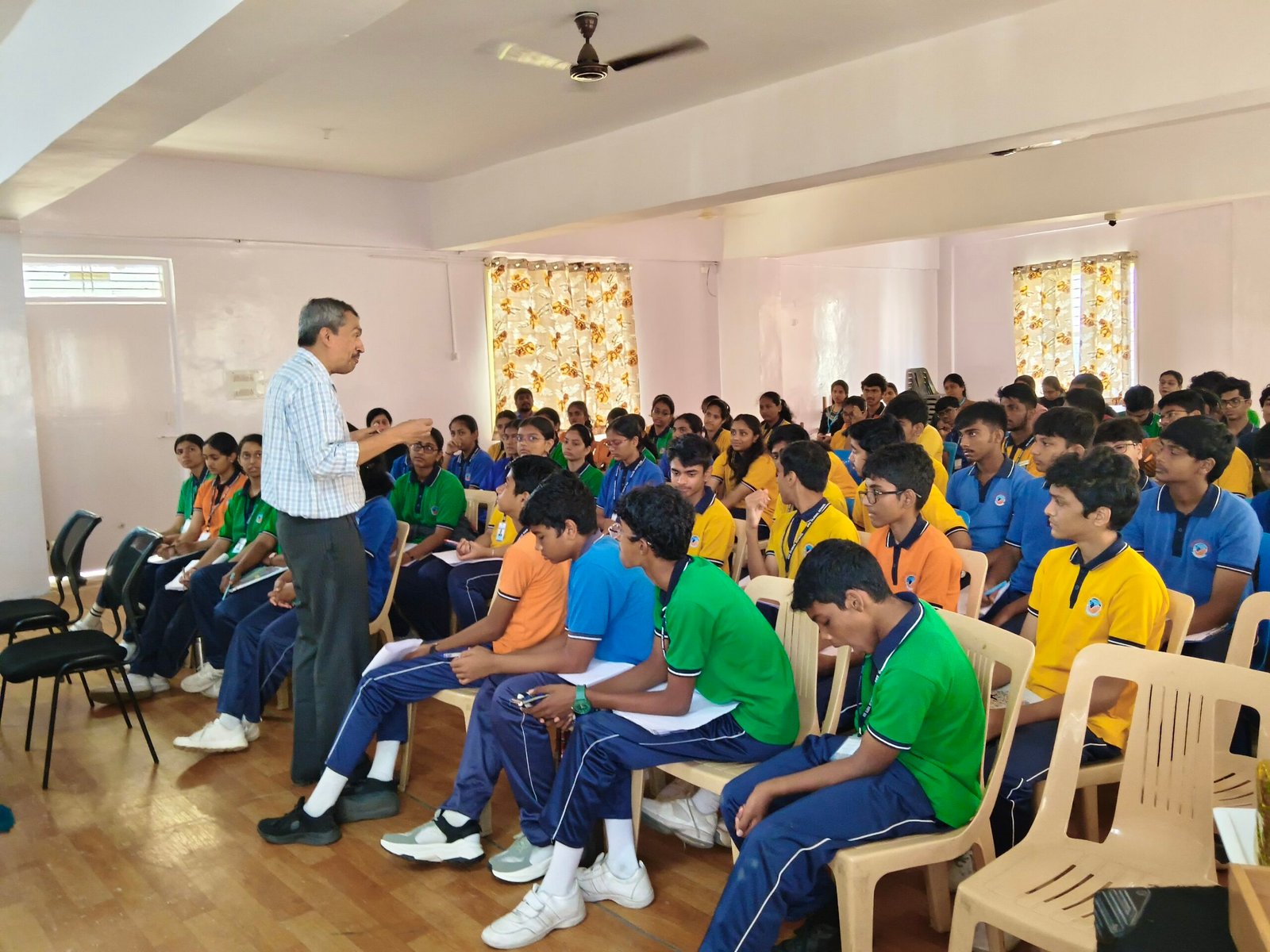
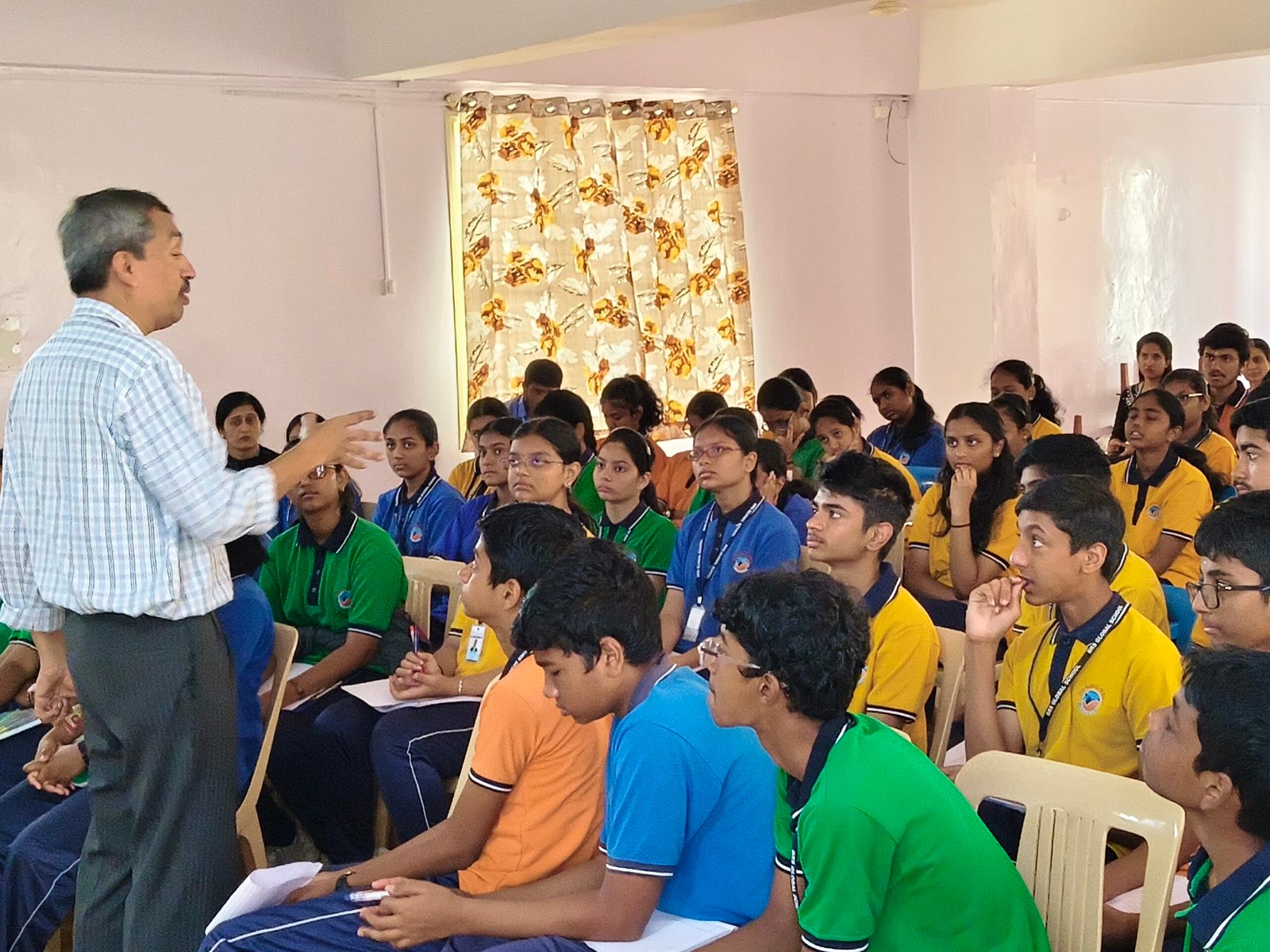
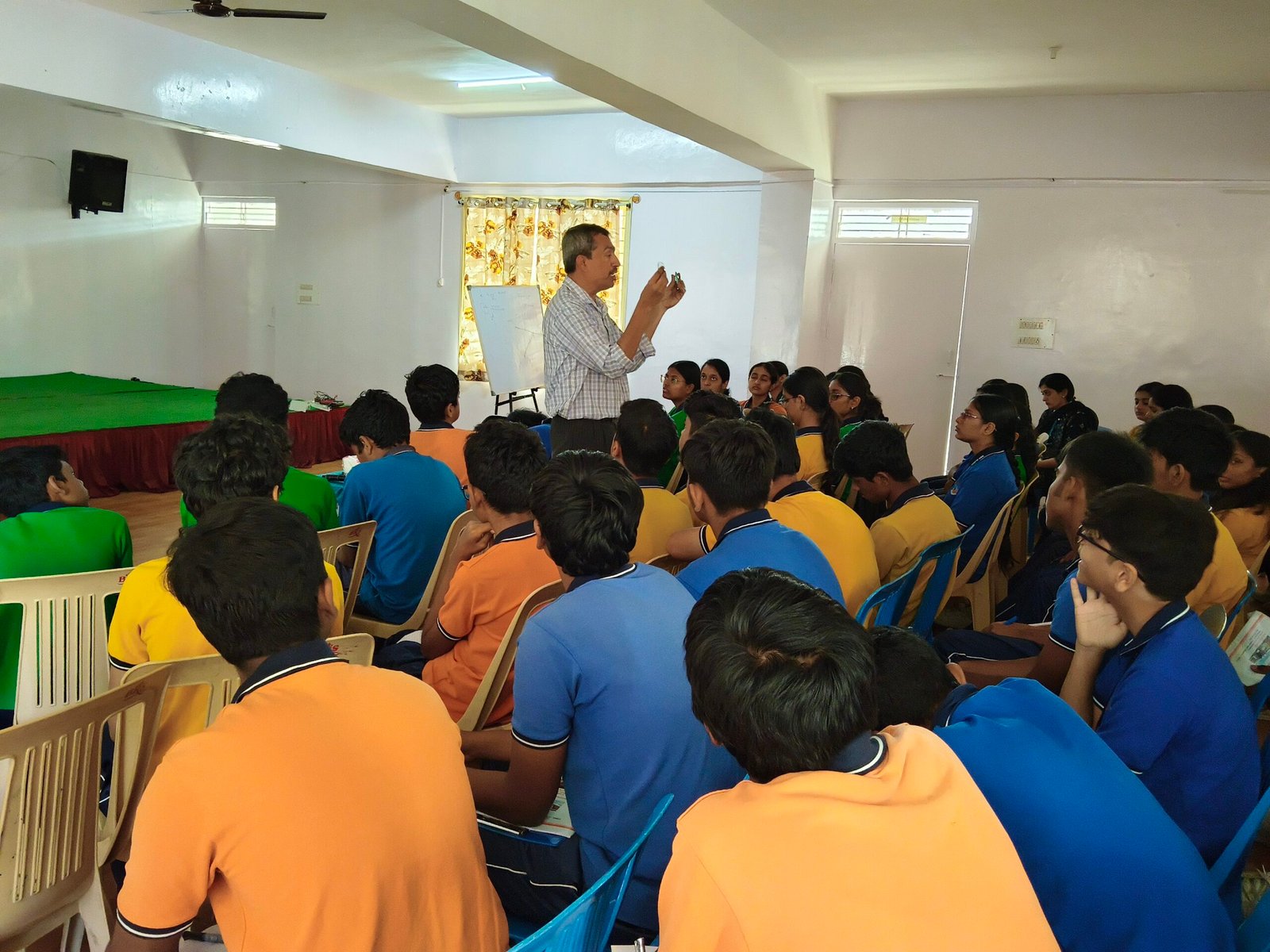
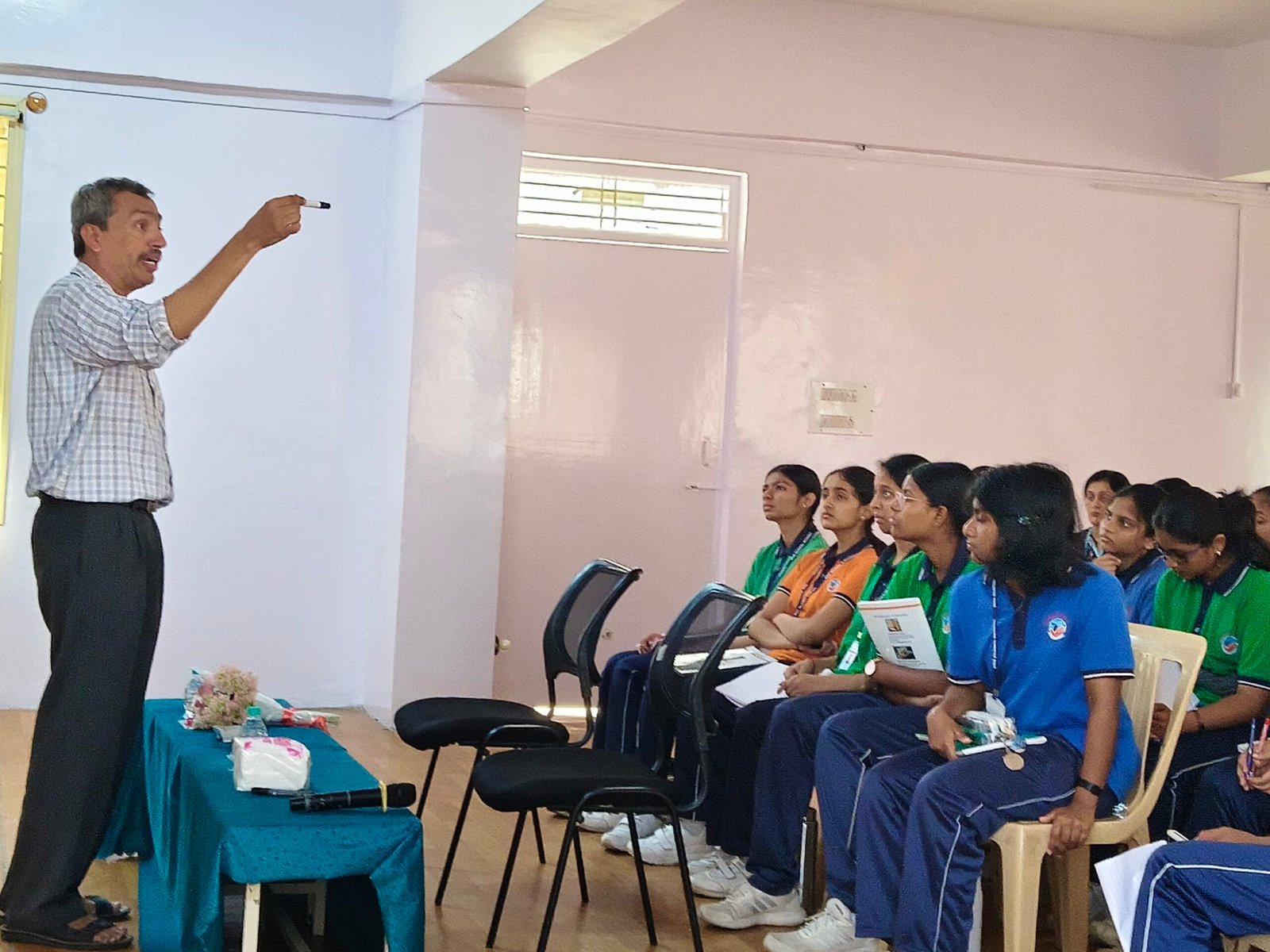
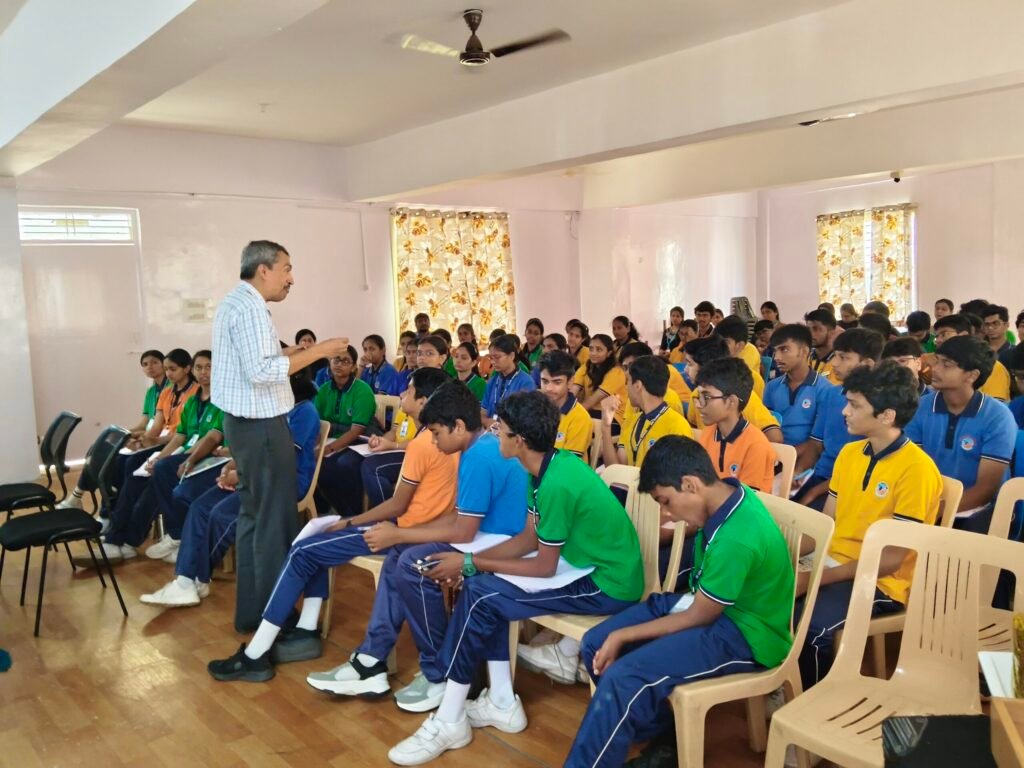
With this objective, BRS Global School | Best CBSE School in Sarjapur Road hosted a Physics Workshop for students of Grades 9–12 on 15 November. The session was led by Dr. Raveesha K. H., Professor and Head of the Department of Physics at CMR Institute of Technology (CMRIT), Bengaluru.
The workshop brought together fundamental physics, scientific history, experimentation and innovation. Rather than treating physics as a collection of formulas, the session encouraged students to consider a broader question: How do scientific principles help us understand problems, develop technologies and create solutions for the future?
This approach is particularly relevant for secondary and senior secondary learners who are beginning to connect academic subjects with higher education, research and career possibilities.
Event Overview
Event : Physics Workshop
Date : 15 November
Students : Grades 9–12
Expert : Dr. Raveesha K. H.
Designation : Professor & Head, Department of Physics
Institution : CMR Institute of Technology, Bengaluru
Key Theme : Physics, experimentation, innovation and real-world applications
Major Demonstration : Faraday’s Law and electromagnetic induction
Focus Areas : Scientific thinking, measurement, research, programming and innovation
The workshop complemented the school’s academic programme by giving students an opportunity to engage with physics from the perspective of an experienced higher-education academic and researcher.
CMRIT’s Department of Physics describes its academic and research environment as encompassing areas such as thin-film solar cells, nanomaterials, nuclear physics and astrophysics, while its department also conducts engineering physics teaching and research activities.
What Happened During the Event?
How was Faraday’s Law demonstrated?
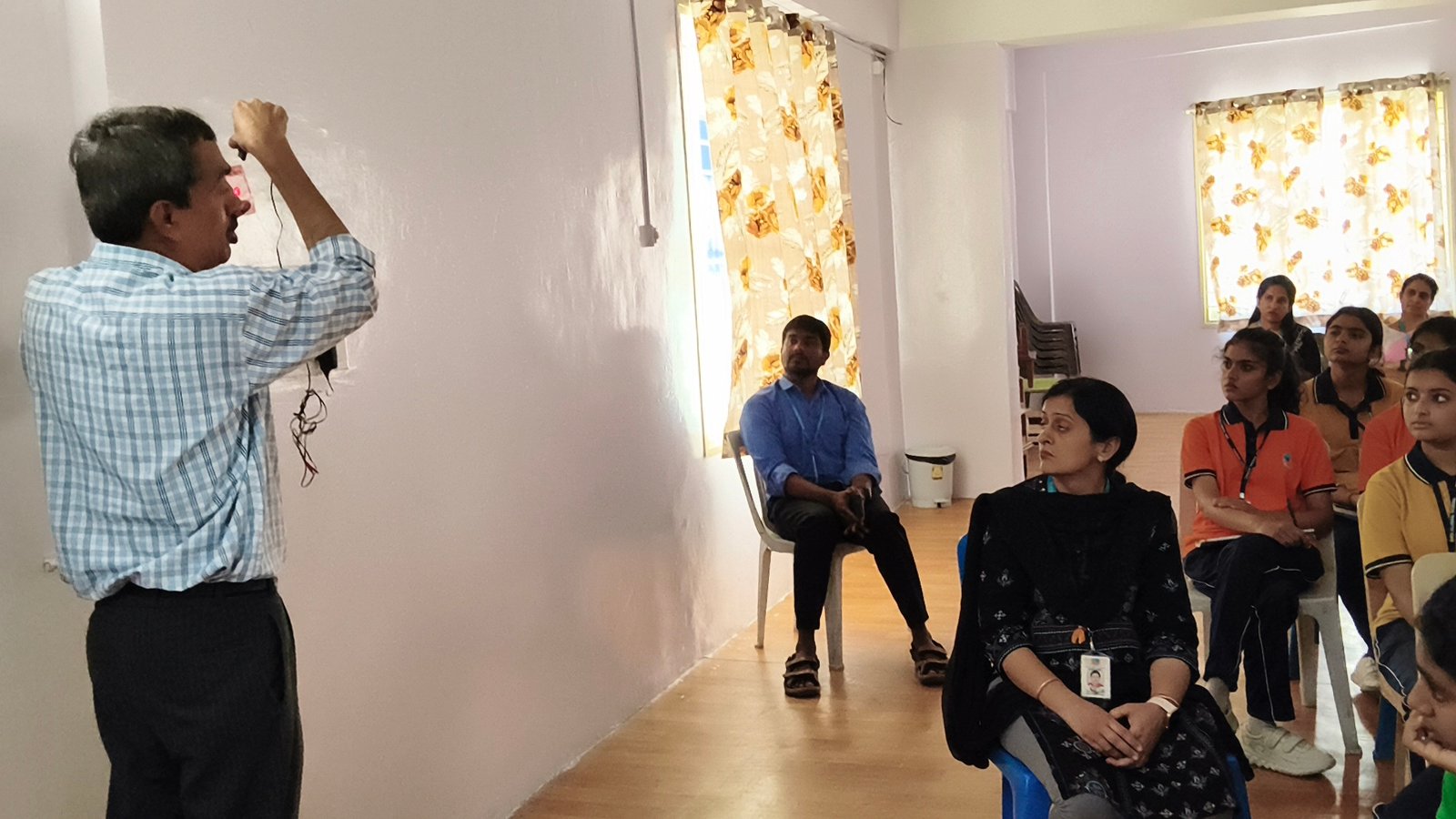
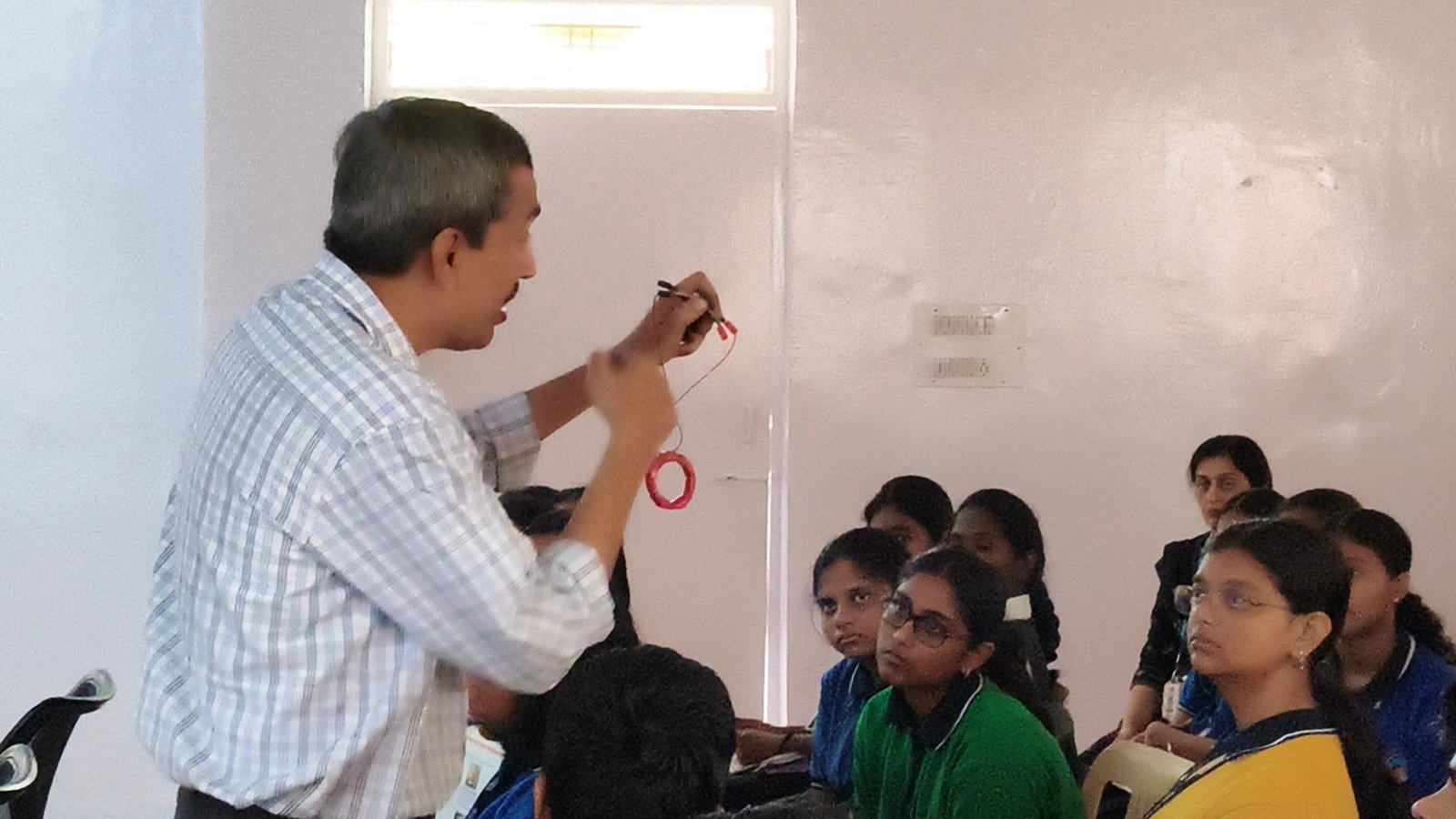
One of the central demonstrations focused on Faraday’s Law of electromagnetic induction. Dr. Raveesha used magnets and a galvanometer to demonstrate how electromagnetic induction can be observed through the generation of an electrical current.
For students, a demonstration of this kind provides a visual connection between a scientific principle and an observable phenomenon. Instead of encountering electromagnetic induction only as a theoretical concept, students could see how movement of a magnet and the resulting electromagnetic effect can be detected experimentally.
This also opened a wider discussion about the relationship between physics and electrical technologies.
Why is Faraday’s Law important?
Faraday’s Law explains the relationship between changing magnetic fields and induced electromotive force, forming an important foundation for understanding electromagnetic induction and technologies such as generators and transformers.
The broader significance of Faraday’s work is that fundamental scientific discoveries can eventually become foundations for technologies that influence everyday life.
What innovation was showcased to the students?
The workshop also highlighted an innovative project by a local student involving the generation of electricity from sewage water.
The example was particularly valuable because it demonstrated that scientific learning does not have to remain theoretical. Students were encouraged to view real-world environmental challenges as opportunities for research and innovation.
The project also reinforced an important message for young learners: innovation begins with identifying a problem, understanding its underlying scientific principles and exploring possible solutions.
For students considering engineering or scientific careers, examples of student-led innovation can make research and experimentation feel more accessible and achievable.
How did the workshop connect physics with scientific history?
The session also explored the contributions of Isaac Newton, Johannes Kepler and Albert Einstein and discussed how their discoveries influenced our understanding of the physical world.
The discussion helped students appreciate that scientific knowledge develops over time. Major discoveries often provide foundations for later research, technologies and new questions.
This historical perspective is important because it encourages students to see science as an evolving discipline rather than a finished collection of facts.
Student Learning Outcomes & Benefits
What skills did students develop?
The workshop placed emphasis on several skills that are valuable in both academic science and future STEM pathways.
Analytical Thinking
Students were encouraged to examine real-world situations using the principles of physics. This develops the habit of asking questions such as:
• What is happening?
• Why is it happening?
• Which scientific principle explains it?
• How could the problem be tested?
• Can the principle be used to create a solution?
This type of reasoning supports deeper scientific understanding.
Experimental Thinking
The demonstration of electromagnetic induction showed students the value of observation and experimentation.
A scientific concept becomes more powerful when learners can formulate a question, observe a phenomenon, collect information and interpret what they see.
Measurement and Research Skills
The session highlighted the importance of measurement, research experiments and systematic investigation. These are foundational skills for students who may later pursue physics, engineering, computer science, medicine, research or other STEM disciplines.
Programming and Technology Awareness
Students were also introduced to the relevance of programming tools in research and experimentation.
Modern scientific work increasingly involves the interaction of physics, mathematics, computing, data and engineering. Introducing this connection at school level can help students understand the interdisciplinary nature of contemporary STEM education.
Innovation and Problem-Solving
The student-led electricity-generation project provided an example of how scientific understanding can be applied to environmental and community problems.
The key message was simple: a scientific problem can become an opportunity for innovation when students learn to investigate it creatively and systematically.
Educational Philosophy / Institutional Value Alignment
A meaningful school education extends beyond memorising concepts for examinations. Students also need opportunities to observe, question, experiment and understand how knowledge is used outside the classroom.
This Physics Workshop reflects an experiential approach to science learning by bringing an external academic expert into conversation with school students.
For a CBSE learning environment, such experiences can complement classroom instruction by encouraging scientific inquiry, application of concepts and interdisciplinary thinking. CBSE’s current curriculum includes Science at the secondary level and Physics as a senior secondary academic elective, while its learning resources include frameworks for scientific literacy.
The workshop therefore provided an academic extension to students’ regular learning rather than functioning as a standalone motivational talk.
Why Does This Matter for Student Development?
How can a Physics Workshop support holistic development?
A physics workshop can contribute to holistic development by combining subject knowledge with observation, analytical reasoning, experimentation, communication, problem-solving and innovation.
For students in Grades 9–12, these abilities are especially relevant as they begin making decisions about subjects, higher education and future careers.
The value of the workshop was not limited to remembering Faraday’s Law or the names of famous scientists. Students were encouraged to think about how knowledge is created, tested and eventually transformed into useful applications.
That shift—from simply knowing a concept to understanding what can be done with it—is an important part of mature scientific learning.
Local Context Relevance
Why is this relevant for students in Sarjapur Road and surrounding Bengaluru communities?
Bengaluru is widely associated with technology, engineering, research, startups and innovation. Students growing up around the city’s technology and business ecosystem regularly encounter conversations about engineering, computing, scientific research and emerging technologies.
The BRS Global School | Best CBSE School in Sarjapur Road campus is situated in Kasavanahalli, making it accessible to families living across communities around Sarjapur Road and neighbouring areas such as Bellandur, HSR Layout, Harlur, Kaikondrahalli, Carmelaram, Dommasandra, Gunjur, Varthur and Kodathi.
For families exploring CBSE schools in Sarjapur Road, academic enrichment opportunities such as expert workshops can be an important part of understanding how classroom education is connected with broader learning experiences.
The surrounding region also includes major technology and business corridors, making STEM exposure particularly relevant to students whose families work in and around Bengaluru’s technology ecosystem.
Families searching for schools in Sarjapur Road , schools in Bellandur or CBSE schools around the Sarjapur Road–HSR Layout corridor may therefore find science-focused enrichment programmes relevant when evaluating a school’s overall academic environment.
For location and campus information, parents can explore the BRS Global School Sarjapur Road profile: BRS Global School | Sarjapur Road Campus.
Note: BRS Global School also has an Attibele branch, which is a separate campus. Families looking for schools in Attibele, Chandapura or Anekal can consider that campus separately; this Physics Workshop article specifically refers to the Sarjapur Road campus.
Common Parent Questions
How does a Physics Workshop support CBSE learning?
It supports CBSE learning by giving students opportunities to connect scientific concepts with observation, experimentation, analysis and real-world applications. These experiences can complement classroom learning in Science and Physics.
How can such workshops improve student confidence?
Interacting with an experienced academic and seeing scientific demonstrations can encourage students to ask questions and discuss ideas beyond the textbook. Exposure to real examples can also make complex concepts feel more approachable.
What skills were developed during the workshop?
Students were encouraged to develop analytical thinking, experimental thinking, measurement skills, research awareness, programming awareness, problem-solving and innovation-oriented thinking.
Why should parents value expert-led academic workshops?
Expert-led workshops expose students to perspectives from professionals and academics working beyond the school environment. They can help children understand how school subjects connect with higher education, research and real-world careers.
Which students benefit most from this type of activity?
Students in Grades 9–12 can particularly benefit because they are developing deeper subject knowledge and beginning to consider higher education and career pathways. The experience can be especially useful for learners interested in science, engineering, technology and research.
Does experiential learning replace classroom teaching?
No. Experiential learning complements classroom instruction. Demonstrations and workshops provide additional contexts in which students can observe and apply concepts they encounter through their academic curriculum.
Key Highlights
• Physics Workshop conducted for Grades 9–12.
• Session led by Dr. Raveesha K. H., Professor & HOD, Department of Physics, CMR Institute of Technology.
• Demonstration of Faraday’s Law and electromagnetic induction.
• Magnets and a galvanometer were used to demonstrate induced current.
• Students explored the contributions of Newton, Kepler and Einstein.
• A student-led project involving electricity generation from sewage water was showcased.
• Discussion included measurement and research experiments.
• Students were introduced to the relevance of programming tools in research.
• The session encouraged analytical thinking and problem-solving.
• Innovation was presented as a practical application of scientific learning.
Frequently Asked Questions (FAQs)
Who conducted the Physics Workshop at BRS Global School?
The workshop was conducted by Dr. Raveesha K. H., Professor and Head of the Department of Physics at CMR Institute of Technology, Bengaluru. CMRIT’s official faculty and department pages confirm his role as Professor & HOD of Physics.
Which grades participated in the Physics Workshop?
Students from Grades 9 to 12 participated in the workshop.
What physics concept was demonstrated?
The workshop demonstrated Faraday’s Law of electromagnetic induction using magnets and a galvanometer to help students observe induced current.
How does experiential physics learning benefit students?
Experiential learning allows students to connect theoretical concepts with observable phenomena. It can strengthen understanding while encouraging questioning, analysis, experimentation and application.
What innovation was showcased during the session?
Students were introduced to a patented project by a local student involving the generation of electricity from sewage water, demonstrating how scientific thinking can be applied to environmental challenges.
How does the workshop support students interested in engineering?
The workshop demonstrated connections between physics, experimentation, technology, research and innovation. These areas are relevant to students exploring engineering and other STEM-related higher-education pathways.
Where is BRS Global School’s Sarjapur Road campus located?
The Sarjapur Road campus is located in Kasavanahalli, Bengaluru, serving families from Sarjapur Road and nearby communities including Bellandur, HSR Layout, Harlur, Carmelaram, Kaikondrahalli, Dommasandra and Gunjur.
Conclusion
The Physics Workshop at BRS Global School, Sarjapur Road gave students in Grades 9–12 an opportunity to experience physics through demonstrations, scientific history, research, innovation and real-world applications. From Faraday’s Law to student-led environmental innovation, the session encouraged learners to look beyond memorisation and consider how scientific knowledge can be applied to meaningful problems.
For parents evaluating CBSE schools in Sarjapur Road, academic enrichment is one part of understanding the learning environment a school provides. Experiences that connect classroom concepts with experts, experiments and contemporary applications can help students develop curiosity, analytical thinking and a stronger appreciation of STEM disciplines.
Parents interested in exploring the academic environment and admissions at BRS Global School Sarjapur Road can connect with the campus to learn more about the school and its programmes.
Explore our Campus:
Attibele Branch
https://share.google/iFhJaeGo8wkgOZ1Y5
Sarjapur Road Branch: