
Introduction – Preparing Students for a Digitally Connected World
Digital technology has become an integral part of education, communication and everyday life. From accessing online learning resources to using artificial intelligence tools, students increasingly interact with digital platforms as part of their academic journey.
However, being familiar with technology is not the same as being digitally literate. Students also need to understand online safety, privacy, responsible communication, information credibility and the long-term impact of their digital activities.
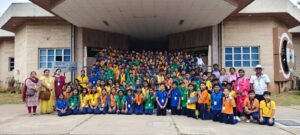
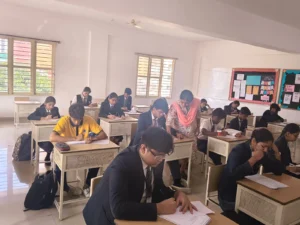
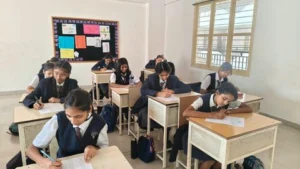
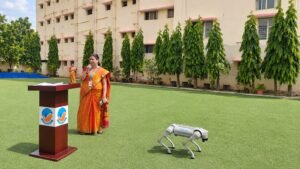
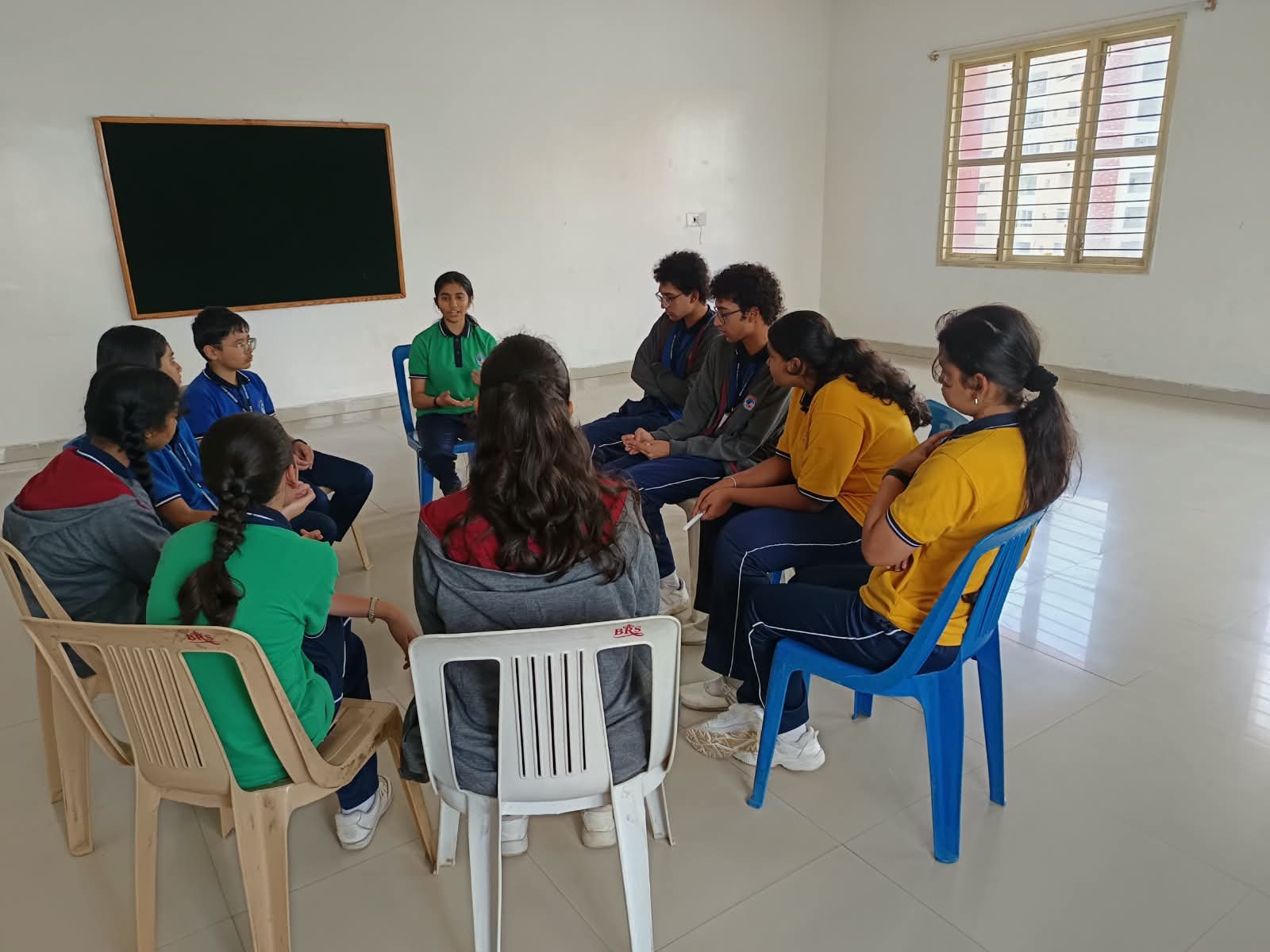
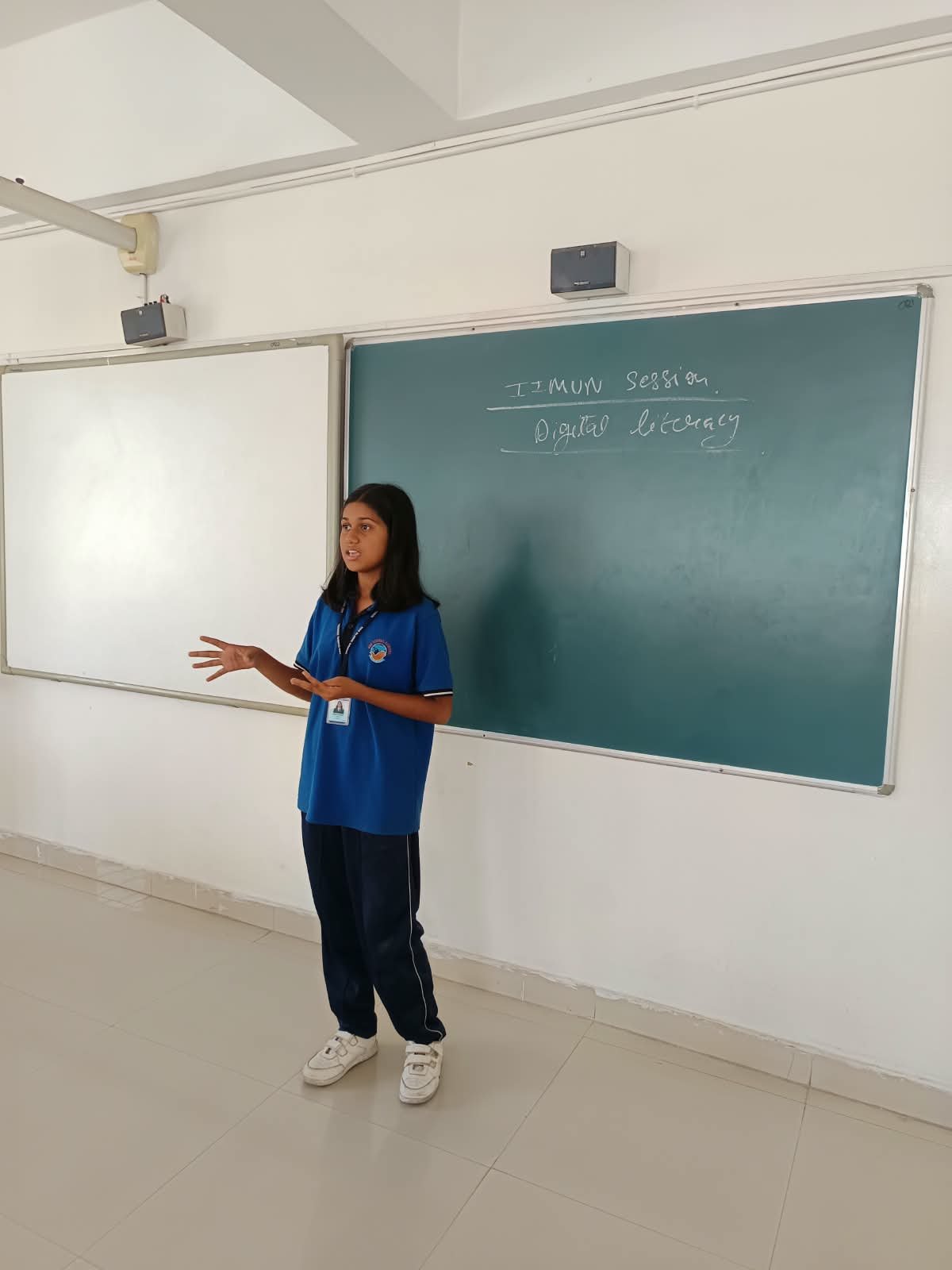
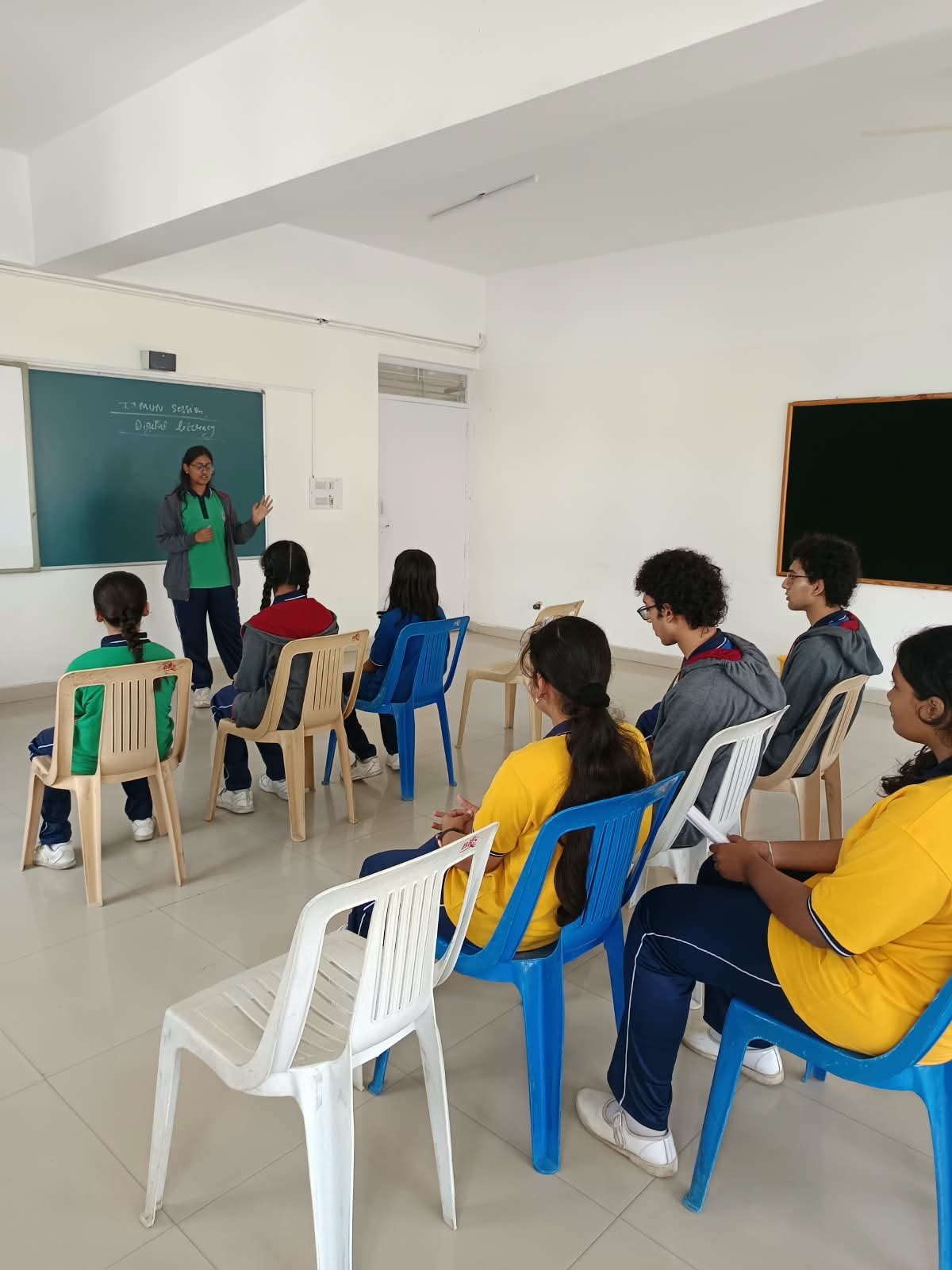
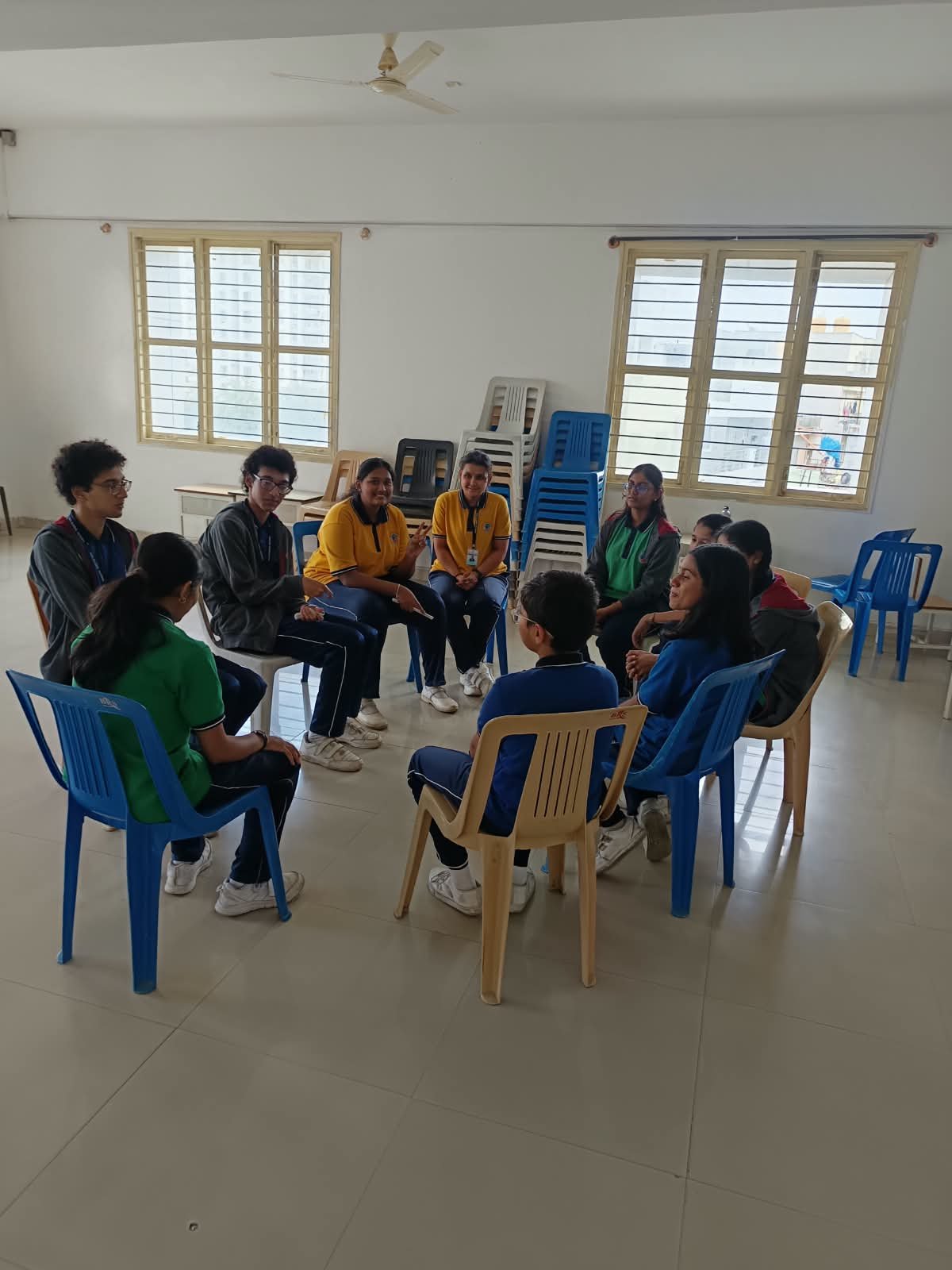
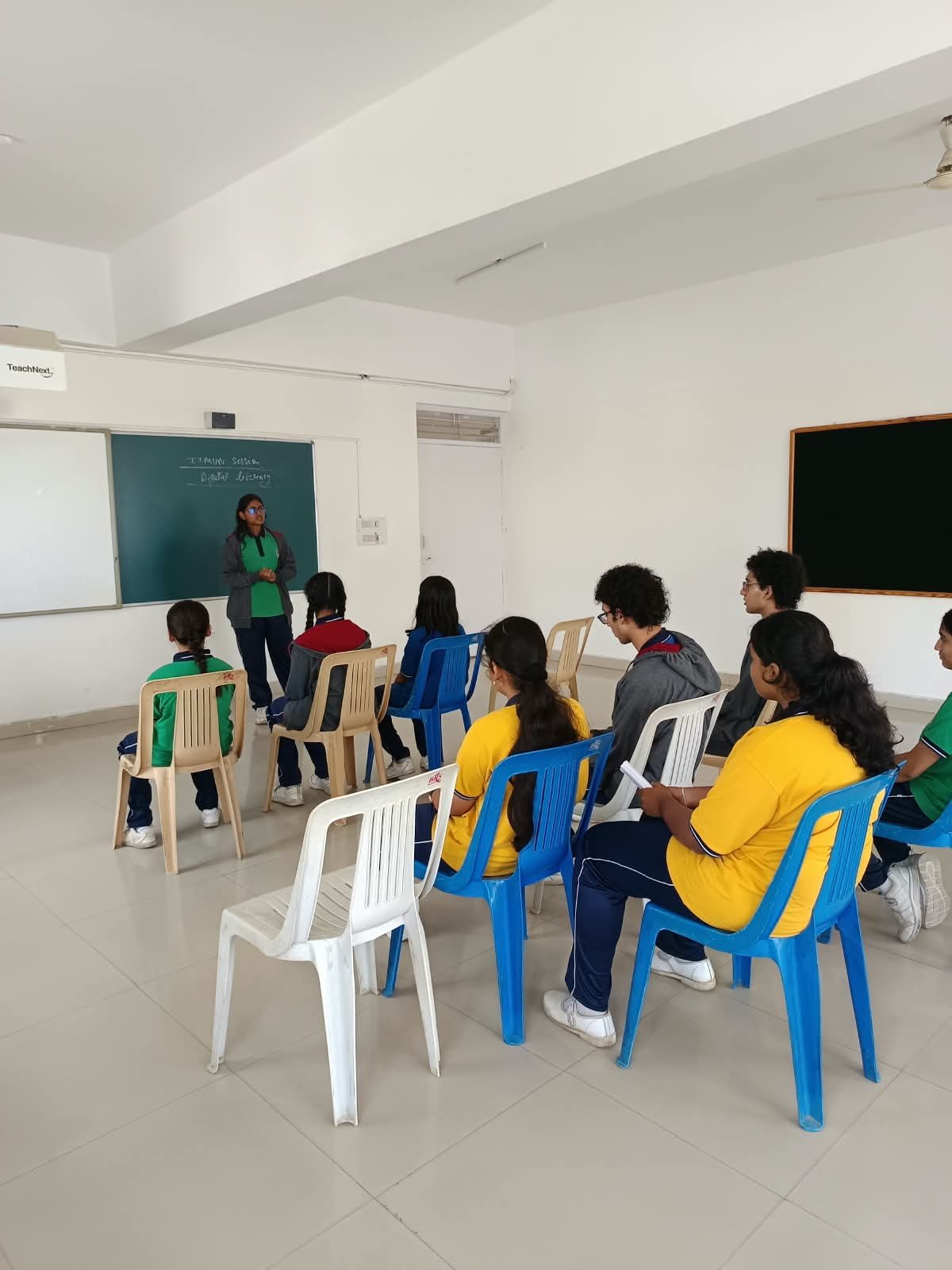
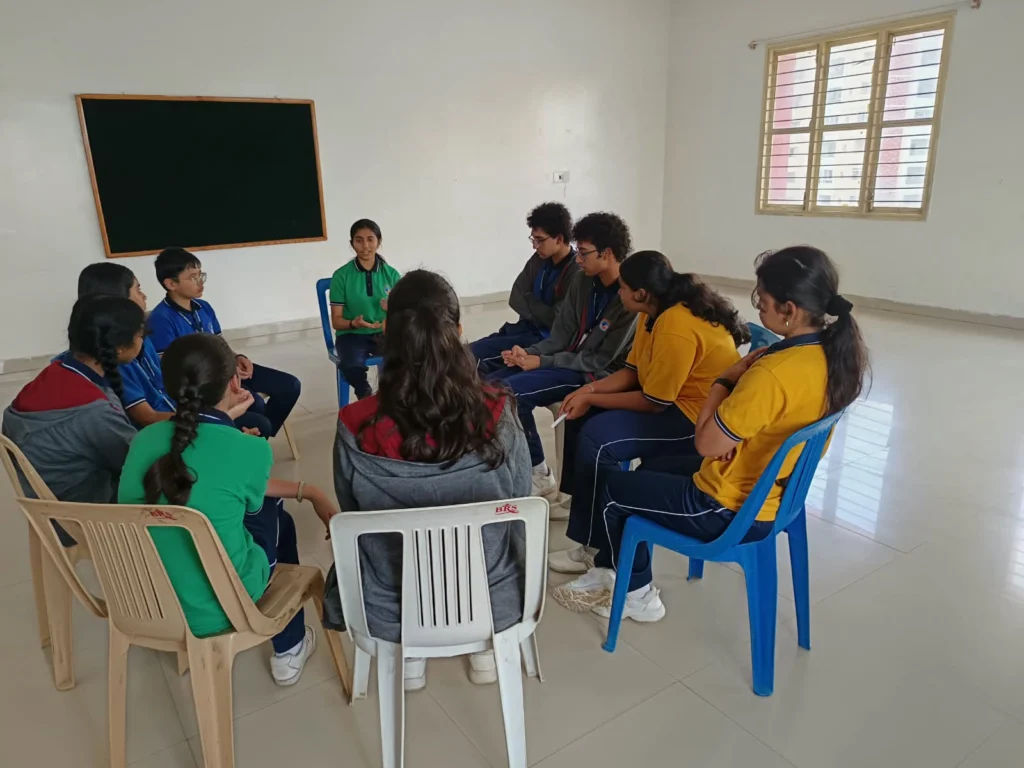
Recognising the importance of these skills, the IIMUN Club at BRS Global School, Sarjapur Road Campus, Kasavanahalli, organised an informative and interactive Digital Literacy Session on 7 November 2026.
Conducted under the guidance of Club Coordinator Ms. Mahima Sharma, the session encouraged students to examine their relationship with digital platforms and understand the importance of responsible participation in the online world.
The programme also introduced students to important discussions surrounding artificial intelligence, particularly its role in academic work and homework.
For parents exploring schools in Sarjapur Road, such learning experiences highlight the importance of developing not only academic knowledge but also the awareness and judgement students need to navigate an increasingly technology-driven society.
Event Overview – IIMUN Club Digital Literacy Session
The IIMUN Club organised the session to introduce students to essential aspects of digital citizenship and responsible technology use.
Event : IIMUN Club Activity
Topic : Digital Literacy
Date : 7 November 2026
Venue : BRS Global School, Kasavanahalli
Campus : Sarjapur Road Campus
Club Coordinator : Ms. Mahima Sharma
Key Discussion : Responsible digital behaviour and AI usage
Activities : Public speaking, research, group discussions and debate
The session focused on helping students understand that every interaction with a digital platform involves responsibility. It encouraged them to think carefully about what they share online, how they communicate and how they evaluate information.
What Happened During the Digital Literacy Session?
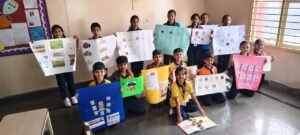
The programme combined interactive activities with discussions that encouraged students to participate, express their ideas and examine real-world digital situations.
Understanding Digital Footprints
A digital footprint refers to the trail of information a person leaves behind through online activities.
Students explored how activities such as posting photographs, commenting on social media, sharing information and interacting with websites contribute to their online identity.
The discussion introduced the importance of thinking before posting and understanding that digital actions may have lasting consequences.
Learning About Digital Privacy
Digital privacy focuses on protecting personal information when using online platforms and services.
Students were introduced to the importance of safeguarding personal details and understanding responsible digital interactions.
The discussion highlighted the need to be careful while sharing information online and to recognise the importance of privacy in a connected environment.
Understanding Digital Reputation
A digital reputation is the impression created by an individual’s online activities and interactions.
Students explored how online communication, shared content and digital behaviour can influence how others perceive them.
Understanding this concept encourages responsible communication and thoughtful participation across digital platforms.
Public Speaking and Group Discussions
Public speaking and group discussions gave students opportunities to express their opinions, listen to others and communicate their ideas.
These activities encouraged active participation and helped students consider different viewpoints.
They also provided an opportunity to practise confidence, clarity of expression and respectful communication.
Research and Information Exploration
Research activities encouraged students to explore topics, gather information and develop their understanding through inquiry.
Such experiences are particularly relevant in an age when information is widely available online and students need to distinguish useful information from unreliable content.
The Highlight of the Session – Debate on the Use of AI Tools in Homework
One of the key activities was an engaging debate on the topic:
“Use of AI Tools in Homework”
Artificial intelligence is increasingly influencing the way people learn, work and access information. Students are also becoming familiar with AI-powered tools that can assist with explanations, research and academic tasks.
The debate provided an opportunity for students to examine both the benefits and concerns associated with using AI tools in homework.
Students expressed their opinions, presented arguments and respectfully considered opposing viewpoints.
The discussion encouraged them to reflect on questions such as:
• Can AI tools help students understand difficult concepts?
• Should students depend entirely on AI-generated answers?
• How can AI be used as a learning support rather than a replacement for independent thinking?
• Why is it important to verify information obtained through AI tools?
• How can students maintain originality and academic responsibility?
The activity encouraged students to think beyond simple acceptance or rejection of technology.
Instead, it highlighted the importance of using digital tools thoughtfully, evaluating information and taking responsibility for one’s own learning.
This approach supports the development of independent thinking and responsible technology use.
Student Learning Outcomes – Skills Developed Through Digital Literacy
Digital literacy is not limited to learning how to operate digital devices. It also involves developing the awareness, judgement and communication skills needed to use technology responsibly.
The IIMUN Club session provided students with opportunities to strengthen several important competencies.
Critical Thinking
Students examined different perspectives on AI usage and digital behaviour, encouraging them to evaluate ideas before forming opinions.
Communication Skills
Public speaking and discussions encouraged students to express their thoughts clearly and communicate respectfully.
Research Skills
Students explored the importance of gathering information and developing an informed understanding of digital topics.
Teamwork and Collaboration
Group activities encouraged students to listen, exchange ideas and work constructively with others.
Digital Awareness
Discussions about digital footprints, privacy and reputation introduced students to important aspects of responsible online participation.
Independent Thinking
The debate encouraged students to develop their own viewpoints rather than simply accepting information presented by others.
These competencies contribute to students’ academic development and prepare them to participate thoughtfully in an increasingly connected world.
How Does Digital Literacy Support CBSE Learning?
Digital literacy complements classroom learning by encouraging students to apply knowledge, communicate ideas and evaluate information.
The session connected with broader educational competencies such as:
• Critical and analytical thinking.
• Communication and language development.
• Research and information evaluation.
• Collaborative learning.
• Responsible use of technology.
• Independent learning and decision-making.
These competencies are relevant to the broader educational emphasis on experiential learning, competency development and the responsible integration of technology.
For students following the CBSE curriculum, such experiences provide opportunities to connect classroom understanding with contemporary issues.
The session also reflects the importance of preparing learners to engage with emerging technologies while maintaining academic responsibility and independent judgement.
The Educational Value of Student-Led Activities
Learning becomes more meaningful when students have opportunities to participate rather than simply receive information.
Activities such as debates, presentations, research exercises and group discussions allow learners to explore subjects from different perspectives.
The IIMUN Club Digital Literacy Session created opportunities for students to engage with an important contemporary topic through active participation.
This approach supports an educational environment where students are encouraged to:
• Ask questions and explore ideas.
• Present arguments with clarity.
• Listen to different perspectives.
• Develop informed opinions.
• Work collaboratively.
• Reflect on their responsibilities.
Such activities complement academic instruction and contribute to the development of confident, thoughtful and responsible individuals.
Why Is Digital Literacy Important for Holistic Student Development?
Holistic development involves nurturing different aspects of a student’s growth, including intellectual, social, emotional and communication abilities.
Digital literacy contributes to this development by helping students understand the opportunities and responsibilities associated with technology.
For example, understanding digital privacy encourages caution while sharing personal information. Learning about digital reputation introduces students to the importance of responsible online behaviour. Participating in debates develops communication and reasoning skills.
These experiences help students connect their knowledge with practical situations.
For parents evaluating schools near Sarjapur Road, it is worth considering how a school provides opportunities for students to develop these competencies alongside regular academic learning.
At BRS Global School, Sarjapur Road Campus, student participation in club activities, discussions, educational programmes and collaborative experiences forms part of the wider learning environment.
BRS Global School – Supporting Learning Beyond the Classroom
Established in 2008, BRS Global School, Sarjapur Road Campus in Kasavanahalli offers a CBSE-affiliated educational journey from Montessori to Grade XII.
The school’s educational approach includes opportunities for academic learning, co-curricular participation, technology exposure and skill development.
Students are encouraged to participate in activities that complement classroom instruction and provide opportunities to discover their interests.
The wider learning environment includes:
• CBSE curriculum with an emphasis on conceptual understanding.
• Montessori and Kindergarten blended learning.
• Technology-supported learning through Swadhyayan and the Entrar ERP platform.
• Cambridge English programmes.
• Robotics and AI learning opportunities.
• Academic clubs, competitions and student presentations.
• Sports and physical development activities.
• Educational visits and experiential learning programmes.
Through these experiences, students have opportunities to develop knowledge, confidence, communication skills and an appreciation of responsible participation.
Why Does This Matter for Parents Exploring Schools in Sarjapur Road?
Choosing a school involves understanding how children will learn, participate and develop throughout their educational journey.
Parents often consider several factors beyond academic performance, including opportunities for communication, technology exposure, extracurricular participation and the development of practical life skills.
The IIMUN Club Digital Literacy Session illustrates how a contemporary topic can be introduced through interactive learning.
Rather than limiting the discussion to theoretical information, students were encouraged to express opinions, conduct research and engage with different perspectives.
For families exploring CBSE schools in Sarjapur Road, Bellandur, Harlur, HSR Layout and nearby communities, such activities offer an insight into the importance of providing students with opportunities to learn beyond textbooks.
The focus is on helping children develop the knowledge, awareness and skills required for their future academic and personal journeys.
Local Context – BRS Global School, Kasavanahalli, Sarjapur Road
BRS Global School, Sarjapur Road Campus is located in Kasavanahalli, Bengaluru, making it an option for families exploring schools near Sarjapur Road and the surrounding residential communities.
The campus serves families from neighbourhoods including:
• Sarjapur Road and Kasavanahalli.
• Bellandur and Kaikondrahalli.
• Harlur and Haralur Road.
• HSR Layout and Kudlu Gate.
• Carmelaram and Junnasandra.
• Gunjur and Varthur.
• Dommasandra and Kodathi.
• Hosa Road and Electronic City.
• Rayasandra and Choodasandra.
• Marathahalli and Panathur.
• School transport services are also available to several surrounding areas.
Its location is relevant for families living in residential communities and gated apartment complexes across the Sarjapur Road–Bellandur corridor, as well as working professionals connected to nearby technology hubs.
Parents interested in understanding the campus, educational programmes and admission process can visit the Sarjapur Road Google Business Profile:
BRS Global School – Sarjapur Road Campus: https://share.google/2oEno2EtFtY7eyP2B
Branch distinction: BRS Global School also operates a separate campus at Attibele, which serves families in that area. The Attibele campus has its own Google Business Profile:
https://share.google/iFhJaeGo8wkgOZ1Y5
This article and the event discussed above specifically relate to the Sarjapur Road Campus in Kasavanahalli.
Common Parent Questions About Digital Literacy
How does digital literacy help school students?
Digital literacy helps students understand how to access, evaluate and use digital information responsibly. It introduces important concepts such as online privacy, digital footprints, digital reputation and responsible communication.
Why should students learn about digital footprints?
Students need to understand that their online activities contribute to their digital identity. Awareness of digital footprints encourages them to think carefully before posting, sharing or interacting online.
Why is digital privacy important for children?
Digital privacy helps students understand the importance of protecting personal information, avoiding unnecessary sharing and recognising potential risks associated with online platforms.
How can debates improve students’ communication skills?
Debates provide opportunities for students to organise their thoughts, present arguments, listen to opposing viewpoints and communicate respectfully. They also encourage reasoning and confidence.
Should students use AI tools for homework?
AI tools can support learning by helping students explore concepts, understand explanations and generate ideas. However, students should use them responsibly, verify information and complete their academic work with independent thinking and originality.
How do club activities support holistic development?
Club activities provide opportunities for students to explore interests, collaborate with peers, communicate ideas and develop leadership, research and problem-solving skills.
Key Highlights of the IIMUN Club Digital Literacy Session
• Event: IIMUN Club Digital Literacy Session.
• Date: 7 November 2026.
• Venue: BRS Global School, Kasavanahalli, Sarjapur Road.
• Guidance: Club Coordinator Ms. Mahima Sharma.
• Focus: Digital literacy and responsible technology use.
• Key concepts: Digital Footprint, Digital Privacy and Digital Reputation.
• Activities: Ice-breaking, public speaking, research and group discussions.
• Special activity: Debate on the use of AI tools in homework.
• Skills encouraged: Critical thinking, communication, research and teamwork.
Frequently Asked Questions (FAQs)
What is the IIMUN Club at BRS Global School?
The IIMUN Club provides opportunities for students to participate in discussions and activities that encourage communication, research, public speaking and awareness of contemporary topics.
When was the Digital Literacy Session conducted?
The IIMUN Club Digital Literacy Session was conducted on 7 November 2026 at BRS Global School, Kasavanahalli.
Who guided the Digital Literacy Session?
The session was conducted under the guidance of Club Coordinator Ms. Mahima Sharma.
What is the difference between digital literacy and digital safety?
Digital literacy involves understanding and using digital information and technology effectively. Digital safety focuses on protecting personal information, privacy and well-being while interacting online.
What is a digital reputation?
Digital reputation refers to the impression created by a person’s online activities, communication and shared content.
How does AI awareness benefit students?
AI awareness helps students understand the capabilities and limitations of artificial intelligence, evaluate AI-generated information and use AI tools responsibly in their learning.
Where is BRS Global School – Sarjapur Road Campus located?
BRS Global School, Sarjapur Road Campus is located in Kasavanahalli, Bengaluru. It offers CBSE-affiliated education from Montessori to Grade XII and serves families from Sarjapur Road, Bellandur, Harlur, HSR Layout and other nearby communities.
Conclusion – Encouraging Responsible Digital Citizens
Digital literacy is an important part of preparing students for an increasingly connected world. Understanding online privacy, digital footprints, reputation and responsible AI usage helps young learners make informed decisions when interacting with technology.
The IIMUN Club Digital Literacy Session at BRS Global School, Sarjapur Road Campus provided students with opportunities to explore these subjects through discussions, research, public speaking and debate.
By encouraging students to question, communicate, evaluate information and consider different perspectives, such experiences complement academic learning and support their development as responsible individuals.
For parents exploring CBSE schools in Sarjapur Road, BRS Global School offers an educational environment where academic learning is complemented by co-curricular activities, technology exposure and opportunities for personal development.
Explore our Campus:
Attibele Branch:
https://share.google/iFhJaeGo8wkgOZ1Y5
Sarjapur Road Branch: