
Why Some Children Find Friendships Hard
• Shyness or a quiet temperament. Some children take longer to warm up, and that is normal.
• A new school or class. Friend groups often form early, and joining later can feel lonely.
• Still learning social skills. Taking turns, joining a game or handling disagreements need practice.
• Different interests. A child may not have found the group that shares their passion.
• Worry or low confidence. Fear of being rejected can stop a child from trying.
• Conflict or bullying. Sometimes a friendship problem is a sign of something more serious.
Signs Your Child May Be Struggling
• Plays alone at break, or is rarely mentioned in stories about friends
• Does not want to go to school, or feels unwell on school mornings
• Is never invited to birthdays or playdates
• Seems sad, anxious or angry after school
• Says things such as “I have no friends”
Take these signs seriously, and stay calm. One difficult week is normal. A long pattern needs attention.
How to Help Your Child Make Friends: 8 Steps
1. Listen first
Choose a calm moment, such as a walk or bedtime, and ask open questions: “Who did you sit with today?”, “What was the best part of recess?” Listen without fixing. Children share more when they feel heard.
2. Practise social skills at home
Role-play simple situations: saying hello, joining a game, asking a question, saying no politely. Teach a few conversation starters, such as “Can I play too?” or “I like your bag, where did you get it?” Practise in a relaxed, playful way.
3. Arrange small playdates
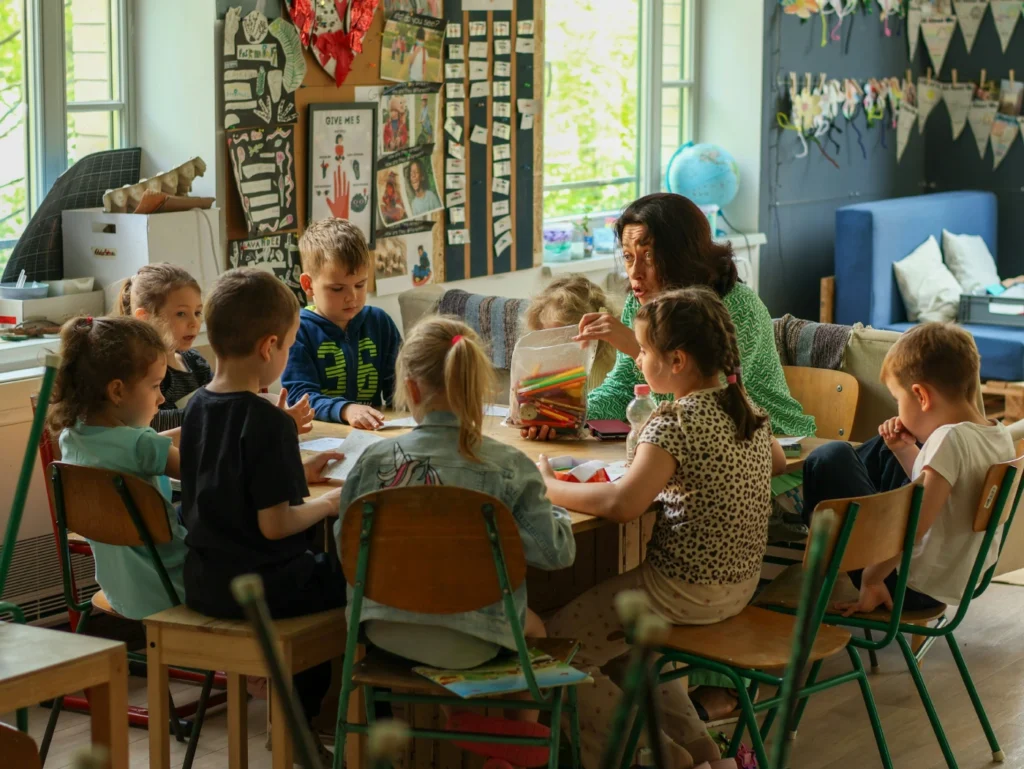
One-to-one or small group playdates are easier than big groups. Invite a classmate your child mentions, keep it short and plan an activity, such as drawing, a board game or a park visit.
4. Follow your child’s interests
Shared interests make friendships easier. Sports, art, music, drama, science clubs and robotics all give children a reason to talk and work together.
5. Help with feelings and conflict
Name feelings and teach simple phrases: “I feel left out. Can I join?” Explain that friends sometimes argue, and that it can be repaired with a sorry, a pause or a new start.
6. Talk to the teacher
Teachers see children in real situations. Ask who your child plays with, how they behave in groups and whether the teacher can pair them with a friendly classmate. Many teachers can use group work and seating plans to help.
7. Model friendship
Children learn by watching. Let them see you greeting neighbours, thanking people, listening and making time for friends and family.
8. Be patient, and keep expectations realistic
Your child may need one or two good friends, not a big group. Celebrate small steps, such as sharing a snack or sitting together once. Friendship grows slowly.
Tips for a Shy Child
• Prepare, don’t push. Tell your child about the day, so there are fewer surprises.
• Start with one friend. Encourage a connection with one child, not a whole group.
• Praise bravery. “I saw you say hello today. That took courage.”
• Avoid labelling. Words like “shy” can stick. Say, “You warm up slowly, and that is fine.”
If Your Child Is New to the School
• Visit before the first day if possible, so the building feels familiar.
• Ask the teacher to introduce a buddy who can show your child around.
• Keep routines steady at home during the first weeks.
• Encourage clubs and activities, which help children meet others quickly.
• Give it time. Many children settle in a few weeks, and some need a term.
By Age: What to Expect
| Age | What friendship looks like | What helps |
|---|---|---|
| 3 to 5 years | Side-by-side play, short friendships | Playdates, shared toys, simple turn-taking games |
| 6 to 9 years | Friends based on play and proximity | Group activities, clubs, practising how to join in |
| 10 to 13 years | Closer friendships, groups and sometimes conflict | Talking through feelings, interests, watching for exclusion or bullying |
| 14 years and above | Deeper friendships, peer pressure and identity | Listening, trust, respecting privacy, noticing signs of distress |
How a School Can Help
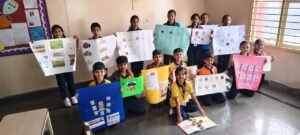
Schools shape friendships through the activities they offer. At BRS Global School, students take part in collaborative group work, clubs, drama and theatre, sports and events across the year, which give children many natural ways to connect. You can read about how collaborative learning builds confident students and explore campus life. When you visit any school, ask how teachers help new or shy children settle and how they handle exclusion.
When to Seek Help
• Talk to the teacher, the school counsellor or a child psychologist if:
• Your child is being bullied, teased or left out regularly
• Your child is withdrawn, very anxious, or refuses to go to school
• Sleep, appetite or mood have changed for several weeks
• Your child says they feel alone, worthless or does not want to be around anyone
If your child ever talks about hurting themselves, take it seriously and contact a doctor or mental health professional right away.
Common Mistakes Parents Make
• Forcing friendships. Pushing a child to be friends with someone rarely works.
• Rushing in to fix everything. Your child needs to practise these skills.
• Comparing with other children. Every child builds friendships at a different pace.
• Dismissing the problem. “It is nothing” can make a child stop talking.
• Criticising the other children. It makes it harder for your child to move on.
Frequently Asked Questions (FAQs)
How can I help my child make friends at school?
Listen to your child, practise social skills at home, arrange small playdates, encourage activities based on their interests and talk to the teacher. Be patient and avoid forcing friendships.
What should I do if my child has no friends at school?
Find out what is happening, talk to the teacher, build social skills at home and create chances to meet children outside class. If your child seems very unhappy or bullied, speak to the school and a counsellor.
How can I help a shy child at school?
Prepare your child for the day, start with one friend, praise bravery and avoid labelling. Clubs and small group activities help shy children warm up.
How long does it take a new child to make friends?
Many children settle in a few weeks, while some need a term or more. Keep routines steady and give your child time.
When should I worry about my child’s friendships?
If your child is withdrawn, anxious, refuses to go to school or is being bullied for a long time, speak to the teacher, the school counsellor or a child psychologist.
Do school activities help children make friends?
Yes. Group projects, clubs, sports and events give children natural reasons to talk and work together, which makes friendships easier to form.
A School Where Children Belong
At BRS Global School, we want every child to feel they belong. To see how our campuses support friendship and confidence, take a campus tour, read about admissions or call +91 9343864556 (Sarjapur Road) or +91 9108438803 (Attibele).