
Introduction: Learning Beyond the Classroom
A child’s education involves much more than academic performance. While classroom learning develops knowledge and understanding, sports provide practical opportunities to build confidence, discipline, teamwork and a sense of responsibility.
Sports are an important part of a well-rounded school experience because they allow children to learn through participation, practice and interaction.
A student who joins a team, learns a new sporting skill or takes part in a competition gains experiences that cannot always be recreated through textbooks.
At BRS Global School, Sarjapur Road, sports and physical activities complement academic learning. Students are encouraged to explore their interests, participate in physical activities and recognise the importance of maintaining an active lifestyle.
Whether it is basketball, football, karate or other sporting activities, each experience provides opportunities for students to discover their strengths and develop a positive attitude towards challenges.
Event and Activity Overview: What Role Do Sports Play at BRS Global School?
Sports at school provide students with structured opportunities to develop physical abilities and essential personal skills.
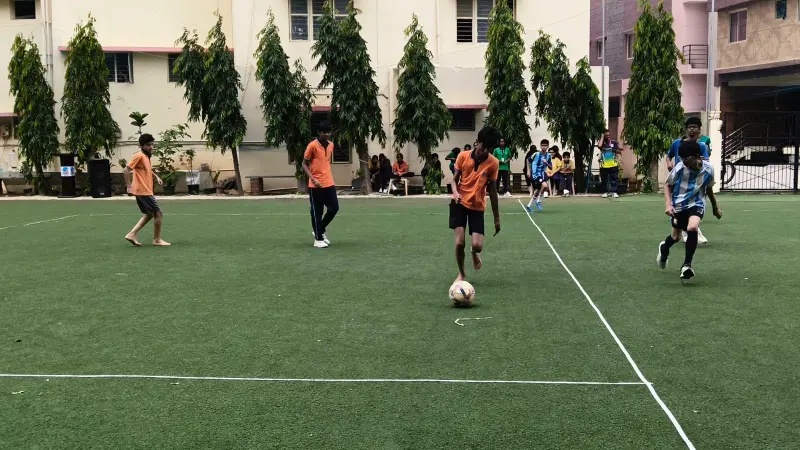
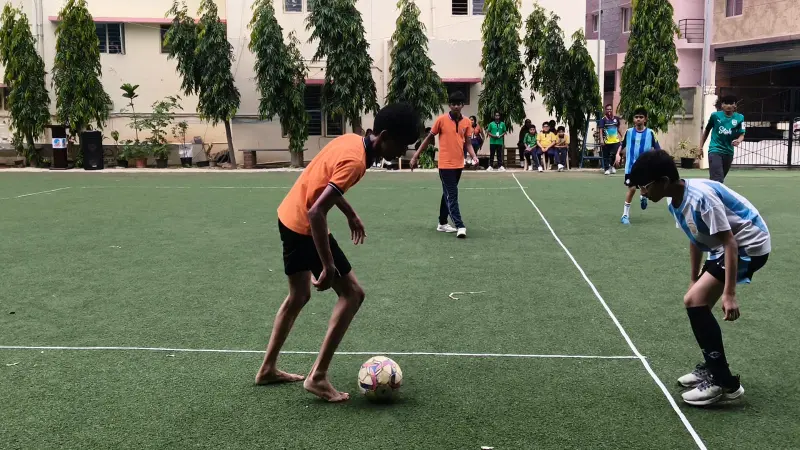
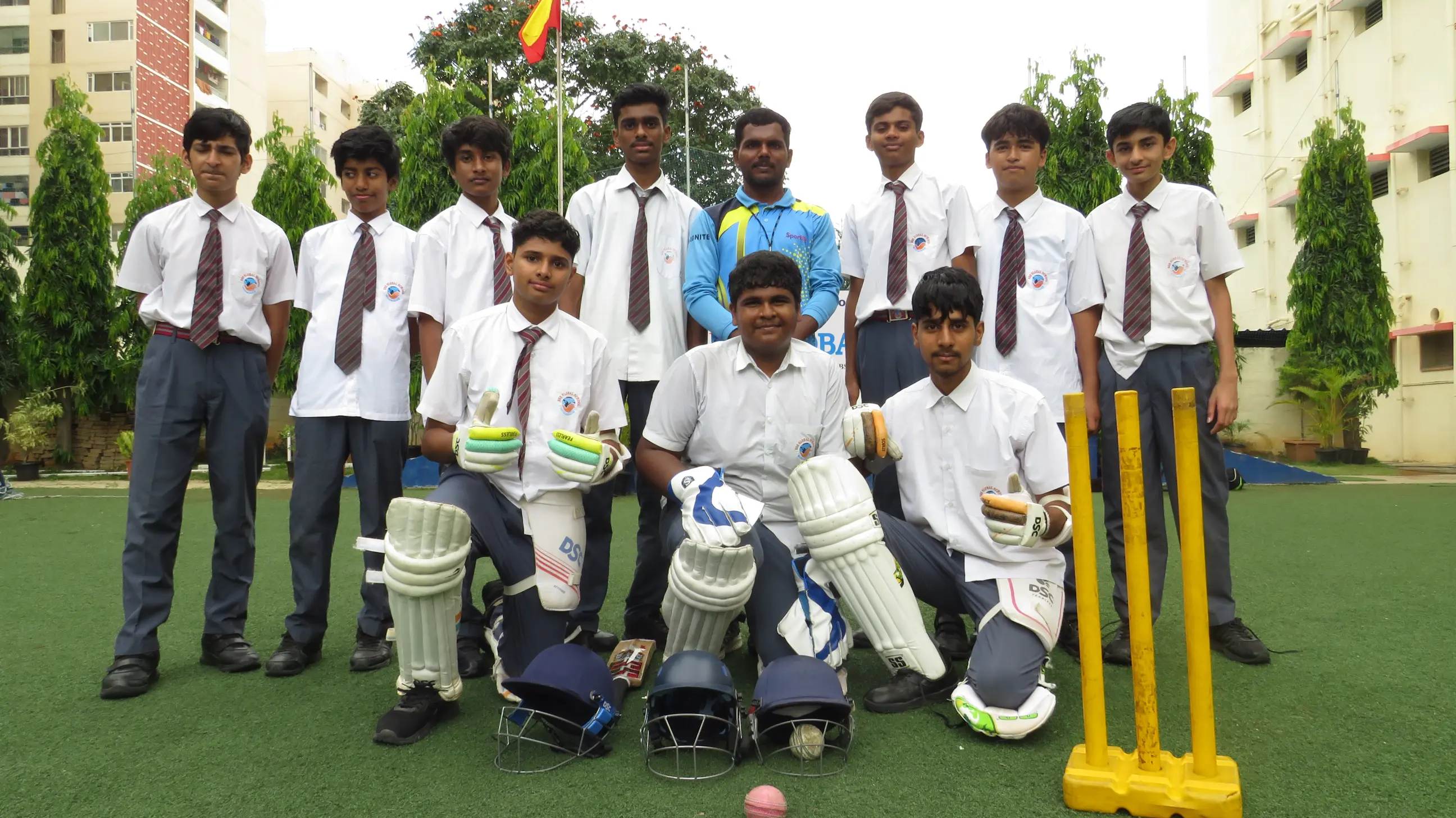
At BRS Global School, Sarjapur Road, the sports environment encourages participation, practice and the development of sporting interests. The campus features a turf ground and a basketball court, supporting outdoor physical activities and opportunities for students to engage in sports.
The school’s approach to sports development focuses on several important areas:
• Encouraging regular participation in physical activities.
• Developing coordination, stamina and physical fitness.
• Promoting teamwork and cooperation.
• Building discipline and responsibility.
• Providing opportunities to participate in competitions.
• Encouraging students to identify and develop their sporting interests.
These experiences help students understand that sports are not only about winning medals. They are also about learning, improving and developing qualities that contribute to personal growth.
How Do Sports Help Students Develop Confidence?
Confidence develops when students receive opportunities to try something new, practise their abilities and recognise their progress.
Sports provide an encouraging environment for this development. A student learning basketball, participating in a football game or practising karate gradually becomes more comfortable with challenges.
Overcoming the Fear of Participation
Some children may initially hesitate to participate in group activities or competitions. Sports give them opportunities to gradually overcome this hesitation.
As students practise and become familiar with different activities, they learn to trust their abilities and participate more confidently.
Developing Decision-Making Skills
Games often require students to make quick decisions. They must observe situations, understand instructions and choose appropriate actions.
These experiences encourage independent thinking and help students become more comfortable making decisions.
Recognising Personal Improvement
Confidence does not come only from winning competitions. It also develops when students recognise their own improvement.
Learning a new skill, completing a practice session or contributing to a team can provide a sense of achievement. These small milestones encourage students to continue learning.
How Do Sports Teach Discipline and Responsibility?
Discipline is one of the most important qualities students develop through sports.
Every sporting activity involves rules, instructions, preparation and consistent effort. Students learn that improvement requires regular practice and commitment.
Through participation, children develop habits such as:
• Following instructions and respecting rules.
• Being punctual for practice sessions.
• Maintaining consistency and dedication.
• Taking responsibility for equipment and personal belongings.
• Respecting coaches, teachers, teammates and opponents.
• Accepting feedback and working towards improvement.
These habits can also support students in their academic lives. Time management, commitment and perseverance are valuable qualities when preparing for examinations, completing assignments and managing daily responsibilities.
Sports therefore provide practical opportunities for students to understand the importance of discipline in everyday life.
How Do Team Sports Develop Leadership and Communication Skills?
Team sports such as basketball and football teach students how to work with others towards a shared objective.
Success in team games depends on cooperation, communication and mutual support. Students learn that individual performance is important, but collective effort is equally valuable.
Learning to Work as a Team
Students learn to share responsibilities, coordinate their efforts and support teammates. They understand the importance of respecting different abilities and working together.
Developing Leadership Qualities
Sports provide opportunities for students to take initiative, encourage teammates and accept responsibility.
Leadership is not limited to being a team captain. It can also be demonstrated through helping others, communicating clearly, staying committed and setting a positive example.
Improving Communication
Students learn to listen, communicate instructions, discuss strategies and respond appropriately during games.
These communication experiences can benefit them during classroom discussions, group projects and other collaborative activities.
Why Is Learning to Accept Failure Important in Sports?
Sports teach students that success and setbacks are both part of the learning process.
Winning a match can motivate students, but losing can provide equally valuable lessons. Students learn to analyse their performance, identify areas for improvement and continue working towards their goals.
Participation in competitions helps children understand:
• The importance of effort over immediate results.
• How to accept outcomes positively.
• Why respecting opponents matters.
• How to respond to constructive feedback.
• The value of perseverance and resilience.
Developing a healthy attitude towards competition helps students approach challenges with maturity. These lessons are useful not only in sports but also in academics and everyday situations.
How Do Sports Support Physical Fitness and Mental Well-being?
Physical activity is essential for children’s overall development. Regular participation in sports supports movement, coordination, stamina and physical fitness.
Outdoor games also give students opportunities to engage with their peers, take breaks from sedentary activities and enjoy active learning experiences.
Sports can contribute to well-being in several ways:
• Physical development: Activities encourage movement, coordination, balance and endurance.
• Social interaction: Group activities allow students to interact, communicate and build friendships.
• Emotional development: Students learn to manage competition, handle disappointment and appreciate achievement.
• Healthy routines: Participation in physical activities encourages children to develop active habits.
At BRS Global School, Sarjapur Road, facilities such as the turf ground and basketball court support opportunities for students to participate in outdoor activities.
What Sports and Physical Activities Help Students Develop Different Skills?
Different sporting activities offer different learning experiences.
Basketball
Basketball encourages coordination, concentration, communication and teamwork. Students learn to make quick decisions, understand team strategies and work towards a shared goal.
Football
Football develops cooperation, stamina, coordination and strategic thinking. Students learn the importance of communication, positioning and supporting teammates.
Karate
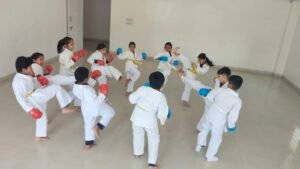
Karate encourages focus, self-control, discipline and perseverance. It also provides opportunities for students to develop confidence through structured practice.
General Physical Activities
Running, outdoor games and other physical activities support fitness, coordination and an active lifestyle.
The purpose of offering different sporting opportunities is to encourage students to explore their interests and discover activities that suit their abilities.
How Does Competitive Sports Participation Encourage Excellence?
School competitions provide students with opportunities to apply their skills in practical situations.
Inter-school tournaments and other sporting events introduce students to different levels of competition. They learn to prepare, follow rules, work with teammates and perform in new environments.
At BRS Global School, students are encouraged to participate in sporting activities and pursue their interests. The school celebrates student achievements across sporting disciplines, recognising the dedication and effort involved in developing athletic abilities.
Competitive experiences can help students:
• Set personal and team goals.
• Improve their performance through practice.
• Develop confidence in unfamiliar situations.
• Learn sportsmanship and respect.
• Appreciate the importance of preparation.
• Recognise the value of teamwork.
For students with a strong interest in sports, such experiences can also encourage them to explore further training and competitive opportunities.
How Do Sports Complement CBSE Learning and Holistic Education?
CBSE education aims to support the development of students through academic learning and broader educational experiences. Physical education and sports contribute to this process by giving students opportunities to apply important life skills in practical settings.
Sports complement classroom learning in several ways:
| Skill developed through sports | Application in student life |
|---|---|
| Discipline | Following routines and completing responsibilities |
| Teamwork | Collaborating on classroom activities |
| Leadership | Taking initiative and supporting peers |
| Communication | Expressing ideas and listening to others |
| Resilience | Managing academic and personal challenges |
| Time management | Balancing studies and extracurricular activities |
| Self-confidence | Participating in discussions and presentations |
The value of sports lies in connecting physical activity with personal and social development.
A balanced educational experience gives students opportunities to learn through different methods, recognise their strengths and develop skills that support their future.
Why Should Parents Value Sports When Choosing a School?
Parents often consider academic results, teaching quality, infrastructure and safety when selecting a school. Sports opportunities should also be part of this decision.
A school that encourages physical activity can provide children with opportunities to explore interests beyond academics and develop essential life skills.
When visiting a school, parents can consider the following:
• Does the school provide suitable sports facilities?
• Are students encouraged to participate in physical activities?
• Are there opportunities for both individual and team sports?
• Does the school encourage participation across different age groups?
• Are sporting achievements and student efforts recognised?
• Is there a healthy balance between academics and extracurricular activities?
For families exploring CBSE schools in Sarjapur Road, these considerations can help them understand how a school’s approach to sports contributes to a child’s overall educational experience.
Local Relevance: Sports and Holistic Education for Families Around Sarjapur Road
Families living in and around Sarjapur Road, Kasavanahalli, Bellandur, Haralur, HSR Layout, Hosa Road, Carmelaram, Dommasandra and Varthur often look for schools that provide a balance between academics and extracurricular opportunities.
For working parents in nearby technology corridors such as RMZ Ecospace, Embassy TechVillage, RGA Techpark and Electronic City, choosing a school that supports different aspects of child development is an important consideration.
BRS Global School, Sarjapur Road, located in Kasavanahalli, serves families from several surrounding residential communities. Bus services are available to multiple nearby areas, subject to route availability.
Parents searching for schools in Sarjapur Road, schools in Bellandur or CBSE schools near Haralur Road can explore the Sarjapur Road campus to understand its academic environment, sports facilities and wider learning opportunities.
For campus details and directions, visit the school’s Sarjapur Road Google Business Profile.
Common Parent Questions About School Sports
How do sports improve a child’s confidence?
Sports encourage children to participate, practise new skills and overcome challenges. As they recognise their progress and contribute to activities, they gradually develop confidence in their abilities.
Can sports improve academic performance?
Sports do not automatically guarantee higher academic marks. However, participation can encourage discipline, concentration, time management and perseverance, which are useful habits for academic learning.
Why should primary school children participate in sports?
Sports introduce young children to movement, coordination, cooperation and following instructions. They also provide opportunities to interact with peers and develop confidence through age-appropriate activities.
How do team sports help students socially?
Team sports encourage communication, cooperation, respect and shared responsibility. Students learn to work with different personalities and appreciate the contributions of others.
What should parents look for in sports facilities at a school?
Parents should consider the suitability of the facilities, the range of activities, opportunities for participation, supervision and the school’s approach to balancing sports with academic learning.
Are sports important for students who are not naturally athletic?
Yes. Sports are beneficial for students with different abilities and interests. Participation is an opportunity to improve fitness, develop social skills and enjoy physical activity, rather than simply compete for medals.
Does BRS Global School, Sarjapur Road, provide sports facilities?
Yes. The Sarjapur Road campus has facilities including a turf ground and basketball court to encourage outdoor sports and physical activities
Key Highlights: How Sports Shape Student Development
• Sports encourage confidence through participation and skill development.
• Regular practice helps students develop discipline and responsibility.
• Basketball and football encourage teamwork and communication.
• Karate supports focus, self-control and perseverance.
• Competitions teach sportsmanship and resilience.
• Physical activities support fitness and an active lifestyle.
• Sports complement academic education by developing essential life skills.
• A balanced school environment gives students opportunities to explore their interests.
Conclusion: Building Confident Individuals Through Sports
Sports are an important part of a child’s educational journey. They teach lessons that extend beyond the playground, helping students develop confidence, discipline, teamwork, leadership and resilience.
At BRS Global School, Sarjapur Road, sports and physical activities complement classroom education by encouraging students to explore their interests, participate actively and develop a positive attitude towards challenges.
A child’s growth should be measured not only by academic achievements but also by the confidence to participate, the discipline to practise, the courage to face setbacks and the willingness to support others.
Planning your child’s school journey? Visit BRS Global School, Sarjapur Road, to explore the campus, learning environment and opportunities that support holistic student development.
Website: https://brsglobalschool.edu.in/
Explore our Campus:
Attibele Branch:
https://share.google/iFhJaeGo8wkgOZ1Y5
Sarjapur Road Branch: