Introduction
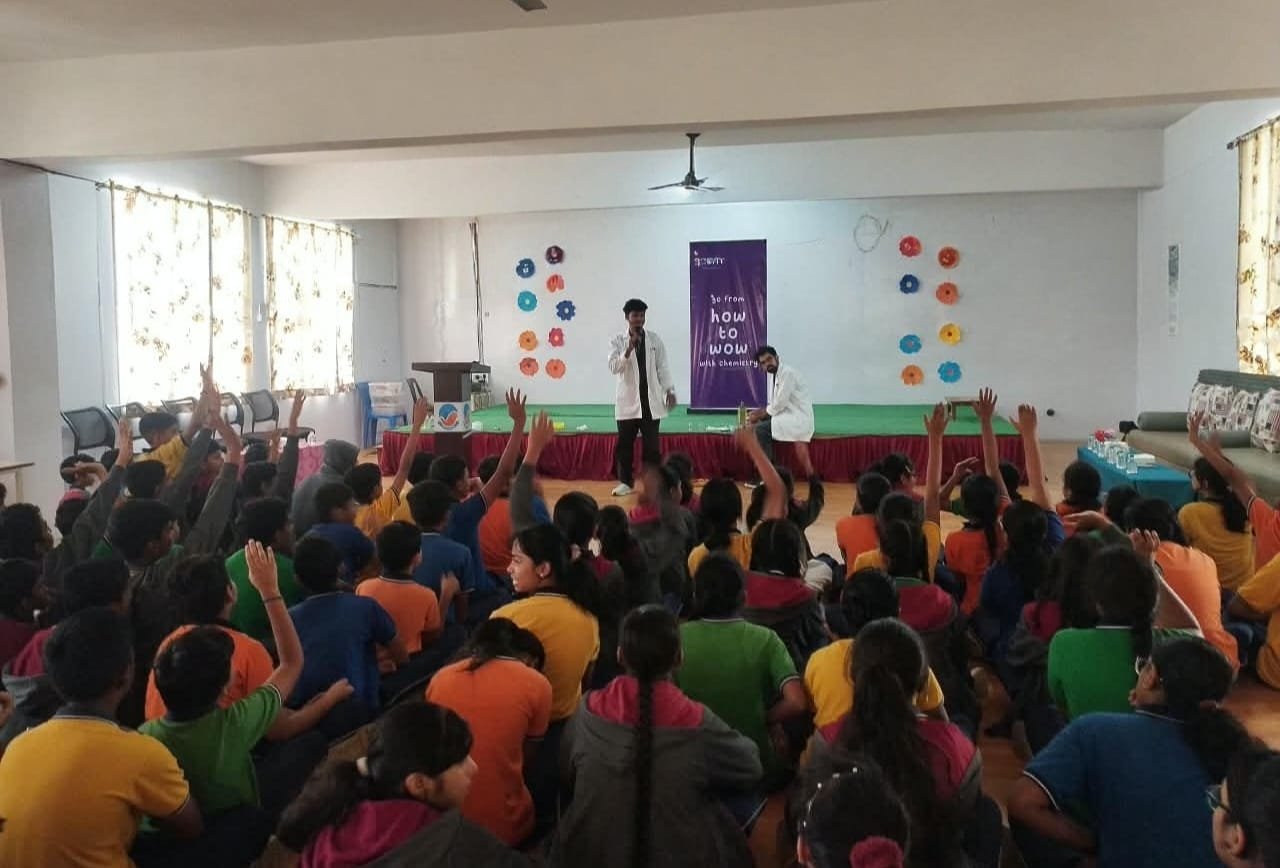
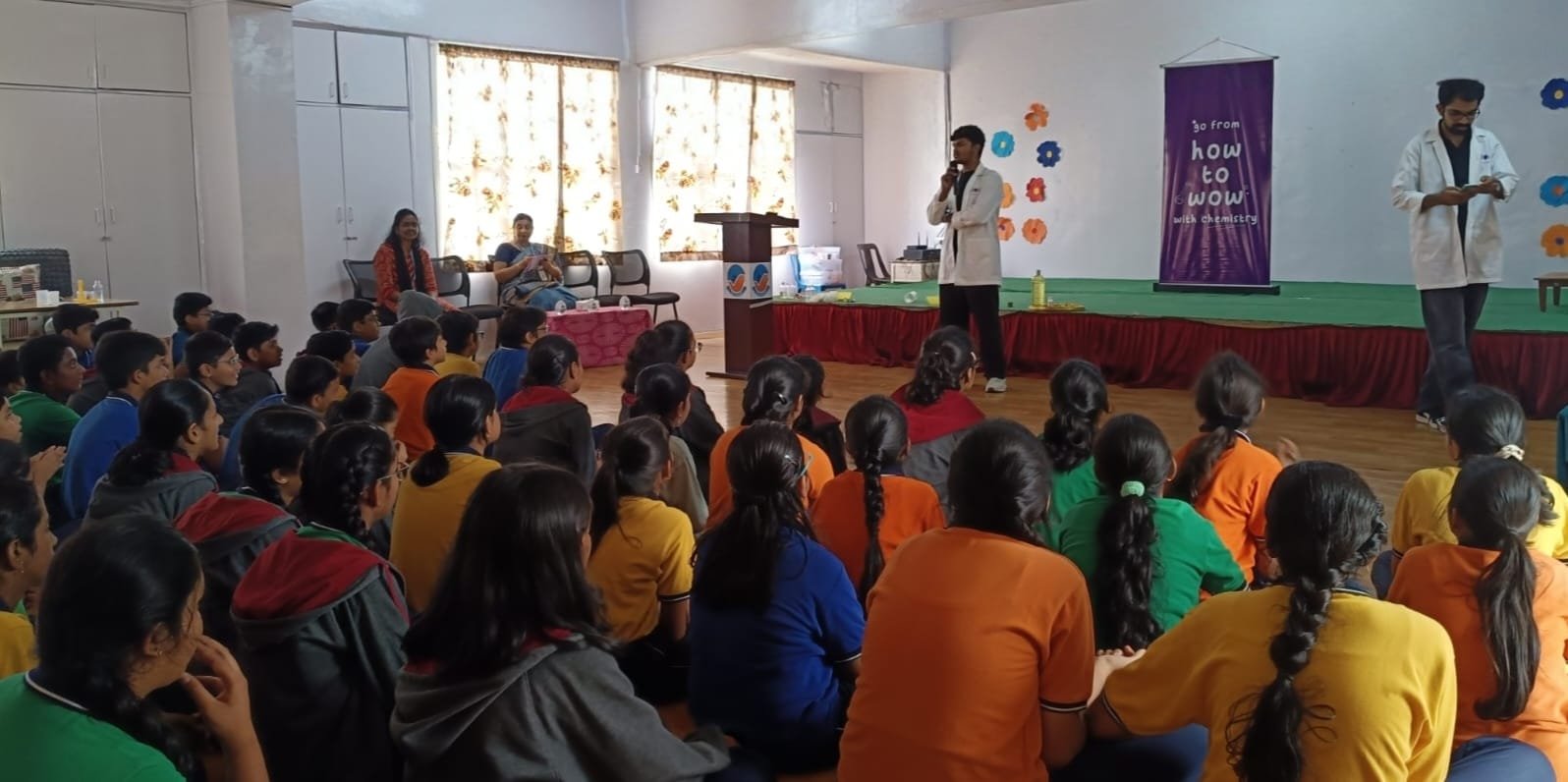
Science becomes more meaningful when students can explore concepts, observe what happens and learn through direct experience. An interactive science session organised by Science Utsav at BRS Global School | Best CBSE School in Sarjapur Road provided students with an opportunity to experience science beyond conventional classroom explanations.
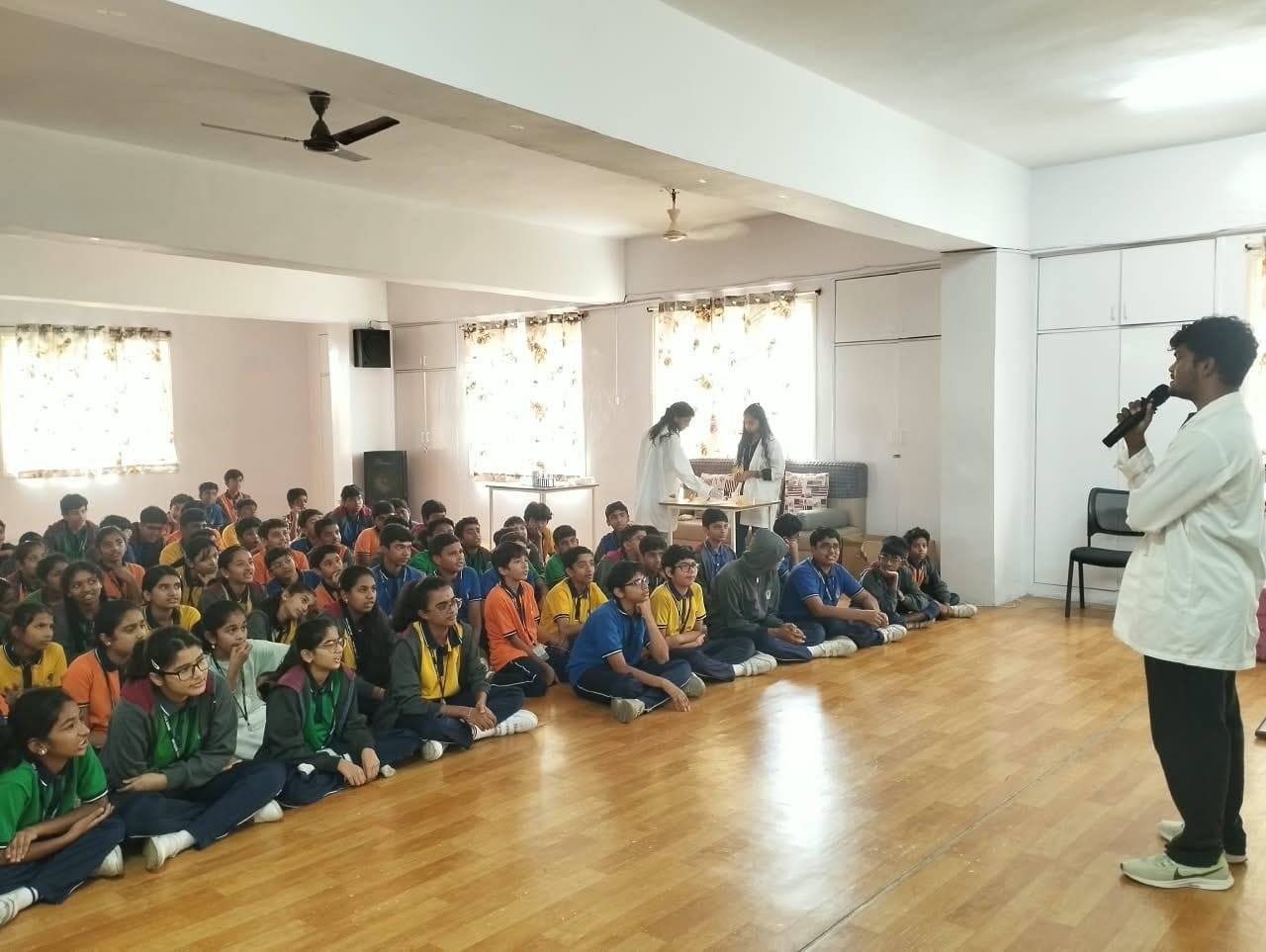
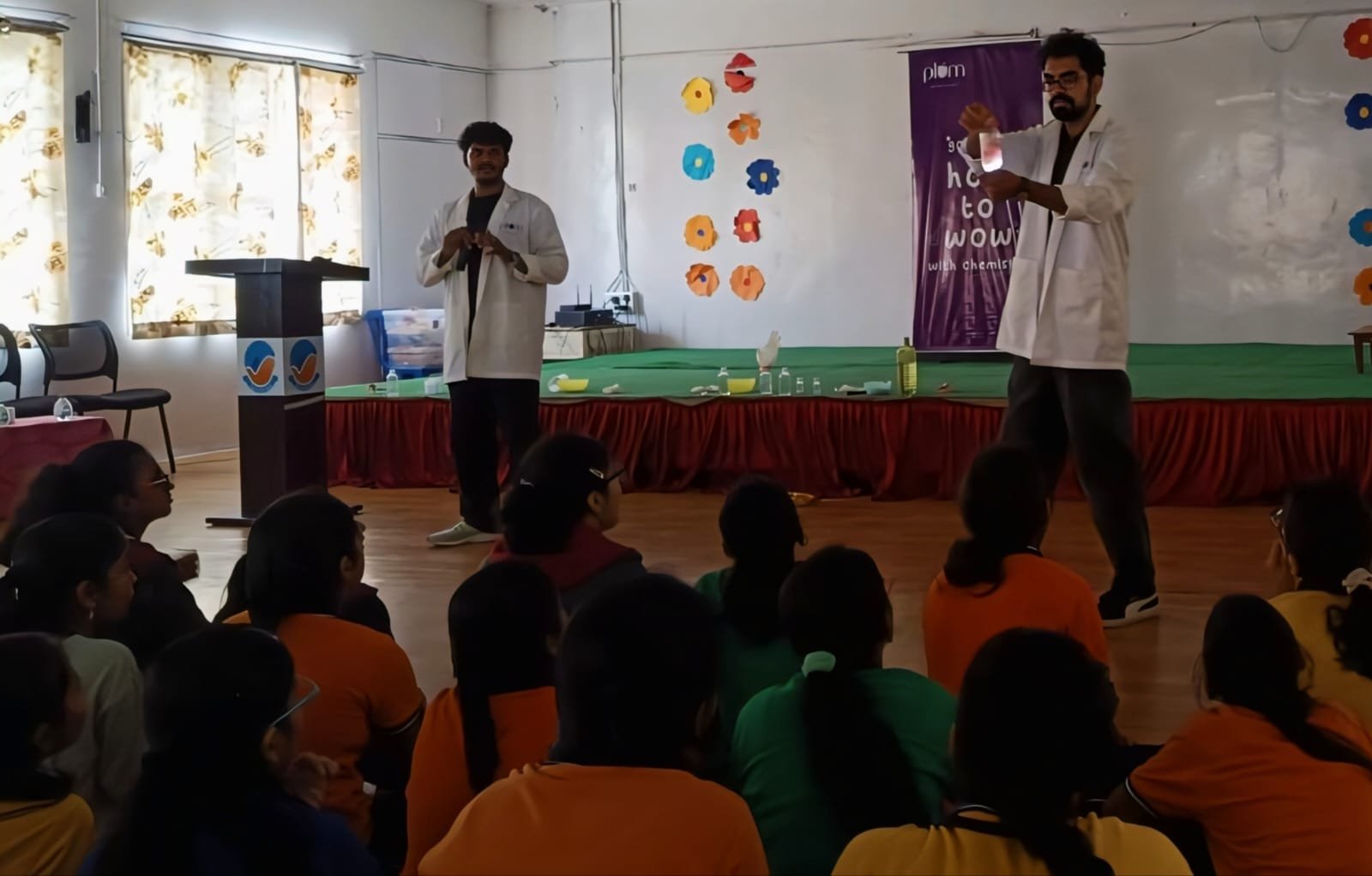
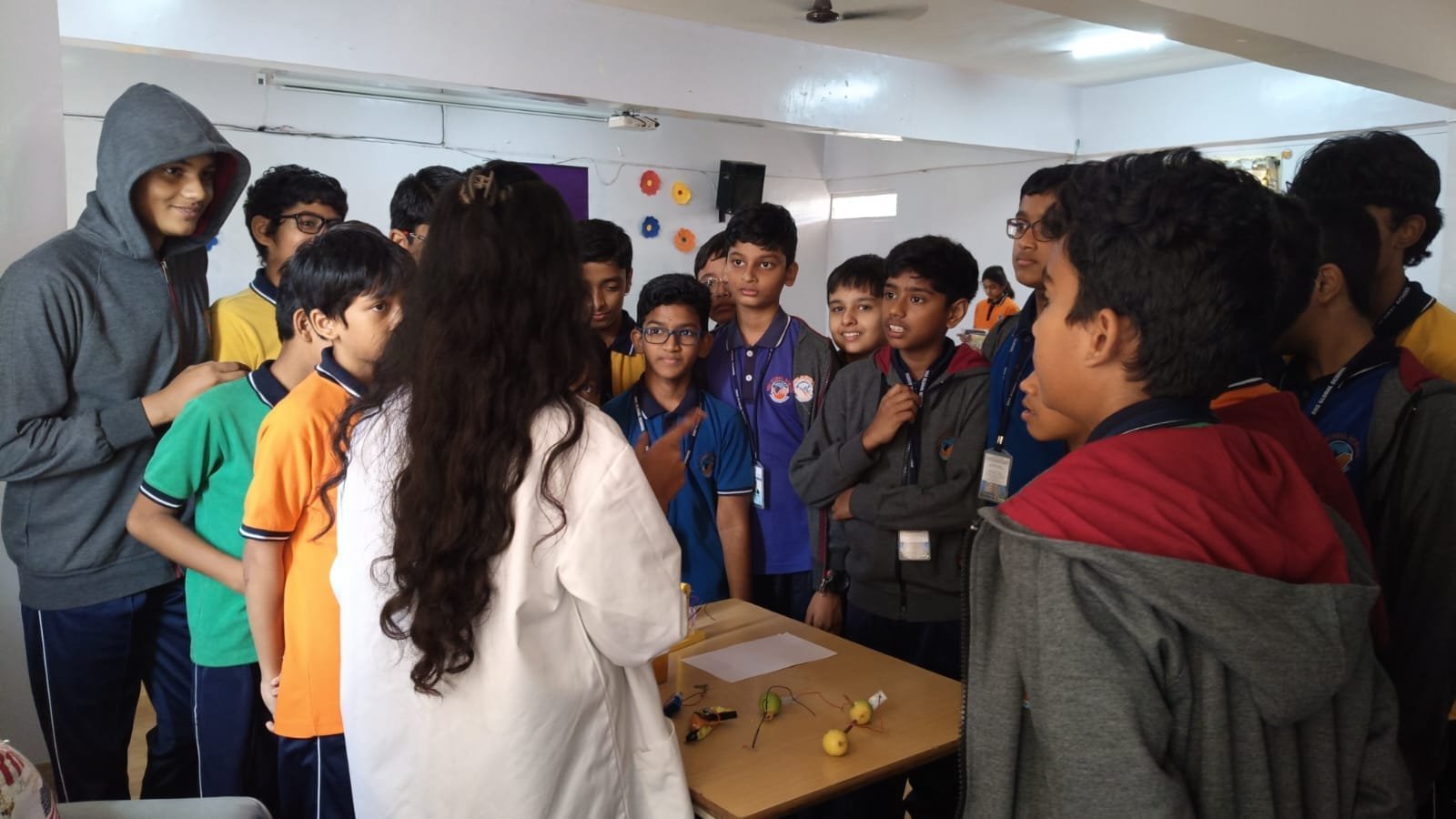
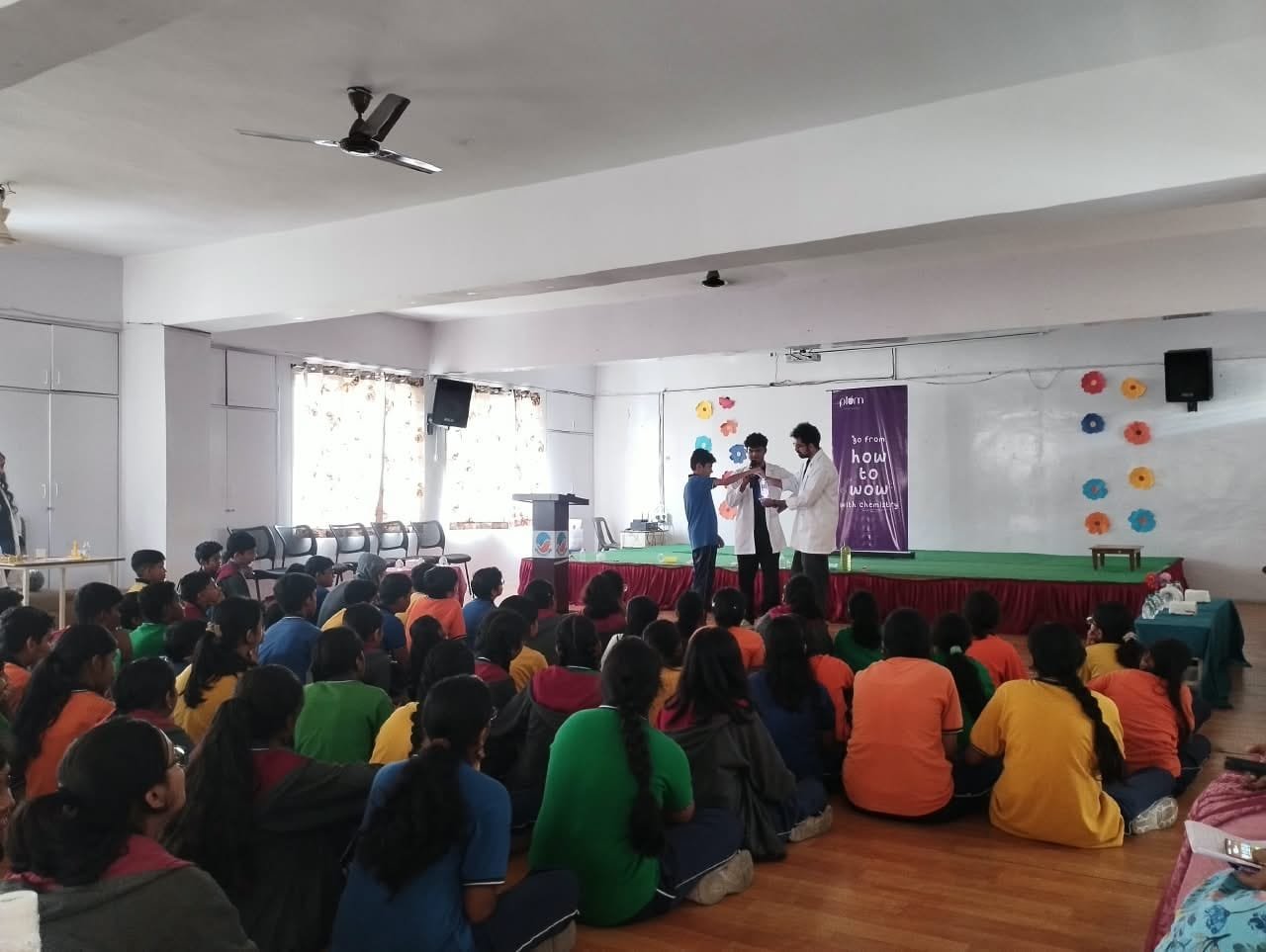
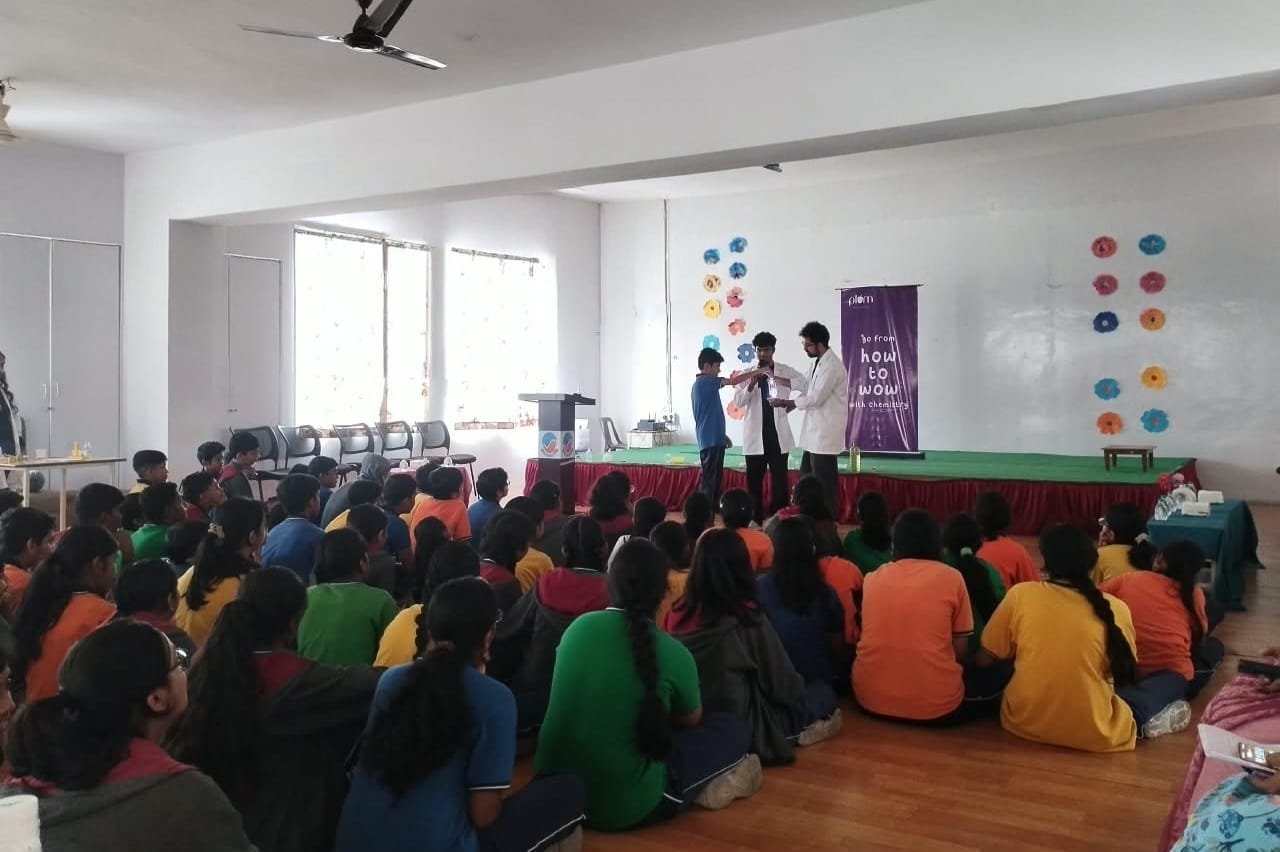
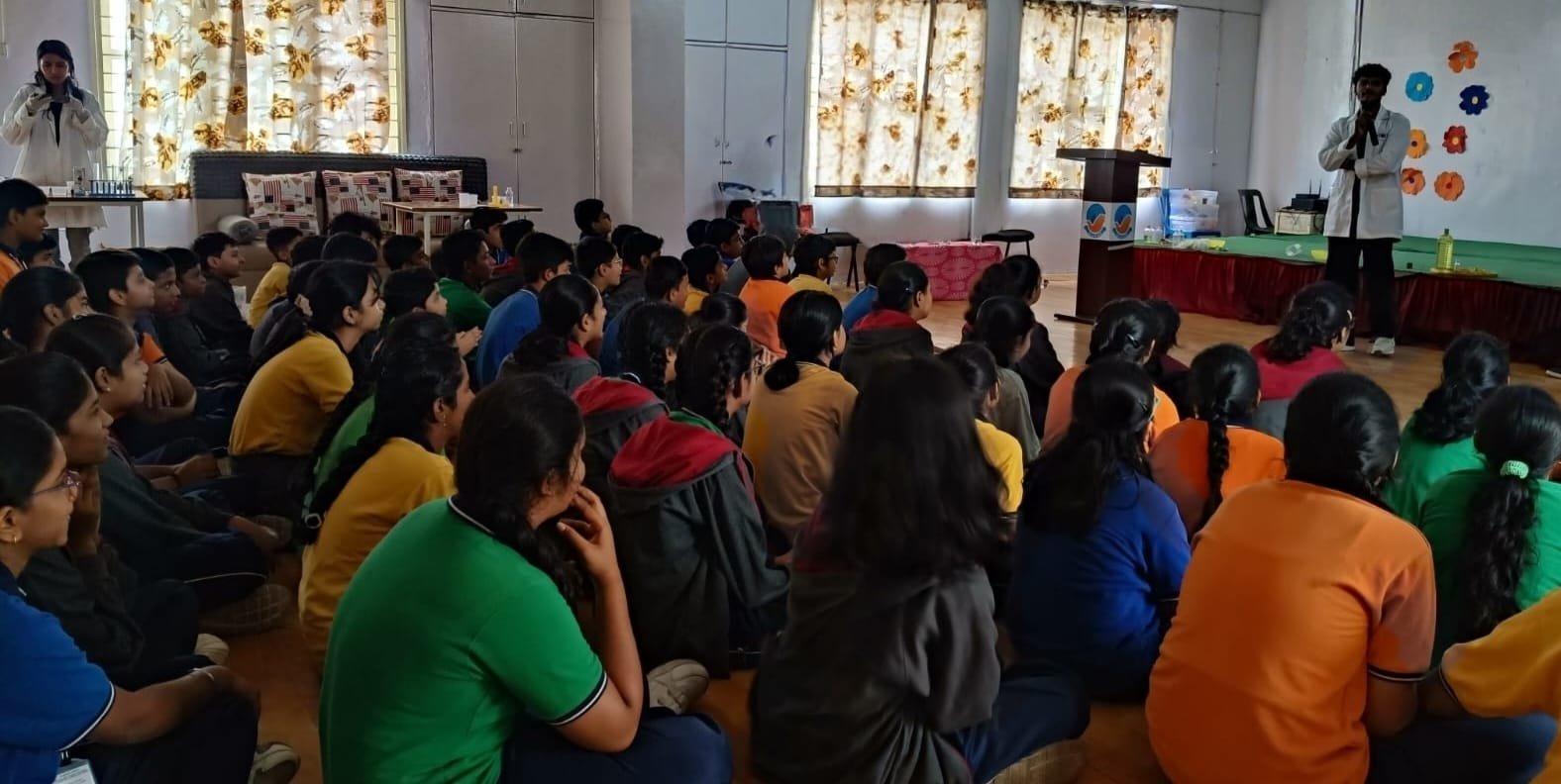
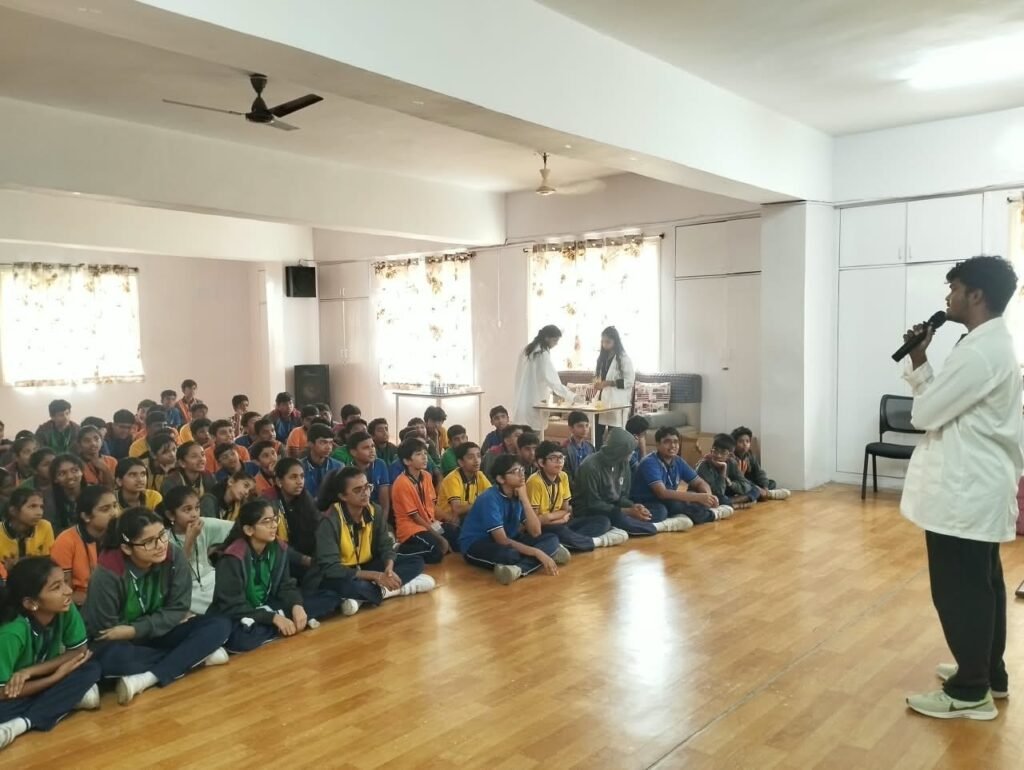
Conducted in the school’s A.V. Room, the session was facilitated by the Maker Masti team, comprising Riya, Rishi, Indusree, Jeevan and Uday. Through engaging activities and experiments conducted in small groups, students were encouraged to participate actively, explore scientific concepts and discover how learning can become more engaging through experimentation.
The programme reflected the importance of experiential learning in school education. Rather than simply receiving information, students had opportunities to observe, explore and engage with scientific ideas through practical activities.
For families exploring schools in Sarjapur Road, such learning experiences illustrate how classroom education can be complemented by interactive activities that encourage curiosity, reasoning and the development of essential life skills.
Event Overview
Event : Interactive Science Session
Organised by : Science Utsav
Facilitated by : Maker Masti
Venue : A.V. Room
School : BRS Global School, Sarjapur Road
Learning approach : Hands-on experiments and group activities
Key learning areas : Scientific curiosity, observation, critical thinking, problem-solving and teamwork
Student takeaway : An experimental kit containing materials and small gifts
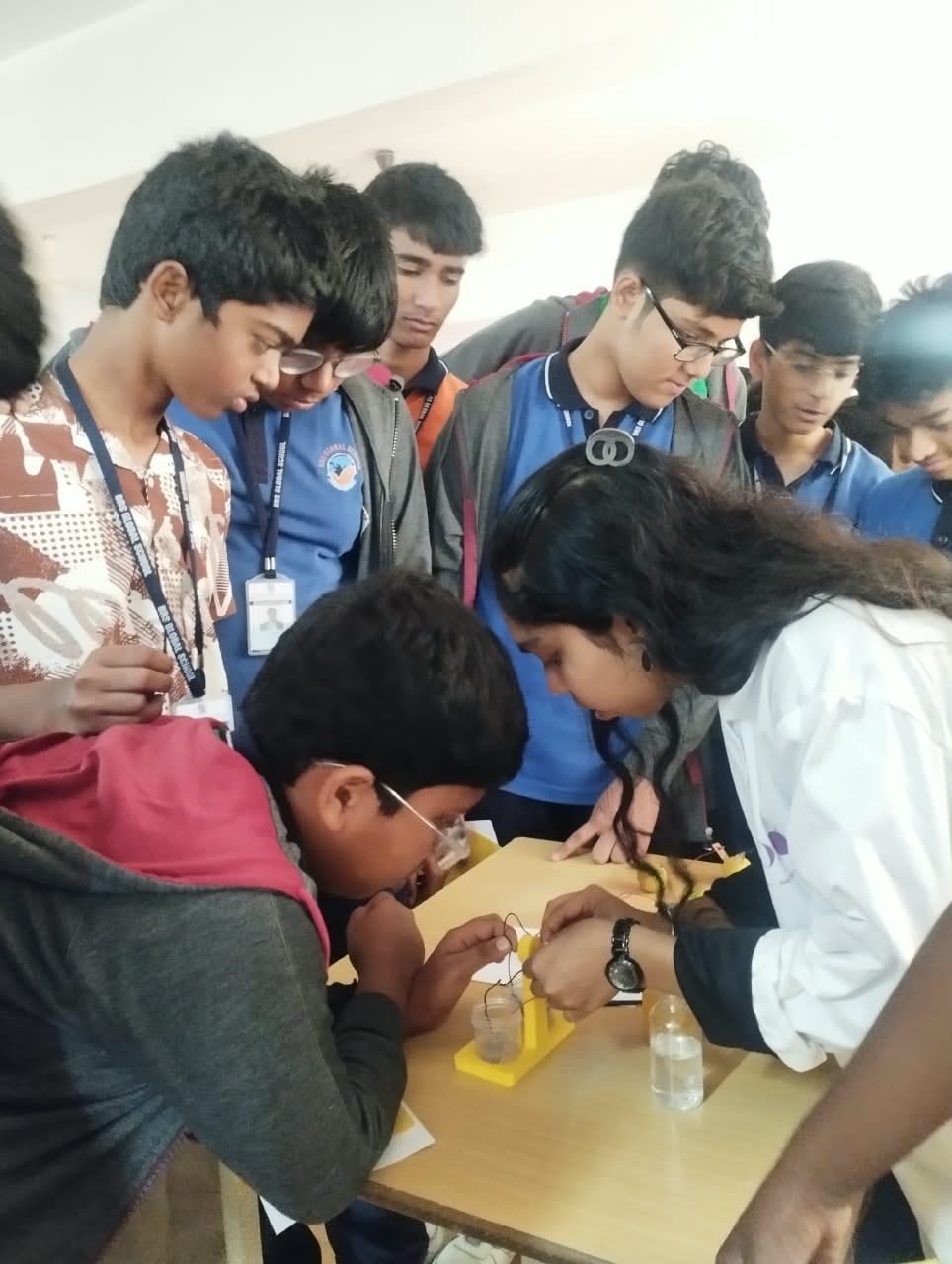
The session was designed to make science engaging through active participation and practical exploration. Students worked in small groups, giving them opportunities to take part in the activities and engage with scientific concepts.
At the end of the programme, every student received a kit containing experimental materials and small gifts. The kits were intended to encourage students to continue exploring science beyond the session.
What Happened During the Interactive Science Session?
An engaging introduction to scientific exploration
The Maker Masti facilitators created opportunities for students to engage with science through activities and experiments. The interactive format encouraged students to explore scientific ideas rather than approach the subject solely through textbook explanations.
Science learning can become more accessible when children have opportunities to observe outcomes and participate in practical tasks. Such experiences can help students connect ideas discussed in class with the world around them.
Learning through hands-on experiments
The session included a range of interesting science activities and experiments. Students were encouraged to participate directly, explore scientific concepts and learn through practical experiences.
Hands-on experimentation gives students opportunities to observe, ask questions and consider why particular outcomes occur. Depending on the activity, learners may also practise making predictions, identifying patterns and comparing observations.
These processes are important foundations for scientific thinking. They encourage children to approach questions with curiosity and to understand that learning often involves exploration, observation and reflection.
Small-group activities and active participation
The activities were conducted in small groups, allowing students to participate actively throughout the session. Group-based learning also creates opportunities for students to share ideas, observe different approaches and engage with their peers.
Collaborative activities can help children understand that solving a problem may involve considering different perspectives. Students also get opportunities to practise communication, cooperation and shared responsibility while working towards a common objective.
Encouraging curiosity beyond the classroom
One of the important aspects of the programme was its emphasis on making science enjoyable and accessible. Interactive activities can encourage students to ask more questions and develop an interest in discovering how things work.
The experimental kits distributed at the end of the session extended this learning opportunity beyond the event itself. By receiving materials to explore, students were encouraged to continue engaging with science outside the organised programme.
Student Learning Outcomes and Benefits
The science session supported several important areas of student development.
Scientific curiosity
Scientific curiosity begins with the desire to understand how and why things happen. Interactive experiments encourage students to ask questions, investigate possibilities and explore unfamiliar concepts.
Observation skills
Observing what happens during an experiment is an important part of scientific learning. Students have opportunities to notice changes, identify differences and pay attention to details.
These skills help learners become more attentive and develop a more systematic approach to exploring questions.
Critical thinking
Critical thinking involves examining information, considering possible explanations and using reasoning to understand a situation. Practical science activities can provide opportunities for students to think about what they observe and connect their experiences with scientific ideas.
Problem-solving abilities
Experiments encourage students to explore questions and consider possible solutions. When learners investigate a problem through practical activities, they begin to understand the value of reasoning, testing ideas and learning from observations.
Teamwork and collaboration
Working in small groups encourages students to participate with their peers, share ideas and engage in common activities. These experiences help develop cooperation and an appreciation of different perspectives.
Active learning
Active learning places students at the centre of the learning experience. By participating in experiments rather than only listening to explanations, children can engage more directly with the concepts being explored.
Continued exploration
The experimental kits provided at the end of the session encouraged students to continue exploring science. Opportunities for further experimentation can help sustain curiosity and reinforce the idea that learning extends beyond scheduled classroom activities.
Educational Philosophy: Connecting Science with Experiential Learning
Experiential learning is an approach in which students develop understanding through experiences, observation, reflection and practical application.
In science education, this approach can help learners move from simply remembering information towards understanding concepts and investigating how they work. Practical activities can complement classroom teaching by providing concrete experiences that students can discuss and reflect upon.
The interactive science session demonstrated the value of creating opportunities for active participation. Through experiments and small-group activities, students were encouraged to engage directly with scientific ideas.
This approach is consistent with the broader educational emphasis on experiential and competency-based learning reflected in India’s National Education Policy (NEP) 2020. The policy promotes learning that encourages conceptual understanding, critical thinking, creativity and the application of knowledge.
The session also complemented the wider objectives of CBSE education by providing an opportunity to practise observation, reasoning and collaboration. The precise learning outcomes of individual experiments depend on the activities conducted, but the overall format supports an engaging approach to learning science.
Explore Beyond the Classroom to learn more about the wider learning experiences offered at the school.
Why Does Practical Science Learning Matter for Student Development?
Science education is not limited to understanding facts, definitions and scientific principles. It also involves developing the ability to ask meaningful questions, examine evidence and think logically.
Practical activities help students experience these processes in an accessible way.
Cognitive development: Experiments encourage observation, comparison, reasoning and the exploration of possible explanations.
Social development: Group activities provide opportunities to communicate, cooperate and learn alongside peers.
Confidence and participation: Interactive sessions allow students to take an active role in the learning process, helping them engage with concepts and contribute to activities.
Independent exploration: Experimental kits and practical materials can encourage children to investigate ideas beyond the structured learning environment.
Lifelong learning: Curiosity, critical thinking and problem-solving are useful across academic subjects and everyday situations.
For parents, the value of such programmes lies in the opportunity they provide for children to engage with learning in different ways. When practical activities complement classroom instruction, students can experience science as a subject to explore, question and understand.
Local Context: Science Learning for Families Around Sarjapur Road
Families searching for CBSE schools in Sarjapur Road often consider more than academic instruction alone. They may also look at opportunities for practical learning, student participation, co-curricular activities and the development of essential skills.
Located in the Kasavanahalli area along Sarjapur Road, BRS Global School serves families from nearby residential communities and surrounding neighbourhoods.
The school may be relevant to families exploring educational options around Bellandur, HSR Layout, Haralur Road, Hosa Road, Carmelaram, Dommasandra, Gunjur, Varthur and Doddakannelli. Actual travel convenience will depend on each family’s starting point and commute.
For working parents living near the Sarjapur Road corridor and neighbouring residential communities, understanding how a school approaches learning can help them make informed decisions.
An interactive science session is one example of an educational experience that complements academic learning with opportunities to develop curiosity, reasoning and collaboration.
Parents can learn more about the school’s programmes and student experiences through the BRS Global School website.
BRS Global School also has another branch in Attibele. This article, however, focuses specifically on the Sarjapur Road campus and the interactive science session conducted there.
Common Parent Questions
How do practical science activities help children understand scientific concepts?
Practical activities allow children to observe scientific ideas in action. By participating in experiments, students can connect explanations with observable outcomes, ask questions and develop a more active approach to understanding concepts.
Are science experiments useful beyond science subjects?
Yes. Practical experiments can also encourage transferable skills such as observation, logical reasoning, communication, collaboration and problem-solving. These abilities are useful across different subjects and everyday situations.
Why is group participation valuable in science sessions?
Group participation gives students opportunities to exchange ideas, observe different approaches and cooperate during activities. It can also help them practise listening, communication and shared responsibility.
How can parents encourage scientific curiosity at home?
Parents can encourage children to ask questions about everyday observations, explore age-appropriate experiments using safe materials, discuss what they notice and explain their reasoning. Children should always have suitable adult supervision when conducting experiments.
Does an experimental kit help children continue learning?
An experimental kit can provide materials that encourage further exploration after a structured session. Its educational value depends on the activities available, the child’s age and the guidance provided during use.
Key Highlights
• An interactive science session was organised by Science Utsav at BRS Global School, Sarjapur Road.
• The Maker Masti team facilitated the programme.
• Students participated in engaging science activities and experiments.
• Activities were conducted in small groups to encourage active participation.
• The session promoted scientific curiosity, observation, critical thinking and problem-solving.
• Group activities provided opportunities for teamwork and collaboration.
• Every student received a kit containing experimental materials and small gifts.
• The programme encouraged continued scientific exploration beyond the session.
Frequently Asked Questions (FAQs)
Where was the interactive science session conducted?
The interactive science session was conducted in the A.V. Room of BRS Global School, Sarjapur Road.
Who organised the science programme?
Science Utsav organised the programme, which was facilitated by the Maker Masti team comprising Riya, Rishi, Indusree, Jeevan and Uday.
What activities did students participate in?
Students participated in engaging science activities and experiments. The activities were conducted in small groups to encourage active participation and hands-on exploration.
What skills did students develop during the session?
The programme encouraged scientific curiosity, observation, critical thinking, problem-solving, teamwork and active participation.
How does hands-on science learning benefit students?
Hands-on science learning gives students opportunities to explore concepts through practical experiences. It can support conceptual understanding, reasoning, observation and a deeper interest in scientific exploration.
Did students receive anything at the end of the programme?
Yes. Every student received a kit containing experimental materials and small gifts as a token of appreciation. The kit was intended to encourage continued exploration of science.
Where can parents learn more about BRS Global School, Sarjapur Road?
Parents can visit the official BRS Global School website to learn more about the school, its programmes, campus life and admissions.
Conclusion: Encouraging Curiosity Through Practical Learning
The interactive science session organised by Science Utsav and facilitated by Maker Masti offered students at BRS Global School, Sarjapur Road, an engaging opportunity to explore scientific concepts through hands-on activities and experiments.
By encouraging active participation, group learning and practical exploration, the programme highlighted the value of making science an experience that students can question, observe and investigate. The experimental kits distributed at the end of the session also encouraged students to continue exploring beyond the organised programme.
Experiences like these complement academic learning by creating opportunities to practise curiosity, critical thinking, collaboration and problem-solving.
Explore our Campus:
Attibele Branch:
https://share.google/iFhJaeGo8wkgOZ1Y5
Sarjapur Road Branch: