
Introduction
Democracy is not merely a concept found in textbooks—it is a value best understood through meaningful participation. Schools play an important role in helping students appreciate responsibility, leadership, ethical decision-making, and civic engagement by creating opportunities where these values can be experienced in real life.
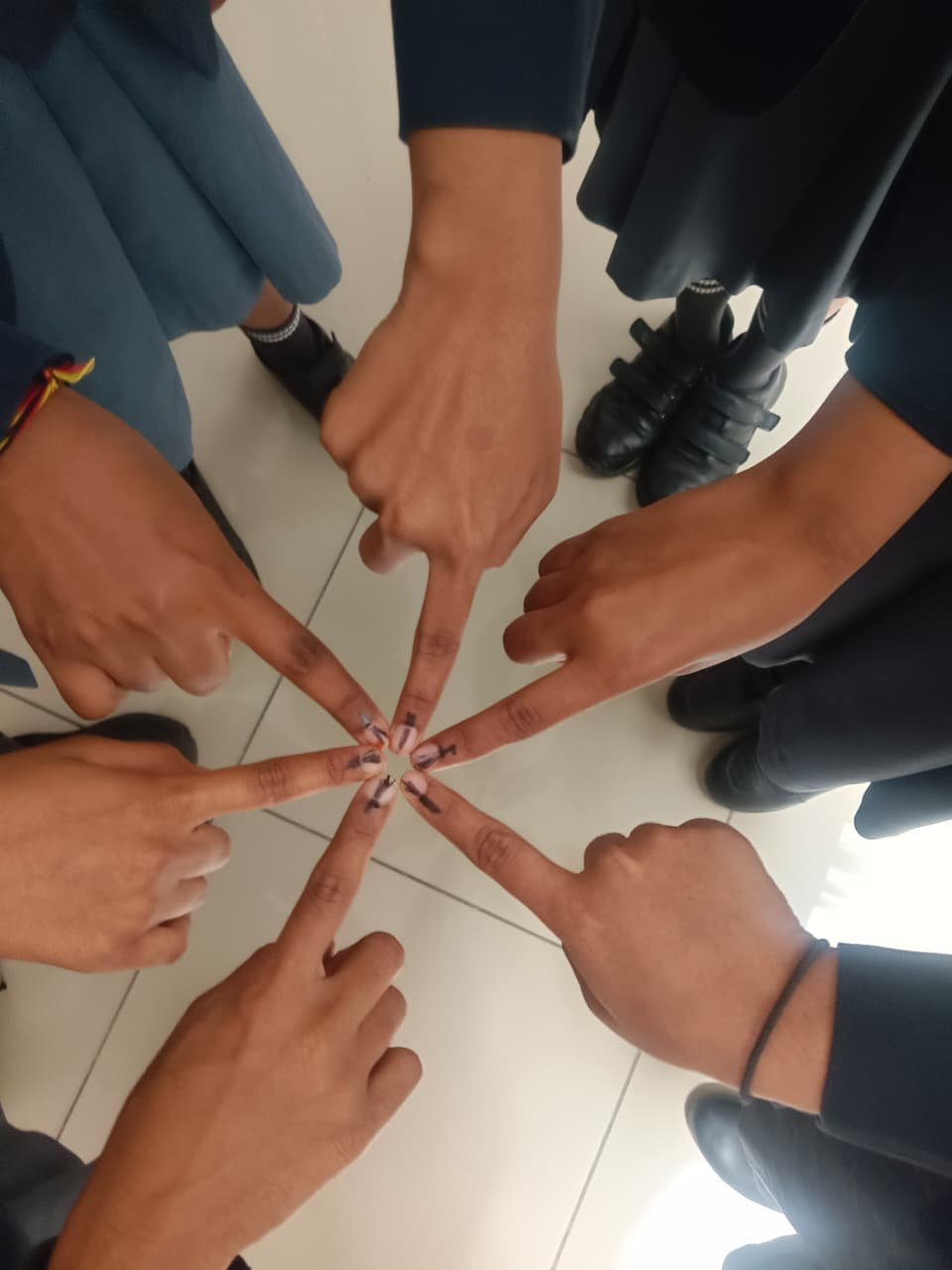
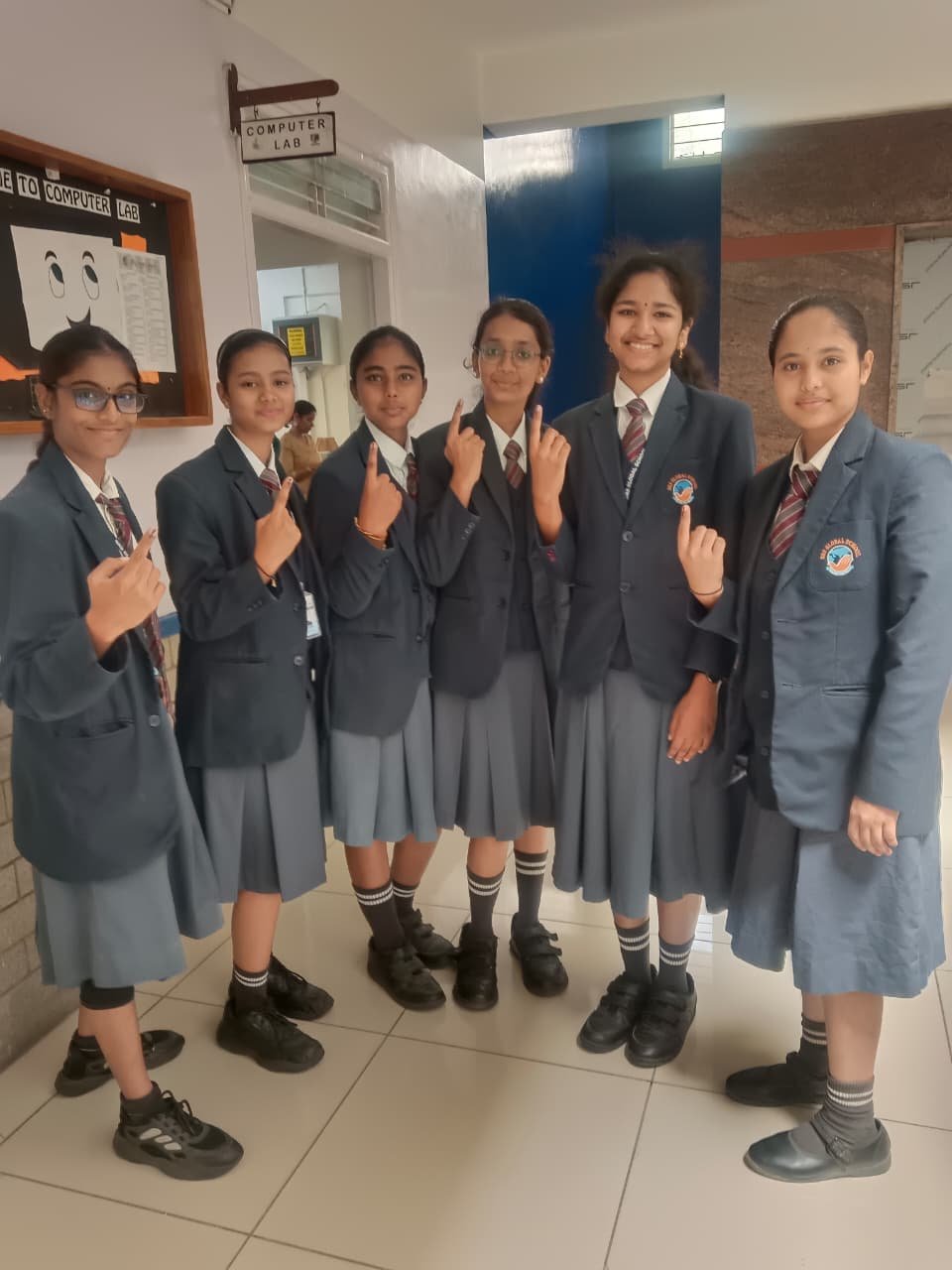
Keeping this educational vision in mind, BRS Global School | Best CBSE School in Sarjapur Road successfully conducted the Student Council Election for the Academic Year 2026-27 on 26 June 2026. The election was thoughtfully organized using a computer-based voting system, allowing students to participate in a structured, transparent, and secure democratic process.
Rather than being just an administrative event, the election became a valuable learning experience where students understood that leadership is built on responsibility, trust, integrity, and informed decision-making. Every vote represented a student’s voice, reinforcing the importance of fairness and accountability within the school community.
For families exploring CBSE schools in Sarjapur Road that focus on holistic student development alongside academic excellence, activities like Student Council Elections demonstrate how experiential learning prepares children for responsible citizenship in an increasingly interconnected world.
Event Overview
Event: Student Council Election 2026-27
Date: 26 June 2026
Venue: BRS Global School – Sarjapur Road Campus
Participants: Students from eligible classes, teachers, the Election Committee, and school leadership
Voting Method: Computer-Based Voting System
Focus Areas: Leadership, democracy, responsible voting, digital literacy, civic responsibility, and ethical decision-making
Educational Objective: To provide students with practical exposure to democratic participation through a transparent, technology-enabled voting process while nurturing leadership, responsibility, and active citizenship.
What Happened During the Student Council Election?
How was the Student Council Election conducted?
The Student Council Election for the academic year 2026-27 was conducted in a well-planned, systematic, and disciplined manner on the Sarjapur Road campus. Every stage of the election reflected careful preparation, ensuring that students experienced a process that was transparent, organised, and educational.
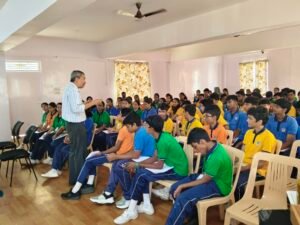
The day commenced with the morning assembly, where students were reminded that voting is both a right and a responsibility. Teachers spoke about the significance of selecting leaders thoughtfully, encouraging students to consider qualities such as integrity, accountability, teamwork, and service before casting their votes.
To ensure complete clarity, the Election Committee explained the voting guidelines and demonstrated the computer-based voting procedure. These instructions helped students understand the process beforehand, allowing every participant to vote confidently and independently.
This introduction served an important educational purpose beyond the election itself. Students were encouraged to appreciate that democratic participation requires informed decision-making rather than simply choosing familiar names or popular candidates.
How was the voting process organised?
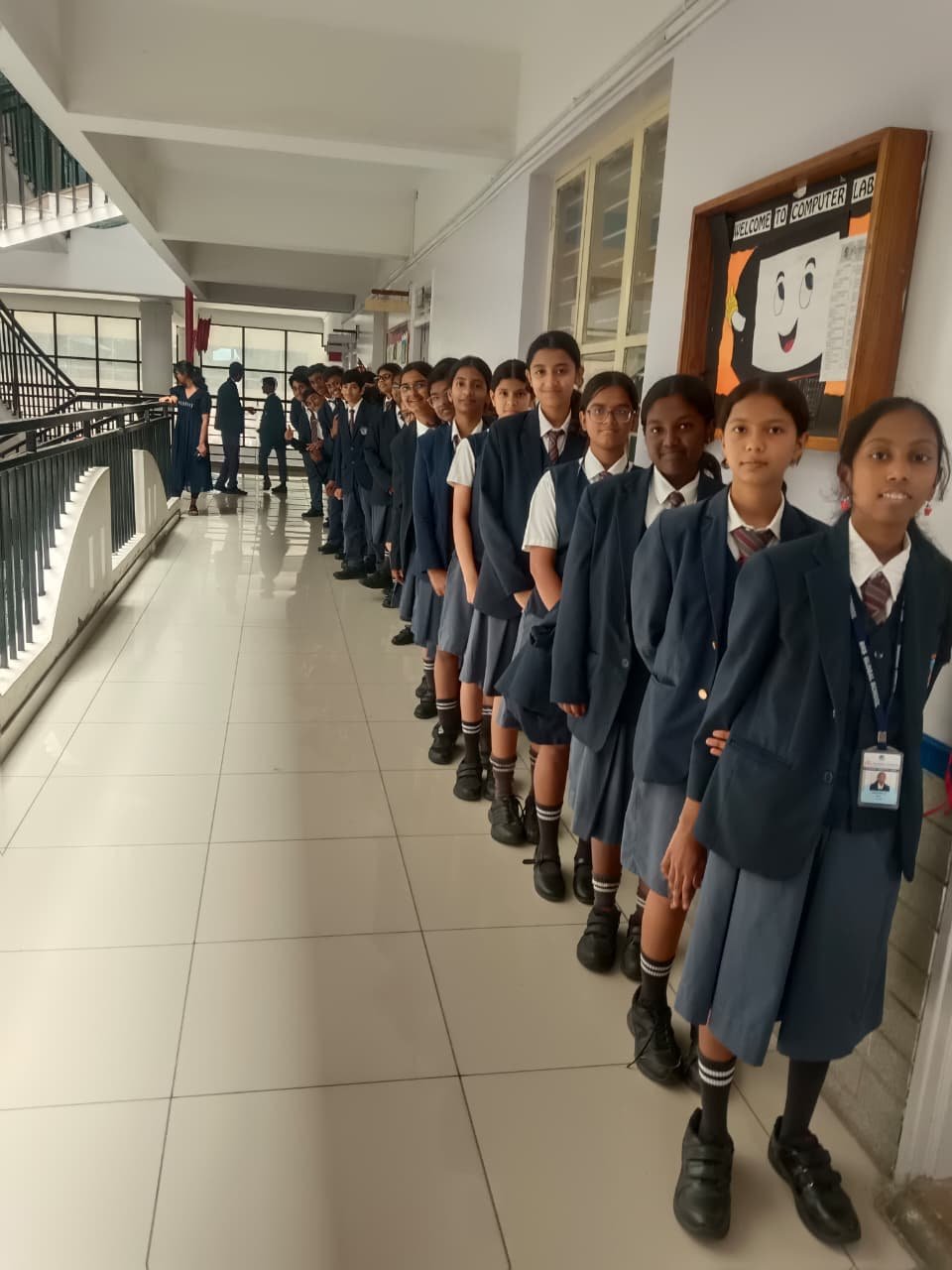
Following the assembly, classes were escorted to the computer laboratory according to a carefully prepared schedule. This systematic approach ensured that the voting process remained smooth, comfortable, and free from unnecessary crowding.
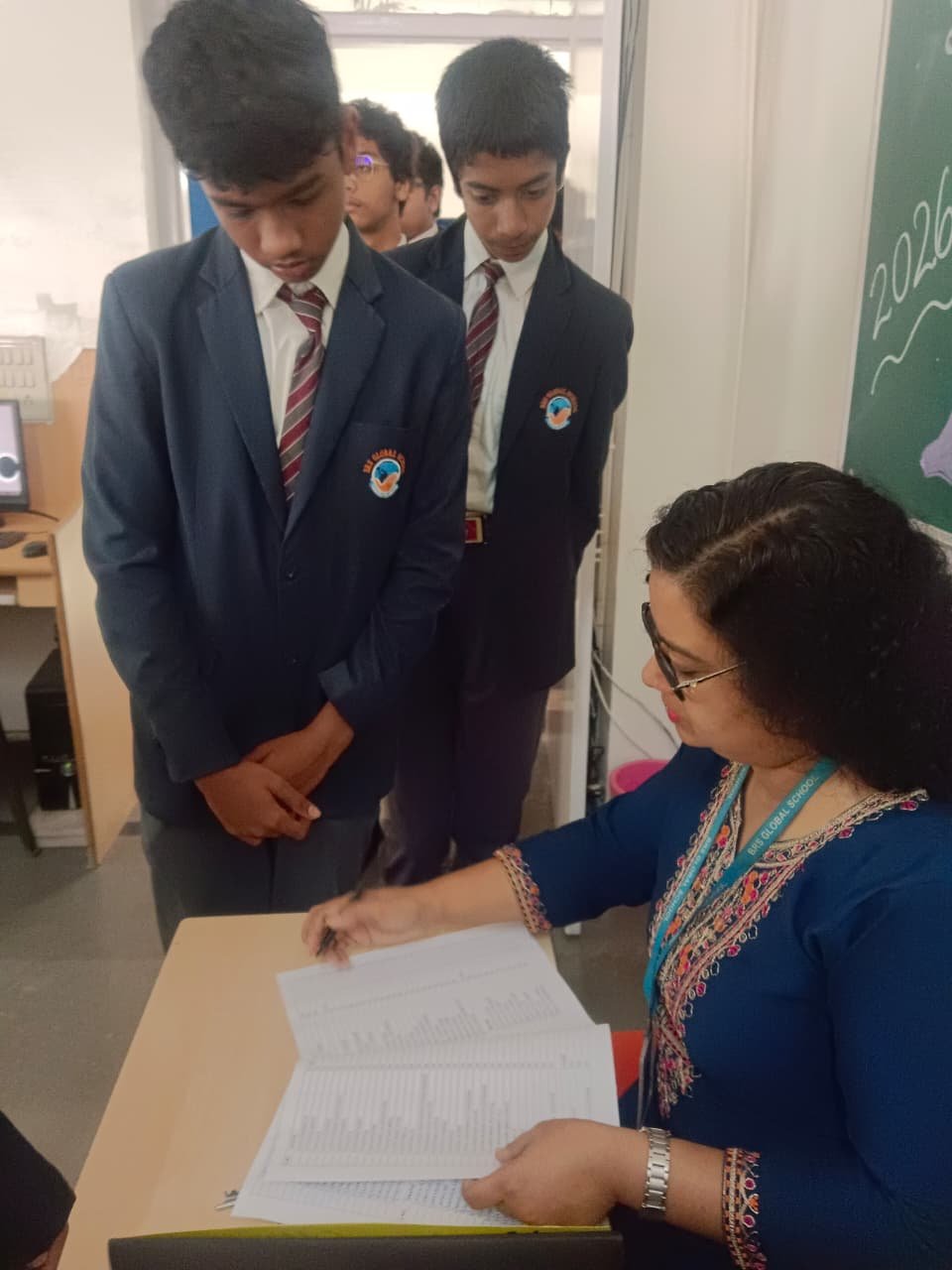
Each class entered the laboratory one at a time, allowing every student to participate without confusion or haste. Teachers, along with members of the Election Committee, remained present throughout the process to guide students, answer questions where necessary, and maintain the integrity of the election.
The organised movement of students reflected the school’s emphasis on discipline, planning, and respect for procedures—qualities that are essential in both educational settings and democratic systems.
The day commenced with the morning assembly, where students were reminded that voting is both a right and a responsibility. Teachers spoke about the significance of selecting leaders thoughtfully, encouraging students to consider qualities such as integrity, accountability, teamwork, and service before casting their votes.
To ensure complete clarity, the Election Committee explained the voting guidelines and demonstrated the computer-based voting procedure. These instructions helped students understand the process beforehand, allowing every participant to vote confidently and independently.
This introduction served an important educational purpose beyond the election itself. Students were encouraged to appreciate that democratic participation requires informed decision-making rather than simply choosing familiar names or popular candidates.
How did the computer-based voting system enhance the election?
One of the defining features of this year’s Student Council Election was the successful implementation of a computer-based voting system. The digital platform made the election process efficient, user-friendly, and transparent while ensuring that each student’s vote remained confidential.
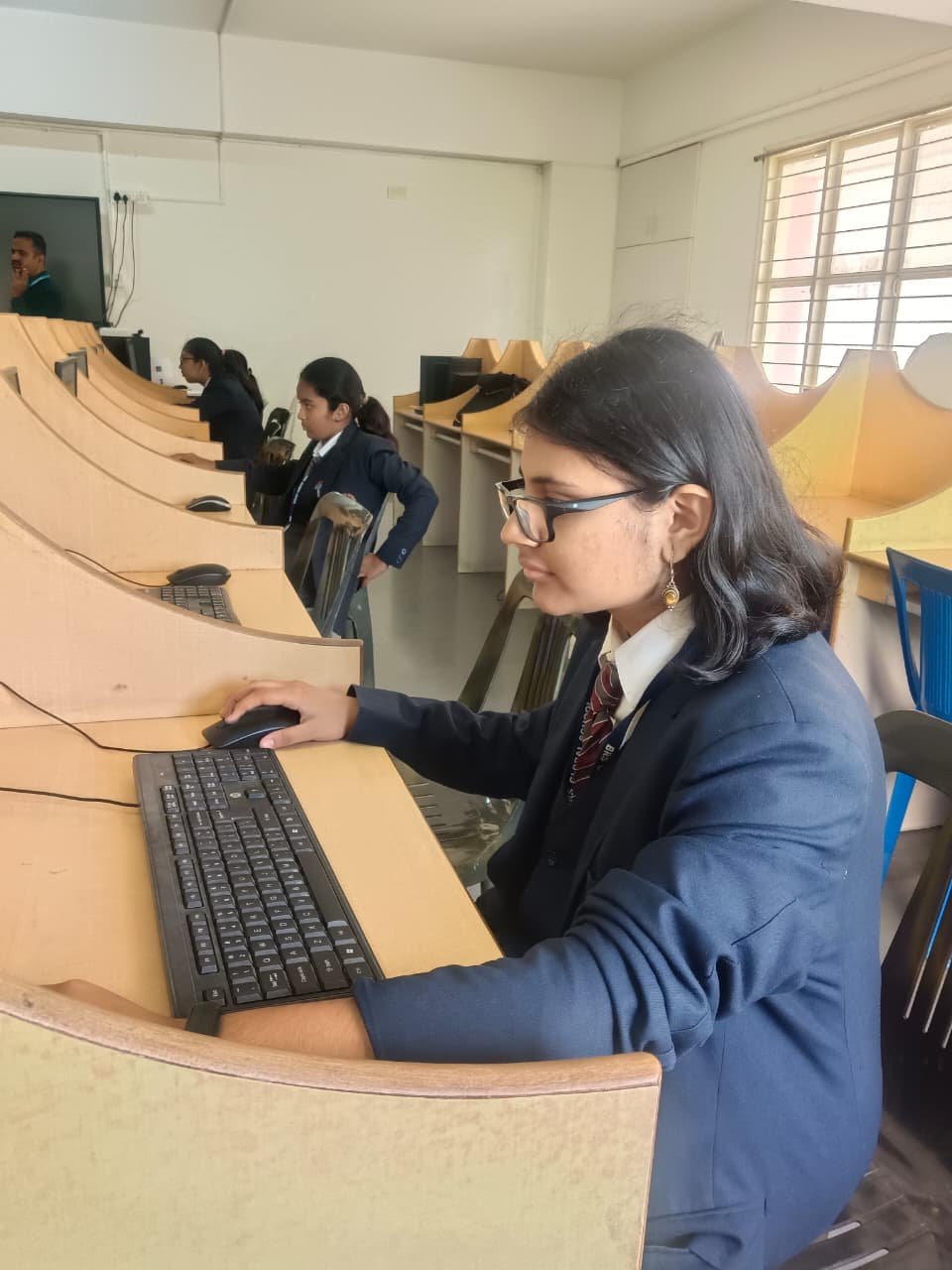
Students cast their votes individually using computers, following clearly displayed instructions. The technology simplified the voting experience without compromising fairness or accuracy, giving students practical exposure to how digital systems can strengthen democratic processes.
The integration of technology also introduced learners to responsible digital participation, helping them understand that technology, when used ethically, can improve transparency, efficiency, and accountability in important decision-making processes.
How did students participate responsibly throughout the election?
The election process was conducted in a calm, disciplined, and respectful atmosphere, reflecting the maturity of the student community. Students patiently waited for their turn, carefully followed the instructions provided by teachers, and exercised their voting rights responsibly.
Each student cast their vote independently, ensuring complete confidentiality of the ballot. This experience reinforced the importance of making informed decisions without external influence, helping students understand that every vote carries equal value in a democratic process.
The cooperation demonstrated by students throughout the election highlighted their growing sense of responsibility and respect for fair procedures. Their disciplined participation contributed significantly to the smooth conduct of the event and reflected the values nurtured through everyday school life.
Students cast their votes individually using computers, following clearly displayed instructions. The technology simplified the voting experience without compromising fairness or accuracy, giving students practical exposure to how digital systems can strengthen democratic processes.
The integration of technology also introduced learners to responsible digital participation, helping them understand that technology, when used ethically, can improve transparency, efficiency, and accountability in important decision-making processes.
What role did teachers and the Election Committee play?
Teachers and members of the Election Committee played a vital role in ensuring that the election was conducted with fairness, transparency, and efficiency. From planning the voting schedule to guiding students through the digital voting process, every aspect was carefully coordinated.
Their presence helped create a supportive environment where students felt confident participating in the election while understanding the importance of following established procedures. The committee also ensured that the election remained unbiased and that every eligible student had an equal opportunity to cast their vote.
This collaborative effort demonstrated how effective planning and teamwork contribute to the successful implementation of large-scale school activities while providing students with meaningful learning experiences.
Why was the election more than just selecting student leaders?
Although the primary objective was to elect the Student Council for the academic year 2026-27, the event offered much more than leadership selection. It became an experiential learning opportunity where students witnessed democratic principles in action.
By participating in a structured election, students learned that leadership is built on trust, responsibility, accountability, and service to others. They also understood that democracy thrives when individuals participate thoughtfully, respect diverse opinions, and make informed choices.
The successful completion of the election reflected the school’s commitment to nurturing responsible citizens who appreciate fairness, ethical conduct, and community participation from an early age.
Student Learning Outcomes & Benefits
What did students learn from the Student Council Election?
The Student Council Election offered valuable learning experiences that extended beyond academics. By participating in a real election process, students gained practical insights into democratic governance while developing essential life skills that will benefit them throughout their educational journey and beyond.
Understanding Democratic Values
Leadership Awareness
Students experienced democracy firsthand rather than learning about it only through classroom discussions. They recognised that responsible citizenship begins with informed participation and that every individual has a meaningful role in strengthening a democratic community.
Responsible Decision-Making
Casting an independent vote required students to think critically before making their choice. They learned to assess candidates thoughtfully, understand the impact of their decisions, and take responsibility for those decisions.
Digital Literacy
Using a computer-based voting system introduced students to technology in a meaningful educational context. They became familiar with secure digital processes while recognising how technology can support transparency and efficiency in modern civic systems.
Ethical Behaviour
The election reinforced values such as honesty, fairness, confidentiality, and respect for established procedures. Students understood why ethical conduct is essential for maintaining trust in any democratic institution.
Confidence and Participation
Many students experienced the voting process for the first time. Participating independently helped build confidence while encouraging active involvement in school life and community decision-making.
Educational Philosophy & Institutional Value Alignment
How does the Student Council Election support CBSE learning?
The Student Council Election reflects the broader educational philosophy of CBSE, which encourages schools to nurture well-rounded individuals through experiential learning rather than focusing exclusively on academic achievement.
Activities such as democratic elections help students apply classroom knowledge to real-life situations, making learning more meaningful and relevant. Instead of merely studying democratic principles in Social Science lessons, students actively experience how these principles function in practice.
The election also aligns with the learner-centric vision of the National Education Policy (NEP) 2020, which emphasises:
• Experiential learning
• Critical thinking
• Ethical leadership
• Responsible citizenship
• Digital competency
• Collaboration
• Decision-making
• Holistic development
By integrating technology with civic education, the activity encouraged students to become informed, responsible, and socially aware individuals who understand the importance of contributing positively to their communities.
How does experiential learning strengthen student development?
Experiential learning enables students to retain concepts more effectively because they actively participate rather than passively observe.
Through the election process, students developed a practical understanding of:
• Democratic governance
• Accountability
• Transparency
• Organisational planning
• Civic participation
• Ethical responsibility
These experiences create lasting learning outcomes that complement classroom instruction and prepare students for future leadership opportunities.
Why Does This Matter for Student Development?
Why should parents value activities like Student Council Elections?
Parents today seek educational experiences that prepare children not only for examinations but also for life beyond school. Student Council Elections contribute significantly to this goal by developing qualities that cannot be measured through academic assessments alone.
Such activities help students become:
• Responsible decision-makers
• Ethical leaders
• Confident communicators
• Active participants
• Digitally aware learners
• Respectful team members
• Independent thinkers
• Responsible citizens
These competencies are increasingly recognised as essential life skills for higher education, future careers, and meaningful participation in society.
Rather than viewing leadership as a position, students begin to understand leadership as a responsibility that requires empathy, integrity, collaboration, and accountability.
Local Context Relevance
Families living across Sarjapur Road, Kasavanahalli, Bellandur, Haralur Road, HSR Layout, Kaikondrahalli, Carmelaram, and nearby residential communities increasingly look for schools that provide holistic education alongside strong academics.
For many parents working in major IT hubs such as Sarjapur Road, Kasavanahalli, Bellandur, HSR Layout, Kaikondrahalli, Carmelaram, Harlur, Dommasandra, Gunjur, Varthur, Marathahalli, Kodathi, Doddakannelli, Choodasandra, and nearby communities,, opportunities that combine technology, leadership, and real-world learning are highly valued.
The Student Council Election reflects this balanced educational approach by combining democratic participation with responsible use of technology. Such initiatives help students develop practical life skills while supporting the broader vision of holistic education expected by today’s families seeking quality CBSE schools in Sarjapur Road.
Conveniently accessible for families from Bellandur, Electronic City, Marathahalli, Whitefield, Sarjapura, Dommasandra, and surrounding neighbourhoods, the Sarjapur Road campus continues to create meaningful learning experiences that extend well beyond classroom instruction.
Common Parent Questions
How does this activity support CBSE education?
The Student Council Election supports CBSE’s emphasis on experiential learning by allowing students to participate directly in democratic processes. It develops leadership, ethical thinking, decision-making, collaboration, and civic responsibility alongside academic learning.
How does voting improve student confidence?
Participating in a structured election helps students make independent decisions, express their choices responsibly, and understand that every voice matters. This builds confidence, accountability, and self-belief.
What leadership skills were developed?
Students strengthened leadership awareness, critical thinking, communication, responsibility, ethical judgment, teamwork, and respect for democratic processes.
Why was technology used for voting?
The computer-based voting system ensured transparency, confidentiality, efficiency, and accuracy while introducing students to responsible digital participation and modern election practices.
How does this experience prepare students for the future?
Experiences like Student Council Elections nurture informed citizens who understand leadership, integrity, collaboration, and responsible participation—qualities that remain valuable throughout higher education, professional careers, and civic life.
Key Highlights
• Student Council Election conducted successfully on 26 June 2026.
• Transparent and secure computer-based voting system implemented.
• Students experienced real democratic participation.
• Independent and confidential voting process maintained.
• Teachers and Election Committee ensured fairness throughout.
• Students demonstrated discipline, responsibility, and maturity.
• Leadership qualities were promoted through experiential learning.
• Digital literacy was strengthened using technology-enabled voting.
• The activity aligned with CBSE’s holistic education philosophy and the vision of NEP 2020.
• Students gained practical exposure to civic responsibility, ethical leadership, and informed decision-making.
Frequently Asked Questions (FAQs)
Why are Student Council Elections important in schools?
Student Council Elections help students understand democratic values through practical experience. They encourage leadership, responsibility, ethical decision-making, teamwork, and active participation, preparing students to become responsible citizens while complementing their academic learning.
How did the computer-based voting system benefit students?
The computer-based voting system made the election transparent, efficient, accurate, and confidential. It also introduced students to the responsible use of technology while demonstrating how digital tools can support fair and organised decision-making processes.
How does this activity support CBSE education?
CBSE encourages experiential and holistic learning alongside academics. Activities like Student Council Elections provide students with opportunities to apply concepts such as democracy, leadership, civic responsibility, and ethical behaviour in real-life situations, making learning more meaningful and engaging.
What skills did students develop during the election?
Students strengthened several essential life skills, including:
• Leadership awareness
• Critical thinking
• Responsible decision-making
• Digital literacy
• Communication
• Teamwork
• Civic responsibility
• Ethical leadership
• Confidence
• Respect for democratic values
Why should parents value Student Council Elections?
Student Council Elections help children become confident, responsible, and socially aware individuals. Beyond academics, these experiences nurture leadership qualities, integrity, collaboration, and independent thinking—skills that contribute to success in higher education, future careers, and everyday life.
Who benefited from the Student Council Election?
All participating students benefited by gaining first-hand experience of democratic participation. Teachers and the wider school community also contributed to creating a meaningful learning environment that promoted fairness, responsibility, and mutual respect.
How does BRS Global School promote holistic student development?
Conclusion
The Student Council Election 2026–27 was more than an opportunity to elect student representatives—it was a meaningful educational experience that empowered students to understand democracy through active participation. By combining technology with ethical leadership, responsible voting, and civic awareness, the event reinforced values that will continue to guide students throughout their academic journey and beyond.
At BRS Global School | Best CBSE School in Sarjapur Road, such experiential learning opportunities complement classroom education by helping students develop confidence, responsibility, leadership, and strong character. This balanced approach reflects the school’s commitment to preparing learners not only for academic success but also for the responsibilities of life.
If you are looking for a CBSE school in Sarjapur Road that blends academic excellence with holistic development, leadership opportunities, and meaningful real-world learning experiences, we invite you to explore the Sarjapur Road campus and discover how students grow into capable, compassionate, and responsible individuals.
Explore BRS Global School | Best CBSE School in Sarjapur Road: https://share.google/2oEno2EtFtY7eyP2B
Looking for our Attibele campus? Visit BRS Global School | Pre-school, Primary School & High School | Attibele (another branch of BRS Global School):
https://share.google/iFhJaeGo8wkgOZ1Y5