
Introduction
Science becomes more meaningful when students can see how it works in the world around them. Textbooks introduce important concepts, but observing working models, interactive displays and practical demonstrations can help students develop a deeper understanding of those ideas.
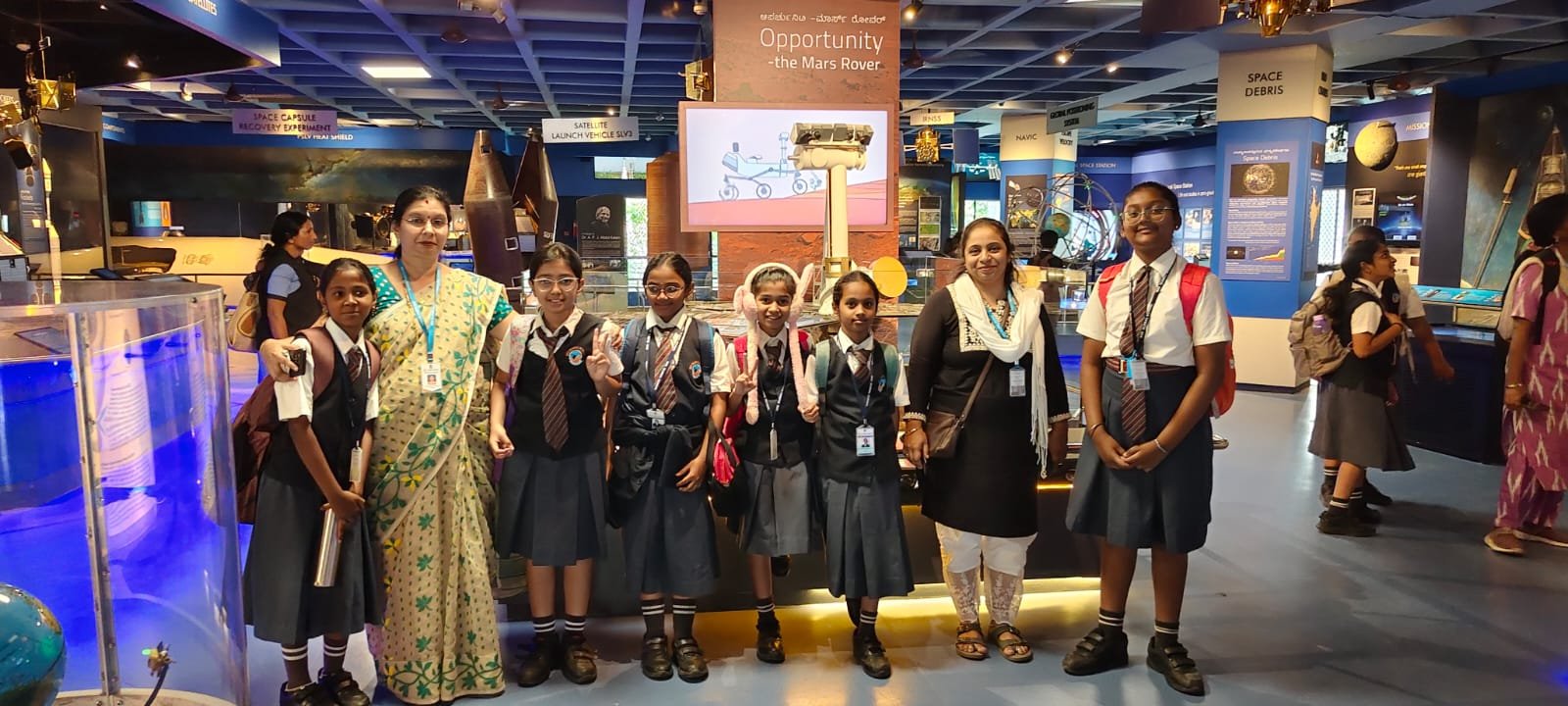
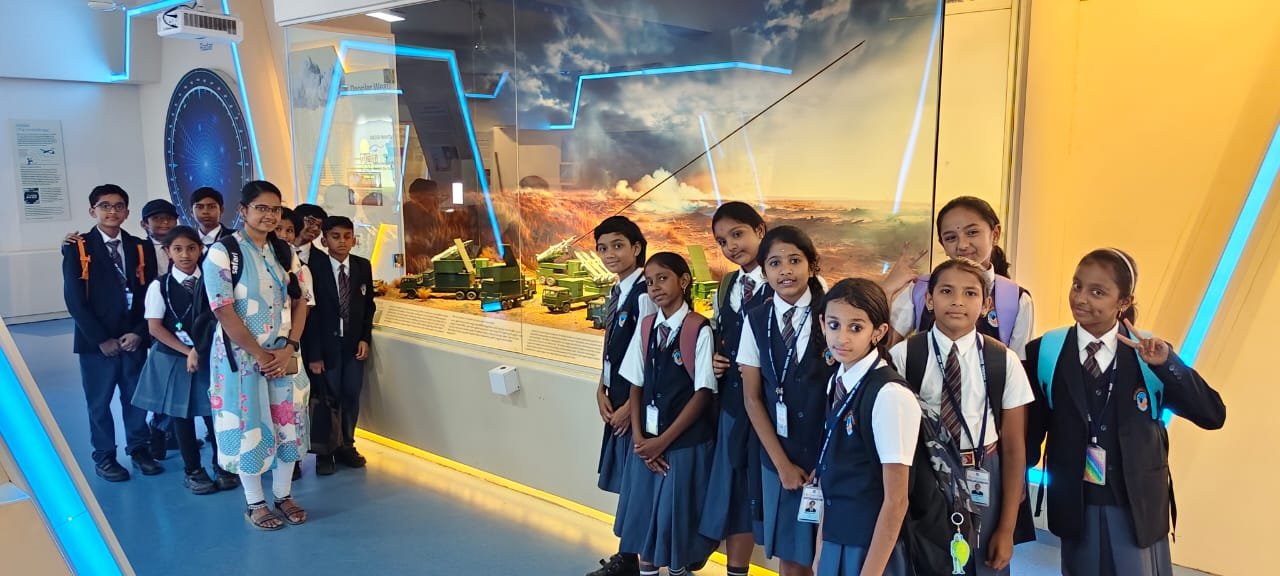
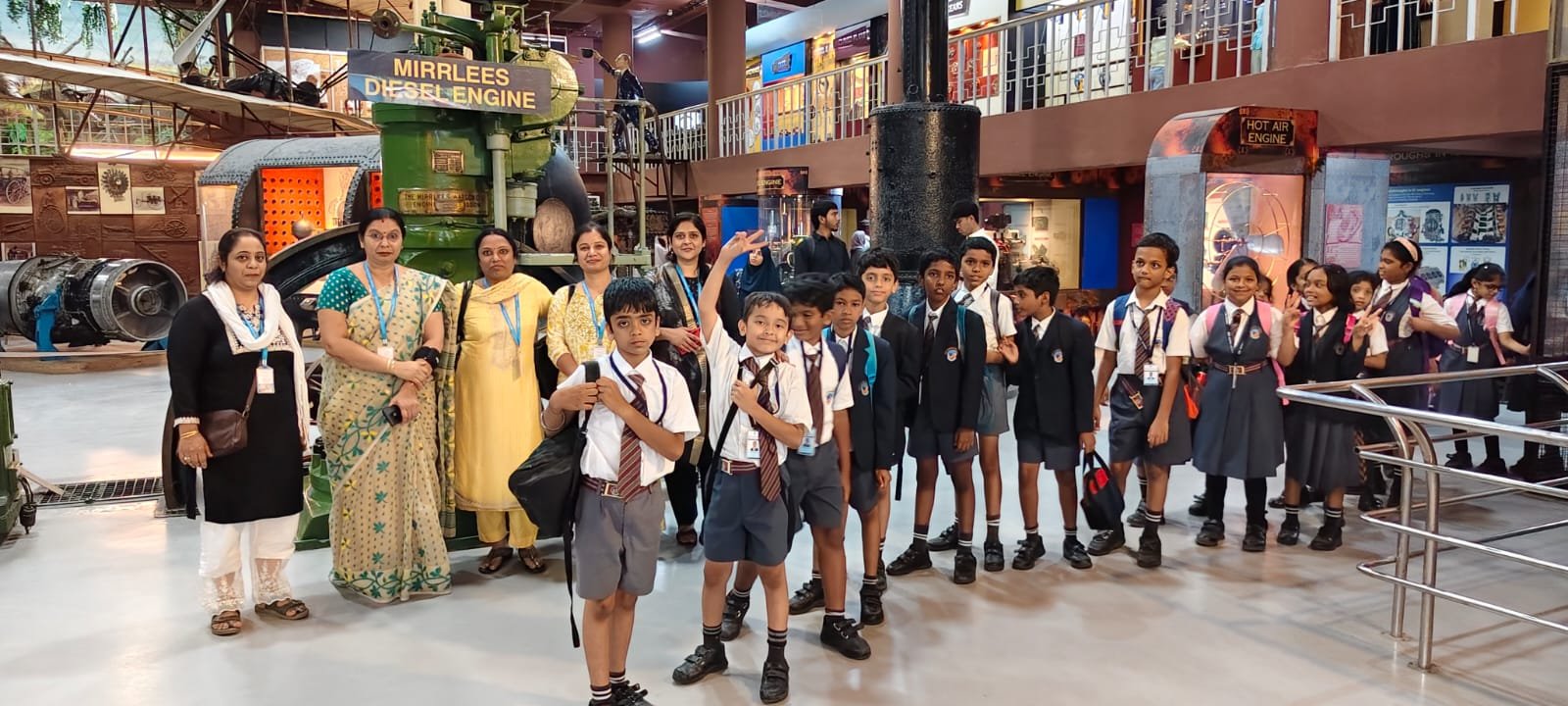
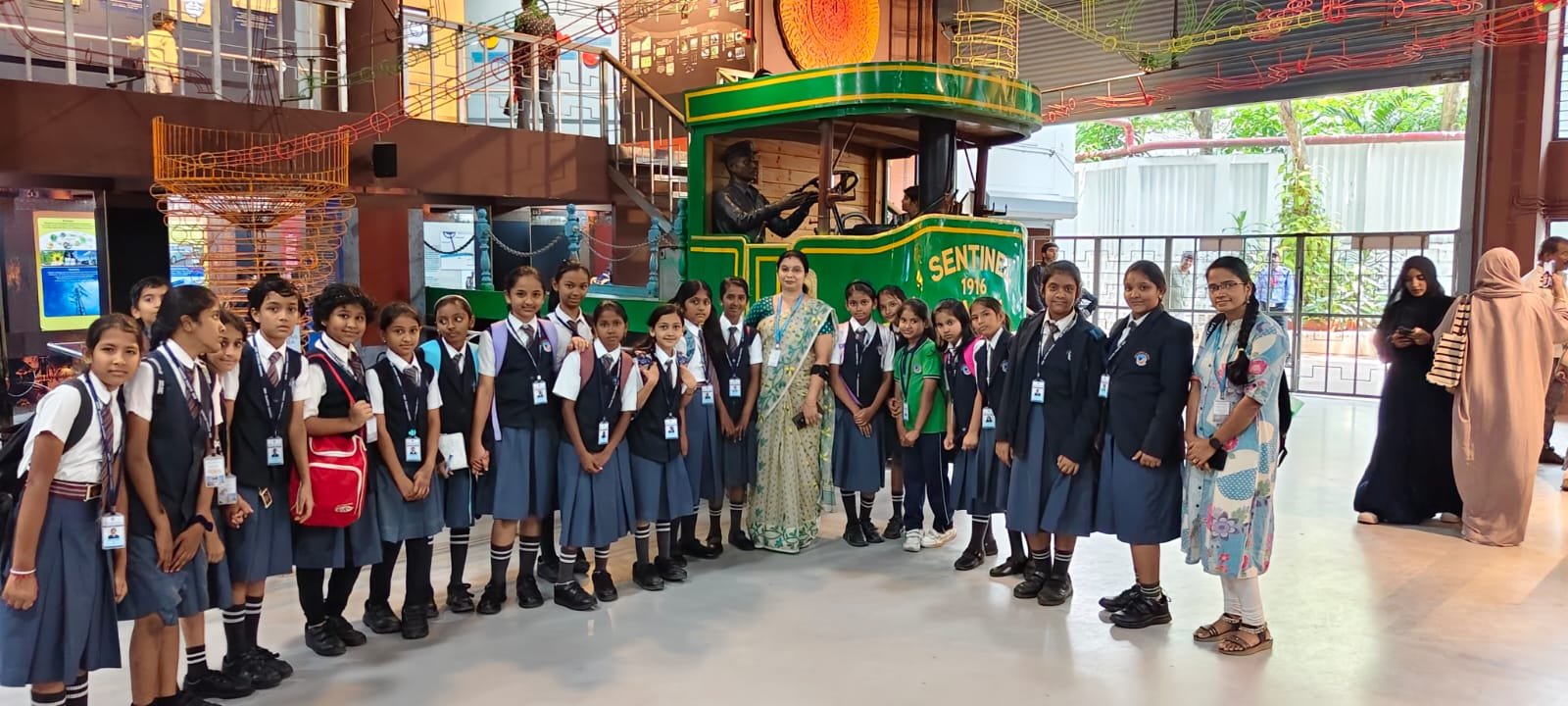
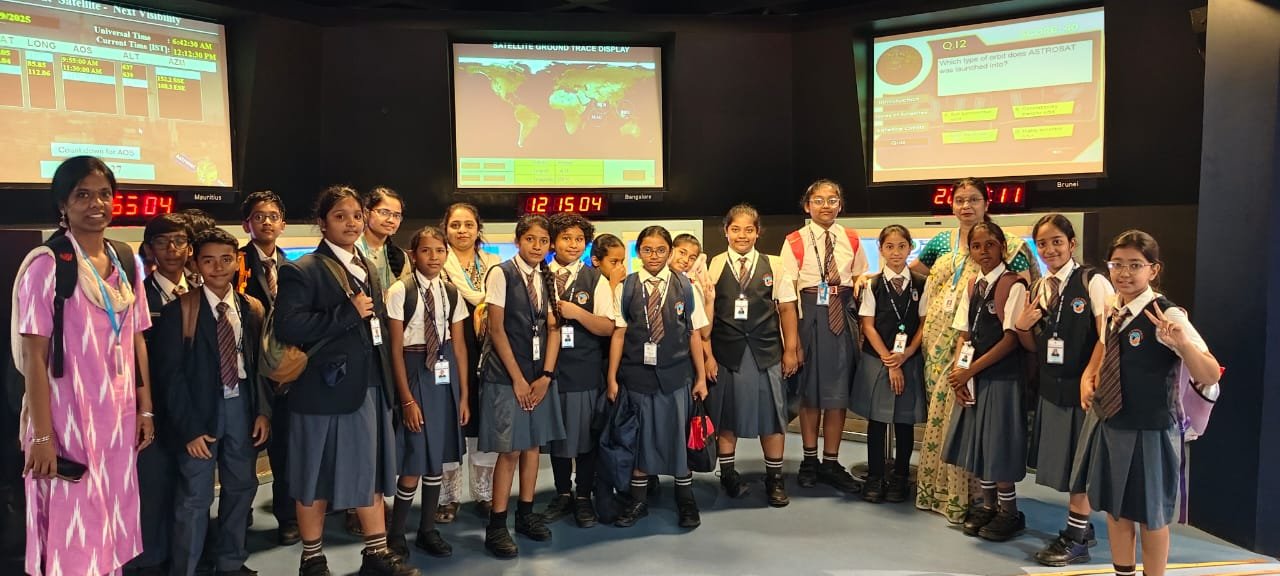
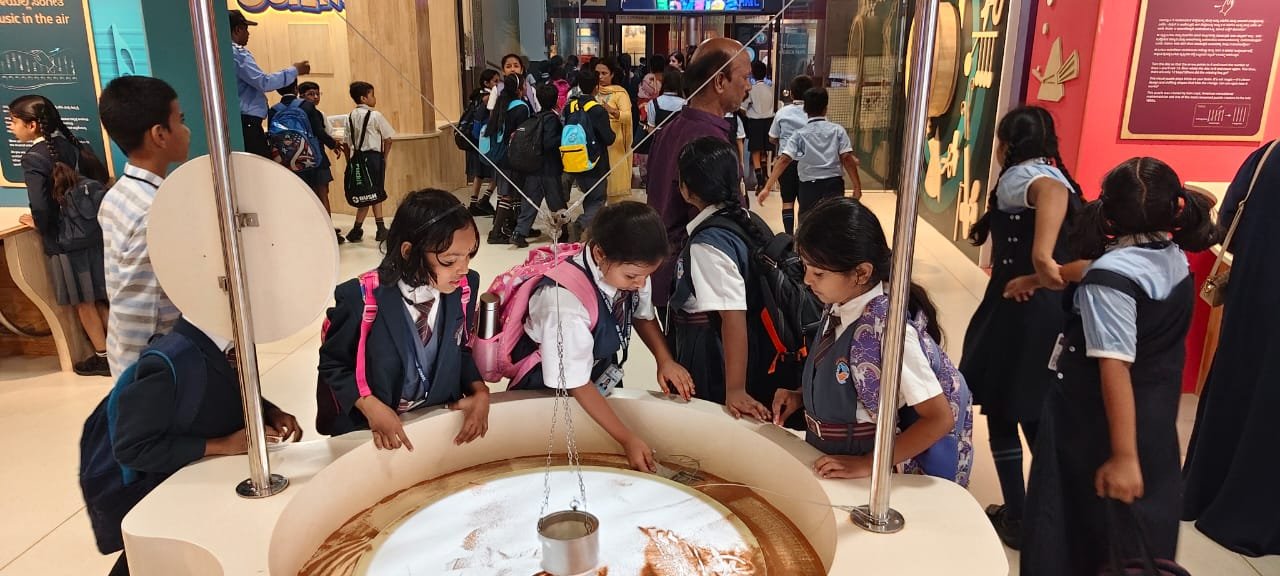
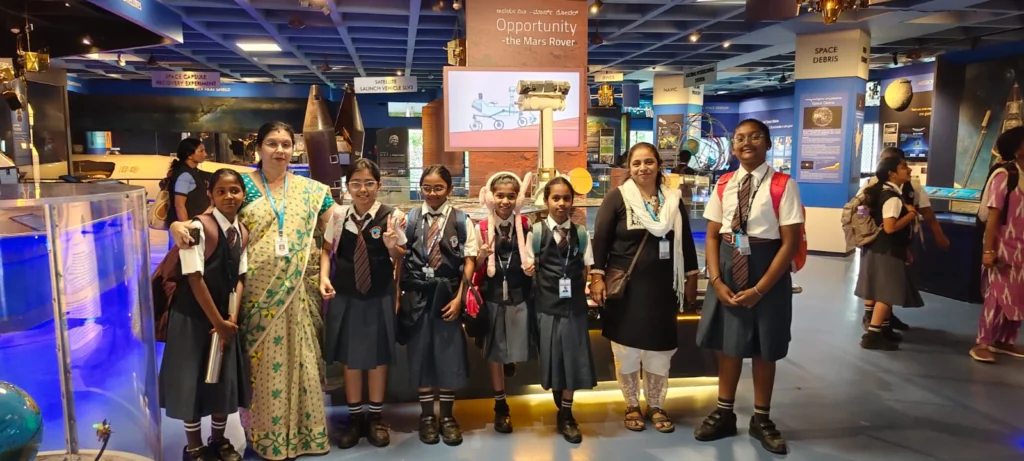
With this objective, students of BRS Global School, Sarjapur Road visited the Visvesvaraya Industrial & Technological Museum (VITM), Bengaluru, for an educational exploration of science and technology.
The visit offered an opportunity to discover scientific principles through engaging exhibits covering engines, electricity, space technology, biotechnology and interactive experiments. Students were encouraged to observe, explore and understand how scientific knowledge contributes to technological developments and everyday applications.
For students, the experience was not simply about visiting a museum. It was an opportunity to approach science with curiosity, connect classroom concepts with practical examples and discover the many possibilities within Science, Technology, Engineering and Mathematics (STEM).
Event Overview
Event : Educational Visit to Visvesvaraya Industrial & Technological Museum
Venue : Visvesvaraya Industrial & Technological Museum (VITM), Bengaluru
Institution : BRS Global School – Sarjapur Road
Main focus : Science, technology and experiential learning
Learning areas : Engines, electricity, space technology, biotechnology and interactive science
Educational objective : Connecting scientific concepts with real-world applications
The Visvesvaraya Industrial & Technological Museum is a science museum in Bengaluru and a constituent unit of the National Council of Science Museums, under the Ministry of Culture, Government of India. Established in memory of Bharat Ratna Sir M. Visvesvaraya, the museum provides visitors with opportunities to explore scientific and technological developments through exhibitions and educational activities.
What Happened During the Educational Visit?
The museum visit gave students an opportunity to explore different areas of science through exhibits designed to make complex ideas more accessible and engaging.
Each gallery introduced a different aspect of scientific knowledge, helping students recognise how concepts learned in school relate to practical applications.
Exploring the Engines Gallery
The Engines Gallery introduced students to working models of motors, engines and aircraft. These exhibits provided a closer look at the mechanical principles involved in movement and transportation.
By observing the models, students could develop a better understanding of how engines operate and how mechanical systems are used in different industries.
The experience also offered an opportunity to connect classroom discussions about force, motion, energy and machines with real-world examples.
Discovering Electricity Through Interactive Exhibits
The Electricity Gallery featured interactive displays that demonstrated different electrical concepts.
Students could explore how electricity works and understand its importance in powering everyday devices and technological systems. Observing the exhibits helped make concepts that may otherwise seem abstract more tangible.
Such experiences encourage students to ask questions about electrical energy, circuits and the role of electricity in modern life.
Exploring Space and Space Technology
The Space Gallery introduced students to the fascinating world of rockets, satellites and space exploration.
The exhibits helped students discover how scientific knowledge is used to explore space and develop technologies that support communication, research and observation.
Learning about space technology can also encourage students to think about scientific discoveries, engineering challenges and future possibilities in aerospace and related fields.
Understanding Biotechnology
The Biotechnology Gallery offered an introduction to biological sciences and their practical applications.
Through the exhibits and hands-on learning opportunities described in the event report, students could explore how scientific knowledge about living systems contributes to different areas of research and technology.
This exposure helped broaden their understanding of science beyond physics and mechanical engineering.
Learning Through the Fun Science Section
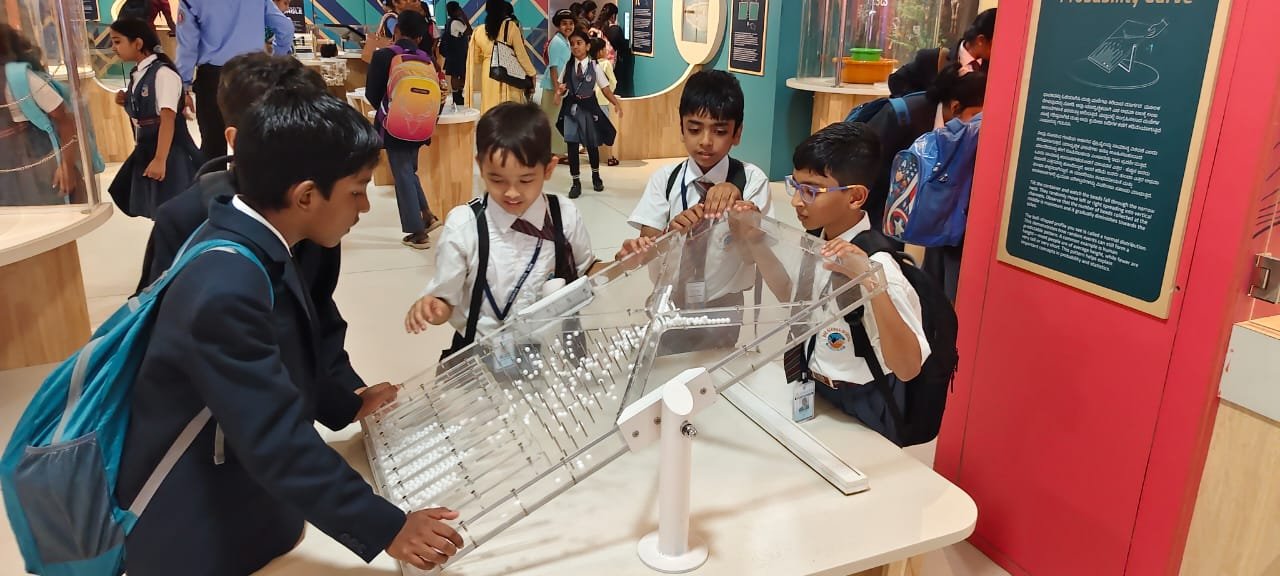
The Fun Science Section was another engaging part of the visit. Its touch-and-try experiments encouraged students to explore scientific ideas through participation.
Instead of only reading about scientific principles, students could observe what happens when they interact with an exhibit or experiment.
These experiences demonstrate that science is not limited to laboratories or textbooks. It can also be discovered through simple observations, questions and everyday experiences.
Experiencing Science Shows and Demonstrations
The visit also included science demonstrations such as the Tesla coil and 3D film experiences, including Galapagos and Science on a Sphere.
These presentations offered another way to understand scientific ideas through visual demonstrations and engaging explanations.
Live demonstrations can make scientific phenomena easier to observe and discuss. They also encourage students to think about the principles behind what they see rather than simply viewing an experiment as entertainment.
Observing Outdoor Exhibits
The outdoor exhibits included an Air Force jet, a train and energy turbines.
These displays helped students explore the relationship between science, engineering and practical technology. They also demonstrated how scientific principles contribute to transportation, aviation and energy systems.
Together, the galleries and exhibits created an educational experience that connected several branches of science in one setting.
Student Learning Outcomes and Benefits
The educational visit supported several important learning outcomes by giving students opportunities to observe, explore and connect ideas across different scientific fields.
Connecting Theory with Practical Applications
One of the main benefits of the visit was the opportunity to relate classroom concepts to real-world examples.
Students could observe how principles involving electricity, mechanics, energy and motion are applied in working models and technological systems.
This connection can make classroom learning more meaningful by helping students understand not only what a scientific concept means but also where and how it is used.
Developing Scientific Curiosity
Interactive exhibits naturally encourage questions.
Students may wonder how an engine works, why electricity produces certain effects, how satellites remain in orbit or how a particular experiment demonstrates a scientific principle.
Such questions are an important starting point for scientific inquiry. They encourage learners to explore ideas rather than simply memorise information.
Improving Observation Skills
Observing working models and demonstrations helps students pay attention to details, identify patterns and understand relationships between different components.
These observation skills are useful across subjects, particularly Science, Mathematics and Technology.
Encouraging Critical and Creative Thinking
Exploring different exhibits encourages students to think about how things work and why particular scientific principles produce specific results.
This can help develop analytical thinking, problem-solving abilities and an interest in finding explanations through observation and reasoning.
Building an Interest in STEM
Exposure to engines, space technology, electricity and biotechnology introduces students to different areas of STEM.
It may also help them discover new interests in engineering, scientific research, aviation, space exploration and technological innovation.
Making Learning Enjoyable
Interactive experiments, demonstrations and visual presentations offer an engaging alternative to conventional classroom instruction.
When students enjoy exploring a subject, they may become more willing to ask questions, participate in discussions and pursue further learning.
How Does This Visit Align with Experiential Learning?
Experiential learning involves developing understanding through direct experiences, observation, reflection and application.
The museum visit reflected this approach by allowing students to encounter scientific ideas through exhibits, working models and demonstrations.
The National Curriculum Framework for School Education recognises hands-on science and discovery-based approaches as valuable ways of developing conceptual understanding and scientific capacities.
The visit supported this learning approach in several ways:
• Observation: Students explored scientific exhibits and watched demonstrations.
• Exploration: Interactive displays encouraged students to engage with scientific ideas.
• Connection: Working models helped relate theoretical concepts to practical applications.
• Inquiry: Different exhibits offered opportunities to ask questions and explore explanations.
• Inspiration: Exposure to engineering and technology introduced students to wider possibilities in science.
At BRS Global School, Sarjapur Road, learning experiences beyond regular classroom instruction provide additional opportunities for students to explore subjects through practical exposure and meaningful engagement.
Why Are Educational Visits Important for Student Development?
Educational visits can support student development by creating opportunities to learn in different environments.
A museum, science centre or technology exhibition offers experiences that may be difficult to recreate entirely within a classroom. Students can observe large-scale installations, interact with working models and experience demonstrations conducted in specialised settings.
These experiences can contribute to:
• Greater conceptual understanding: Students see how ideas discussed in lessons are applied in real situations.
• Curiosity and independent exploration: Exhibits encourage learners to investigate topics that interest them.
• Confidence in asking questions: Students become more comfortable expressing their observations and seeking explanations.
• Broader awareness: Exposure to different scientific fields helps students discover new areas of knowledge.
• Interest in future learning: Real-world examples can introduce students to possible academic and career interests.
For parents, such experiences are valuable because education involves more than completing lessons and examinations. Opportunities to explore, observe and question can help children develop a lasting interest in learning.
Local Context: Science Learning Opportunities for Families in Sarjapur Road
For families exploring schools in Sarjapur Road, educational opportunities beyond regular classroom lessons can be an important consideration.
Bengaluru offers several educational and cultural spaces where children can encounter science, technology, nature and history outside school.
The Visvesvaraya Industrial & Technological Museum, located on Kasturba Road near Cubbon Park, is one such destination. Its interactive galleries and science demonstrations make it a useful learning resource for students and families interested in science and technology.
BRS Global School, Sarjapur Road serves families from Kasavanahalli and surrounding communities, including Bellandur, HSR Layout, Haralur, Hosa Road, Kaikondrahalli, Carmelaram, Kodathi, Gunjur, Varthur and Doddakannelli.
The school also has families from residential communities around Choodasandra, Junnasandra, Iblur, Rayasandra, Kudlu Gate, Marathahalli and Electronic City.
For working parents in the Sarjapur Road and Bellandur corridors, access to a school that values academic learning alongside practical exposure and co-curricular experiences can be an important part of the school-selection process.
Families looking at CBSE schools in Sarjapur Road can explore how a school’s academic approach, learning activities, facilities and student-development opportunities align with their child’s needs.
BRS Global School – Sarjapur Road branch: View the school on Google Maps.
Common Parent Questions
How do educational visits help students understand science?
Educational visits allow students to observe scientific concepts through working models, demonstrations and interactive exhibits. These experiences help connect textbook knowledge with practical examples and encourage learners to explore how scientific principles are applied in everyday life.
Can museum visits support classroom learning?
Yes. Museum visits can complement classroom instruction by providing visual and practical examples of concepts introduced in lessons. Students can observe applications of science and technology, ask questions and develop a clearer understanding of topics.
Why should schools organise science-related educational visits?
Science-related educational visits introduce students to scientific developments, technologies and real-world applications. They also provide opportunities to develop curiosity, observation, critical thinking and an interest in STEM subjects.
How does interactive learning benefit children?
Interactive learning encourages students to participate rather than remain passive observers. It can improve engagement, promote questioning and help students understand concepts through exploration and experience.
What is STEM education?
STEM stands for Science, Technology, Engineering and Mathematics. STEM education connects these disciplines through practical applications, problem-solving, experimentation and inquiry-based learning.
What can students learn from visiting a science museum?
Students can explore scientific principles, technological developments, engineering applications and scientific demonstrations. They can also develop observation skills, curiosity and an appreciation for how science influences everyday life.
Key Highlights of the Museum Visit
• Educational visit to Visvesvaraya Industrial & Technological Museum, Bengaluru.
• Exploration of the Engines Gallery and working mechanical models.
• Interactive learning experiences in the Electricity Gallery.
• Exposure to rockets, satellites and space technology.
• Introduction to biotechnology and biological sciences.
• Hands-on exploration in the Fun Science Section.
• Science demonstrations, including the Tesla coil.
• 3D film experiences and Science on a Sphere.
• Outdoor exhibits featuring an Air Force jet, train and energy turbines.
• Opportunities to connect classroom concepts with practical applications.
Frequently Asked Questions (FAQs)
Where is the Visvesvaraya Industrial & Technological Museum located?
The Visvesvaraya Industrial & Technological Museum is located on Kasturba Road, Bengaluru, near Cubbon Park. It is a science museum featuring galleries and exhibits related to science, engineering and technology.
vismuseum.gov.in+1
What are the main attractions at the Visvesvaraya Industrial & Technological Museum?
The museum features galleries and attractions covering engines, electricity, space technology, biotechnology and interactive science. It also offers science demonstrations, special shows and outdoor exhibits.
What is the educational value of visiting a science museum?
A science museum helps students explore scientific principles through observation, interactive exhibits and demonstrations. It can strengthen conceptual understanding and encourage curiosity about science and technology.
How does experiential learning support students?
Experiential learning allows students to develop understanding through direct participation, observation and reflection. It helps connect theoretical concepts with real-life situations and practical applications.
What does STEM mean in school education?
STEM refers to Science, Technology, Engineering and Mathematics. It encourages students to understand the connections between these subjects through exploration, experimentation and problem-solving.
Why are science demonstrations useful for children?
Science demonstrations make scientific phenomena visible and easier to discuss. They can encourage students to ask questions, observe outcomes and develop an interest in understanding the principles behind different experiments.
How can parents encourage scientific curiosity at home?
Parents can encourage scientific curiosity by involving children in simple experiments, discussing everyday observations, visiting museums and science centres, reading about discoveries and allowing children to ask questions and explore possible explanations.
Conclusion: Making Science Meaningful Through Experience
The educational visit to Visvesvaraya Industrial & Technological Museum offered students of BRS Global School, Sarjapur Road an opportunity to explore science and technology beyond the classroom.
From observing working engines and electrical displays to discovering space technology, biotechnology and interactive experiments, students experienced different ways in which scientific principles shape the world around them.
The visit reinforced the importance of curiosity, observation and practical exploration in the learning process. It also highlighted how educational experiences outside school can complement academic instruction and encourage students to develop a deeper interest in science.
At BRS Global School, Sarjapur Road, such learning opportunities form part of a broader approach to education that values academic understanding, exploration and holistic student development.
Explore Our Campus:
BRS Global School – Attibele Google Business Profile