
Introduction
For young children, learning becomes particularly meaningful when they can see, observe and experience concepts in the real world. A picture of a fish or a classroom conversation about plants can introduce a concept, but seeing living organisms and natural surroundings first-hand can create a more concrete and memorable learning experience.
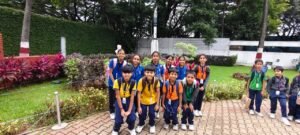
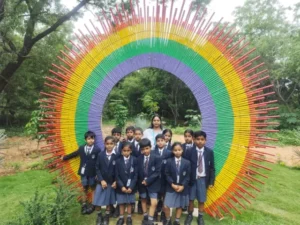
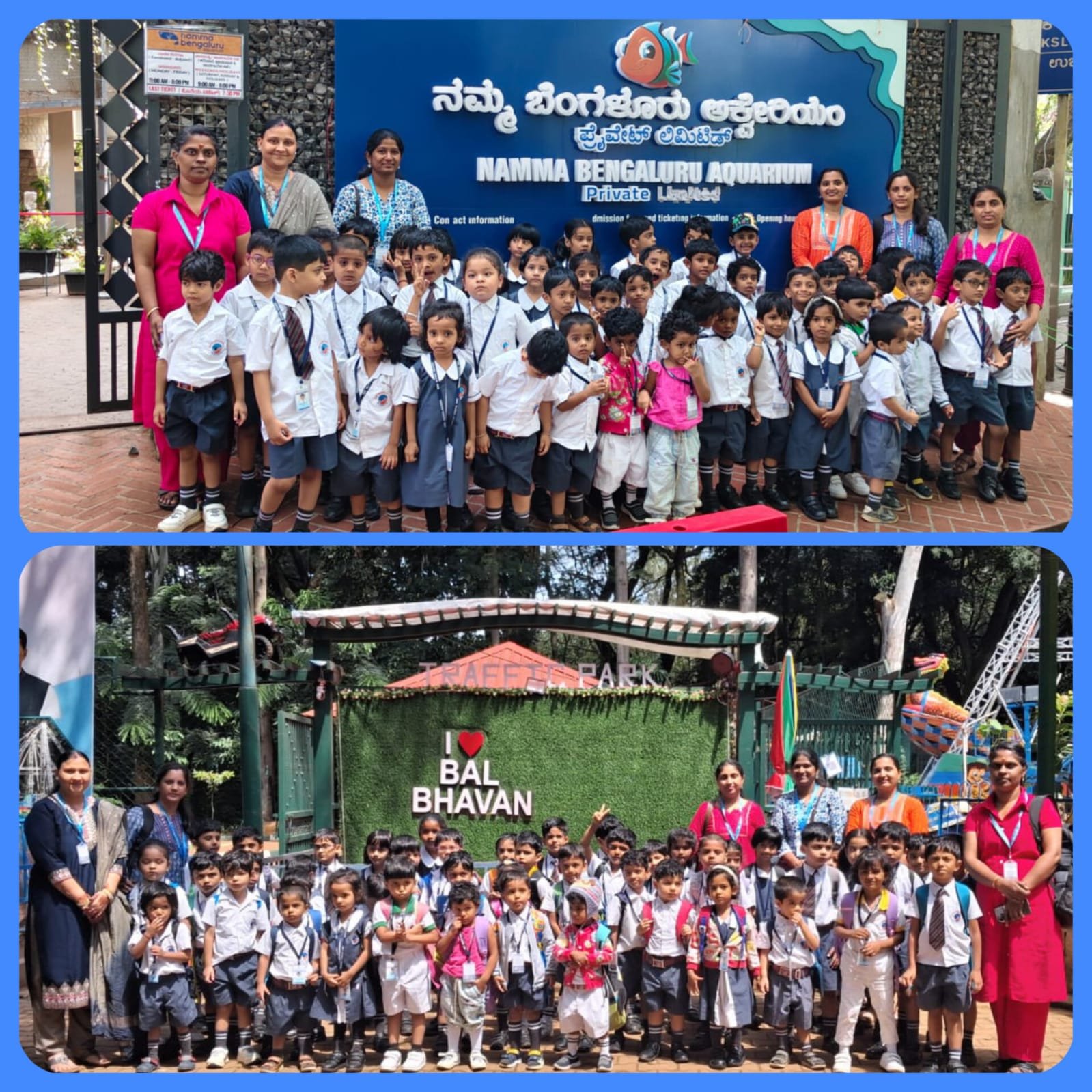
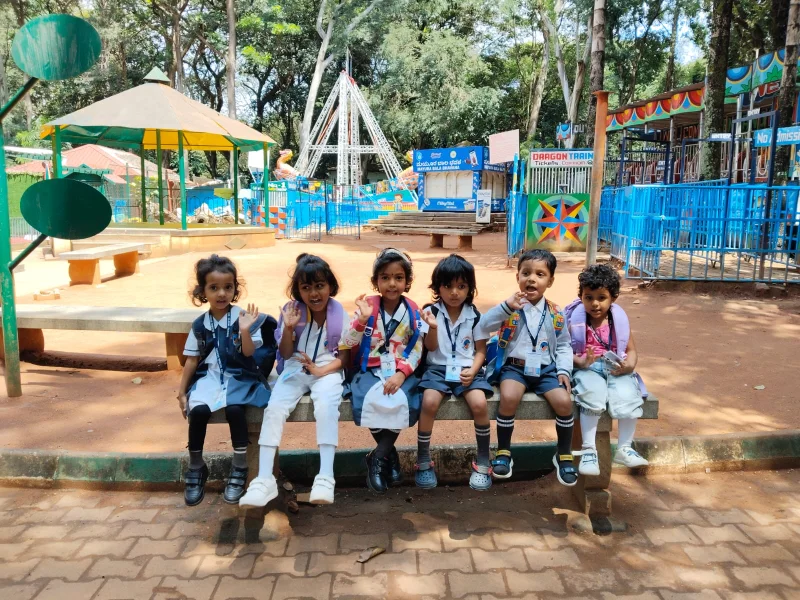
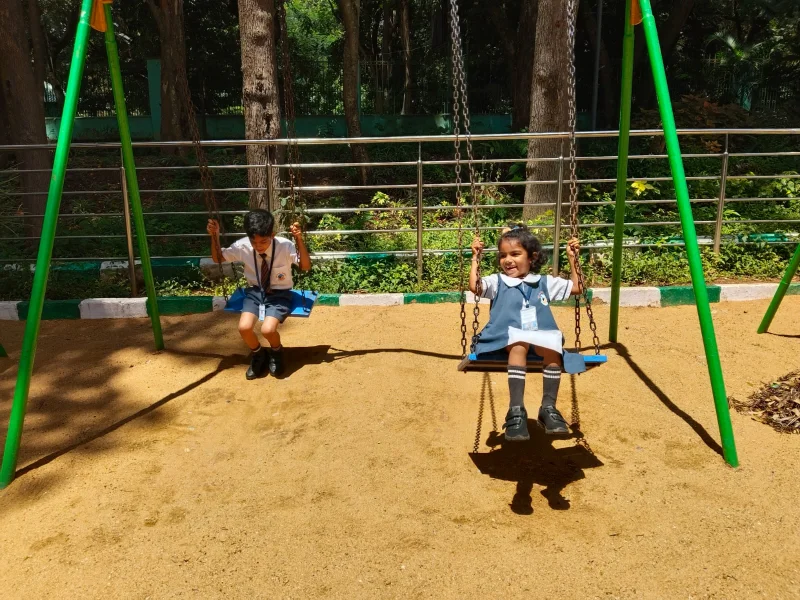
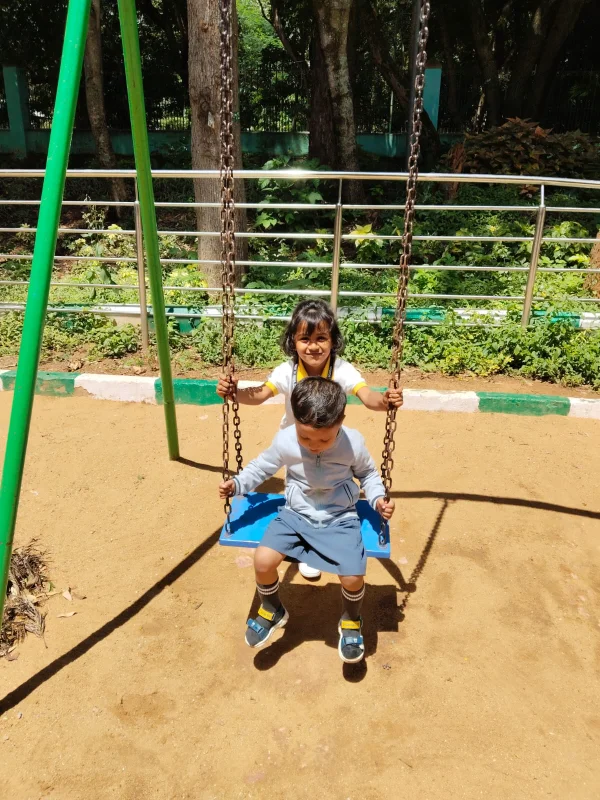
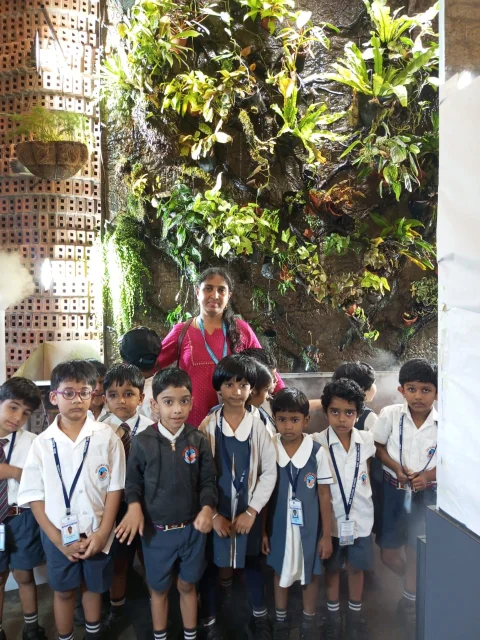
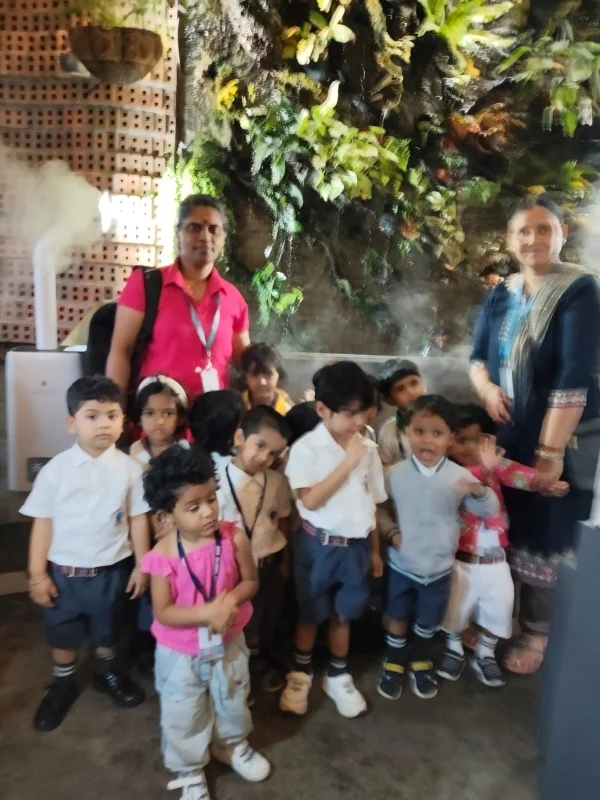
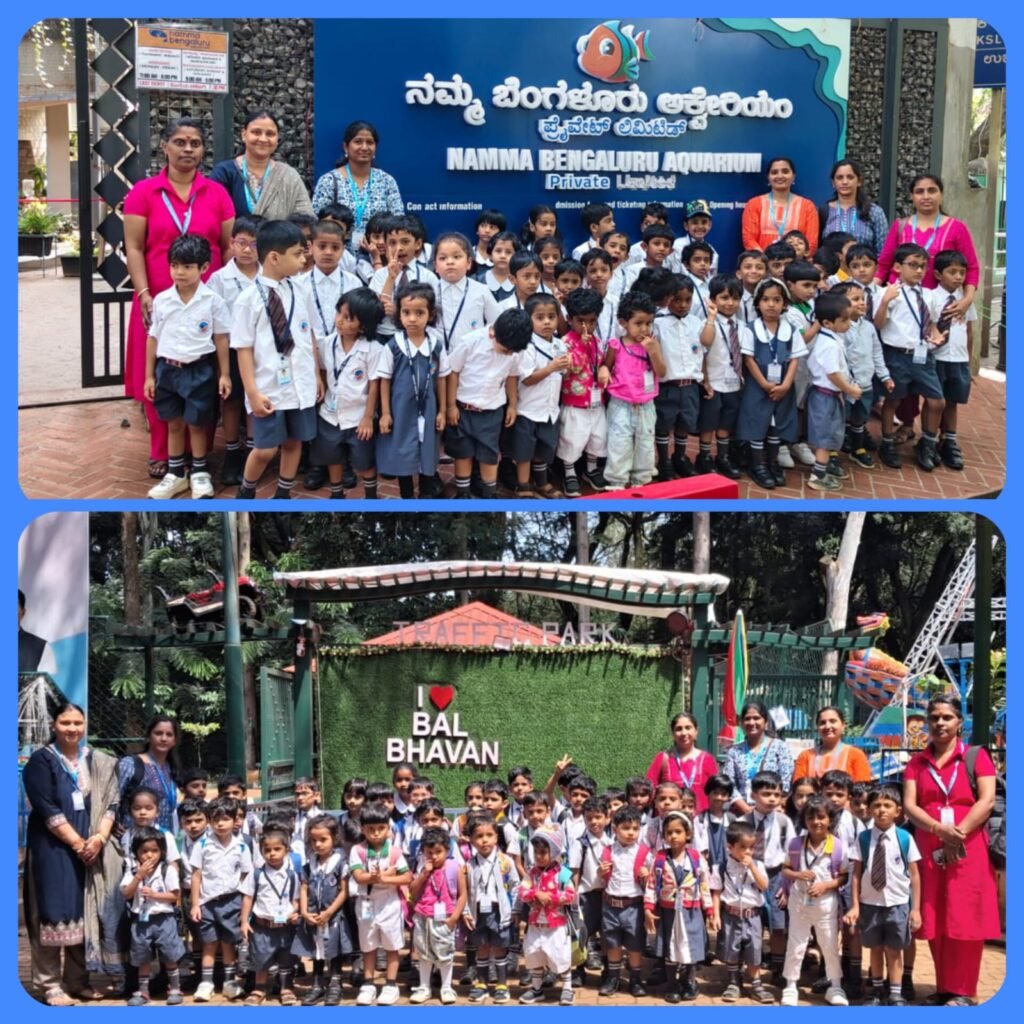
In keeping with this approach, the Montessori students of BRS Global School, Sarjapur Road participated in an educational field trip on 10 October 2025. The outing combined exploration, observation, nature and recreation through visits to an aquarium and Cubbon Park.
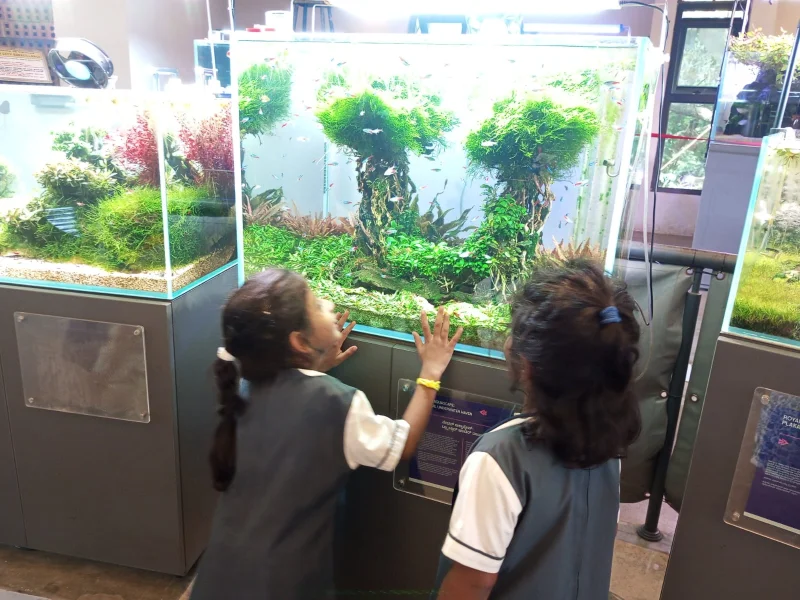
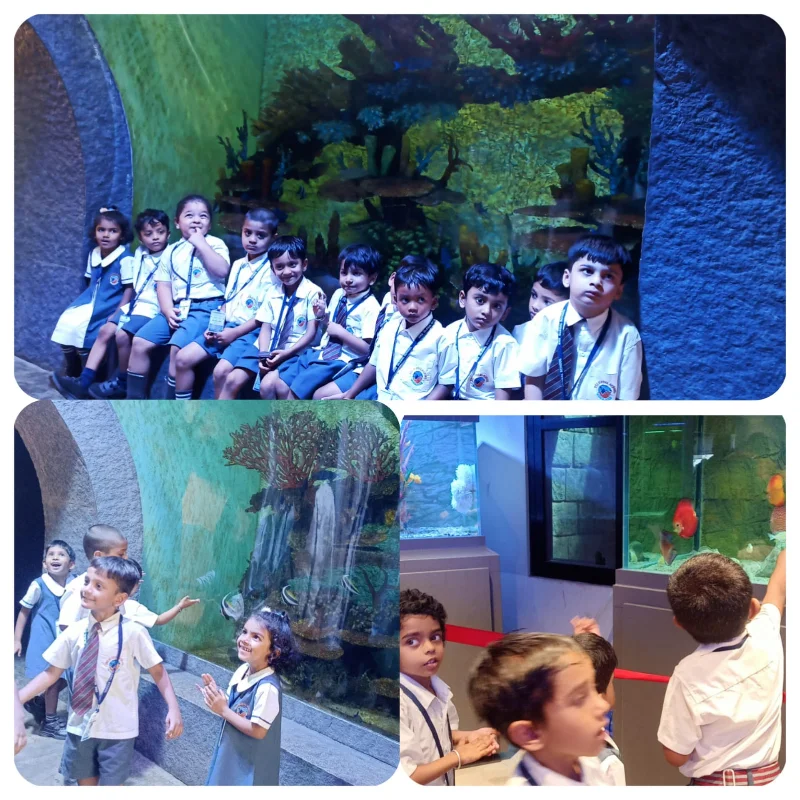
The aquarium visit introduced children to a variety of freshwater and marine species. They observed different fish and learned about their habitats, food habits and behaviour. The visit was followed by an exploration of Cubbon Park, where the children observed trees and flowers and enjoyed being in a natural outdoor environment.
The field trip was designed as a meaningful experience for young learners, giving them opportunities to explore beyond the classroom, interact with their peers and develop an appreciation for living things and the environment.
For parents exploring Montessori education and schools near Sarjapur Road, experiences such as these can provide valuable insight into how young children are encouraged to learn through observation, exploration and participation.
Event Overview
Event : Montessori Educational Field Trip
Date : 10 October 2025
Campus : BRS Global School Sarjapur Road
Students : Montessori learners
Learning Focus : Aquatic life, nature, observation and experiential learning
Destinations : Aquarium and Cubbon Park
Activities : Aquarium exploration, nature walk, picnic lunch and toy train ride
Educational Approach : Experiential, observation-based and child-centred learning
Organised by : Montessori Team
What was the Montessori field trip about?
The field trip was an experiential learning opportunity that allowed Montessori students to explore aquatic life and nature through direct observation.
The aquarium provided an environment for children to encounter different aquatic species, while Cubbon Park gave them an opportunity to observe plants and experience the natural environment. The day also included opportunities for peer interaction, recreation and shared experiences.
What Happened During the Montessori Field Trip?
The journey began from school
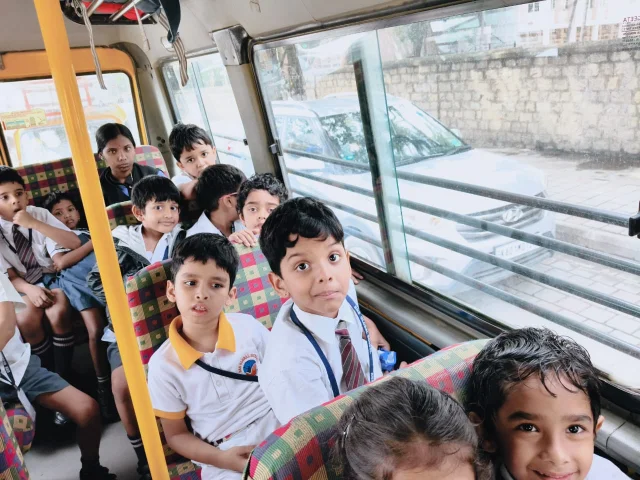
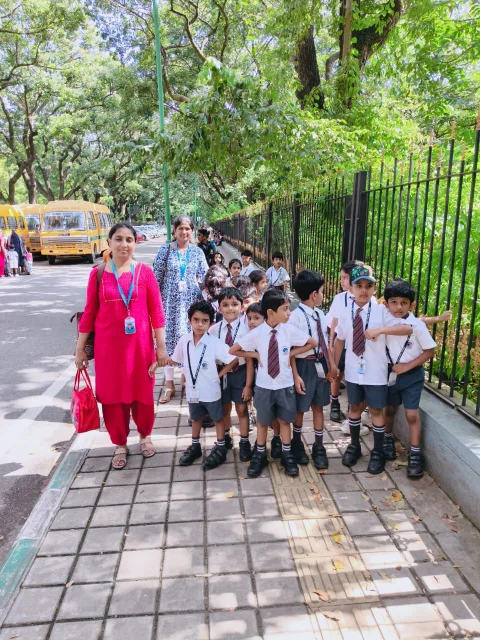
The field trip commenced at approximately 9:00 AM from the school premises. The children travelled together with their teachers and support staff, beginning the day with excitement and anticipation.
For young learners, travelling outside the familiar school environment can itself become a learning experience. Children have opportunities to practise following instructions, staying with their groups, interacting with classmates and adapting to a new environment.
The journey therefore formed the beginning of an experience that combined learning with social development.
Exploring aquatic life at the aquarium
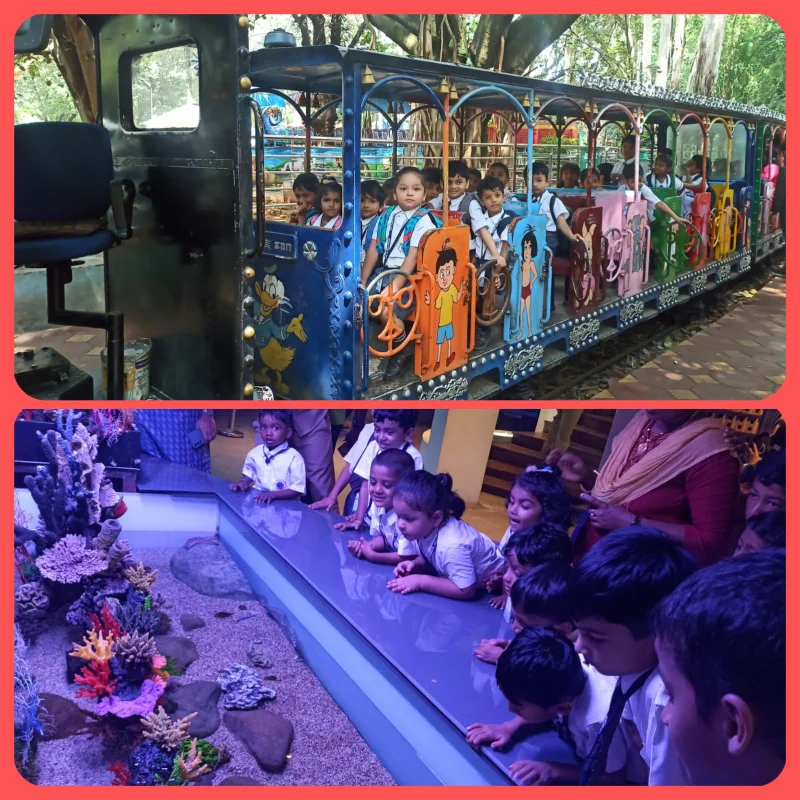
The students reached the aquarium at around 10:00 AM. They were guided through different sections displaying a wide range of freshwater and marine species.
The children were particularly curious about the exotic fish they observed. Their attention was drawn to the differences in the appearance and behaviour of various species, creating opportunities for natural observation and questioning.
During the aquarium visit, students were introduced to ideas related to:
• Aquatic habitats
• Freshwater and marine environments
• Food habits of aquatic species
• Behaviour of different fish
• Diversity among aquatic organisms
• The relationship between living organisms and their environments
Why was the aquarium visit meaningful for Montessori students?
The aquarium visit allowed children to learn about aquatic life through direct observation rather than only through classroom materials.
Young children often learn effectively when they can see and experience something for themselves. Observing fish moving through water and seeing different species in one place gave students an opportunity to connect their curiosity with real-world experiences.
The visit also encouraged children to notice details, compare what they saw and communicate their observations with teachers and friends.
Exploring Nature at Cubbon Park
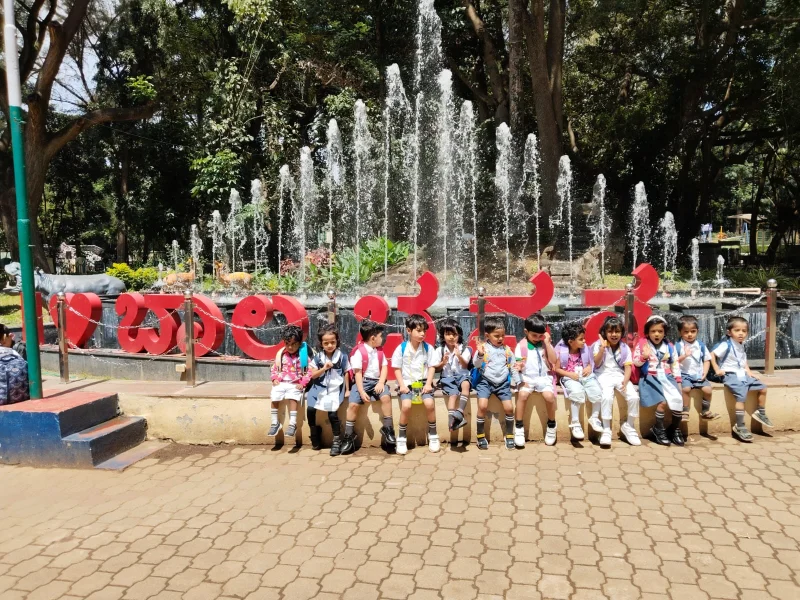
After the aquarium visit, the students proceeded to Cubbon Park, where the focus shifted from aquatic life to the natural environment.
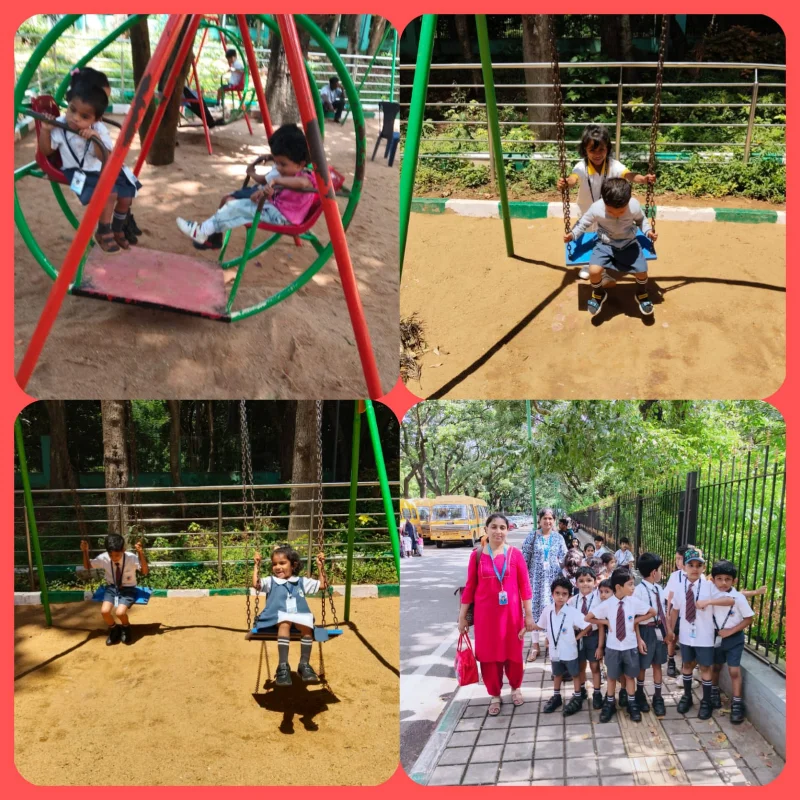
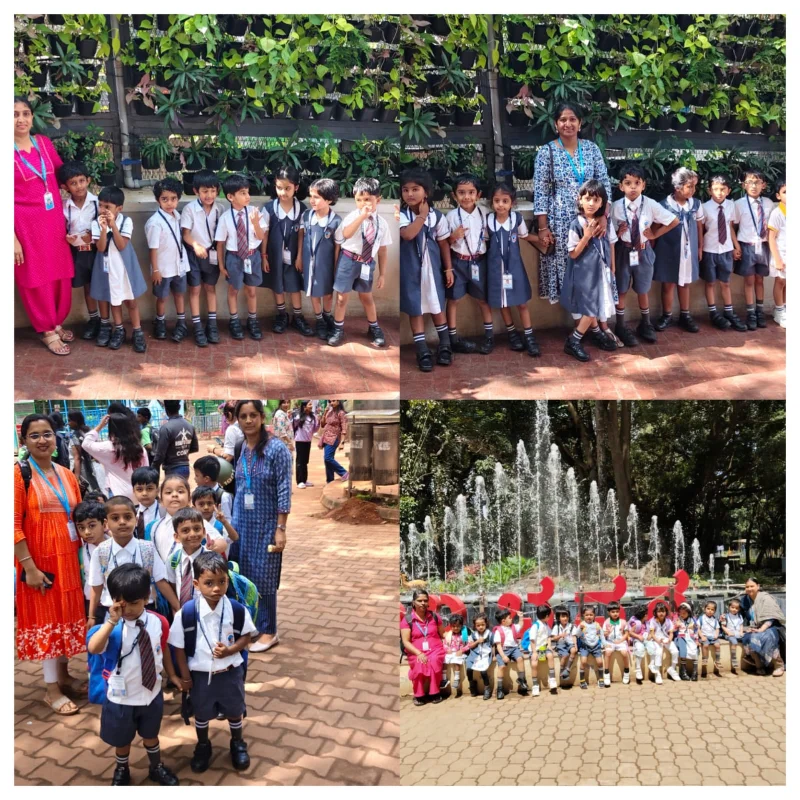
The children participated in a guided walk through the park and observed different types of trees and flowers. The outdoor environment gave them an opportunity to slow down, look closely at their surroundings and appreciate different forms of plant life.
What did children learn during the nature walk?
The Cubbon Park visit encouraged children to observe plants and natural surroundings directly while developing curiosity and environmental awareness.
Rather than learning about trees and flowers only through pictures, the children could see the variety of plants around them in a real outdoor setting.
For Montessori learners, such experiences can complement classroom exploration by helping children make connections between what they encounter at school and what they see in the world around them.
Learning Through Shared Experiences
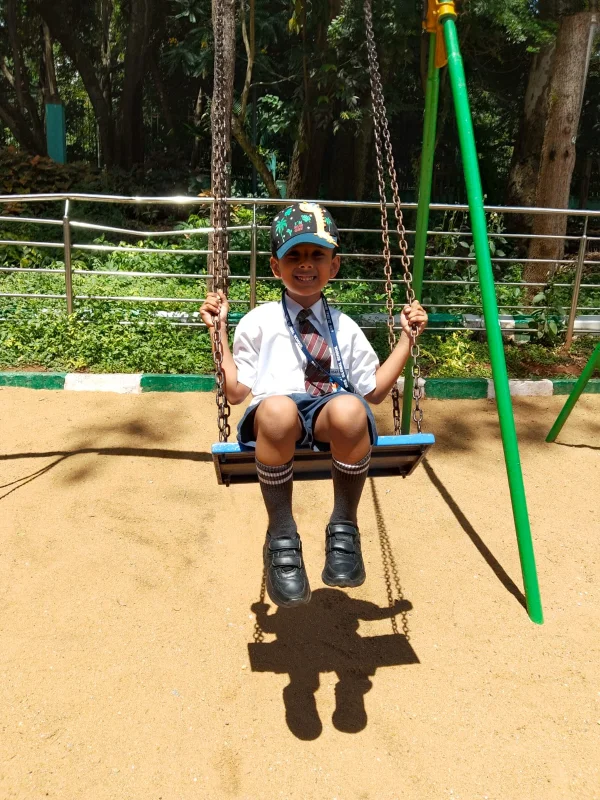
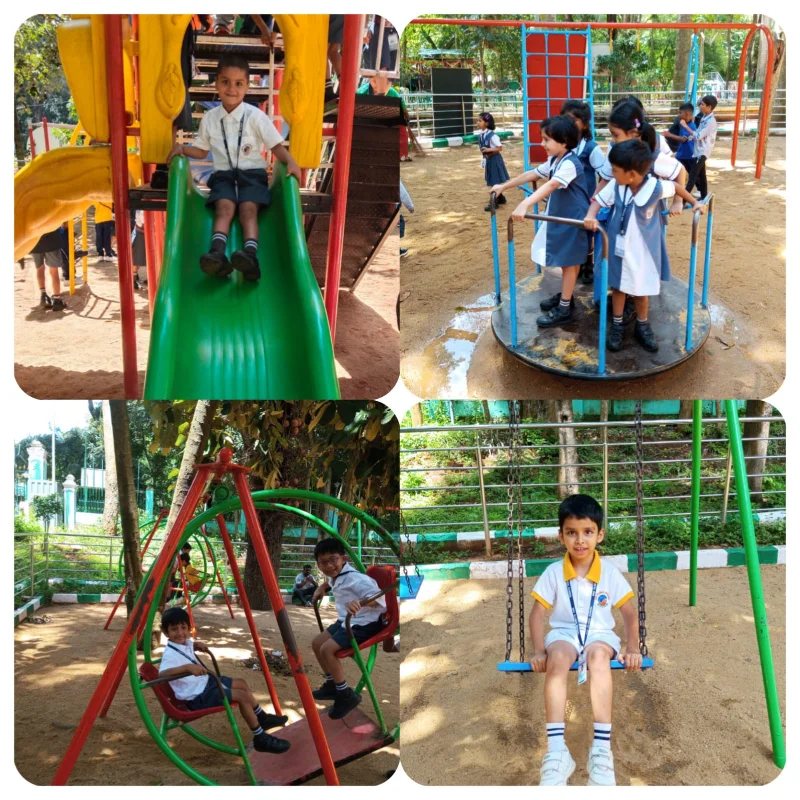
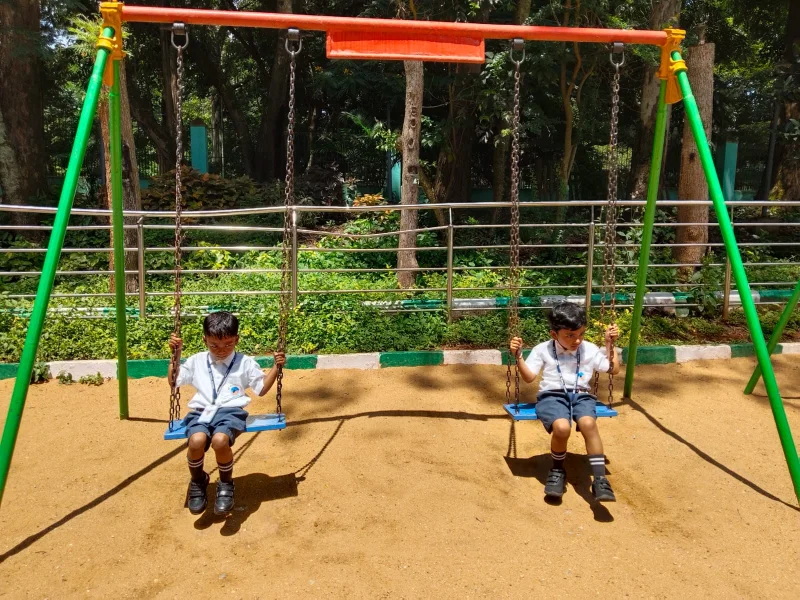
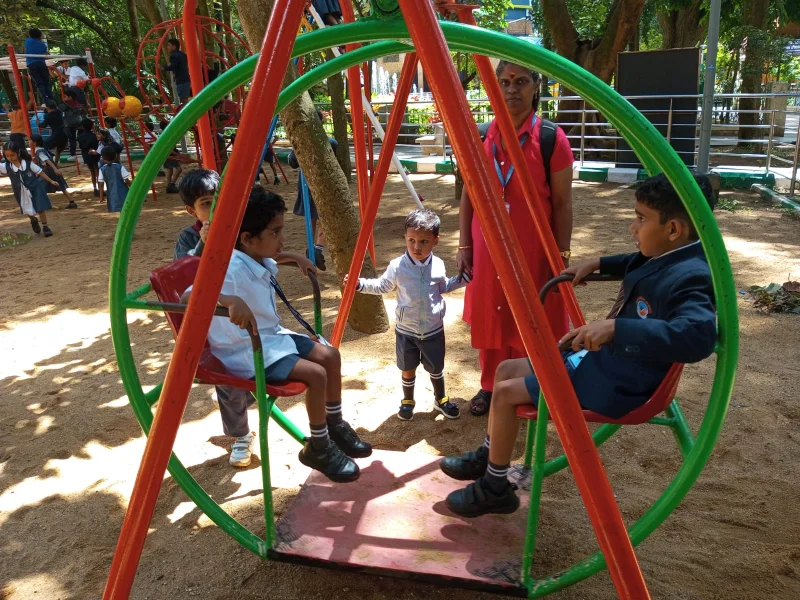
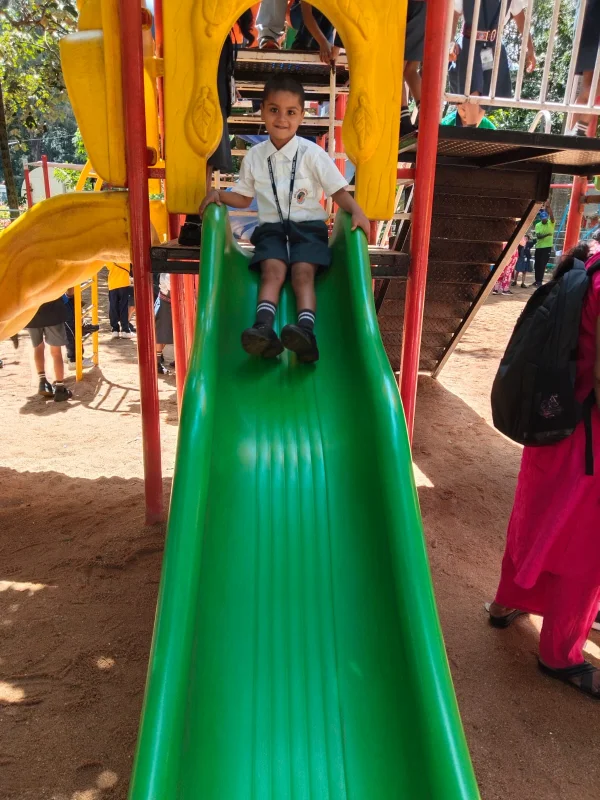
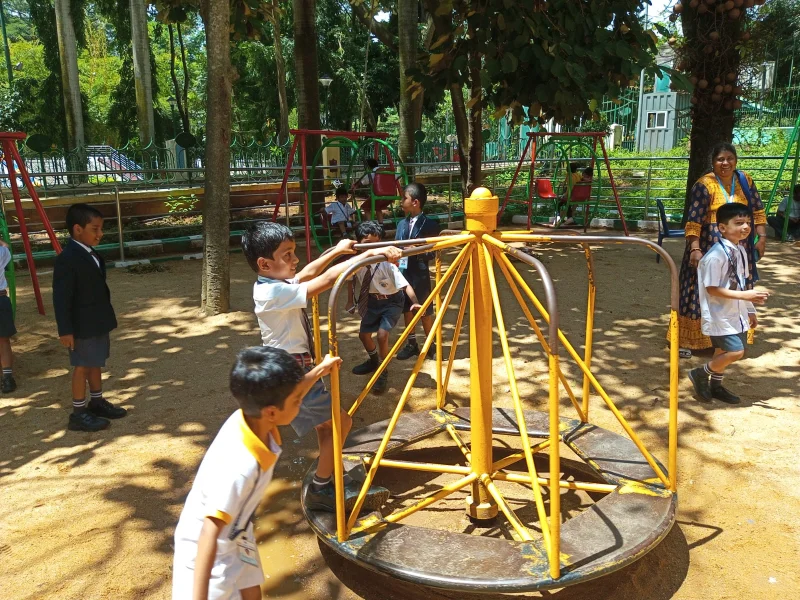
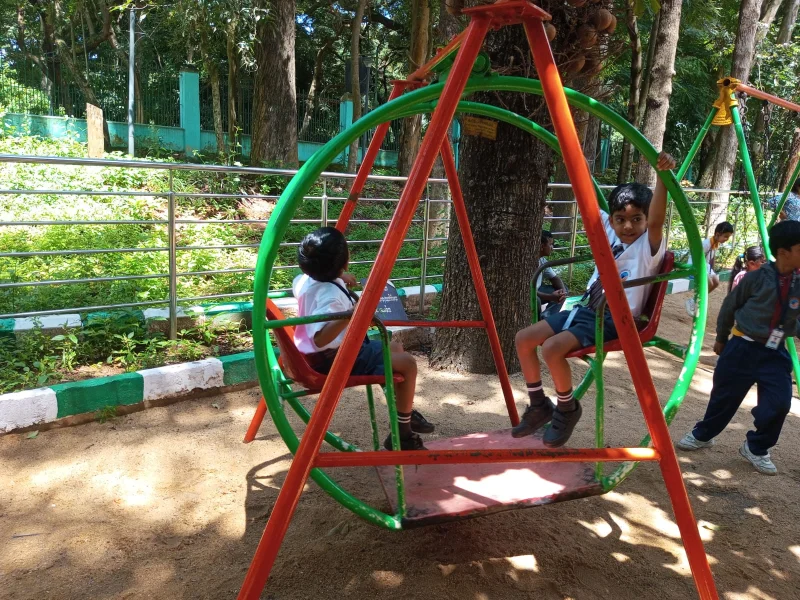
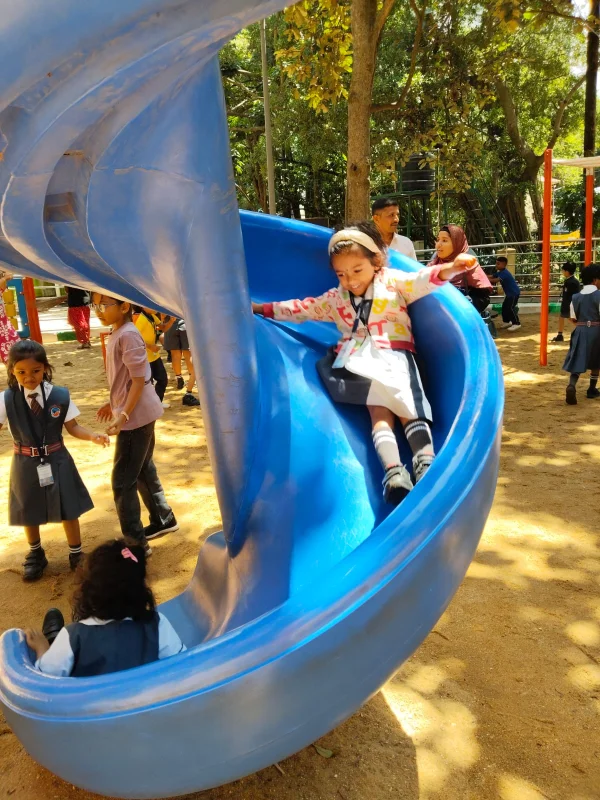
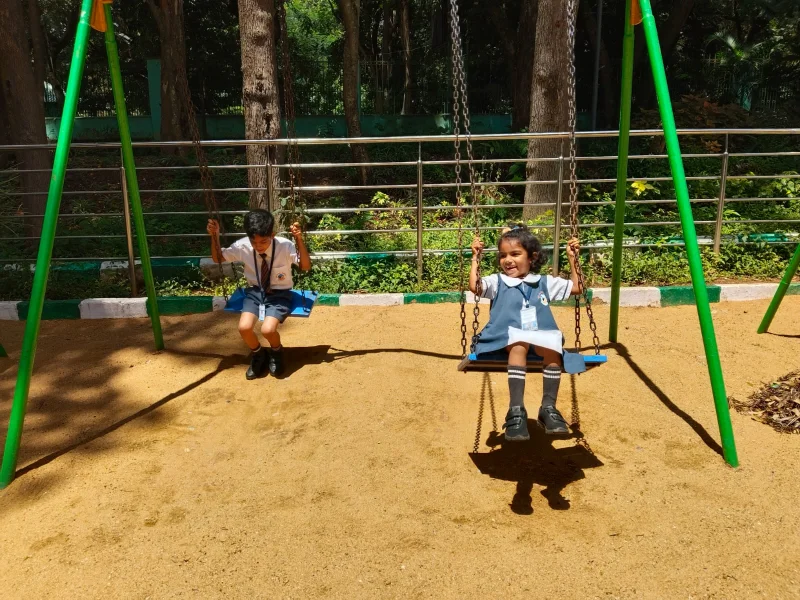
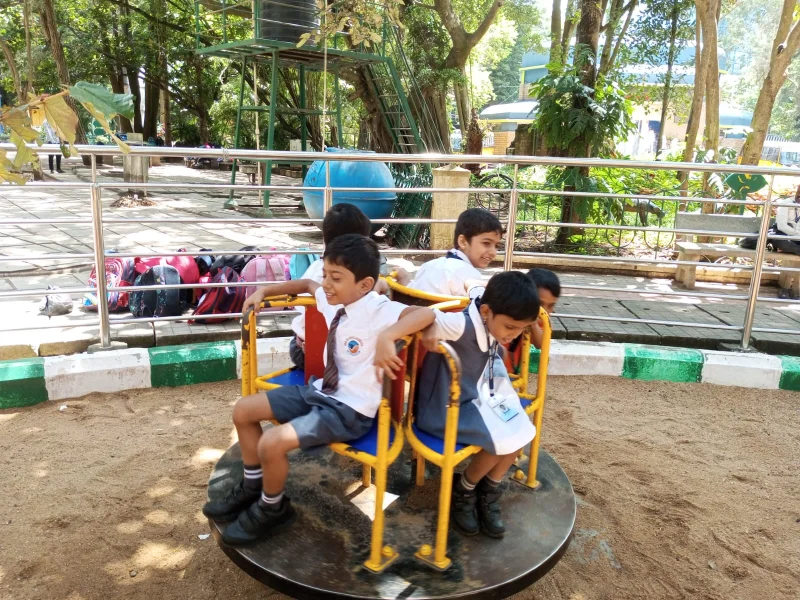
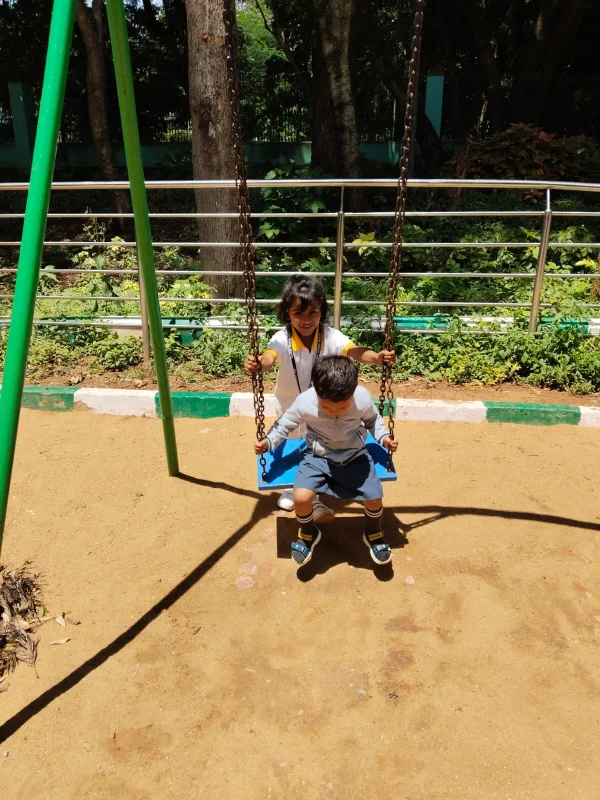
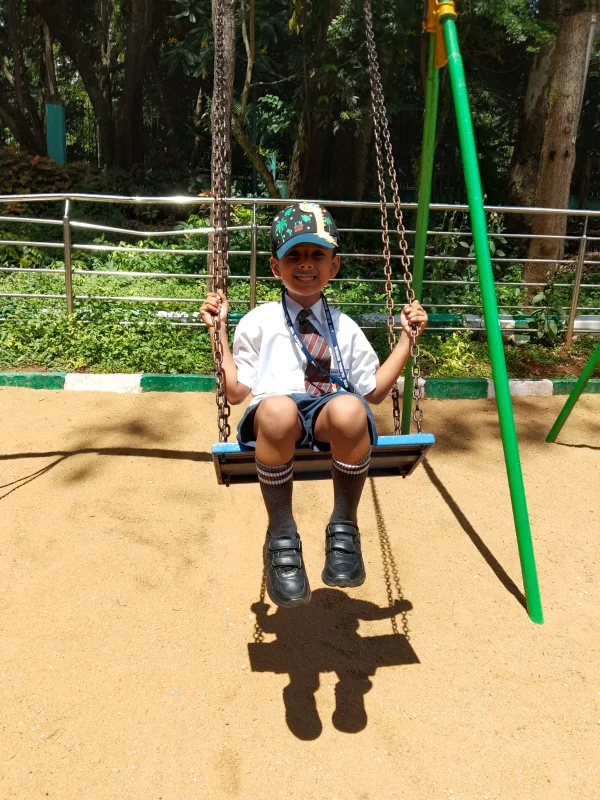
Following the nature walk, the children had lunch in the picnic area. The relaxed setting allowed them to interact with their classmates and enjoy time together outside the regular classroom environment.
A field trip is also an opportunity for children to practise social skills. Sharing space with others, communicating with friends, listening to teachers and participating in group activities are all part of a child’s social development.
These simple experiences can contribute to confidence and cooperation while making the day enjoyable for the children.
A Memorable Toy Train Ride
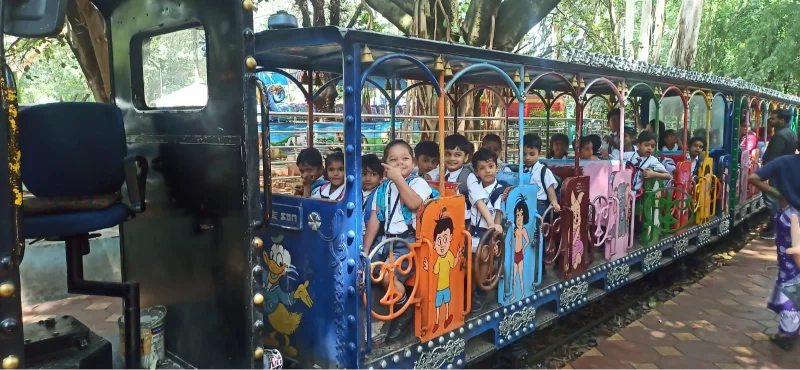
One of the highlights of the day was the toy train ride around Cubbon Park.
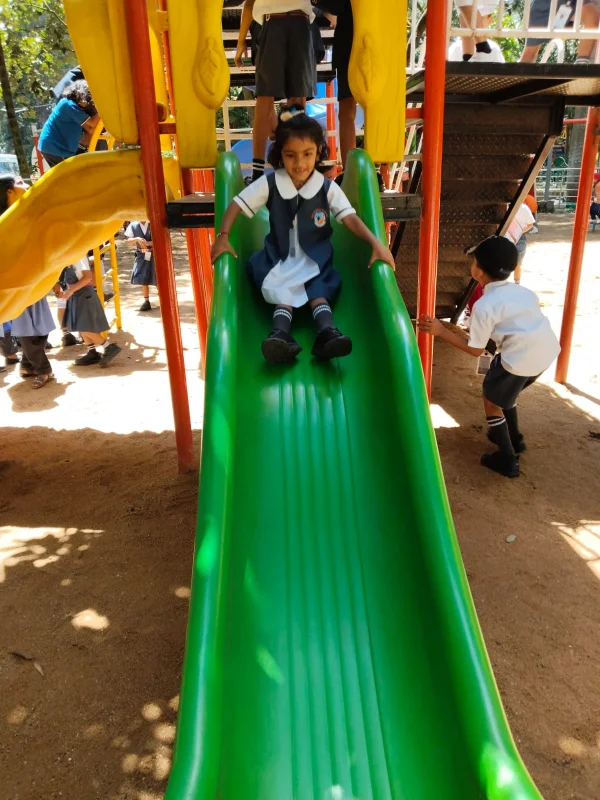
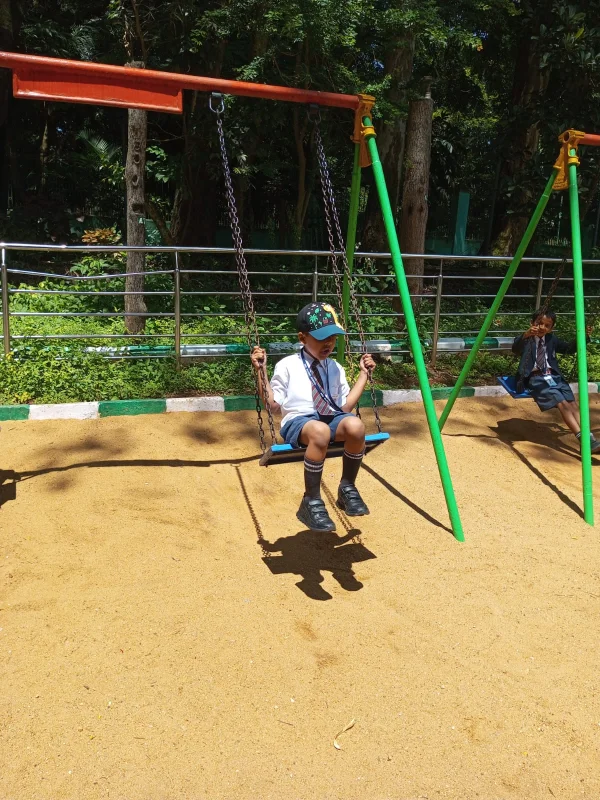
The children were excited about the ride and enjoyed experiencing the park from a different perspective. The activity added an element of fun to the outing and gave the children an opportunity to enjoy an age-appropriate recreational experience with their classmates.
The combination of exploration and recreation helped create a balanced field-trip experience in which children could learn, interact and enjoy themselves.
Student Learning Outcomes and Benefits
What did Montessori students learn from the field trip?
The field trip supported several areas of early childhood development through age-appropriate exploration and direct experience.
Observation Skills
Children had opportunities to observe fish, aquatic environments, trees and flowers. Looking closely at their surroundings encouraged them to notice differences, patterns and details.
Curiosity and Questioning
The variety of aquatic species encouraged children to become curious about what they were seeing. Questions about habitats, food habits and behaviour helped turn observation into meaningful learning.
Sensory Exploration
The aquarium and outdoor environment offered rich opportunities for children to engage with their surroundings through sight, movement and environmental observation.
Environmental Awareness
Observing aquatic organisms and plant life helped children develop an early appreciation for living things and the environments in which they exist.
Communication
Children had opportunities to discuss what they saw, share their observations and communicate their experiences with teachers and peers.
Social Interaction
Travelling and participating in activities together encouraged children to interact with classmates, cooperate within a group and share experiences.
Confidence and Independence
Experiencing a new environment encouraged children to follow routines, participate in activities and adapt to surroundings beyond their familiar classroom.
Experiential Learning
The field trip connected learning with real-world experiences. Children could observe living organisms and nature directly instead of relying only on pictures or classroom descriptions.
How Does the Field Trip Reflect Montessori Learning?
The field trip extended Montessori learning beyond the prepared classroom environment by giving children opportunities to explore real-world surroundings through observation and direct experience.
Montessori education places importance on the child’s interaction with the environment and encourages meaningful exploration. A well-planned educational outing can complement this approach by allowing children to encounter real living organisms, natural surroundings and everyday experiences.
At the aquarium, children observed aquatic species and explored differences between living organisms. At Cubbon Park, they encountered trees and flowers in a natural setting.
These experiences encouraged children to observe, wonder, ask questions and communicate what they discovered.
The field trip also supported the development of the whole child. Alongside knowledge and observation, children had opportunities to develop communication, social interaction, confidence and cooperation.
Why Does This Matter for Early Childhood Development?
Young children are naturally curious about the world around them. Providing meaningful opportunities to explore that world can help channel curiosity into learning.
A field trip offers experiences that are difficult to reproduce completely within a classroom. Children can see living organisms, observe natural environments and experience new surroundings while receiving guidance from teachers.
The aquarium encouraged scientific curiosity and observation. Cubbon Park encouraged appreciation of nature. Group activities encouraged communication and social interaction.
Together, these experiences supported a balanced approach to early childhood development.
For parents considering Montessori schools in Sarjapur Road, schools near Kasavanahalli, or early-years education options around Bellandur and HSR Layout, such experiences can be an important part of understanding a school’s approach to learning.
Local Context: Montessori Learning in Sarjapur Road
BRS Global School Sarjapur Road is located in a community surrounded by established residential neighbourhoods and major employment corridors. Families from Bellandur, Sarjapur Road, Hosa Road, Koramangala, HSR layout, Dommasandra, Kodathi, Gunjur, Varthur, Kaikondrahalli, Kasavanahalli, Carmelaram, Harlur, Rayasandra, Naganathapura, Doddakannelli, Kudlu Gate, A Krishnappa Nagar, Halnayakanahalli, Radha Reddy Layout, Chikkanayakanahalli, Huskur, KPC Layout, CSB Layout, Owners Court, Doddanagamangala, Doctors Layout, Shiva Reddy Layout, Meenakshi Layout, Chikbellandur, Sompura Gate, Muthannalur Cross, Gunjur to Dommasandra Road, Mullur, Amrita Engineering College Road Kasavanahalli, Amrita Nagar, Serenity Layout, Spring Fields, Iblur, Marathahalli, Shobha Apartments, Choodasandra, Junnasandra, Rayasandra and nearby areas may consider schools in this corridor based on accessibility and educational approach.
The Sarjapur Road area is also connected to important employment destinations and technology corridors, making convenient school access relevant to many working families.
For parents looking for schools in Sarjapur Road or schools near Sarjapur Road, location is one consideration. The quality and nature of children’s everyday learning experiences are equally important.
A Montessori programme that combines classroom exploration with age-appropriate experiences outside school can help children develop curiosity, confidence and awareness of their surroundings.
Common Parent Questions
How does a Montessori field trip support early childhood learning?
A Montessori field trip supports early childhood learning by allowing children to observe and explore real-world environments directly. The aquarium and Cubbon Park provided opportunities to learn about living organisms and nature through experience.
What did the children observe at the aquarium?
The children observed a variety of freshwater and marine species, including exotic fish. They were introduced to aspects of their habitats, food habits and behaviour.
Why was Cubbon Park included in the field trip?
Cubbon Park provided a natural outdoor environment where children could observe different trees and flowers and experience nature beyond the classroom.
How does a field trip support Montessori education?
Field trips complement Montessori education by giving children opportunities to interact with real environments and develop knowledge through observation, exploration and sensory experiences.
What social skills can children develop during a field trip?
Children can practise communication, cooperation, sharing space, following group routines and interacting positively with their classmates and teachers.
Was the outing educational or recreational?
It was both educational and recreational. The aquarium and nature walk provided learning experiences, while lunch and the toy train ride gave children opportunities to relax, interact and enjoy the day.
Why should parents value experiential learning for young children?
Experiential learning gives children opportunities to connect ideas with real-world experiences. It can make learning more concrete while encouraging curiosity, observation, communication and confidence.
Key Highlights
• Date: 10 October 2025
• Campus: BRS Global School Sarjapur Road
• Programme: Montessori
• Educational visit to an aquarium
• Observation of freshwater and marine species
• Exploration of aquatic habitats and animal behaviour
• Guided nature walk at Cubbon Park
• Observation of trees and flowers
• Picnic lunch with classmates
• Toy train ride around Cubbon Park
• Opportunities for peer interaction and communication
• Experiential and observation-based learning
• Environmental awareness through direct exposure to nature
• Teacher and support-staff supervision throughout the outing
• Safety protocols, first-aid readiness and regular headcounts were followed
• The trip was completed smoothly without any untoward incidents
Frequently Asked Questions (FAQs)
When was the Montessori field trip conducted?
The Montessori field trip was conducted on 10 October 2025 by BRS Global School Sarjapur Road.
Where did the Montessori students go?
The students visited an aquarium and later travelled to Cubbon Park, where they participated in a guided nature walk and enjoyed recreational activities.
What was the main purpose of the field trip?
The purpose was to provide experiential learning outside the classroom, introduce children to aquatic life and nature, and encourage curiosity, observation and social interaction.
How did the aquarium visit benefit the children?
The aquarium allowed children to observe freshwater and marine species directly and learn about their habitats, food habits and behaviour through guided exploration.
What did children do at Cubbon Park?
The children took part in a guided walk, observed trees and flowers, had lunch in the picnic area and enjoyed a toy train ride around the park.
How does this activity benefit Montessori learners?
The experience encouraged children to learn through observation and exploration while developing curiosity, communication, environmental awareness, social interaction and confidence.
Was student safety maintained during the outing?
Yes. The students were accompanied by teachers and support staff. Safety measures included constant headcounts and first-aid readiness, and the field trip was completed smoothly without any untoward incidents.
Conclusion
The Montessori educational field trip conducted on 10 October 2025 provided BRS Global School Sarjapur Road students with a meaningful opportunity to explore the world beyond their classroom.
From observing aquatic species at the aquarium to discovering trees and flowers at Cubbon Park, the children experienced learning through direct observation and exploration. The day also included opportunities for social interaction, communication, recreation and shared experiences with classmates.
For young learners, such experiences can help transform natural curiosity into meaningful learning. They provide opportunities to observe, question, communicate and develop an appreciation for the living world around them.
For families exploring Montessori education and schools near Sarjapur Road, Kasavanahalli, Bellandur, HSR Layout and Harlur, the approach to experiential learning can be an important part of evaluating a child’s early educational environment.
Parents interested in exploring the Montessori programme and learning more about the Sarjapur Road campus can connect with BRS Global School to understand the learning environment and admission process.
Explore our Campus:
Attibele Branch
https://share.google/iFhJaeGo8wkgOZ1Y5
Sarjapur Road Branch: