Introduction
Academic knowledge is only one part of a child’s education. Students also need to know how to communicate, make decisions, solve problems, manage emotions, collaborate and take responsibility. These practical abilities are collectively referred to as life skills.
For parents exploring schools in Attibele or quality CBSE schools in Attibele, the learning environment matters just as much as the curriculum. At BRS Global School | Pre-school, Primary School & High School | Attibele, life skills are developed alongside academic learning through activities that encourage students to participate, collaborate, lead and apply their knowledge.
This approach reflects the school’s emphasis on experiential learning, leadership, sports, arts, life skills and confidence-building as part of holistic student development.
Event / Programme Overview: Life Skills Learning
Programme: Life Skills Learning
Approach: Integrated, experiential and activity-based learning
Students: Across different stages of school education
Focus: Communication, teamwork, leadership, problem-solving, decision-making, self-awareness, empathy, resilience and responsibility
CBSE’s framework describes Life Skills Education as a planned component of school development and encourages its integration into classroom teaching and dedicated activities.
At BRS Global School, the objective is to provide students with opportunities to practise life skills in authentic situations, rather than simply memorising definitions.
What Happens During Life Skills Learning at BRS Global School?
Life skills are woven into different aspects of school life.
Classroom Discussions and Situation-Based Learning
Students participate in discussions and activities based on everyday situations. Such experiences encourage them to express their ideas, listen to others, think about consequences and arrive at responsible solutions.
Role Plays and Simulations
Role plays allow students to explore different situations from multiple perspectives. They can practise communication, empathy, decision-making and appropriate responses in a safe learning environment.
Group Projects and Collaborative Learning
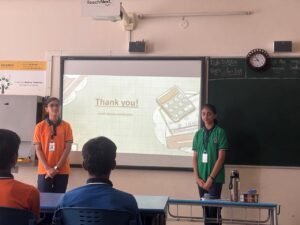
Working in groups teaches children how to share ideas, divide responsibilities, listen to peers and work towards a common outcome. These experiences naturally develop teamwork and interpersonal skills.
Sports and Team Activities
Sports provide a practical environment for learning discipline, cooperation, perseverance and sportsmanship. Students learn how to handle both success and setbacks while working towards team goals.
Student Leadership and Responsibilities
Leadership opportunities allow students to take responsibility, communicate with others, make decisions and understand accountability. Student participation in school activities can therefore become an important part of practical leadership education.
Art, Music and Cultural Activities
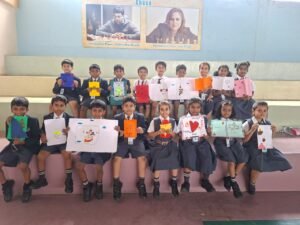
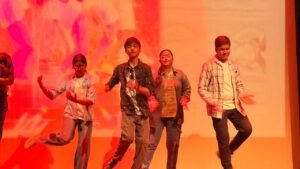
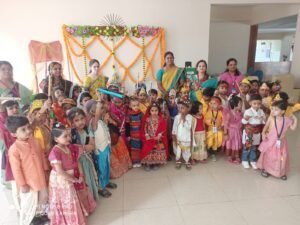
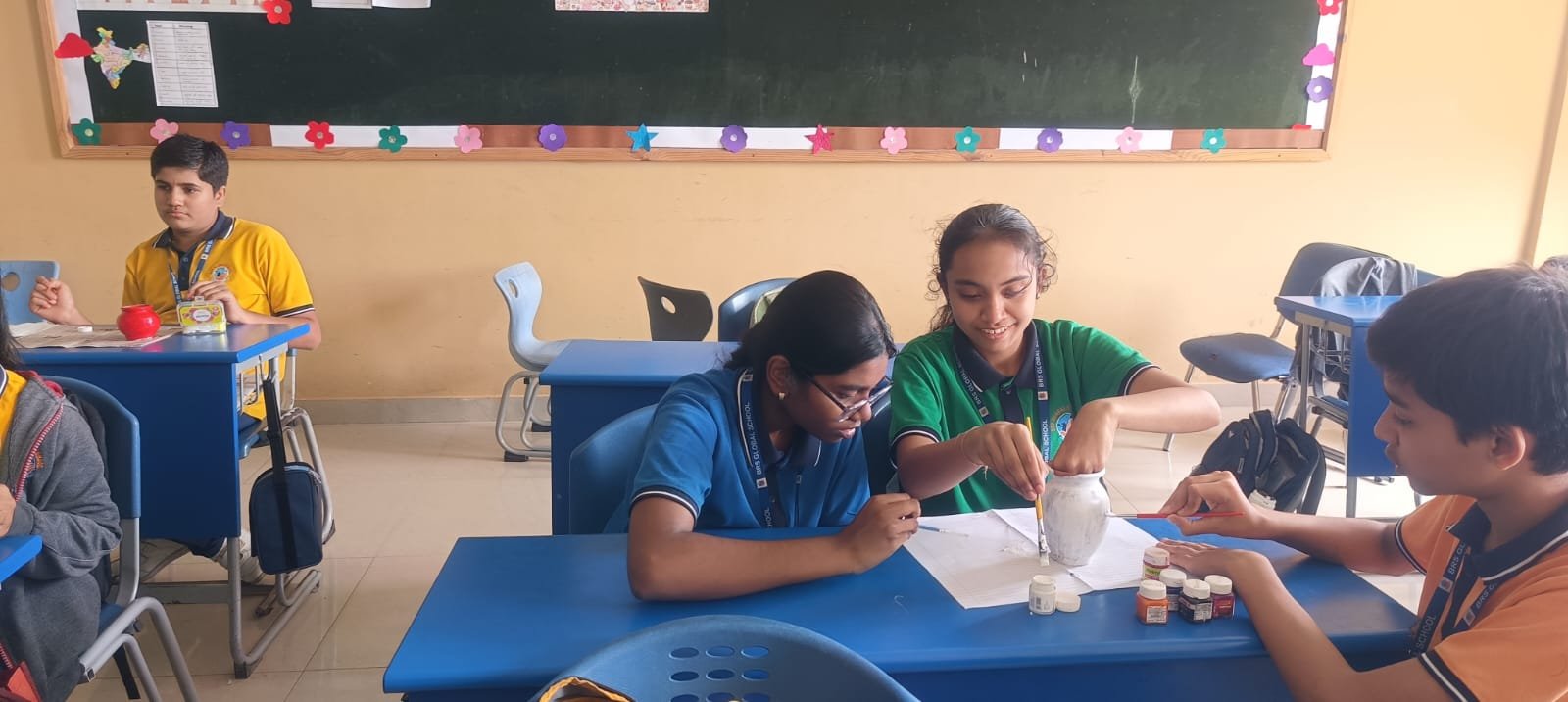
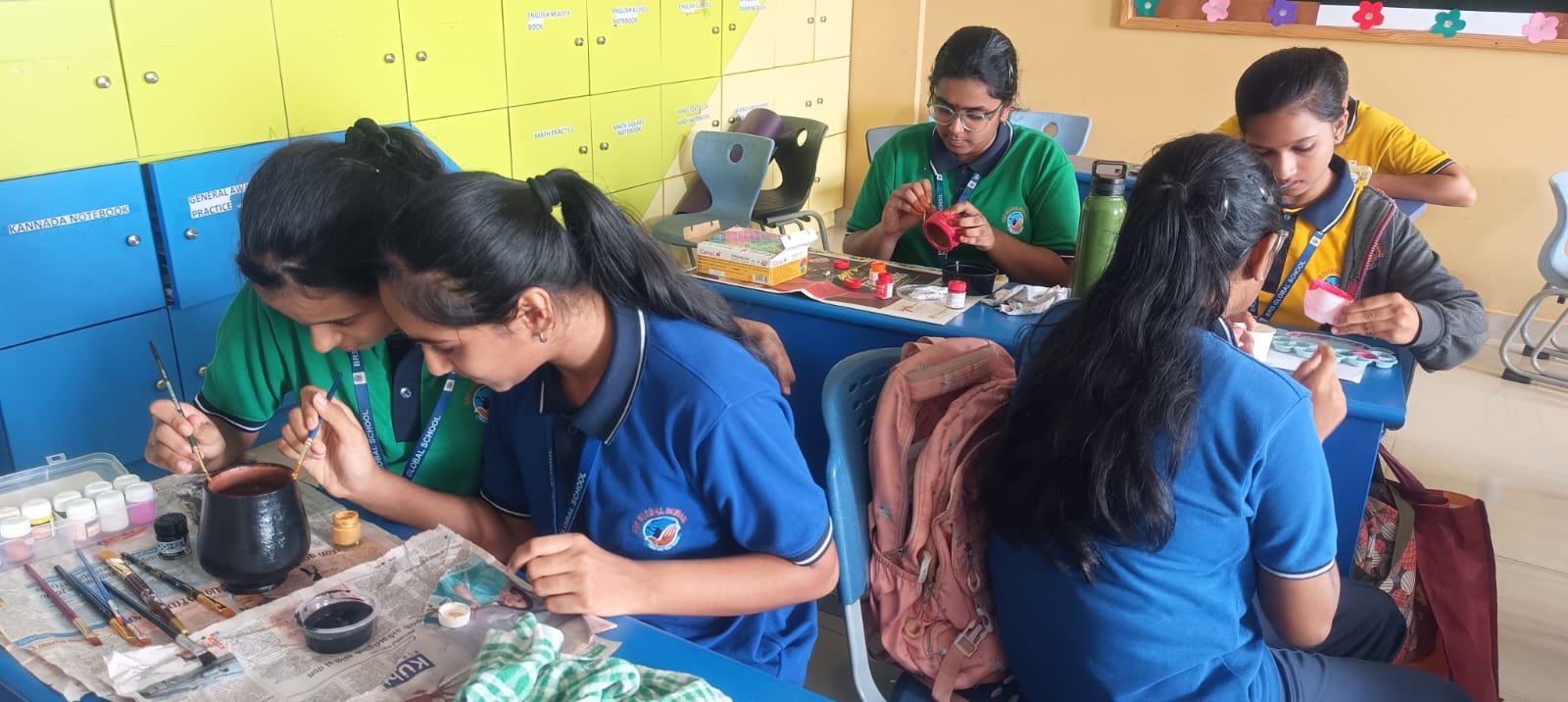
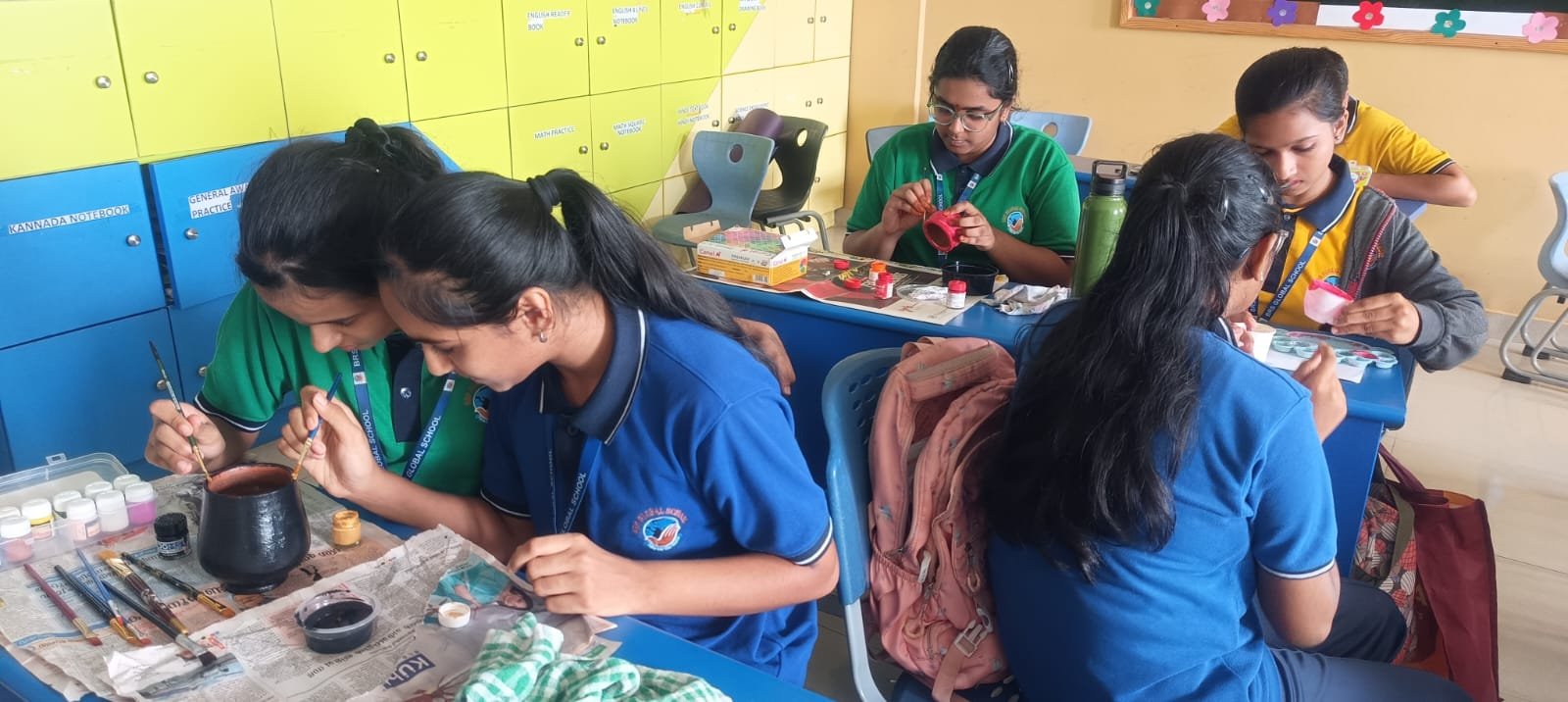
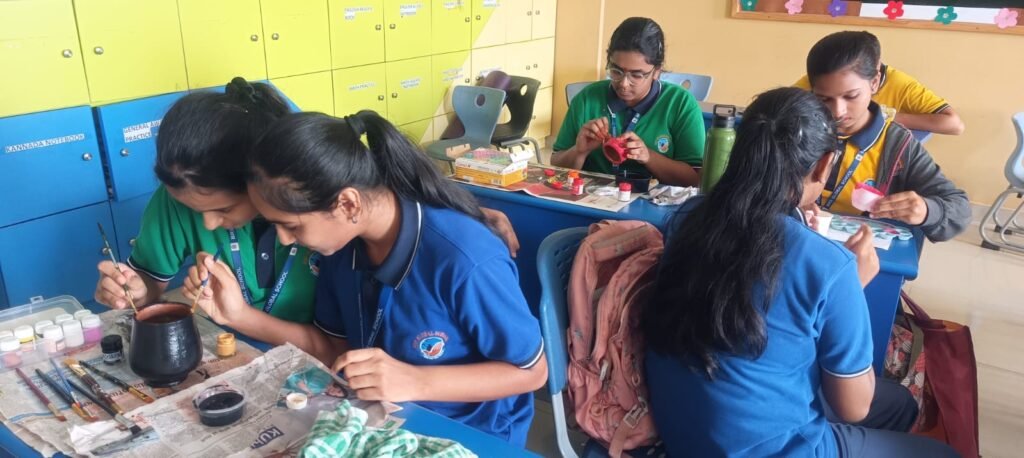
Creative activities provide opportunities for self-expression and confidence-building while developing concentration, discipline and appreciation of different abilities.
Field Trips and Experiential Learning
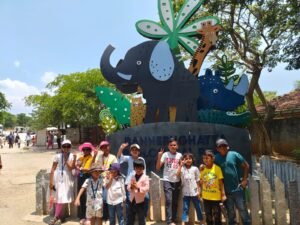
Learning outside the conventional classroom helps students connect academic concepts with real-world situations. Experiential learning encourages observation, questioning, adaptability and practical problem-solving.
Robotics and Project-Based Learning
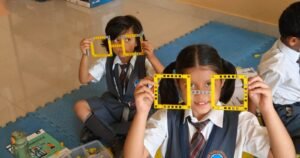
Hands-on STEM and robotics activities provide opportunities to experiment, design, test and improve ideas. These experiences support logical thinking, creativity, collaboration and problem-solving.
Health, Safety and Digital Awareness
Age-appropriate activities can help students develop healthy habits, understand safety responsibilities and become more responsible users of technology.
Environmental and Community Activities
Environmental and community-oriented activities help students understand responsibility beyond themselves. They encourage cooperation, awareness, empathy and participation in the wider community.
These implementation methods reflect the activity-based and participatory approach described in the school’s source document, including collaborative learning, sports, leadership, experiential learning, problem-solving, digital citizenship, environmental activities and reflection.
Student Learning Outcomes & Benefits
Life Skills Education can contribute to several areas of student development.
| Life Skill | How Students Develop It |
|---|---|
| Communication | Discussions, presentations, role plays and group activities |
| Teamwork | Group projects, sports and collaborative tasks |
| Problem-solving | Projects, robotics, challenges and real-life situations |
| Critical thinking | Questioning, analysis and situation-based learning |
| Decision-making | Leadership and real-life scenarios |
| Self-awareness | Reflection, presentations and responsibilities |
| Empathy | Peer interaction, role plays and collaborative activities |
| Resilience | Sports, competitions and challenging tasks |
| Leadership | Student responsibilities and school programmes |
| Responsibility | Classroom duties, projects and community activities |
Educational Philosophy / Institutional Value Alignment
At BRS Global School, the development of life skills supports a broader educational philosophy centred on academic learning, experiential learning, leadership, sports, arts, confidence-building and strong values.
The objective is not to separate academic learning from personal development. Instead, students are given opportunities to develop both through their everyday school experiences.
This creates a learning environment where a project can teach subject knowledge while also developing teamwork; a sports activity can develop resilience; a presentation can strengthen communication; and a leadership responsibility can build accountability.
Why Does Life Skills Learning Matter for Student Development?
Children will encounter situations at school, at home, in higher education, at work and in society where there is no textbook answer.
Life skills help them approach these situations with greater confidence and awareness.
For example, a student who participates in a group project is not only completing an academic task. The student is also learning to:
• Listen to different viewpoints
• Communicate ideas
• Share responsibility
• Resolve differences
• Manage time
• Complete a common task
• Accept feedback
This is why CBSE’s approach places importance on integrating life skills with subjects and school activities rather than restricting them to theoretical instruction.
Why Is This Relevant for Families in Attibele and Nearby Areas?
For families looking at schools in Attibele, schools in Chandapura, schools in Anekal or schools in Sarjapura, holistic development is increasingly an important consideration when selecting a school.
BRS Global School’s Attibele campus is strategically located on the Attibele–Sarjapur Road, with accessibility from Attibele, Anekal, Chandapura, Sarjapur, Sarjapura and Hosur Road, and connectivity towards Electronic City, Bommasandra, Sompura, Jigani and surrounding residential and industrial areas.
The school’s location is relevant for working families and residential communities in and around Bidaraguppe, Attibele, Sarjapur Road, Sarjapura, Anekal, Chandapura, Dommasandra, Jigani, Electronic City and the Hosur Road corridor.
For families considering the wider Sarjapur Road educational corridor, BRS Global School | Best CBSE School in Sarjapur Road is another branch of BRS Global School serving families in areas such as Bellandur, HSR Layout, Harlur, Kodathi, Gunjur, Varthur, Carmelaram, Rayasandra and surrounding communities.
Common Parent Questions
How does Life Skills Education support CBSE learning?
Life Skills Education complements academic learning by helping students communicate, collaborate, think critically, solve problems and apply knowledge to real-life situations. CBSE’s framework supports integrating these skills into classroom teaching and school activities.
Does Life Skills Education replace academic learning?
No. Life Skills Education complements academic learning. Students continue to learn their subjects while developing practical, social, emotional and interpersonal competencies through classroom and co-curricular experiences.
How does Life Skills Education improve confidence?
Students gain confidence when they are given opportunities to speak, participate, make decisions, lead activities, work with peers and take responsibility for outcomes.
Which activities develop teamwork?
Group projects, collaborative classroom tasks, sports, inter-house activities, cultural programmes and other team-based experiences can help students develop cooperation and communication.
Why should parents look for life skills when choosing a school?
A school that provides opportunities to practise life skills can help children prepare not only for examinations but also for situations that require communication, independence, decision-making, adaptability and responsibility.
Key Highlights
• Life Skills Education supports holistic student development.
• CBSE’s SQAAF framework calls for a planned Life Skills Development Programme.
• Life skills can be integrated into classroom teaching and school activities.
• BRS Global School uses collaborative learning, sports, leadership, experiential learning, creative activities and practical experiences.
• Students develop communication, teamwork, problem-solving, decision-making and responsibility.
• Life skills complement academic learning rather than replacing it.
• The approach supports students in becoming more confident, independent and responsible learners.
Frequently Asked Questions (FAQs)
What are the main life skills taught in schools?
The main life skills include communication, decision-making, problem-solving, critical thinking, self-awareness, emotional management, empathy, teamwork, resilience and responsible behaviour.
Is Life Skills Education part of CBSE school education?
Yes. CBSE’s SQAAF framework expects schools to have a planned Life Skills Development Programme and encourages its integration across the school programme.
How does BRS Global School teach life skills?
BRS Global School develops life skills through classroom activities, collaborative projects, sports, leadership responsibilities, arts and music, experiential learning, problem-solving activities, health and safety programmes, digital awareness, environmental activities and reflection.
Can sports develop life skills?
Yes. Team sports can provide practical opportunities to develop teamwork, discipline, perseverance, communication, resilience and sportsmanship.
Why is experiential learning important for life skills?
Experiential learning gives students opportunities to apply knowledge, make decisions, solve problems and learn from practical experiences rather than relying only on theoretical instruction.
How can parents support life skills at home?
Parents can encourage children to take age-appropriate responsibilities, communicate openly, make simple decisions, manage routines, solve everyday problems and reflect on their experiences.
Is Life Skills Education only for older students?
No. The CBSE SQAAF approach expects Life Skills Education to be planned across classes, with activities made appropriate to students’ age and developmental stage.
Conclusion: Learning Beyond the Classroom
A strong school education prepares children not only to answer examination questions but also to communicate, collaborate, make responsible decisions, overcome challenges and contribute positively to society.
At BRS Global School | Pre-school, Primary School & High School | Attibele, life skills are developed through everyday learning, leadership, sports, experiential education, creative activities, collaboration and practical experiences. This supports the school’s commitment to holistic development and helps students grow into confident, responsible and capable individuals.
For parents exploring CBSE schools in Attibele and the surrounding Attibele–Sarjapur educational corridor, explore the BRS Global School Attibele campus and its approach to holistic learning.
For families considering the wider Sarjapur Road area, BRS Global School | Best CBSE School in Sarjapur Road is another branch of BRS Global School.
Explore our Campus:
Attibele Branch
https://share.google/iFhJaeGo8wkgOZ1Y5
Sarjapur Road Branch: