In today’s fast-changing world, parents are rethinking what “good education” really means. For decades, traditional schooling focused primarily on academics, textbooks, examinations and memorisation. While this model helped build strong foundational knowledge, it often left little space for creativity, emotional growth, or real-world skills.
As expectations from education evolve, a new model has emerged at the forefront: holistic education. This approach places equal emphasis on academic excellence, emotional intelligence, physical well-being, creativity and values. And increasingly, parents are choosing schools that blend modern education methods with the strengths of traditional learning to support complete child development.
This blog explores why a balanced approach is becoming the preferred choice for families and how holistic education is shaping confident, well-rounded learners of the future.
What Is Traditional Learning?
Traditional learning is the model most parents grew up with. It focuses on:
- Teacher-led instruction
- Rote memorisation
- Standardised assessments
- Rigid classroom routines
- Strong emphasis on textbook knowledge
Traditional methods provide structure, discipline and academic clarity. They are effective for foundational subjects such as mathematics, languages and science. However, they often leave limited room for personal expression, hands-on learning and exploration beyond the syllabus.
As the world becomes more dynamic and interconnected, parents are realizing that academics alone are not enough to prepare children for future challenges.
What Is Holistic Education?
Holistic education views learning as a whole-child experience. It aims to develop not just knowledge, but also character, creativity, emotional strength and social responsibility.
It nurtures:
- Intellectual growth
- Emotional intelligence
- Social awareness
- Physical well-being
- Creativity and curiosity
- Ethical and cultural values
Holistic education blends learning with life. It encourages children to explore, question, express and connect. With the focus shifting from “How much did the child score?” to “How well is the child growing?”, this approach resonates with modern parenting expectations.
Why Modern Parents Prefer Holistic Education
1. It Supports Complete Child Development
In a world that values communication, collaboration, adaptability and empathy, children need more than academics. Holistic education helps them grow emotionally strong, socially confident, and mentally agile. Parents appreciate that their child learns to manage emotions, build relationships, and develop resilience—all essential qualities for life.
2. It Mirrors Real-World Learning
Modern education methods emphasise experiential learning, problem-solving, and creativity. Through projects, presentations, group tasks, and hands-on exploration, children learn how to think, not just what to think. This prepares them for real-world situations where the ability to analyse, adapt, and innovate is more valuable than memorising information.
3. It Encourages Curiosity and Love for Learning
Traditional learning sometimes limits exploration by focusing on right and wrong answers. Holistic education nurtures curiosity by allowing children to ask questions, explore possibilities, and think independently. This instills a love for learning that stays with them for life.
4. It Builds Confidence and Self-Identity
Through arts, sports, music, theatre, leadership programmes, and community activities, children discover their strengths, interests, and talents. Parents increasingly value schools that help their children build confidence and find their unique voice.
5. It Balances Emotional and Academic Growth
Modern parents recognise that emotional well-being impacts academic performance. Holistic education includes mindfulness, reflective exercises, and value-based learning that help children stay calm, focused, and grounded. This balance supports healthier, happier learners.
The Strengths of Traditional Learning That Still Matter
While holistic education is gaining widespread support, traditional learning still holds value. A balanced educational model includes:
Strong academic foundation
Structured lessons provide clarity and discipline. Children need this foundation to excel in competitive environments.
Systematic progression
Traditional methods offer a step-by-step approach that helps children build knowledge logically.
High attention to core subjects
Subjects like mathematics and languages often benefit from systematic teaching, practice, and structured assessment.
Familiarity for parents
Traditional schooling is familiar, making it easier for parents to understand expectations and support their children.
A modern education system doesn’t discard these strengths—instead, it integrates them with holistic practices.
Why the Future Lies in a Balanced Approach
Parents today want the best of both worlds. They are moving away from rigid traditional schooling but still want academic rigour. The solution lies in combining both into a balanced educational model.
A balanced approach ensures that children:
- Master academic skills
- Develop critical thinking
- Grow emotionally and socially
- Stay physically healthy
- Explore creativity
- Build ethical values
- Become confident individuals
Schools that successfully merge traditional frameworks with modern educational methods produce learners who are academically competent, emotionally strong, and future-ready.
How BRS Global School Brings a Balanced Approach to Education
At BRS Global School, the educational philosophy is rooted in the belief that every child deserves a learning environment that nurtures intellect, values, confidence, and curiosity. The school’s approach is designed to support complete child development—aligning perfectly with the principles of holistic education while maintaining the strengths of traditional learning.
Key Features of the BRS Approach
Academic Excellence (Traditional Strengths)
- Structured CBSE-based curriculum
- Strong focus on conceptual understanding
- Regular assessments and feedback
- Highly trained teachers
Holistic Development (Modern Strengths)
- Art, music, dance, and theatre programmes
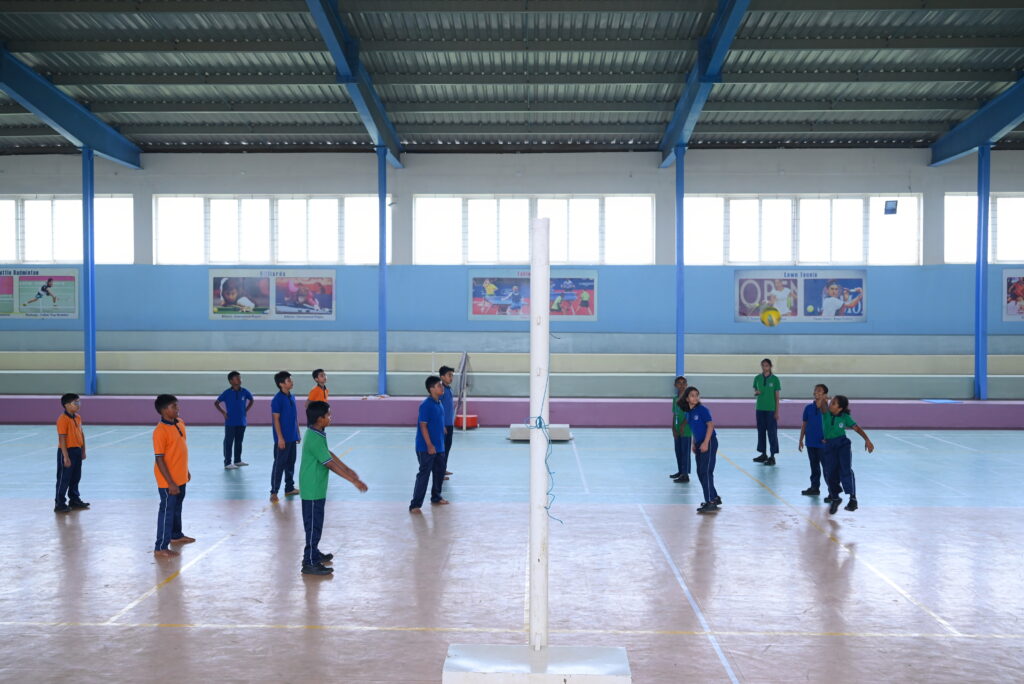
- Sports and physical education integrated into weekly learning
- Life skills, values, and social-emotional learning
- Experiential and project-based learning
- Robotics, STEM activities, and modern labs
Child-Centric Environment
Every child is seen as unique. Teachers encourage expression, curiosity, empathy, and leadership. Learning is personalised, engaging, and meaningful.
Values and Emotional Intelligence
Character-building, mindfulness, and values education ensure that students grow with empathy, respect, and responsibility.
Modern parents want their children to be prepared not just for exams, but for life. BRS Global School aligns deeply with this vision, making it a strong choice for families seeking a balanced educational philosophy.
Why Parents Should Choose Holistic Education for the Future
Holistic education equips children with the mindset and skills needed to thrive in a rapidly changing world. They learn to think critically, act responsibly, collaborate effectively, and communicate with confidence.
Parents who choose holistic, balanced schooling are investing in:
- A stronger emotional foundation
- Better problem-solving abilities
- Creativity and innovation
- Leadership and teamwork
- Academic strength combined with life skills
This combination gives children the best chance to succeed—both in school and beyond.
Final Thoughts
As society evolves, so do the needs of learners. While traditional learning has its strengths, holistic education brings the warmth, balance, and depth needed to nurture well-rounded individuals. The most effective educational model doesn’t choose one over the other—it blends both in a way that supports complete child development.
Schools like BRS Global School embody this balanced approach by integrating academic excellence with life skills, creativity, emotional intelligence, and purposeful learning.
For parents seeking a thoughtful, future-ready education for their children, holistic education offers a meaningful path forward.
FAQs
What is holistic education?
Holistic education is a learning approach that nurtures the intellectual, emotional, social, physical, and creative development of a child. It looks beyond academics to support overall growth and well-being.
How is holistic education different from traditional learning?
Traditional learning focuses mainly on academics, memorisation, and exams, while holistic education encourages experiential learning, emotional growth, creativity, and life skills. A balanced model uses the strengths of both.
Why is holistic education important for child development?
Holistic education helps children build confidence, emotional intelligence, communication skills, and problem-solving abilities. These qualities are essential for success in school, relationships, and future careers.
Are modern education methods better than traditional methods?
Modern methods are not necessarily better; they are more relevant to today’s world. They encourage creativity, collaboration, and critical thinking. When combined with traditional academic structure, they create a strong, future-ready foundation.
Does holistic education impact academic performance?
Yes. When children feel emotionally supported and engaged, their academic performance improves. Holistic learning reduces stress, builds motivation, and strengthens understanding through real-world experiences.
What are examples of holistic learning activities?
Activities include art, music, dance, sports, mindfulness exercises, community service, project-based learning, and leadership tasks. These activities build confidence and real-world skills.
Can traditional and holistic education work together?
Absolutely. Many modern schools blend the discipline and structure of traditional learning with the creativity and flexibility of holistic methods. This balanced approach delivers strong academic and personal development outcomes.
Why are parents choosing holistic schools today?
Parents want their children to develop life skills, emotional strength, creativity, and adaptability—not just academic scores. Holistic education prepares children for the challenges of a rapidly changing world.
How does holistic education support emotional well-being?
It includes practices like mindfulness, reflection, open communication, and safe learning environments. These help children understand emotions, manage stress, and build resilience.
How does BRS Global School apply holistic education?
BRS Global School integrates academic excellence with life skills, arts, sports, values education, and experiential learning. The school focuses on nurturing confident, compassionate, and well-rounded learners.