Introduction
Education becomes more meaningful when students are given opportunities to explore, create, question and express what they understand. Art integration provides one such opportunity by bringing together academic concepts, creative expression and cultural contexts.
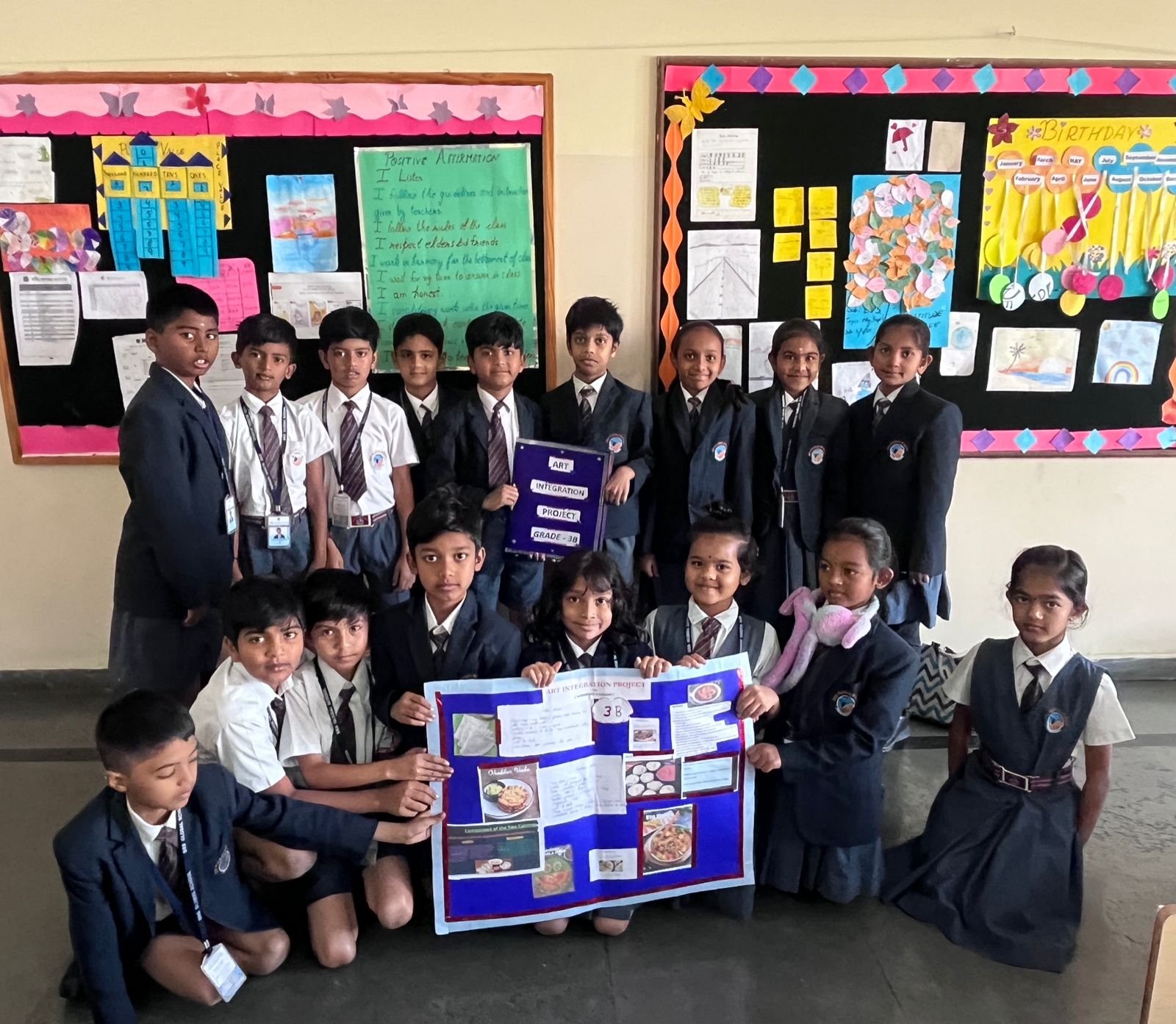
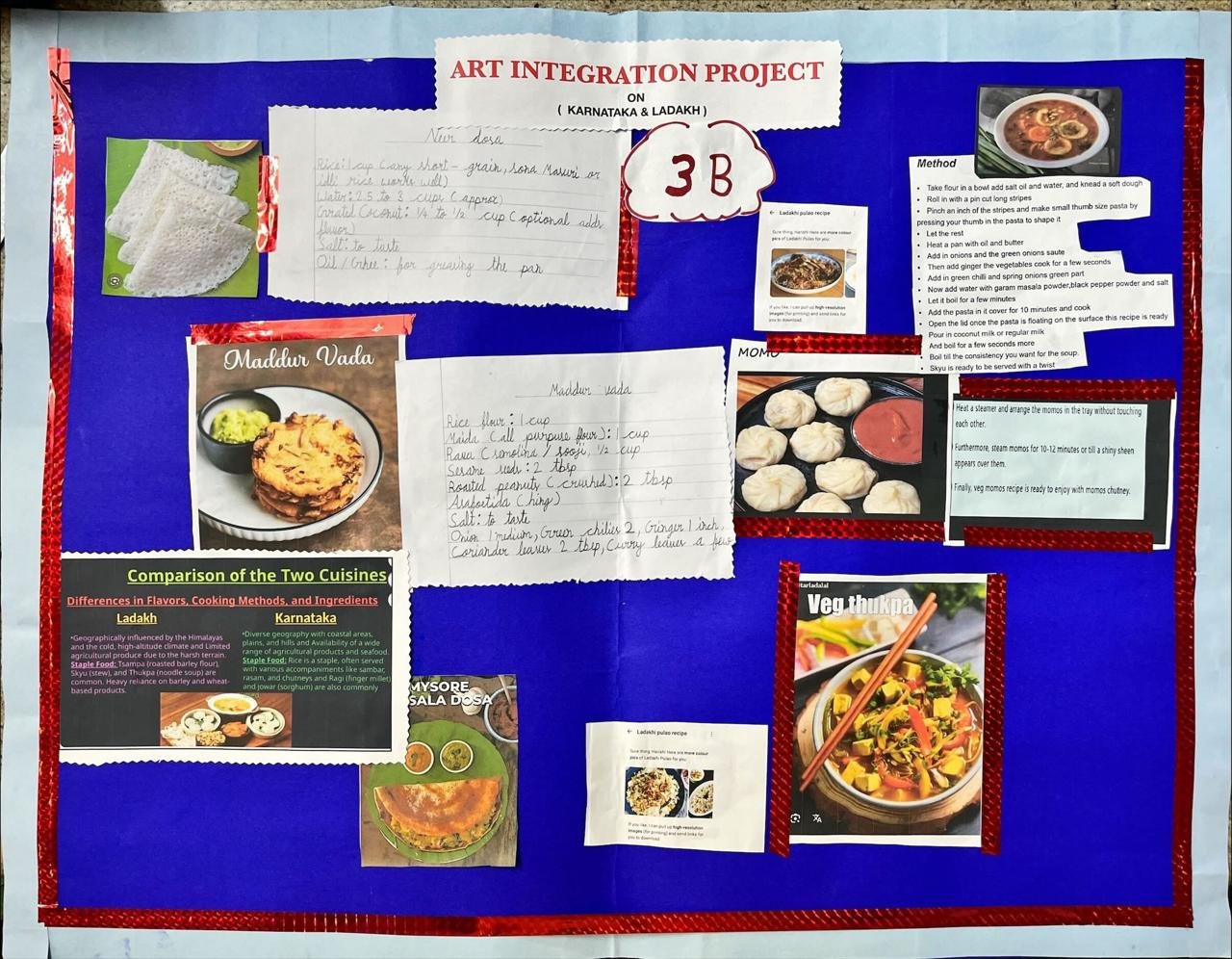
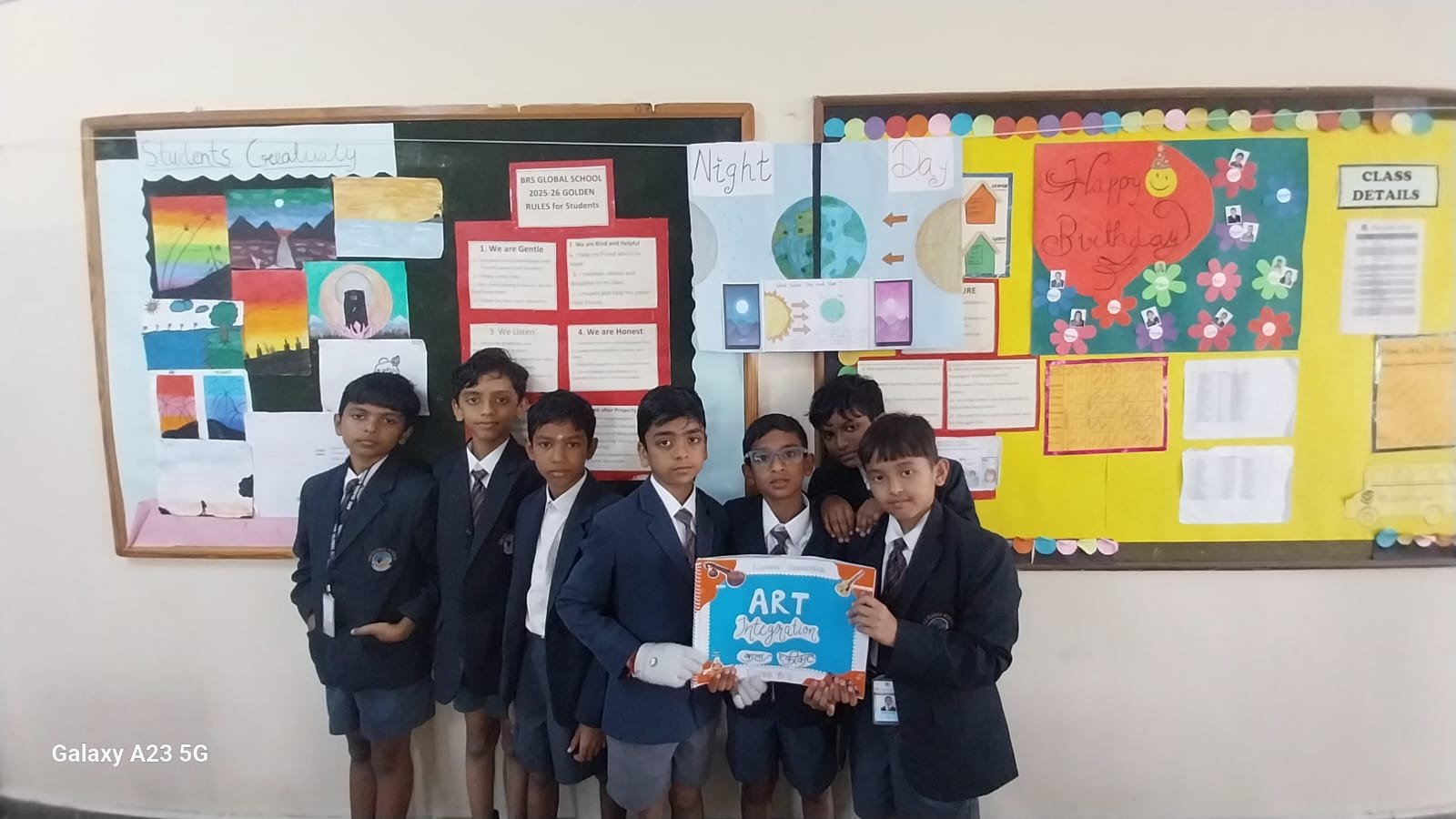
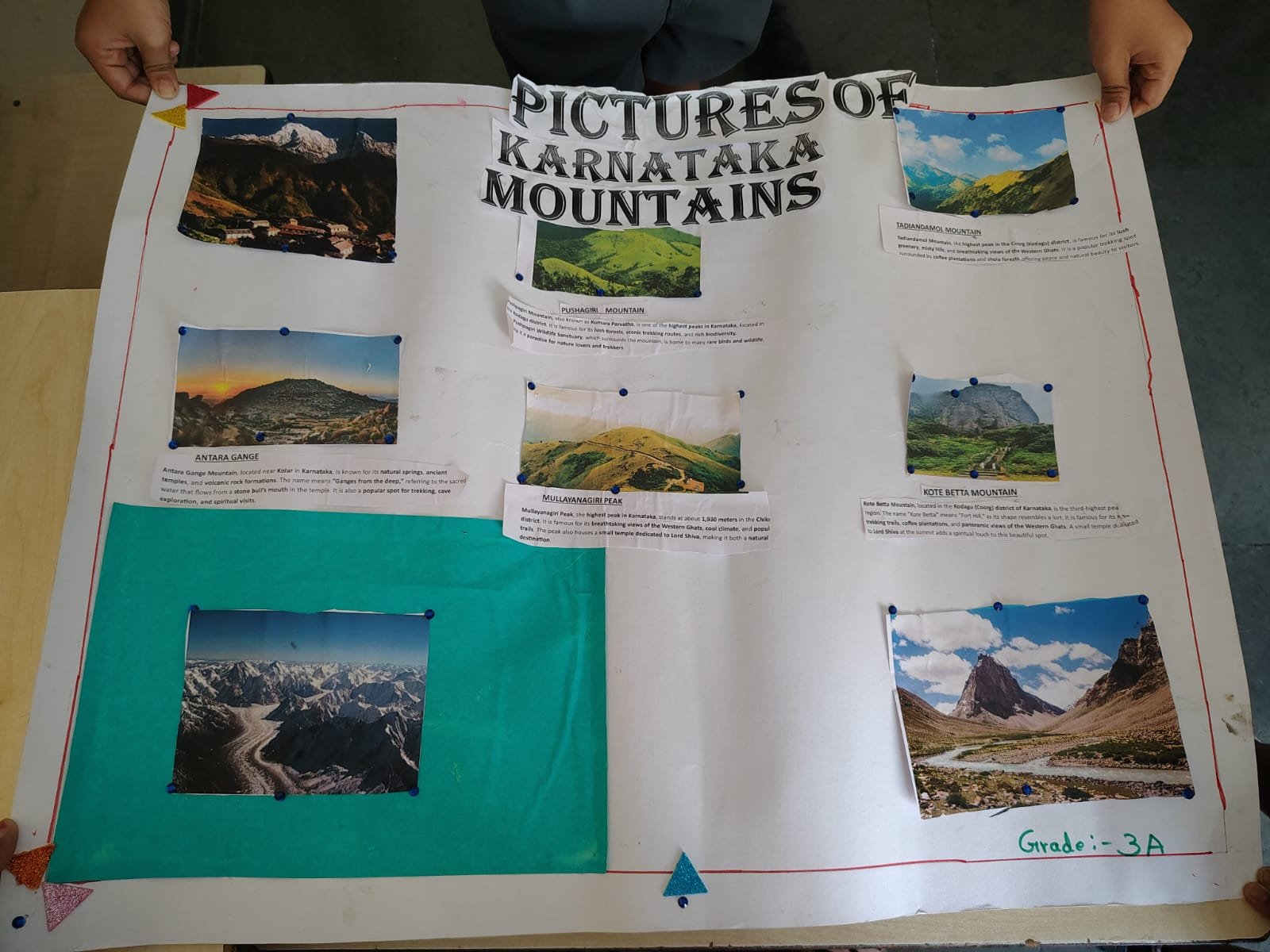
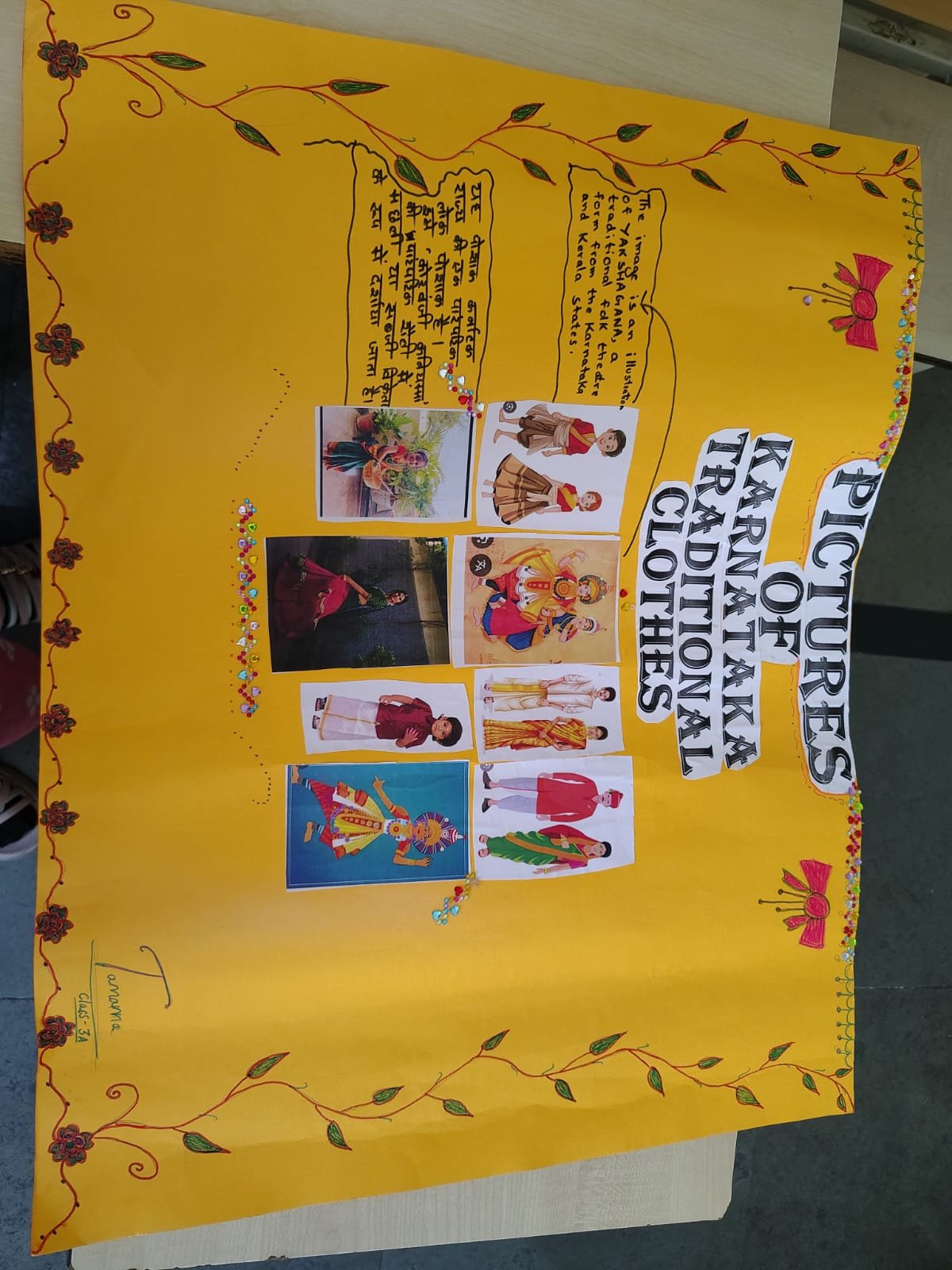
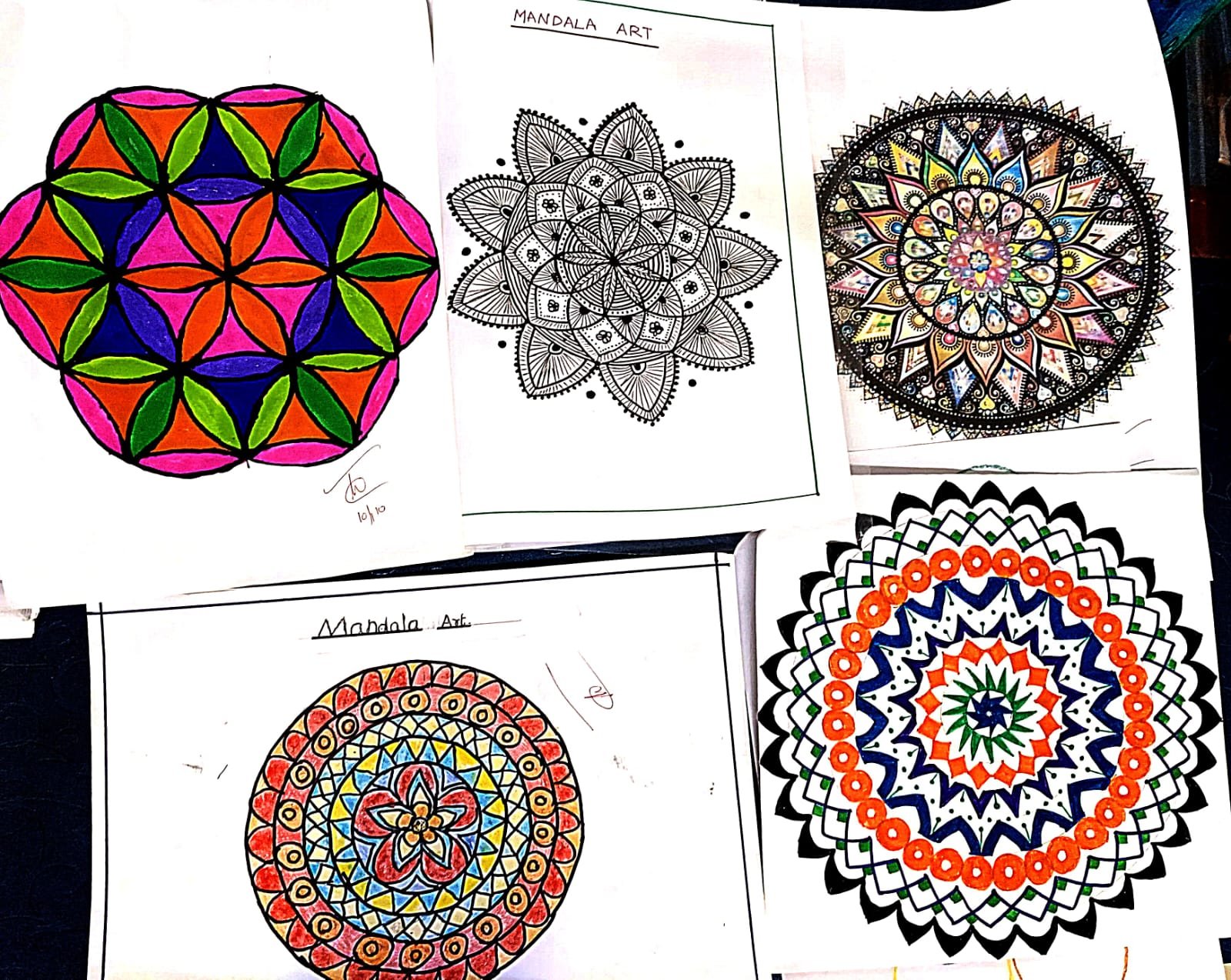
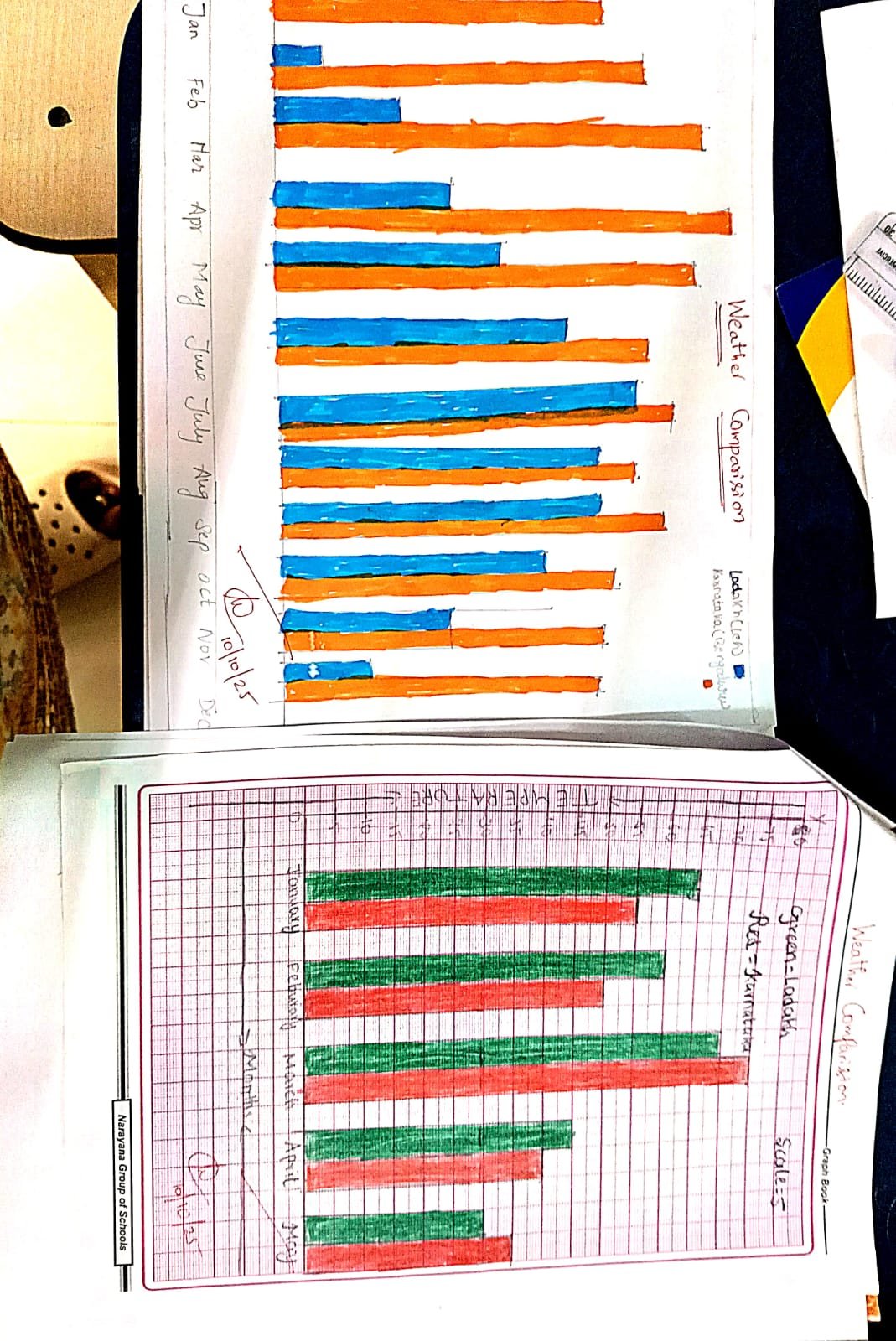
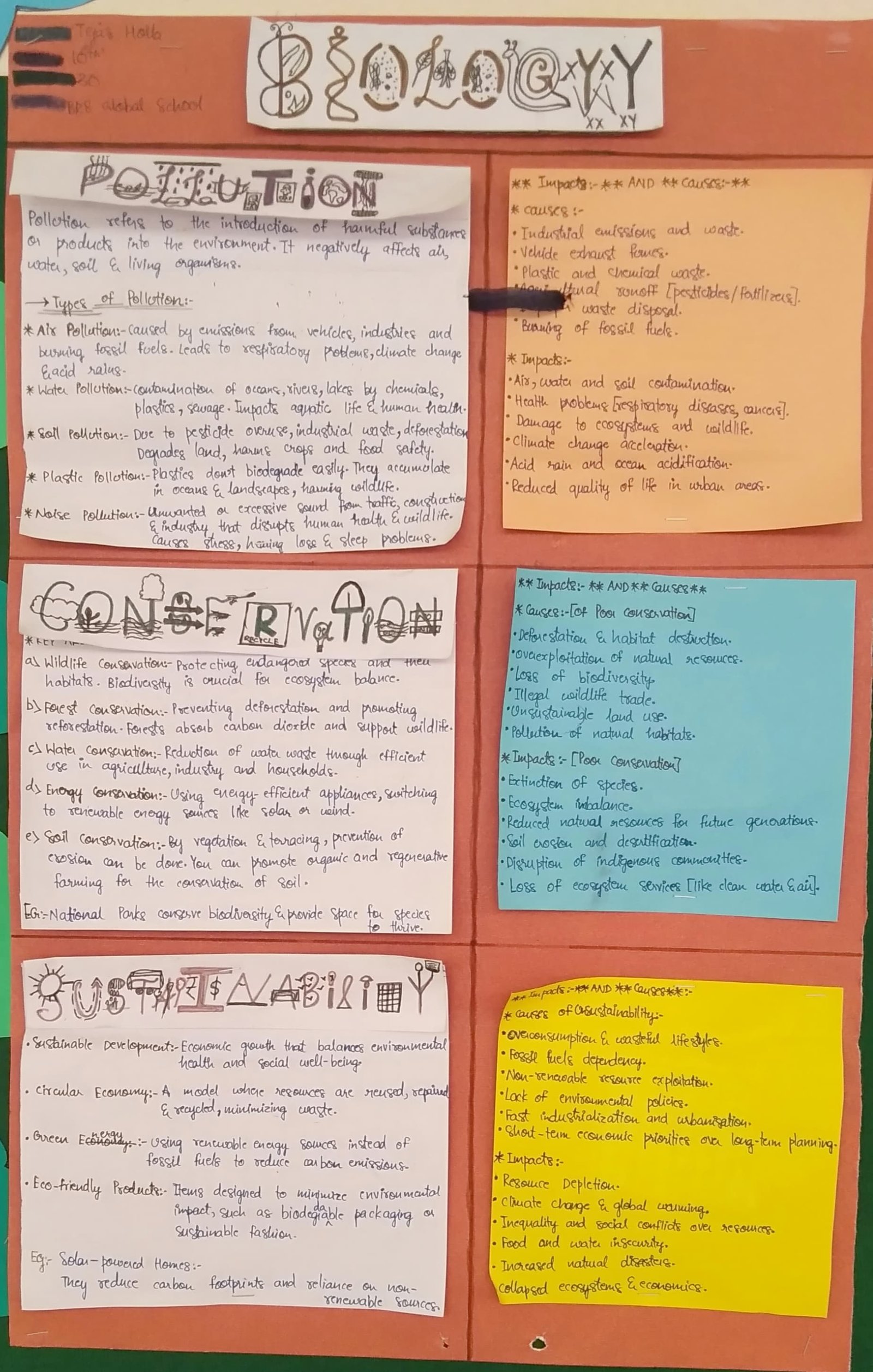
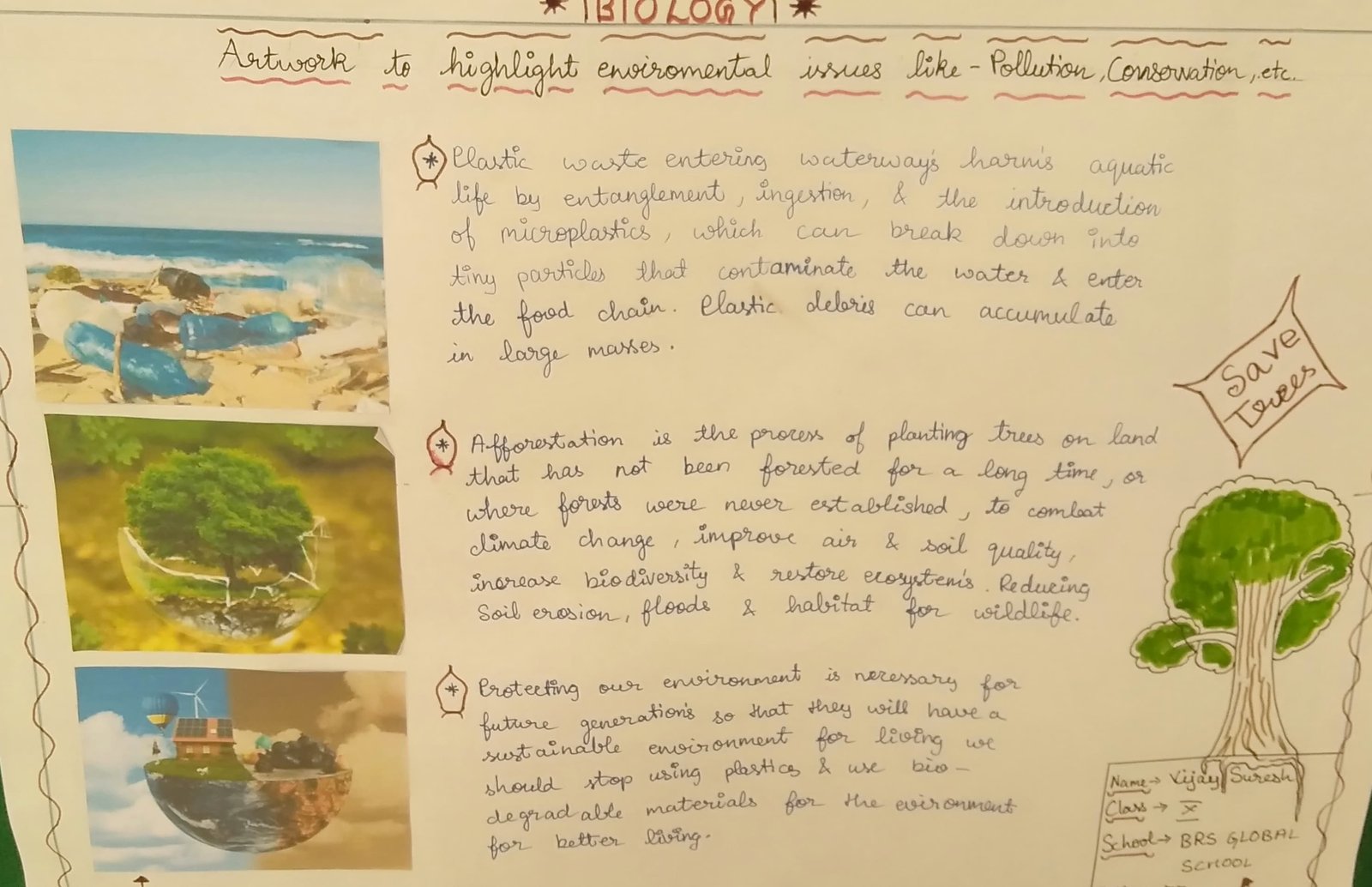
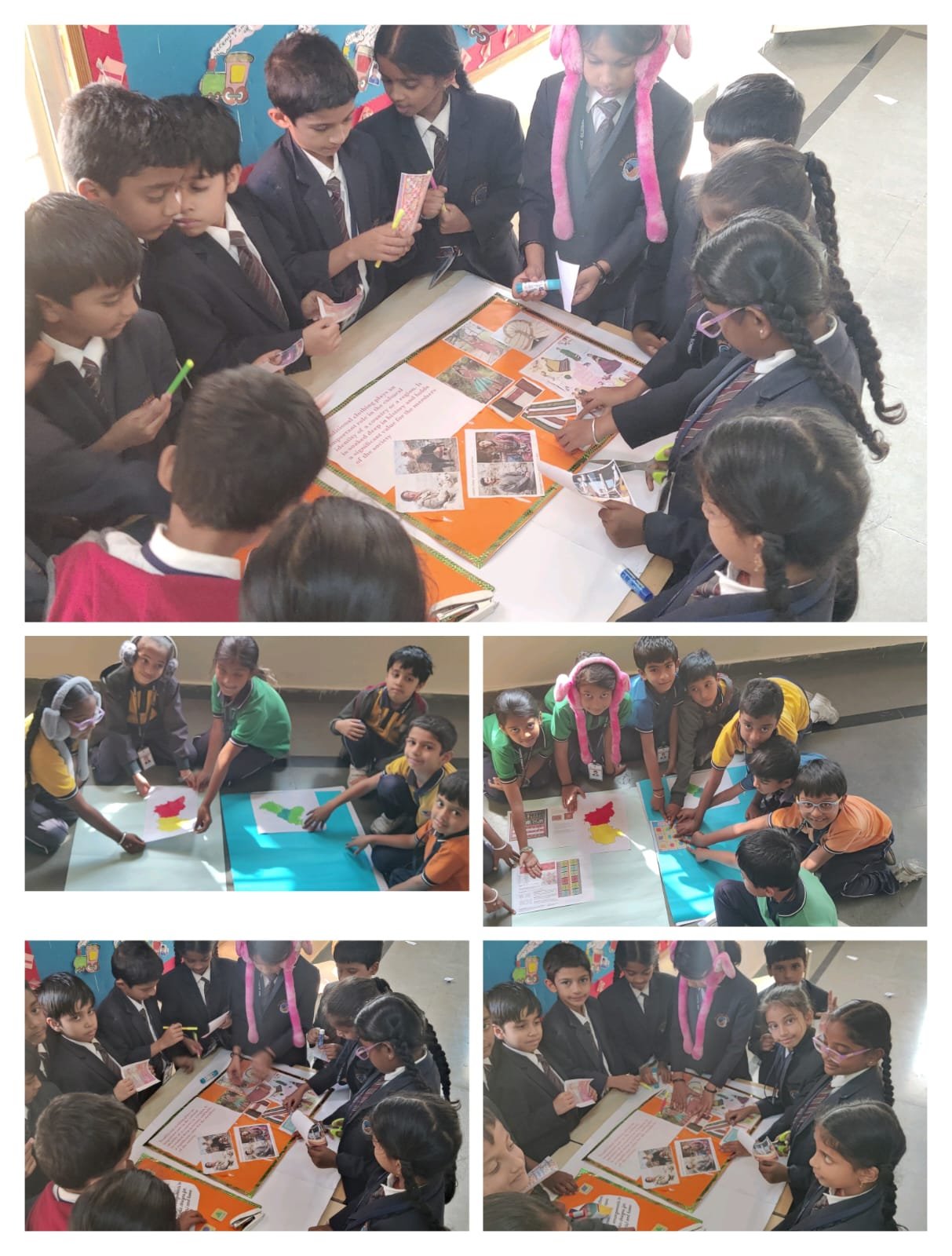
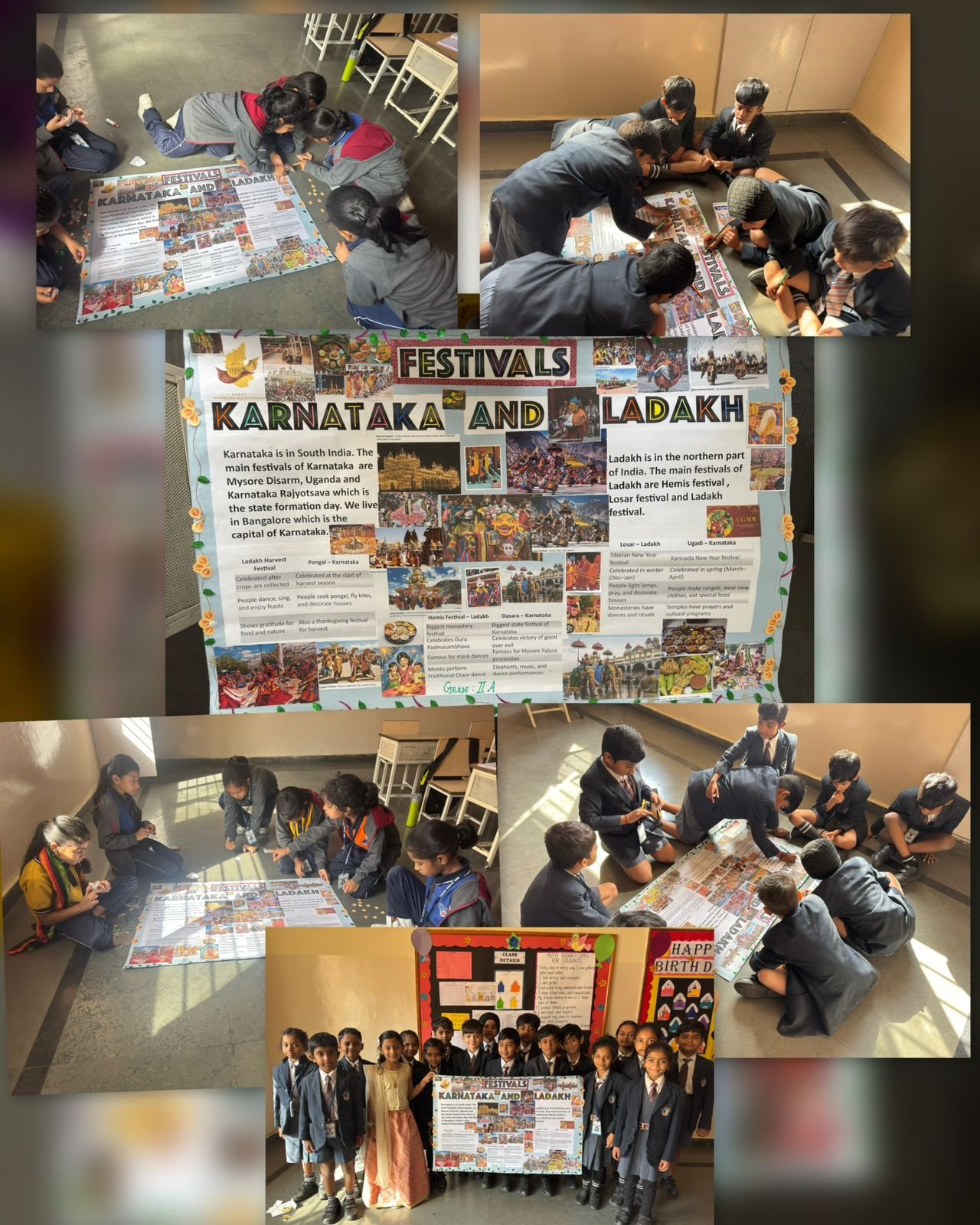
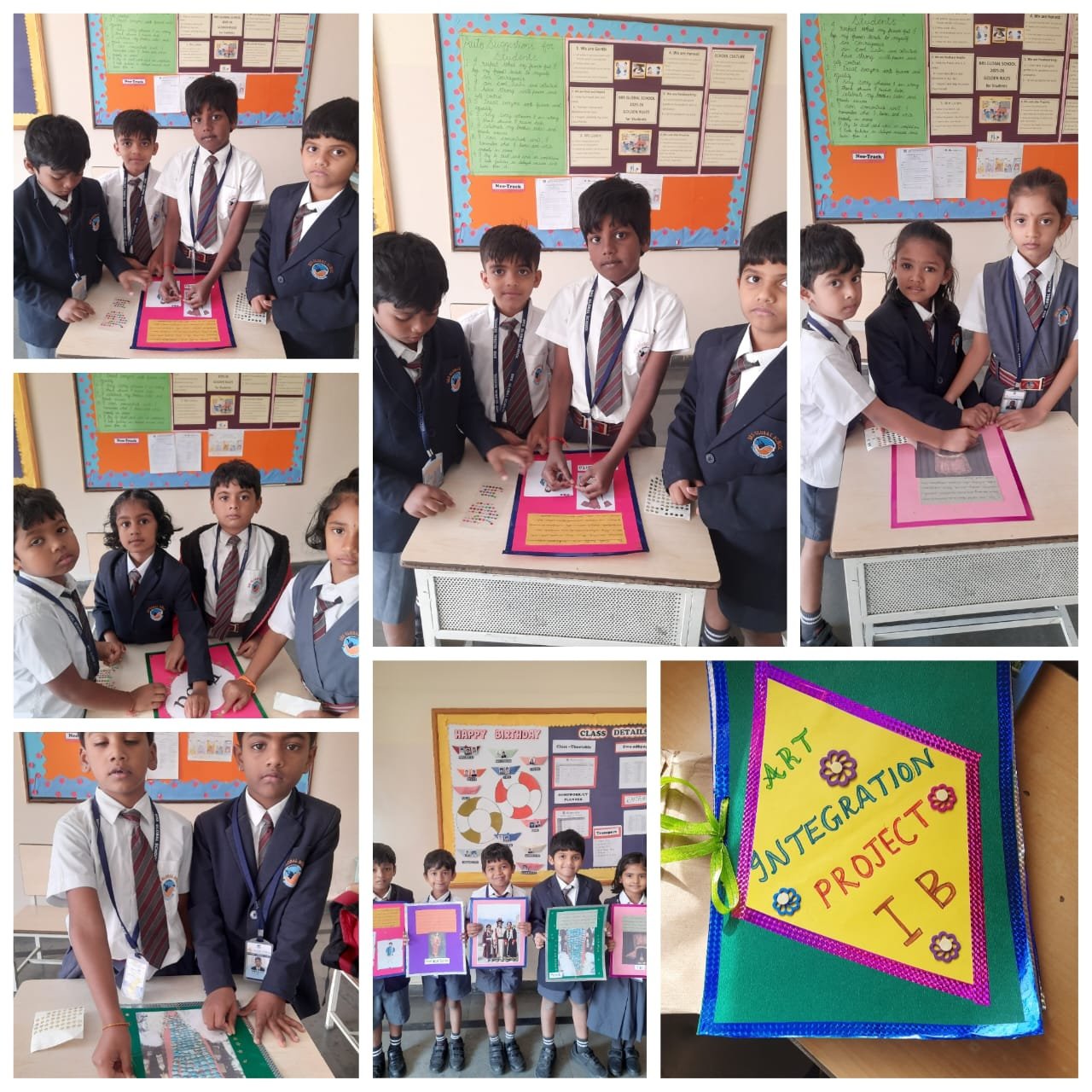
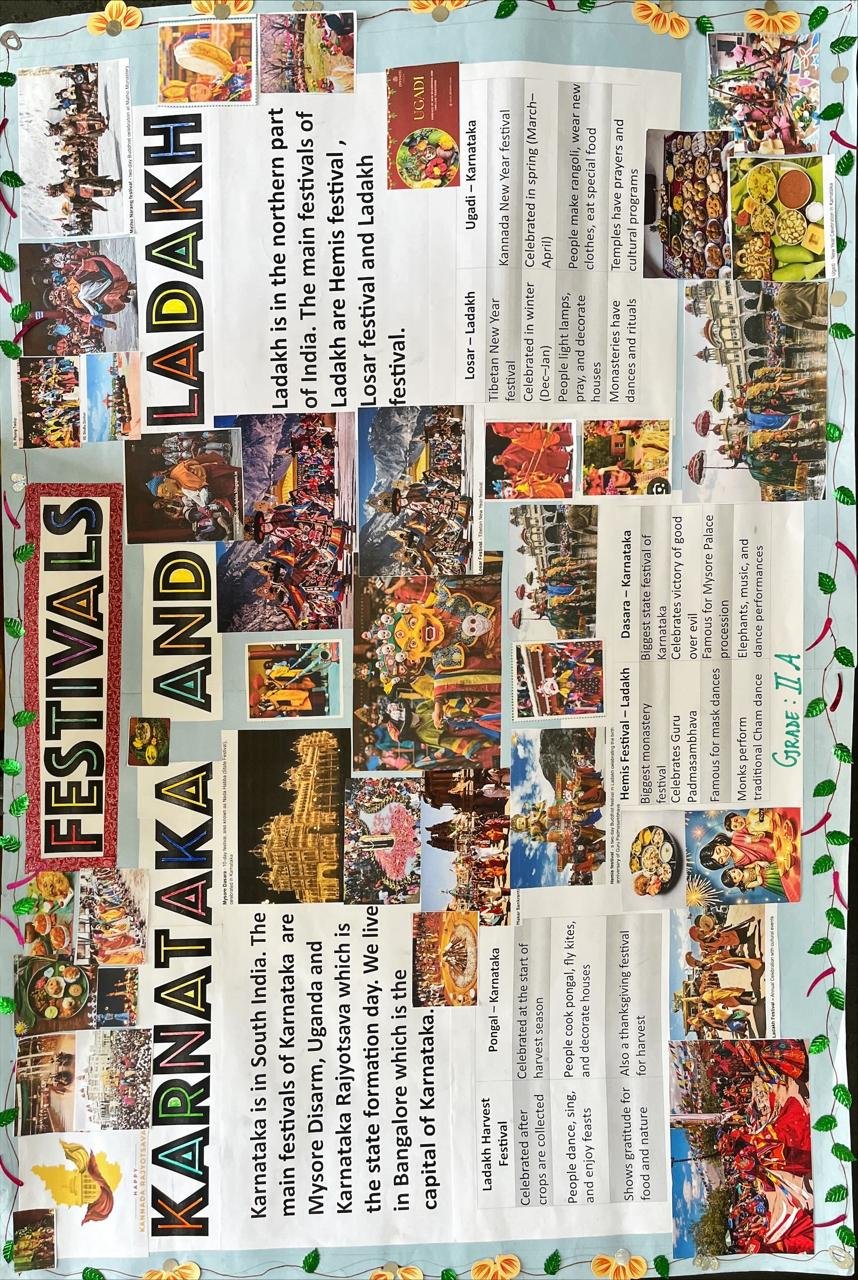
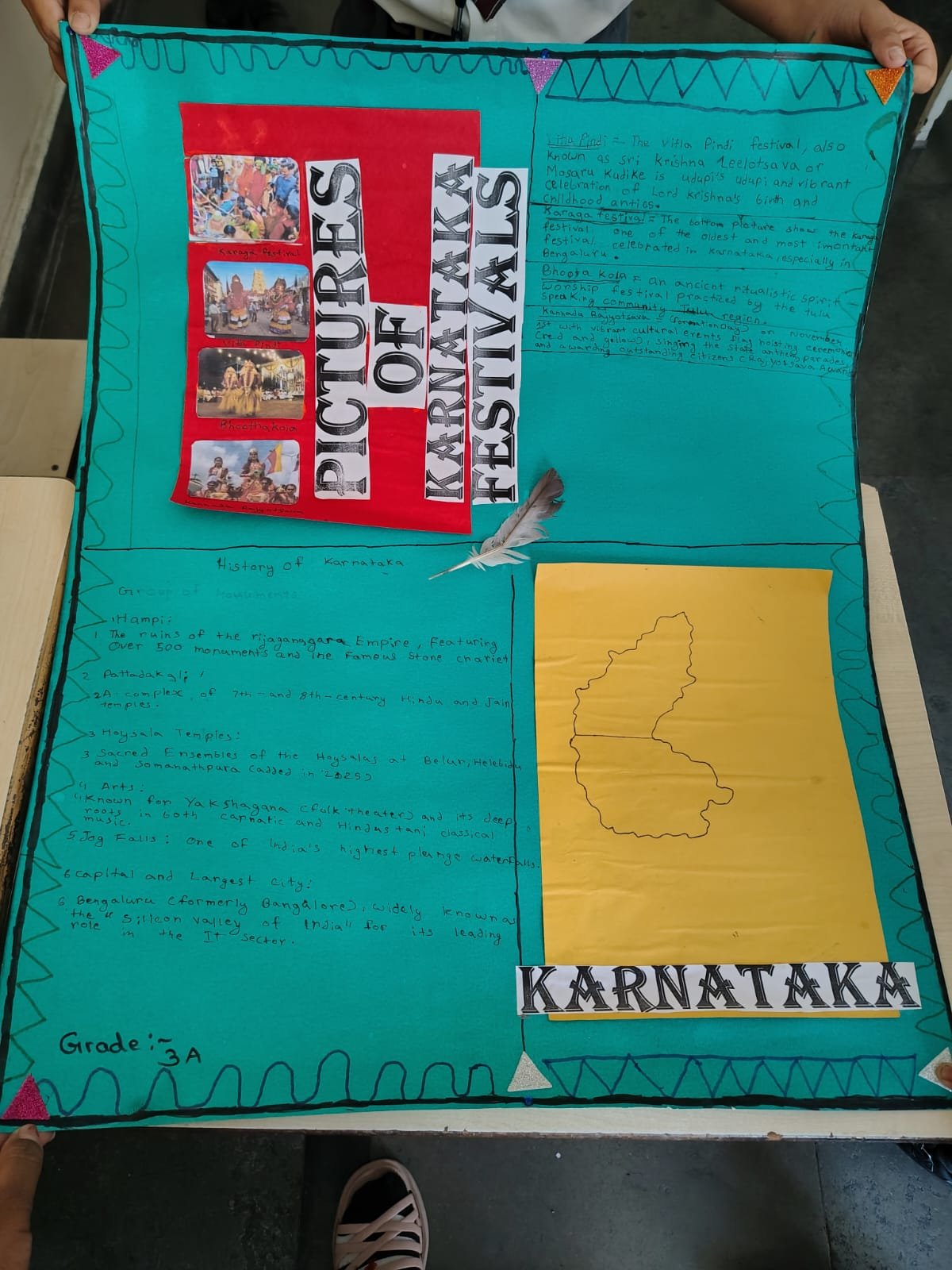
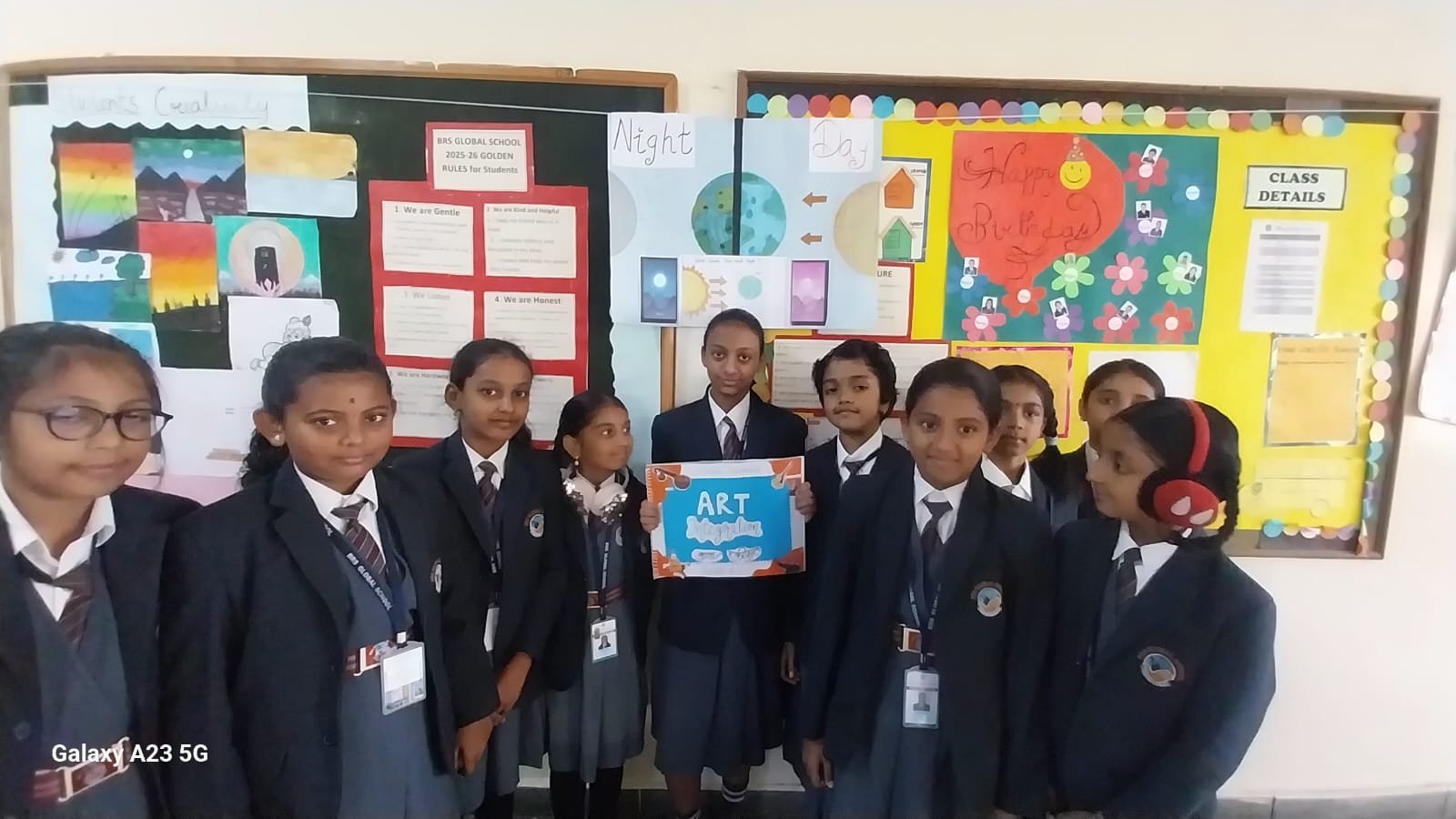
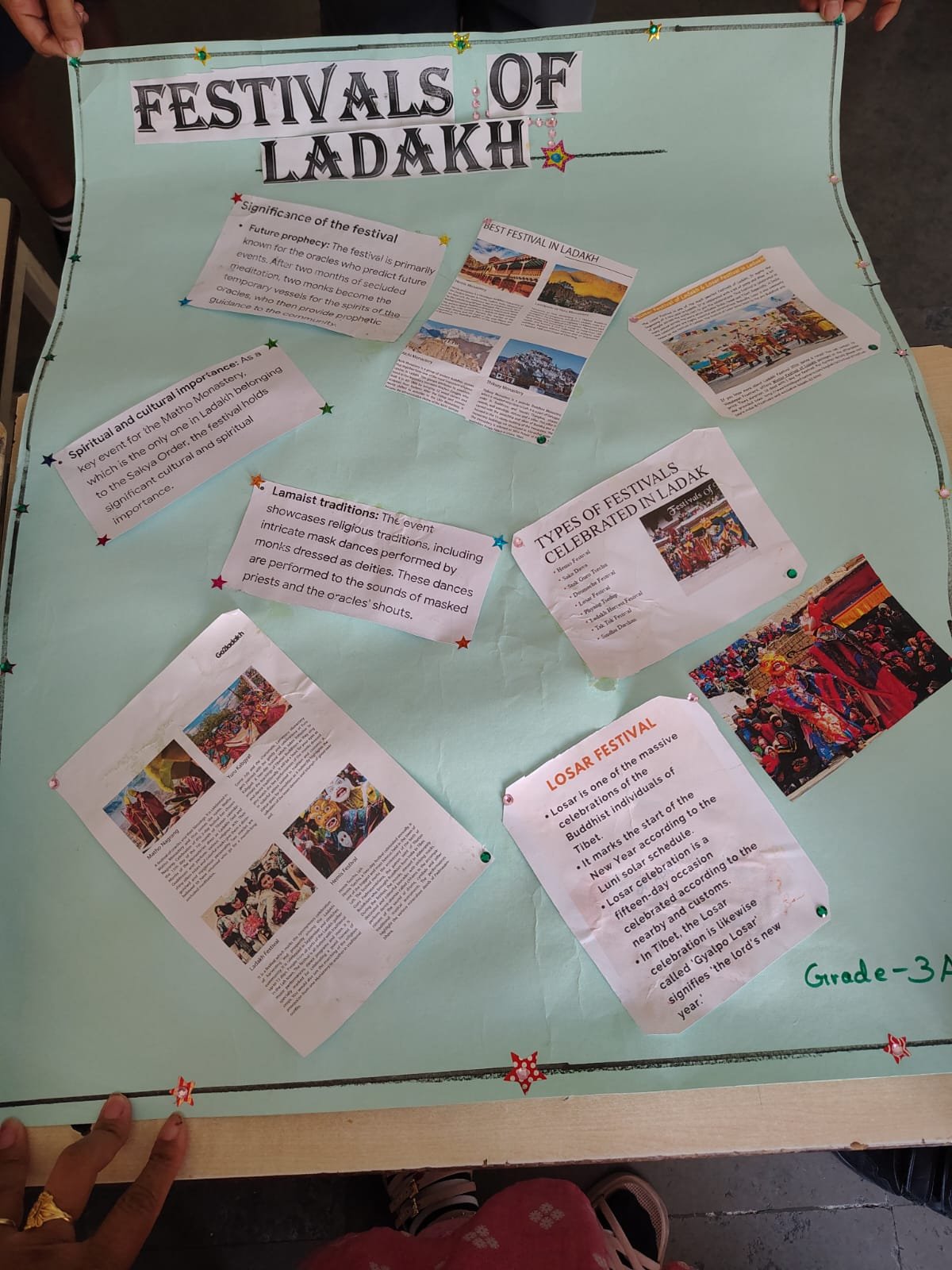
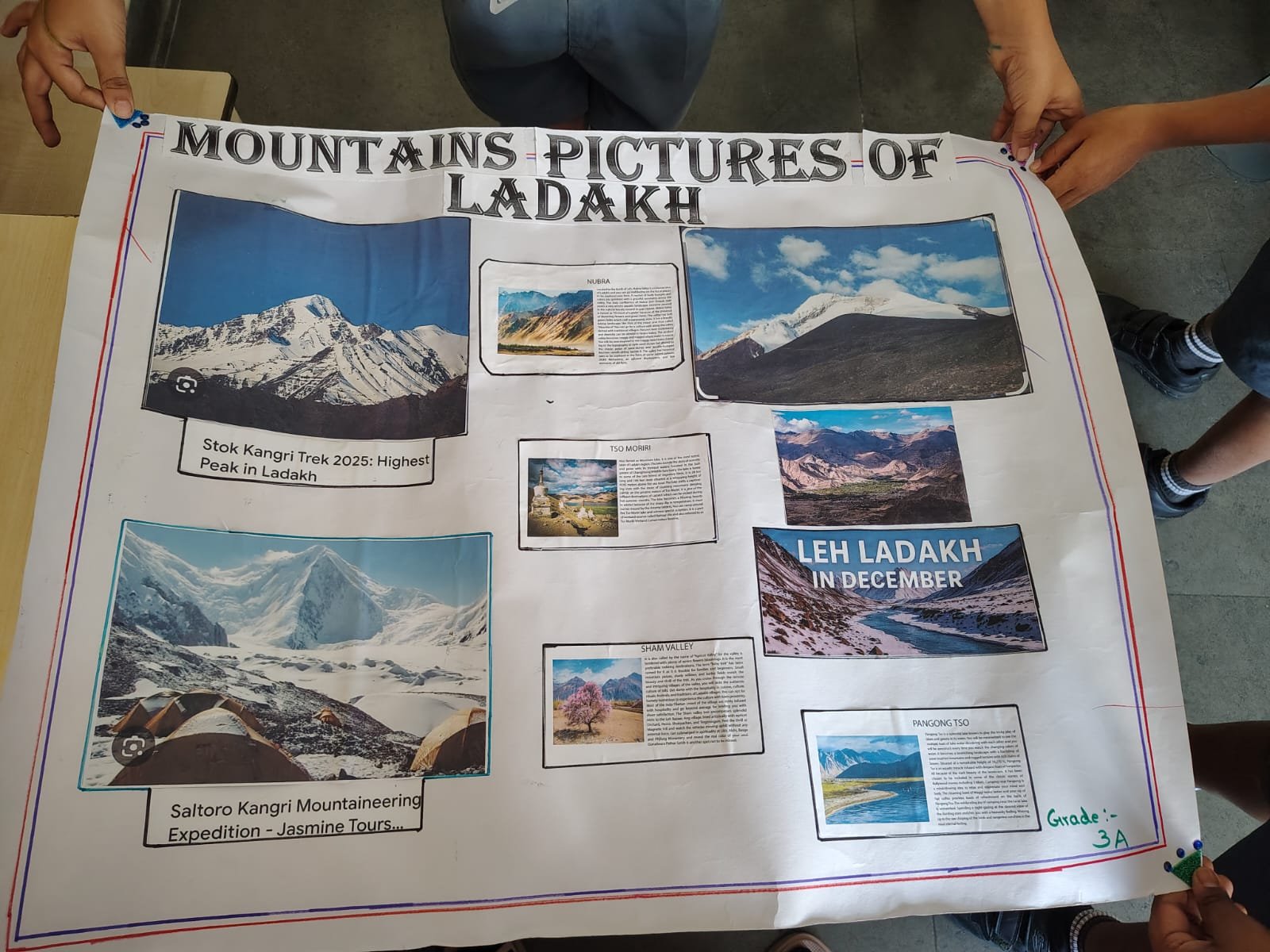
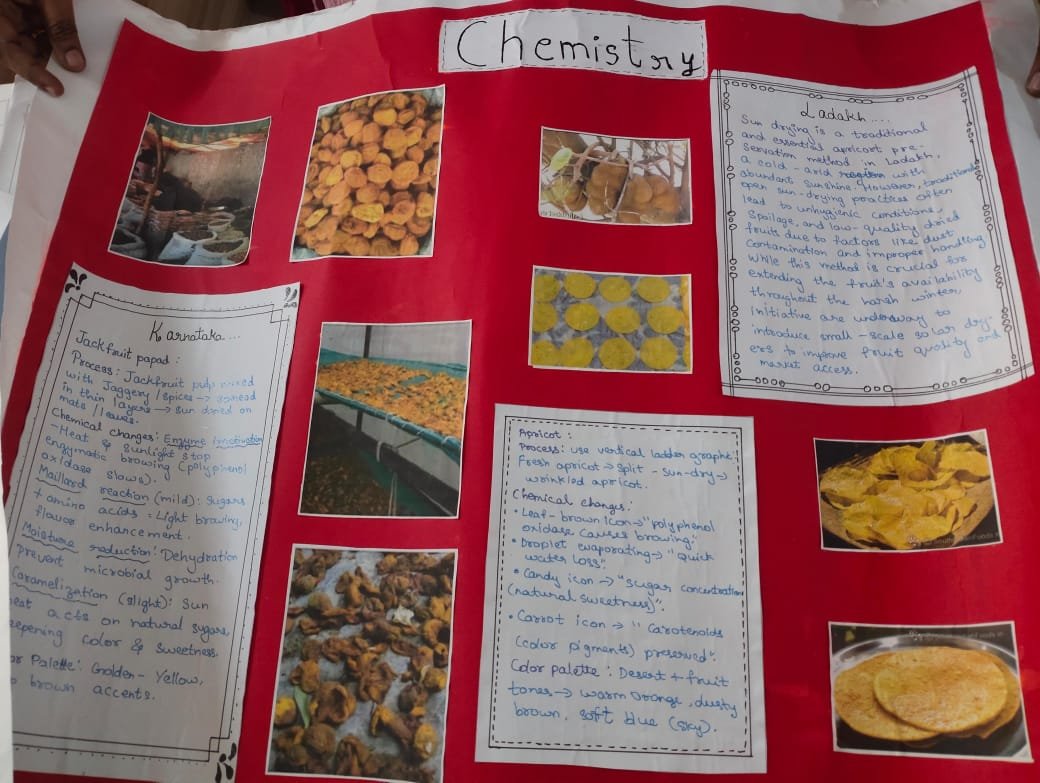
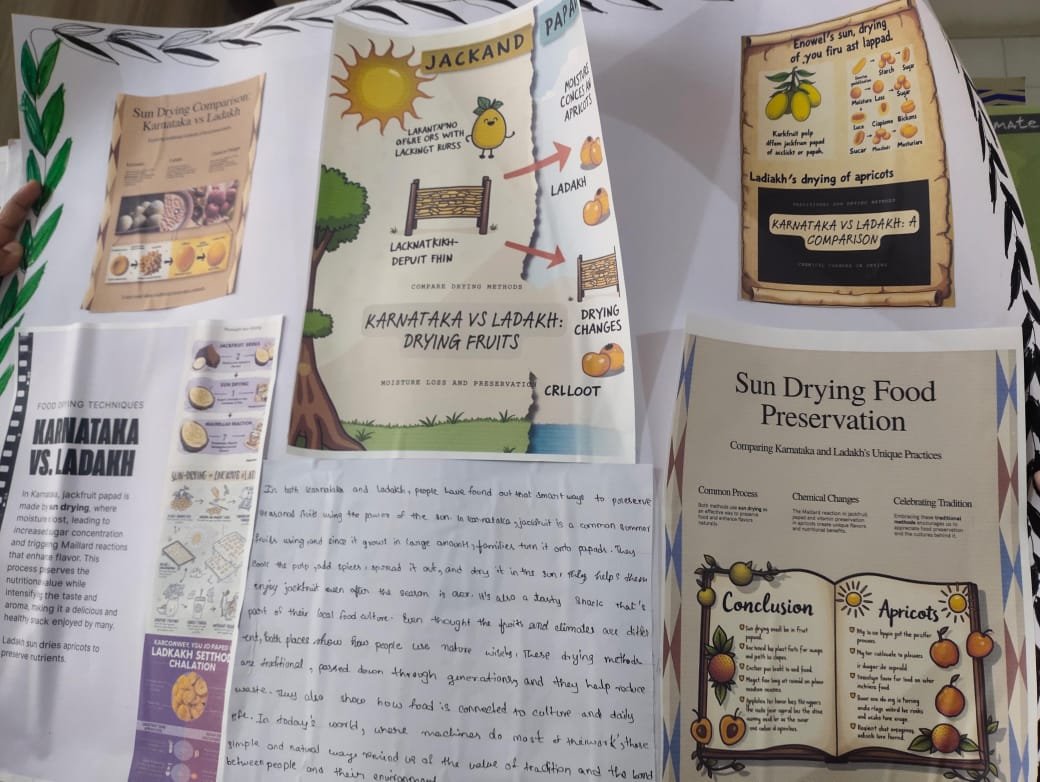
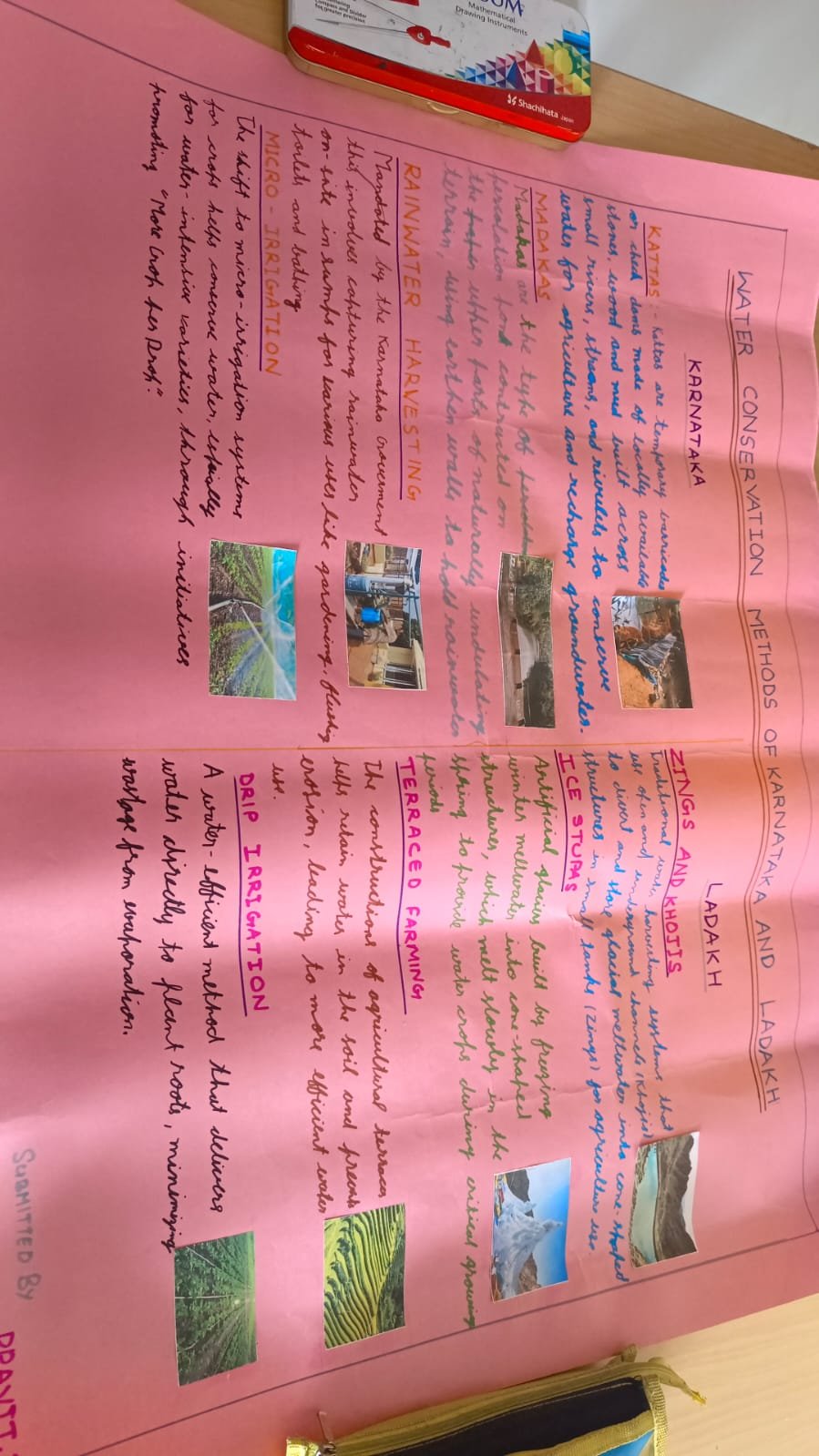
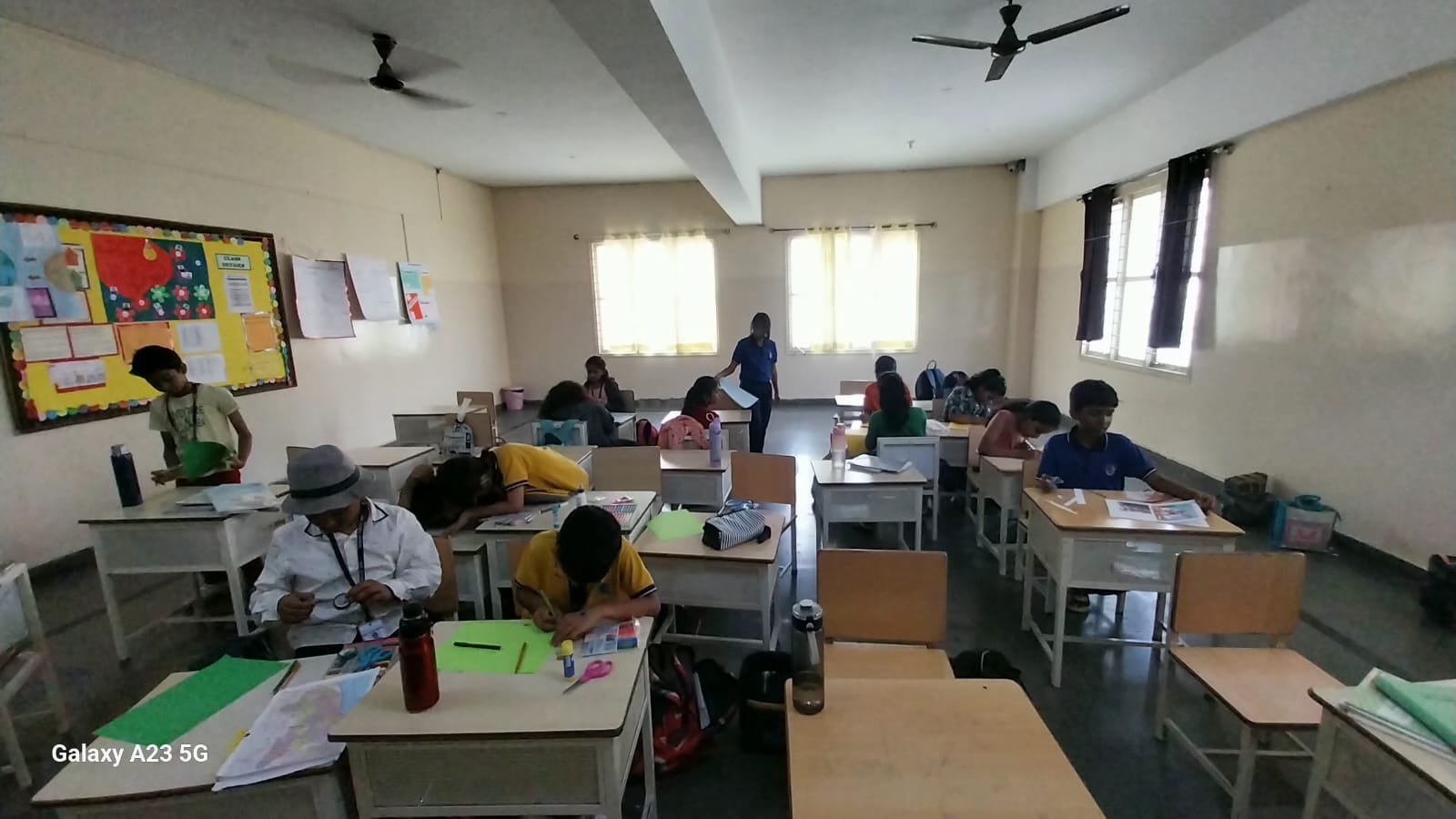
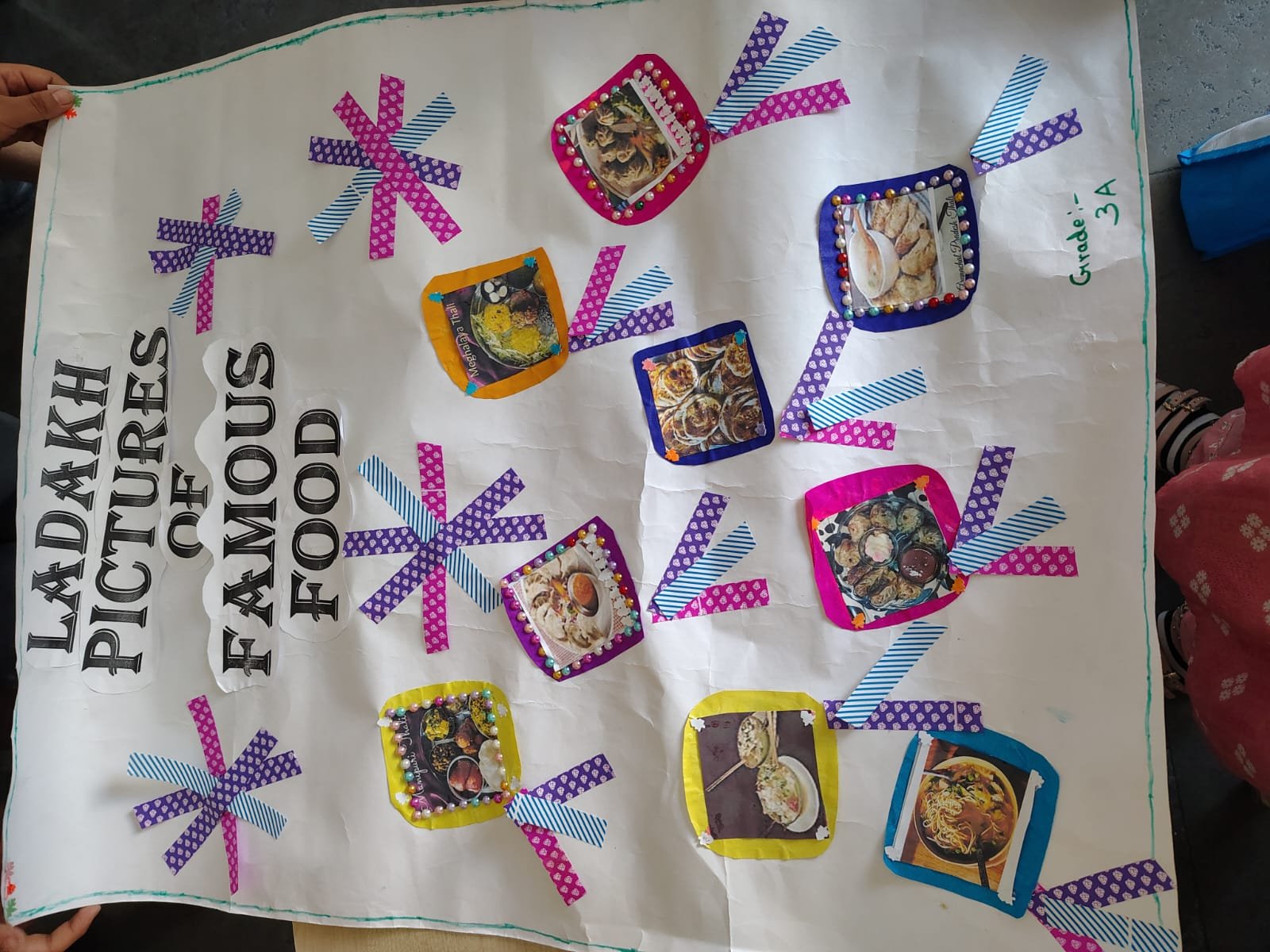
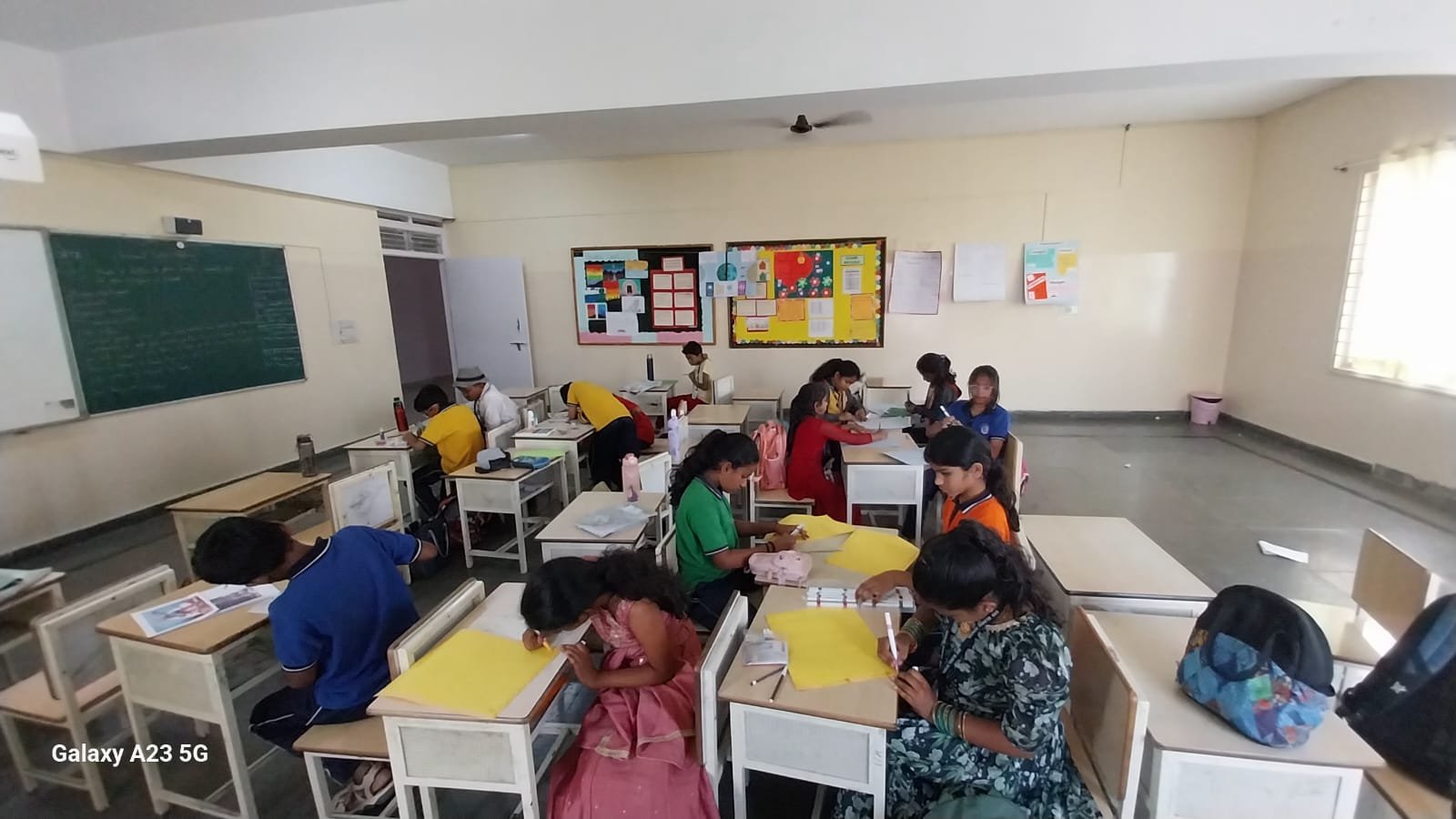
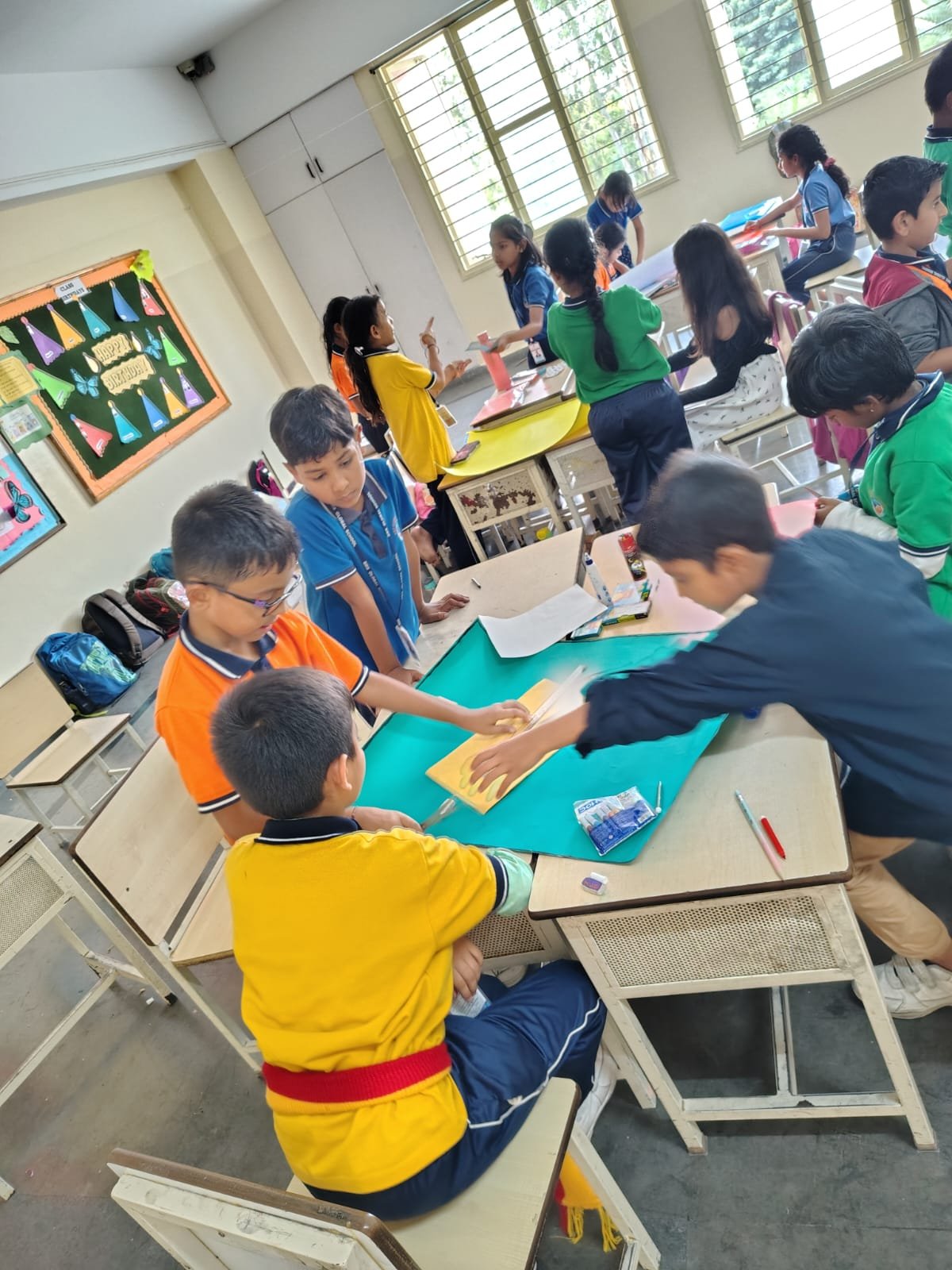
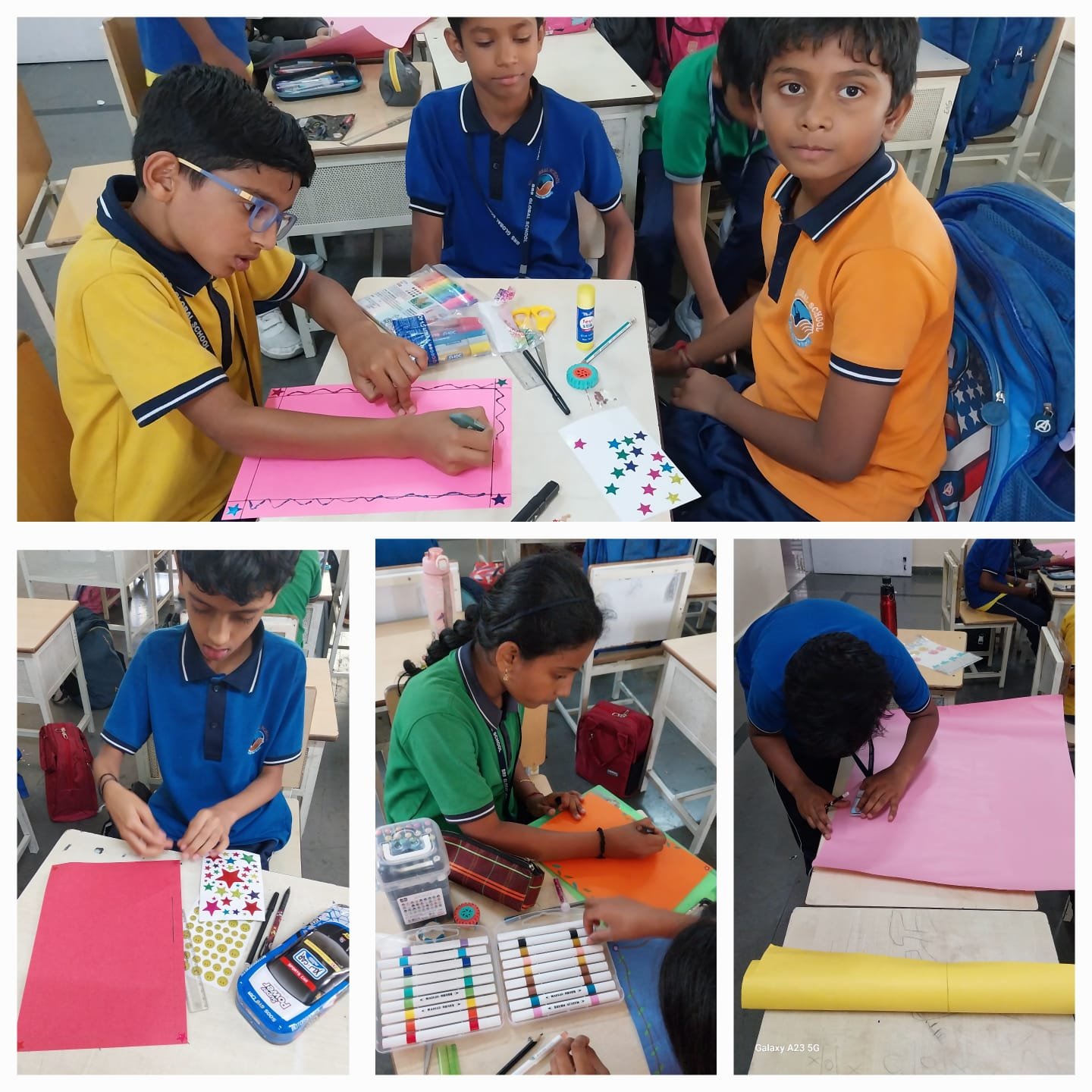
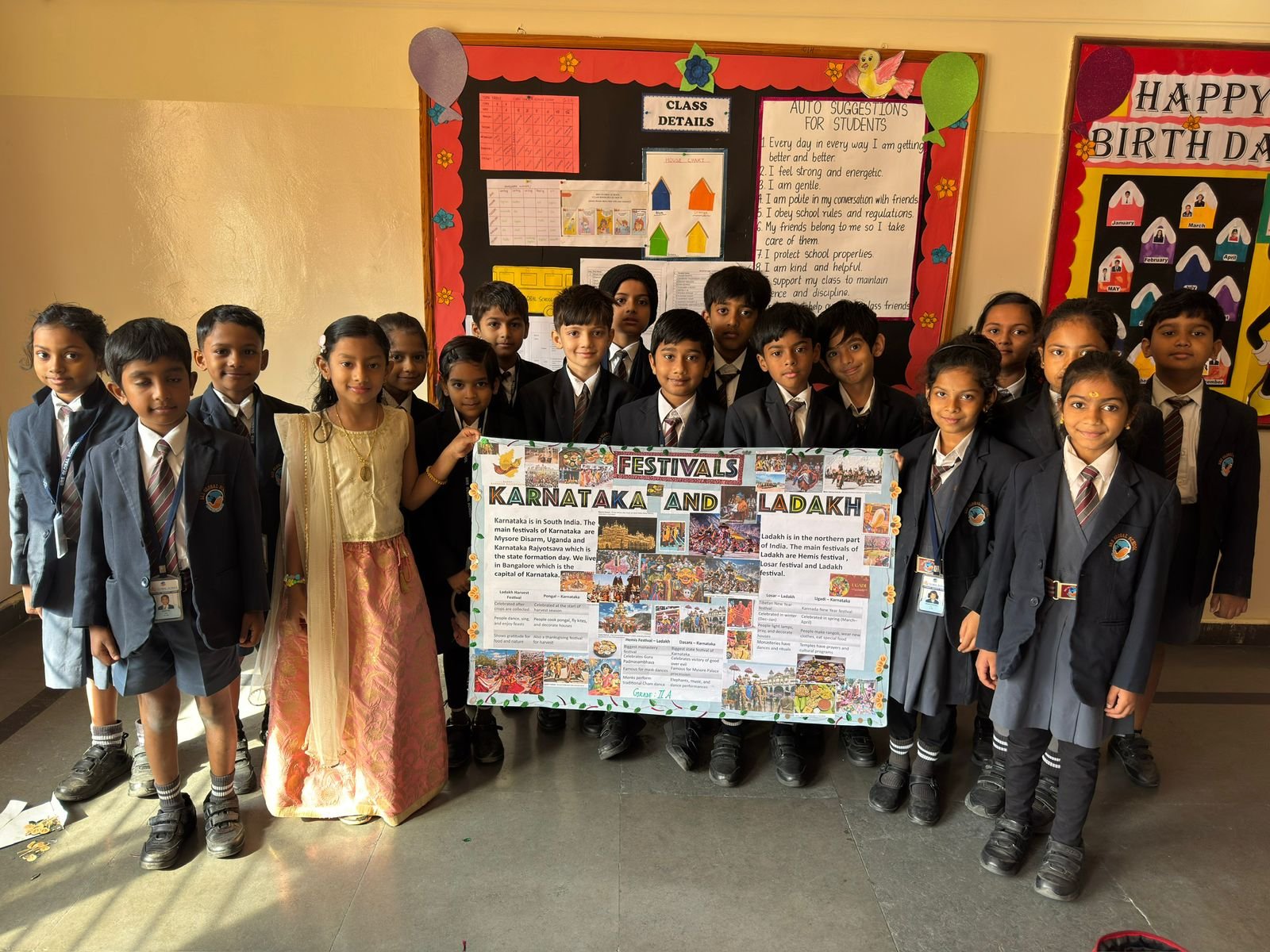
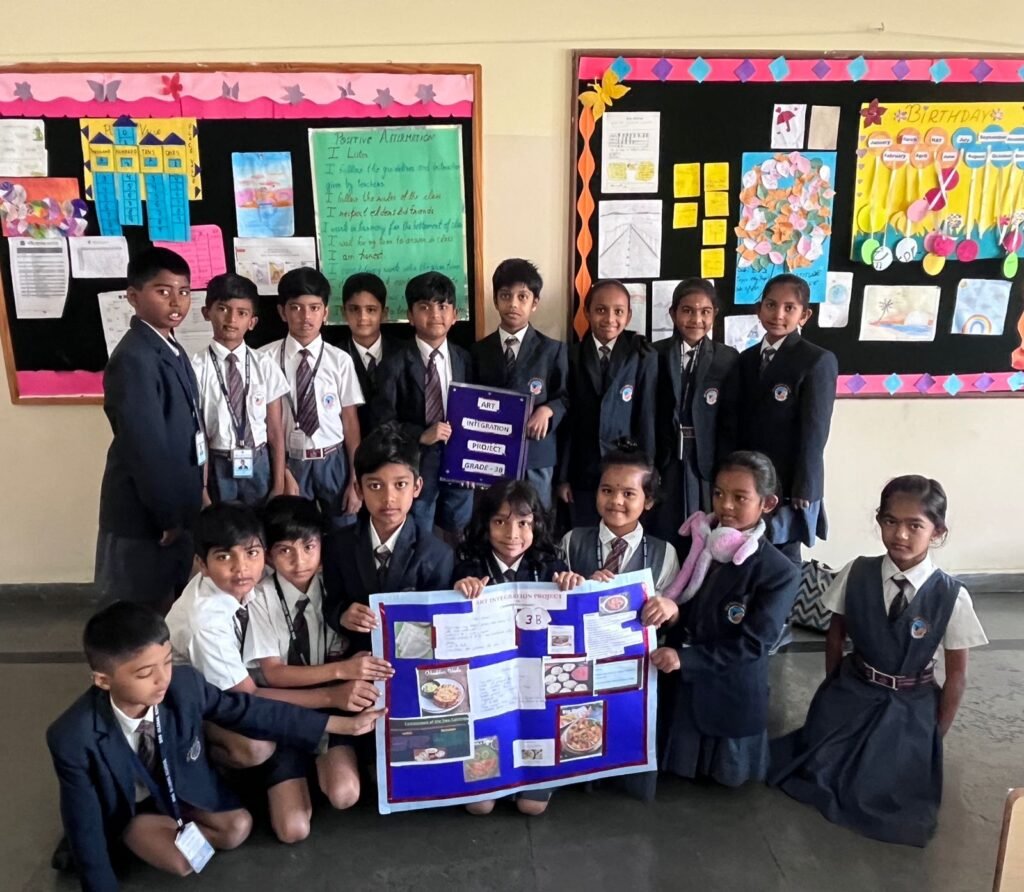
At BRS Global School | Best CBSE School in Sarjapur Road, students participated in Art Integrated Projects during the 2025–26 academic year, exploring the paired states of Karnataka and Ladakh. The project gave students an opportunity to learn about different geographical settings, cultural practices, traditions and artistic expressions while presenting their understanding through project-based work.
The initiative reflects an important principle of contemporary school education: learning does not have to remain confined to textbooks. When students investigate a place, understand its culture and interpret their findings creatively, they engage with knowledge at multiple levels.
CBSE‘s Art-Integrated Project guidelines describe art integration as part of experiential learning and encourage students to become independent thinkers and learners. CBSE also connects Art-Integrated Project work with the Ek Bharat Shreshtha Bharat (EBSB) programme, giving students opportunities to familiarise themselves with the culture, traditions and geography of other States and Union Territories.
For families exploring CBSE schools in Sarjapur Road, this kind of classroom experience provides a useful perspective on how curriculum can be translated into active and culturally connected learning.
Event Overview
Event : Art Integrated Projects 2025–26
School : BRS Global School
Campus : Sarjapur Road Campus
Academic Year : 2025–26
Project Focus : Art Integration and Experiential Learning
Paired States/UTs : Karnataka and Ladakh
Key Themes : Art, culture, traditions and geography
Educational Connection : CBSE Art-Integrated Learning and Ek Bharat Shreshtha Bharat
Learning Approach : Project-based, interdisciplinary and experiential
The project was designed to give students a meaningful way to explore Karnataka and Ladakh while connecting their academic understanding with artistic expression.
Rather than treating art as an isolated activity, art integration enables students to use artistic forms as a means of understanding and communicating concepts from other areas of learning.
What Happened During the Event?
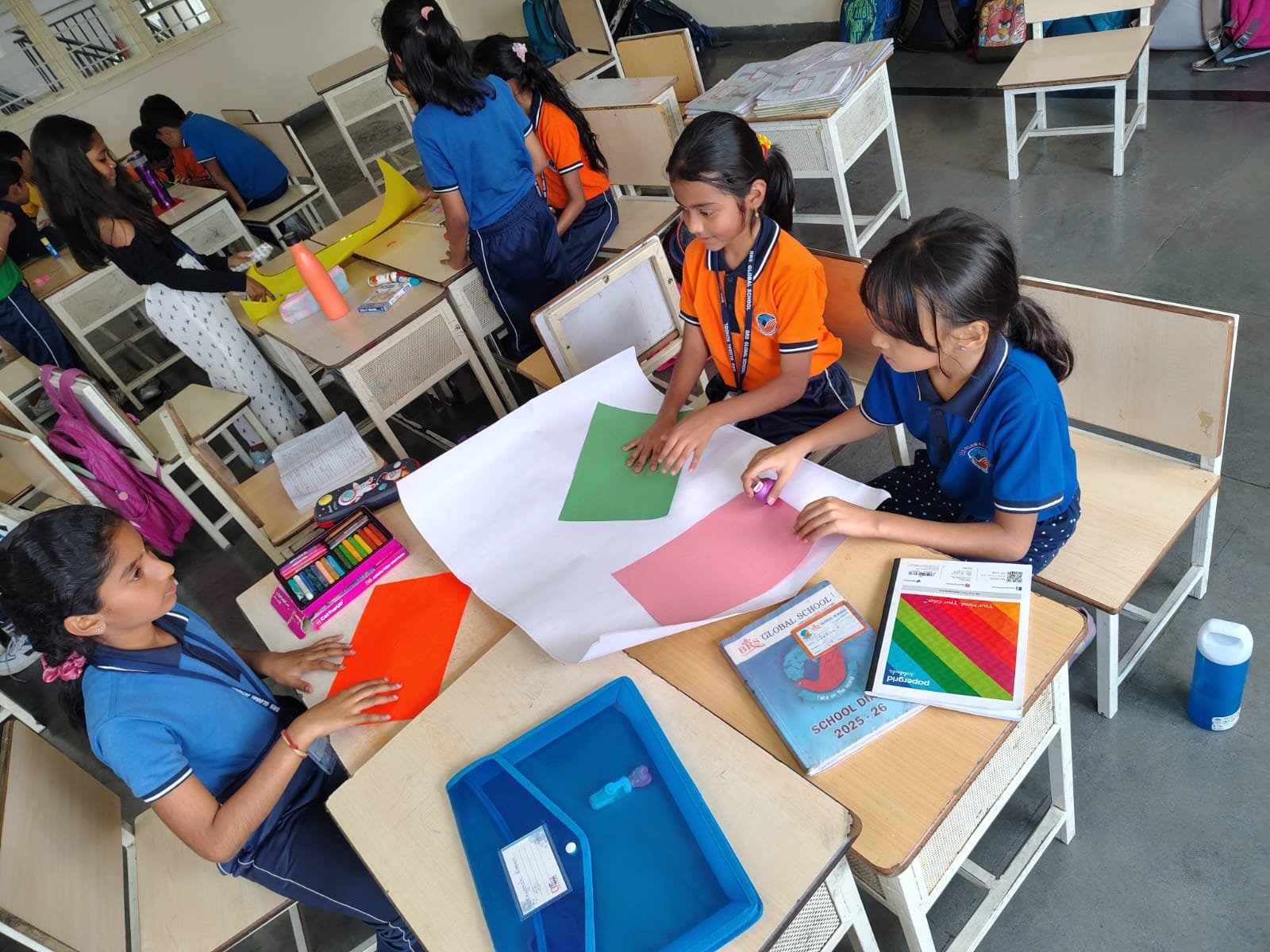
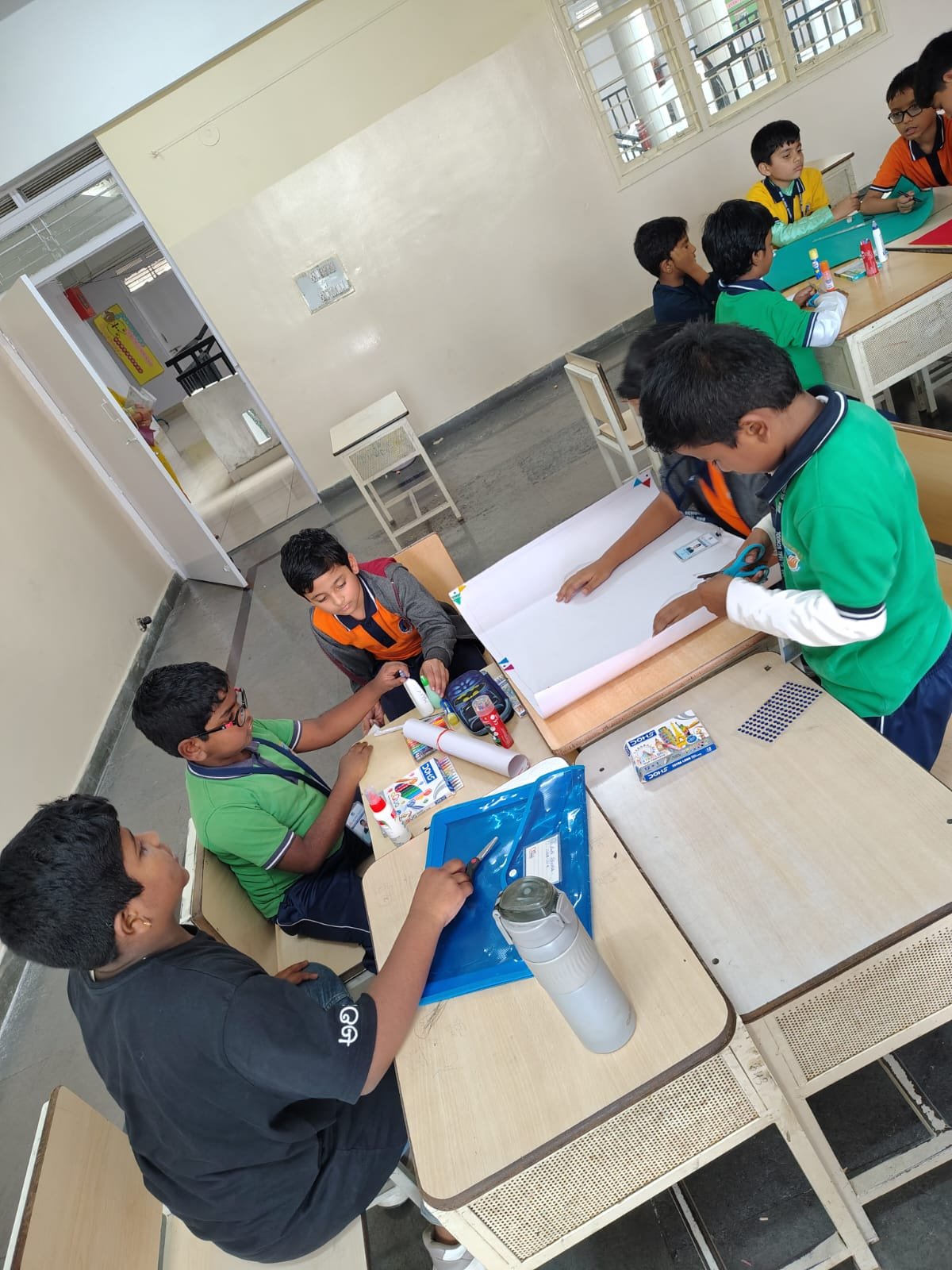
The Art Integrated Project brought together art, culture, geography and classroom learning through student projects based on Karnataka and Ladakh.
Students researched aspects of the two regions and used their project work to explore how geography, traditions and cultural identity influence the lives of communities.
Karnataka and Ladakh provide a particularly interesting contrast for such exploration. Karnataka represents the cultural and geographical diversity of southern India, while Ladakh introduces students to a distinctive high-altitude Himalayan environment with its own traditions, architecture, lifestyle and cultural heritage.
Through the project, students were encouraged to look beyond surface-level differences and understand the richness of India’s diverse communities.
The activity also provided opportunities for students to think about how information can be communicated visually and creatively. Instead of simply collecting facts, students could interpret information and transform their understanding into a project.
This is an important aspect of experiential learning. Students are not merely recipients of information; they become active participants in researching, organising, interpreting and presenting knowledge.
CBSE’s Art-Integrated Project guidelines specifically emphasise age-appropriate projects that help students develop as independent thinkers and learners, along with research and hands-on exploration.
Student Learning Outcomes & Benefits
How did students benefit from the Art Integrated Project?
The project supported several dimensions of student learning.
Creativity and self-expression
Art provides students with different ways to communicate ideas. A child who may find it difficult to express an idea only through conventional written work may discover another avenue through visual or creative expression.
The project therefore encouraged students to interpret information and communicate their understanding in individual and imaginative ways.
Research and information-gathering skills
Students had to explore information related to Karnataka and Ladakh. This encouraged them to identify relevant information, understand it and organise it around a specific project theme.
Such activities gradually introduce children to the habits of research: asking questions, comparing information, identifying important details and presenting findings logically.
Cultural awareness
One of the strongest dimensions of the project was its focus on cultural understanding.
Students explored traditions and cultural features beyond their immediate surroundings. This can help children appreciate India’s diversity not merely as a collection of facts, but as a living part of the country’s identity.
Geographical understanding
The project also connected cultural learning with geography.
Students could examine how physical environments influence communities, traditions, lifestyles and forms of artistic expression. This makes geography more contextual and relatable.
Communication
A project is meaningful only when students can communicate what they have discovered.
Presenting information through an organised project encourages students to think about sequence, clarity, visual representation and audience.
Critical thinking
Art integration does not simply involve decorating a project. Meaningful art-integrated learning requires students to decide what information matters, how concepts are connected and how their understanding can be represented.
These choices encourage analysis and interpretation.
Appreciation of Indian heritage
The project gave students an opportunity to engage with India’s cultural and geographical diversity.
This connects well with the broader educational emphasis on grounding learning in Indian contexts. The National Curriculum Framework for Foundational Stage 2022 highlights the importance of learning rooted in children’s cultural, social, geographical and local contexts.
Educational Philosophy / Institutional Value Alignment
The Art Integrated Project reflects an educational approach where academic learning and creative expression complement one another.
CBSE’s curriculum framework includes Art Education within school learning and its Art-Integrated Project guidelines position art integration within experiential learning.
The project also aligns with the principle that children should have opportunities to express themselves, imagine and create. The NCF for Foundational Stage emphasises the role of arts in supporting self-expression, imagination, reasoning and communication.
For students, this means that an art-based project can become much more than an art exercise. It can become a way of understanding history, geography, culture, language, society and the environment.
At BRS Global School, Sarjapur Road, such learning experiences complement the school’s broader CBSE academic environment by giving students opportunities to connect knowledge with creativity and application.
Why Does Art Integration Matter for Student Development?
What makes art-integrated learning valuable?
Art-integrated learning is valuable because it allows students to understand academic concepts through creative, experiential and culturally meaningful activities.
It can support cognitive, social, emotional and communication skills while giving students opportunities to demonstrate learning in different ways.
For example, a student researching Ladakh may encounter information about its geography. That geographical understanding can then lead to questions about lifestyle, architecture, clothing, traditions and artistic expression.
Similarly, learning about Karnataka can encourage students to explore the relationship between regional geography, cultural practices and artistic traditions.
This interconnected approach helps students see that subjects are not always isolated from one another.
The NCF for Foundational Stage stresses that learning should be rooted in children’s cultural and local contexts and notes that creativity flourishes when learning is connected to meaningful contexts.
Local Context Relevance
For families exploring schools in Sarjapur Road, CBSE schools near Sarjapur Road, or educational options around Kasavanahalli and Bellandur, the relevance of experiential learning is particularly important.
BRS Global School’s Sarjapur Road Campus is located at #15/3, Kasavanahalli, Off Sarjapur Road, Bengaluru, serving families in and around the Sarjapur Road educational and residential corridor.
The campus is accessible to families living across nearby communities such as Bellandur, Sarjapur Road, Hosa Road, Koramangala, HSR layout, Dommasandra, Kodathi, Gunjur, Varthur, Kaikondrahalli, Kasavanahalli, Carmelaram, Harlur, Rayasandra, Naganathapura, Doddakannelli, Kudlu Gate, A Krishnappa Nagar, Halnayakanahalli, Radha Reddy Layout, Chikkanayakanahalli, Huskur, KPC Layout, CSB Layout, Owners Court, Doddanagamangala, Doctors Layout, Shiva Reddy Layout, Meenakshi Layout, Chikbellandur, Sompura Gate, Muthannalur Cross, Gunjur to Dommasandra Road, Mullur, Amrita Engineering College Road Kasavanahalli, Amrita Nagar, Serenity Layout, Spring Fields, Iblur, Marathahalli, Shobha Apartments, Choodasandra, Junnasandra, Rayasandra.
For working families connected with Bengaluru’s technology corridors, including areas around Electronic City and major business hubs along the Sarjapur Road–Bellandur corridor, school selection often involves considering more than academic results. Curriculum approach, learning experiences, accessibility and the overall development of the child also matter.
The Art Integrated Project illustrates one dimension of how a CBSE school can connect formal curriculum requirements with active and culturally meaningful learning.
Families looking specifically for CBSE schools in Sarjapur Road Bangalore can explore the Sarjapur Road campus and understand its curriculum, academic environment and learning approach before making an admission decision.
Common Parent Questions
How does this activity support CBSE learning?
The project connects art with academic concepts and experiential learning. CBSE’s Art-Integrated Project guidelines encourage project work that develops independent thinking, research and hands-on learning, with a connection to the paired State/UT under Ek Bharat Shreshtha Bharat.
How can art integration improve student confidence?
When students research a topic and then communicate their understanding through a creative project, they receive opportunities to make decisions, express ideas and present their work. These experiences can gradually strengthen communication and confidence.
What skills were developed?
The project encouraged creativity, research, cultural awareness, observation, communication, critical thinking, organisation and the ability to connect information from different areas.
Is art integration only useful for students interested in art?
No. Art integration is not limited to students who want to become artists. It is a learning approach in which artistic forms can help students understand and communicate concepts from different subjects.
Which students benefit most from such activities?
Students across age groups can benefit when projects are designed appropriately for their developmental level. Younger students may benefit from exploration and expression, while older students can engage more deeply with research, analysis and presentation.
Why is learning about another Indian region important?
Learning about another region helps students understand India’s cultural, geographical and social diversity. It can also encourage curiosity, respect for different traditions and a broader sense of national identity.
Key Highlights
• Art Integrated Projects 2025–26 were undertaken at the Sarjapur Road Campus.
• Students explored Karnataka and Ladakh as the paired regions for the project.
• The activity connected art, culture, traditions and geography.
• Students experienced learning beyond conventional textbook-based instruction.
• The project encouraged creativity and self-expression.
• Research helped students develop information-gathering and organisation skills.
• Students explored India’s cultural diversity through an academic context.
• The project reflects CBSE’s emphasis on Art-Integrated Project work and experiential learning.
• The activity supports broader educational goals related to communication, creativity, critical thinking and cultural awareness.
Frequently Asked Questions (FAQs)
What is an Art Integrated Project in CBSE schools?
An Art Integrated Project is a cross-curricular learning activity in which art and culture are used to help students understand and communicate concepts from academic subjects. CBSE has prescribed Art-Integrated Project work as part of its experiential learning approach.
What was the Art Integrated Project at BRS Global School about?
The 2025–26 project at BRS Global School Sarjapur Road focused on Karnataka and Ladakh, enabling students to explore their geography, culture and traditions through art-integrated project work.
How does art integration help children learn?
Art integration gives students opportunities to explore concepts through creative expression, visual thinking, research and communication. It can make abstract or factual information more contextual and engaging.
What is the connection between Art Integrated Projects and Ek Bharat Shreshtha Bharat?
CBSE’s Art-Integrated Project guidelines connect project work with the paired State/UT under the Ek Bharat Shreshtha Bharat programme. The purpose includes familiarising students with the culture, traditions and geography of other States and Union Territories.
Is Art Integrated Learning part of CBSE education?
Yes. CBSE includes Art Education in its curriculum and has issued specific guidelines for Art-Integrated Project work, including project-based learning connected with the paired State/UT.
How does the project support holistic development?
It brings together academic understanding, creativity, research, communication and cultural awareness. This gives students opportunities to develop skills beyond the recall of textbook information.
Where is BRS Global School Sarjapur Road Campus located?
The Sarjapur Road Campus is located at #15/3, Kasavanahalli, Off Sarjapur Road, Bengaluru – 560035. The school serves families in and around the Sarjapur Road and Kasavanahalli region.
Conclusion
The Art Integrated Projects 2025–26 at BRS Global School Sarjapur Road demonstrate how meaningful learning can happen when students are encouraged to connect academic concepts with creativity and culture.
Through their exploration of Karnataka and Ladakh, students gained opportunities to understand India’s geographical and cultural diversity while developing research, communication, creative-thinking and self-expression skills.
The project also reflects the wider direction of CBSE education, where experiential learning and interdisciplinary connections are increasingly important.
For parents looking at CBSE schools in Sarjapur Road, Bellandur, Kasavanahalli and surrounding Bengaluru communities, such classroom experiences can offer useful insight into how a school approaches learning beyond textbooks and examinations.
Interested in understanding the learning environment at BRS Global School Sarjapur Road? Visit the campus or speak with the admissions team to explore the academic programmes and learning opportunities available for your child.
Explore Admissions at BRS Global School
Explore our Campus:
Attibele Branch
https://share.google/iFhJaeGo8wkgOZ1Y5
Sarjapur Road Branch: