
Introduction
Technology is becoming an increasingly important part of everyday life, influencing how people communicate, work, learn and solve problems. From automated systems to intelligent machines, developments in robotics and artificial intelligence are creating opportunities for innovation across different industries. Helping students understand these developments is an important part of preparing them for a technology-driven future.
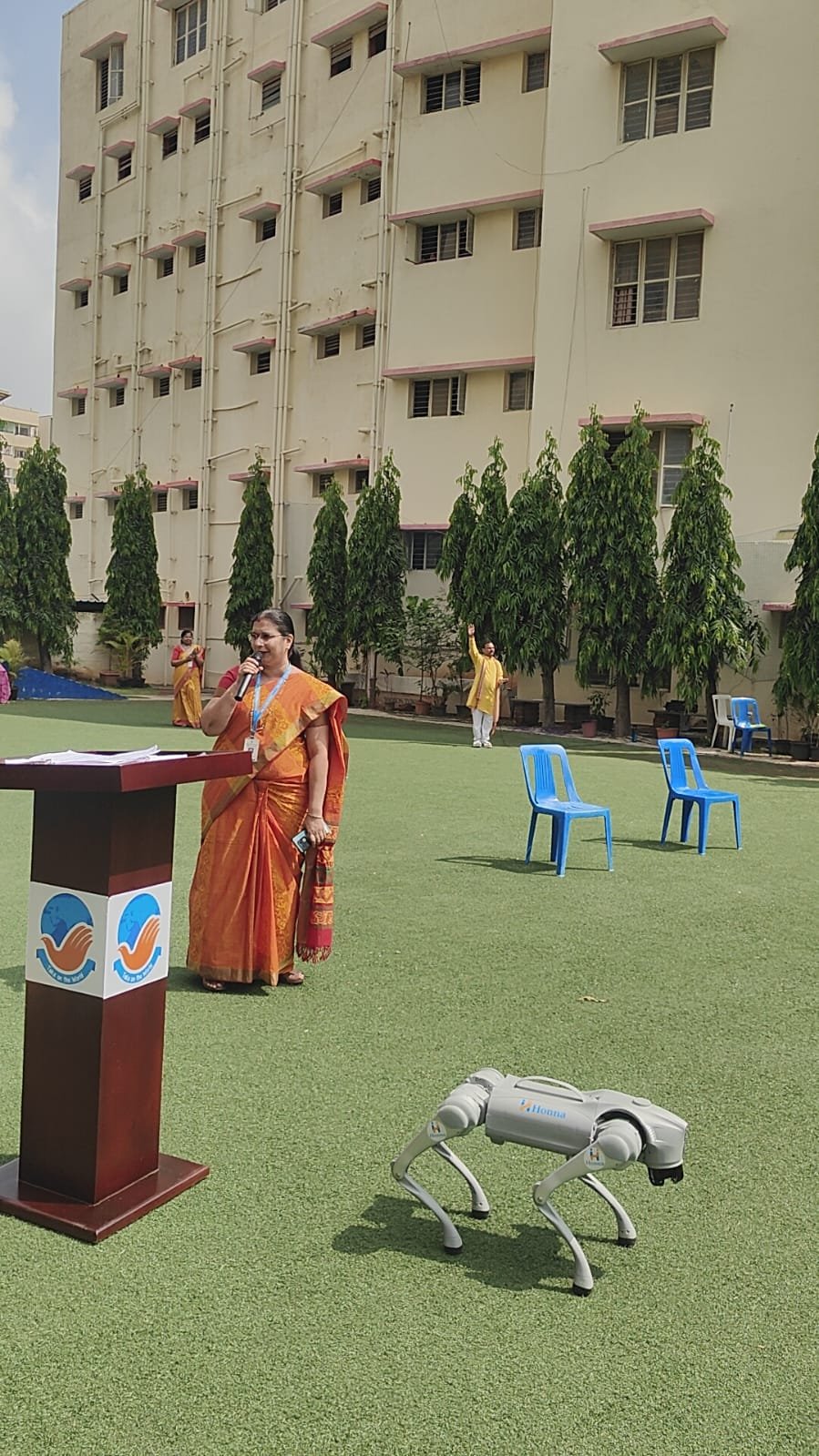
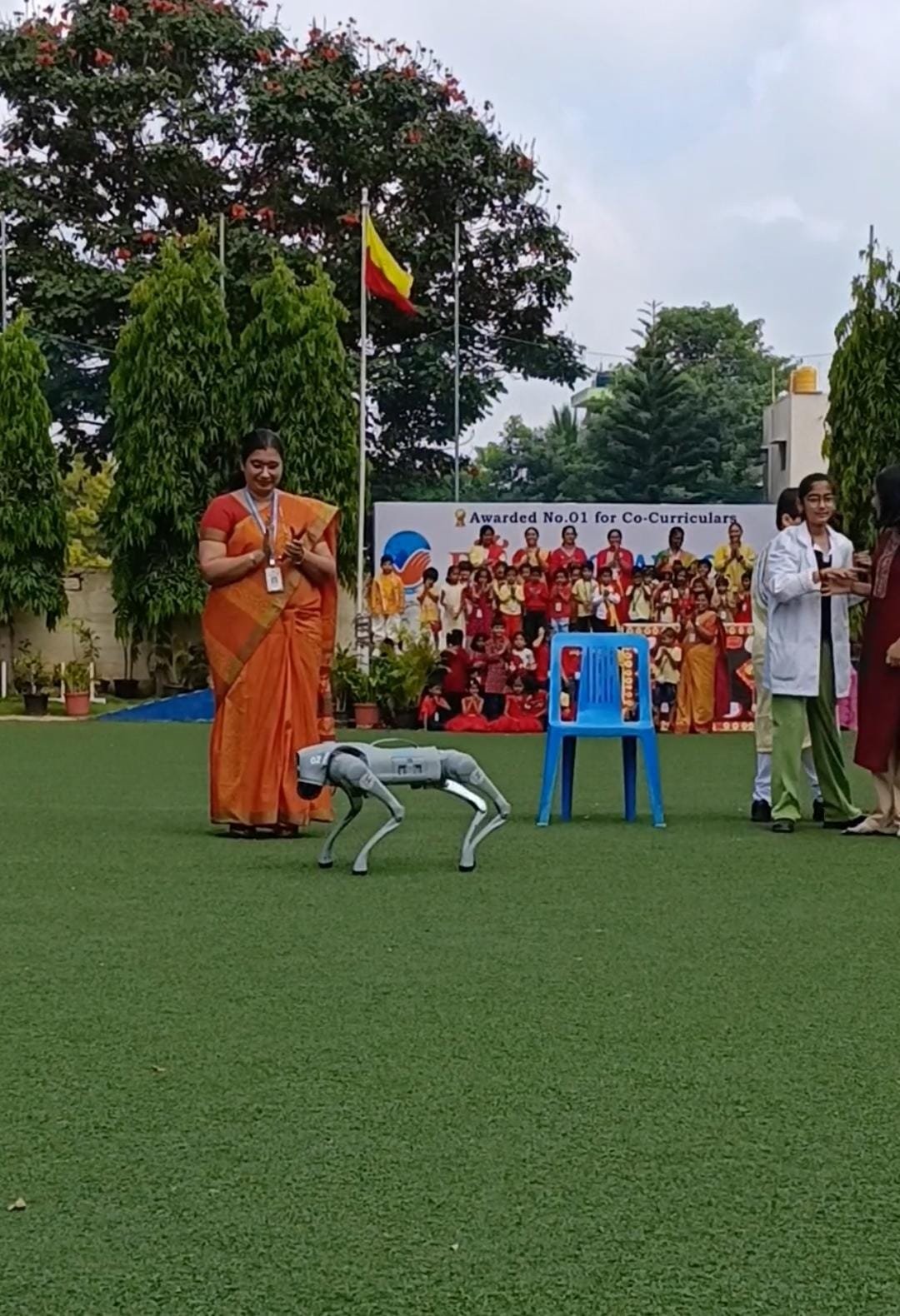
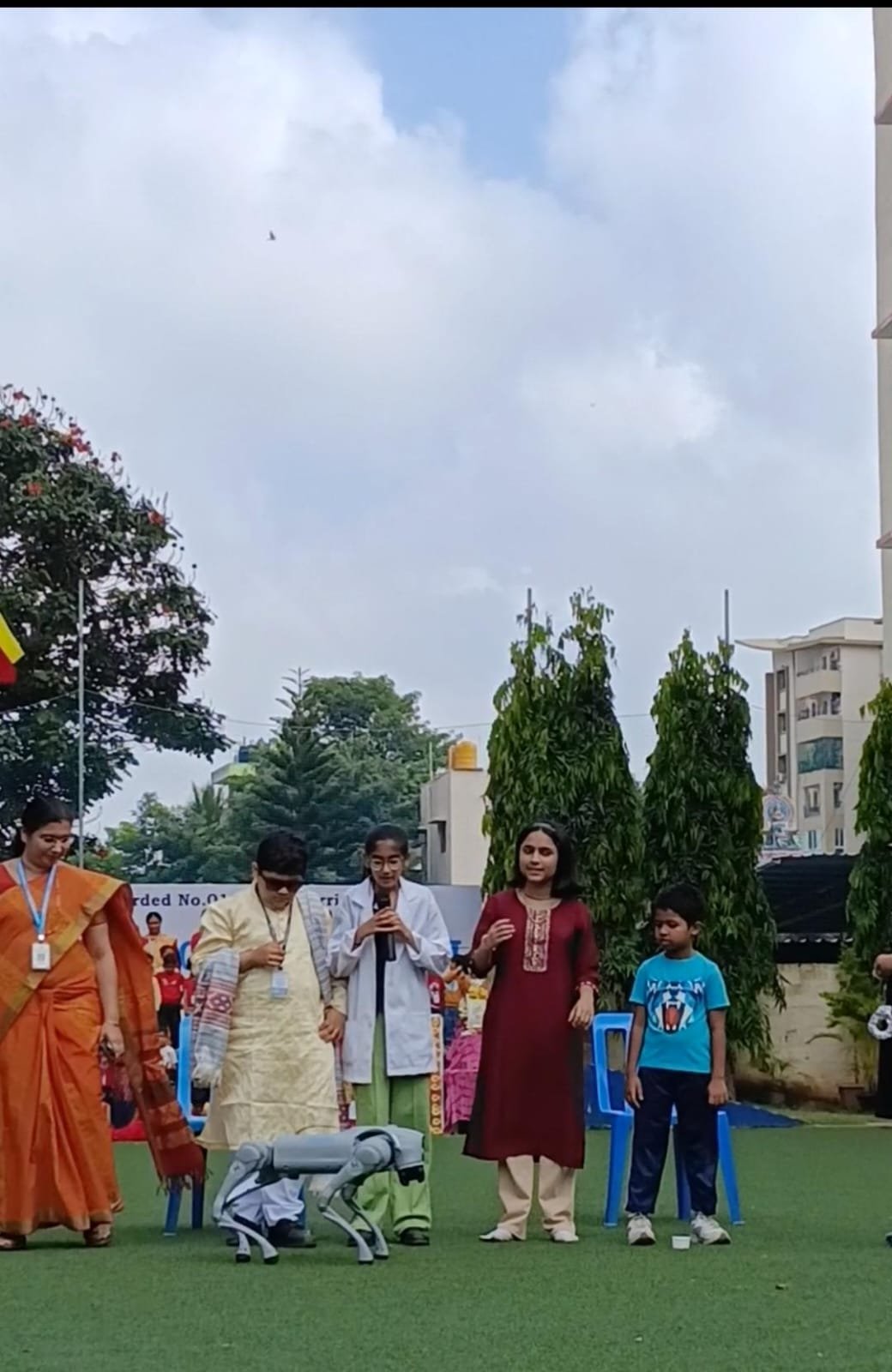
Recognising the educational value of emerging technologies, BRS Global School, Sarjapur Road Branch, Kasavanahalli, Bengaluru, organised an engaging Robo Dog presentation conducted by the Robotics Team from Honna.
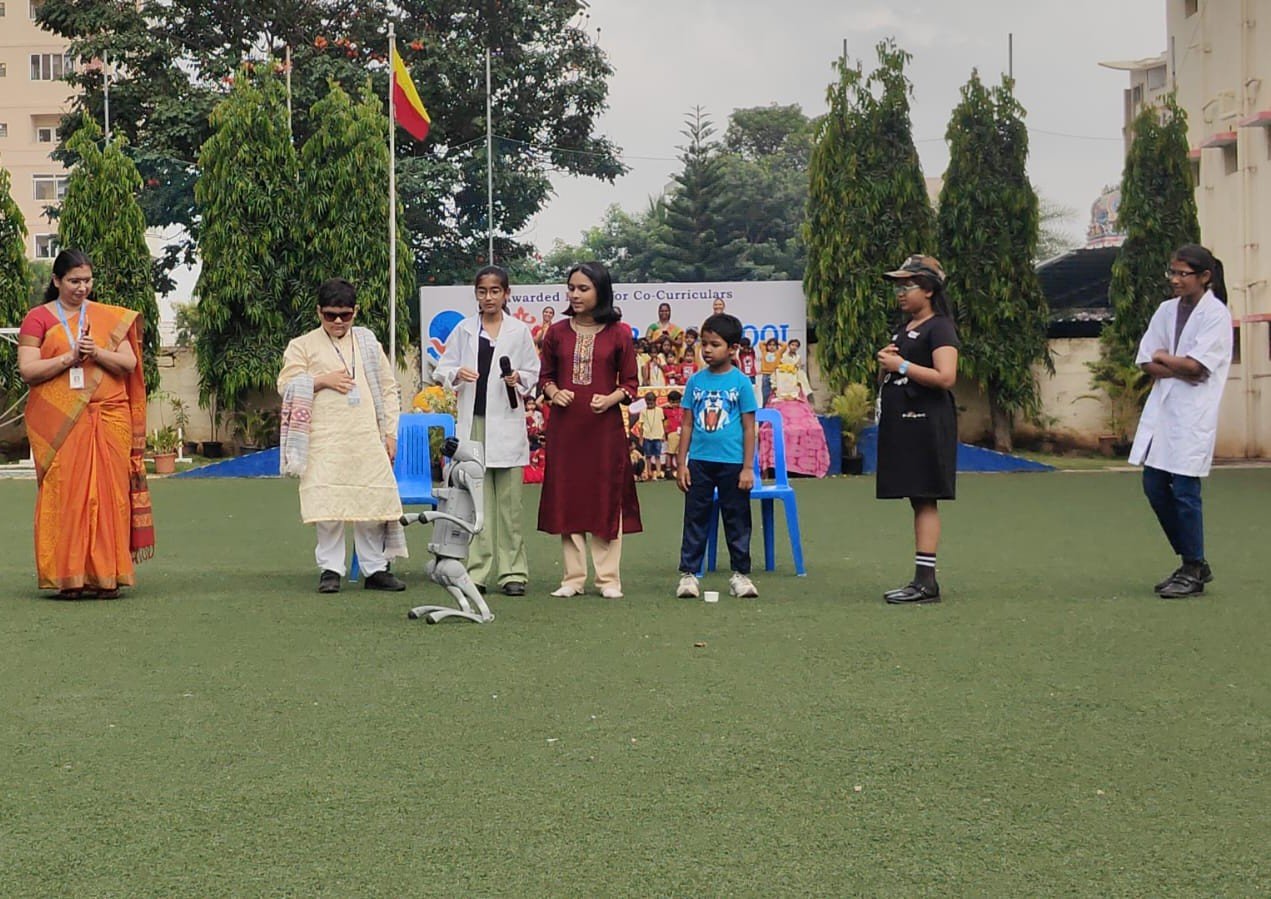
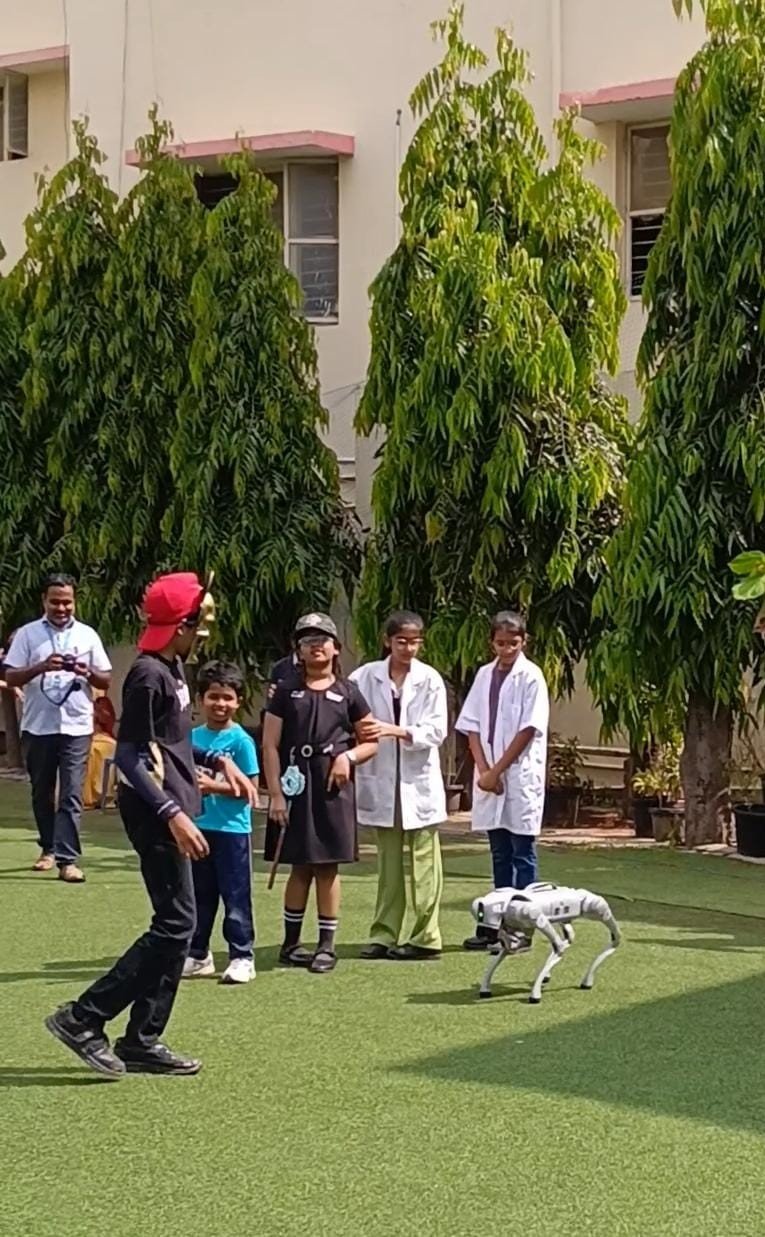
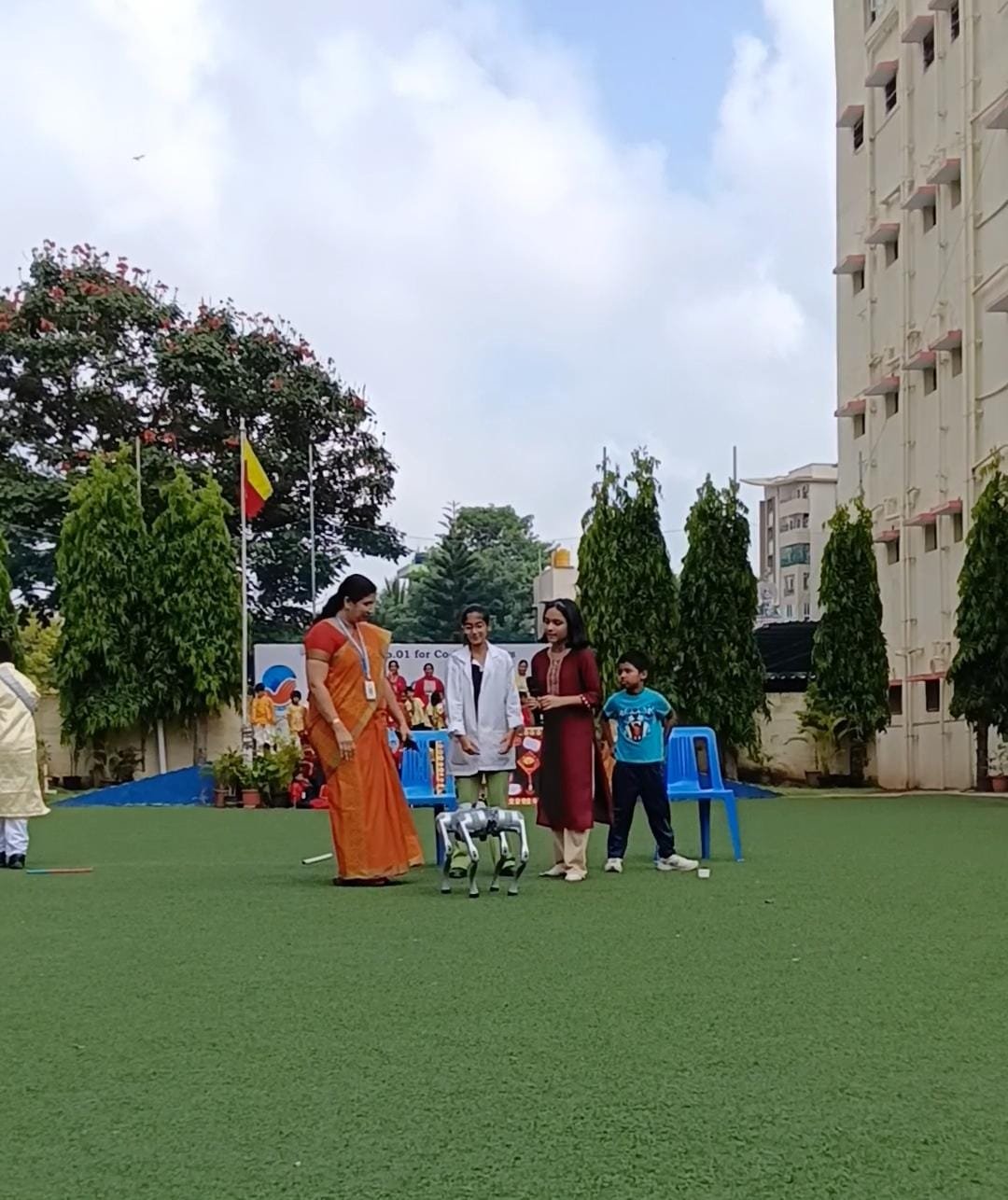
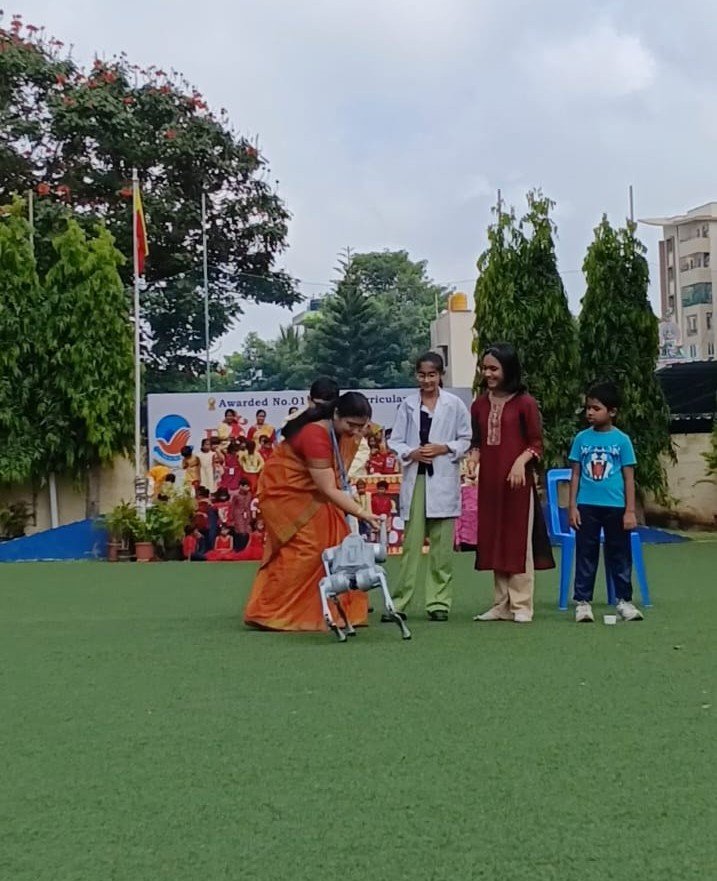
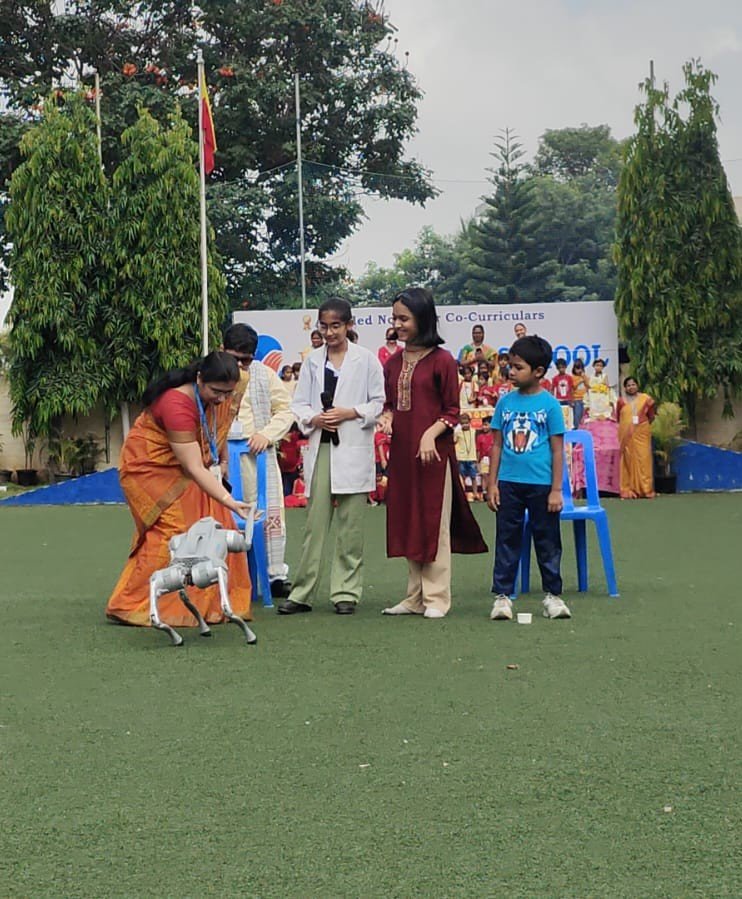
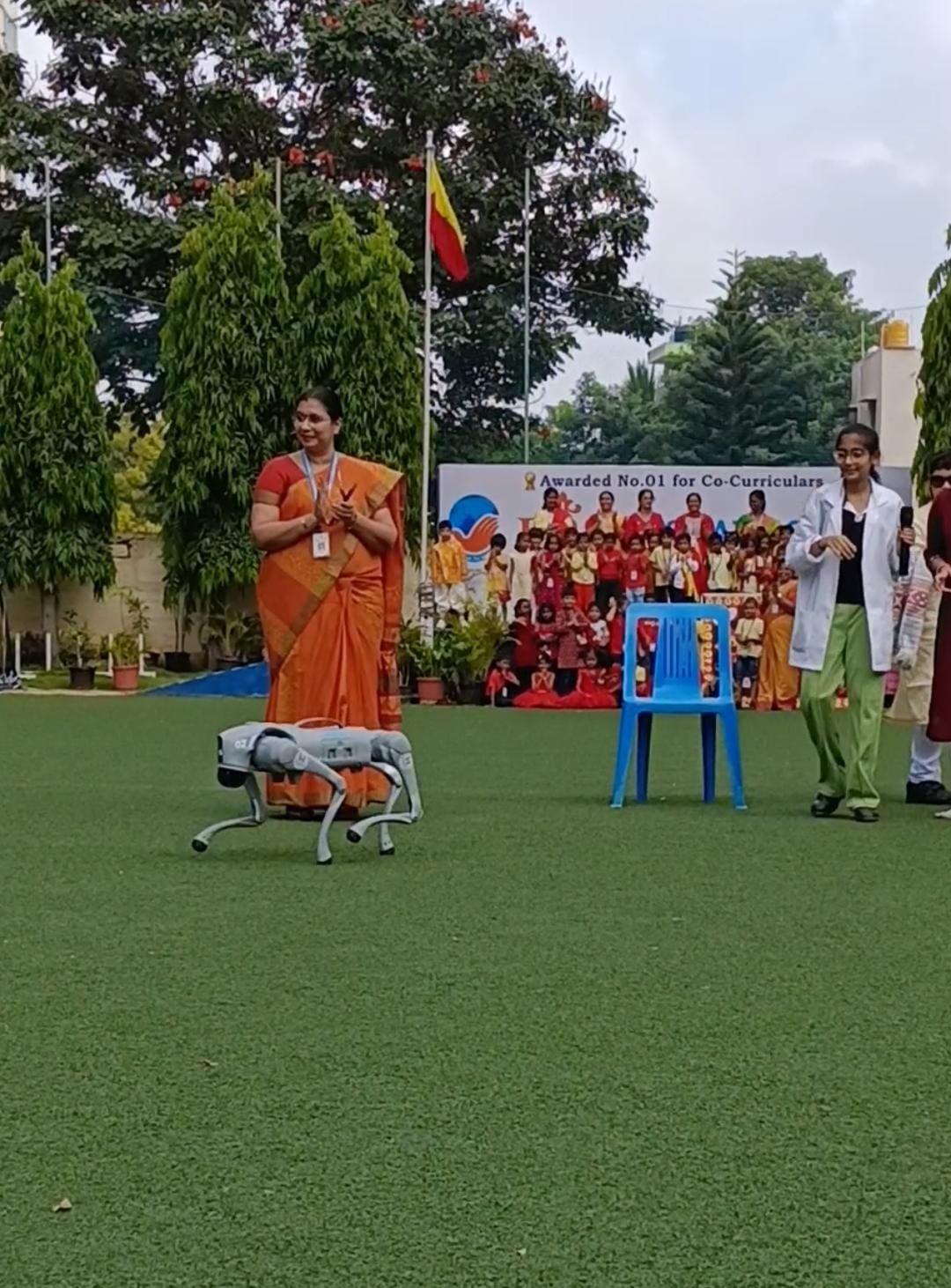
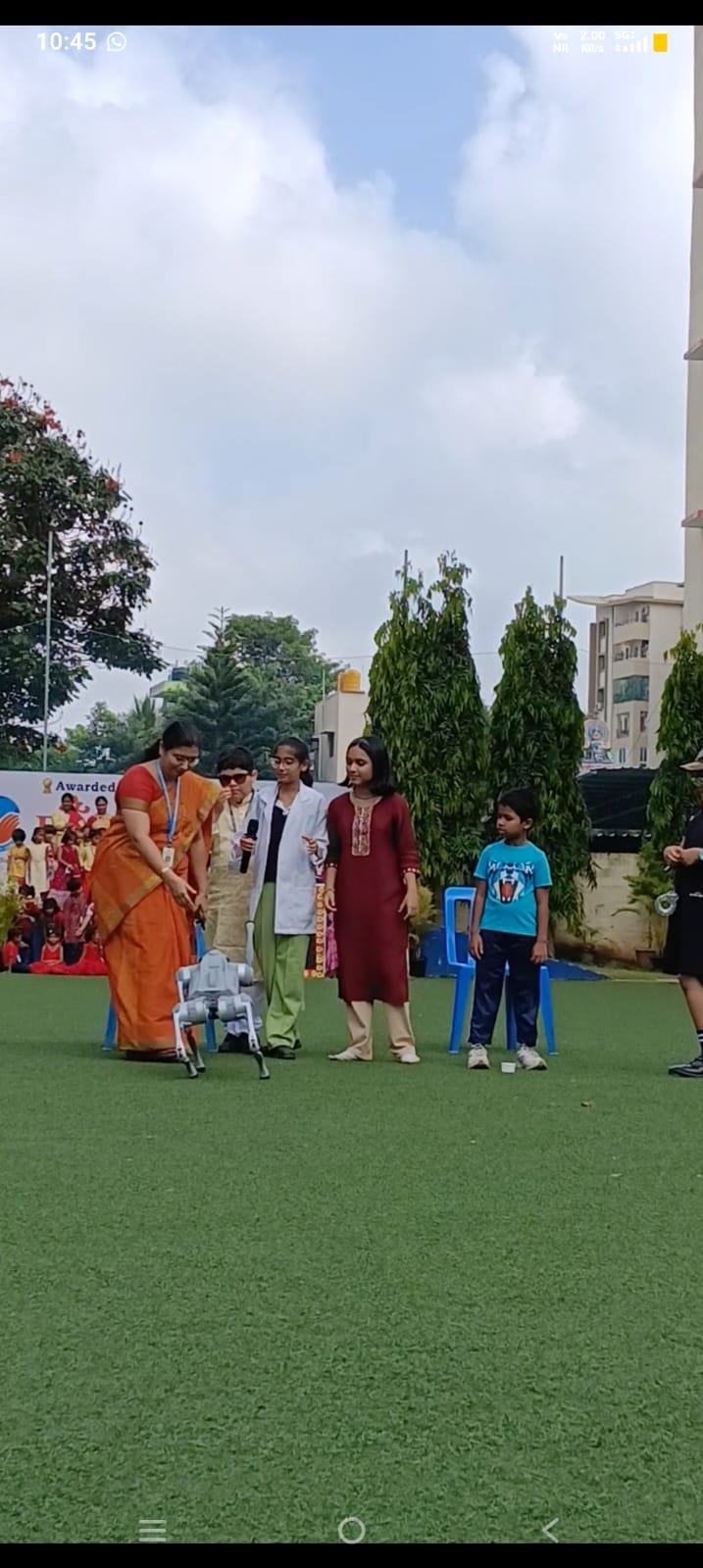
The programme introduced students to the fascinating world of robotics and artificial intelligence through a live demonstration of a robotic dog. Rather than limiting the experience to theoretical explanations, the session allowed students to observe robotic movements, understand interactive features and explore how technology can assist people in everyday situations.
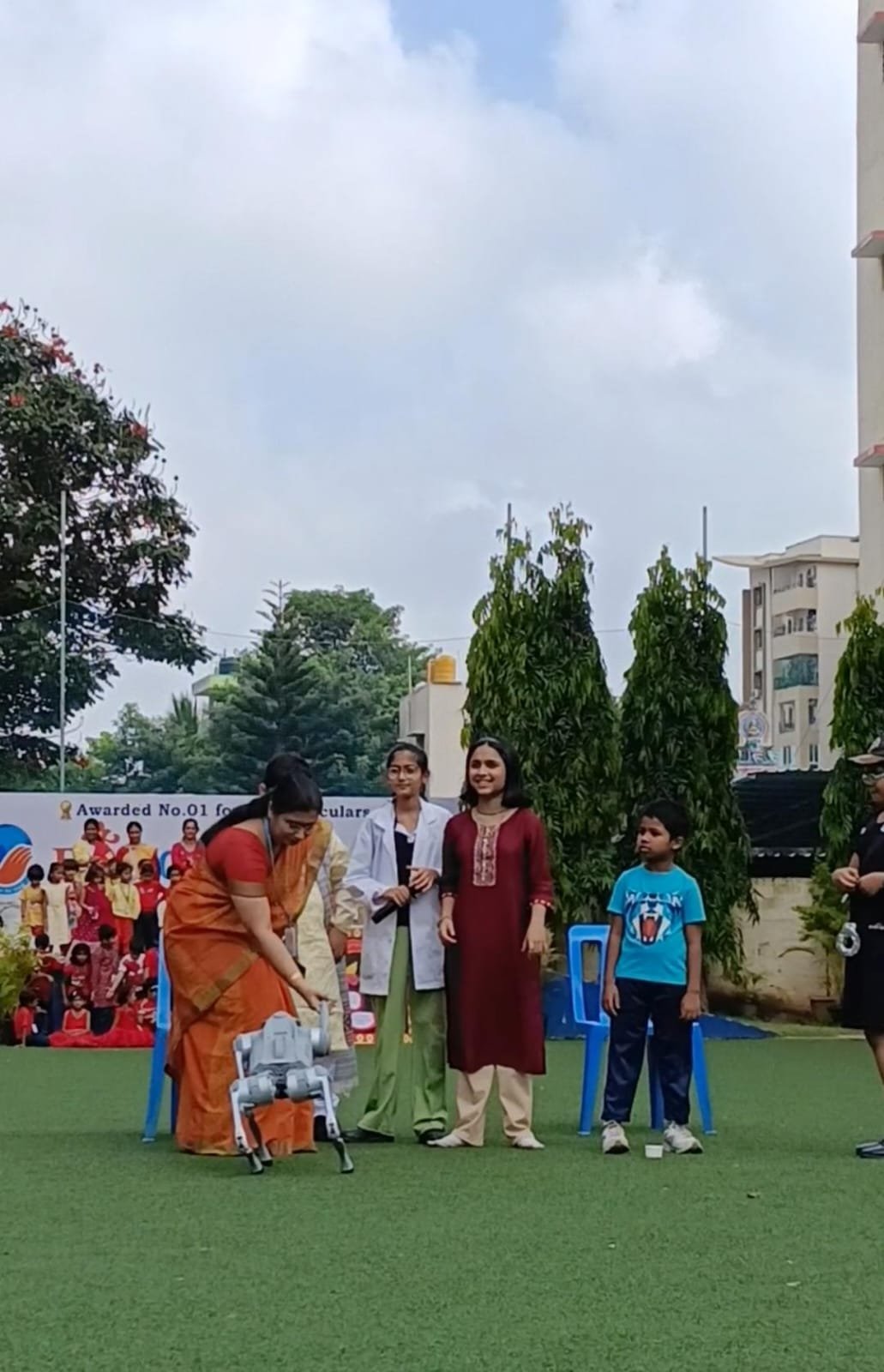
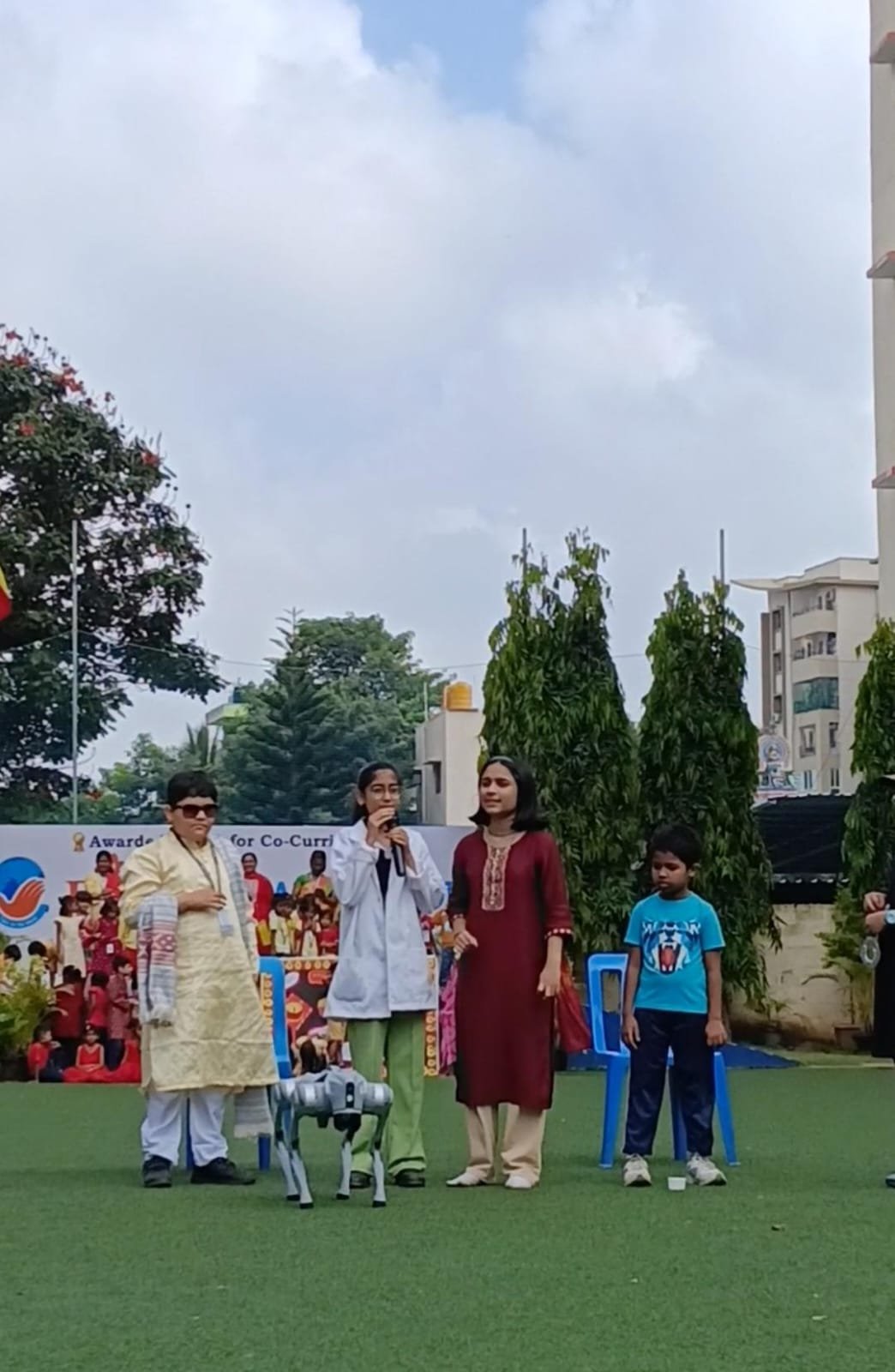
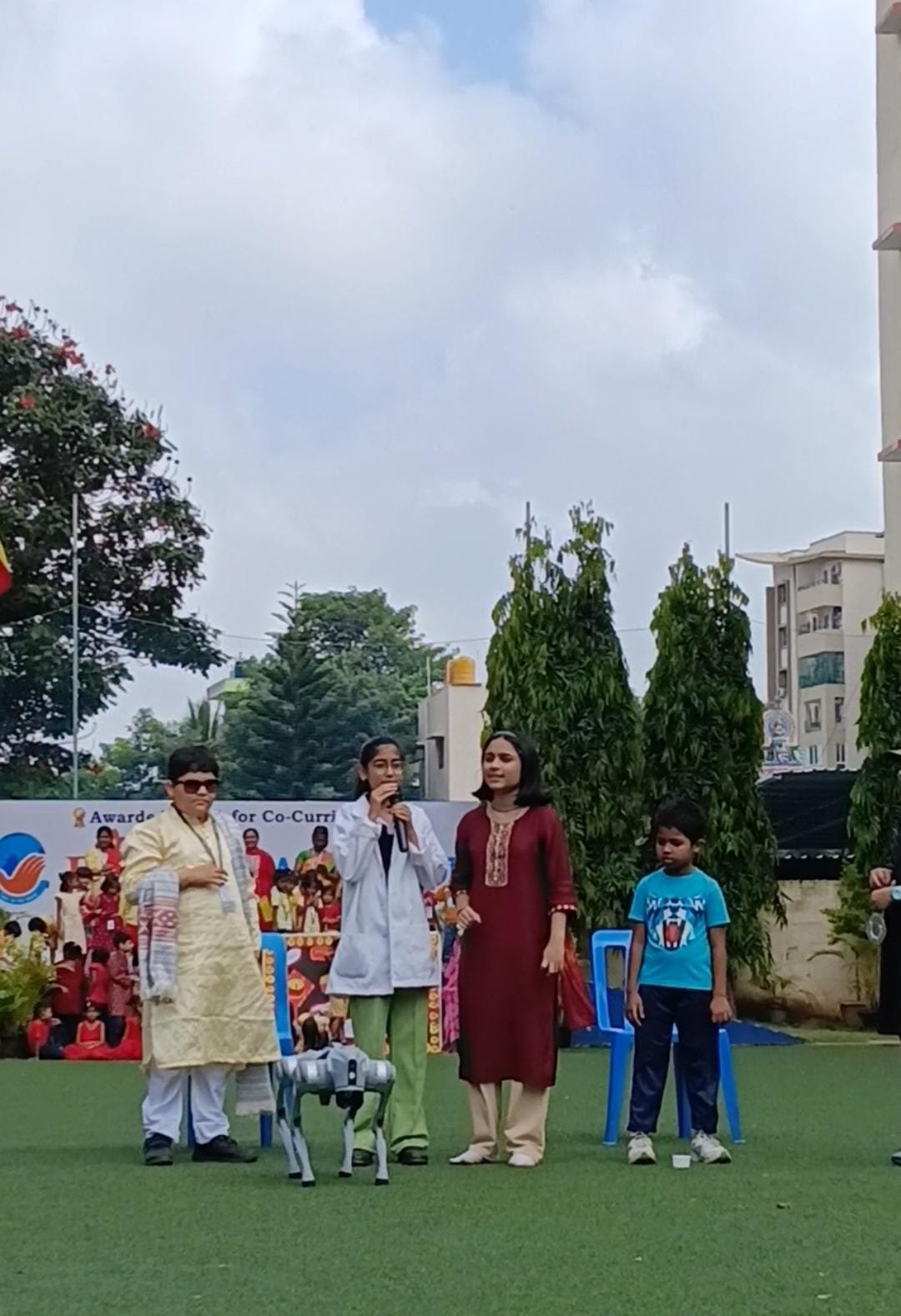
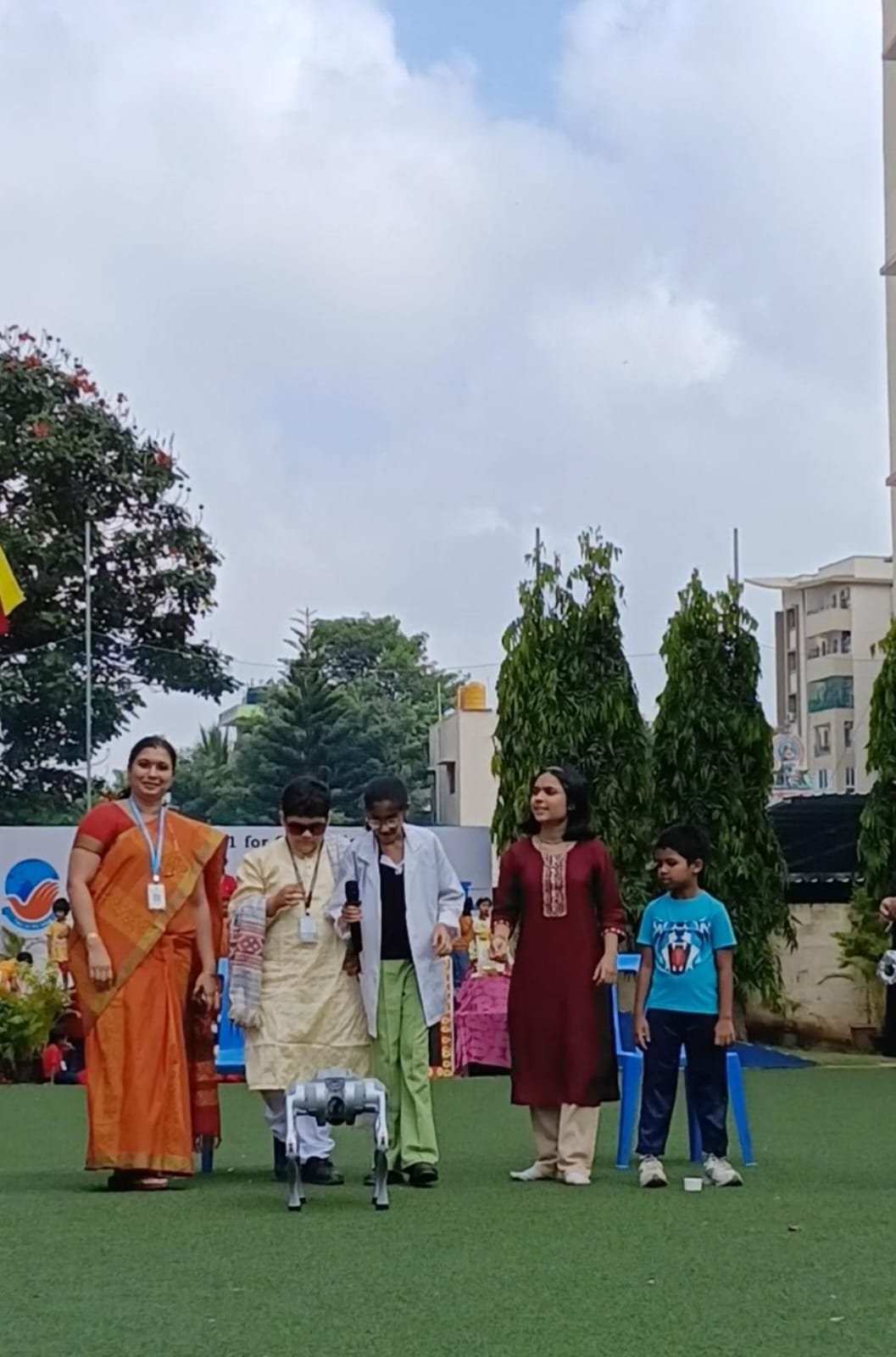
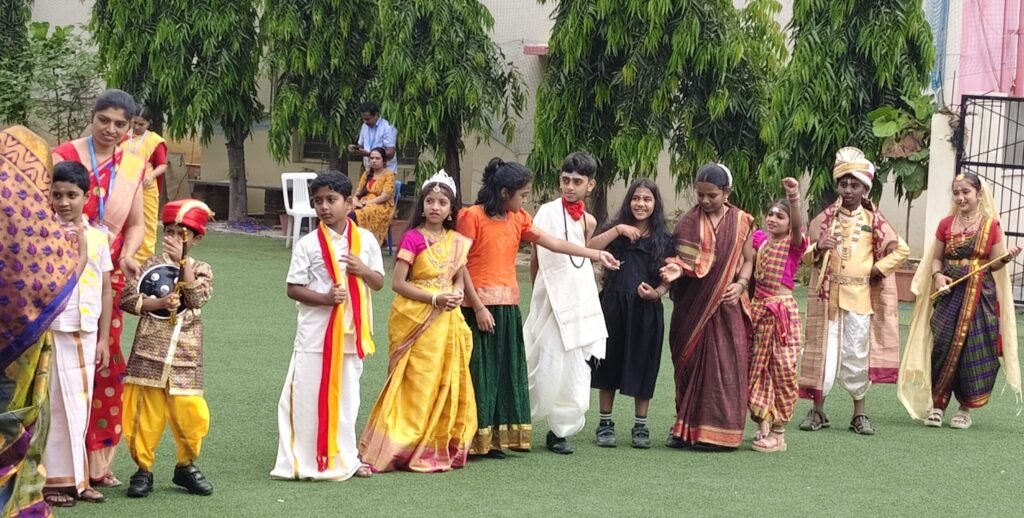
A creative skit presented by the students added another dimension to the programme. Through this presentation, they demonstrated different movements and possible applications of the Robo Dog, connecting technological concepts with familiar real-world activities.
For parents exploring CBSE schools in Sarjapur Road, such learning experiences offer an important perspective on how schools can complement academic instruction with technology exposure, creativity and practical understanding.
The presentation reflected the value of experiential learning: helping children observe, question, understand and appreciate how ideas taught in classrooms can relate to the world around them.
Event Overview
The Robo Dog presentation provided students with an introduction to robotics, programming and artificial intelligence through an interactive educational experience.
Event : Robo Dog Presentation
Organised at : BRS Global School
Campus : Sarjapur Road Branch, Kasavanahalli
Presented by : Robotics Team from Honna
Main focus : Robotics and Artificial Intelligence
Key demonstration : Live robotic dog presentation
Student participation : Creative skit and presentation
Learning approach : Demonstration-based and experiential learning
Key themes : Robotics, programming, AI and everyday technological applications
The programme brought together technology demonstration, creative expression and educational exploration. It helped students understand that robotics is not limited to machines used in laboratories or industrial environments; robotic systems can also have practical applications in everyday life.
What Happened During the Robo Dog Presentation?
The programme combined a live technology demonstration with student participation, allowing learners to explore robotics from both an observational and creative perspective.
Introduction to Robotics and Artificial Intelligence
The session introduced students to the growing field of robotics and its relationship with artificial intelligence. They were encouraged to understand how machines can be designed to perform specific functions and respond to programmed instructions.
The demonstration created an opportunity to explore how technology brings together mechanical components, electronic systems, programming and intelligent functionalities.
Students gained an introductory understanding of how robotic systems can be developed to perform tasks that would otherwise require human involvement.
Live Demonstration of the Robo Dog
The robotic dog was the highlight of the presentation.
Students observed its movements and interactive features, gaining a closer understanding of how a robotic system can be designed to imitate certain actions associated with living beings.
The live demonstration made the learning experience more engaging because students could observe the technology in operation rather than simply hear about it.
It also encouraged them to think about the relationship between instructions, movement and machine responses.
Student-Led Skit on the Applications of Robo Dog
An important feature of the programme was the skit presented by the students.
Through this creative presentation, students showcased the movements and different applications of the Robo Dog in day-to-day activities. They demonstrated how robotic technology could assist humans in routine tasks and make certain activities more efficient.
The skit helped connect the technical demonstration with familiar situations. It also provided an opportunity for students to communicate technological ideas through storytelling and performance.
This combination of technology and creative expression made the programme both informative and engaging.
Understanding the Technology Behind Robotic Movements
Students were introduced to the technology behind the Robo Dog and its interactive capabilities.
They explored the basic idea that robotic movements are not random. Machines operate through programmed instructions and systems that coordinate their actions.
This introductory exposure encouraged learners to think about questions such as:
• How does a robot move?
• How can a machine respond to instructions?
• What role does programming play in controlling a robot?
• How can robotic technology assist people?
• Where might robots be useful in everyday life?
Such questions help transform a demonstration into an opportunity for deeper technological curiosity.
Connecting Technology with Everyday Applications
The programme also highlighted the practical possibilities of robotics.
Students explored how robotic systems can be designed to assist humans with routine activities and improve efficiency in different situations.
This helped them understand that technology is not merely about creating sophisticated machines. Its broader purpose is to develop useful solutions to real-world challenges.
Student Learning Outcomes and Educational Benefits
The Robo Dog presentation provided students with exposure to several important areas of learning and development.
Understanding Robotics Through Observation
Students gained an introductory understanding of robotic systems by observing the live demonstration.
Seeing the robotic dog perform movements helped them connect explanations about technology with observable actions.
Observation-based learning encourages students to notice details, identify patterns and develop questions about how things work.
Introduction to Programming Concepts
Programming provides instructions that guide how digital and robotic systems function.
Through the presentation, students were introduced to the connection between programmed instructions and robotic movements.
This exposure can create interest in learning coding, logical sequencing and computational thinking as they progress through their education.
Awareness of Artificial Intelligence
Artificial intelligence is an area of technology concerned with developing systems capable of performing tasks that involve functions such as recognising patterns, processing information and responding to inputs.
The presentation introduced students to the wider possibilities of AI-powered and interactive technologies.
It helped create an initial awareness of how intelligent systems can be used in different practical settings.
Creativity and Imaginative Thinking
The student-led skit encouraged learners to think creatively about how a robotic dog could be used in everyday situations.
Instead of viewing technology only as a technical subject, students explored how it could be represented through a performance.
This connection between STEM learning and creative expression makes technological concepts more accessible and interesting.
Communication and Collaborative Learning
Preparing and presenting a skit involves communicating ideas in an understandable manner.
Activities of this nature can encourage students to organise their thoughts, express concepts and participate in shared learning experiences.
They also provide opportunities to develop presentation skills and confidence.
Problem-Solving and Logical Thinking
Understanding how a robot follows instructions naturally introduces students to the importance of logical sequencing and structured thinking.
They begin to consider how a task can be divided into smaller steps and how instructions can produce specific outcomes.
These foundational ideas are valuable across mathematics, science, computing and everyday problem-solving.
Educational Philosophy: Connecting Classroom Learning With Technology
Meaningful education extends beyond remembering information. It involves helping students understand concepts, explore possibilities and apply their learning in different contexts.
The Robo Dog presentation reflected this approach by introducing technological concepts through a practical demonstration.
At BRS Global School, Sarjapur Road Branch, learning opportunities involving robotics, technology and creative participation complement the broader educational experience.
Learning Through Experience
When students observe a concept in action, they have an opportunity to connect theoretical explanations with practical examples.
A live robotic demonstration can make abstract ideas about programming and machine movement easier to explore.
Encouraging STEM Awareness
STEM education brings together Science, Technology, Engineering and Mathematics.
Robotics provides a natural setting for introducing connections between these disciplines. For example:
• Science helps students understand physical movement and basic mechanisms.
• Mathematics supports measurement, sequencing and logical reasoning.
• Technology introduces digital systems and computational concepts.
• Engineering encourages the design and improvement of practical solutions.
The Robo Dog presentation offered an introductory experience connected with these interdisciplinary areas.
Preparing Students for a Changing Technological Environment
As technology continues to evolve, students benefit from opportunities to become familiar with emerging tools and concepts.
Early exposure can help them develop curiosity about future fields such as robotics, automation, artificial intelligence, computer science and engineering.
The objective is not simply to teach children about individual machines but to encourage them to understand technology as a tool for solving problems and improving everyday life.
Why Does Robotics Exposure Matter for Student Development?
Robotics exposure can contribute to a child’s intellectual, creative and practical development.
Its value extends beyond understanding how machines work.
It encourages children to become curious learners who question, observe, experiment and explore possible solutions.
Some important developmental benefits include:
| Development area | How robotics exposure contributes |
|---|---|
| Cognitive development | Encourages observation, logical reasoning and analytical thinking |
| Creativity | Inspires students to imagine new technological applications |
| Problem-solving | Introduces structured approaches to understanding challenges |
| Communication | Provides opportunities to explain and present ideas |
| Digital awareness | Builds familiarity with emerging technologies |
| Scientific curiosity | Encourages questions about mechanisms and processes |
| Future readiness | Introduces concepts relevant to technology-oriented careers |
For parents, these experiences are valuable because they allow children to explore interests beyond conventional academic subjects.
A student who becomes curious about how a robotic machine works may develop an interest in coding, engineering, mathematics or scientific experimentation in the future.
Not every student needs to pursue a career in technology. However, understanding how technology works and how it affects society is increasingly relevant across different professions and areas of life.
Local Context: Technology Education for Families in Sarjapur Road and Surrounding Areas
Bengaluru is recognised for its technology and innovation ecosystem. The Sarjapur Road–Bellandur corridor, in particular, is connected to several major employment and technology centres.
For families living in this part of Bengaluru, awareness of technology and opportunities for practical learning are meaningful considerations when selecting a school.
BRS Global School, Sarjapur Road Branch is located at Kasavanahalli, making it accessible to families from several residential neighbourhoods and communities.
The school serves as an educational option for families exploring schools in Sarjapur Road, schools in Bellandur and CBSE schools near Haralur Road.
Nearby residential communities and neighbourhoods
Relevant areas around the Sarjapur Road campus include:
• Kasavanahalli and Kaikondrahalli
• Bellandur and Iblur
• Haralur and HSR Layout
• Hosa Road and Kudlu Gate
• Carmelaram and Junnasandra
• Doddakannelli and Kodathi
• Gunjur and Varthur
• Dommasandra and Sarjapura
• Choodasandra and Rayasandra
• Naganathapura and Huskur
• Electronic City and Bommasandra
• Marathahalli and Kadubeesanahalli
• Panathur and Balagere
• Koramangala and Whitefield
The wider catchment also includes families from Chandapura, Anekal, Attibele and Hosur, subject to individual transport routes and availability.
Connected to Bengaluru’s technology corridors
The surrounding employment ecosystem includes technology and business destinations such as:
• RMZ Ecospace and Ecoworld
• Embassy TechVillage
• Pritech Park SEZ
• RGA Techpark
• Vaishnavi Tech Park
• Prestige Tech Park
• Cessna Business Park
• Wipro corporate campuses
• Infosys corporate campuses
• Electronic City IT Corridor
For working parents in these employment centres, choosing a school involves considering academic quality, accessibility, learning opportunities and the overall educational environment.
Technology-focused educational experiences such as the Robo Dog presentation help introduce children to concepts that are increasingly relevant in a technology-oriented city like Bengaluru.
Campus information: BRS Global School – Sarjapur Road Branch, Kasavanahalli, Bengaluru.
Google Business Profile: https://share.google/2oEno2EtFtY7eyP2B
Another branch: BRS Global School also operates a separate campus at Attibele. The Attibele branch has its own Google Business Profile:
https://share.google/iFhJaeGo8wkgOZ1Y5
This article and its local search references specifically concern the Sarjapur Road Branch.
Common Parent Questions
How does robotics education support CBSE learning?
Robotics activities complement CBSE classroom learning by introducing practical connections between science, mathematics, technology and computational thinking. Students can observe how theoretical concepts relate to real-world systems, encouraging application-based understanding and interdisciplinary learning.
Does a Robo Dog demonstration help children understand artificial intelligence?
Yes. A demonstration provides an introductory opportunity to explore how interactive robotic systems operate and how technology can be designed to respond to instructions and inputs. It also helps students become curious about the relationship between robotics, programming and artificial intelligence.
Why should parents encourage participation in robotics activities?
Parents should encourage such activities because they expose children to emerging technologies while supporting curiosity, creativity, logical thinking and problem-solving. These experiences also help students explore interests that may influence their future learning choices.
Is robotics useful only for students interested in engineering?
No. Robotics exposure can benefit students with different interests and abilities. It encourages logical reasoning, creativity, observation and problem-solving, which are useful in science, business, communication, research and many other fields.
How do practical demonstrations improve learning?
Practical demonstrations allow students to observe concepts in action. They can make unfamiliar ideas easier to understand, encourage questions and create connections between classroom knowledge and real-world applications.
What is the difference between robotics and artificial intelligence?
Robotics is concerned with designing, building and operating robotic systems. Artificial intelligence focuses on developing computer systems that can perform tasks involving capabilities such as recognising patterns, processing information and making certain decisions. The two fields can work together, although they are not the same.
Key Highlights of the Robo Dog Presentation
• An engaging educational presentation conducted by the Robotics Team from Honna.
• Introduction to robotics and artificial intelligence.
• Live demonstration of a robotic dog.
• Exploration of robotic movements and interactive features.
• Student-led skit showcasing the Robo Dog’s applications.
• Introduction to the relationship between programming and robotic actions.
• Discussion of how robotic technology can assist humans in everyday activities.
• Encouragement of technological curiosity and innovative thinking.
• An experiential learning opportunity connecting technology with creativity.
Frequently Asked Questions (FAQs)
What is a Robo Dog in robotics?
A Robo Dog is a robotic system designed to resemble certain movements or characteristics of a dog. Depending on its design, it can demonstrate programmed movements, interactive features and other technological functions.
What was the objective of the Robo Dog presentation at BRS Global School?
The objective was to introduce students to robotics, programming and artificial intelligence through an engaging live demonstration and a creative student presentation. It helped learners explore the practical possibilities of robotic technology.
What skills can students develop through robotics activities?
Robotics activities can encourage logical thinking, observation, creativity, problem-solving, communication and technological awareness. They also introduce students to computational thinking and interdisciplinary learning.
How is artificial intelligence connected to robotics?
Artificial intelligence can enable robotic systems to process information, recognise patterns and respond to certain inputs. Robotics provides the physical system through which machines can interact with their surroundings. Not every robot uses artificial intelligence.
Why is experiential learning important in CBSE schools?
Experiential learning helps students connect concepts with practical situations. It encourages observation, participation, questioning and application, making learning more meaningful than relying exclusively on theoretical explanations.
Where is BRS Global School – Sarjapur Road Branch located?
BRS Global School – Sarjapur Road Branch is located at 15/3, 1st Cross Road, Kasavanahalli, Eastwood Township, Bengaluru, Karnataka 560035. It is accessible to families from surrounding neighbourhoods including Bellandur, Haralur, HSR Layout, Carmelaram and Kaikondrahalli.
Does BRS Global School offer opportunities beyond classroom learning?
The school provides educational experiences and activities that complement classroom learning, including technology-oriented programmes such as the Robo Dog presentation. These opportunities expose students to different interests and encourage broader development.
Conclusion: Preparing Students to Explore a Technology-Driven Future
The Robo Dog presentation was a meaningful introduction to the possibilities of robotics and artificial intelligence. Through a live demonstration and a student-led skit, learners explored how technology can be designed to perform movements, respond to instructions and assist humans in everyday activities.
Experiences like these encourage children to look beyond the immediate classroom environment and become curious about the technologies shaping the world around them.
At BRS Global School, Sarjapur Road Branch, Kasavanahalli, such educational opportunities complement academic learning by encouraging creativity, technological awareness and practical exploration.
For parents searching for CBSE schools in Sarjapur Road that provide opportunities for learning beyond textbooks, understanding the school’s academic approach, activities and student experiences can be a valuable part of the admission decision.
Explore our Campus:
Attibele Branch:
https://share.google/iFhJaeGo8wkgOZ1Y5
Sarjapur Road Branch: