Introduction
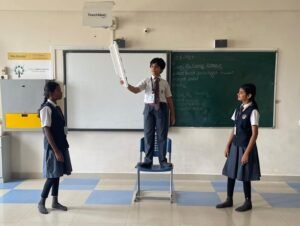
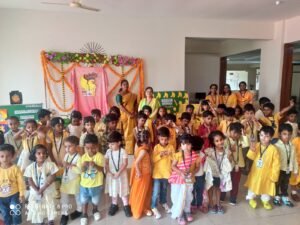
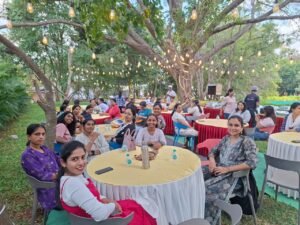
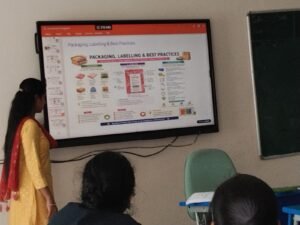
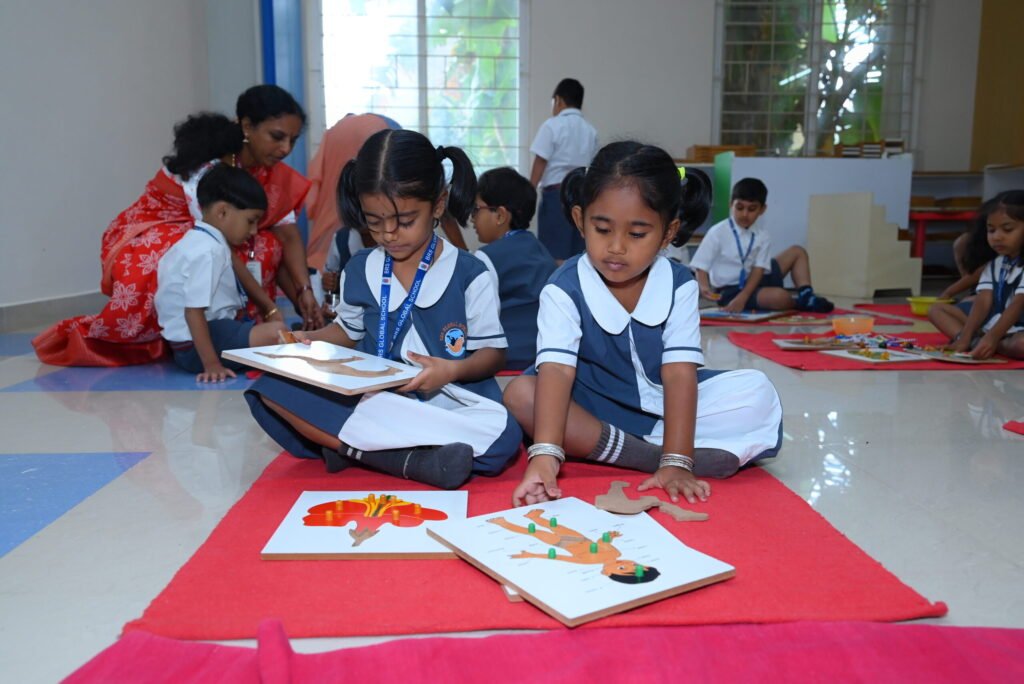
Learning becomes more meaningful when students are given opportunities to learn with and from one another. At BRS Global School | Pre-school, Primary School & High School | Attibele, collaborative learning is incorporated into classroom teaching and experiential learning to help students become active participants in their education.
Through group projects, peer learning, classroom discussions, problem-solving activities and team-based experiences, students learn that education is not only about individual achievement. It is also about sharing ideas, taking responsibility and succeeding together.
Event / Learning Overview
Theme : Succeeding Together: Collaborative Learning and Group Work
School : BRS Global School
Learning Approach : Collaborative and experiential learning
Key Activities : Group projects, peer learning, discussions, problem-solving, hands-on activities and sports
Key Skills : Communication, teamwork, leadership, responsibility, decision-making and confidence
Learning Focus : Academic growth and holistic development
What Happens Through Collaborative Learning at BRS Global School?
Collaborative learning at BRS Global School | Pre-school, Primary School & High School | Attibele takes different forms depending on the learning objective. Students are encouraged to participate actively rather than simply receive information.
Think–Pair–Share
Students first think independently, discuss their ideas with a partner and then share their understanding with the larger group. This gives students time to formulate ideas while encouraging them to communicate confidently.
Group Projects
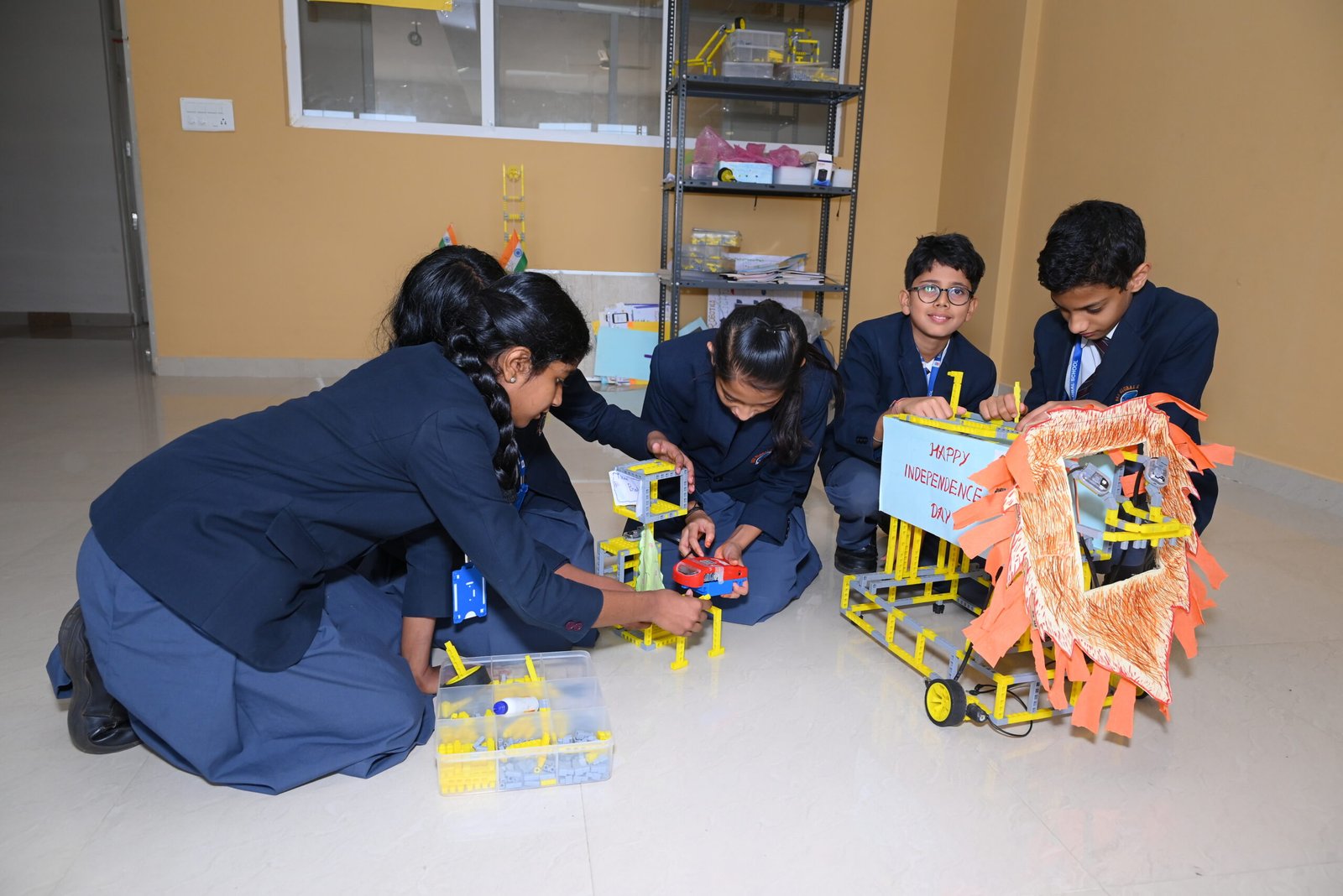
Students work together to research, plan and present projects. Assigning different responsibilities encourages every learner to contribute to the final outcome.
Peer Learning
Students learn from one another by explaining concepts, exchanging ideas and considering different perspectives. This can strengthen understanding while encouraging students to support their classmates.
Collaborative Problem-Solving
Groups analyse situations, discuss possible solutions and justify their decisions. This encourages students to think critically rather than simply look for one predetermined answer.
Role-Based Group Work
Students may take different responsibilities within a team, such as leader, researcher, presenter or recorder. This encourages accountability and gives students opportunities to practise leadership and participation.
Discussions and Peer Feedback
Collaborative discussions allow students to express their opinions and listen respectfully to others. Peer feedback further encourages students to reflect on their work and identify areas for improvement.
Hands-On Learning and Sports
Experiments, creative activities, experiential learning and team-based sports provide practical opportunities to cooperate, communicate and work towards shared goals.
Student Learning Outcomes & Benefits
What do students learn through group work?
Collaborative learning supports both academic development and essential life skills.
Students learn to:
• Communicate their thoughts clearly
• Listen to different viewpoints
• Share responsibilities
• Work towards common goals
• Solve problems collectively
• Make decisions within a team
• Take leadership roles
• Give and receive constructive feedback
• Respect the contributions of others
• Build confidence through participation
The approach also teaches an important lesson: individual contribution matters, but meaningful outcomes can often be achieved through collective effort.
Educational Philosophy & Institutional Value Alignment
At BRS Global School | Pre-school, Primary School & High School | Attibele, collaborative learning complements the school’s broader focus on experiential learning, leadership, sports, arts, life skills, confidence-building and holistic development.
Instead of treating teamwork as a separate skill, collaborative experiences allow students to practise it while learning academic concepts. Students can apply knowledge, communicate their reasoning and take responsibility for their role within a group.
This makes collaborative learning particularly relevant for parents seeking a premium CBSE learning environment that develops students beyond academic performance.
Why Does Collaborative Learning Matter for Student Development?
Collaborative learning gives students opportunities to practise skills that are difficult to develop through individual work alone.
When students work in groups, they must listen, communicate, negotiate responsibilities and respond to different ideas. They also learn that mistakes and different viewpoints can become opportunities for discussion and improvement.
At BRS Global School, sports, classroom projects, clubs and group activities provide regular opportunities for students to practise collaboration.
For parents, the value is clear:
Collaborative learning helps children develop the confidence to contribute independently while also understanding how to work responsibly with others.
Why Is Collaborative Learning Relevant for Families in Attibele and Nearby Areas?
For families searching for schools in Attibele, CBSE schools in Attibele, or quality education options around the Attibele–Sarjapur corridor, learning opportunities beyond conventional classroom instruction are increasingly important.
BRS Global School | Pre-school, Primary School & High School | Attibele is strategically located on the Attibele–Sarjapur Road, providing access from Attibele, Bidaraguppe, Anekal, Chandapura, Sarjapura and Hosur Road. The campus is also connected to areas including Electronic City, Bommasandra, Sompura and Jigani.
This makes the school relevant to families living in nearby apartments, gated communities and residential neighbourhoods across the growing South-East Bengaluru educational corridor.
Parents exploring schools in Chandapura, schools in Anekal, schools in Sarjapura and schools in Electronic City can therefore consider the Attibele campus as a conveniently accessible option.
Common Parent Questions
How does collaborative learning support CBSE education?
Collaborative learning supports classroom understanding by giving students opportunities to discuss concepts, apply knowledge, solve problems and communicate their reasoning. At BRS Global School, it forms part of classroom and experiential learning.
Does group work improve student confidence?
Yes. When students regularly explain ideas, participate in discussions, present group work and take responsibility for specific roles, they get meaningful opportunities to practise communication and build confidence.
What skills are developed through collaborative activities?
Communication, cooperation, leadership, decision-making, responsibility, problem-solving and teamwork are among the key skills developed through the collaborative strategies used at BRS Global School.
Do students only collaborate during classroom projects?
No. The school’s collaborative approach extends to classroom activities, experiential learning, clubs, group activities and team-based sports.
Which students benefit from collaborative learning?
Students across different learning levels can benefit because collaborative activities provide opportunities to communicate, contribute, listen, solve problems and learn from peers.
Key Highlights
• Collaborative learning is integrated into classroom and experiential learning at BRS Global School.
• Students participate in group projects, peer learning and problem-solving activities.
• Think–Pair–Share encourages students to think, discuss and communicate.
• Role-based activities develop responsibility and leadership.
• Peer feedback encourages reflection and improvement.
• Hands-on activities connect cooperation with practical learning.
• Team sports reinforce communication, discipline and resilience.
• The approach supports academic growth alongside holistic development.
Frequently Asked Questions (FAQs)
What is collaborative learning in school?
Collaborative learning involves students working together to understand ideas, complete activities, solve problems and achieve common learning objectives.
How does BRS Global School promote teamwork?
BRS Global School promotes teamwork through group projects, peer learning, classroom discussions, role-based activities, hands-on learning, clubs and sports.
Is collaborative learning useful for CBSE students?
Yes. Collaborative learning can complement academic learning by encouraging students to discuss concepts, apply knowledge, solve problems and communicate their understanding.
What life skills do students gain from group activities?
Students can develop communication, cooperation, leadership, responsibility, decision-making, problem-solving and confidence.
Why should parents consider collaborative learning when choosing a school?
A school that provides meaningful collaborative experiences gives children opportunities to develop interpersonal and life skills alongside academic knowledge.
Where is BRS Global School located?
The Attibele campus is strategically located on the Attibele–Sarjapur Road and is accessible from Attibele, Anekal, Chandapura, Sarjapura and nearby areas.
Is there another BRS Global School branch on Sarjapur Road?
Yes. BRS Global School | Best CBSE School in Sarjapur Road is another branch of BRS Global School serving families in and around Sarjapur Road and nearby communities.
Conclusion
Learning Together. Growing Together. Succeeding Together.
Collaborative learning helps students understand that success is not always an individual achievement. It can also come from listening to others, sharing responsibilities, contributing ideas and supporting a team.
At BRS Global School | Pre-school, Primary School & High School | Attibele, these experiences are part of creating confident, responsible and supportive learners prepared for challenges beyond the classroom.
For parents looking for CBSE schools in Attibele, schools in Chandapura, schools in Anekal or schools in Sarjapur Road, collaborative and experiential learning can be an important part of evaluating a school’s approach to holistic development.
Explore our Campus:
Attibele Branch:
https://share.google/iFhJaeGo8wkgOZ1Y5
Sarjapur Road Branch: