Introduction
Language learning is an important part of a child’s academic and cultural development. With the implementation of the CBSE Three-Language Policy from the 2026–27 academic session, parents naturally have questions about language choices, Kannada and other Indian languages, and the impact on Class X Board Examinations.
For families exploring CBSE schools in Attibele, understanding these changes can help them make informed educational decisions. At BRS Global School | Pre-school, Primary School & High School | Attibele, language learning is viewed as part of a broader educational experience that supports communication, cultural understanding, confidence and holistic development.
The policy is being introduced gradually, so the provisions differ according to the student’s current class.
Event Overview: Understanding the CBSE Three-Language Policy
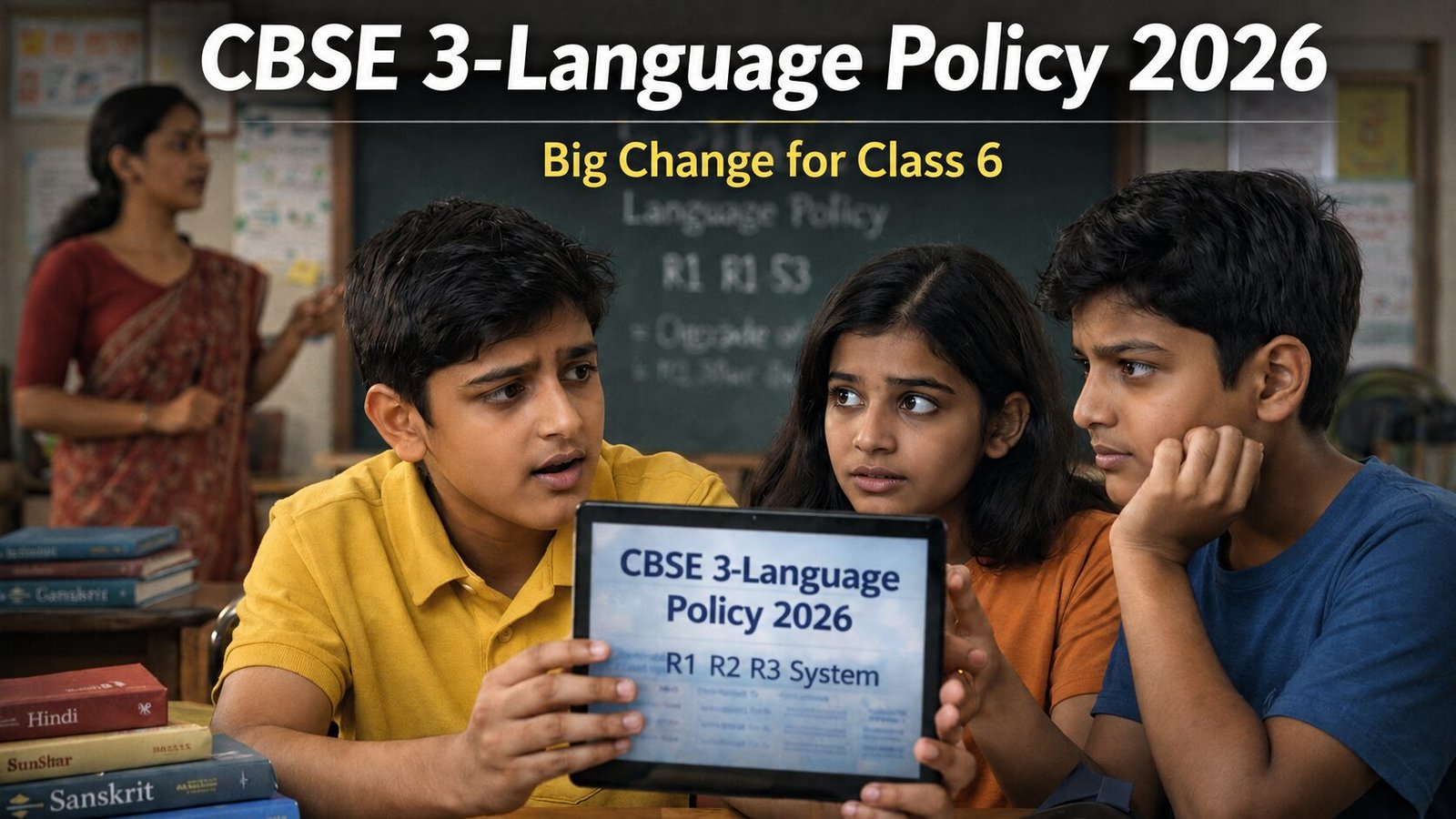
The CBSE Three-Language Policy 2026–27 provides for students to generally study three languages, with at least two of them being Indian languages, also referred to as Bhartiya Bhashas.
The Indian languages mentioned include:
• Hindi
• Kannada
• Tamil
• Telugu
• Sanskrit
• Malayalam
• Marathi
• Bengali
• Punjabi
• Gujarati
• Odia
• Assamese
Non-native languages listed include:
• English
• French
• German
• Arabic
• Spanish
The transition is being implemented progressively rather than affecting every class in exactly the same way.
What Happened During the Policy Transition?
The most important change for parents is the gradual implementation according to the student’s current class.
Current Class X Students – 2026–27
There is no change for current Class X students. They will continue with the existing two-language system and will not have to take a third language.
Current Class IX Students – 2026–27
Class IX students will study three languages. However, the third language, known as R3, will be assessed internally by the school.
There will be no CBSE Board Examination for R3 when these students reach Class X in 2027–28.
Current Classes VII and VIII
When these students eventually reach Class X, their third language will also be assessed internally by the school rather than through a CBSE Board Examination.
Current Class VI and Subsequent Batches
The current Class VI batch and subsequent batches will study three languages, including two Indian languages. R3 will be included in the Class X Board Examination when these students eventually reach Class X.
How Does the Policy Work for a Student Studying Kannada?
Example: Class IX Student Studying Kannada + English
A Class IX student studying Kannada + English may choose another permitted Indian language, such as Hindi or Tamil, as the third language (R3), subject to the permitted combination.
For the current Class IX batch, R3 will be assessed internally by the school and will not have a separate CBSE Board Examination when the student reaches Class X in 2027–28.
This example is particularly relevant for families considering schools in Attibele, where Kannada can be an important part of a student’s Indian-language learning journey.
What Are the Student Learning Outcomes and Benefits?
Multilingual learning can extend beyond simply learning vocabulary and grammar. A well-structured language-learning experience can help students develop:
• Communication skills
• Listening and speaking abilities
• Reading and writing skills
• Cultural awareness
• Confidence in using different languages
• Appreciation of India’s linguistic diversity
• Broader perspectives
• Adaptability and expression
For students, the three-language approach can therefore be understood as a learning opportunity rather than simply an additional academic requirement.
Educational Philosophy and Institutional Value Alignment
At BRS Global School | Pre-school, Primary School & High School | Attibele, education is positioned around more than academic performance alone. The school’s approach combines academic learning with experiential learning, leadership opportunities, sports, arts, life skills, confidence-building and character development.
Language learning fits naturally within this broader approach because effective communication is an important part of a student’s academic, social and personal development.
For parents comparing best CBSE schools in Anekal, schools in Chandapura, or schools near Sarjapur Road, understanding how a school approaches language learning can be an important part of evaluating the overall educational environment.
Why Does Multilingual Learning Matter for Student Development?
Learning more than one language can give students opportunities to communicate with a wider range of people and engage with different cultural perspectives.
For children growing up in Bengaluru’s diverse communities, exposure to Indian languages can also provide a meaningful connection with India’s linguistic and cultural diversity.
The policy therefore places emphasis on joyful and meaningful multilingual learning, rather than treating the third language simply as another examination subject.
Who benefits from this approach?
Students who enjoy languages, communication, literature, cultural learning and social interaction can particularly benefit from a multilingual educational environment. It can also provide opportunities for students to develop confidence in expressing themselves across different linguistic contexts.
Local Context: Why This Matters for Families in Attibele and South-East Bengaluru
For families searching for schools in Attibele, the three-language policy is relevant because language choices are becoming an increasingly important part of understanding a student’s CBSE academic journey.
BRS Global School | Pre-school, Primary School & High School | Attibele is strategically located on the Attibele–Sarjapur Road corridor, providing accessibility for families from Attibele, Bidaraguppe, Anekal, Chandapura, Sarjapura, Hosur Road and surrounding communities.
The campus is also accessible from areas and corridors including Bommasandra, Electronic City, Sompura, Hosur Toll, Jigani, the Sipcot Industrial Area, Marasuru, Mukandapalli, Govinda Agrahara and Chikka Tirupati Road.
For working parents living in apartments, villas and gated communities across this rapidly developing educational corridor, proximity and curriculum are both important considerations when choosing a school.
BRS Global School | Pre-school, Primary School & High School | Attibele – Google Business Profile
Families looking towards the eastern and south-eastern Bengaluru corridor can also explore the school’s another branch, BRS Global School | Best CBSE School in Sarjapur Road, which serves communities around Sarjapur Road and areas including Bellandur, HSR Layout, Harlur, Gunjur, Kodathi, Varthur, Carmelaram, Kasavanahalli, Rayasandra and Dommasandra.
BRS Global School | Best CBSE School in Sarjapur Road – Google Business Profile
Common Parent Questions
How does the Three-Language Policy affect current Class IX students?
Current Class IX students will study three languages, but their third language (R3) will be assessed internally by the school. There will be no CBSE Board Examination for R3 when they reach Class X in 2027–28.
Will current Class VII and VIII students have a CBSE Board Examination for R3?
No. According to the policy information provided, when the current Class VII and VIII students reach Class X, their third language will also be assessed internally by the school.
Which batch will have R3 in the Class X Board Examination?
The requirement begins with the current Class VI batch and subsequent batches. When they reach Class X, R3 will be included in the Class X Board Examination.
Can a student learn Kannada as part of the three-language system?
Yes. Kannada is listed among the Indian languages under the policy. The exact language combination remains subject to the permitted combination applicable to the student.
Does the policy mean students will face more examination pressure?
The policy information states that its purpose is to encourage joyful and meaningful multilingual learning, not to increase examination pressure.
Key Highlights
• The CBSE Three-Language Policy begins implementation from academic session 2026–27.
• Students will generally study three languages.
• At least two languages must be Indian languages.
• Kannada is among the Indian languages included.
• Current Class X students have no change in their language requirements.
• Current Class IX students will have R3 assessed internally by the school.
• Current Classes VII and VIII will also have R3 assessed internally.
• The current Class VI batch and subsequent batches will have R3 included in the Class X Board Examination.
• The policy aims to support joyful and meaningful multilingual learning.
• The transition is being introduced gradually.
Frequently Asked Questions (FAQs)
What is R3 in the CBSE Three-Language Policy?
R3 refers to the third language studied by a student under the three-language system. The assessment method for R3 differs depending on the student’s current class and batch.
Can Kannada be the first or second Indian language?
Kannada is included among the Indian languages under the policy. The permitted combination for an individual student will determine how it can be selected.
Will Class X students in 2026–27 need to add a third language?
No. Current Class X students will continue with the existing two-language system.
Will current Class IX students have three languages?
Yes. Current Class IX students in 2026–27 will study three languages, but R3 will be assessed internally by the school.
Will R3 be part of the Class X Board Examination for current Class VII students?
No. For the current Class VII and VIII batches, R3 will be assessed internally by the school when they eventually reach Class X.
Which students will have R3 included in the Class X Board Examination?
The current Class VI batch and subsequent batches will have R3 included in the Class X Board Examination when they reach Class X.
Why is multilingual learning important?
Multilingual learning can support communication, cultural understanding, confidence and appreciation of India’s linguistic diversity while contributing to a broader, holistic educational experience.
Conclusion: What Parents Should Remember
The CBSE Three-Language Policy 2026–27 represents a gradual transition towards multilingual learning, rather than an immediate change for every student. The most important point for parents is to understand the provision applicable to their child’s current class.
For current Classes VII–IX, parents do not need to worry about an additional CBSE Board Examination in the third language. The third language will be assessed internally by the school. The CBSE Board Examination requirement for R3 begins with the current Class VI batch and subsequent batches.
For families looking for a CBSE school in Attibele that combines academics with experiential learning, leadership, sports, arts, life skills and character development, BRS Global School | Pre-school, Primary School & High School | Attibele offers a premium learning environment in the Attibele–Sarjapur educational corridor.
Parents can also explore the school’s another branch, BRS Global School | Best CBSE School in Sarjapur Road, for families residing around the Sarjapur Road and south-east Bengaluru communities.
Best Schools in Attibele – BRS Global School