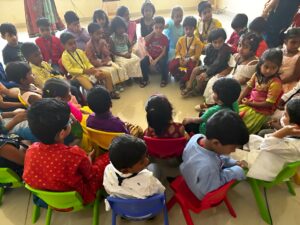

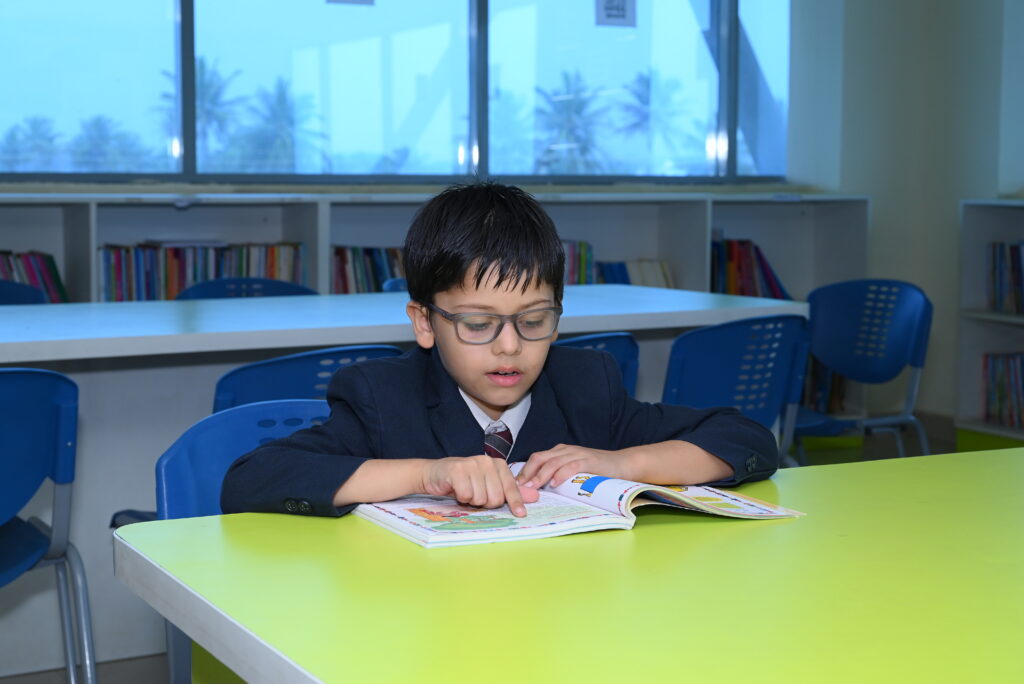
Every parent wants their child to feel safe, happy and confident at school. But in a busy city like Bangalore—where academics, extracurriculars and social expectations run high—it can be hard to understand whether your child is simply “managing” or truly thriving.
Thriving goes beyond grades. It reflects emotional health, confidence, curiosity, relationships and the joy of learning. Schools play a big role in shaping this experience, which is why understanding child development indicators is so important for today’s parents.
Here are the 10 clear signs that show your child is flourishing in a positive school environment and what it means for their long-term student wellbeing.
1. Your Child Shows Genuine Interest in Learning
A thriving child talks about what they learned, asks questions and connects school topics to everyday life.
They show excitement—whether it’s about a science experiment, a story they read, or a classroom discussion.
Interest is one of the strongest indicators of healthy learning and emotional engagement.
2. They Have a Positive Morning Routine
Children who enjoy school usually wake up with less resistance. They may still have sleepy moments, but there’s no daily emotional struggle.
If your child packs their bag without reminders, talks about meeting friends, or looks forward to a class activity—this signals strong student wellbeing.
3. They Form Healthy Friendships
Good friendships help children feel understood and supported. When your child talks about their friends, plays comfortably during breaks, and feels included, it shows they’re socially thriving.
A positive school environment encourages teamwork, empathy and respect—all essential for emotional development.
4. They Feel Safe Sharing Their Feelings
Thriving children express themselves. They feel comfortable talking to teachers, sharing concerns, or asking questions without fear of judgment.
If your child openly tells you:
- “I felt nervous today.”
- “My teacher helped me.”
- “I solved a problem with my friend.”
…it shows they trust the adults and peers around them—an excellent sign of a healthy school ecosystem.
5. They Manage Challenges Without Meltdowns
All children face challenges, whether academic or social. A thriving child may feel upset initially, but they recover, reflect and try again.
This is a major child development indicator—showing resilience, problem-solving and emotional growth.
6. They Actively Participate in Class and School Activities
Participation is a strong sign of confidence.
A thriving child:
- Volunteers in class
- Joins sports or cultural activities
- Contributes to group projects
- Tries new things, even if they’re unsure
Participation reflects that they feel safe, valued and motivated.
7. They Show Steady Academic Progress (Not Perfection)
Your child does not need to top the class to be thriving.
Look for:
- Steady improvement
- Understanding concepts
- Completion of homework independently
- Openness to feedback
Progress—not perfection—is the hallmark of true academic wellbeing.
8. They Display Curiosity and Creativity at Home
When children thrive at school, the impact spills into their home environment.
They may:
- Ask thoughtful questions
- Build things
- Draw, write or create stories
- Experiment with ideas
This shows a strong, active mind fueled by a nurturing learning environment.
9. They Demonstrate Kindness and Empathy
Schools that prioritize student wellbeing help children develop emotional intelligence.
When your child:
- Helps a classmate
- Shares without being asked
- Shows concern for others
- Talks about values they learned
…it reflects a positive school culture that shapes not just academics, but character.
10. They Are Themselves
Perhaps the most important sign of all: your child feels free to be who they are.
A thriving school experience allows children to express individuality—whether they are introverted, artistic, sporty or academically driven.
If your child returns home feeling accepted, supported and proud of who they are, their school environment is doing something right.
What Makes a Child Thrive at School?
Thriving happens when three key pillars align:
A Supportive School
A school that prioritizes wellbeing, values and whole-child development creates the foundation for growth.
Positive Teacher-Student Relationships
Children thrive when teachers treat them with warmth, clarity and encouragement.
Strong Home-School Partnership
Consistent communication and shared goals between families and schools help children feel secure and supported.
When all three come together, children develop confidence, curiosity, resilience and joy in learning.
How Schools Can Help: Building a Positive School Environment
A thriving student is usually a reflection of a school culture that emphasizes:
- Emotional wellbeing
- Safe and inclusive spaces
- Balanced academics
- Extracurricular exposure
- Strong life skills
- Supportive teachers
- Respectful peer interactions
Parents should look for these qualities during school visits or teacher interactions—they are often more important than infrastructure or rankings.
Final Thoughts: Thriving Is a Journey, Not a Race
Every child develops at their own pace. The goal is not comparison, but understanding whether your child feels secure, valued, and excited about learning. When children thrive, they build the confidence and strength to handle new challenges—both inside and outside the classroom.
As Bangalore parents seeking nurturing school environments, paying attention to these child development indicators helps you support your child’s long-term happiness and potential.
Call to Action
If you’re looking for a school that prioritizes student wellbeing, values, and holistic growth, explore how BRS Global School creates a positive environment where children thrive—not just survive. Schedule a campus visit to learn more.
FAQs
What are the most important signs that my child is thriving at school?
Key indicators include curiosity, healthy friendships, confidence, steady academic progress, and a positive attitude toward school.
How does school environment affect student wellbeing?
A positive school environment supports emotional safety, strong relationships, and opportunities for growth all essential for wellbeing.
What role do teachers play in child development?
Teachers help build confidence, communication skills, academic understanding, and emotional resilience through supportive guidance.
How can I help my child thrive in school?
Encourage open communication, establish routines, stay involved with school activities, and celebrate effort rather than just results.
Does academic performance determine whether a child is thriving?
Not necessarily. Thriving includes emotional growth, creativity, social skills, and confidence—not just marks.
What should I do if my child is struggling at school?
Speak with teachers early, understand underlying causes, and work with the school to create a supportive action plan.