
Introduction
Entrepreneurship education can help young people look at everyday challenges differently. Instead of simply asking what already exists, students learn to ask what can be improved, what problem needs solving and how an idea can create meaningful value.
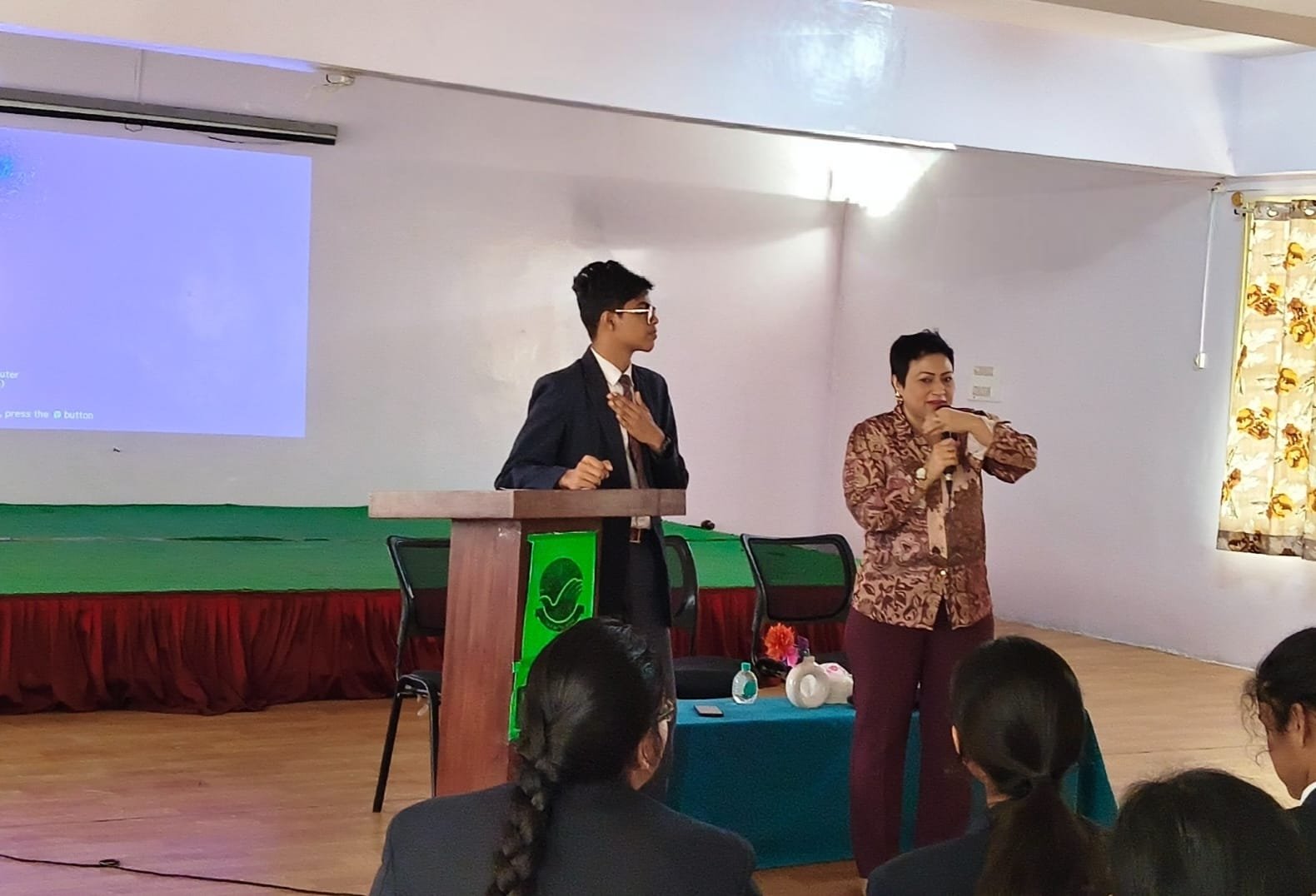
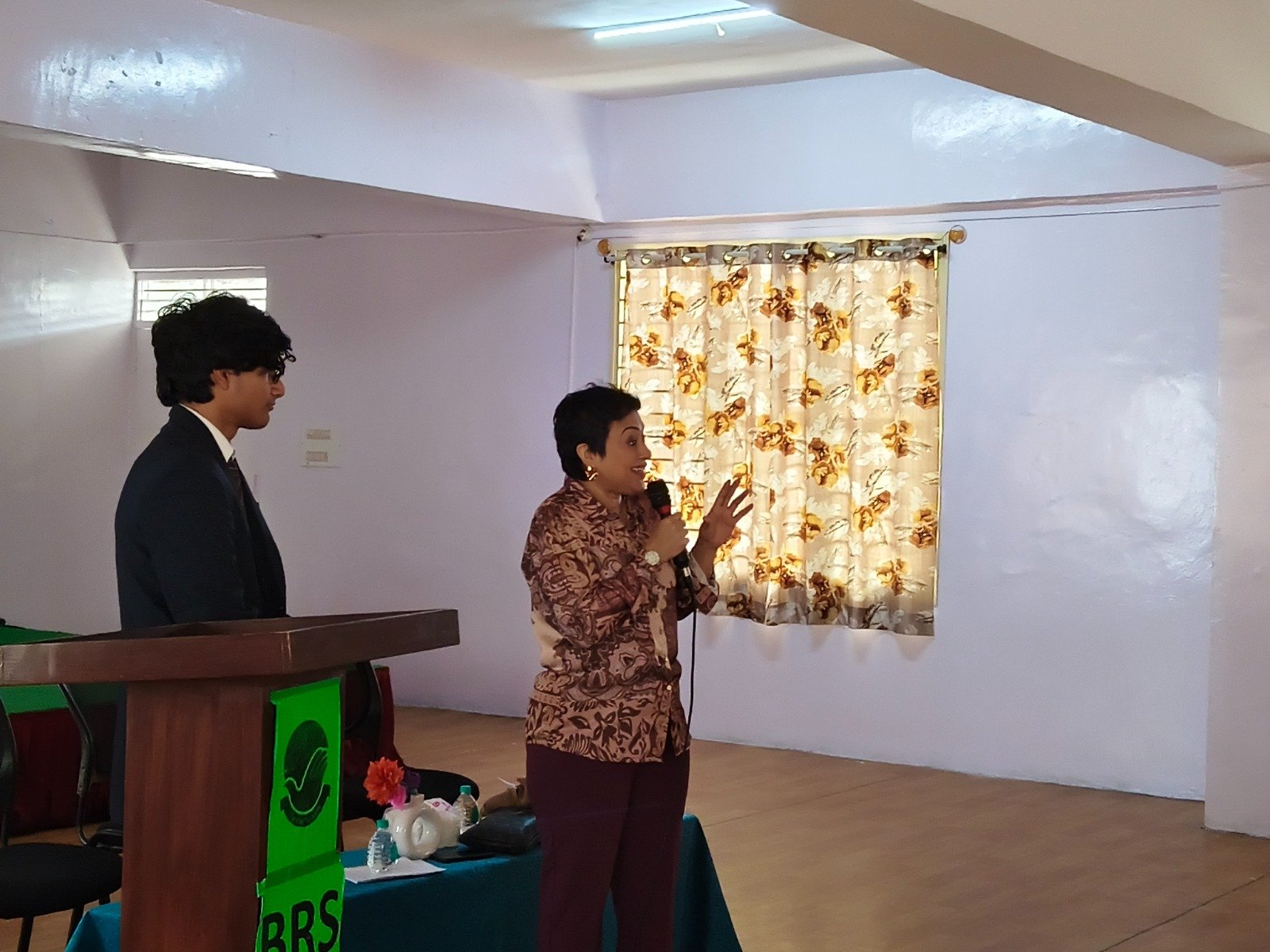
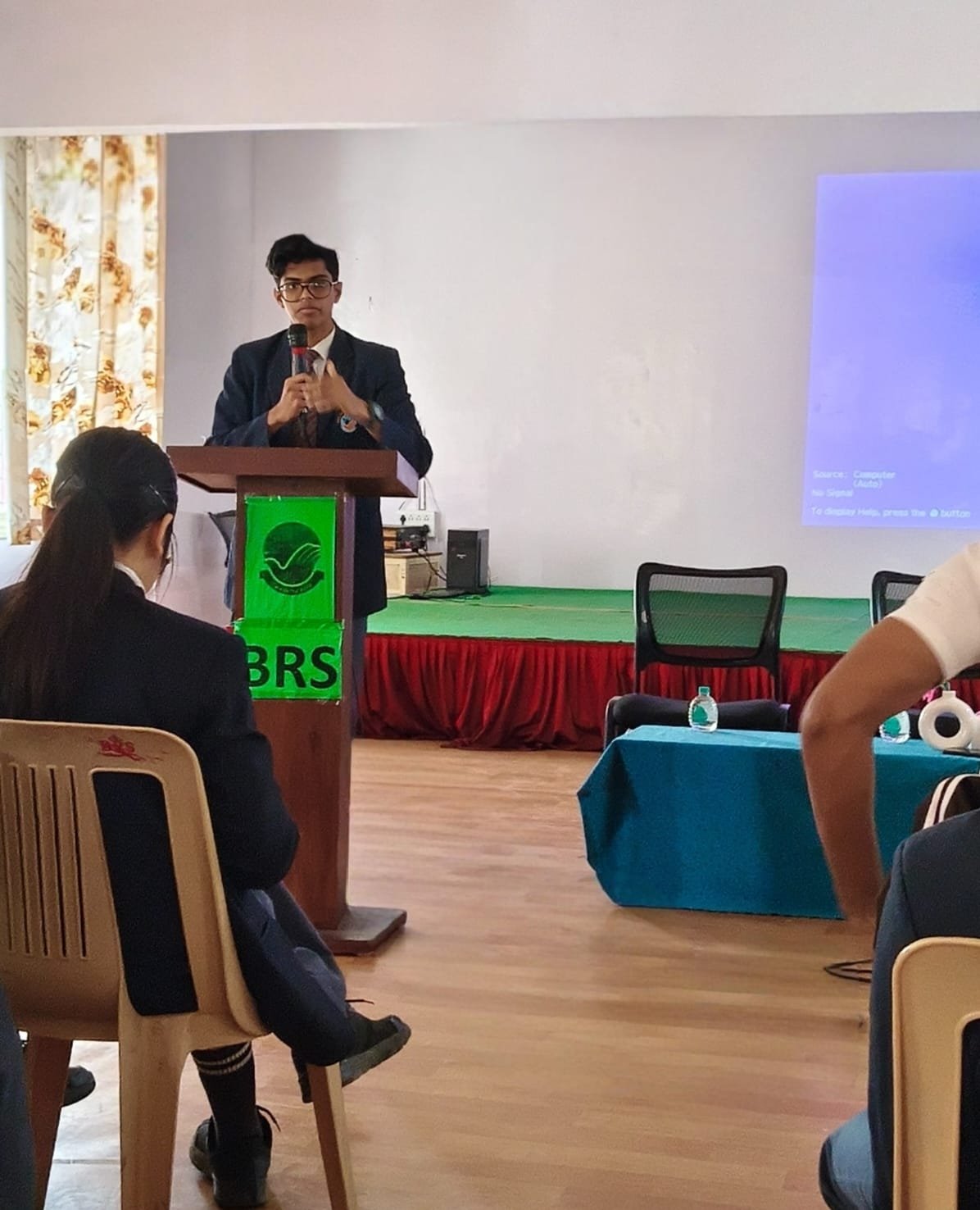
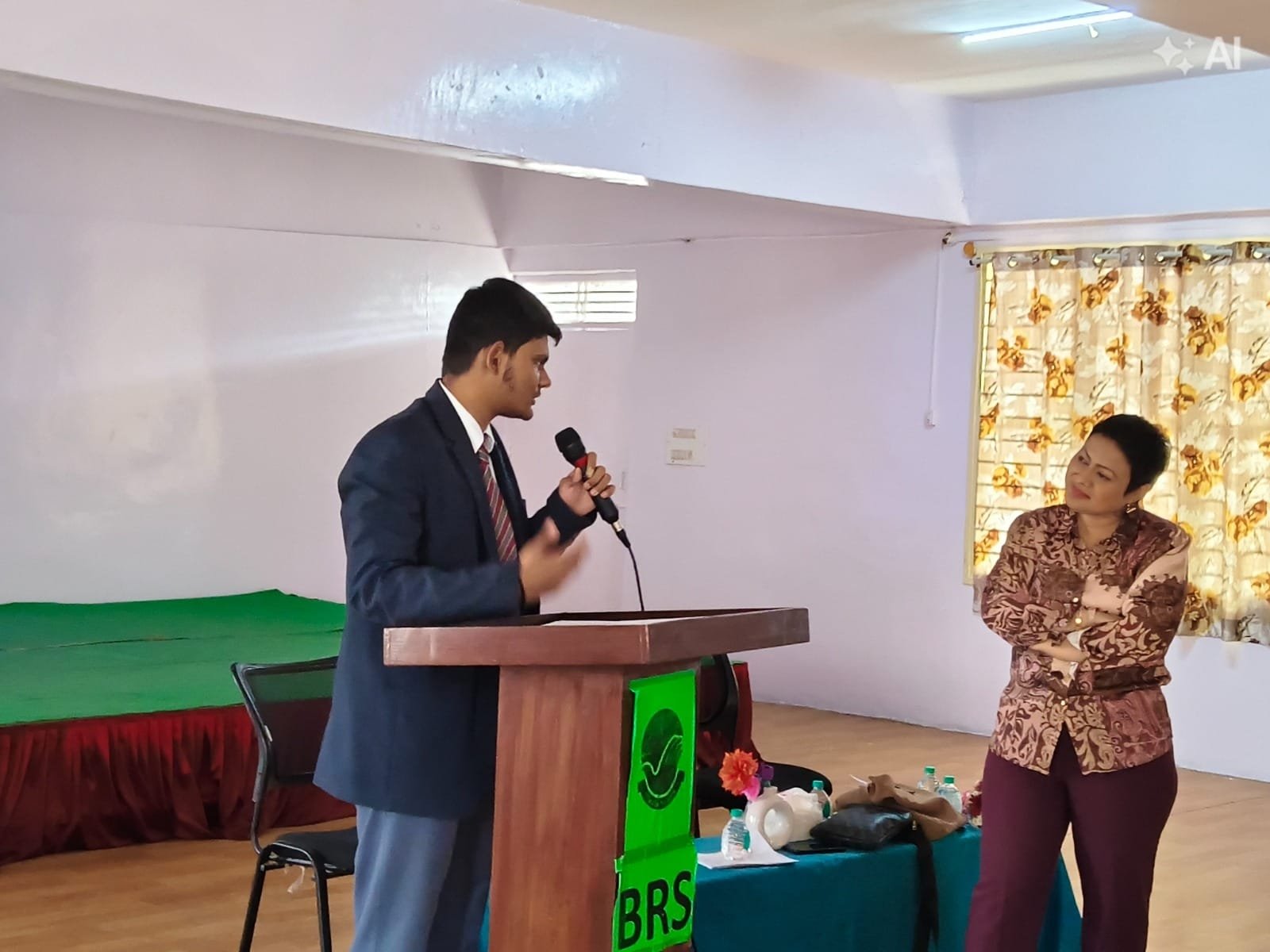
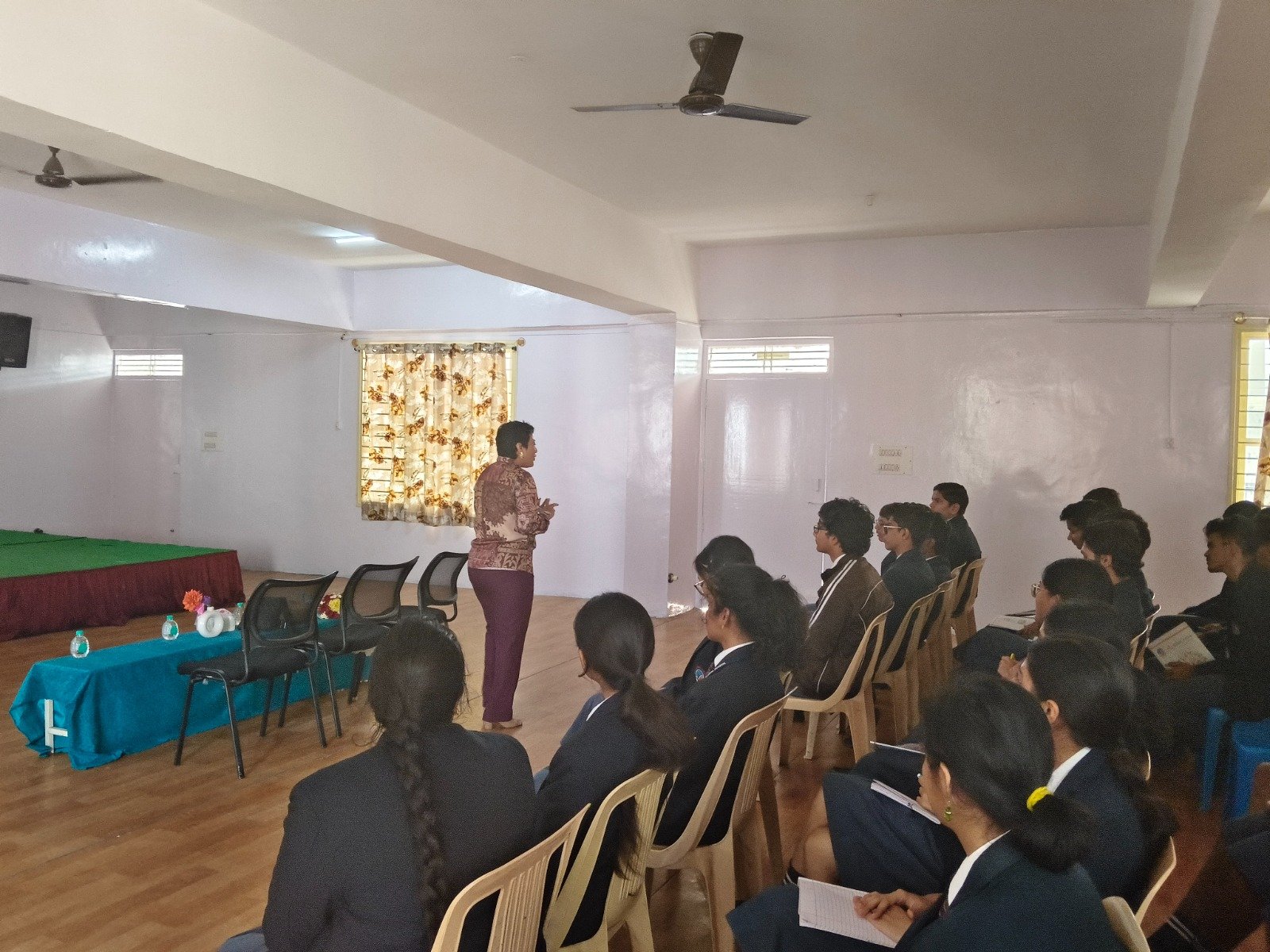
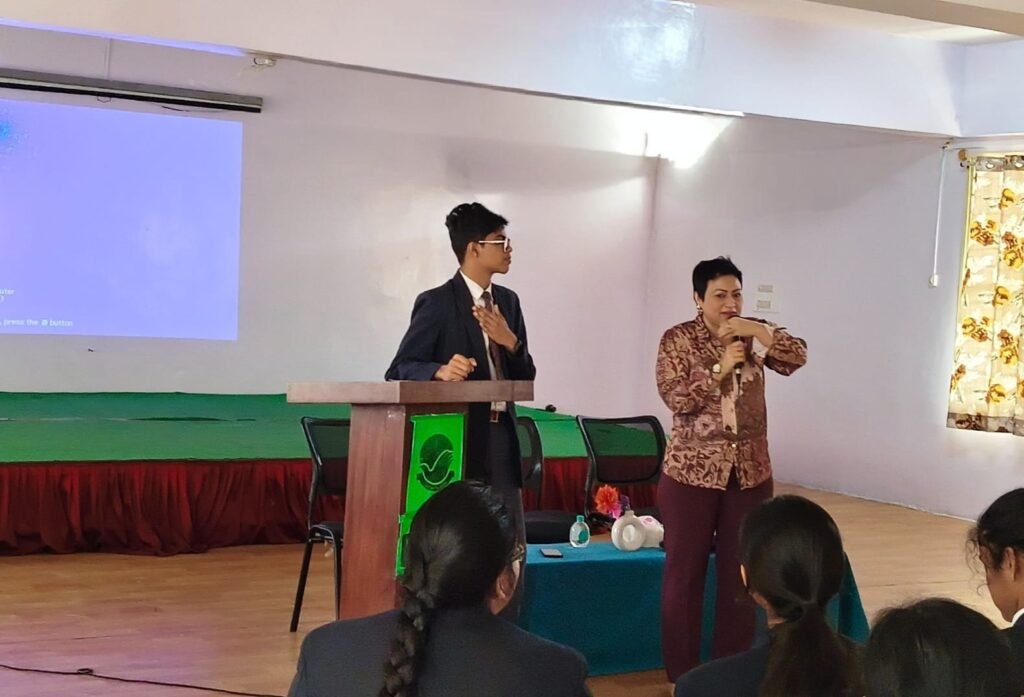
Recognising the importance of this mindset for senior secondary learners, BRS Global School | Best CBSE School in Sarjapur Road, organised an entrepreneurship session for Grade 11 and Grade 12 students on 3 November 2025. The session was led by Ms. Victoria D’sa, a business specialist, who brought extensive experience in international business, business strategies, entrepreneurship, education and institutional collaborations.
The interaction introduced students to the practical dimensions of entrepreneurship, from developing and testing an idea to understanding customers, competitors, funding and the challenges involved in building a business.
For students preparing to make higher-education and career decisions, such exposure can broaden their understanding of possibilities beyond conventional career pathways.
Event Overview
Event : Entrepreneurship Session
Date : 3 November 2025
Participants : Grade 11 & Grade 12 students
Campus : BRS Global School , Sarjapur Road
Speaker : Ms. Victoria D’sa
Focus Areas : Entrepreneurship, innovation, startups, business strategy and entrepreneurial mindset
Key Activities : Idea development, tagline creation and competitor identification
Learning Approach : Interactive presentation, discussion, examples and inspirational content
The session was designed to give students an introductory understanding of entrepreneurship while encouraging them to approach ideas with curiosity, research and practical thinking.
What Happened During the Entrepreneurship Session?
The presentation began by exploring the meaning of innovation and its relationship with entrepreneurship. Students learned that innovation involves developing new ideas, products or services that create value or address existing problems.
Rather than presenting entrepreneurship simply as the process of starting a company, the session explored the broader mindset behind it. Students were encouraged to consider creativity, calculated risk-taking, adaptability and persistence as qualities that can help people respond to changing circumstances.
Understanding the Startup Ecosystem
One of the central themes was India’s growing startup ecosystem. Students were introduced to the idea that successful ventures generally begin with identifying a problem, understanding the people affected by it and developing a solution that addresses a genuine need.
The discussion highlighted the importance of starting small, testing ideas and learning through iteration rather than immediately attempting to scale an untested concept.
Students were also introduced to resources such as Startup India, helping them understand that aspiring entrepreneurs can access different forms of institutional and ecosystem support.
Why Is Market Validation Important?
Market validation means checking whether a proposed product or service addresses a genuine customer need before investing significant resources in developing or scaling it.
Students learned why understanding the market is an important step in entrepreneurship. A creative idea alone does not necessarily guarantee that people will use or pay for a product or service.
The session therefore encouraged students to think about questions such as:
• Who is the customer?
• What problem does the product solve?
• Are people looking for this solution?
• What alternatives already exist?
• How can the idea be improved based on feedback?
This approach encouraged students to connect creativity with research and evidence-based decision-making.
What Did Students Learn About MVPs and Product-Market Fit?
Students were introduced to concepts such as Minimum Viable Products (MVPs) and product-market fit.
An MVP is an early, simplified version of a product that allows entrepreneurs to test an idea and gather feedback before investing heavily in development.
Product-market fit refers broadly to the point at which a product or service meets a genuine market need and receives meaningful acceptance from its intended users.
These concepts helped students understand that entrepreneurship is often an iterative process. An initial idea may need to be tested, evaluated and modified several times before it becomes a stronger solution.
This lesson is particularly valuable for young learners because it reinforces the idea that an unsuccessful first attempt does not necessarily mean an idea has failed. Feedback can become an opportunity to rethink, refine and improve.
What Funding Options Are Available to Entrepreneurs?
The session also introduced students to different ways entrepreneurs may fund a business.
These included:
• Bootstrapping – building a venture using the founder’s own resources.
• Angel investment – funding provided by individual investors to promising ventures.
• Venture capital – investment generally directed towards businesses with significant growth potential.
• Crowdfunding – raising smaller amounts of money from a larger number of people.
• Grants – financial support provided through eligible programmes or institutions.
Students learned that different funding models have different advantages, expectations and risks. Understanding funding is therefore only one part of entrepreneurship; responsible financial planning and a clear understanding of the business model are equally important.
What Are the Qualities of an Entrepreneurial Mindset?
The session highlighted several qualities associated with entrepreneurial thinking:
Creativity
Entrepreneurs need to look at challenges from different perspectives and develop possible solutions.
Calculated Risk-Taking
Entrepreneurship involves uncertainty. Students were encouraged to understand the difference between taking an informed risk and acting without adequate consideration.
Adaptability
Markets, technologies and customer expectations change. Entrepreneurs need to respond to new information and changing circumstances.
Persistence
Ideas may require repeated testing and improvement. Persistence can help individuals continue learning from setbacks.
Problem-Solving
At its core, entrepreneurship involves identifying problems and developing practical ways to address them.
These qualities are useful beyond entrepreneurship. They can also support students in academic projects, leadership opportunities, higher education and future professional environments.
How Did Students Explore Competition and Differentiation?
An interactive component of the session asked students to select a product, create a compelling tagline and identify potential competitors.
This activity introduced students to two important business concepts: differentiation and competitive awareness.
Creating a tagline encouraged students to think about how a product communicates its value. Identifying competitors encouraged them to consider what similar products or services already offer and how a new idea might provide something different.
For students, the activity transformed abstract business concepts into a practical exercise in communication, analysis and creativity.
What Did Students Learn About Global Entrepreneurship Trends?
The session also explored broader developments influencing entrepreneurship around the world.
Students were introduced to themes including:
• Growth of entrepreneurship in emerging markets
• Increasing use of technology in business
• Digital transformation
• Social impact and responsible business
• Corporate social responsibility
• Changing opportunities in global markets
The discussion helped students understand that entrepreneurship does not exist in isolation. Technology, society, economics, customer behaviour and global developments can all influence how businesses operate.
What Challenges Do Entrepreneurs Face?
Entrepreneurship can offer opportunities, but it also involves significant challenges.
The session discussed areas such as:
• Securing appropriate funding
• Understanding customer needs
• Managing competition
• Maintaining a growth-oriented mindset
• Responding to uncertainty
• Complying with applicable regulations
• Building a sustainable business model
This balanced perspective was important because it presented entrepreneurship realistically. Students were encouraged to see entrepreneurship not merely as an exciting career option, but as a field requiring preparation, resilience, research and responsible decision-making.
What Role Did the Inspirational Short Film “The Seed” Play?
The presentation included an inspirational short film titled “The Seed”, which reinforced the broader theme of entrepreneurship as a journey of growth.
The film complemented the discussion by giving students a visual and reflective perspective on how ideas can develop over time. It supported the session’s emphasis on nurturing possibilities, learning from challenges and remaining open to innovation.
Student Learning Outcomes and Benefits
The entrepreneurship session helped students develop an introductory understanding of how innovative ideas can be evaluated, tested and developed into potential business solutions.
The key learning outcomes included:
Innovation and Creative Thinking
Students explored how new ideas can address existing problems and create value.
Business Awareness
They gained an introductory understanding of customers, competitors, markets and business models.
Decision-Making
Discussing risk, funding and market validation encouraged students to consider information before making decisions.
Communication Skills
The tagline activity required students to communicate a product’s value clearly and creatively.
Problem-Solving
Students were encouraged to identify problems and think about possible solutions.
Adaptability
The session highlighted the importance of responding to feedback and changing circumstances.
Career Awareness
Exposure to entrepreneurship introduced students to an additional dimension of future career and higher-education possibilities.
How Does Entrepreneurship Education Support CBSE Learning?
Entrepreneurship activities can complement classroom learning by giving students opportunities to apply concepts through practical situations.
For senior secondary students, such experiences can encourage critical thinking, creativity, communication, collaboration, problem-solving and real-world application. The session also encouraged students to connect ideas from different areas of learning rather than viewing subjects in isolation.
The value of such exposure extends beyond whether a student eventually becomes an entrepreneur. The ability to identify problems, evaluate options, communicate ideas and adapt to feedback can be useful across many academic and professional pathways.
Why Does This Matter for Student Development?
A school learning experience becomes more meaningful when students can connect knowledge with situations beyond textbooks.
Entrepreneurship sessions provide one such opportunity. Students are exposed to questions without a single predetermined answer: What problem should be solved? Who needs the solution? What alternatives exist? How can the idea be tested?
Working through these questions can encourage intellectual curiosity and independent thinking.
For adolescents preparing for higher education, these experiences can also support a stronger understanding of personal interests and possible career directions.
Educational Philosophy and Institutional Value
At BRS Global School, Sarjapur Road, learning experiences are designed to extend beyond academic instruction and create opportunities for students to engage with practical ideas.
The entrepreneurship session reflected this approach by bringing an experienced business specialist into direct interaction with senior secondary students.
The objective was not to encourage every student to become an entrepreneur. Instead, it was to help students understand the mindset behind innovation and responsible decision-making and to appreciate how ideas are developed, tested and improved.
This kind of exposure can complement academic preparation while contributing to broader personal and professional development.
Why Is This Relevant for Families in Sarjapur Road and Nearby Areas?
Families searching for schools near Sarjapur Road increasingly consider factors beyond curriculum and examination results. Opportunities for career awareness, practical learning, leadership and exposure to different professional fields can also form part of a family’s school-selection criteria.
The Sarjapur Road campus is situated in a rapidly developing educational and residential corridor serving communities around Bellandur, Sarjapur Road, Hosa Road, Koramangala, HSR layout, Dommasandra, Kodathi, Gunjur, Varthur, Kaikondrahalli, Kasavanahalli, Carmelaram, Harlur, Rayasandra, Naganathapura, Doddakannelli, Kudlu Gate, A Krishnappa Nagar, Halnayakanahalli, Radha Reddy Layout, Chikkanayakanahalli, Huskur, KPC Layout, CSB Layout, Owners Court, Doddanagamangala, Doctors Layout, Shiva Reddy Layout, Meenakshi Layout, Chikbellandur, Sompura Gate, Muthannalur Cross, Gunjur to Dommasandra Road, Mullur, Amrita Engineering College Road Kasavanahalli, Amrita Nagar, Serenity Layout, Spring Fields, Iblur, Marathahalli, Shobha Apartments, Choodasandra, Junnasandra, Rayasandra.
The area’s proximity to Bengaluru’s technology and business ecosystem also makes exposure to entrepreneurship, innovation and emerging career pathways particularly relevant for many families.
For parents exploring CBSE schools near Sarjapur Road, learning experiences such as this can provide an additional perspective on how a school connects academic education with the wider world.
BRS Global School also has another branch serving families in the Attibele region. The Attibele campus is a separate BRS Global School branch, serving students from Nursery through Grade 10. Families specifically looking for schools in Attibele, Chandapura or Anekal may explore that campus separately.
Sarjapur Road Campus:
BRS Global School – Sarjapur Road
Attibele Campus – separate branch:
Common Parent Questions
How does an entrepreneurship session benefit Grade 11 and 12 students?
It introduces students to real-world concepts such as innovation, market research, funding, competition and business strategy. It can also help senior secondary students explore entrepreneurship as one possible future pathway while developing transferable skills such as communication, creativity and problem-solving.
Does entrepreneurship education mean students have to start a business?
No. Entrepreneurship education develops a way of thinking rather than requiring every student to become a business owner. Creativity, adaptability, calculated decision-making and problem-solving are valuable across higher education, employment and many different careers.
What skills did students develop during the session?
Students explored creative thinking, communication, market awareness, competitor analysis, problem-solving, decision-making, adaptability and persistence through the presentation and practical activity.
Why is market validation important?
Market validation helps determine whether a proposed product or service addresses a genuine need before significant resources are invested in developing or scaling it. It encourages entrepreneurs to use customer feedback and evidence to improve their ideas.
How can entrepreneurship support holistic development?
Entrepreneurship activities combine cognitive, social and practical learning. Students think creatively, communicate ideas, consider different perspectives, solve problems and reflect on challenges, contributing to development beyond purely academic knowledge.
Key Highlights
• Entrepreneurship session conducted on 3 November 2025
• Designed for Grade 11 and Grade 12 students
• Led by business specialist Ms. Victoria D’sa
• Focus on innovation and entrepreneurial thinking
• Introduction to India’s startup ecosystem
• Discussion on market validation and product-market fit
• Introduction to MVPs
• Exploration of funding options
• Discussion of global entrepreneurship trends
• Understanding entrepreneurial qualities and challenges
• Product tagline creation activity
• Competitor identification activity
• Inspirational short film, “The Seed”
• Encouragement to explore ideas, innovation and future opportunities
Frequently Asked Questions
When was the entrepreneurship session held at BRS Global School?
The entrepreneurship session was conducted on 3 November 2025 at BRS Global School, Sarjapur Road.
Who conducted the entrepreneurship session?
The session was conducted by Ms. Victoria D’sa, a business specialist with extensive experience in international business, business strategy, entrepreneurship and educational collaborations.
Which students attended the session?
Students from Grades 11 and 12 at the Sarjapur Road campus attended the session.
What entrepreneurship topics were covered?
Topics included innovation, startup ecosystems, market validation, MVPs, product-market fit, funding options, competition, global entrepreneurship trends and entrepreneurial mindset.
Did students participate in any activities?
Yes. Students were asked to select a product, create a tagline and identify potential competitors, helping them apply concepts of differentiation and market awareness.
Why are entrepreneurship sessions useful in school?
Such sessions expose students to practical problems and decision-making while developing transferable skills including creativity, communication, critical thinking and problem-solving.
Is BRS Global School a CBSE school in Sarjapur Road?
Yes. BRS Global School’s Sarjapur Road campus is a CBSE-affiliated school serving students through Grade 12, with learning experiences that combine academic education with broader developmental opportunities.
Conclusion: Encouraging Young Minds to Think, Create and Lead
The entrepreneurship session with Ms. Victoria D’sa gave Grade 11 and 12 students at BRS Global School, Sarjapur Road, an opportunity to explore entrepreneurship from a practical perspective.
From innovation and market validation to funding, competition and entrepreneurial mindset, the session encouraged students to understand that successful ideas require curiosity, research, testing, adaptability and persistence.
The experience also reinforced an important message for young learners: an idea becomes meaningful when it addresses a genuine problem and creates value for others.
For parents looking for a CBSE school in Sarjapur Road that combines academic learning with opportunities for real-world exposure, such experiences can be an important part of a student’s broader educational journey.
Explore our Campus:
Attibele Branch
https://share.google/iFhJaeGo8wkgOZ1Y5
Sarjapur Road Branch: