Introduction
Environmental education is most effective when children experience it through meaningful, hands-on activities. During the early years, simple classroom experiences that encourage creativity, exploration, and responsible decision-making help children develop habits that last a lifetime.
Teaching young learners the value of recycling and sustainability goes beyond classroom lessons—it nurtures responsible citizens who understand the importance of protecting the environment.
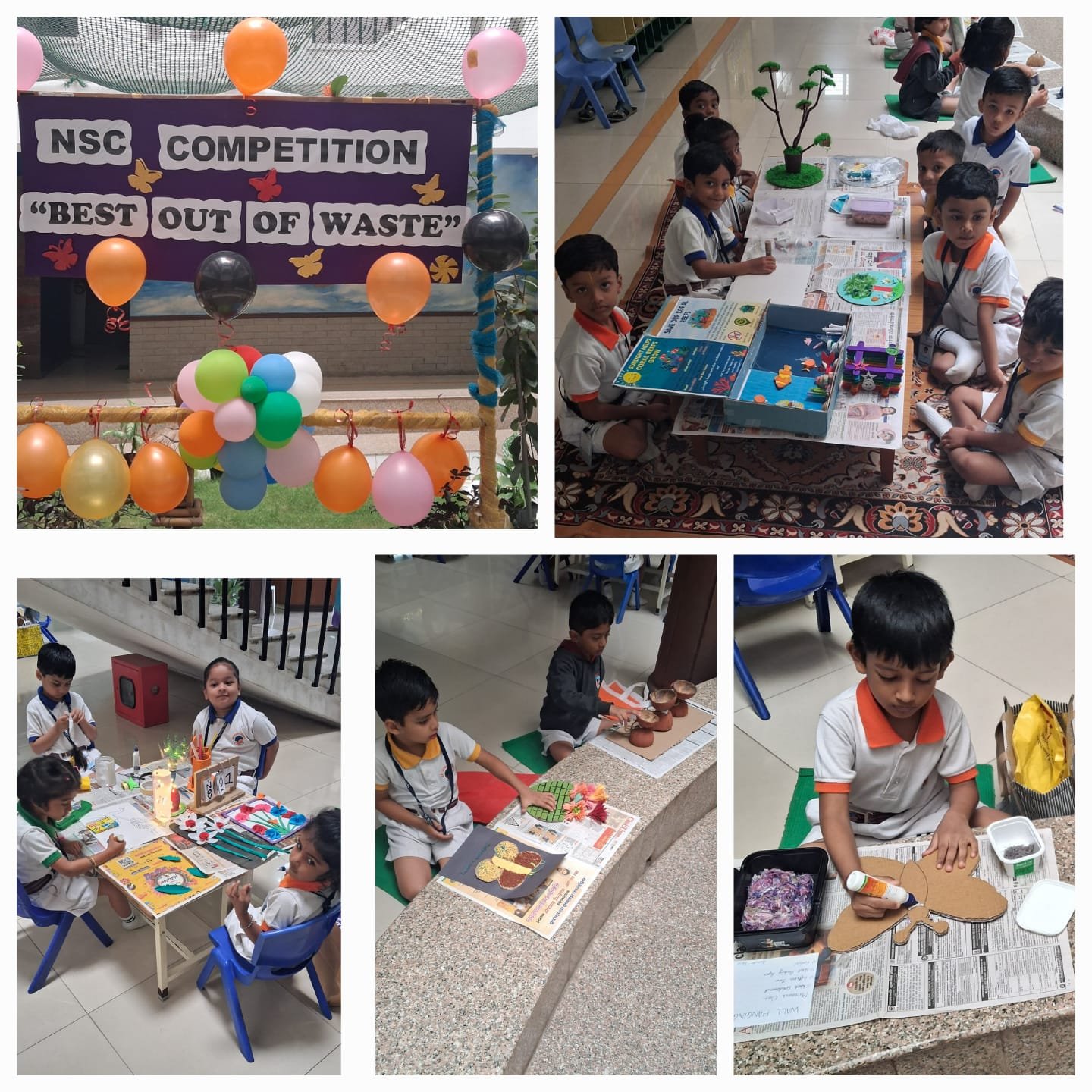
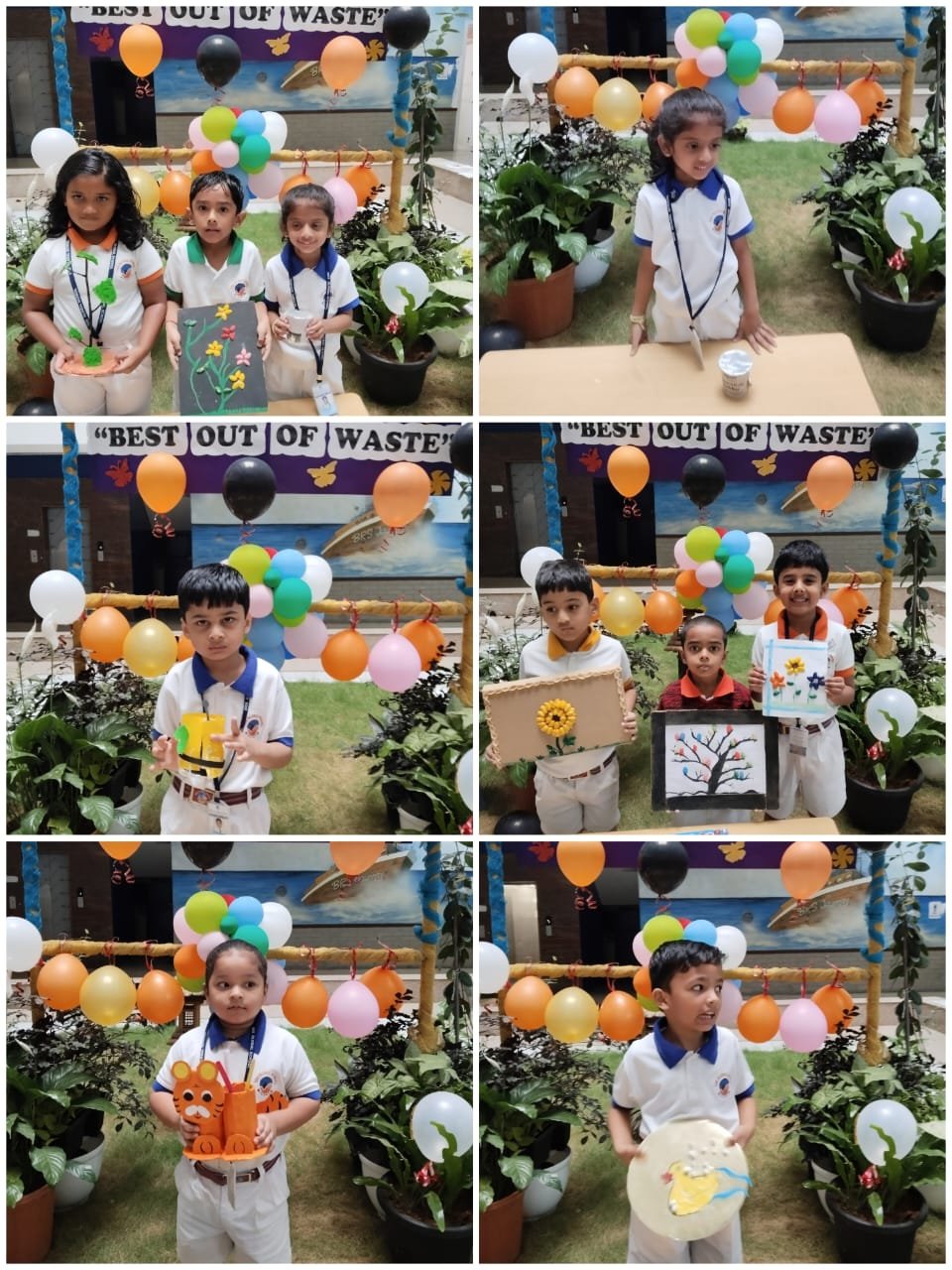
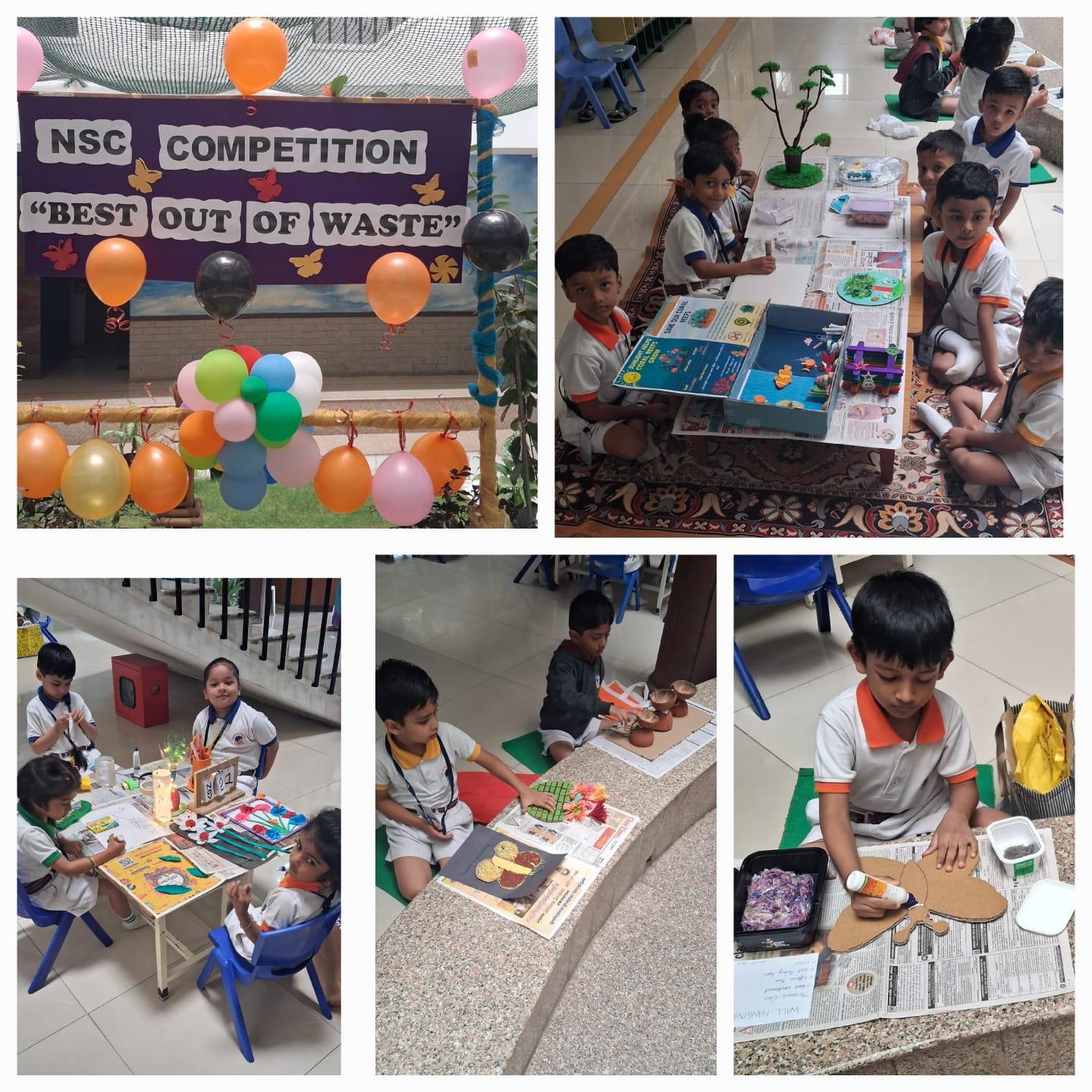
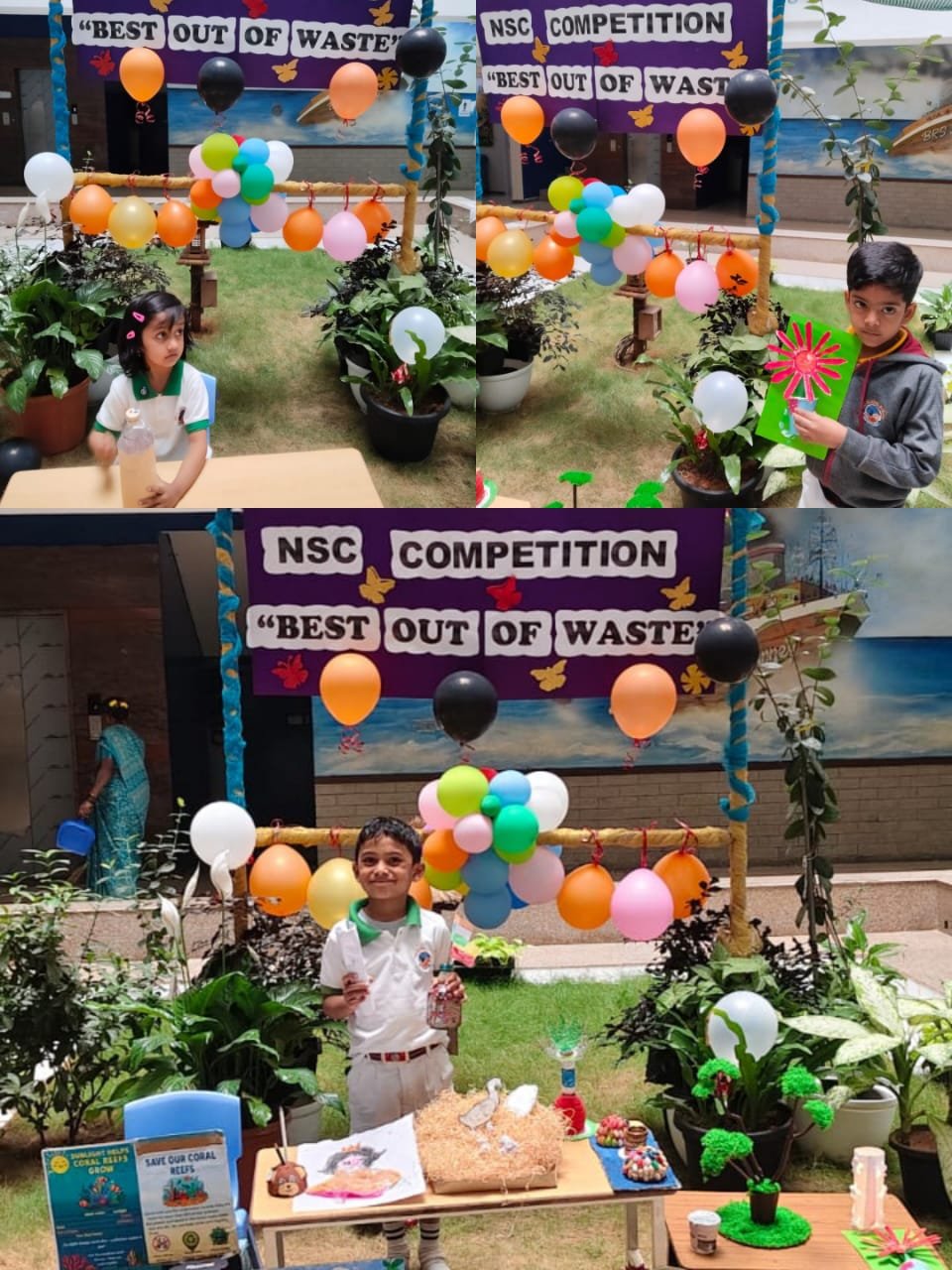
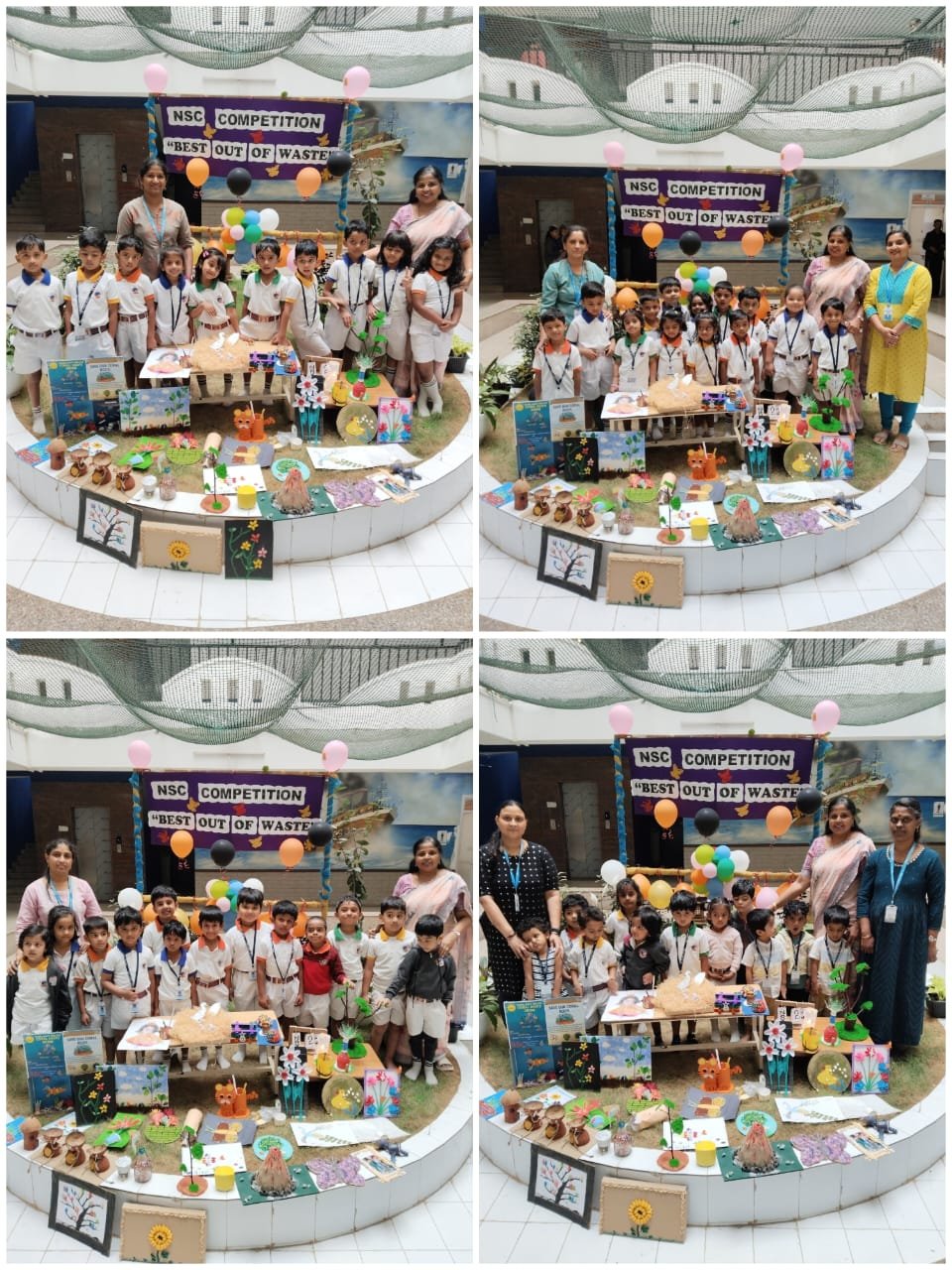
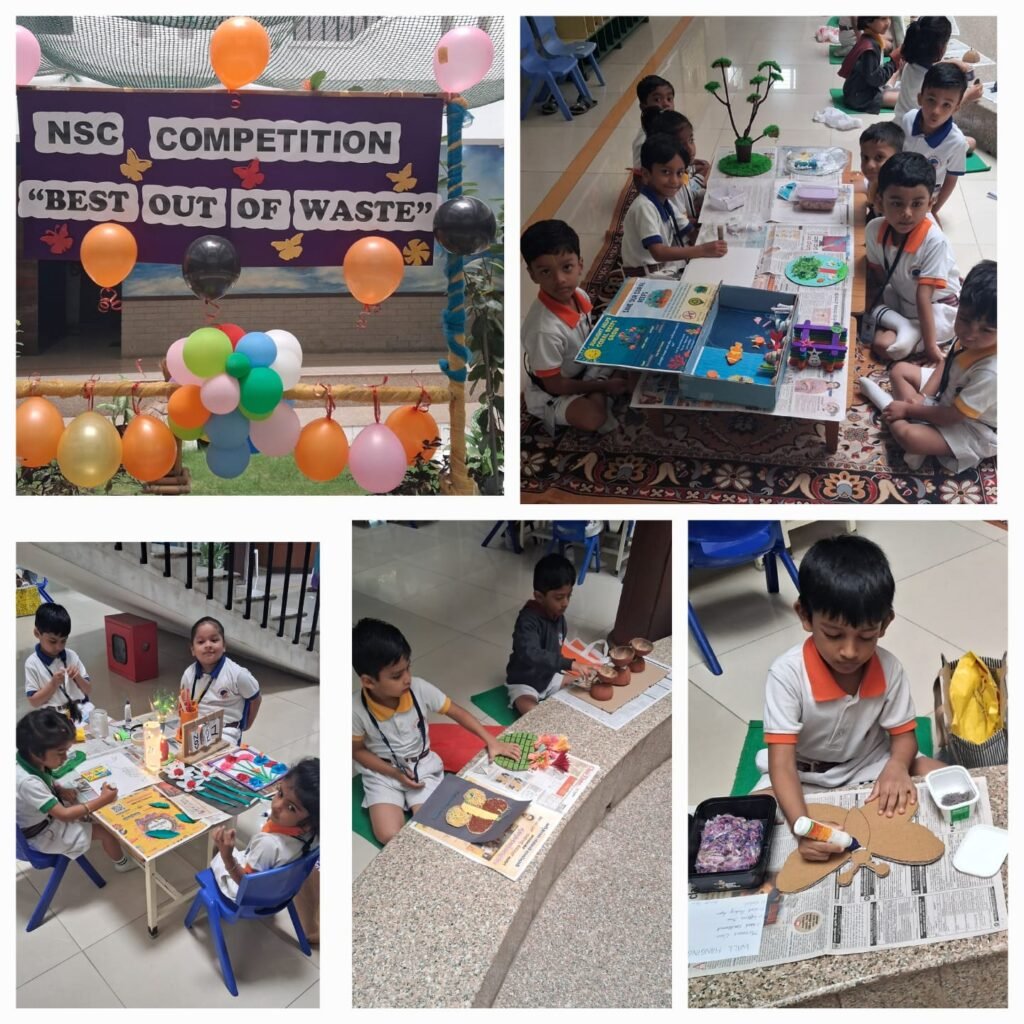
Keeping this vision in mind, the Montessori students at BRS Global School | Best CBSE School in Sarjapur Road, enthusiastically participated in the NSC “Best Out of Waste” Competition on 21 November 2025. The activity provided children with an exciting opportunity to transform everyday discarded materials into creative and useful crafts while learning the importance of reducing waste, reusing resources, and thinking creatively.
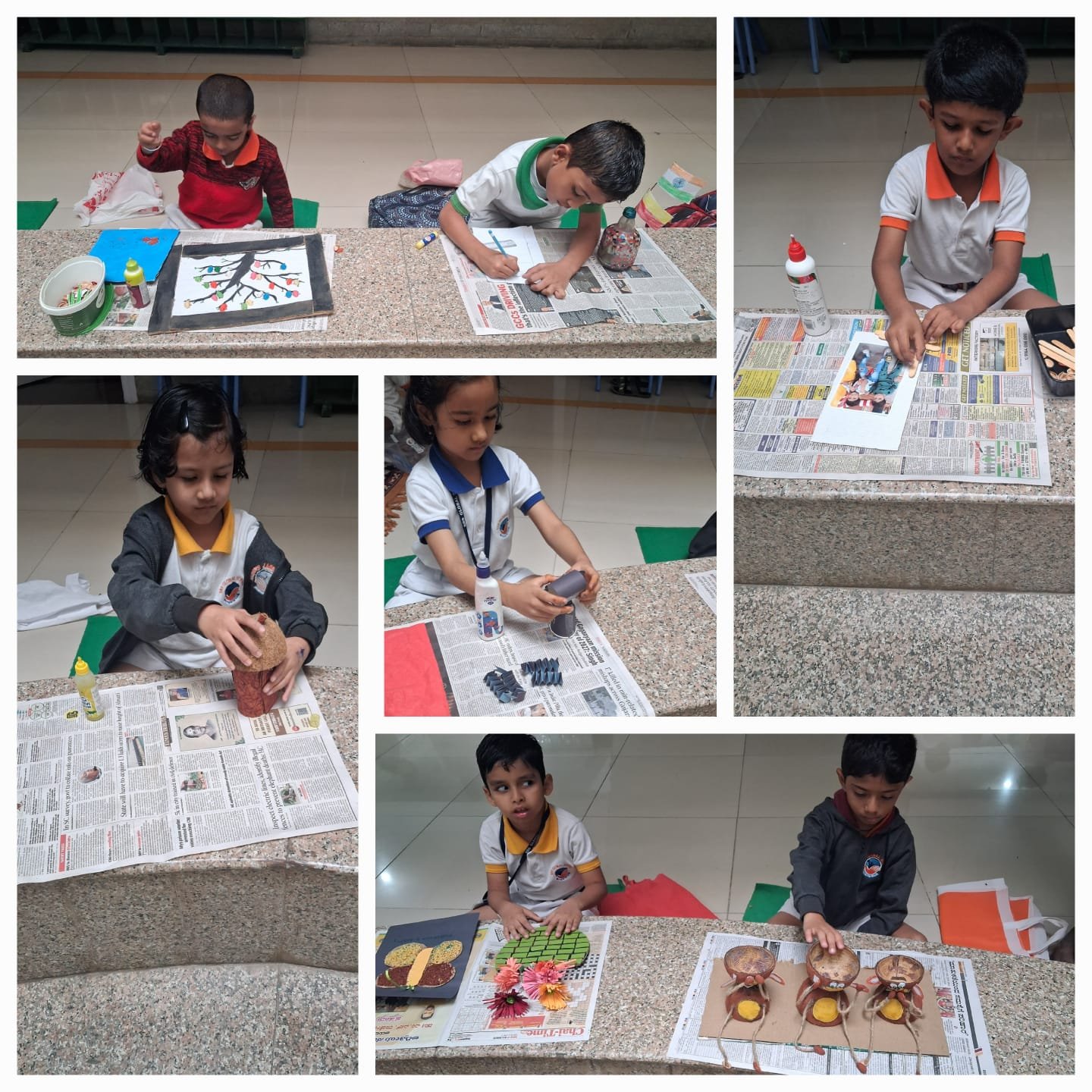
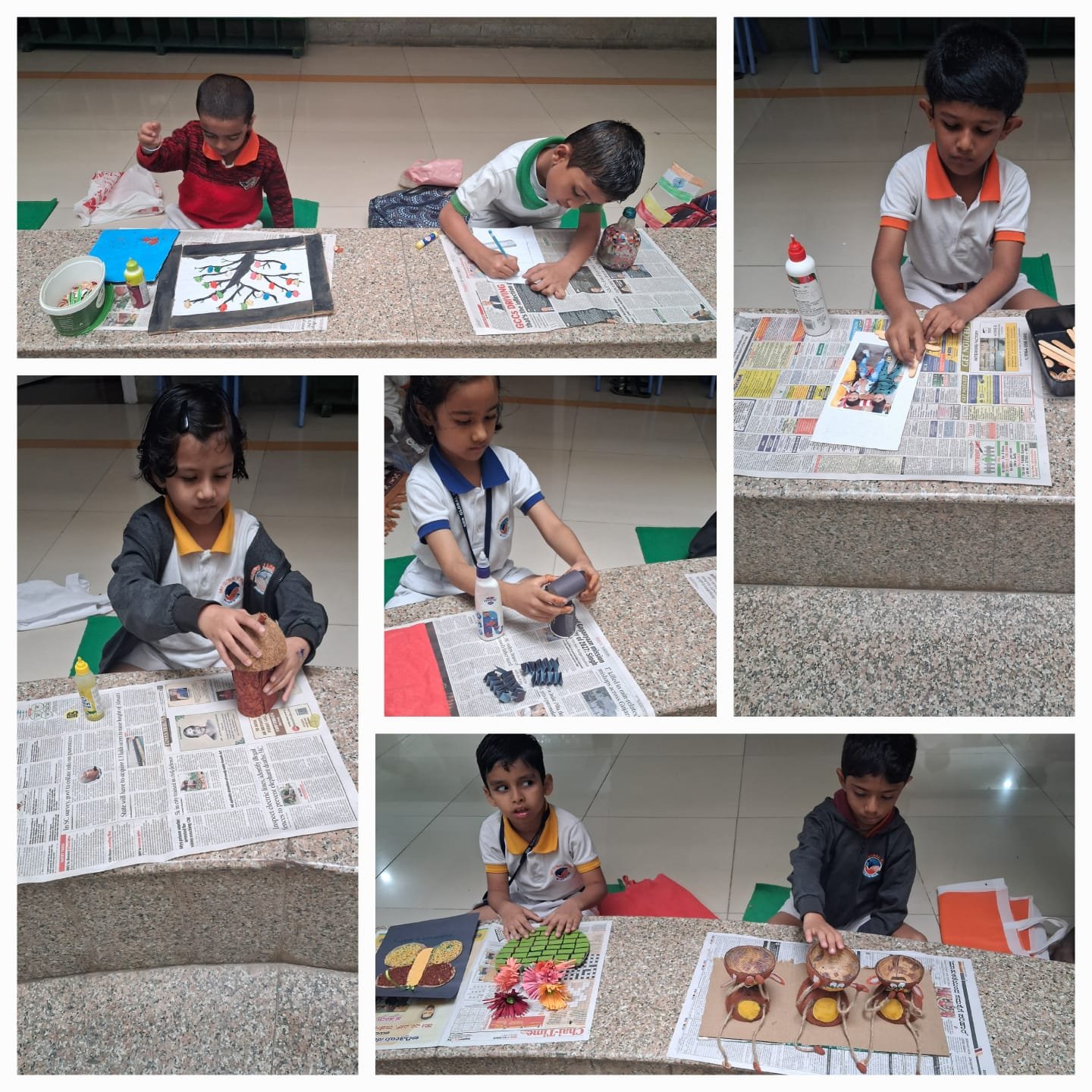
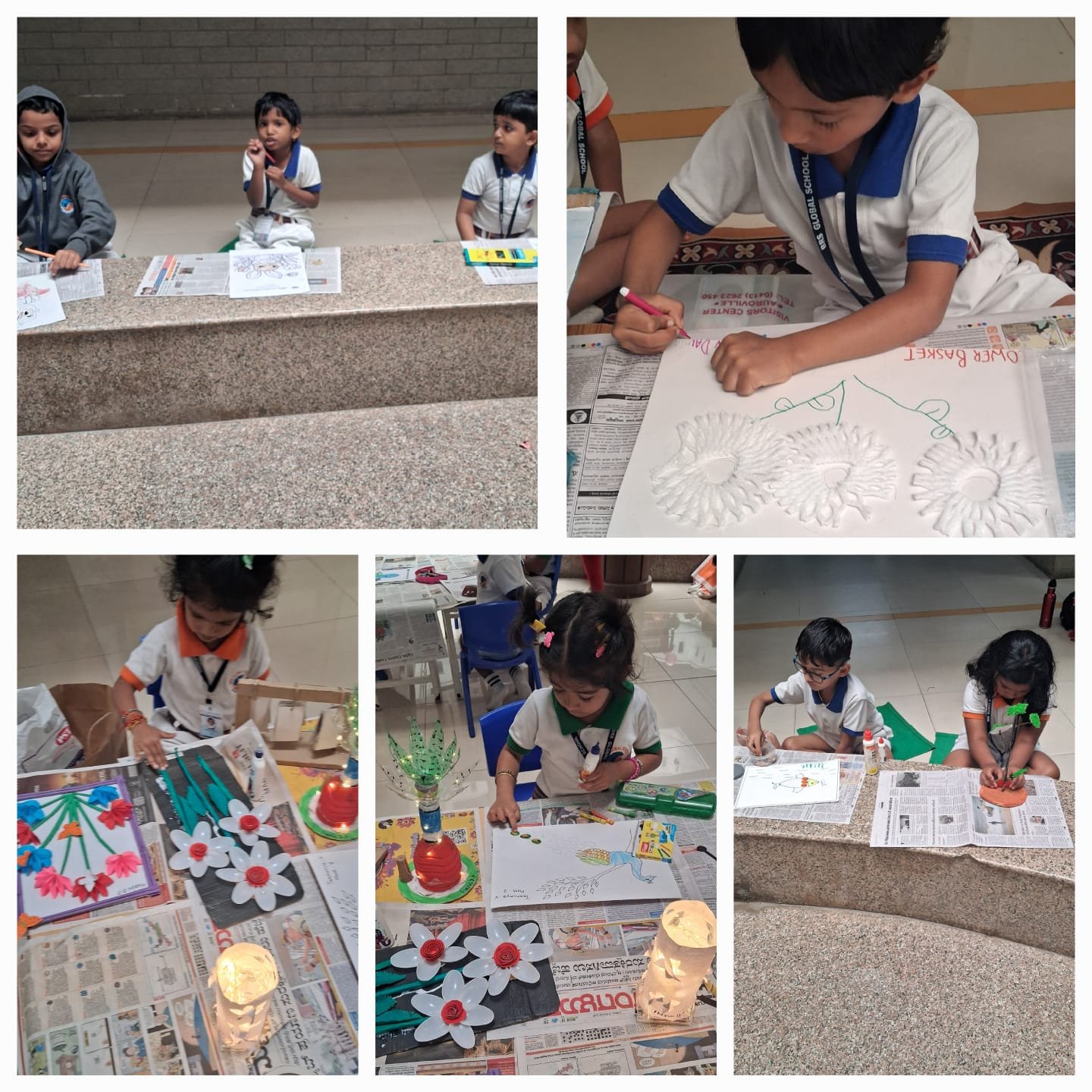
Using simple recyclable materials such as paper rolls, bottle caps, cardboard, and old magazines, the young learners designed beautiful handmade creations including flower pots, pen holders, and decorative toys. Beyond developing artistic skills, the activity encouraged children to appreciate that objects often considered waste can be given a meaningful second life through imagination and innovation.
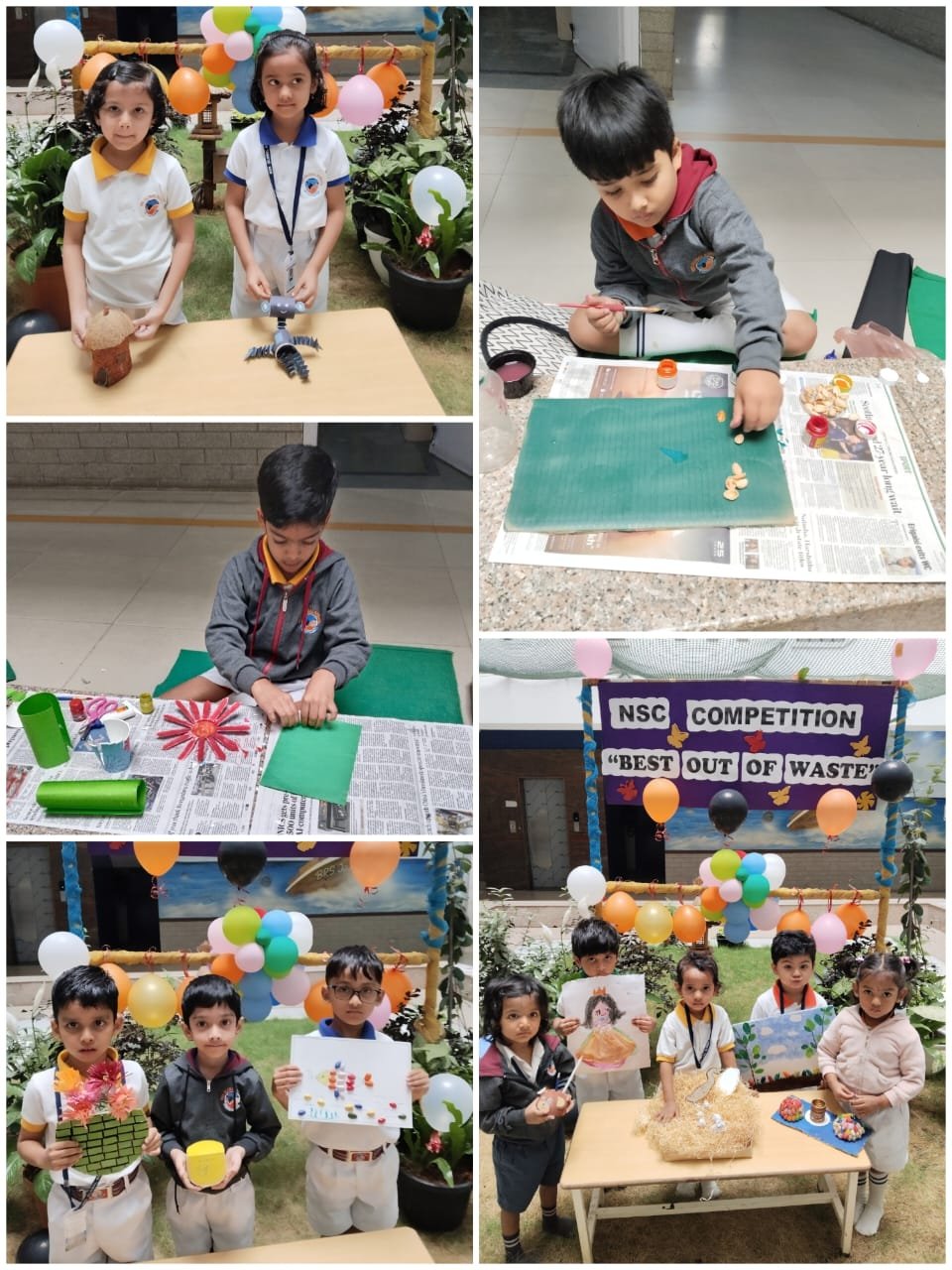
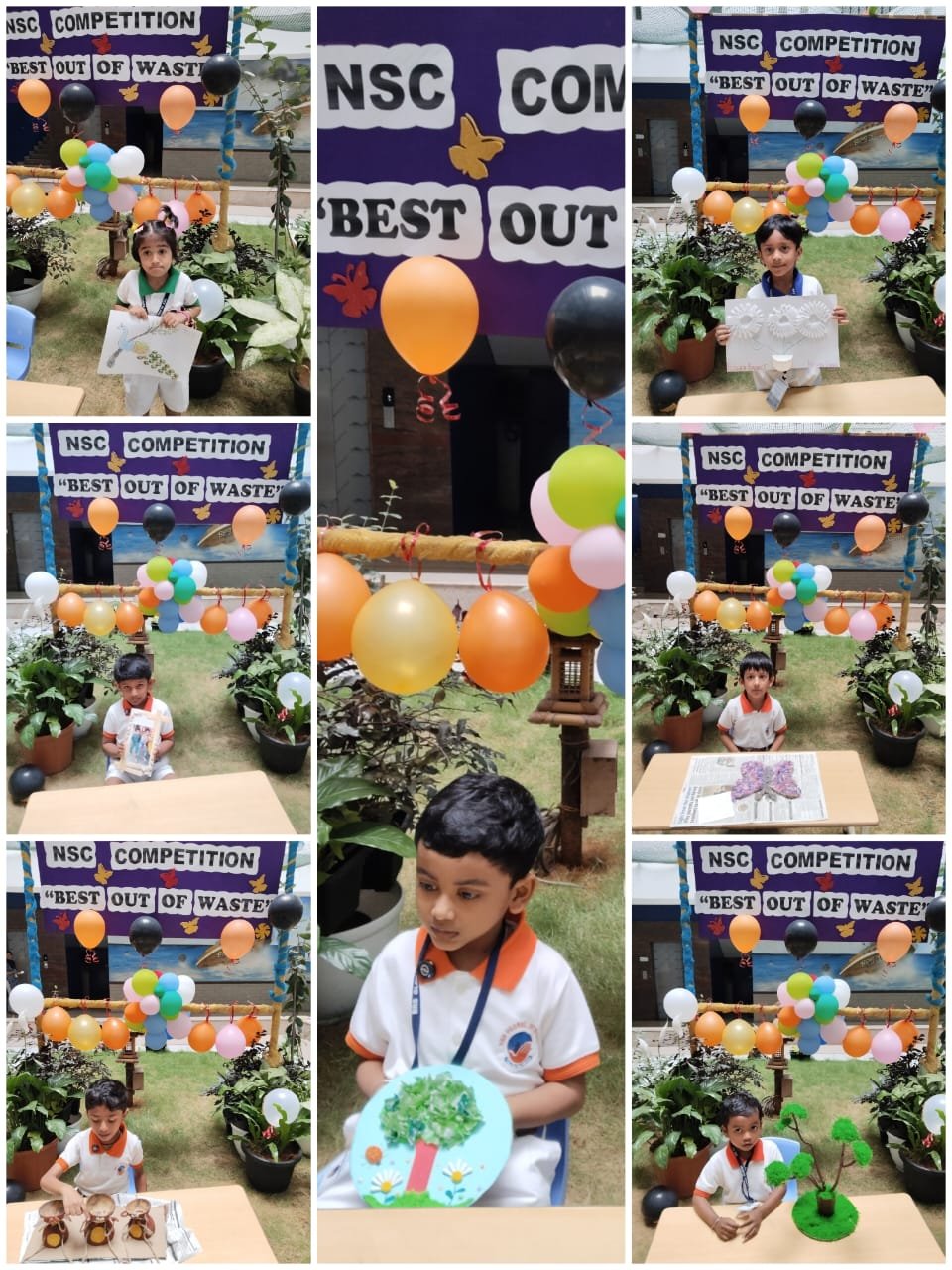
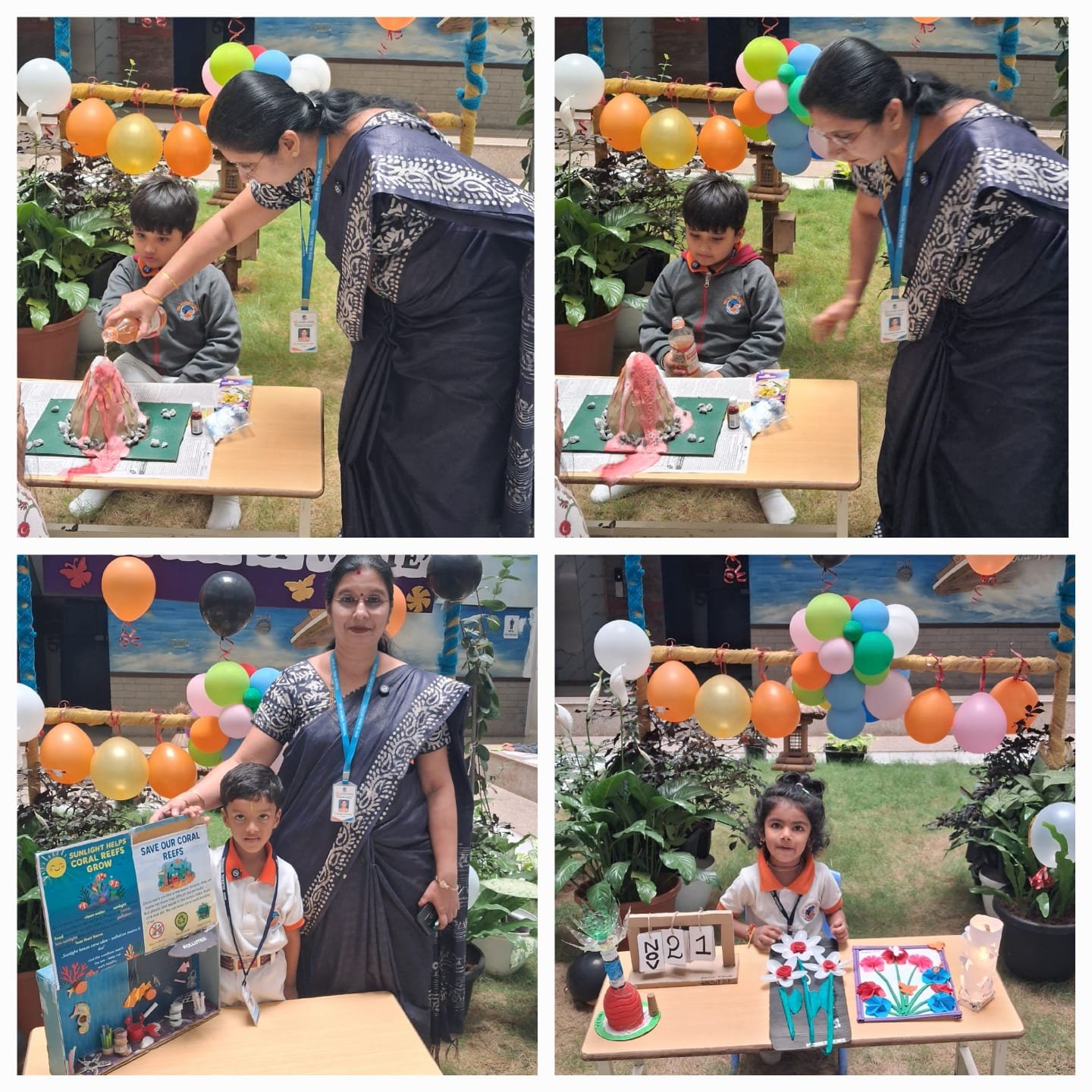
After completing their projects, each child confidently introduced their craft and explained the materials they had used. This interactive presentation helped strengthen communication skills, build self-confidence, and encourage independent thinking from an early age.
For parents searching for schools in Sarjapur Road, CBSE schools in Sarjapur Road,, schools near Sarjapur Road, or best schools in Bellandur, activities like these highlight how experiential learning nurtures creativity, environmental awareness, and holistic child development alongside academic learning.
Parents can explore more about the BRS Global School | Best CBSE School in Sarjapur Road campus, its educational philosophy, and school activities through the official Google Business Profile:
Event Overview
Event: NSC Competition – “Best Out of Waste”
Date: 21 November 2025
Participants: Montessori Students
Venue: BRS Global School – Sarjapur Road Campus
Theme: Reuse the Past, Recycle the Present, Save the Future
Activity: Creative craft-making using recyclable and discarded materials
Materials Used: Paper rolls, bottle caps, cardboard, old magazines, and other reusable items
Crafts Created: Flower pots, pen holders, decorative toys, and creative handmade models
Learning Focus: Environmental awareness, creativity, recycling, communication, and confidence building
Skills Developed: Creative thinking, problem-solving, fine motor skills, presentation skills, language development, and self-expression
Educational Approach: Experiential learning, activity-based education, sustainability awareness, and value-based learning
CBSE & NEP 2020 Alignment: Supports experiential learning, environmental education, creativity, communication, and holistic child development.
What Happened During the Event?
The NSC “Best Out of Waste” Competition transformed the Montessori classrooms into vibrant spaces filled with creativity, imagination, and enthusiastic young learners eager to give new life to everyday waste materials. Guided by the inspiring theme, “Reuse the Past, Recycle the Present, Save the Future,” the activity encouraged children to discover that even the simplest discarded objects can become beautiful and useful creations through innovative thinking.
The session began with an introduction to the importance of reusing and recycling. Teachers explained, in an age-appropriate manner, how reducing waste helps protect the environment and why every individual can contribute to creating a cleaner and greener future. By connecting environmental awareness with practical classroom activities, the children were encouraged to understand sustainability in a way that was meaningful and easy to relate to.
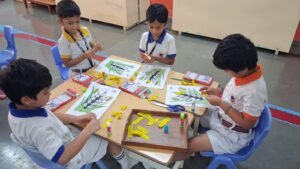
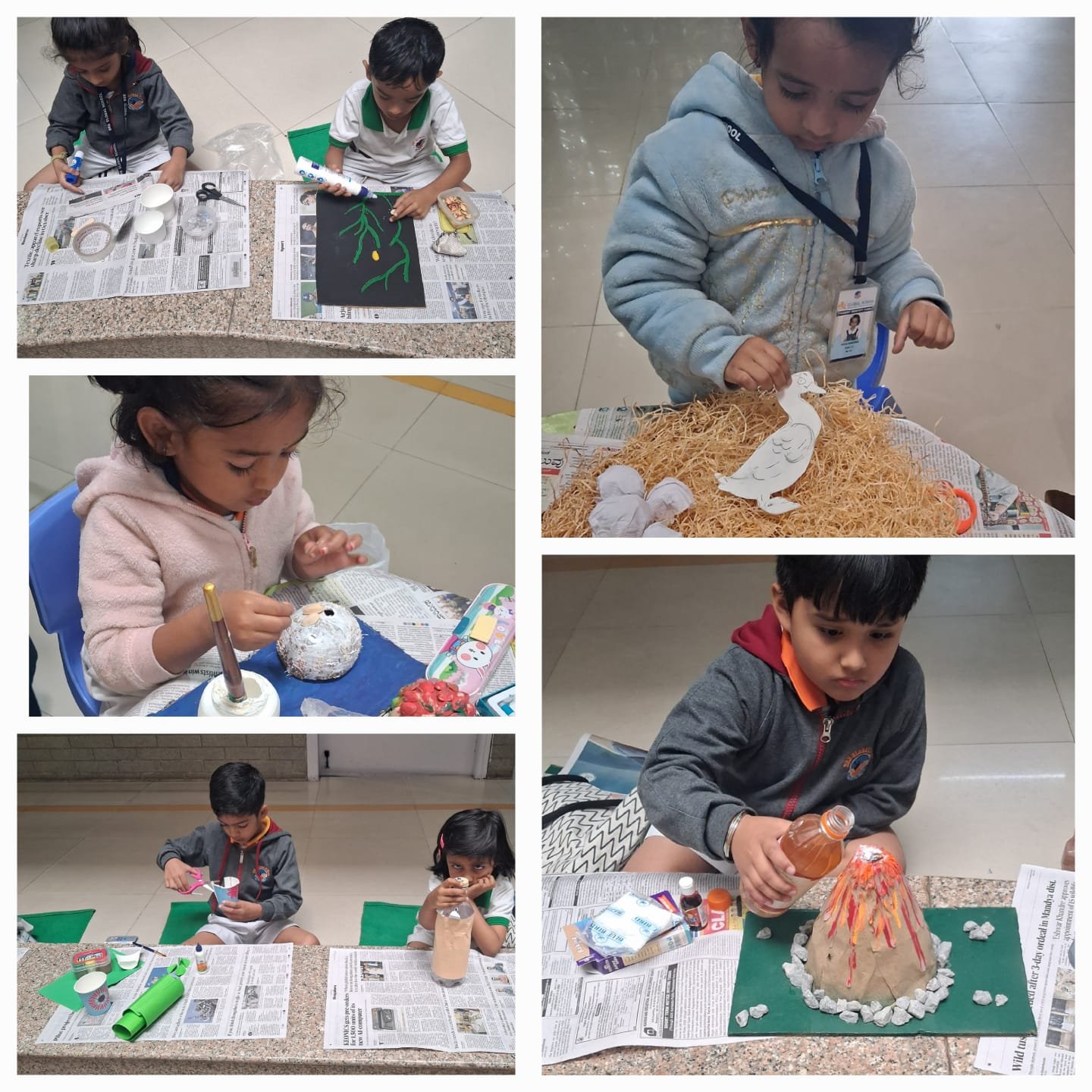
With great enthusiasm, the Montessori students began exploring a variety of recyclable materials such as paper rolls, bottle caps, cardboard pieces, and old magazines. Using these everyday items, they designed colourful flower pots, attractive pen holders, decorative toys, and other imaginative craft models. Each creation reflected the child’s unique creativity, curiosity, and ability to think beyond the conventional use of common household materials.
Throughout the activity, the classroom was filled with excitement as children selected materials, experimented with different ideas, combined colours, and carefully assembled their crafts. Rather than following identical designs, every student was encouraged to create something original, promoting independent thinking and imaginative expression.
The competition also provided valuable opportunities for children to strengthen their fine motor skills. Cutting, folding, pasting, arranging, and decorating various materials required careful hand movements and coordination, helping improve dexterity and precision while making the activity enjoyable and engaging.
One of the most enriching parts of the event came after the craft-making session. Each child proudly presented their completed project before teachers and classmates, speaking a few simple sentences about their creation and explaining the materials they had used. These short presentations encouraged children to organize their thoughts, express themselves clearly, and speak confidently in front of an audience.
This presentation segment transformed the activity from a craft competition into a comprehensive learning experience. It helped students build confidence, improve vocabulary, strengthen communication skills, and develop the ability to explain their ideas logically. Even children who were initially hesitant gradually gained confidence through positive encouragement and appreciation from teachers and peers.
More importantly, the competition instilled a valuable environmental message: waste is not always waste. By creatively reusing everyday materials, children learned that thoughtful choices and innovative thinking can reduce waste while protecting natural resources. These early experiences encourage lifelong habits of environmental responsibility and sustainable living.
The event concluded with smiling faces, beautifully crafted projects, and a sense of accomplishment among every participant. The handcrafted creations were proudly displayed, allowing children to celebrate each other’s creativity while appreciating the diverse ideas that emerged from the same set of recyclable materials.
The NSC “Best Out of Waste” Competition demonstrated that meaningful learning happens when creativity, environmental awareness, communication, and hands-on exploration come together. By integrating sustainability with experiential learning, the activity provided Montessori students with an enjoyable educational experience that nurtured both their imagination and their sense of responsibility toward the world around them.
Student Learning Outcomes & Benefits
The NSC “Best Out of Waste” Competition offered Montessori students far more than an enjoyable craft session. It created an environment where learning happened naturally through exploration, creativity, collaboration, and self-expression. Every activity was carefully designed to help children develop essential life skills while nurturing an early understanding of environmental responsibility.
Creativity and Imagination
Creating crafts from recyclable materials encouraged children to think beyond the conventional use of everyday objects. Paper rolls became flower pots, bottle caps transformed into decorative elements, and cardboard pieces evolved into imaginative models.
Instead of following fixed patterns, students explored their own ideas, experimented with colours and designs, and discovered that creativity often begins with simple materials. Such open-ended learning experiences encourage originality, flexible thinking, and innovation from an early age.
What creative skills did students develop?
Students developed imagination, innovative thinking, creative problem-solving, artistic expression, and the ability to transform ordinary materials into meaningful creations.
Environmental Awareness and Sustainable Thinking
One of the primary objectives of the competition was to introduce children to the concept of sustainability in an age-appropriate and engaging manner.
By using recyclable materials, students learned that many discarded objects can be reused instead of being thrown away. This simple yet meaningful experience helped them understand the importance of reducing waste, protecting natural resources, and making environmentally responsible choices.
These lessons align with the broader goals of environmental education promoted through modern school curricula and encourage children to become responsible global citizens.
Why was recycling introduced through crafts?
Hands-on recycling activities help young children understand sustainability in a practical way. They learn that small everyday actions can contribute to protecting the environment and reducing waste.
Fine Motor Skill Development
Craft-making naturally strengthens fine motor coordination.
Children carefully folded paper, arranged bottle caps, applied glue, cut materials with supervision, and decorated their projects using different textures and colours. These movements enhanced hand-eye coordination, finger strength, and precision, which are essential for writing, drawing, and other classroom activities.
Communication and Language Development
After completing their crafts, every child confidently introduced their project to teachers and classmates.
They explained:
• What they had created
• Which materials they used
• Why they chose their design
• How recyclable materials can be reused
This simple presentation activity encouraged children to organize their thoughts, expand their vocabulary, improve sentence formation, and speak confidently before an audience.
For Montessori learners, such opportunities play an important role in building communication skills naturally through experience rather than memorization.
Confidence and Self-Expression
• Every completed craft represented a child’s individual ideas and effort.
• When students presented their work and received encouragement from teachers and classmates, they experienced a genuine sense of achievement. This positive reinforcement helped them overcome hesitation, develop self-confidence, and feel proud of expressing their creativity.
• Building confidence during the early years lays the foundation for active classroom participation and lifelong learning.
Problem-Solving and Critical Thinking
Creating useful objects from discarded materials requires children to think creatively and make decisions independently.
Students explored questions such as:
• Which materials can be combined?
• How can I make my craft stronger?
• Which colours look attractive together?
• What can I create from this object?
These small decisions strengthen analytical thinking and encourage children to solve problems through experimentation.
Social and Collaborative Learning
Although every child created an individual craft, the classroom atmosphere encouraged collaboration and appreciation.
Students:
• Shared ideas with friends.
• Observed different creative approaches.
• Appreciated one another’s work.
• Learned to celebrate everyone’s unique creativity.
Such experiences strengthen social interaction, empathy, cooperation, and respect for diverse perspectives.
Educational Philosophy & Institutional Value Alignment
At BRS Global School | Best CBSE School in Sarjapur Road, learning extends far beyond textbooks. The school believes that meaningful education should inspire curiosity, creativity, responsibility, and confidence while preparing children for real-life experiences.
The Best Out of Waste Competition reflects this philosophy by integrating multiple dimensions of learning into one engaging classroom activity. Rather than focusing solely on the final craft, the experience emphasized exploration, imagination, environmental awareness, communication, and joyful participation.
The Montessori approach encourages children to learn through observation, hands-on experiences, and self-directed discovery. Activities like these provide opportunities for learners to experiment, make independent choices, and develop confidence in their own abilities.
The competition also reflects the school’s commitment to nurturing values such as:
• Creativity
• Responsibility
• Environmental stewardship
• Independent thinking
• Respect for resources
• Communication
• Confidence
• Collaboration
These qualities contribute to the holistic development of every child and prepare them for future academic and personal success.
How Does This Activity Support CBSE Learning Outcomes?
The activity supports the CBSE philosophy by promoting experiential learning, creativity, communication, environmental awareness, life skills, and holistic development through practical classroom experiences rather than rote learning.
The National Education Policy (NEP 2020) and the CBSE curriculum encourage schools to create learning environments where children actively participate, explore ideas, and develop real-world competencies.
The Best Out of Waste Competition aligns with these educational goals by helping students:
• Learn through doing.
• Connect classroom concepts with everyday life.
• Build communication skills.
• Develop creativity and innovation.
• Strengthen environmental responsibility.
• Improve observation and presentation skills.
• Enhance confidence through active participation.
Experiential learning allows children to retain concepts more effectively because they learn through meaningful experiences rather than passive instruction.
Why Does This Activity Matter for Student Development?
Creative environmental activities help children become confident, responsible, and independent learners while nurturing skills that support both academic success and lifelong personal growth.
The early years are a critical stage for developing habits, attitudes, and values. Activities like the Best Out of Waste Competition encourage children to:
• Think creatively.
• Express ideas confidently.
• Care for the environment.
• Develop problem-solving abilities.
• Work patiently and independently.
• Appreciate the value of sustainability.
These experiences contribute to cognitive, emotional, social, and creative development simultaneously, making learning enjoyable as well as meaningful.
Local Context Relevance
Families living along Sarjapur Road increasingly seek schools that combine academic excellence with meaningful experiential learning. Activities such as the Best Out of Waste Competition demonstrate how classroom experiences can nurture creativity, environmental responsibility, and confidence from an early age.
Located in Kasavanahalli, BRS Global School – Sarjapur Road is conveniently accessible for families residing in Bellandur, HSR Layout, Harlur, Kaikondrahalli, Carmelaram, Dommasandra, Gunjur, Varthur, Marathahalli, Kodathi, Choodasandra, Rayasandra, Doddakannelli, Mullur, Junnasandra, Hosa Road, and surrounding neighbourhoods. The campus is also well connected to major IT hubs, making it a practical choice for working professionals employed in RMZ Ecoworld, Embassy TechVillage, RGA Tech Park, Wipro Campus, Prestige Tech Park, and the Electronic City IT Corridor.
Parents exploring schools in Sarjapur Road, CBSE schools in Sarjapur Road, schools near Sarjapur Road, schools in Bellandur, or best CBSE schools in Bangalore near Sarjapur Road often look for institutions that balance academics with creativity, values, and holistic development. Events like this reflect that commitment by integrating environmental education with joyful, hands-on learning experiences.
For families in Attibele, another branch of BRS Global School, Sarjapur Road also offers quality learning opportunities. However, this event was conducted specifically at the Sarjapur Road campus.
To know more about the Sarjapur Road campus and its activities, parents can visit the official Google Business Profile:
Common Parent Questions
How does the Best Out of Waste Competition support CBSE learning?
The competition supports CBSE’s experiential learning approach by combining creativity, environmental awareness, communication, and life skills through engaging hands-on activities.
How does this activity improve children’s confidence?
Every child presents their own craft before teachers and classmates. Speaking about their work builds confidence, improves vocabulary, strengthens communication skills, and encourages self-expression.
What skills were developed during the activity?
Students developed:
• Creative thinking
• Environmental awareness
• Fine motor skills
• Communication skills
• Presentation skills
• Confidence
• Problem-solving ability
• Observation skills
• Imagination
• Independent thinking
Why should parents value activities like this?
Hands-on learning activities help children become curious, confident, responsible, and creative learners. They connect classroom concepts with real-life experiences, making learning more meaningful and memorable.
Key Highlights
• Montessori students enthusiastically participated in the NSC Best Out of Waste Competition.
• Children created useful crafts using recyclable materials such as paper rolls, cardboard, bottle caps, and old magazines.
• The activity promoted environmental awareness and sustainable living.
• Students showcased creativity by designing flower pots, pen holders, decorative toys, and imaginative craft models.
• Each child confidently presented their project, strengthening communication and presentation skills.
• The competition encouraged independent thinking, innovation, and problem-solving.
• Fine motor skills were enhanced through cutting, folding, decorating, and assembling craft materials.
• Teachers encouraged every child to express ideas confidently in a supportive environment.
• The activity aligned with CBSE experiential learning principles and the vision of NEP 2020.
• Students concluded the event with increased confidence, creativity, and a deeper appreciation for recycling and environmental responsibility.
Frequently Asked Questions (FAQs)
What was the objective of the NSC “Best Out of Waste” Competition?
The primary objective was to help Montessori students understand the importance of reusing and recycling materials while developing creativity, confidence, communication skills, and environmental awareness through experiential learning.
What materials did the children use during the activity?
Students used safe and recyclable materials such as:
• Paper rolls
• Bottle caps
• Cardboard
• Old magazines
• Other reusable craft materials
These everyday items were transformed into creative and useful handmade projects.
What skills did students develop through this activity?
The competition helped students develop:
• Creativity and imagination
• Environmental awareness
• Fine motor skills
• Communication skills
• Presentation skills
• Problem-solving abilities
• Confidence
• Independent thinking
• Self-expression
How does this activity support CBSE learning?
The activity aligns with the CBSE approach to experiential learning by encouraging students to learn through observation, creativity, practical application, communication, and collaboration rather than rote memorization. It also supports the vision of NEP 2020 by promoting holistic development and competency-based learning.
Why is environmental education introduced at the Montessori level?
Early exposure to environmental education helps children develop responsible habits from a young age. Activities like recycling crafts encourage students to appreciate natural resources, reduce waste, and understand how their daily actions can contribute to a cleaner and more sustainable future.
Why are presentation activities included after craft-making?
Presenting their projects allows children to express their ideas, explain their creative process, and build confidence in public speaking. It also strengthens vocabulary, language development, listening skills, and communication abilities.
Who benefits most from activities like the Best Out of Waste Competition?
Such activities are especially beneficial for Montessori and early primary students, as they support cognitive, social, emotional, creative, and language development while fostering curiosity, confidence, and lifelong environmental responsibility.
Conclusion
The NSC “Best Out of Waste” Competition beautifully demonstrated that meaningful education begins with curiosity, creativity, and hands-on experiences. By transforming everyday recyclable materials into imaginative crafts, Montessori students discovered that learning can be both enjoyable and purposeful.
Beyond creating colourful flower pots, pen holders, and decorative toys, the children developed valuable life skills including creative thinking, communication, confidence, problem-solving, and environmental responsibility. Their enthusiastic participation reflected the power of experiential learning in making classroom concepts meaningful and memorable.
At BRS Global School | Best CBSE School in Sarjapur Road, activities like these reinforce the belief that education should nurture not only academic excellence but also responsible citizenship, innovation, and character development. Through thoughtfully designed experiences, young learners are encouraged to become confident individuals who care for both their community and the environment.
For families searching for schools in Sarjapur Road, CBSE schools in Sarjapur Road, schools near Sarjapur Road, or best CBSE schools in Bangalore near Sarjapur Road, such experiential learning opportunities showcase the school’s commitment to holistic child development.
If you would like your child to experience joyful, activity-based learning that nurtures creativity, confidence, communication, and environmental responsibility alongside academic excellence, explore the Montessori programme at BRS Global School, Sarjapur Road. Discover how experiential learning helps every child grow into a confident and responsible lifelong learner by visiting our campus or exploring our official Google Business Profile:
Sarjapur Road Campus GMB:
https://share.google/2oEno2EtFtY7eyP2B
Another BRS Global School Branch – Attibele: