
Empowering Learner-Centred English Classrooms at BRS Global School Attibele
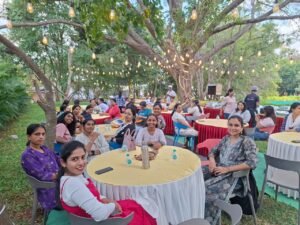
At BRS Global School | Pre-school, Primary School & High School | Attibele, continuous teacher learning is an important part of delivering meaningful, future-ready education. The English faculty recently attended an enriching professional development workshop organised by Cambridge University Press & Assessment on 29 July 2026 at Chancery Pavilion, Bengaluru.
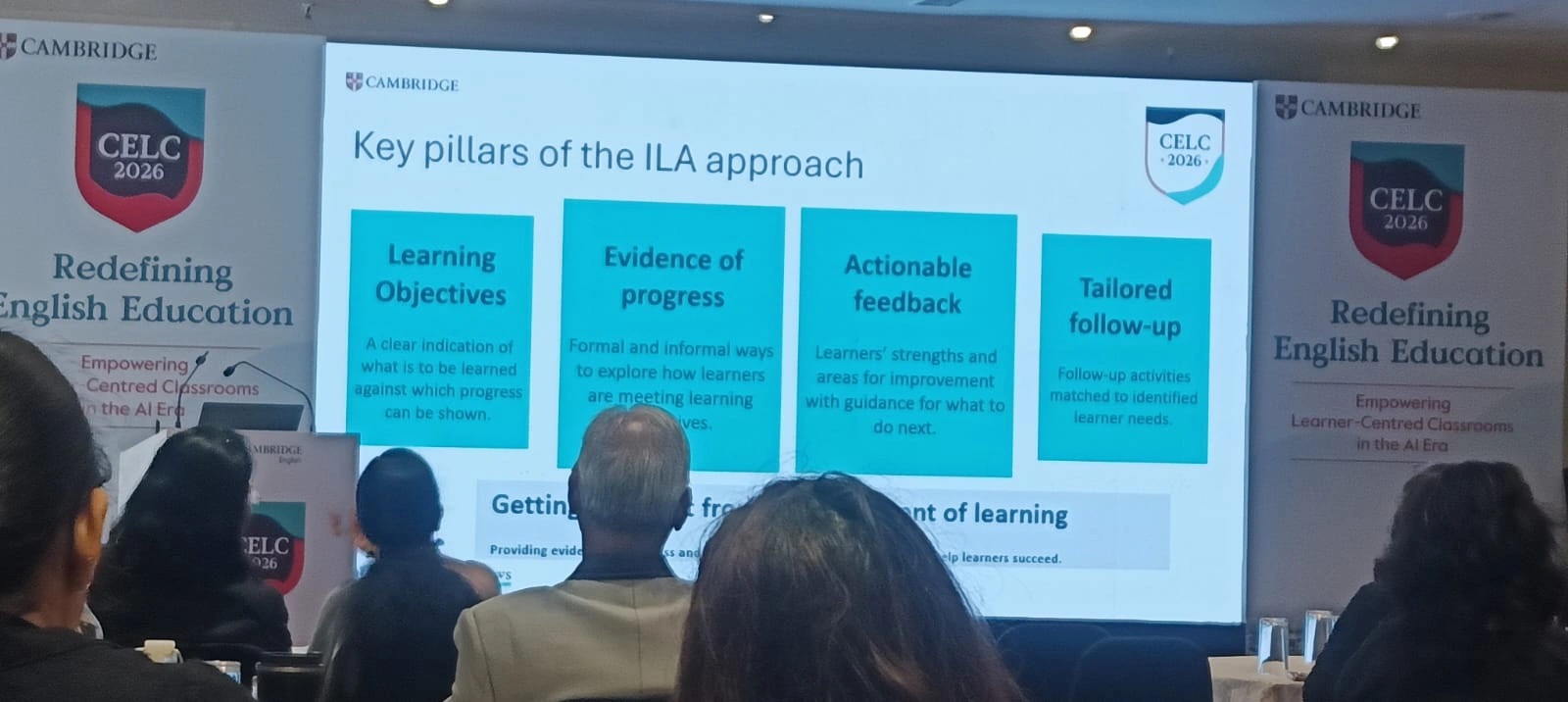
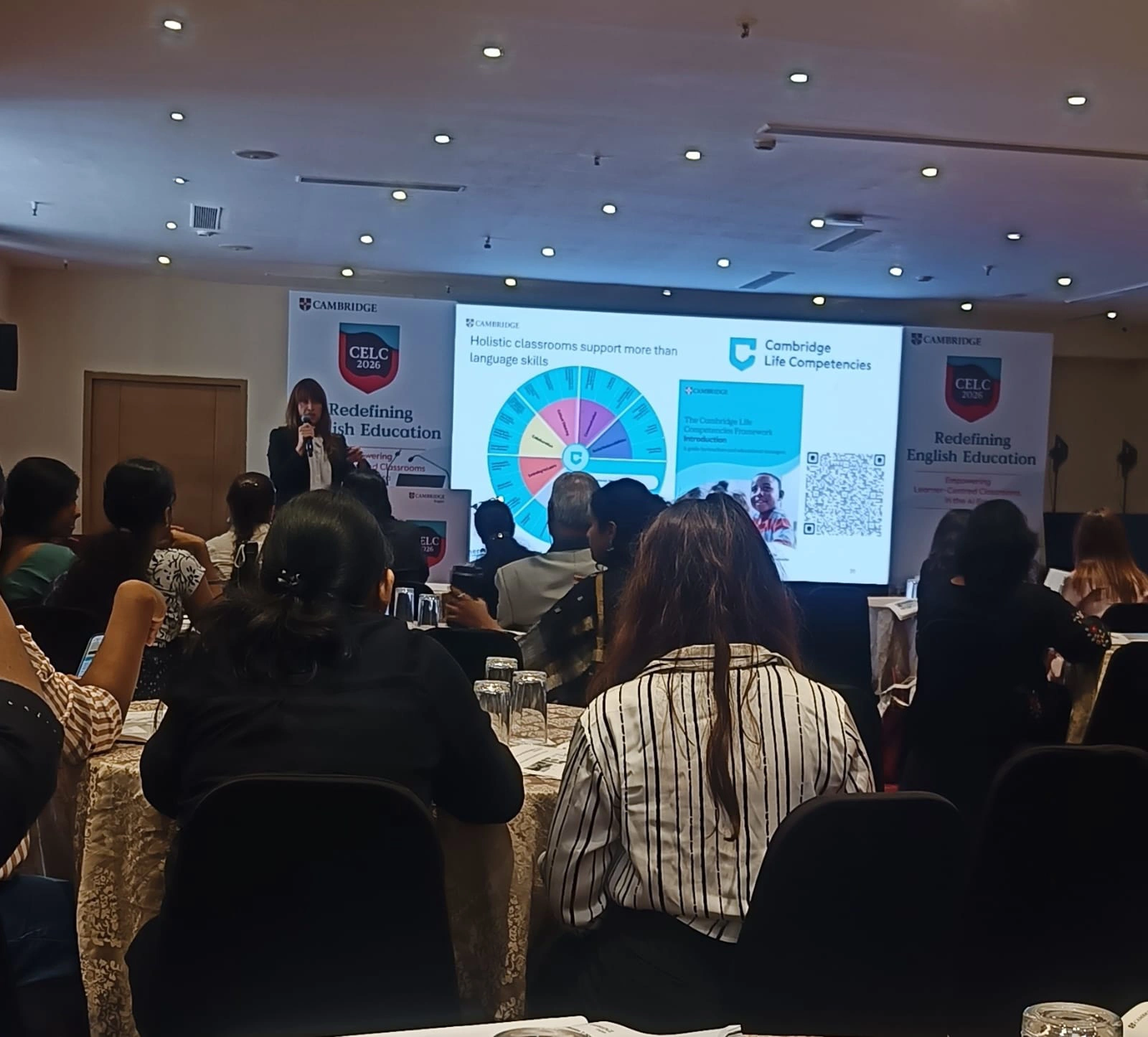
The workshop, titled “Redefining English Education: Empowering Learner-Centred Classrooms in the AI Era,” was conducted by Helen Kenyon, Product Manager for Schools English at Cambridge University Press & Assessment. The session offered valuable insights into how English teaching can remain creative, engaging, student-centred, and academically strong in a rapidly changing digital world.
For families looking for CBSE schools in Attibele, meaningful teacher development is an important indicator of a school’s commitment to quality education. At BRS Global School Attibele, professional learning helps teachers bring updated ideas, effective classroom strategies, and improved learning experiences to students.
What Happened During the Cambridge Workshop?
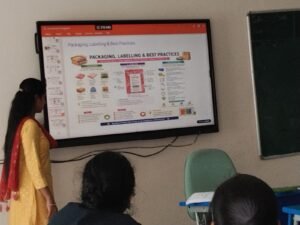
The workshop focused on the Cambridge English programme and explored innovative approaches to learner-centred English language teaching. Through interactive discussions, practical activities, and professional reflection, teachers examined ways to make English classrooms more engaging and responsive to the needs of modern learners.
A major focus of the session was the thoughtful integration of Artificial Intelligence into education. The workshop highlighted that AI can support teaching and learning when used responsibly, while the essential human elements of education-creativity, communication, critical thinking, empathy, collaboration, and teacher guidance-continue to remain central.
The English faculty also had opportunities to exchange ideas, reflect on classroom practices, and explore practical strategies that can support stronger student participation and improved learning outcomes.
What Did Teachers Learn About English Education in the AI Era?
The workshop reinforced the importance of placing students at the centre of the learning process. Learner-centred education encourages students to participate actively, ask questions, express ideas, solve problems, collaborate with others, and take greater responsibility for their learning.
The key areas explored included:
• Learner-centred English teaching strategies
• Thoughtful and responsible use of AI in education
• Critical thinking and analytical skills
• Creativity and original expression
• Communication and language confidence
• Collaboration and teamwork
• Independent learning
• Practical and effective assessment methods
• Reflective teaching practices
• Meaningful student engagement
These approaches can help students develop not only stronger English language skills but also the confidence and competencies needed to communicate effectively in an increasingly connected world.
A Proud Recognition for BRS Global School
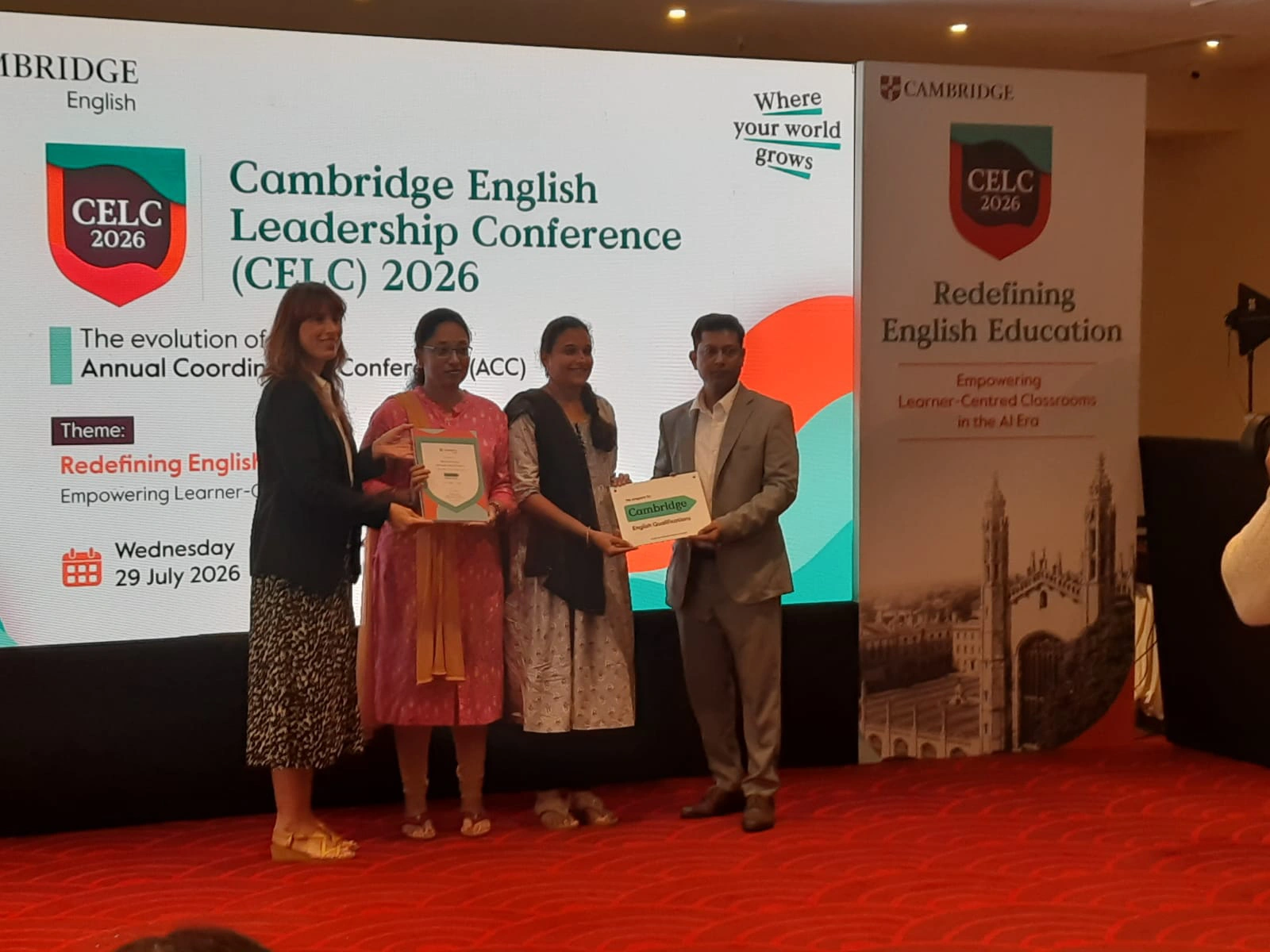
A special highlight of the event was the recognition received by BRS Global School from Cambridge University Press & Assessment for the outstanding achievement of having more than 100 students participate in Cambridge examinations during the academic year 2025–26.
This recognition reflects the school’s continued efforts to provide high-quality English education and meaningfully integrate the Cambridge English programme alongside its regular curriculum.
For parents, such participation provides students with opportunities to strengthen their English language abilities, develop confidence, understand international assessment standards, and apply their learning in structured and meaningful ways.
How Does Teacher Professional Development Benefit Students?
Teacher professional development directly contributes to better classroom experiences. When teachers participate in workshops, academic programmes, and professional learning opportunities, they gain new perspectives and practical methods that can support improved student engagement.
At BRS Global School Attibele, the learning from this Cambridge workshop will help strengthen classroom practices by encouraging:
- • More active student participation
- • Engaging and meaningful English lessons
- • Improved communication skills
- • Greater confidence in speaking and expressing ideas
- • Opportunities for creative and critical thinking
- • Collaborative learning experiences
- • Independent learning habits
- • Effective assessment and constructive feedback
Key takeaway: Teacher learning strengthens student learning. Updated teaching practices can help create classrooms where students are active participants rather than passive recipients of information.
How Does the Workshop Support CBSE Learning?
Although the workshop focused on the Cambridge English programme, the strategies discussed complement the broader goals of CBSE education by supporting competency-based learning, communication, critical thinking, creativity, collaboration, and application of knowledge.
Modern education is not limited to remembering information. Students are increasingly expected to understand concepts, communicate clearly, analyse situations, apply learning, and solve problems. Learner-centred teaching supports these outcomes by encouraging students to participate actively and develop deeper understanding.
The workshop also supports the school’s commitment to creating learning experiences that are academically meaningful, skill-oriented, and relevant to the changing needs of students.
Why Does Learner-Centred English Education Matter?
Learner-centred English education encourages students to engage with language actively. Instead of focusing only on textbooks and written exercises, students are encouraged to listen, speak, read, write, discuss, reflect, collaborate, and express their ideas.
This approach can help students develop:
- • Stronger vocabulary and language understanding
- • Better speaking and listening skills
- • Confidence in communication
- • Creativity in writing and expression
- • Critical and analytical thinking
- • Collaboration and social skills
- • Independent learning habits
- • Confidence to participate in academic and real-world conversations
English language education becomes more meaningful when students are given opportunities to use the language purposefully and confidently.
How Does BRS Global School Attibele Support Holistic Development?
BRS Global School Attibele offers a learning environment that combines academic excellence with holistic student development. Along with strong academic foundations, the school emphasises experiential learning, leadership opportunities, sports, arts, life skills, communication, confidence-building, values, and character development.
The Cambridge Workshop reflects the school’s belief that student growth begins with continuous improvement in teaching. By encouraging teachers to participate in professional development programmes, the school strengthens its ability to provide relevant, engaging, and future-ready learning experiences.
The school’s focus is not only on academic achievement but also on helping students become confident, responsible, creative, compassionate, and capable individuals.
Why Is BRS Global School Attibele Convenient for Working Parents?
BRS Global School Attibele is strategically located on the Attibele–Sarjapur Road corridor, making it accessible to families living and working across the rapidly developing areas of South-East Bengaluru.
The campus is conveniently connected to:
- • Attibele and Attibelle
- • Bidaraguppe
- • Anekal
- • Chandapura
- • Sarjapur Road and Sarjapura
- • Dommasandra
- • Bommasandra
- • Jigani
- • Electronic City
- • Sompura
- • Hosur Road
- • Hosur Toll
- • Chikka Tirupati Road
- • Marasuru
- • Edavanahalli
- • SIPCOT Industrial Area
- • Jujuvadi
- • Govinda Agrahara
- • Mukandapalli
The location is particularly convenient for working professionals, business owners, entrepreneurs, and employees connected with the Attibele Industrial Area, Bommasandra Industrial Area, Jigani Industrial Estate, Electronic City, Hosur Industrial Corridor, Wipro, Siemens, Harita IT Park, and nearby employment hubs.
Families living in apartments, villas, gated communities, and emerging residential neighbourhoods along the Attibele–Sarjapur educational corridor can benefit from the campus’s accessible location and comprehensive educational environment.
Why Should Parents Value Teacher Learning Programmes?
Parents can view teacher professional development as an important part of educational quality. A school that encourages teachers to learn continuously is better positioned to adapt to educational developments, strengthen classroom practices, and respond to the changing needs of students.
The Cambridge Workshop provided the English faculty with opportunities to:
- • Learn from education specialists
- • Explore current teaching approaches
- • Reflect on classroom practices
- • Share ideas with other educators
- • Understand responsible AI integration
- • Develop practical strategies for student engagement
- • Strengthen teaching and assessment methods
These experiences contribute to a culture of continuous improvement and academic growth.
Common Parent Questions
How does this workshop improve my child’s English learning?
The workshop provided teachers with learner-centred strategies that can make English lessons more interactive, meaningful, and engaging. Students may benefit through improved communication, creativity, critical thinking, collaboration, and independent learning.
Will AI replace teachers in English classrooms?
No. The workshop emphasised the thoughtful use of AI as a supportive educational tool while recognising that teachers remain essential for guidance, human connection, feedback, values, creativity, and personalised learning.
How does learner-centred teaching improve student confidence?
Learner-centred classrooms encourage students to participate, communicate, ask questions, share ideas, collaborate, and take responsibility for their learning. These experiences can gradually strengthen confidence and communication skills.
Does the Cambridge programme support the regular school curriculum?
Yes. The Cambridge English programme can complement regular academic learning by supporting language proficiency, communication, critical thinking, and internationally recognised assessment experiences.
Which students benefit from learner-centred English education?
Students across different learning levels can benefit because learner-centred teaching encourages active participation, practical language use, collaboration, creativity, and opportunities for independent learning.
Key Highlights
• Cambridge professional development workshop held on 29 July 2026
• Venue: Chancery Pavilion, Bengaluru
• Theme: “Redefining English Education: Empowering Learner-Centred Classrooms in the AI Era”
• Conducted by Helen Kenyon, Product Manager for Schools English, Cambridge University Press & Assessment
• Focus on learner-centred English teaching
• Practical exploration of responsible AI integration
• Emphasis on critical thinking, creativity, communication, collaboration, and independent learning
• Professional exchange and reflection among educators
• Recognition for BRS Global School for having more than 100 students participate in Cambridge examinations during 2025–26
• Continued commitment to teacher development and academic excellence
Frequently Asked Questions (FAQs)
When was the Cambridge Workshop attended by BRS Global School teachers?
The English faculty attended the Cambridge professional development workshop on 29 July 2026 at Chancery Pavilion, Bengaluru.
What was the theme of the Cambridge Workshop?
The theme was “Redefining English Education: Empowering Learner-Centred Classrooms in the AI Era.”
Who conducted the Cambridge Workshop?
The workshop was conducted by Helen Kenyon, Product Manager for Schools English at Cambridge University Press & Assessment.
What were the main learning areas covered?
The workshop explored learner-centred teaching, responsible AI integration, critical thinking, creativity, communication, collaboration, independent learning, and effective assessment practices.
How does teacher training benefit students?
Teacher training helps educators improve their knowledge and classroom practices. Students can benefit from more engaging lessons, meaningful activities, improved feedback, and stronger learning experiences.
How many BRS Global School students participated in Cambridge examinations?
More than 100 students Why is learner-centred English education important?
Learner-centred English education encourages students to participate actively, communicate confidently, think critically, collaborate, express ideas creatively, and become more independent learners.
Building Future-Ready Learning Through Continuous Teacher Development
The Cambridge Workshop was a valuable professional learning experience for the English faculty of BRS Global School. The knowledge, ideas, and practical strategies gained from the programme will support the continued development of engaging, learner-centred, and future-ready English classrooms.
At BRS Global School | Pre-school, Primary School & High School | Attibele, continuous improvement is part of the school’s commitment to academic quality and holistic education. By investing in teacher learning, the school strengthens its ability to provide students with meaningful educational experiences that support knowledge, confidence, communication, creativity, values, and lifelong learning.
Parents seeking a quality learning environment in the Attibele–Sarjapur educational corridor are welcome to explore the school, learn more about its academic approach, and connect with the Attibele campus.
Explore BRS Global School Attibele on Google: https://share.google/iFhJaeGo8wkgOZ1Y5
Learn more about BRS Global School Attibele: https://brsglobalschool.edu.in/best-schools-in-attibele
Explore CBSE education at the Attibele campus: https://brsglobalschool.edu.in/cbse-schools-in-attibele
Discover the school’s accessibility from Anekal: https://brsglobalschool.edu.in/schools-in-anekal
Explore schools near Chandapura: https://brsglobalschool.edu.in/schools-in-chandapura
Learn about schools near Sarjapur Road: https://brsglobalschool.edu.in/schools-in-sarjapur-road
Another BRS Global School Branch
BRS Global School also has another branch on Sarjapur Road, serving families from Bellandur, HSR Layout, Harlur, Haralur Road, Koramangala, Dommasandra, Gunjur, Varthur, Kaikondrahalli, Kasavanahalli, Carmelaram, Rayasandra, Kudlu Gate, Doddakannelli, Marathahalli, and nearby residential communities.
Explore BRS Global School | Best CBSE School in Sarjapur Road on Google: