
In today’s evolving educational landscape, learning extends far beyond textbooks and examinations. Students are increasingly encouraged to participate in activities that foster creativity, leadership and interpersonal skills. This raises an important question for students and parents alike: how do co curricular activities influence a student’s future?
Co-curricular activities are structured programs that complement academic learning. They include sports, arts, music, debate, drama, and various club-based initiatives. While academics build theoretical knowledge, these activities contribute significantly to personal development, preparing students for real-world challenges.
This article explores the long-term impact of co curricular activities on a student’s academic journey, personality development and career readiness.
Understanding Co-Curricular Activities in Education
Co curricular activities refer to organized pursuits that take place alongside formal academic instruction. These activities are not merely optional add-ons but are increasingly recognized as integral to holistic education.
Examples include:
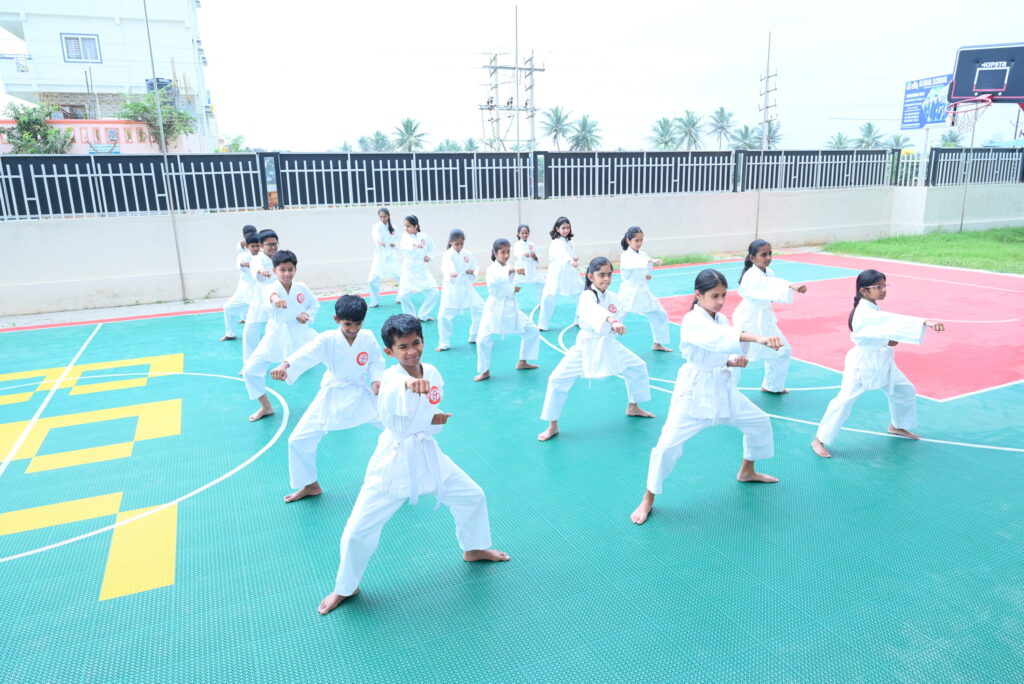
- Sports and physical education
- Music, dance, and performing arts
- Debate, public speaking, and literary clubs
- Science exhibitions and innovation projects
- Community service and social initiatives
Educational institutions that emphasize holistic development often integrate such activities into their curriculum. Many parents evaluating schools in Sarjapur Road consider this balance between academics and extracurricular engagement an important factor in school selection.
Development of Essential Life Skills
One of the most significant ways co curricular activities influence the future is through skill development.
Communication Skills
Activities such as debates, drama and presentations improve verbal expression and confidence. Students learn how to articulate ideas clearly and engage with different audiences.
Leadership and Teamwork
Participation in group activities, sports teams and clubs teaches students how to collaborate, lead and manage responsibilities effectively.
Time Management
Balancing academics with activities helps students learn how to prioritize tasks and manage time efficiently—an essential skill in higher education and professional life.
Enhancing Academic Performance
Contrary to the belief that activities distract from studies, research indicates that co curricular activities can enhance academic performance.
Students involved in structured activities often demonstrate:
- Better concentration and focus
- Improved memory and cognitive skills
- Greater motivation toward learning
The discipline required to participate in activities often translates into better study habits.
Schools that maintain a balanced approach, such as BRS Global School, one of the best schools in Sarjapur Road, typically designs schedules that allow students to excel academically while actively participating in co-curricular programs.
Building Confidence and Self-Esteem
Confidence plays a critical role in shaping a student’s future. Co curricular activities provide opportunities for students to:
- Perform on stage
- Participate in competitions
- Take initiative in group settings
These experiences help students overcome stage fear, build self-esteem and develop a positive self-image.
For many students, achievements in sports, arts or leadership roles become defining moments that influence their future aspirations.
Exposure to Diverse Interests and Talents
Every student has unique strengths and interests that may not always emerge through academic subjects alone. Co curricular activities provide a platform to explore these interests.
Students may discover talents in:
- Music and performing arts
- Sports and athletics
- Writing and public speaking
- Technology and innovation
Such exposure allows students to make informed decisions about their future academic and career paths.
Parents exploring schools in Attibele often prioritize institutions that offer diverse activity options, ensuring that students can explore multiple interests.
Preparation for Future Careers
In the modern job market, employers increasingly value skills beyond academic qualifications. Participation in co curricular activities helps students develop competencies that are highly relevant in professional environments.
Problem-Solving Skills
Activities such as science projects and competitions encourage analytical thinking and innovation.
Adaptability
Students learn to handle different situations, adapt to challenges and think critically.
Networking and Collaboration
Group activities expose students to teamwork and interpersonal dynamics, which are essential in any workplace.
These experiences contribute to a well-rounded profile, which is beneficial for college admissions and future job opportunities.
Promoting Physical and Mental Well-Being
Physical activities such as sports play a vital role in maintaining overall health. Regular participation helps students:
- Stay physically active
- Reduce stress and anxiety
- Improve concentration and emotional balance
Similarly, creative activities like music and art provide emotional expression, which supports mental well-being.
Institutions that emphasize student wellness, including schools in Chandapura, often integrate physical education and creative programs into their daily routine.
Encouraging Social Responsibility
Many co curricular activities involve community service and social initiatives. These experiences help students:
- Understand societal challenges
- Develop empathy and compassion
- Build a sense of responsibility towards the community
Such exposure shapes students into socially aware individuals who contribute positively to society.
Role of Schools in Promoting Co-Curricular Activities
Schools play a crucial role in ensuring that co-curricular activities are meaningful and accessible to all students.
Key responsibilities include:
- Providing diverse activity options
- Ensuring equal participation opportunities
- Offering trained instructors and mentors
- Encouraging student participation without academic pressure
A well-structured school environment ensures that students can benefit from both academic learning and co-curricular engagement.
Balancing Academics and Activities
While co curricular activities are important, maintaining balance is essential. Students should be encouraged to:
- Prioritize academic responsibilities
- Choose activities based on interest rather than pressure
- Avoid overcommitment
Guidance from parents and educators helps students maintain a healthy balance between studies and activities.
Long-Term Impact on Personal Development
The influence of co curricular activities extends well beyond school years. Students who actively participate in such activities often demonstrate:
- Greater confidence in higher education settings
- Better adaptability in professional environments
- Strong interpersonal and leadership skills
- A well-rounded personality
These attributes contribute significantly to long-term success, regardless of the career path chosen.
Conclusion
The importance of co curricular activities in shaping a student’s future cannot be overstated. While academic knowledge provides the foundation, these activities build essential life skills, confidence, and real-world readiness.
From enhancing communication and leadership abilities to promoting physical and mental well-being, co-curricular engagement plays a vital role in holistic development. It prepares students not just for examinations, but for life beyond the classroom.
For students and parents making educational choices, it is important to consider institutions that offer a balanced approach—where academic excellence and co-curricular participation go hand in hand. Such an environment ensures that students grow into capable, confident, and responsible individuals.
FAQs
1. What are co curricular activities?
Co curricular activities are structured programs such as sports, arts, and clubs that complement academic learning and support overall development.
2. How do co curricular activities help students in the future?
They develop essential skills like communication, leadership, teamwork, and time management, which are important for higher education and careers.
3. Do co curricular activities affect academic performance?
Yes, positively. They improve concentration, discipline, and motivation, which can enhance academic outcomes.
4. Can co curricular activities influence career choices?
Yes. They help students discover interests and talents, which can guide future academic and career decisions.
5. How can students balance academics and co curricular activities?
By managing time effectively, setting priorities, and choosing activities based on genuine interest rather than external pressure.