

In today’s fast-paced, digital-first world, nurturing the habit of reading in children has become more important than ever. Reading is not only a fundamental academic skill but also a lifelong habit that shapes a child’s intellectual growth, creativity and emotional understanding. However, developing this habit does not happen automatically—it requires consistent encouragement, guidance and involvement from parents.
Children are naturally curious learners, and when parents actively support their reading journey, it significantly influences their interest in books and learning. This article explores the crucial role parents play in cultivating the habit of reading, along with practical strategies to make reading an enjoyable and meaningful part of a child’s daily life.
Why the Habit of Reading Is Important for Children
The habit of reading contributes to a child’s overall development in multiple ways. It strengthens language skills, enhances concentration and improves academic performance. Beyond academics, reading helps children understand different perspectives, cultures and ideas.
Key benefits of developing reading habits include:
- Improved vocabulary and communication skills
- Enhanced imagination and creativity
- Better focus and cognitive development
- Stronger academic performance across subjects
- Emotional intelligence and empathy development
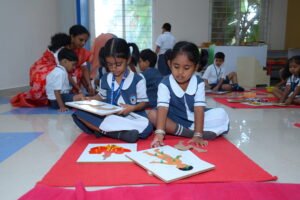
Educational institutions like BRS Global School emphasize on holistic development and often encourage reading as a core learning practice. Many parents exploring schools in Bangalore consider institutions that actively promote reading through libraries, reading programs and literary activities.
Creating a Reading-Friendly Environment at Home
One of the most effective ways to develop the habit of reading is by creating a supportive environment at home.
Build a Home Library
Having access to books is essential. Parents can create a small reading space with:
- Age-appropriate storybooks
- Educational books
- Magazines and illustrated content
- Books across different genres
A visually inviting and accessible collection encourages children to pick up books more often.
Limit Screen Time
While digital devices are part of modern life, excessive screen time can reduce interest in reading. Setting balanced limits helps children allocate time for books.
Make Reading a Daily Routine
Consistency is key. Even 15–20 minutes of reading every day can help build a strong habit over time.
Leading by Example: The Parent’s Influence
Children often imitate the behavior of adults around them. When parents demonstrate their own reading habits, children are more likely to adopt similar practices.
Simple actions such as:
- Reading books, newspapers, or articles regularly
- Discussing what they read
- Sharing interesting stories
can create a culture of reading within the household.
Parents who actively participate in reading activities show children that reading is both valuable and enjoyable.
Reading Together: Building Interest and Bonding
Reading together is one of the most effective ways to encourage the habit of reading, especially in younger children.
Benefits of Reading Together
- Strengthens parent-child bonding
- Improves listening and comprehension skills
- Builds early literacy skills
- Encourages curiosity and questioning
Parents can make reading interactive by:
- Asking questions about the story
- Encouraging children to predict what happens next
- Discussing characters and lessons
This interactive approach transforms reading from a passive activity into an engaging experience.
Choosing the Right Books for Different Age Groups
Selecting appropriate reading material plays a crucial role in maintaining a child’s interest.
For Younger Children
- Picture books
- Short stories with illustrations
- Rhyming books
For Middle School Students
- Adventure stories
- Fantasy and fiction
- Informative books on science and history
For Teenagers
- Novels and biographies
- Subject-specific reading materials
- Books that align with their interests and aspirations
Parents should consider the child’s interests, reading level and curiosity when selecting books.
Encouraging Independent Reading
As children grow older, it is important to gradually encourage independent reading.
Parents can:
- Allow children to choose their own books
- Set personal reading goals
- Encourage maintaining a reading journal
- Celebrate milestones such as completing a book
Independence fosters responsibility and helps sustain the habit of reading in the long term.
The Role of Schools in Supporting Reading Habits
While parents play a foundational role, schools also contribute significantly to developing reading habits.
Many best schools in Bangalore like BRS Global School integrate structured reading programs, library sessions and literary activities into their curriculum. These initiatives expose students to diverse reading materials and encourage consistent engagement.
Similarly, top schools in Bangalore often organize storytelling sessions, book fairs and reading competitions to make reading more interactive and enjoyable.
Parents seeking quality education environments frequently consider best CBSE schools in Bangalore that emphasize both academic excellence and life skills such as reading and communication.
Using Technology to Support Reading
Technology, when used appropriately, can support the habit of reading rather than hinder it.
Examples include:
- E-books and audiobooks
- Educational reading apps
- Digital libraries
These tools can be particularly useful for reluctant readers, as they offer interactive and engaging formats. However, it is important to maintain a balance between digital and traditional reading methods.
Overcoming Common Challenges
Many parents face challenges when trying to develop reading habits in children.
Lack of Interest
Solution: Introduce books based on the child’s hobbies and interests.
Short Attention Span
Solution: Start with short reading sessions and gradually increase duration.
Preference for Screens
Solution: Combine digital reading tools with physical books to maintain engagement.
Busy Schedules
Solution: Set a fixed reading time, such as before bedtime.
Patience and consistency are essential in overcoming these challenges.
Encouraging Discussion and Critical Thinking
Reading should not end with finishing a book. Encouraging discussions helps deepen understanding and critical thinking.
Parents can ask questions like:
- What did you learn from the story?
- Which character did you like the most?
- How would you change the ending?
Such conversations help children analyze content and express their thoughts confidently.
Long-Term Impact of Reading Habits
The habit of reading developed during childhood often continues into adulthood. It contributes to:
- Academic success
- Career readiness
- Lifelong learning
- Improved communication skills
In a knowledge-driven world, strong reading habits provide a significant advantage in both personal and professional life.
Conclusion
The habit of reading is one of the most valuable skills parents can nurture in their children. While schools provide structured learning environments, the foundation of this habit begins at home.
By creating a reading-friendly environment, leading by example, choosing the right books, and encouraging consistent reading practices, parents can play a transformative role in shaping their child’s future.
With patience, involvement and the right strategies, reading can become not just a habit, but a lifelong companion for every child.
FAQs
1. Why is the habit of reading important for children?
The habit of reading improves language skills, enhances imagination and supports academic success across subjects.
2. How can parents encourage children to read daily?
Parents can set a fixed reading time, provide interesting books and participate in reading activities with their children.
3. At what age should children start reading?
Children can begin developing reading habits in early childhood through picture books and storytelling.
4. How much time should children spend reading each day?
Around 15–30 minutes daily is a good starting point, which can gradually increase as the child develops interest.
5. Can digital reading replace physical books?
Digital reading can complement physical books, but a balanced approach is recommended for better learning and engagement.